What Makes A Meat Processed
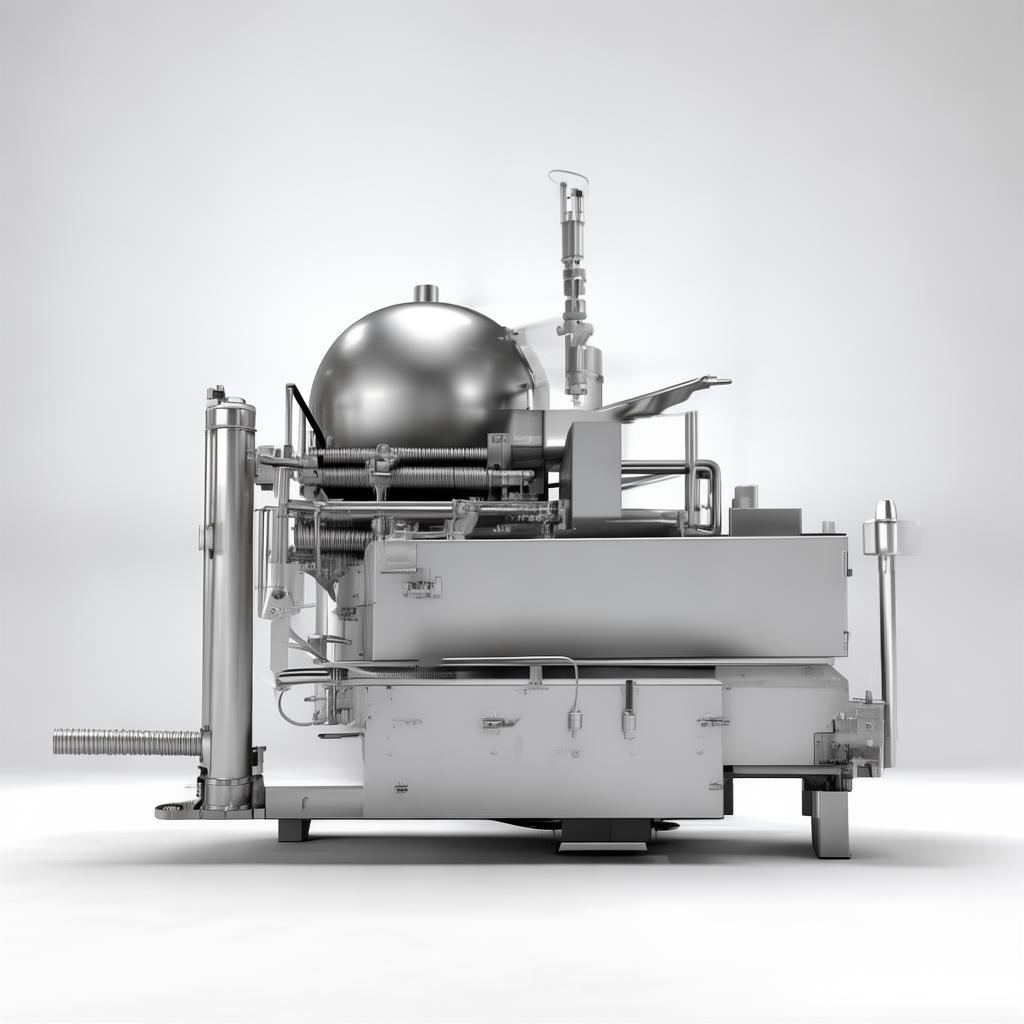
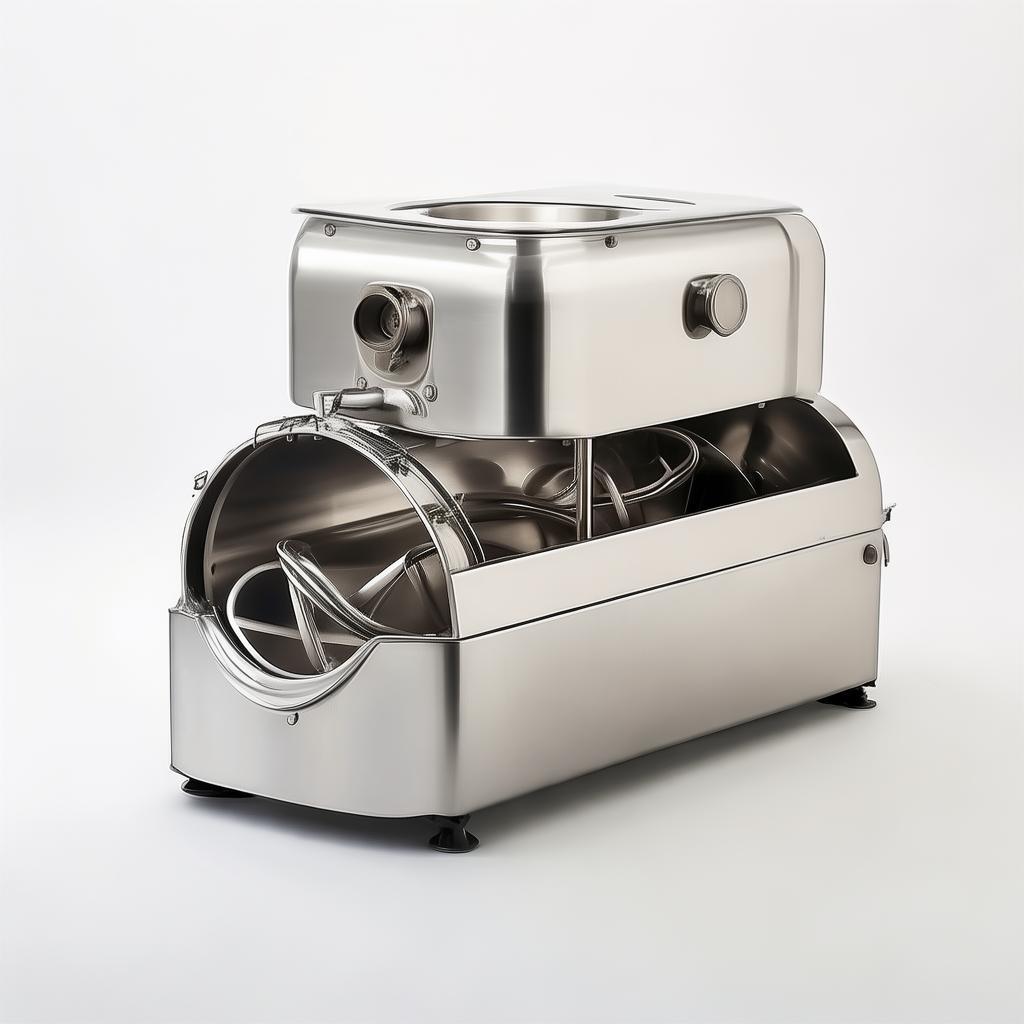
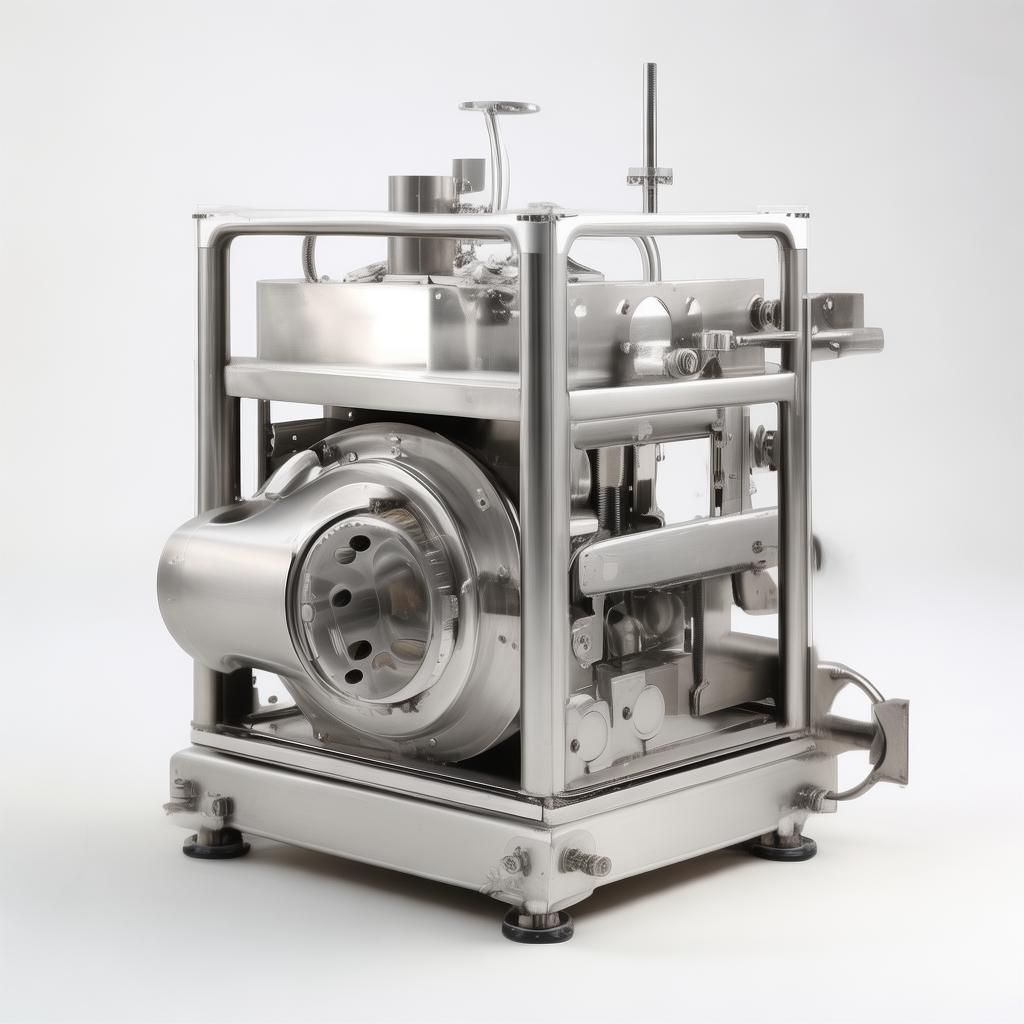
Demystifying Meat Processing: A Deep Dive for B2B Buyers
Understanding the core processes behind transformed meat products is key to optimizing your supply chain, ensuring quality, and meeting market demands.
 By Dr. Evelyn Reed, Senior Food Technologist & Export Advisor | Hebei Yuanchang Food Mechanism & Technology Co., Ltd.
Introduction: The Essence of Meat Processing
For many B2B buyers, the term "meat processing" conjures images of sausages, deli meats, and pre-packaged cuts. But what truly defines this complex industry? At its heart, meat processing is the transformation of raw animal flesh into safe, palatable, and marketable food products. It's a discipline that blends culinary art with rigorous engineering, demanding precision at every step to ensure food safety, extend shelf life, and meet diverse consumer preferences. This isn't just about cutting and packaging; it's a sophisticated operation involving a spectrum of techniques from basic preservation to intricate flavor development and precise shaping.
The global demand for processed meats continues its upward trajectory, fueled by urbanization, busy lifestyles, and the growing appeal of convenience foods. Reports indicate the global meat processing equipment market was valued at USD 11.29 billion in 2025 and is projected to reach USD 17.39 billion by 2034 at a CAGR of 5.0%. This expansion underscores the critical need for efficient, reliable, and technologically advanced processing solutions. Buyers in this space, whether they operate large-scale facilities or specialized plants, are constantly seeking to understand the nuances of these processes to make informed purchasing decisions, optimize their production lines, and gain a competitive edge.
At Hebei Yuanchang Food Mechanism & Technology Co., Ltd., with our 40 years of dedicated experience since 1986, we've seen firsthand how a deep understanding of each processing stage can revolutionize a business. We don't just manufacture machines; we provide integrated solutions built on decades of practical knowledge and engineering prowess. Our in-house machining workshop, boasting over 20 sets of processing machinery and advanced Japanese Mazak CNC centers, allows us to produce high-standard, precision components essential for today's demanding processing environments. This capability is fundamental to ensuring the quality and longevity of our equipment, offering our clients peace of mind and a traceable, reliable after-sales service.
Understanding "what makes a meat processed" is crucial for anyone involved in the food supply chain. It goes beyond mere mechanical action. It's about applying scientific principles and specialized equipment to achieve specific outcomes: enhancing safety through controlled environments, improving digestibility and nutrient availability, developing complex flavor profiles through controlled aging or curing, and creating visually appealing, convenient forms that consumers desire. Each of these outcomes is directly tied to the machinery employed and the specific process parameters set. For instance, the ripening process for meat products, often achieved through controlled environmental chambers or specialized massaging equipment, is vital for developing desirable texture and flavor in products like cured hams or certain sausages. Similarly, the precision of filling and molding machines dictates the final product's uniformity and presentation, directly impacting marketability.
The industry is dynamic, with continuous innovation driven by the need for greater efficiency, improved food safety (a non-negotiable in today's market), reduced labor costs through automation, and the ever-present consumer demand for novel and convenient meat products. The global meat processing equipment market was estimated at USD 11.28 billion in 2024 and is projected to reach USD 15.04 billion by 2030. This growth highlights significant investment opportunities and the need for suppliers to stay abreast of technological advancements. For instance, the development of automated cutting and portioning systems, advanced smokehouses, and sophisticated vacuum tumbling or massaging machines for improved curing and tenderization showcases the industry's evolution. Buyers must evaluate how these technologies align with their specific production goals, raw material characteristics, and target markets.
Consider the intricate journey of a simple pork sausage. It begins with raw meat selection, followed by grinding or chopping to achieve the desired particle size (pretreatment). Then comes mixing with seasonings, binders, and curing agents. The critical stage of filling the casings with the mixture requires specialized machines that ensure consistent density and weight, avoiding air pockets. After filling, some products undergo further processing like smoking (auxiliary), cooking, or ripening. The efficiency, precision, and hygiene of each of these steps are paramount. A poorly calibrated filling machine can lead to inconsistent product weight, impacting profitability and compliance. Inadequate ripening conditions can compromise texture and flavor, leading to customer dissatisfaction. This intricate interplay of stages is what truly defines processed meat, and mastering it is the key to operational excellence.
Furthermore, the role of auxiliary items cannot be overstated. These range from seasoning mixers and emulsifiers to smoking chambers and packaging equipment. Each plays a part in achieving the final product's quality, safety, and appeal. For example, the quality of a smoked sausage is heavily dependent on the smoking process itself, which involves carefully controlled temperature, humidity, and smoke density. Similarly, the effectiveness of tenderizing equipment, often used in pretreatment, directly influences the final texture of certain meat products. Understanding these interconnected processes enables businesses to select the most appropriate machinery and optimize their entire production workflow, ensuring consistent output and high-quality finished goods.
Core Meat Processing Stages: Beyond the Cut
Broadly speaking, meat processing can be segmented into several key stages, each with specific objectives and requiring specialized equipment. These stages are not always linear and can be adapted based on the desired end product, whether it's a simple marinated chicken breast, a complex cured ham, or a ready-to-eat meal component. Understanding these segments is fundamental for selecting the right machinery and optimizing your plant's layout and workflow.
- Pretreatment: Preparing the raw meat for further processing. This includes initial cutting, deboning, trimming, grinding, chopping, or tenderizing.
- Forming & Filling: Shaping and containing the meat mixture into desired forms, such as sausages, patties, or loaves.
- Ripening, Curing & Cooking: Developing flavor, texture, and preservation through methods like salting, smoking, drying, or controlled heat treatments.
- Auxiliary Processes: Enhancing quality, shelf-life, or presentation via smoking, chilling, freezing, or specialized treatments.
- Packaging: Protecting the final product and extending its shelf life.
Each of these stages relies on sophisticated machinery designed for specific tasks. For example, the global meat processing equipment market, valued at USD 12.04 billion in 2024 and poised to reach USD 19.66 billion by 2033 at a CAGR of 5.6%, encompasses a wide array of specialized equipment. Key segments include tenderizing, filling, grinding, slicing, and massaging equipment, all essential for various stages of meat transformation. The demand is driven by factors like the growing consumption of ready-to-eat meats, the need for automation to address labor shortages and hygiene concerns, and infrastructure investments in emerging markets.
Pretreatment: The Foundation of Quality
Before meat can be formed or flavored, it must be prepared. This is where pretreatment comes into play, a stage critical for determining the final texture, consistency, and overall appeal of the processed product. It encompasses a range of mechanical and sometimes chemical processes aimed at breaking down raw meat into suitable forms for subsequent steps.
Grinding and Chopping: For products like sausages, burgers, or pâtés, the meat needs to be reduced in particle size. Grinders use rotating blades and plates to achieve uniform particle sizes, while choppers (often high-speed, bowl-type machines) can achieve finer textures and incorporate other ingredients simultaneously. The coarseness or fineness achieved here directly impacts the mouthfeel. For instance, a coarse grind is desirable for certain rustic sausages, whereas a fine grind is essential for smooth-textured bologna or frankfurters. The efficiency and hygiene of these machines are paramount; our 40 years of experience have taught us that superior materials and robust design lead to longer operational life and easier cleaning.
Tenderizing: Some cuts of meat require mechanical tenderization to improve their texture and palatability. This can involve scoring, needling, or pounding. While traditionally a manual process, automated tenderizing machines are now common, employing rotating blades or needles to break down tough muscle fibers. This is particularly important for less expensive cuts that can be transformed into tender, desirable products. The meat processing equipment market sees strong demand in segments like filling, tenderizing, and massaging equipment, reflecting its importance.
Deboning and Trimming: While often a manual step on the butchery floor, automated deboning machines exist for specific applications, especially with poultry and fish. Trimming for fat content or removal of connective tissue is crucial for product consistency and quality control.
The precision and robustness of pretreatment equipment are non-negotiable. Factors like material durability, ease of disassembly for cleaning, and energy efficiency are key considerations for procurement managers. At Hebei Yuanchang, our extensive in-house machining capabilities, including advanced CNC centers, allow us to manufacture components that meet stringent standards for accuracy and longevity, ensuring reliable performance in even the most demanding pretreatment operations.
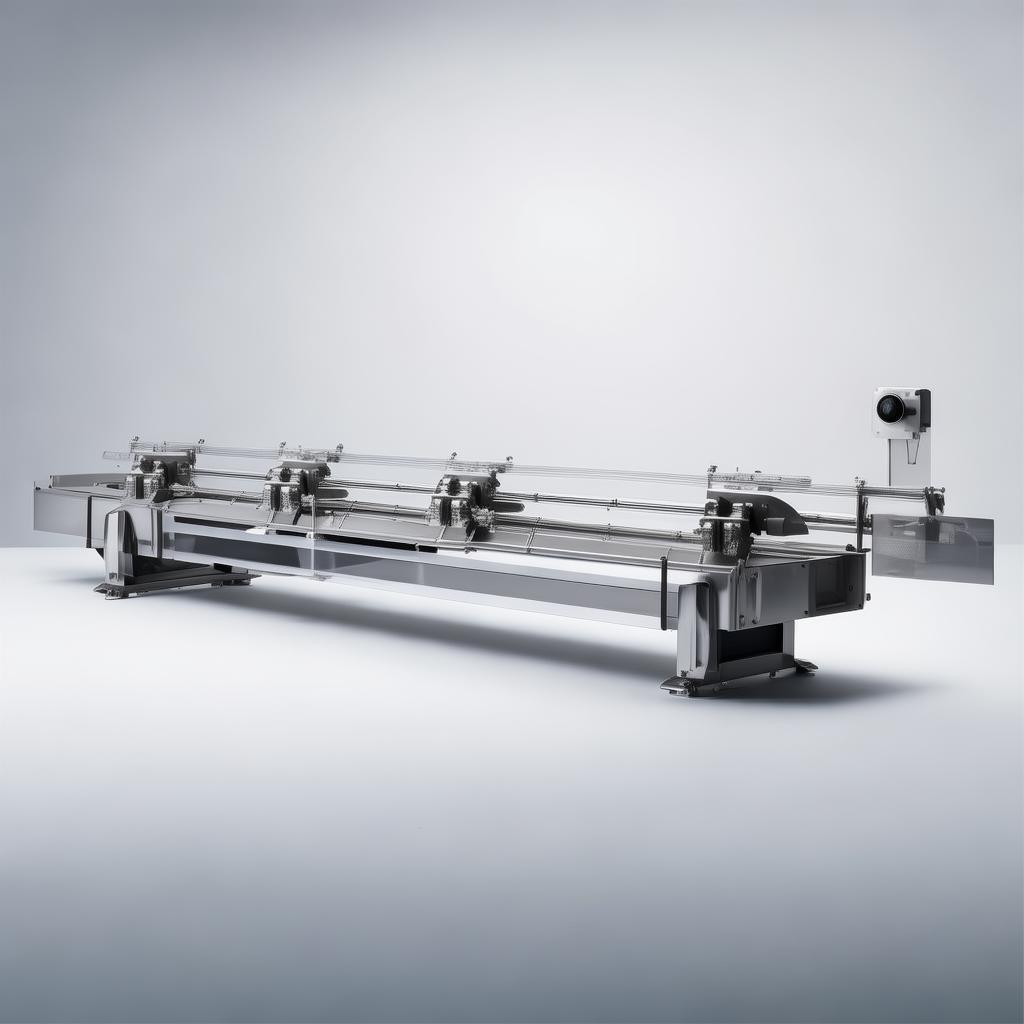
 Precision grinding is essential for consistent sausage and burger production.
Filling & Molding: Shaping the Product
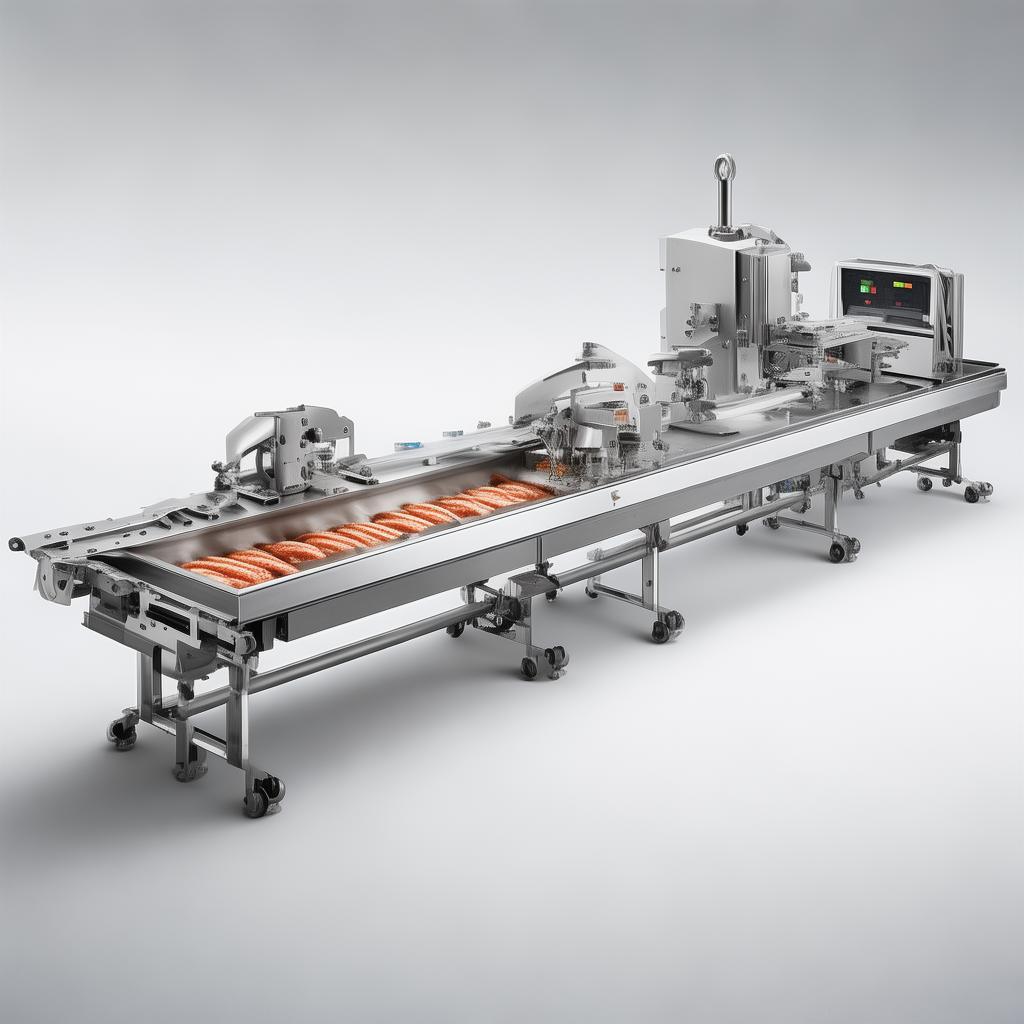
Once the meat mixture is prepared, the next step is often to shape it into its final form. This is the domain of filling and molding equipment, critical for producing consistent products like sausages, hot dogs, burgers, and deli meats. Achieving precise weight, uniform density, and appealing presentation relies heavily on the quality and technology of these machines.
Sausage Filling: This is perhaps the most common application. Filling machines accurately portion the meat emulsion into casings (natural or artificial). They operate under vacuum to minimize air inclusion, which is vital for product quality and shelf life. The speed, accuracy, and flexibility to handle different casing types and product sizes are key features. High-end machines can even tie or clip sausages automatically. For example, the global meat processing equipment market reached USD 18.3 billion in 2025 and is expected to hit USD 29.8 billion by 2034 at a CAGR of 5.43%, with filling and stuffing equipment being a significant segment.
Forming Machines: For products like burger patties, chicken nuggets, or formed fish products, forming machines are employed. These use dies or molds to shape the meat mixture into specific shapes and thicknesses. Advanced machines can produce intricate designs and textures, catering to market trends for visually appealing and varied products. The ability to create consistent portions is crucial for both cost control and consumer satisfaction. The global processed meat market is projected for significant growth, which directly drives demand for such forming technologies.
Vacuum Tumbling & Massaging: While not strictly filling/molding, these processes are often integral to preparing meat for forming or curing. Vacuum tumblers and massagers use gentle tumbling action to improve protein extraction, bind ingredients, enhance texture, and facilitate the penetration of marinades or curing agents. This is particularly important for products requiring a homogenous texture and good sliceability. The processed meat market is expected to reach USD 1,330.45 billion by 2035, making efficient molding and filling crucial.
Operational considerations for these machines include their cleaning protocols, maintenance schedules, and integration with upstream (grinding) and downstream (cooking, packaging) equipment. Our expertise at Hebei Yuanchang lies in designing robust, user-friendly filling and molding systems that prioritize hygiene, precision, and durability. We understand that reliable performance directly translates to higher output and reduced downtime for your operations.
 Accurate filling ensures consistent weight and quality for every sausage.
Ripening, Curing & Cooking: Developing Flavor and Texture
This stage is where raw meat transforms into products with distinct flavors, textures, and extended shelf lives. It involves a combination of controlled environmental conditions and sometimes the addition of curing agents. This is a science of preservation and flavor development.
Curing: The addition of salt, nitrates, and/or nitrites is a traditional method to preserve meat, inhibit bacterial growth (especially Clostridium botulinum), and develop characteristic pink colors and savory flavors. This process is carefully controlled to ensure safety and desired sensory attributes. Understanding the chemical reactions involved is key to achieving consistent results.
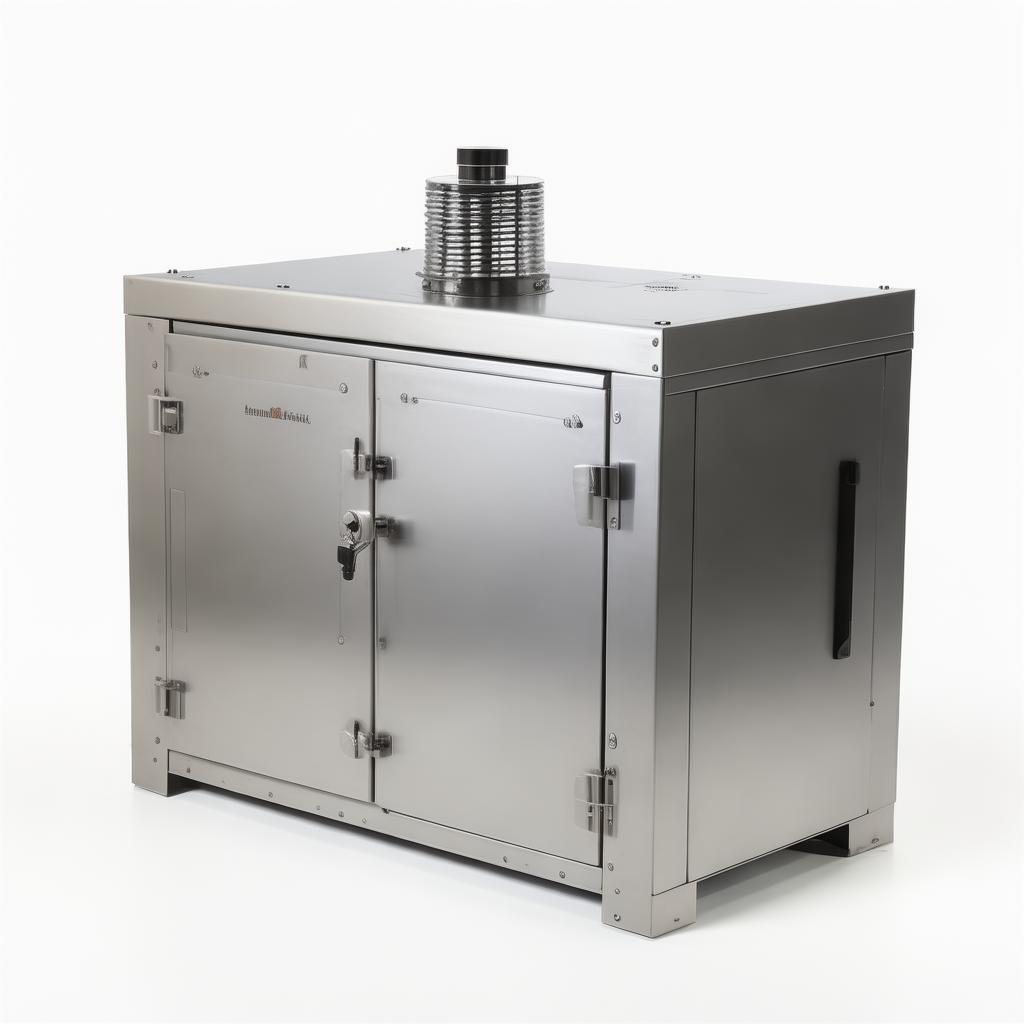
Ripening (Fermentation/Drying): For products like dry-cured hams, salami, or pepperoni, a controlled ripening period is essential. This often takes place in specialized ripening chambers where temperature, humidity, and airflow are meticulously managed. During this time, enzymes break down proteins and fats, developing complex flavors and textures, while moisture is gradually reduced. Successful ripening requires precise environmental control to prevent spoilage or undesirable microbial activity. Massaging equipment, used for even distribution of curing agents and initial texture development, is often a precursor to the ripening chamber. The meat processing equipment market sees significant demand for massaging equipment to facilitate these processes.
Cooking: Many processed meat products require cooking to achieve final texture, flavor, and to ensure microbiological safety. This can involve steaming, baking, or boiling. The cooking process must be carefully monitored to ensure the internal temperature reaches safe levels without overcooking, which can lead to dryness and loss of quality. Automated cooking systems are common in large-scale operations.
Smoking: While often considered an auxiliary process, smoking plays a critical role in both flavor development and preservation for many cured and cooked products. It can be hot smoking (which also cooks the product) or cold smoking (primarily for flavor and color). Specialized smoking equipment allows for precise control over smoke density, temperature, and humidity.
For buyers, investing in reliable ripening and cooking equipment means investing in the core quality of their finished goods. Factors like energy efficiency for temperature control, ease of cleaning the chambers, and precise humidity management are crucial. Hebei Yuanchang provides robust solutions that meet these demands, ensuring your meat products achieve optimal flavor and safety profiles. Our 40 years of experience allow us to understand the critical parameters required for successful ripening and curing operations.
 Controlled ripening is key to developing complex flavors and desirable textures.
Auxiliary Processes: Enhancing Appeal
Beyond the core stages of preparation, shaping, and preservation, a range of auxiliary processes significantly contribute to the quality, functionality, and marketability of processed meat products. These can include sophisticated smoking systems, rapid chilling and freezing, and precise portioning for specific retail or foodservice needs.
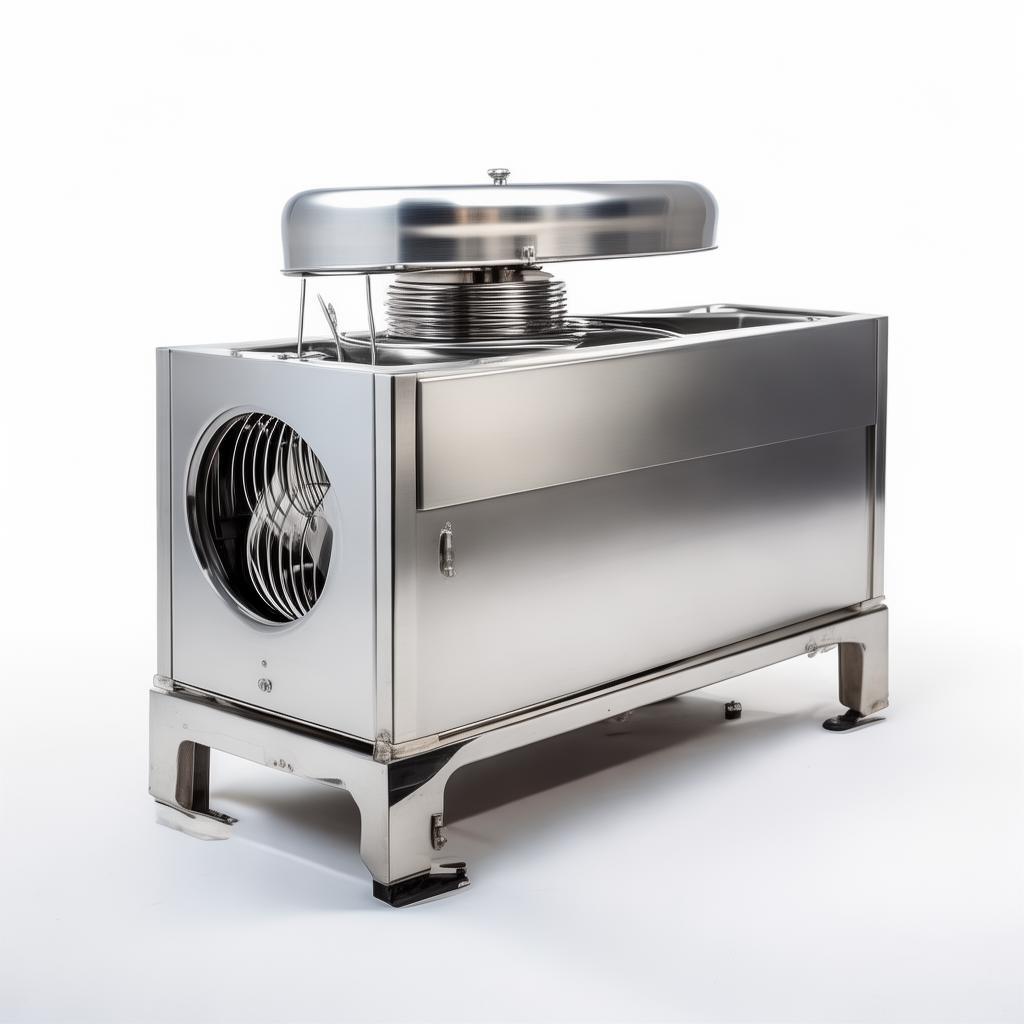
Smoking Chambers: As mentioned, smoking is vital for flavor, color, and preservation. Modern smoking chambers offer advanced control over smoke generation (wood chips, sawdust, liquid smoke), humidity, temperature, and airflow. This allows for precise replication of traditional smoke profiles or development of new, innovative flavors. Automation and hygiene compliance are major trends driving demand for sophisticated smoking equipment.
Chilling and Freezing: Rapidly chilling cooked products is essential to inhibit microbial growth and maintain product quality. Blast chillers and freezers rapidly lower product temperatures, crucial for food safety and achieving the desired final texture before packaging. The speed and uniformity of chilling or freezing directly impact ice crystal formation, which in turn affects product integrity and moisture retention upon thawing.
Mixing and Emulsifying: For many processed meat products, especially sausages and pâtés, a homogenous mixture of meat, fat, water, and seasonings is required. High-speed mixers and emulsifiers are used to achieve the desired consistency and texture, breaking down meat tissues and incorporating ingredients uniformly. This step is critical for achieving the right mouthfeel and preventing separation during cooking or storage.
Packaging Equipment: While often a separate category, integrated packaging solutions are key. Vacuum packaging, modified atmosphere packaging (MAP), and thermoforming machines play a vital role in extending shelf life, maintaining product freshness, and enhancing consumer appeal. The compatibility of processing outputs with packaging requirements is a critical logistical consideration.
For businesses looking to enhance their product offering, investing in advanced auxiliary equipment can unlock new market opportunities. Whether it's achieving a specific smoke flavor or ensuring rapid chilling for maximum freshness, the right machinery makes a tangible difference. Hebei Yuanchang can guide you in selecting and integrating these critical components into your overall processing line, drawing on our extensive manufacturing experience.
is meat processed processed meat production meat and meat processing
Market Drivers & Equipment Needs
The global market for meat processing is evolving rapidly, influenced by several key drivers that directly shape the demand for specific types of equipment and technologies. Understanding these trends is vital for B2B buyers making strategic investment decisions.
Rising Demand for Processed & Convenience Foods: Urbanization, changing consumer lifestyles, and the demand for quick meal solutions continue to fuel the processed meat market. This translates to a consistent demand for high-volume, efficient filling, molding, and cooking equipment. The market is projected to reach USD 1,330.45 billion by 2035, indicating sustained growth opportunities for processors and their equipment suppliers.
Focus on Food Safety & Hygiene: Increasingly stringent regulations and heightened consumer awareness place a premium on food safety. This drives the adoption of automated systems that minimize human contact, facilitate thorough cleaning, and ensure precise process control. Equipment constructed from food-grade stainless steel, designed for easy disassembly and cleaning (like our own meticulously manufactured components), is paramount. Compliance with international standards such as HACCP and ISO is often a prerequisite.
Automation & Labor Efficiency: Labor shortages, rising wages, and the pursuit of operational efficiency compel manufacturers to invest in automated solutions. This includes automated loading/unloading systems, robotic portioning, and integrated processing lines that reduce manual intervention. The meat and poultry processing equipment market is expected to reach USD 30.5 billion by 2035, with automation being a significant growth factor.
Product Innovation & Diversification: Consumers are increasingly seeking variety, including healthier options, plant-based alternatives (which often use similar processing technologies), and premium products. This necessitates flexible equipment capable of producing a wide range of product types, textures, and flavors. Manufacturers need machinery that can adapt to new recipes and formats.
Regional Growth in Emerging Markets: The Asia-Pacific region, in particular, is experiencing significant growth in meat consumption and processing capacity. This is leading to increased investment in both basic and advanced processing equipment, from pretreatment through to ripening and auxiliary systems. Asia-Pacific is noted as a leading region due to rising meat consumption and the industrialization of processing facilities.
For buyers, aligning equipment choices with these market drivers ensures long-term competitiveness. Investing in automation not only addresses labor issues but also enhances consistency and safety. Choosing flexible machinery supports product innovation, a key differentiator in a crowded marketplace.
Partnering for Success: Choosing the Right Equipment Provider
Selecting the right machinery is only half the battle; partnering with a reliable equipment supplier is equally crucial for sustained operational success. In the B2B international trade landscape, this partnership extends beyond the initial purchase to encompass ongoing support, technical expertise, and supply chain integration.
Experience and Expertise: Look for suppliers with a proven track record in the meat processing industry. How long have they been in business? Do they understand the specific challenges you face? At Hebei Yuanchang, our 40 years of experience since 1986 have given us unparalleled insight into the practical demands of meat processing, from pretreatment to ripening and auxiliary operations.
Manufacturing Capabilities: A supplier's in-house manufacturing strength is a significant indicator of quality and reliability. Do they control the production of critical components? We pride ourselves on our extensive machining workshop, equipped with over 20 sets of processing machinery and advanced Japanese Mazak CNC centers. This allows us to produce high-precision, non-standard parts independently, ensuring superior quality and control. This capability is vital for producing equipment that withstands the rigors of continuous industrial operation.
Quality Standards and Certifications: Ensure the supplier adheres to relevant international quality standards and possesses necessary certifications. This demonstrates a commitment to safety, performance, and compliance. While specific certifications vary by region and product type, adherence to ISO principles is a strong baseline.
After-Sales Support and Spare Parts: Equipment downtime is costly. A responsive after-sales service, readily available spare parts, and accessible technical support are non-negotiable. Our traceable after-sales management system ensures you receive prompt support and necessary parts, minimizing disruptions to your production schedule.
Customization and Integration: Can the supplier tailor solutions to your specific needs? Offering OEM/ODM services allows for customization that perfectly aligns with your unique production lines. We work closely with clients to integrate our equipment seamlessly into their existing or new facilities.
Evaluating potential partners based on these criteria will lead to more robust, efficient, and profitable operations. It's about building a long-term relationship based on trust, technical competence, and mutual benefit.
Procurement Insight:
When sourcing complex machinery like meat processing equipment, always request detailed technical specifications, inquire about lead times for manufacturing and delivery, and understand the warranty terms thoroughly. Don't hesitate to ask for references or case studies relevant to your specific product requirements.
Our Commitment: Hebei Yuanchang's Expertise
At Hebei Yuanchang Food Mechanism & Technology Co., Ltd., our foundation is built on a rich history of manufacturing excellence and a deep understanding of meat processing. Spanning approximately 14,000 square meters with a dedicated team of 80-100 professionals, we integrate Research & Development, production, and sales to offer comprehensive solutions for meat and pet food processing.
Our 40 years of experience, dating back to 1986, is not just a number; it represents thousands of hours of engineering, refinement, and practical application in the field. This extensive experience translates directly into equipment that is both robust and highly efficient. Our core product categories—Pretreatment of Meat Products, Meat Product Filling Molding, Ripening Process for Meat Products, and Auxiliary Items—are designed to address the full spectrum of processing needs.
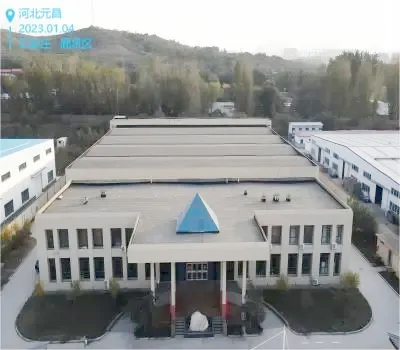
The backbone of our manufacturing capability lies in our state-of-the-art in-house machining workshop. Equipped with over 20 sets of advanced processing machinery, including precision lathes, milling machines, high-precision grinding machines, boring machines, plate shears, bending machines, and wire cutting equipment, we possess the capacity to handle complex fabrication. The strategic integration of 8 Japanese Mazak CNC machining centers in 2012 significantly enhanced our ability to produce high-standard components requiring large volumes, exceptional precision, and non-standard specifications.
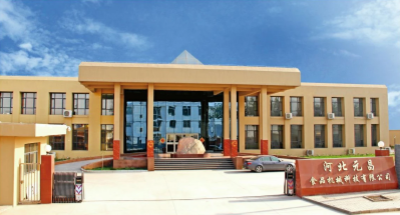 Our advanced manufacturing facility ensures precision and quality in every component.
This in-house capability allows us to maintain stringent quality control over every part that goes into our machines. It means we can independently produce high-precision parts, ensuring that our customers receive equipment built to last and benefit from a traceable after-sales management system that guarantees worry-free service. Whether you're looking for pretreatment solutions, reliable filling and molding machinery, or specialized ripening equipment, our comprehensive factory capabilities enable us to deliver tailored, high-performance solutions.
We understand the global market's demands. Our export experience means we are adept at meeting international standards, logistical requirements, and client expectations worldwide. Partner with Hebei Yuanchang and leverage four decades of dedicated expertise in transforming your meat processing operations.
Operational Insight:
Investing in machinery from a vertically integrated manufacturer like Hebei Yuanchang provides significant advantages. It means shorter lead times for critical components and a deeper understanding of how each part contributes to the overall performance and longevity of the machine. This control is invaluable for ensuring consistency and reliability in B2B supply chains.
What Our Clients Say About Us

"The precision of their filling machines is outstanding. We've seen a significant reduction in product giveaway."

"Their technical support team is incredibly knowledgeable and responsive, especially during our plant setup."

"The ripening chambers maintain perfect conditions. Our cured products have never been better."
Frequently Asked Questions
- Q: What is the primary goal of meat processing?
- A: The primary goal is to transform raw meat into safe, palatable, and marketable food products by extending shelf life, enhancing flavor and texture, and ensuring food safety through various mechanical, chemical, and thermal treatments.
- Q: How important is pretreatment in meat processing?
- A: Pretreatment, including grinding, chopping, and tenderizing, is fundamental. It dictates the final product's texture, consistency, and how well other ingredients are incorporated. Poor pretreatment can compromise the entire processing outcome.
- Q: What factors influence the choice of filling and molding equipment?
- A: Key factors include the type of product (sausages, patties, loaves), desired portion weight and accuracy, casing material, production volume, and hygiene requirements. Vacuum capability to minimize air pockets is also critical.
- Q: What is the role of ripening chambers?
- A: Ripening chambers provide a controlled environment (temperature, humidity, airflow) essential for the development of flavor, texture, and preservation in products like dry-cured hams and sausages. They allow for controlled drying and enzymatic breakdown.
- Q: Can your machines handle OEM/ODM requirements?
- A: Yes, we offer OEM/ODM services. Our engineering and manufacturing capabilities allow us to customize equipment to meet specific client needs and production specifications.
Ready to Enhance Your Meat Processing Operations?
Discover how Hebei Yuanchang's 40 years of manufacturing expertise can elevate your production efficiency, product quality, and global competitiveness.