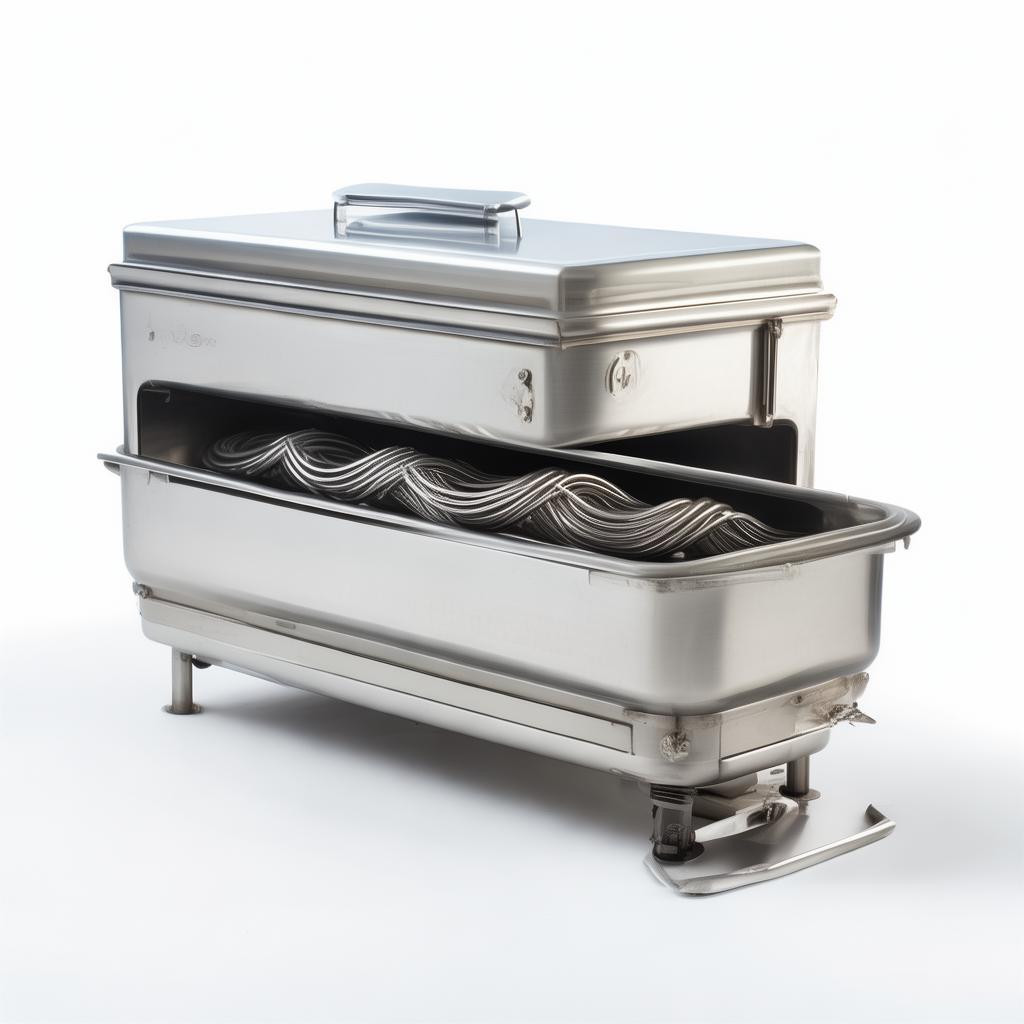
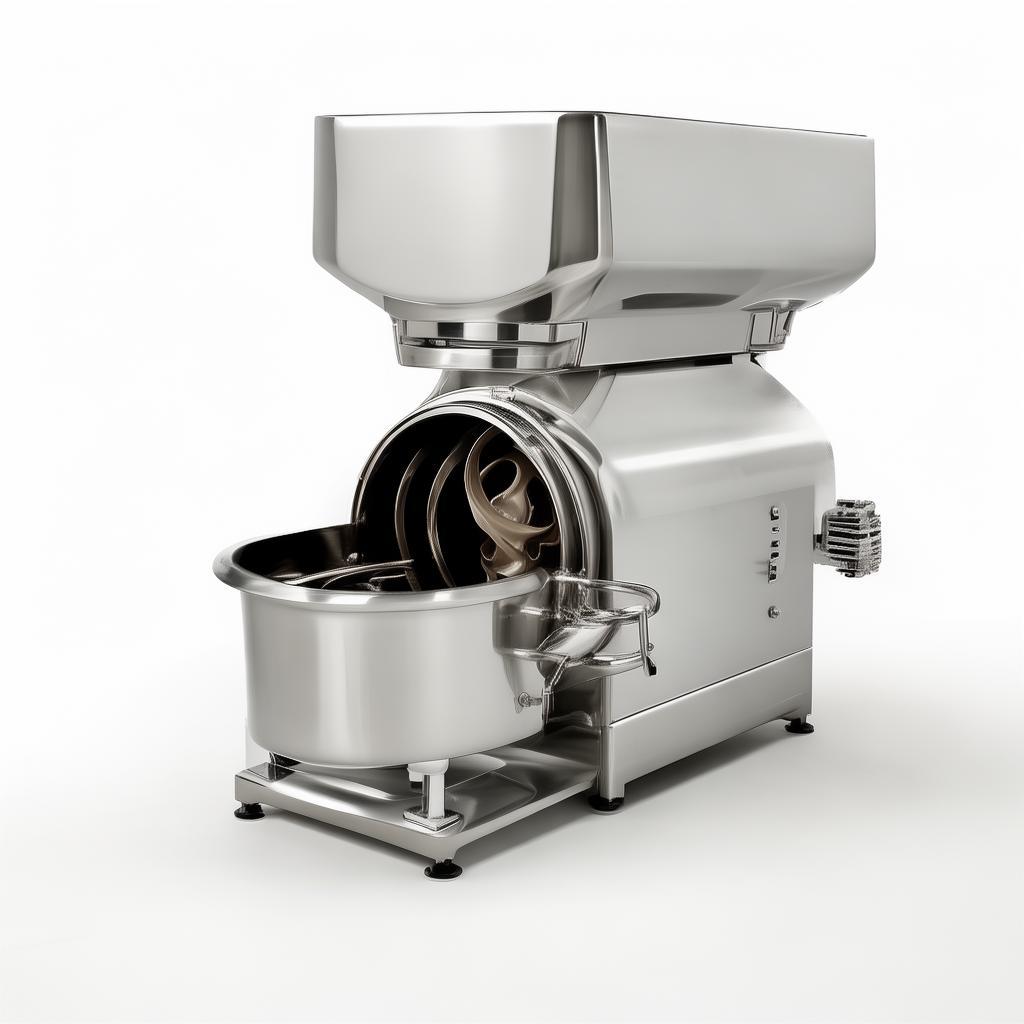
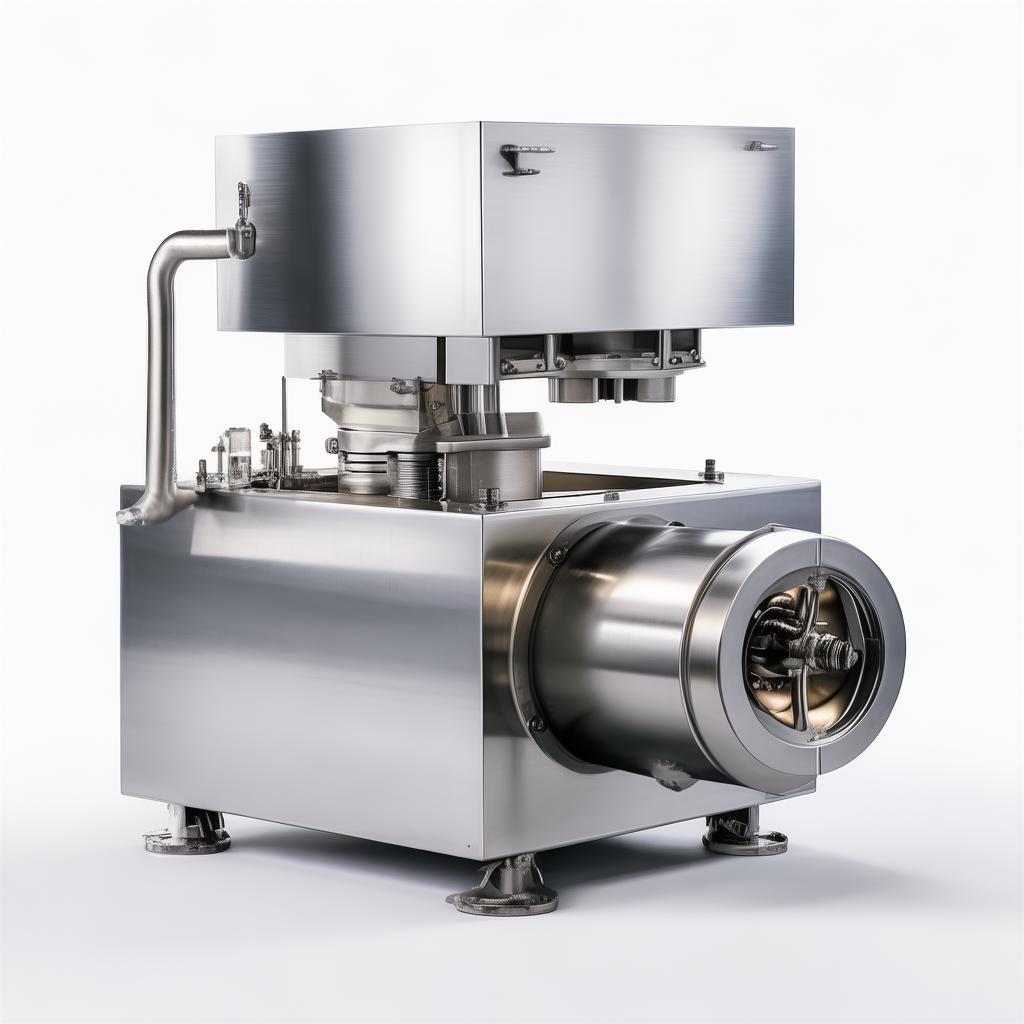
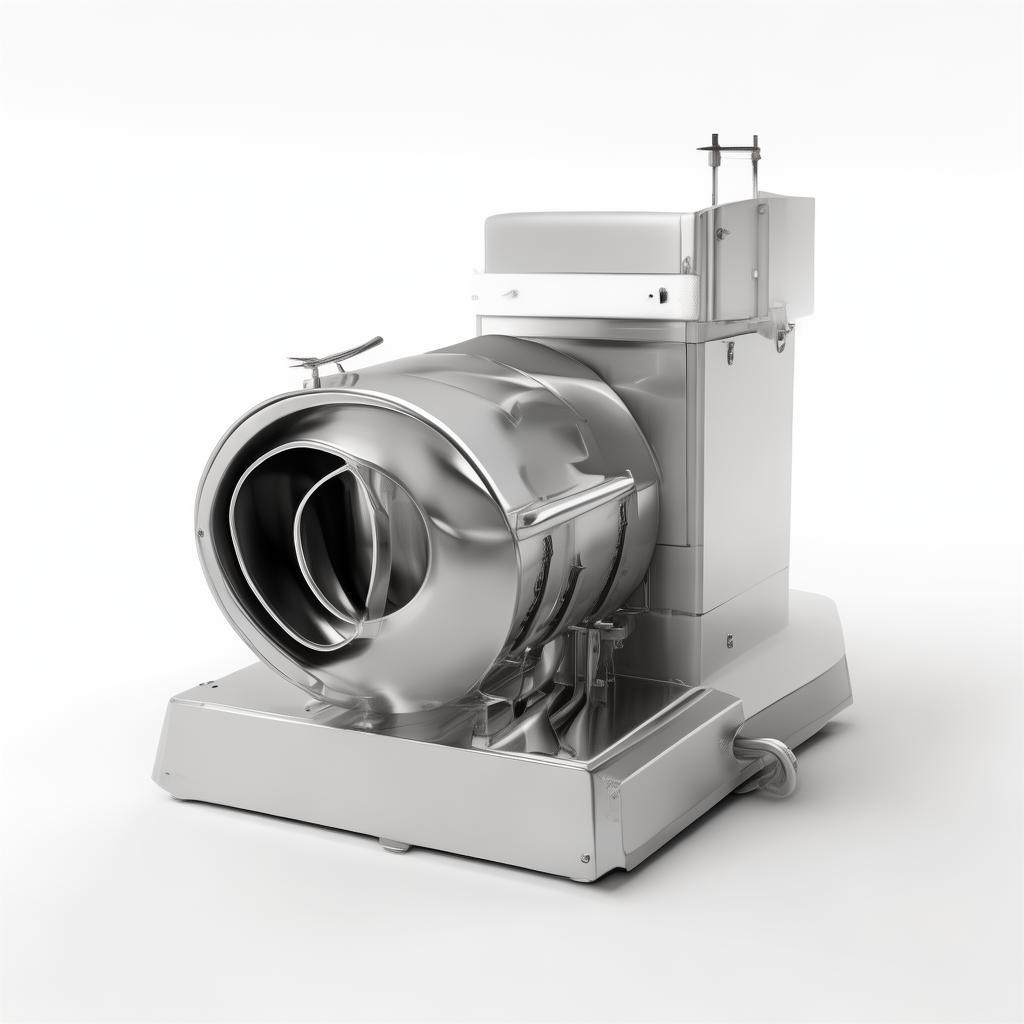
What Is A Meat Tenderizer And What Does It Do
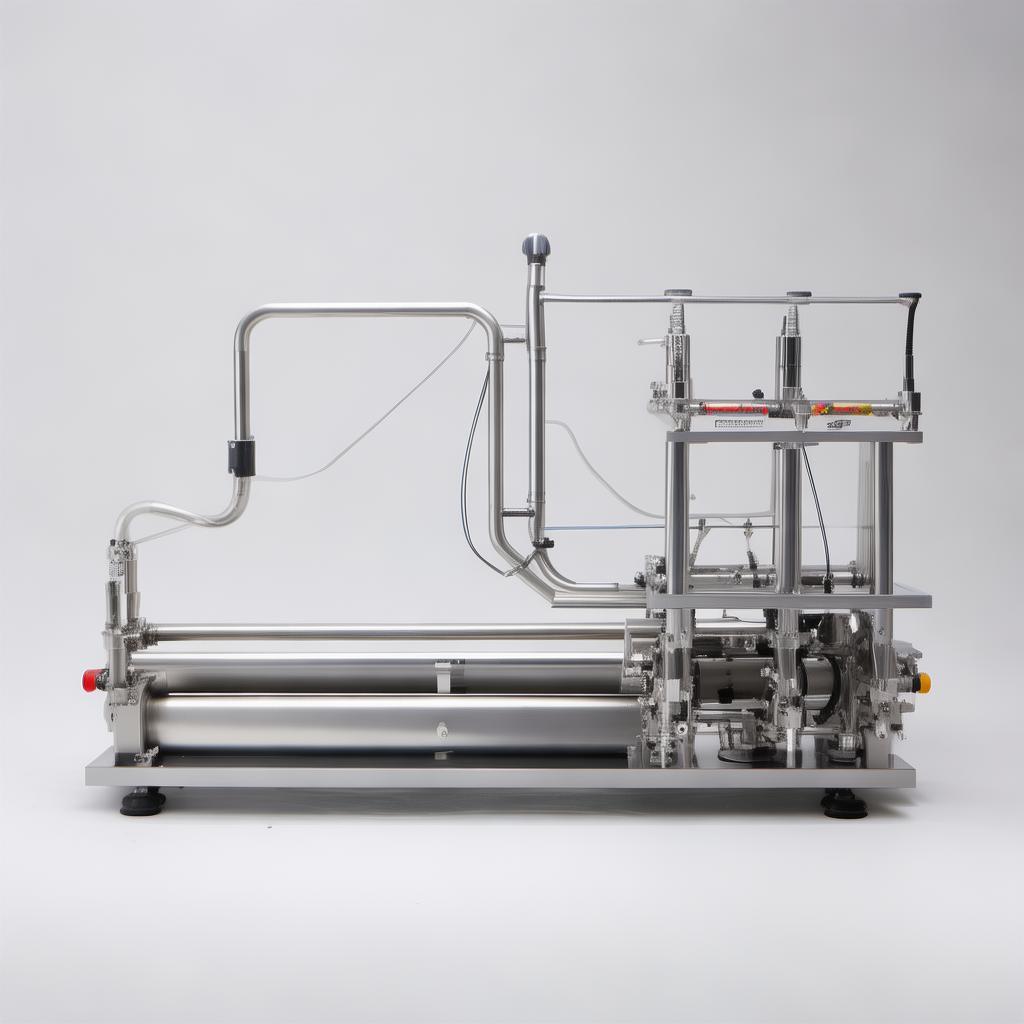
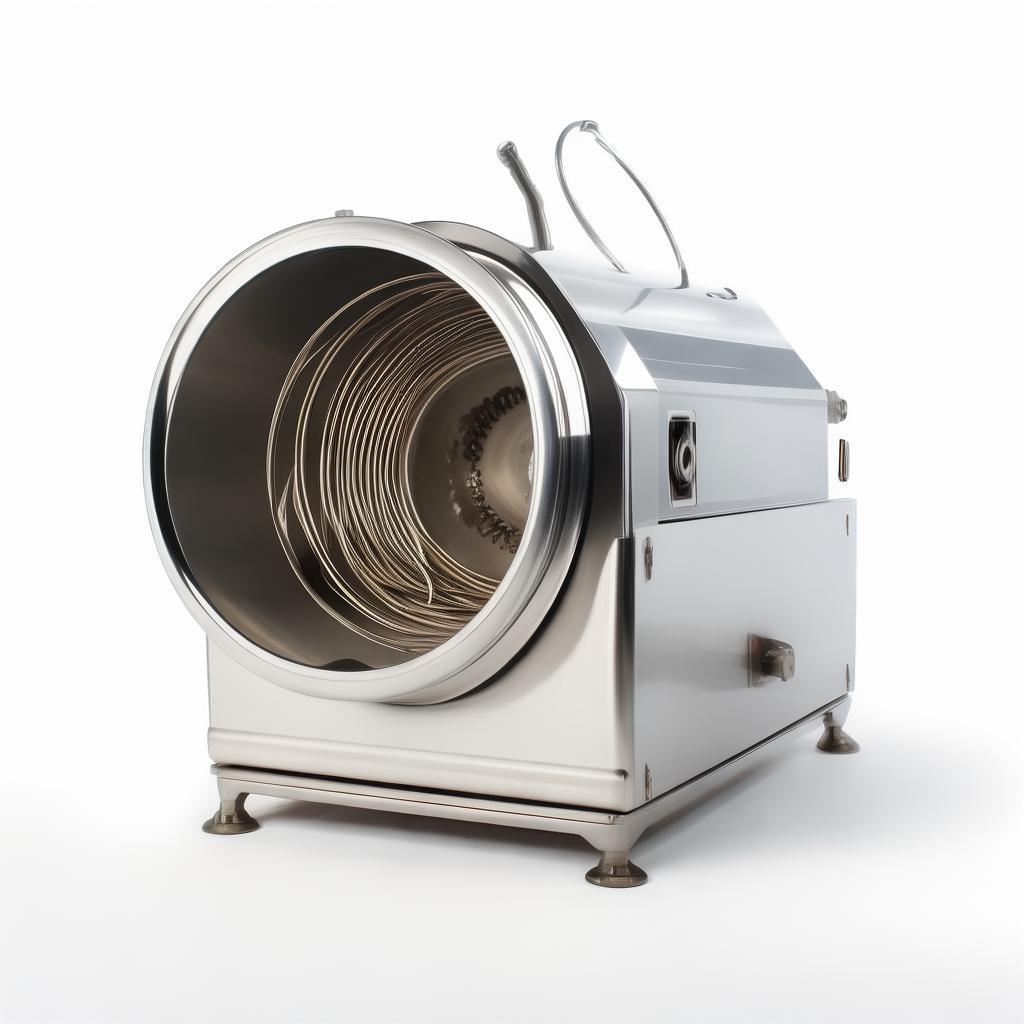
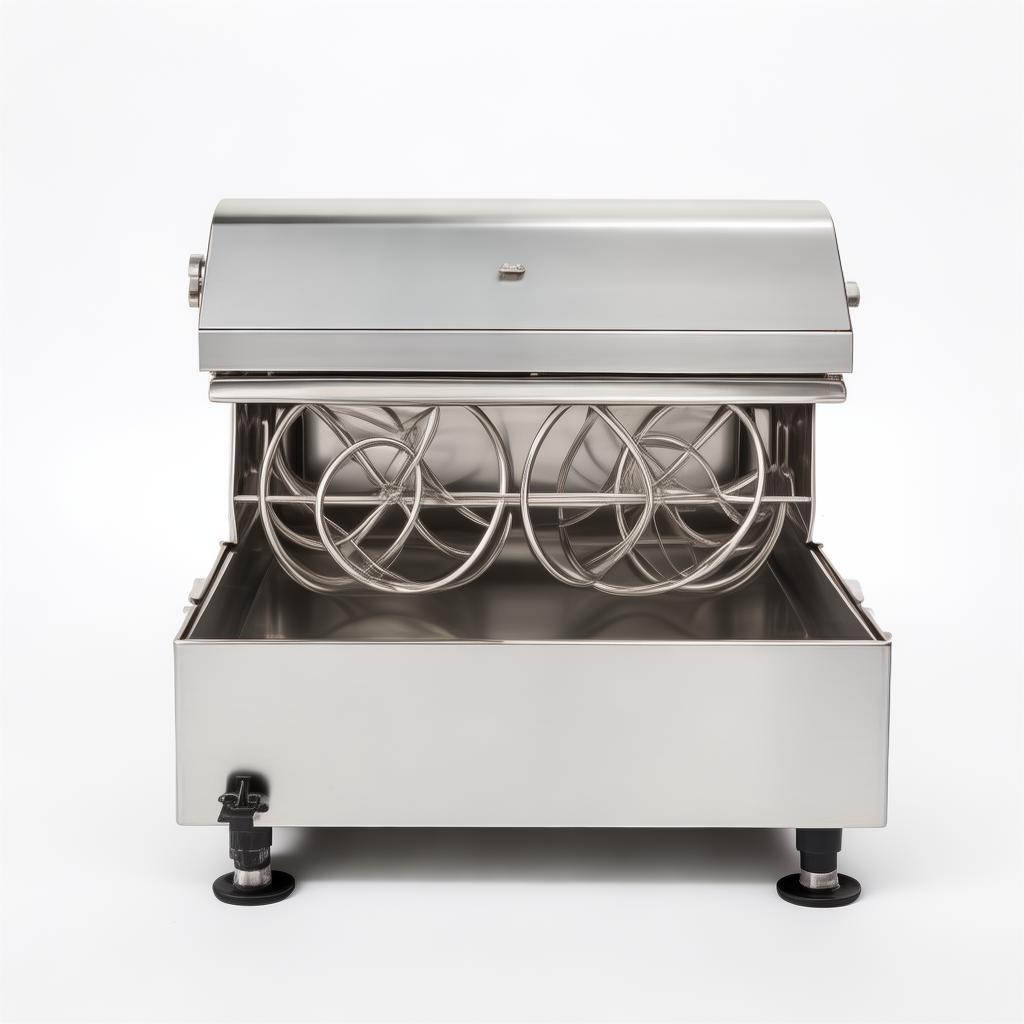
What is a Meat Tenderizer and What Does It Do? A Deep Dive for Procurement Professionals
By  David Chen, Export Director at Hebei Yuanchang Food Mechanism & Technology Co., Ltd.
Updated: October 26, 2023
Understanding Meat Tenderizers: More Than Just a Kitchen Gadget
When you're sourcing equipment for a meat processing operation, efficiency, quality, and consistency are paramount. One piece of machinery that often flies under the radar but plays a critical role in achieving these goals is the meat tenderizer. While the term might conjure images of a simple mallet in a home kitchen, in the industrial context, meat tenderizers are sophisticated systems designed to enhance the texture and palatability of various meat products. For purchasing managers and operations directors, understanding these machines is key to optimizing production lines, meeting consumer demand for tender and juicy cuts, and ultimately, boosting your bottom line.
The global meat processing equipment market is a significant sector, projected to reach anywhere from USD 11.29 billion (2025) to over USD 30 billion by 2035, with tenderizing equipment being a vital component. This growth is fueled by a rising global demand for processed meats, convenience foods, and a continuous push for higher quality and safety standards. Consumers are increasingly discerning, expecting a consistent, tender eating experience regardless of the cut or product type. This expectation places immense pressure on processors to employ effective pre-treatment methods, and that's precisely where industrial meat tenderizers come into play.
At its core, a meat tenderizer's function is to break down the tough connective tissues within meat. This can be achieved through mechanical means, chemical agents (though we'll focus on mechanical here), or enzymatic processes. In industrial settings, we're typically talking about mechanical tenderizers that utilize blades, needles, or rollers to penetrate or compress the meat. This physical alteration disrupts the muscle fibers and collagen structure, making the meat significantly more tender and easier to chew. Beyond just tenderness, this process also aids in marination penetration and can improve the overall juiciness and mouthfeel of the final product.
Consider the procurement decision. You're not just buying a machine; you're investing in a solution. A well-chosen tenderizer can significantly reduce cooking times, minimize shrinkage, and enhance the appeal of products ranging from steaks and roasts to processed items like sausages and ham. Conversely, an inappropriate or poorly performing tenderizer can lead to product damage, inconsistencies, increased waste, and ultimately, dissatisfied customers. This is why a thorough understanding of what a meat tenderizer is, how it operates, and its various applications is essential for anyone involved in the B2B procurement of food processing machinery.
We, at Hebei Yuanchang Food Mechanism & Technology Co., Ltd., have been in this industry for 40 years, since 1986. Our expertise spans the entire meat processing chain, from pretreatment to ripening and auxiliary items. We understand the practical challenges faced by factories, the nuances of different meat types, and the importance of reliable, high-performance equipment. This page is designed to equip you, the industry professional, with the knowledge needed to make informed decisions about meat tenderizing technology. We aim to demystify the function and value of these machines, moving beyond basic definitions to offer insights relevant to operational efficiency and commercial success.
The market for meat processing equipment is dynamic. Reports indicate a consistent CAGR of around 5-7% across various segments, with a particular emphasis on automation and efficiency. 【Meat Processing Equipment Market Size, Share & Industry Analysis - https://www.fortunebusinessinsights.com/meat-processing-equipment-market-115455 - The global meat processing equipment market was valued at USD 11.29 billion in 2025 and is projected to reach USD 17.39 billion by 2034 at a CAGR of 5.0%. Key segments include filling & stuffing equipment, massaging & tumbling (for ripening/tenderizing), cutting, grinding, and smoking machines. Growth is driven by rising demand for processed meat, automation adoption for hygiene and labor efficiency, strict food safety standards, and strong expansion in Asia-Pacific. Filling and molding equipment are critical for sausages and formed products, while massaging equipment enhances ripening and texture.】 This upward trend underscores the increasing investment in technologies that improve meat quality and processing speed. Understanding tenderizers is a step towards leveraging these market dynamics to your advantage.
Furthermore, the evolution of meat consumption patterns, including the rise of ready-to-eat meals and premium meat products, necessitates advanced processing techniques. 【Meat Processing Equipment Market Size, Share Report, 2030 - https://www.grandviewresearch.com/industry-analysis/meat-processing-equipment-market - The global meat processing equipment market was estimated at USD 11.28 billion in 2024 and is projected to reach USD 15.04 billion by 2030. Segments cover tenderizing, filling, grinding, slicing, and massaging equipment essential for pretreatment, molding, and ripening processes. Rising consumption of ready-to-eat meats, automation for labor shortages and hygiene, and infrastructure investments in emerging markets drive demand. Filling & stuffing machines and massaging systems for ripening are high-growth areas supporting consistent product quality and food safety compliance.】 Tenderizers are often the first step in this value-addition chain, preparing the meat for further processing, marination, or direct sale. Our goal here is to provide a comprehensive overview, from basic definitions to practical considerations for international procurement, ensuring you have the technical and commercial context needed.
Key Types of Industrial Meat Tenderizers
In an industrial setting, "meat tenderizer" isn't a one-size-fits-all term. The machinery varies significantly in design and operation, each tailored for specific outcomes and scales of production. Understanding these distinctions is crucial for selecting the right equipment for your processing needs.
1. Blade Tenderizers (Also known as Meat Mallets or Needling Machines)
These are perhaps the most common mechanical tenderizers in large-scale operations. They feature rotating drums or belts fitted with multiple sharp blades or needles. As the meat passes through the machine, these blades pierce the muscle fibers and connective tissues. This action:
- Breaks down tough sinews and collagen.
- Creates small channels that allow marinades and curing solutions to penetrate deeper and faster, improving flavor and shelf-life.
- Can slightly increase the surface area, aiding in quicker cooking.
These machines are highly effective for larger cuts of meat like steaks, roasts, and even poultry breasts. The density and pattern of the blades can often be customized depending on the meat type and desired outcome. For instance, some models might have finer needles for delicate cuts, while others use broader blades for tougher meats.
2. Roller Tenderizers
These tenderizers use a set of rollers, often with textured surfaces or a series of plates, to compress and flatten the meat. The pressure applied by the rollers mechanically alters the meat structure, effectively tenderizing it. Roller tenderizers are particularly useful for:
- Reducing the thickness of meat cuts for faster cooking or specific product requirements (e.g., schnitzel).
- Achieving a more uniform texture across the entire piece of meat.
- Massaging meat, which is a related but distinct process often used for ripening and creating texture in cured products like ham.
While they tenderize, their primary effect is often on texture and form rather than extensive fiber breakdown like needle tenderizers. The intensity of the tenderization is controlled by the pressure settings and the design of the rollers.
3. Mechanical Striking/Hammering Tenderizers
Less common in high-volume food processing but still relevant, these machines use a hammering or striking mechanism to tenderize meat. Think of an industrial-scale version of a manual meat mallet. They are often employed for specific cuts or products where a more impactful, less precise breakdown of tissue is acceptable or desired. Their use might be limited by the potential for over-processing or affecting the visual integrity of premium cuts.
4. High-Pressure Processing (HPP) as a Tenderizing Method
While not a direct mechanical tenderizer in the traditional sense, HPP uses very high hydrostatic pressure to alter meat texture. It can increase tenderness, extend shelf life, and improve microbial safety without heat. HPP is a more advanced, often complementary technology, used for ready-to-eat or value-added meat products where maintaining raw qualities is essential.
The choice between these types depends heavily on the scale of operation, the types of meat being processed, the desired end-product characteristics, and budget constraints. For instance, a high-volume steak producer might opt for an automated blade tenderizer, while a facility specializing in marinated chicken might prioritize a needle tenderizer for marinade penetration. Our experience at Hebei Yuanchang allows us to guide clients through these choices, ensuring optimal alignment with their production goals.
The Science Behind Tenderization: How Do They Work?
Understanding the operational mechanics of a meat tenderizer is key to appreciating its role in the processing chain. It’s not magic; it’s applied physics and biology.
Mechanical Disruption of Connective Tissues
Meat texture is largely determined by muscle fibers, collagen (a protein forming connective tissue), and elastin. Collagen is tough and fibrous, especially in older animals or muscles that do a lot of work. Elastin is even more resilient. Tenderization primarily targets these components:
- Collagen Breakdown: Mechanical action, like that from blades or needles, physically severs collagen bundles. This reduces their length and density, making the meat easier to chew.
- Muscle Fiber Separation: Piercing or compressing breaks individual muscle fibers and the sheaths surrounding them. This reduces the "chewiness" and increases the perceived tenderness.
Facilitating Marinade and Ingredient Penetration
One of the significant advantages of mechanical tenderization, particularly with bladed or needled machines, is the creation of numerous small openings. These channels act as highways for marinades, brines, spices, and other flavoring agents to penetrate the meat quickly and uniformly. This:
- Reduces marination time, increasing line efficiency.
- Ensures more even flavoring throughout the product.
- Can help improve moisture retention during cooking, leading to juicier results.
what does a meat tenderizer do what a meat tenderizer how does a meat tenderizer work
This effect is critical for products like marinated steaks, chicken skewers, or cured meats where deep flavor integration is desired. The effectiveness of penetration is a key metric when evaluating tenderizing equipment.
Impact on Cooking and Final Product Quality
A properly tenderized cut of meat cooks more uniformly and often faster. The structural changes mean heat can transfer more efficiently into the product. Additionally, by breaking down tough tissues, tenderizers help to:
- Minimize shrinkage during cooking.
- Reduce the likelihood of toughness even if slightly overcooked.
- Improve the overall eating experience – a critical factor for consumer satisfaction and repeat purchases.
It's important to note that over-tenderization can lead to a mushy texture or excessive moisture loss. Therefore, proper calibration and operation of the equipment are vital. This is where understanding the specific machine's parameters—blade sharpness, roller pressure, speed, and meat feed rate—becomes paramount.
The technology behind these machines is robust. For example, our 40 years of experience, including the integration of Japanese Mazak CNC machining centers since 2012, allows us to produce components with high precision. This ensures blades remain sharp and rollers maintain consistent pressure, which are critical for achieving predictable tenderization results. It’s about consistency, day in and day out, batch after batch.
Industrial Applications: Where Tenderizers Make a Difference
The utility of meat tenderizers extends across a wide spectrum of the food processing industry. They are not limited to high-end steak houses or butcher shops; their applications are integral to mass production of various meat products.
1. Beef and Steak Production
This is perhaps the most obvious application. Cuts like flank steak, skirt steak, or even less premium cuts of sirloin and ribeye can be significantly improved by tenderization. By breaking down the tough muscle fibers, tenderizers make these cuts more palatable for direct consumption, reducing the need for lengthy marination or slow cooking. This allows for greater flexibility in menu planning and product offerings, from restaurants to retail pre-packaged steaks.
2. Pork and Veal Processing
Similar to beef, tougher cuts of pork (e.g., pork shoulder for schnitzel or certain roasts) and veal benefit greatly. Tenderizing improves the texture for frying, grilling, or braising. It's a crucial step in preparing meat for value-added products like breaded pork cutlets or marinated pork tenderloins.
3. Poultry Processing
Chicken and turkey breasts, especially those intended for fast cooking methods like stir-fries, fajitas, or breaded items, can become tough if not handled correctly. Tenderizers, particularly those with finer needles, can tenderize these leaner meats without making them mushy, while also enhancing marinade absorption for flavor.
4. Processed Meat Products
This is a massive segment where tenderizers are indispensable. For products like sausages, burgers, ham, bacon, and deli meats:
- Molding and Forming: Tenderization can help meat bind better when formed into specific shapes, leading to more cohesive burgers or sausages.
- Marinade/Brine Absorption: Crucial for cured and smoked products. Tenderizers create pathways for salt, sugar, and curing agents to reach deeper into the meat matrix, ensuring proper preservation and flavor development. The massaging aspect often associated with ripening tanks is also key here, and tenderizing can be an initial step.
- Texture Improvement: For products where a tender bite is desired, like certain types of ham or processed chicken products, tenderization is a core step.
The global processed meat market is substantial, projected to exceed USD 1.25 trillion by 2034. 【Processed Meat Market Size, Share & Growth Report - https://www.fortunebusinessinsights.com/industry-reports/processed-meat-market-100556】 This growth directly correlates with the demand for efficient processing equipment, including tenderizers.
5. Pet Food Production
While not always the primary focus, the pet food industry also utilizes similar principles. Ensuring meat components are easily digestible and can be uniformly mixed for extrusion or canning often involves preprocessing steps that can include mechanical tenderization or similar texture modification techniques.
The diversity of these applications highlights the versatility of meat tenderizing technology. Whether you are producing whole cuts for retail or complex processed meat items, incorporating a tenderizer into your production line can unlock significant improvements in product quality, processing efficiency, and market appeal. At Hebei Yuanchang, we offer solutions that cater to these varied needs, from pretreatment of meat products to auxiliary items that complement entire production lines.
Procurement Essentials: What to Look For in a Meat Tenderizer
As a procurement manager or operations director, your goal is to acquire machinery that offers the best return on investment, ensures operational continuity, and meets safety and quality standards. Selecting an industrial meat tenderizer involves several critical considerations.
1. Production Capacity and Throughput
This is your starting point. How much meat do you process per hour or per shift? Tenderizers are rated by their capacity (e.g., kg/hour, lbs/hour). You need a machine that can handle your peak production demands without becoming a bottleneck. Consider the size and width of the infeed conveyor, as this dictates the maximum size of the meat pieces the machine can accept.
Procurement Insight: Don't just look at the stated maximum capacity. Consider your typical product mix. If you process a variety of meat sizes, ensure the machine handles that variability efficiently. Over-specifying can lead to unnecessary capital expenditure, while under-specifying cripples your throughput.
2. Meat Type and Product Specificity
Are you tenderizing beef steaks, chicken breasts, pork loin, or a mixture? Different meat types have varying connective tissue densities. Some tenderizers are better suited for certain meats. For example, highly precise needle tenderizers are excellent for marinades but might be too aggressive for delicate poultry. Roller tenderizers might be better for flattening meats for specific applications.
Procurement Insight: Always request detailed specifications regarding the machine's suitability for your primary product types. A supplier with deep industry experience, like Hebei Yuanchang, can offer tailored recommendations based on your specific product portfolio.
3. Blade/Needle/Roller Configuration and Material
The cutting or pressing elements are critical. Look for:
- Material: High-grade stainless steel is essential for hygiene, durability, and resistance to corrosion.
- Sharpness and Edge Retention: Dull blades or needles can tear rather than cut, damaging meat and reducing tenderizing effectiveness.
- Replaceability and Ease of Maintenance: How easy is it to replace blades or rollers? Are spare parts readily available? This impacts downtime and ongoing operational costs.
- Customization: Can the blade density, pattern, or roller texture be adjusted to suit different products or desired outcomes?
4. Hygiene and Cleanability
In food processing, this is non-negotiable. The machine should be designed for easy cleaning and sanitization. Look for:
- Minimal crevices and hard-to-reach areas.
- Food-grade stainless steel construction.
- Removable components for thorough cleaning.
- Compliance with relevant food safety standards (e.g., NSF, EHEDG principles).
Procurement Insight: Ask for cleaning protocols and validation data if available. A machine that is difficult to clean is a direct pathway to contamination and potential recalls.
5. Durability and Build Quality
Industrial machinery operates under demanding conditions. A robust construction using high-quality materials ensures longevity and minimizes breakdowns. Consider the motor power, frame construction, and the quality of the drive systems.
Procurement Insight: Request information on the manufacturer's quality control processes and certifications. We pride ourselves on our in-house machining capabilities and precision components, ensuring long-term reliability.
6. After-Sales Support and Spare Parts Availability
When a machine is down, every minute costs money. Reliable after-sales service, accessible spare parts, and responsive technical support are critical. For international buyers, this means understanding lead times for parts and the availability of local support if possible.
Procurement Insight: Inquire about warranty terms, typical lead times for critical spare parts (blades, rollers), and the process for technical assistance. Our traceable after-sales management system ensures we can independently produce high-precision parts, offering worry-free service.
7. Safety Features
Modern industrial machinery must comply with safety regulations. Look for interlocks, emergency stops, and guards that protect operators.
8. OEM/ODM Capabilities
For businesses with unique requirements or those looking to integrate equipment into a larger, proprietary system, Original Equipment Manufacturer (OEM) or Original Design Manufacturer (ODM) capabilities are important. This allows for customization to fit specific line layouts, control systems, or performance parameters. We offer extensive OEM/ODM services, leveraging our 40 years of experience to build custom solutions.
Contact us today to discuss your specific tenderizing needs and explore our customization options.
Why Partner with Hebei Yuanchang? Our Manufacturing Strength
Choosing a supplier for critical processing equipment is a significant decision. At Hebei Yuanchang Food Mechanism & Technology Co., Ltd., our 40 years of dedicated experience since 1986 provides a solid foundation of trust and expertise. We operate from a facility of approximately 14,000 square meters, employing a skilled team of 80-100 individuals dedicated to innovation and quality in meat processing equipment, including pet food machinery.
Our integration of R&D, production, and sales means we control every aspect of our product lifecycle. This control is amplified by our in-house machining workshop, equipped with over 20 sets of advanced processing machinery. We handle everything from traditional lathes and milling machines to high-precision grinding and boring equipment, along with plate shears, bending machines, and wire cutting technology.
A significant milestone was our investment in 8 sets of Japanese Mazak CNC machining centers in 2012. This capability is a game-changer, allowing us to independently produce high-standard components that demand large volumes, exceptional precision, and non-standard specifications. This internal capability is critical for ensuring the reliability and performance of our meat tenderizers and all our equipment. It means we are not reliant on external suppliers for critical parts, which translates to better control over quality, lead times, and cost for our international clients.
Traceable After-Sales Management: Coupled with our meticulous, traceable after-sales management system, our in-house production capability guarantees worry-free service. We can independently manufacture high-precision parts, ensuring that any replacement needed, from specialized blades to critical drive components, can be produced efficiently and to the original specifications. This level of vertical integration is a significant advantage for our global partners.
Our product range covers essential stages of meat processing: Pretreatment, Filling & Molding, and Ripening. Meat tenderizers fall squarely under pretreatment, preparing the product for subsequent steps. We understand how these stages interconnect, enabling us to offer holistic solutions for complete production lines.
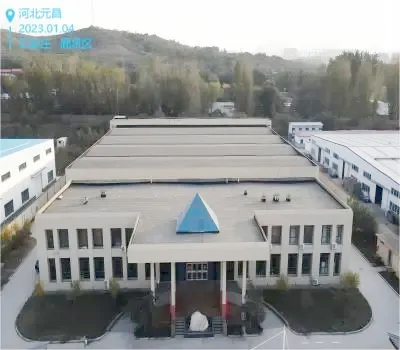
Our advanced machining workshop ensures precision for all components.
When you partner with Hebei Yuanchang, you're not just buying a machine; you're gaining a reliable manufacturing partner with decades of hands-on experience. We are committed to delivering equipment that enhances your operational efficiency, product quality, and competitive edge in the international market.
Ready to enhance your meat processing capabilities? Request a consultation with our technical experts today.
Frequently Asked Questions about Meat Tenderizers
A meat tenderizer primarily focuses on mechanically breaking down connective tissues and muscle fibers (e.g., by piercing or compressing). A meat tumbler or massager, while also mechanical, is typically used for tenderizing, yes, but more commonly for tumbling, massaging, and mixing meat with marinades, brines, or curing agents over a longer period. Tumbling also helps in breaking down some fibers and improving texture, but its main function is often related to marination uniformity and texture development in cured products. They can sometimes overlap in function or be used sequentially.
Yes, improper use or an incorrectly configured tenderizer can damage the meat. Over-processing can lead to a mushy texture, excessive moisture loss, or even shredding of the meat. Using dull blades or incorrect settings can result in tearing rather than clean cuts. It's crucial to select the right type of tenderizer for the meat and product, and to ensure the machine is properly maintained and calibrated.
This depends heavily on the type of meat being processed, the volume, and the quality of the blades/needles. For tough meats or high volumes, blades can dull relatively quickly. Typically, manufacturers recommend inspection and potential replacement every few weeks to a few months. Consistent sharpness is key to maintaining product quality and machine efficiency. We recommend consulting the specific machine's operation manual or contacting us for guidance based on your usage.
They are suitable for most types of meat, but the *method* and *intensity* of tenderization will vary. Leaner meats like chicken breast may require gentler treatment than tougher cuts of beef. Some tenderizers are more versatile than others. For specific products, you might need specialized equipment or settings. Our team can help you identify the best solution for your specific meat processing needs.
With proper maintenance, regular cleaning, and timely replacement of wear parts (like blades), a well-built industrial meat tenderizer can last for many years, often exceeding 10-15 years. The durability is significantly influenced by the build quality, materials used (especially stainless steel), and the frequency of maintenance. Our commitment to high-precision manufacturing ensures robust, long-lasting equipment.
Absolutely. Blade and needle tenderizers create numerous small perforations in the meat. These channels allow marinades, brines, and flavorings to penetrate the meat much more effectively and rapidly compared to untreated meat. This not only enhances flavor but can also improve moisture retention and overall juiciness, a significant benefit for product appeal.
What Our Clients Say

Procurement Manager, Prime Cuts Inc. (USA)
"We integrated Hebei Yuanchang's blade tenderizer into our steak line about a year ago. The difference in product consistency and tenderness is remarkable. Marinade penetration improved by an estimated 20%, cutting down our marination time significantly. Their support during installation and calibration was top-notch."

Operations Lead, Fiesta Foods Corp. (Mexico)
"Our new needle tenderizer from Yuanchang has been a workhorse. We process a lot of marinated chicken for our export market, and the consistency of marinade absorption across batches is now perfect. The machine is robust and easy to clean, which is a huge plus for our HACCP compliance."

Factory Manager, Global Meat Solutions (UAE)
"We needed a customizable solution for tenderizing pork cuts for specific European markets. Yuanchang's willingness to work with us on OEM specifications was invaluable. The resulting machine performs exactly as needed, and the after-sales support has been responsive. Highly recommend their manufacturing expertise."

Purchasing Director, Heartland Meats (Canada)
"After experiencing downtime with our previous supplier's equipment, we switched to Hebei Yuanchang. The build quality of their roller tenderizer is excellent – feels much more robust. We've had zero issues with reliability so far, and the ease of cleaning meets our strict hygiene audits. A solid investment."
Ready to Elevate Your Meat Processing?
Discover how our industrial meat tenderizers can transform your product quality and operational efficiency.
We are committed to providing solutions that drive profitability and quality for your business.
Hebei Yuanchang Food Mechanism & Technology Co., Ltd. - Empowering global food processing with 40 years of expertise.
Address: Shijiazhuang, Hebei Province, China | Phone: +86 15830991513 | Email: ycmeatmech@gmail.com
Copyright © 2023 Hebei Yuanchang Food Mechanism & Technology Co., Ltd. All rights reserved.