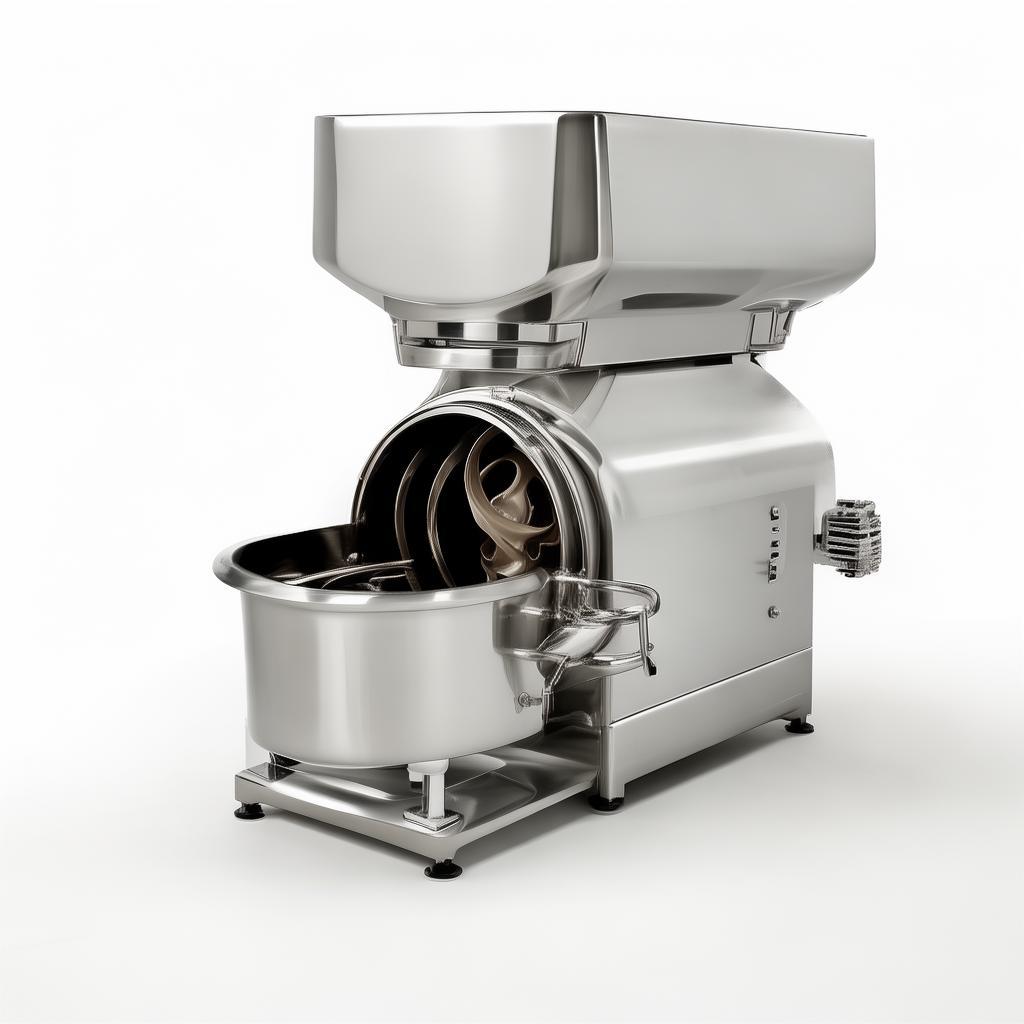
What Is Meat Tenderizing
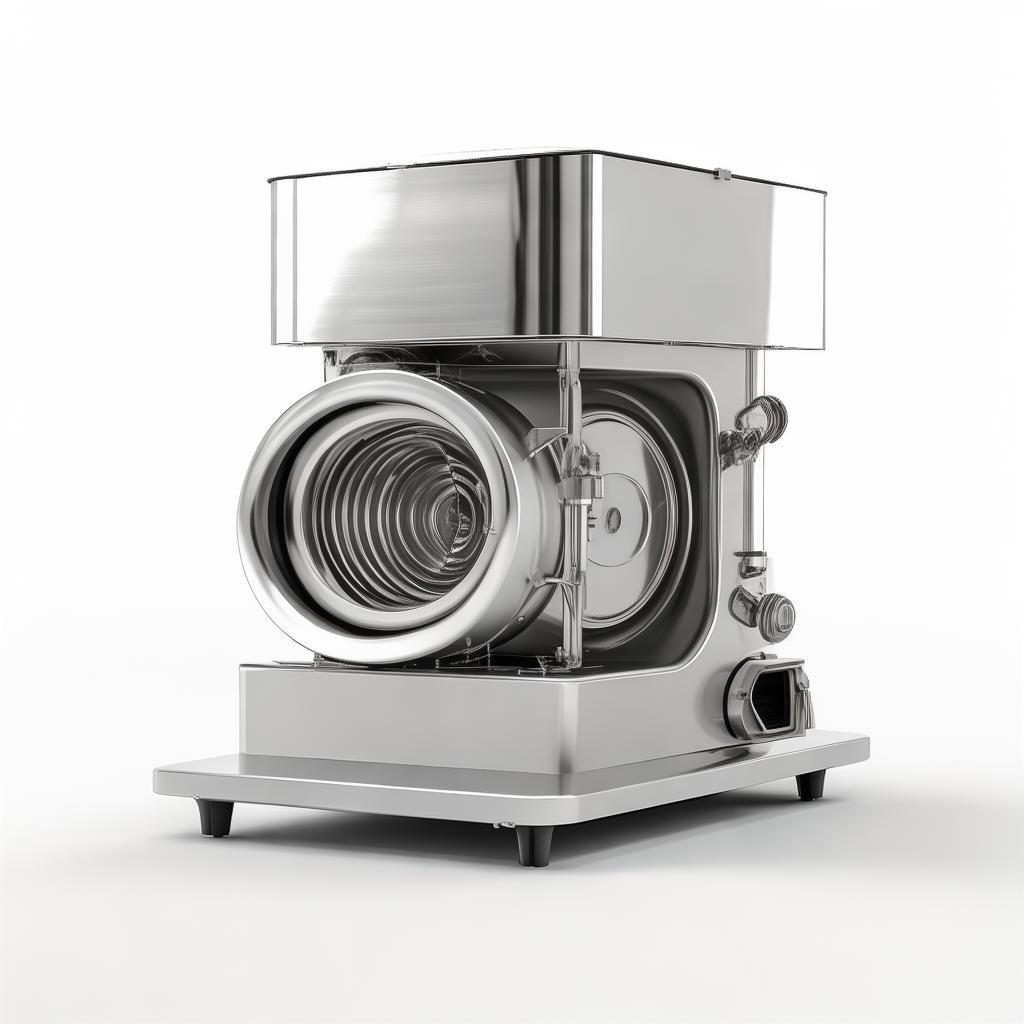
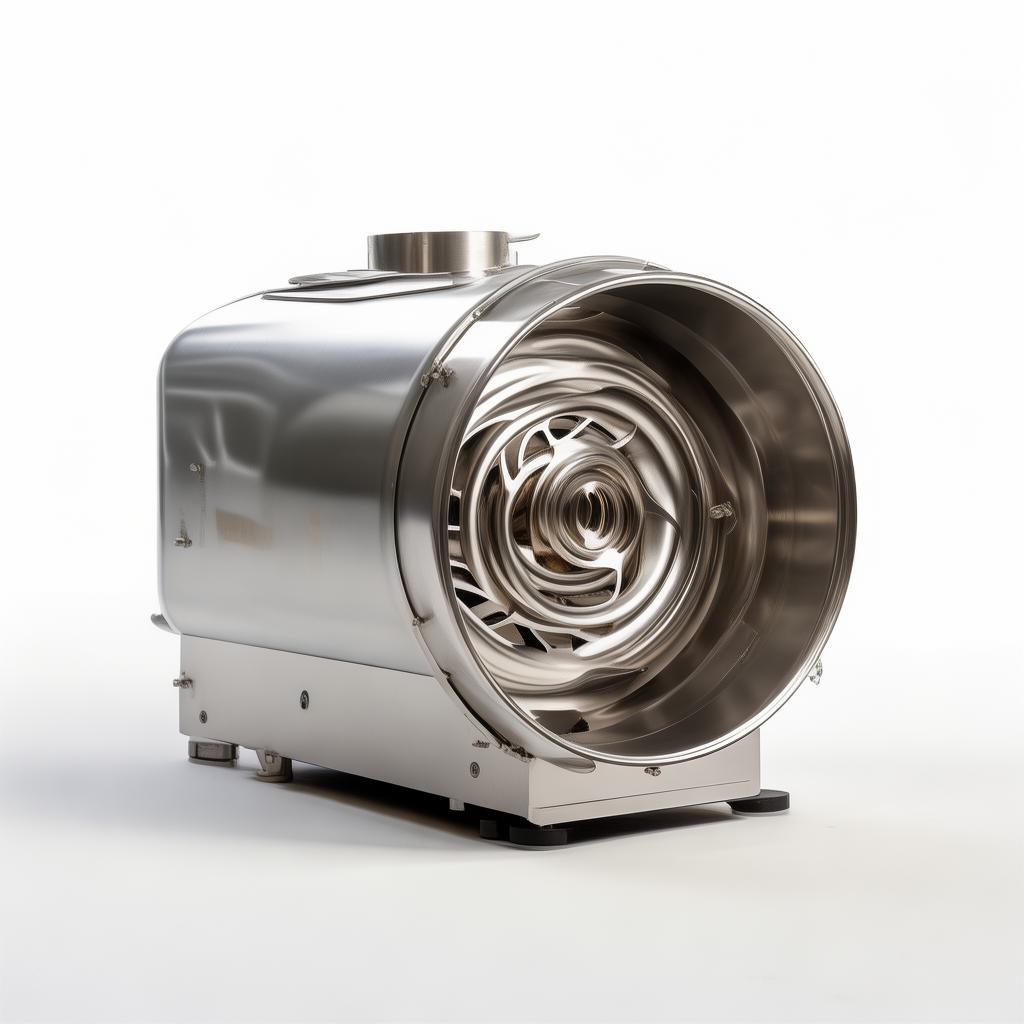
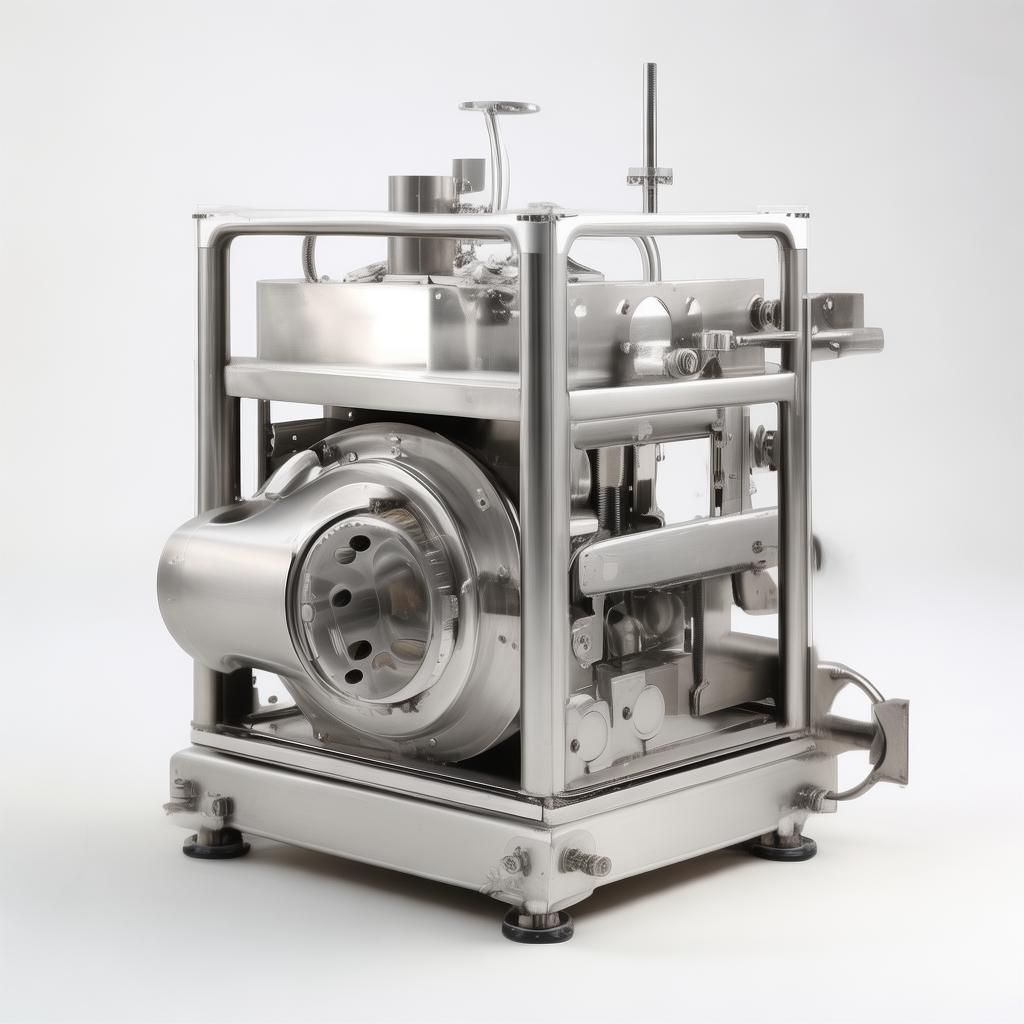
Understanding Meat Tenderizing: A Deep Dive for Industrial Procurement
By Zhang Wei, Export Director at Hebei Yuanchang Food Mechanism & Technology Co., Ltd.
 Hebei Yuanchang Food Mechanism & Technology Co., Ltd. has been a cornerstone in meat processing innovation since 1986. With over 40 years of hands-on experience, we’ve developed a deep understanding of the entire production cycle, from raw material pretreatment to final product formation and ripening. Our commitment to high-precision manufacturing, integrating Japanese CNC machining centers, ensures we deliver equipment built for durability and performance. We understand the critical role each step plays in achieving superior end products and optimizing operational efficiency for our global clients.
What is Meat Tenderizing? The Core Concept
In the realm of food processing, particularly within the meat industry, the term "meat tenderizing" refers to a set of techniques and processes designed to improve the palatability of meat. At its heart, it’s about breaking down the tough connective tissues and muscle fibers that give meat its structure, thereby making it easier to chew and digest. For consumers, this translates into a more enjoyable eating experience. For processors, it’s a critical step in meeting quality expectations, expanding product lines, and maximizing the value derived from raw materials.
The challenge lies in the inherent variability of meat. Different cuts, different animal ages, even different feeding regimens can result in varying degrees of toughness. A premium steak needs a different approach than a bulk sausage casing fill. Industrial meat tenderizing isn't just about making meat softer; it's about achieving consistent, predictable results on a massive scale. This involves understanding the protein structures, the role of water, and the impact of mechanical or chemical interventions.
Globally, the market for meat processing equipment, which includes tenderizing solutions, is substantial and growing. Reports indicate the global meat processing equipment market was valued at over USD 11 billion in 2025 and is projected to surpass USD 17 billion by 2034, with a CAGR around 5%. This growth is fueled by increasing demand for processed meats, the need for greater automation, stringent food safety regulations, and evolving consumer preferences for tender, high-quality products. The demand for consistent texture and enhanced flavor profiles across beef, pork, and poultry processing lines underscores the importance of effective tenderizing technologies. The key goal is to transform tougher, less desirable cuts into products that meet consumer expectations for texture, succulence, and overall mouthfeel without compromising nutritional value or introducing unwanted elements.
When we talk about tenderizing in an industrial context, we’re not just thinking about a quick marinade. We’re considering integrated systems that can handle thousands of kilograms per hour. This involves machinery that can physically alter the meat’s structure through methods like mechanical breakdown or specific thermal treatments. It also includes understanding the science behind enzymatic tenderizers, which are often employed in conjunction with mechanical processes or as standalone solutions for specific applications. The overarching aim is to enhance yield, improve processing efficiency, and ultimately, deliver a superior product to the market, thereby increasing profitability and brand loyalty.
Furthermore, effective tenderizing can significantly reduce waste. Less desirable cuts that might otherwise be difficult to sell can be transformed into popular products like marinated steaks, processed sausages, or reformed meat items. This strategic utilization of raw materials is a significant factor in a plant’s bottom line. Our experience at Hebei Yuanchang shows that clients consistently look for solutions that not only improve product quality but also enhance resource efficiency. The right tenderizing equipment becomes a strategic asset, enabling a more versatile and profitable operation.
The evolution of meat tenderizing technology reflects broader trends in the food industry: increased focus on automation, stringent hygiene standards (like HACCP and ISO certifications), and a demand for equipment that is both energy-efficient and easy to clean. For procurement professionals, understanding these different facets is crucial for making informed investment decisions that align with both operational needs and long-term business objectives.
The Business Imperative: Why Tenderizing Matters in Food Processing
Beyond just making meat softer, the act of tenderizing carries significant weight in the commercial food processing landscape. For procurement managers and operations directors, understanding these benefits is key to justifying investment and optimizing production workflows.
- Enhanced Consumer Acceptance & Higher Margins: This is the most direct benefit. Consumers are willing to pay a premium for tender, juicy meat. By effectively tenderizing tougher cuts, you can upgrade their perceived value, leading to better market positioning and increased revenue. It allows you to diversify your product offerings and capture segments of the market that demand higher quality.
- Improved Yield and Reduced Waste: Tougher, less expensive cuts of meat can be transformed into appealing products. This significantly reduces waste and maximizes the utilization of raw materials, directly impacting your profitability. Instead of discarding or heavily discounting certain cuts, they become valuable inputs for high-demand items.
- Greater Processing Flexibility: Tenderized meat is more amenable to further processing. It can be more easily injected, marinated, formed, or sliced, opening doors to a wider variety of products such as sausages, deli meats, marinated steaks, and ready-to-cook meals. This flexibility is crucial for adapting to market trends and meeting diverse customer needs.
- Consistent Product Quality: Industrial tenderizing methods, especially mechanical ones, provide predictable results. This consistency is vital for maintaining brand reputation and meeting stringent quality control standards. It ensures that every batch of product meets the same high standards for texture and palatability, regardless of the source of the raw material.
- Optimized Marination and Flavor Absorption: By creating micro-perforations or altering the muscle fiber structure, tenderizing processes can significantly enhance the absorption of marinades and seasonings. This leads to more deeply flavored products and can reduce marination time, boosting overall production throughput.
- Meeting Global Market Standards: As the meat processing industry becomes increasingly globalized, adhering to international quality and safety standards is paramount. Effective tenderizing contributes to the overall quality profile of the meat, making it more competitive in export markets. For instance, equipment complying with ISO standards and hygienic design principles is often a prerequisite for international trade.
Considering these factors, investing in appropriate meat tenderizing equipment isn't just an operational upgrade; it's a strategic business decision that can enhance profitability, expand market reach, and solidify your company's reputation for quality.
Mechanical vs. Enzymatic vs. Thermal: Methods of Meat Tenderization
When approaching meat tenderization on an industrial scale, several primary methods are employed. Each has its own set of advantages, disadvantages, and specific applications, and often, they are used in combination to achieve the desired outcome. Understanding these distinctions is fundamental for selecting the right equipment and processing strategy.
1. Mechanical Tenderizing
This is perhaps the most common industrial approach. It involves physically altering the meat's structure without altering its chemical composition (significantly). Methods include:
- Puncturing/Blade Tenderizing: Using blades or needles to cut through muscle fibers and connective tissues. This is effective for increasing surface area, facilitating marinade penetration, and directly breaking down tough structures.
- Massaging/Tumbling: Employing rotating drums that gently tumble the meat. This process can break down fibers over time, help distribute marinades evenly, and even aid in moisture retention. It’s a key process for ripening and developing texture, especially for cured products.
- Scoring/Slicing: Creating shallow cuts or scores on the meat surface to break down fibers.
Mechanical methods are often preferred for their predictability, lack of added chemicals, and the ability to handle large volumes efficiently.
2. Enzymatic Tenderizing
This method utilizes naturally occurring enzymes found in plants (like papain from papaya, bromelain from pineapple, ficin from figs) or derived from animal sources (like trypsin and chymotrypsin). These enzymes break down proteins, specifically collagen and elastin, which are the primary sources of toughness.
- Advantages: Highly effective in breaking down connective tissues, can be applied via marinades, injections, or incorporated into packaging.
- Considerations: Requires careful control of time, temperature, and enzyme concentration. Over-application can lead to a mushy texture and undesirable flavor profiles. Often used in conjunction with mechanical methods or for specific product types like marinated steaks or ready-to-cook meat products.
It's vital for buyers to understand if their target market permits or requires declaration of enzymatic tenderizers.
3. Thermal Tenderizing
While cooking is the ultimate step for palatability, controlled thermal treatments can also contribute to tenderization. Slow cooking methods, for instance, allow connective tissues to break down into gelatin, increasing succulence and tenderness.
- Methods: Slow roasting, braising, sous-vide cooking, and controlled aging (dry or wet).
- Application: Primarily used in preparing final products rather than as a pretreatment step for further processing, though controlled aging can be considered a form of tenderization prior to cutting and packaging.
In industrial settings, mechanical tenderizing and, to a lesser extent, enzymatic treatments are the most relevant for machines designed for pretreatment. The global meat processing equipment market, valued at billions, sees significant investment in machines that facilitate these initial stages.
Mechanical Tenderizing: Cutting, Puncturing, and Massaging Explained
For large-scale operations, mechanical tenderizing represents the backbone of texture improvement. It's about leveraging physical forces to achieve desired outcomes efficiently and reliably.
Blade Tenderizers (Strikers)
These machines are designed with rotating blades or needles that repeatedly pierce the meat. Each pass breaks down tough muscle fibers and connective tissues.
- Mechanism: High-speed rotating drums fitted with sharp blades or pins slice through the meat. The density and pattern of these blades are critical.
- Benefits: Excellent for breaking down structural toughness. Significantly increases surface area, allowing for better penetration of marinades and curing agents. This can reduce marination time by as much as 50% in some cases.
- Applications: Ideal for tougher cuts of beef, pork, and poultry intended for steaks, roasts, or further processing into formed products.
- Considerations: Requires regular blade maintenance to ensure efficacy and prevent undue damage to meat structure. Proper cleaning protocols are essential to prevent bacterial growth.
Our experience shows that units with adjustable blade configurations offer greater versatility for processors working with different meat types and desired outcomes.
Massaging/Tumbling Machines
While not as aggressive as blade tenderizers, massaging or tumbling machines play a crucial role in developing texture and ensuring uniform distribution of ingredients.
- Mechanism: Meat is placed in a large rotating drum, often with internal paddles or baffles. The gentle tumbling action works the meat over time.
- Benefits: Aids in the even distribution of marinades, salts, and spices. The gentle mechanical action can help to relax muscle fibers and improve succulence, especially over extended periods. This is critical for ripening processes in cured meats. It also helps to tenderize by aligning fibers and facilitating moisture migration.
- Applications: Widely used for producing processed meats like hams, bacon, sausages, and for marinating bulk meat before further processing or packaging. Essential for achieving the desired texture and moisture content in cured and formed products.
- Considerations: Cycle times can vary significantly (from 30 minutes to several hours) depending on the desired effect. Variable speed and reversal functions offer greater control over the process.
Massaging equipment is integral to achieving the quality consumers expect in processed meats. The global market for these machines is robust, reflecting their indispensable role in modern meat processing.
Operational Insight: For optimal results with blade tenderizers, consider the initial temperature of the meat. Slightly chilled meat (around 0-2°C or 32-36°F) is easier to cut cleanly and results in less structural damage compared to warmer meat, which can become mushy. Conversely, tumbling is often more effective with slightly warmer meat to facilitate flavor absorption and fiber relaxation.
Industrial Application: Equipment for Large-Scale Meat Tenderizing
In the industrial food processing environment, "tenderizing" is rarely a standalone process. It’s integrated into a larger workflow. This means the equipment must not only perform its core function but also integrate seamlessly with other machinery, adhere to strict hygiene standards, and operate efficiently in high-volume settings.
Pre-treatment Lines
Blade tenderizers are often the first step in a processing line for cuts intended for further manipulation. For example, a beef chuck destined for stew meat or reformed steaks might pass through a high-capacity striker. The resulting cuts have increased surface area for marinades and a more approachable texture.
Case Study Snippet (Hypothetical): A large poultry processor implemented an automated blade tenderizing system before their injection marination line. This resulted in a 30% reduction in marination time and a 15% improvement in marinade uptake uniformity, leading to a more consistent final product flavor and texture across millions of pounds of chicken breast annually.
Molding and Forming Operations
Meat that has been mechanically tenderized or massaged becomes more cohesive and easier to mold into specific shapes. This is critical for producing items like chicken nuggets, formed ham products, or patties. The altered fiber structure allows for better binding and a more uniform texture in the final product.
The market for filling and stuffing equipment, which works hand-in-hand with tenderized meat for molding, is a significant segment of the overall meat processing machinery market. Combined data from various market research reports suggests the filling and molding segment is a high-growth area.
Ripening and Curing Processes
Massaging machines are indispensable in the production of cured meats like hams, bacon, and corned beef. The tumbling action, often combined with a curing solution, helps to distribute salt and nitrates evenly, accelerate curing, and develop the characteristic texture and flavor. This process can take hours and requires precise control over drum speed, rotation direction, and cycle duration.
According to industry analysis, the massaging/tumbling equipment segment is crucial for brands focused on high-quality cured and processed meat products, contributing significantly to the overall value of the meat processing equipment market.
Integration with Automation and Food Safety
Modern meat processing facilities prioritize automation for efficiency, labor reduction, and enhanced hygiene. Tenderizing equipment is increasingly designed to be part of automated lines, featuring stainless steel construction, seamless surfaces, and easy disassembly for thorough cleaning (CIP/COP systems). Compliance with standards like HACCP and obtaining certifications such as CE or ISO are often non-negotiable for international buyers.
what is tenderization of meat tenderization of meat definition of meat tenderizer
At Hebei Yuanchang, our manufacturing process incorporates principles from Japanese CNC machining to produce components with high precision. This ensures our equipment, including our meat tenderizers and massaging machines, meets the rigorous demands of modern, automated food processing plants.
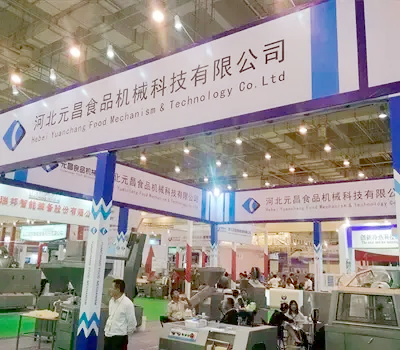
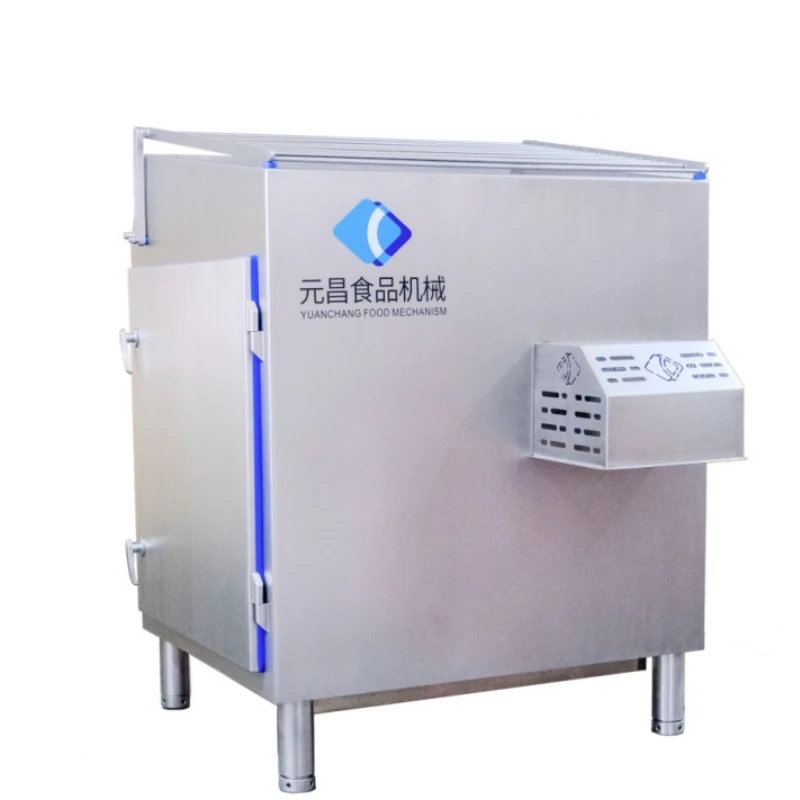
Our high-capacity mechanical tenderizing units are built for demanding industrial environments.
Procurement Considerations: Selecting the Right Tenderizing Equipment
Sourcing industrial equipment is a significant undertaking. For meat tenderizers, the decision requires careful evaluation beyond just the initial price tag. As an export director with decades of experience, I've seen firsthand the pitfalls of choosing the wrong machinery and the advantages of a well-considered investment.
1. Production Volume & Throughput
Your current and projected production needs are paramount. A machine designed for a small butcher shop is unsuitable for a large-scale export processing facility. Assess your hourly, daily, and annual output requirements. Look at capacity ratings (kg/hr or lbs/hr) and consider continuous versus batch processing capabilities.
2. Meat Type & Product Application
Will you be tenderizing beef, pork, poultry, or a mix? Are you aiming for steaks, formed products, marinated items, or cured meats? Blade tenderizers are aggressive and ideal for breaking down tough muscle fibers, while massaging machines are better suited for relaxation and marinade distribution in cured products. Ensure the equipment’s design and tooling (blades, paddles) are appropriate for your primary application.
3. Hygiene & Food Safety Compliance
This is non-negotiable. Equipment must be constructed from food-grade stainless steel (e.g., SUS304). Design features that facilitate easy cleaning are essential – rounded corners, minimal crevices, removable parts, and compatibility with CIP (Clean-In-Place) or COP (Clean-Out-of-Place) systems. Check for relevant certifications like CE (for Europe) and ensure documentation for HACCP compliance is readily available.
4. Automation & Integration
How will this machine fit into your existing or planned production line? Consider its footprint, power requirements, and interfaces for automated loading/unloading or integration with conveyor systems. Our CNC capabilities allow us to engineer precise interfaces for seamless integration.
5. Supplier Reliability & After-Sales Support
This is where experience truly counts. Look for suppliers with a proven track record, extensive manufacturing experience (like our 40+ years), and a robust after-sales support system. This includes the availability of spare parts, technical assistance, and clear warranty terms. Knowing you can source high-precision replacement parts independently, as we do with our in-house machining workshop, is a significant advantage.
6. Total Cost of Ownership (TCO)
Don't just compare initial purchase prices. Factor in energy consumption, maintenance costs, expected lifespan, and the cost of downtime. A slightly more expensive but durable and efficient machine can offer a much lower TCO over its operational life.
At Hebei Yuanchang, we offer a range of meat processing equipment, including robust massaging and tenderizing machines designed for international markets. Our commitment is to provide solutions that enhance your operational efficiency and product quality, backed by decades of manufacturing expertise.

Our state-of-the-art machining workshop ensures precision and durability in every component.
Operational Realities: Maintenance, Cleaning, and Logistics
Procurement doesn't end with delivery. For industrial machinery, particularly in food processing, ongoing maintenance, rigorous cleaning, and efficient logistics are critical components of successful operation. Understanding these aspects upfront saves significant headaches down the line.
Routine Maintenance & Durability
Mechanical tenderizers, especially those with blades, require regular inspection and sharpening. Dull blades can lead to meat tearing rather than cutting, affecting texture and yield. For massaging machines, inspect paddles, seals, and drive mechanisms. Our commitment to using high-grade stainless steel and precision-engineered parts, including those from our Japanese CNC machining centers, significantly enhances equipment lifespan and reduces the frequency of critical maintenance. We provide detailed maintenance schedules in our manuals.
Hygiene & Sanitation Protocols
This cannot be stressed enough in food processing. Regular, thorough cleaning between batches and daily deep cleaning is mandatory to prevent microbial contamination. Equipment designed for easy disassembly and smooth, crevice-free surfaces dramatically reduces cleaning time and improves effectiveness. Ensure your cleaning staff are properly trained, and you have appropriate cleaning agents that are food-safe and approved for use on stainless steel.
Logistics: Shipping & Installation
International shipping requires careful planning. Understand Incoterms, potential duties and taxes in your region, and shipping methods (sea freight, air freight). Our export department has extensive experience managing global logistics, ensuring equipment arrives safely and efficiently. We provide necessary documentation for customs clearance. Installation is typically straightforward for most of our equipment, often requiring only electrical hookup and basic setup, but we offer support and guidance. Consider the space requirements and access for installation and ongoing operation.
Spare Parts Management
Downtime is costly. Proactive management of critical spare parts (like blades, seals, or drive components) can prevent extended production stoppages. Hebei Yuanchang's in-house machining capabilities mean we can rapidly produce high-precision replacement parts, ensuring minimal lead times for our clients worldwide. This independent capability is a significant advantage compared to suppliers reliant on third parties.
Investing in equipment from a manufacturer that understands and supports these operational aspects is crucial for long-term success.
EEAT in Action: Building Trust in Your Equipment Supplier
In the B2B industrial equipment sector, trust is paramount. Google's EEAT (Experience, Expertise, Authoritativeness, Trustworthiness) principles are not just for content; they are fundamental to how discerning buyers evaluate suppliers. At Hebei Yuanchang, we embody these principles through our actions and our offerings.
Experience: Decades of Hands-On Manufacturing
We aren't just assemblers. Since 1986, we've been directly involved in the research, development, and production of meat processing machinery. Our 40 years of experience mean we understand the practical challenges faced by processors: the need for robust machines, the importance of uptime, and the critical role of hygiene. This hands-on experience informs every piece of equipment we design and build, from the selection of materials to the finishing details.
Expertise: Precision Engineering & Material Knowledge
Our investment in advanced manufacturing technology, including 8 sets of Japanese Mazak CNC machining centers, showcases our commitment to precision. This allows us to produce complex, high-tolerance components that meet demanding specifications. Our engineering team possesses deep knowledge of materials science, stainless steel grades, and the mechanical principles governing efficient and reliable meat processing. This expertise translates into equipment that performs consistently and lasts longer.
Authoritativeness: Proven Capabilities & Global Reach
Our facility spans 14,000 square meters, staffed by 80-100 skilled professionals. We design, manufacture, and sell complete production lines, demonstrating our comprehensive capability in the industry. Our export experience means we understand international standards, compliance requirements, and logistics challenges, positioning us as an authoritative partner for global businesses. Having 40 years of continuous operation is a testament to our sustained relevance and quality.
Trustworthiness: Transparency & Reliable Support
We operate with transparency. Our traceable after-sales management system and in-house production of critical parts provide our customers with assurance and reduce reliance on external factors. We are committed to providing realistic timelines, honest product capabilities, and dependable support. Our contact information is readily available, and we encourage direct communication to address specific needs and concerns. We believe in building long-term relationships based on mutual trust and reliable performance.

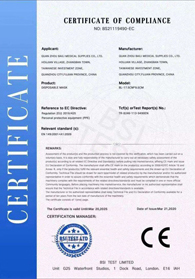
We adhere to international standards to ensure quality and global compliance.
Supplier Evaluation Insights
When evaluating suppliers for critical equipment like meat tenderizers, look beyond the glossy brochures. Consider:
- Manufacturing Depth: Do they have their own machining facilities, or are they primarily distributors? In-house manufacturing implies greater control over quality and lead times.
- Experience Longevity: How long has the company been in business and focused on this specific product category?
- Technical Support Availability: Is support readily accessible during your operational hours, and is it provided by knowledgeable engineers?
- References & Case Studies: Can they provide references from similar clients or documented case studies of successful implementations?
What Our Clients Say
"We recently upgraded our blade tenderizer to a Yuanchang model for our beef processing line. The consistency in breaking down fibers has been remarkable, and it integrates perfectly with our injection system. Lead time was better than expected, and the machine is built like a tank."

Operations Manager, Texas Beef Processors
"The massaging machine from Hebei Yuanchang has been a game-changer for our ham production. The uniformity of cure distribution and the resulting texture are now exactly what we aim for. Their support team was very responsive during the setup phase, which was appreciated."

Plant Supervisor, Bavarian Meats GmbH
"We were looking for a reliable supplier for our export market. Yuanchang's attention to detail in manufacturing, especially with their CNC capabilities, gave us confidence. Their ability to provide CE-marked equipment was crucial for our European clients. The tenderness improvement in our poultry products is noticeable and appreciated by our buyers."

Procurement Director, Global Poultry Exports
Frequently Asked Questions
Q: What is the difference between mechanical and enzymatic tenderizing?
Mechanical tenderizing physically breaks down muscle fibers and connective tissues using blades or tumbling. Enzymatic tenderizing uses enzymes (from plants or animals) to chemically break down protein structures. Mechanical methods are often preferred for large-scale industrial processing due to consistency and lack of chemical additives, while enzymatic methods can be very effective for specific textures but require precise control.
Q: How often do blades on a tenderizer need to be replaced or sharpened?
This depends heavily on the type of meat being processed, the volume, and the hardness of bone fragments or foreign objects encountered. As a general guideline, blades should be inspected daily for dullness or damage. For high-volume operations, sharpening might be required weekly, with replacement every few months to a year depending on wear. Consistent sharpening preserves efficiency and meat quality.
Q: Can your tenderizing equipment handle frozen or semi-frozen meat?
Our blade tenderizers are designed primarily for chilled meat. Processing semi-frozen or frozen meat can cause excessive wear on blades and strain the motor. Massaging machines can sometimes handle slightly chilled meat, but it is always best to consult our technical specifications or speak with an engineer for optimal operating parameters to avoid damaging the equipment or compromising product quality.
Q: What are the power requirements for your industrial tenderizers?
Power requirements vary by model. Industrial units typically operate on 3-phase power. We provide detailed electrical specifications (voltage, amperage, phase) for each machine, which can be found in the product datasheets or by contacting our sales team. Ensuring your facility's electrical infrastructure can support these requirements is a crucial part of the procurement process.
Q: What is the typical lead time for delivery after placing an order?
Lead times can vary depending on the complexity of the equipment and current production schedules. For standard models, it typically ranges from 30 to 60 days. For custom configurations or large production lines, it may be longer. We provide estimated lead times at the quotation stage and keep clients updated throughout the manufacturing process. Our in-house manufacturing and CNC capabilities allow us to manage lead times more effectively than many competitors.
Direct Client Interactions



Real conversations with our team, demonstrating our responsiveness and expertise.
Ready to Optimize Your Meat Processing?
Leverage our 40 years of manufacturing expertise to enhance your product quality and operational efficiency. Discuss your specific needs with our industrial equipment specialists.