Meat Tenderizer Uses
Unlocking Meat Quality: A Deep Dive into Meat Tenderizer Uses & Industrial Applications
 By David Chen, Senior Export Manager at Hebei Yuanchang Food Mechanism & Technology Co., Ltd.
Published: October 26, 2023 | Updated: February 15, 2024
1. Introduction: Beyond the Kitchen Knife
When the term "meat tenderizer" comes up, most minds drift to manual mallets or brine solutions used in home kitchens. While those have their place, the industrial and wholesale export landscape for meat processing equipment operates on an entirely different scale. For businesses involved in large-volume meat production, the goal isn't just making a tough cut palatable; it's about optimizing texture, enhancing moisture retention, improving product consistency, and ultimately, boosting profitability. The "uses" of meat tenderizers in this context extend far beyond simple softening, encompassing crucial steps in pretreatment, product development, and quality enhancement that directly impact procurement decisions and final market value.
The global meat processing equipment market is a robust sector, projected to reach figures north of USD 17 billion by 2034, with segments like massaging and tumbling (essential for ripening and tenderizing) playing a vital role. This growth, driven by rising demand for processed meats, automation for efficiency, and stringent food safety standards, underscores the critical importance of advanced tenderizing technologies. For manufacturers and exporters, understanding the nuanced applications of these machines is key to selecting the right equipment and staying competitive. It’s about more than just tenderizing; it's about unlocking potential across the entire value chain.
At Hebei Yuanchang, with nearly four decades of experience since 1986, we've seen firsthand how the right machinery can transform operations. We specialize in the research, development, production, and sales of a comprehensive range of meat processing equipment, including sophisticated pretreatment systems. Our facility, spanning 14,000 square meters and powered by a team of 80-100 dedicated professionals, is equipped with state-of-the-art Japanese Mazak CNC machining centers and over 20 other processing machines. This allows us to produce high-precision, non-standard components essential for advanced meat processing solutions. We don't just build machines; we engineer solutions that address specific industry challenges.
This article delves into the extensive "uses" of meat tenderizers in the B2B and wholesale export arena. We'll explore how these machines contribute to product innovation, operational efficiency, and market differentiation. For purchasing managers, operations directors, and importers, this guide will provide actionable insights into selecting, implementing, and benefiting from industrial-grade meat tenderizing equipment. We aim to equip you with the knowledge to make informed decisions that drive tangible results, moving beyond the basic kitchen concept to reveal the strategic advantages these powerful tools offer.
Consider the vast global processed meat market, projected to exceed USD 1.2 trillion by 2034. This isn't just about raw meat; it's about transforming raw materials into value-added products. Filling, molding, and ripening are central to this transformation, and tenderization is a foundational step. Whether you're producing sausages, cured meats, ready-to-eat meals, or premium steak cuts, the ability to consistently control texture and tenderness is paramount. This is where industrial tenderizing equipment proves indispensable, acting as a critical component in a sophisticated processing workflow.
The "uses" are multifaceted. They include preparing tougher cuts for further processing, enhancing marinade absorption, creating unique textural profiles for formed products, and improving the overall eating experience. For export markets, meeting diverse consumer preferences and stringent quality standards in regions like North America or Europe requires advanced machinery. Our understanding of these global demands, coupled with our manufacturing precision, allows us to deliver equipment that meets and exceeds expectations. Let's explore the full spectrum of what industrial meat tenderizers can do for your business.
2. Understanding the Core Need: Search Intent for "Meat Tenderizer Uses"
When a procurement manager or an operations director searches for "meat tenderizer uses," the intent is rarely casual. While informational queries about home use exist, the commercial and industrial search intent for such a term is typically layered and driven by specific business objectives. Buyers are not just curious; they are problem-solving and seeking solutions for their production lines.
The primary intents we observe include:
- Commercial Investigation: Understanding how industrial tenderizing equipment can improve product quality, texture, and shelf-life for specific meat types (beef, pork, poultry). This often leads to looking for product features, benefits, and comparisons.
- Supplier/Manufacturer Sourcing: Identifying reliable wholesale suppliers or OEM/ODM factories that can provide robust, high-capacity tenderizing machinery. This involves looking for company credentials, production capabilities, and export experience.
- Problem-Solving: Addressing specific issues like tough cuts, poor marinade penetration, inconsistent product texture, or long ripening times. The searcher wants to know if tenderizers are the solution.
- Technical Specification Inquiry: Gathering information on machine capacity, power requirements, material construction, operational parameters, and integration with existing lines.
- Cost-Benefit Analysis: Evaluating the ROI of investing in industrial tenderizing equipment, considering factors like increased yield, reduced waste, and enhanced marketability.
Based on this analysis, this page is structured to serve these diverse but interconnected needs. We'll provide in-depth information on industrial applications, machine types, technical considerations, and procurement advice, aiming to satisfy informational, commercial, and supplier-seeking intents simultaneously. Our goal is to be the definitive resource for serious B2B buyers looking to leverage meat tenderizing technology.
3. Industrial Applications of Meat Tenderizers: The Real Drivers
In industrial meat processing, tenderizers are not just about softening a steak. Their uses are strategic, impacting various stages of production and product development. The machinery we design at Hebei Yuanchang is built to address these critical needs with precision and efficiency.
1. Pretreatment for Enhanced Texture and Marinade Absorption: This is perhaps the most direct application. Industrial tenderizers, often employing needles or blades, create microscopic pathways within the meat structure. This breaks down tough connective tissues and muscle fibers, leading to a noticeably more tender final product. Crucially, these pathways significantly increase surface area, allowing marinades, brines, and curing agents to penetrate deeper and more uniformly. This results in more flavorful, well-seasoned products and improved yield through moisture retention.
2. Ripening and Maturation Enhancement: Tumbling and massaging machines, which often incorporate tenderizing actions, are vital in the ripening process for cured and smoked meats. This mechanical action, combined with time and temperature control, helps to distribute salt and curing agents evenly, break down proteins and fats, and develop desirable textures and flavors. This is essential for products like hams, salamis, and jerky. The global market for these processed products is immense, driving demand for effective ripening equipment.
3. Improved Formed Product Quality: For manufacturers of sausages, patties, nuggets, and other formed meat products, achieving a consistent and desirable texture is paramount. Tenderizing can help break down coarser meat components, leading to a smoother, more uniform paste or emulsion. This improves the machinability of the mixture and enhances the final mouthfeel of the product, reducing chewiness and increasing appeal. The demand for convenient, ready-to-eat options fuels the need for reliable forming and pretreatment machinery.
4. Yield Maximization: By tenderizing and facilitating better marinade/brine absorption, these machines help products retain more moisture during cooking and processing. This translates directly to increased finished product weight and, consequently, higher profitability. Careful control over the tenderizing process prevents excessive fiber damage that could lead to moisture loss during the cooking phase.
5. Preparation for Specific Cooking Methods: Certain cuts of meat, even premium ones, can benefit from tenderization before grilling, braising, or slow-cooking. Industrial machines ensure this is done consistently across large batches, guaranteeing that end-consumers receive a predictable quality experience.
6. Addressing Variability in Raw Materials: Meat quality can vary significantly depending on breed, feed, age, and cut. Industrial tenderizers provide a crucial control point, allowing processors to bring less desirable raw materials up to standard, thereby optimizing the utilization of the entire carcass. This is particularly important in export markets where sourcing consistency can be a challenge.
The international meat processing equipment market is projected to reach USD 19.66 billion by 2033. This significant growth reflects the expanding global appetite for processed meats and the need for advanced technologies like industrial tenderizers to meet demand efficiently and profitably.
Inquire about our versatile tenderizing solutions for your specific product line.
4. Types of Meat Tenderizing Equipment
When we talk about industrial meat tenderizers, we're usually referring to powered machinery designed for high-volume throughput. These are not your grandmother's tenderizers. They come in several forms, each suited for different applications and meat types.
Needle Tenderizers (Perforators)
These machines use multiple rows of rotating needles or blades to pierce the meat. They are highly effective for breaking down tough muscle fibers and connective tissues.
Key Uses: Beef, pork, poultry cuts; enhancing marinade/brine penetration; improving texture for formed products.Observation: Crucial for consistency in steak production and ensuring even curing of larger primal cuts.
Blade Tenderizers
Similar in concept to needle tenderizers but often use wider, blunter blades designed to cut through fibers rather than merely pierce.
Key Uses: Large roasts, whole primal cuts, poultry.Consideration: Can be more aggressive, suitable for very tough meats where significant fiber breakdown is desired.
Tumbling & Massaging Machines
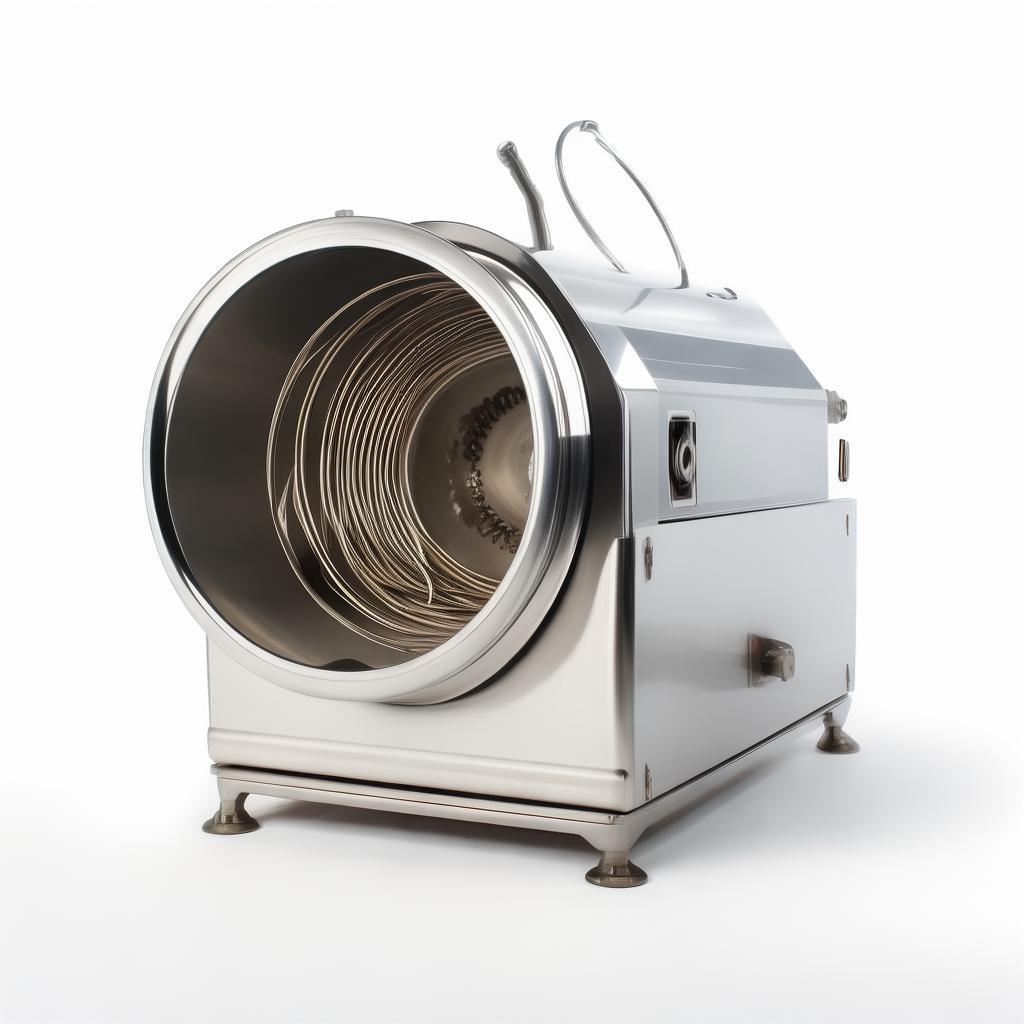
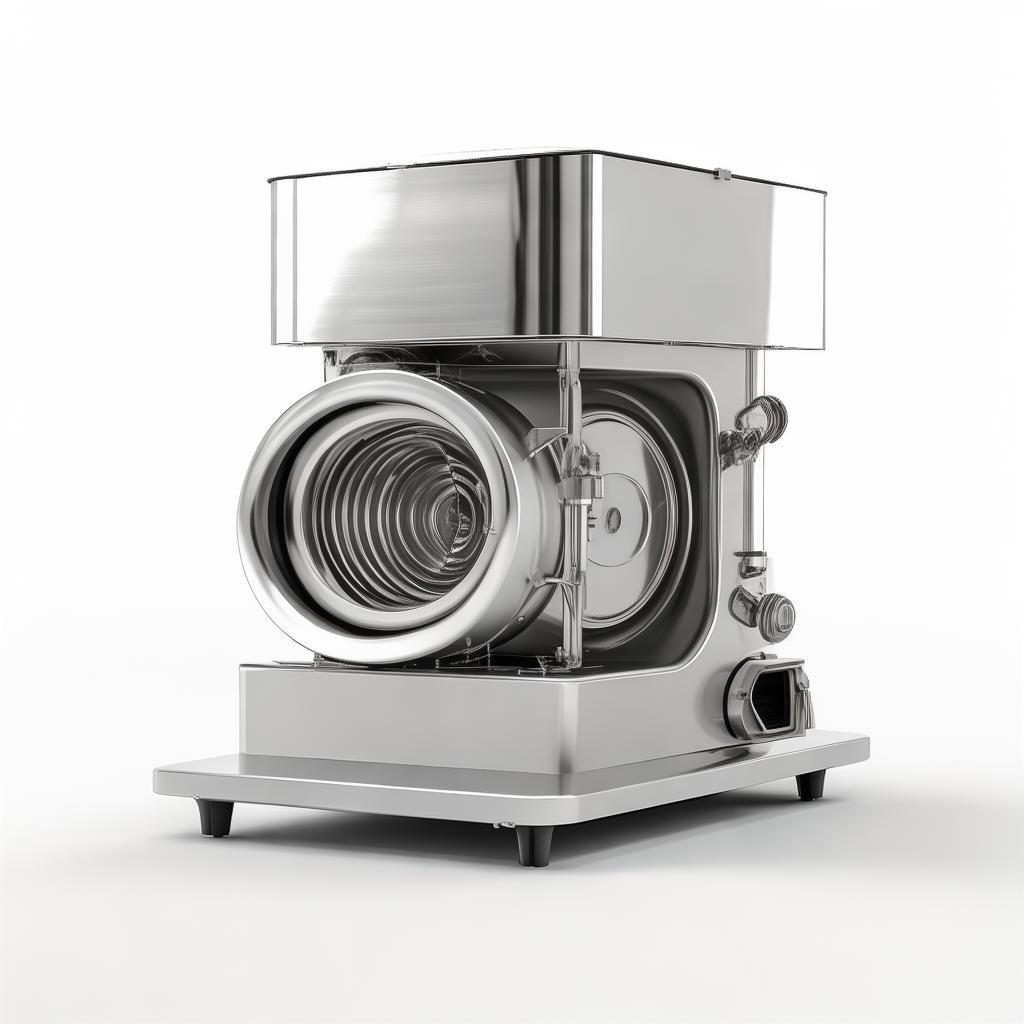
While not exclusively tenderizers, these machines often incorporate tenderizing actions through gentle tumbling and massaging of meat pieces, typically in batches. They are critical for ripening, marinating, and de-boning.
Key Uses: Cured meats (ham, bacon), sausages, de-boning poultry; promoting even curing and flavor development.Industry Insight: Essential for achieving the characteristic texture and flavor profile of many European-style cured products.
Each type has specific operational parameters, capacities, and maintenance requirements. Selecting the right machine depends heavily on the type of meat being processed, the desired final product characteristics, and the production volume. For instance, a facility focusing on premium beef steaks might opt for high-precision needle tenderizers, while a large-scale ham producer would prioritize advanced tumbling and massaging systems.
We offer a range of models within each category, designed for robust industrial use. Our engineers work with clients to match equipment capabilities to specific production needs, ensuring optimal performance and ROI.
5. Key Technical Specifications to Consider
When procuring industrial meat tenderizing equipment, technical specifications are non-negotiable. These details determine the machine's suitability for your production line, its operational efficiency, and its long-term reliability. Ignoring these can lead to costly integration issues or performance bottlenecks.
Key specifications include:
- Capacity & Throughput: Measured in kilograms or pounds per hour. This dictates how much product the machine can process in a given time, directly impacting your production scheduling and output potential.
- Power Requirements: Voltage, amperage, and phase (e.g., 380V/50Hz/3-phase) must match your plant's electrical infrastructure.
- Material Construction: Look for food-grade stainless steel (e.g., SUS304) for all contact parts to ensure hygiene, durability, and resistance to corrosion. Frame materials should also be robust.
- Dimensions & Footprint: Will the machine fit in your existing facility layout? Consider space for operation, maintenance, and product infeed/outfeed.
- Adjustable Parameters: Can needle depth, blade angle, drum speed, or tumbling time be adjusted? This flexibility is crucial for processing different meat types and achieving specific textures.
- Cleaning & Sanitation (HACCP Compliance): Easy access for cleaning is paramount. Removable parts, smooth surfaces, and sealed components facilitate effective sanitation protocols.
- Safety Features: Emergency stop buttons, interlock guards, and overload protection are standard safety requirements in industrial settings.
- Noise Level: While industrial equipment is often noisy, excessive levels can impact worker comfort and require additional mitigation.
At Hebei Yuanchang, our specifications are meticulously detailed. For example, our needle tenderizers feature robust stainless steel construction, variable speed drives for precise control, and easily replaceable food-grade needles. We adhere to international standards for hygiene and safety, ensuring our equipment integrates seamlessly and reliably into your operations.
Procurement Tip: Always request detailed technical drawings and operational manuals before finalising a purchase. Understanding the exact specifications helps avoid integration headaches.
Example Specification Snapshot (Needle Tenderizer Model YC-NT700):
| Feature | Specification |
|---|---|
| Capacity | Up to 700 kg/hour |
| Material | SUS304 Stainless Steel (Contact Parts) |
| Power | 380V, 50Hz, 3-Phase (Customizable) |
| Needle Type | Food-grade, replaceable stainless steel |
| Dimensions (LWH) | 1500mm x 900mm x 1200mm |
how does a meat tenderizer work what a meat tenderizer what does a meat tenderizer do
6. Material Science in Tenderizer Design
The materials used in meat processing equipment are critical not only for durability and hygiene but also for ensuring compliance with food safety regulations worldwide. At Hebei Yuanchang, we understand that the longevity and performance of our meat tenderizers are directly tied to the quality of materials selected.
Stainless Steel (SUS304 / AISI 304): This is the industry standard for food contact surfaces. SUS304 stainless steel offers excellent corrosion resistance against acids, salts, and cleaning agents commonly found in food processing environments. Its non-porous surface prevents bacterial adhesion and is easy to clean and sanitize, making it ideal for needles, rollers, conveyor belts, and interior casings. We ensure our stainless steel is sourced from reputable suppliers and meets international food-grade standards.
High-Strength Alloys for Needles/Blades: While SUS304 is used for the main structure, the actual tenderizing elements (needles or blades) often require materials with higher hardness and edge retention to maintain their efficacy over thousands of processing hours. We utilize hardened stainless steel alloys for these components, ensuring they remain sharp and effective, minimizing the need for frequent replacement and maintaining consistent meat penetration.
Food-Grade Polymers/Plastics: For certain non-contact parts, seals, or guiding elements, food-grade polymers like UHMW-PE (Ultra-high-molecular-weight polyethylene) or food-safe ABS may be used. These materials offer excellent wear resistance, low friction, and are certified for food contact.
Structural Steel (with appropriate coating): For external frames and non-contact structural components, robust carbon steel may be used, but it is always treated with food-grade coatings or paints to prevent corrosion and ensure a clean appearance.
Traceability and Quality Control: Every batch of critical materials undergoes stringent quality checks. Our extensive in-house machining workshop, including Japanese Mazak CNC centers, allows us to fabricate components with tight tolerances and verify material integrity precisely. This meticulous approach to material selection and processing is a cornerstone of our EEAT (Experience, Expertise, Authoritativeness, Trustworthiness) commitment.
7. Operational Benefits: Enhancing Throughput and Quality
Investing in industrial meat tenderizing equipment is a strategic decision that yields significant operational advantages. Beyond simply improving meat texture, these machines contribute directly to efficiency, product consistency, and profitability.
Increased Production Speed
Automated tenderizing significantly speeds up the process compared to manual methods. This allows for higher throughput, meeting demanding production schedules and consumer demand for fast-food and convenience items.
Enhanced Product Consistency
Machines apply a uniform level of tenderization across every batch, ensuring consistent texture and quality. This predictability builds consumer trust and brand loyalty, which is vital in competitive export markets.
Reduced Labor Costs
Automation reduces reliance on manual labor for tenderizing tasks, freeing up skilled workers for more complex operations and lowering overall labor expenses. This is a major driver for adoption in regions facing labor shortages.
Improved Flavor and Moisture Retention: As mentioned, the increased porosity from tenderizing allows for better absorption of marinades and curing agents. This not only enhances flavor but also helps the meat retain more moisture during cooking, leading to juicier products and reduced cooking losses. This directly impacts the perceived quality by the end consumer.
Versatility in Product Development: With precise control over tenderization, processors can create a wider range of products with unique textural profiles. This capability is essential for innovation and staying ahead of market trends, such as the growing demand for minimally processed, high-quality meat items. The global processed meat market continues its expansion, projected to reach USD 1.33 trillion by 2035, underscoring the need for versatile processing capabilities.
Optimized Raw Material Utilization: By making tougher cuts more palatable, tenderizers enable processors to utilize a wider range of meat materials effectively, reducing waste and maximizing the value derived from each carcass. This is a key factor in operational efficiency and sustainability.
Compliance with Food Safety Standards: Modern industrial tenderizers are designed with hygiene and food safety in mind. Easy-to-clean stainless steel construction and sealed components help meet stringent regulations like HACCP, minimizing the risk of contamination and ensuring product safety.
These operational benefits translate directly into a stronger bottom line. Choosing the right equipment is an investment in your business's future efficiency and quality.
8. Procurement Guidance for B2B Buyers
Sourcing industrial meat processing equipment requires a rigorous approach. As an export manager with extensive experience, I've seen buyers make common mistakes that can lead to costly delays or underperforming machinery. Here's how to navigate the procurement process effectively.
1. Define Your Specific Needs: Before contacting suppliers, clearly outline:
- Types of meat (beef, pork, poultry, etc.)
- Product forms (whole cuts, diced, ground, formed)
- Target capacity (kg/hr or lbs/hr)
- Required texture/outcome (mild tenderization, deep penetration)
- Integration points with existing machinery
- Available utilities (power, water, drainage)
2. Vet Potential Suppliers Rigorously: Look beyond price. Consider:
- Experience: How long has the manufacturer been in business? Do they specialize in meat processing equipment?
- Manufacturing Capability: Do they have in-house machining and fabrication? What kind of quality control do they implement? (e.g., ISO certifications, advanced CNC capabilities).
- Export Experience: Can they handle international logistics, documentation, and compliance with import regulations for your region?
- After-Sales Support: What is their policy on spare parts, technical assistance, and warranty? A traceable management system is a good sign.
- References & Case Studies: Can they provide verifiable testimonials or case studies from clients with similar operations?
3. Technical Deep Dive & Customization: Don't be afraid to ask detailed technical questions. For OEM/ODM factories, discuss customization options. Can they modify dimensions, controls, or features to fit your unique setup? This is where our Japanese Mazak CNC capabilities shine – we can produce highly customized, non-standard components.
4. Understand Lead Times and Logistics: Industrial equipment has significant lead times for production. Factor in manufacturing duration, shipping (sea freight, air freight), customs clearance, and installation. Request detailed shipping plans and insurance options. Container loading efficiency can also impact costs.
5. Negotiate Terms and Warranty: Clarify payment terms, warranty period, and what is covered. A comprehensive warranty provides peace of mind and protects your investment.
6. Risk Reduction: For significant investments, consider factory audits (if feasible) or detailed video conferencing sessions to assess manufacturing capabilities. Ensure all agreements are clear and legally sound.
Industry Context: The global meat processing equipment market is valued significantly, with continuous investment in automation and advanced pretreatment systems. For instance, a report by Fortune Business Insights projected a market value of USD 11.29 billion in 2025, indicating substantial ongoing activity and demand for reliable suppliers.
Let us help you navigate these considerations. Request a detailed quote and factory profile.
9. Hebei Yuanchang: Our Manufacturing Edge
As a company with over 40 years of experience since 1986, Hebei Yuanchang Food Mechanism & Technology Co., Ltd. offers a unique blend of traditional craftsmanship and cutting-edge manufacturing technology. Our commitment to quality and innovation is the bedrock of our operations.
Extensive Facility
Operating from a 14,000 sq meter facility, we have the space and infrastructure to handle complex manufacturing processes for a wide range of meat processing equipment.
Precision Machining
Our in-house workshop boasts over 20 sets of processing machinery, including advanced Japanese Mazak CNC machining centers. This enables us to produce high-precision, non-standard components with tight tolerances – a critical factor for reliable industrial equipment.
Integrated R&D, Production, Sales
Our team of 80-100 employees covers the entire product lifecycle, from research and development to production and global sales. This integration ensures a streamlined process and direct accountability.
Dedicated to Complete Lines: Our 40 years of experience means we understand the intricate interplay of equipment in a complete production line, from pretreatment to final product. We don't just build individual machines; we engineer integrated solutions.
Worry-Free After-Sales Service: Thanks to our independent production of high-precision parts and a robust, traceable after-sales management system, we can guarantee prompt and effective support. When you need a spare part or technical advice, we're equipped to deliver.
OEM/ODM Capabilities: We work closely with international partners to provide OEM (Original Equipment Manufacturer) and ODM (Original Design Manufacturer) services. Whether you need to brand our existing products or require custom-engineered solutions, our technical team is ready to collaborate.
Commitment to Innovation: We continuously invest in R&D to improve our designs, enhance energy efficiency, and incorporate the latest advancements in meat processing technology.
Explore our factory's advanced capabilities. Request a detailed company profile.
10. Certifications & Compliance
For international trade, certifications are not just optional; they are essential gateways to global markets. At Hebei Yuanchang, we understand the critical importance of ensuring our equipment meets international standards for safety, quality, and hygiene.

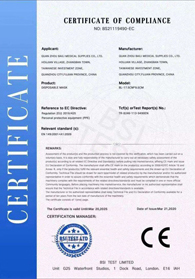


Our manufacturing processes adhere to strict quality management systems, often aligned with ISO 9001 principles, ensuring consistency and reliability in every machine we produce.
For equipment destined for the European market, compliance with the CE marking directives is mandatory, covering aspects like machinery safety and electromagnetic compatibility.
We also ensure compliance with regulations concerning hazardous substances, such as RoHS where applicable, demonstrating our commitment to environmental responsibility and product safety.
Furthermore, materials used in contact with food products are selected to meet FDA (Food and Drug Administration) standards for food safety in the United States, and equivalent global regulations.
Our export team is experienced in navigating the complex regulatory landscapes of various countries. We provide the necessary documentation and support to facilitate smooth customs clearance and market entry for our international clients.
Trustworthy Compliance: We understand that for B2B buyers, especially those in regulated industries, compliance is a critical factor in supplier selection. Our certifications are a testament to our commitment to delivering safe, reliable, and market-ready equipment.
11. What Our Clients Say
Real feedback from businesses like yours highlights the practical impact of our equipment and services.
"We were looking for a reliable needle tenderizer to improve our beef jerky production. Hebei Yuanchang delivered a robust machine that has significantly enhanced our marinade penetration, leading to more flavorful and tender jerky. The export process was smooth, and the after-sales support has been excellent."

Operations Manager, USA
"Implementing their massaging machine for our hams was a game-changer. The consistency in texture and curing is something we struggled with before. Yuanchang's technical team guided us through the installation and optimization process. Highly recommended for serious cured meat producers."

Production Director, France
"We needed a high-capacity tenderizer for poultry processing. Hebei Yuanchang provided a solution that not only met our throughput requirements but also improved the final product's texture, making it ideal for our formed products. Their OEM customization was also a great benefit."

Procurement Specialist, Japan
12. Frequently Asked Questions (FAQs)
We've compiled answers to common questions businesses have about industrial meat tenderizer uses and procurement.
-
Q: Can these machines tenderize frozen meat?
A: Generally, it's best to process meat that is partially thawed or at refrigerator temperature. Processing fully frozen meat can damage the needles and compromise the tenderizing effect. Our machines are designed for optimal performance with chilled meat. -
Q: What is the typical lifespan of the needles on a tenderizer?
A: The lifespan of needles depends on the type of meat processed, usage frequency, and maintenance. With proper care and material quality, our high-strength alloy needles can last for thousands of hours of operation. We offer easily replaceable needle sets for convenience. -
Q: How much maintenance is required for industrial tenderizers?
A: Regular cleaning is paramount for hygiene and performance. Beyond that, periodic checks of drive systems, bearings, and needle/blade condition are necessary. We provide detailed maintenance schedules in our operation manuals and offer technical support for any complex issues. -
Q: Can your tenderizers handle different types of meat like pork, beef, and poultry?
A: Yes, our machines are designed for versatility. Adjustments to speed, depth, or intensity can be made to accommodate different meat types and desired outcomes. Some models are specifically optimized for certain applications, which we can discuss during consultation. -
Q: What are the shipping costs and lead times for international orders?
A: Lead times vary based on machine complexity and current production schedules, typically ranging from 30-90 days. Shipping costs depend on the destination and mode of transport. We work with reliable freight forwarders to provide competitive quotes and ensure timely delivery. For instance, sea freight from China to the US can take approximately 3-5 weeks. -
Q: Do you offer installation support or training?
A: We provide comprehensive installation manuals and remote technical support. For larger projects or specific client requirements, on-site installation and training services can be arranged at an additional cost. Our goal is to ensure your team can operate the equipment efficiently and safely.
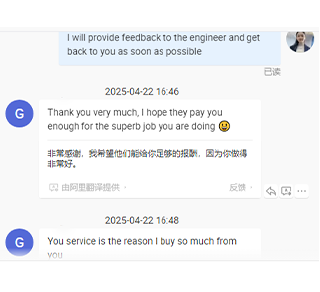
Customer Support in Action


Ready to Elevate Your Meat Processing Capabilities?
Discover how Hebei Yuanchang's industrial meat tenderizing solutions can enhance your product quality, boost operational efficiency, and drive profitability. Leverage our 40 years of manufacturing expertise and commitment to excellence.
Contact us today for a no-obligation consultation.
Phone: +86 15830991513 | E-mail: ycmeatmech@gmail.com | Address: Shijiazhuang, Hebei Province, China