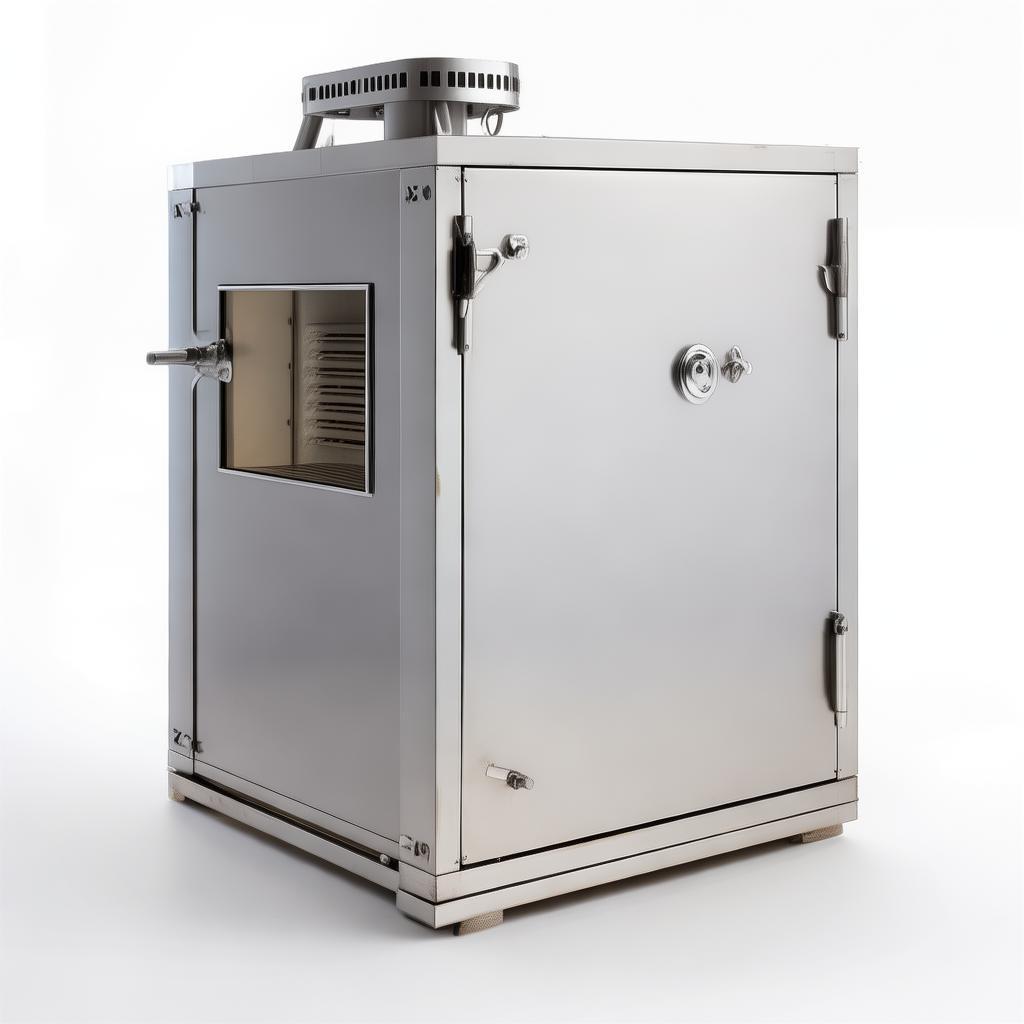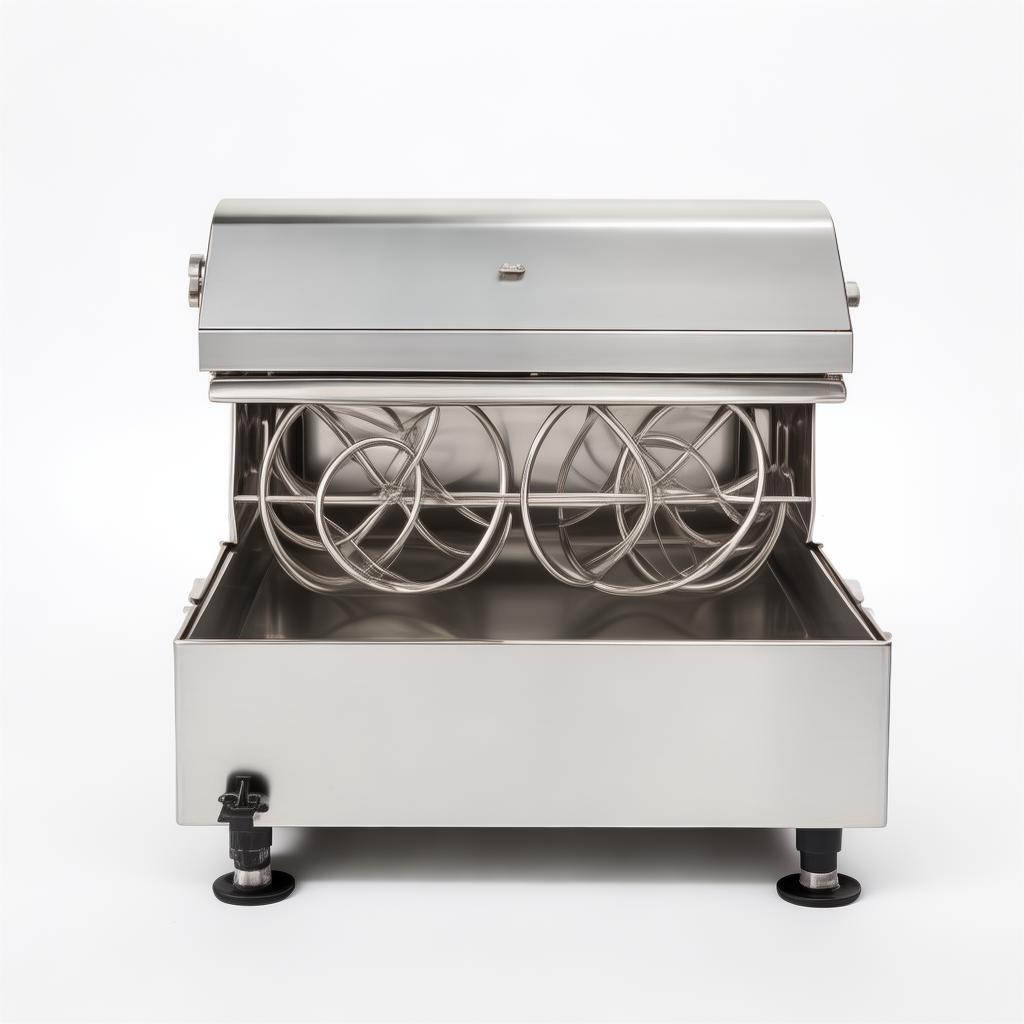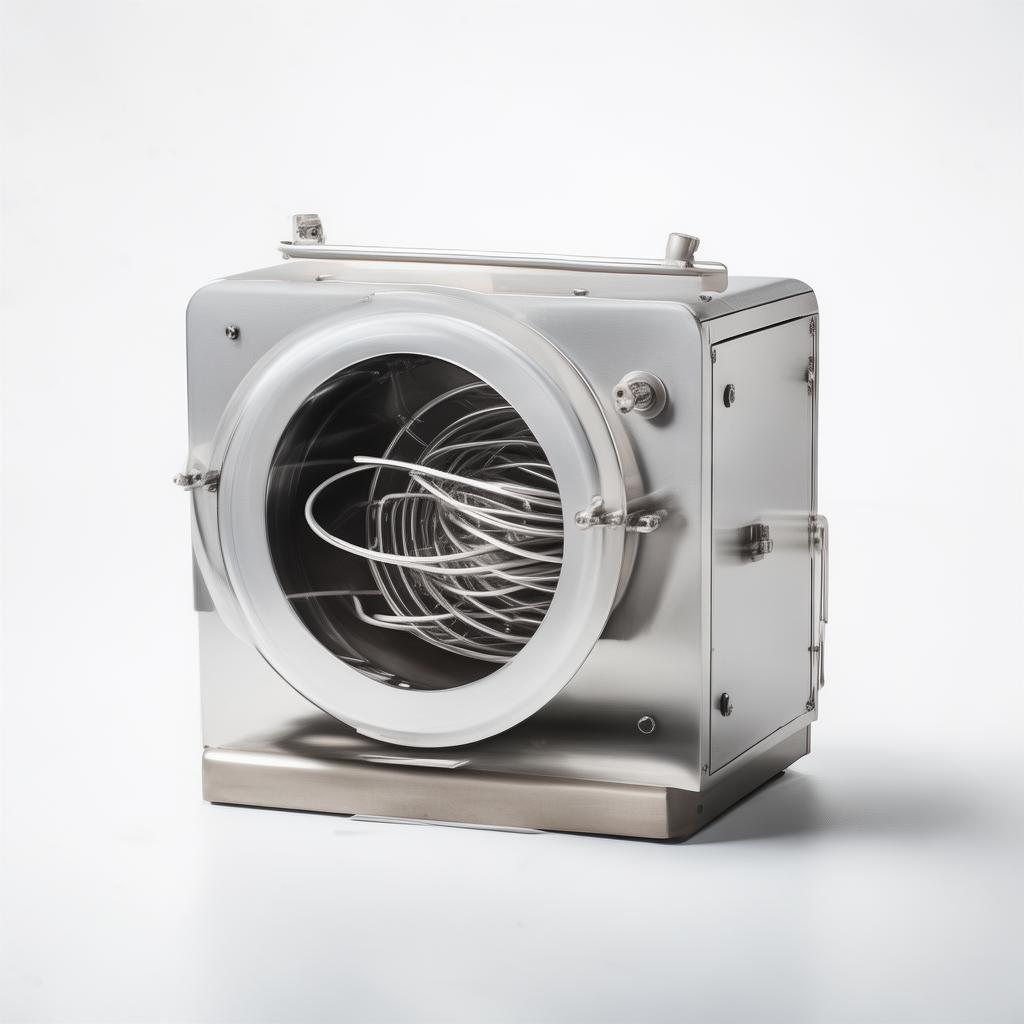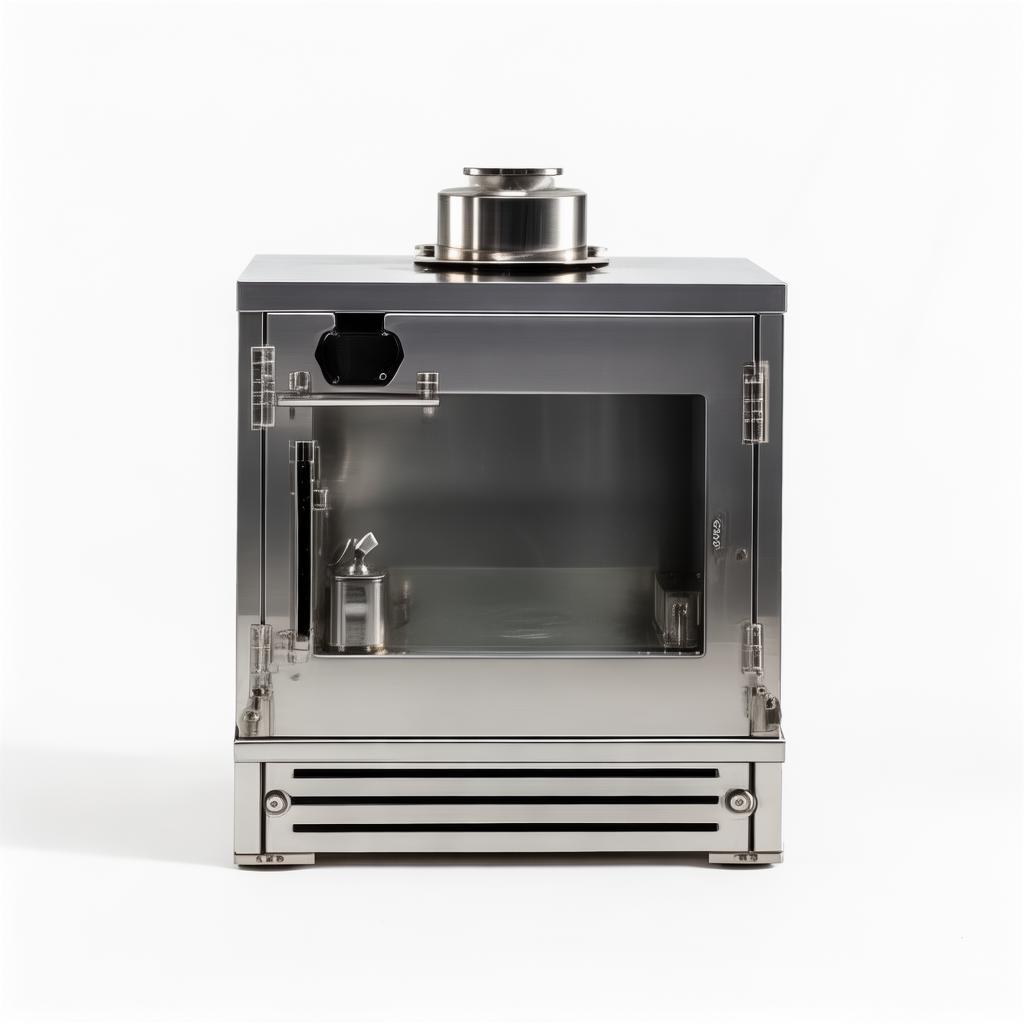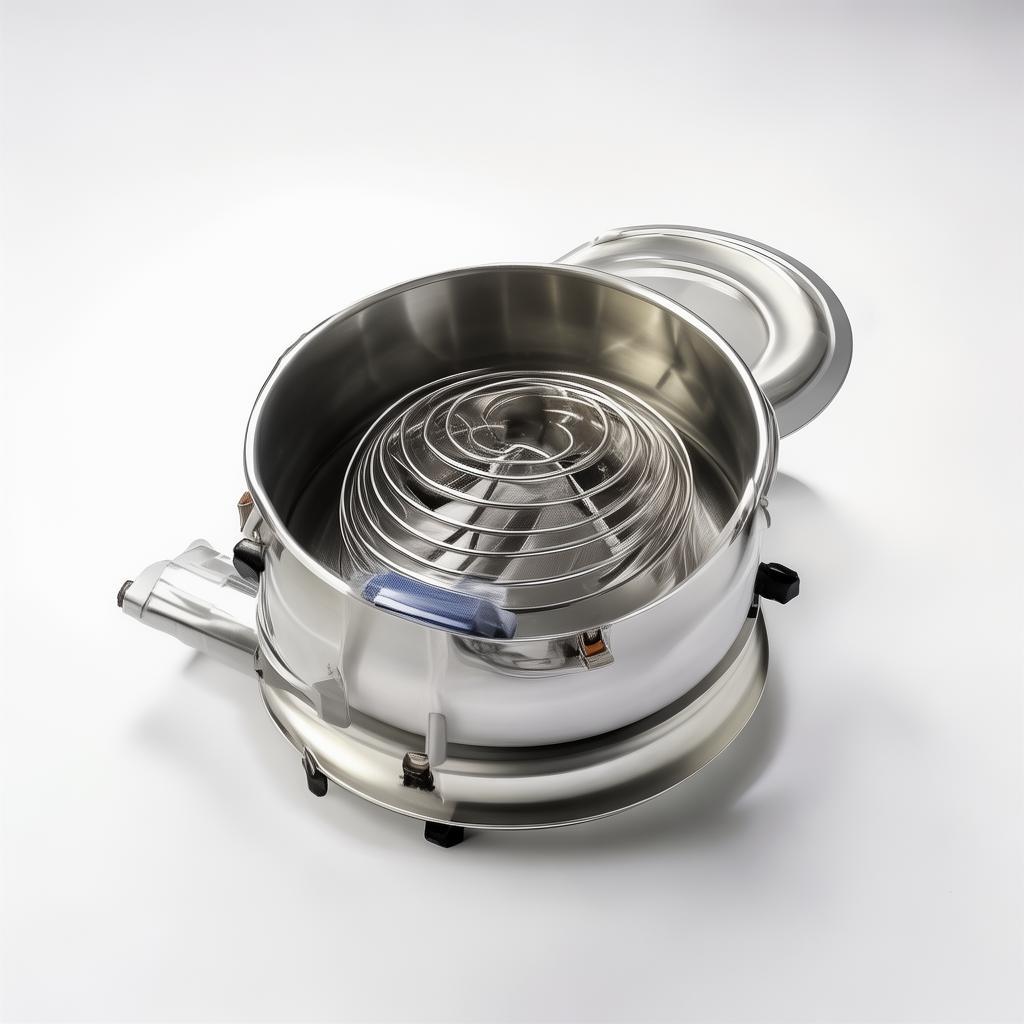
Meat Vacuum Packaging Machine
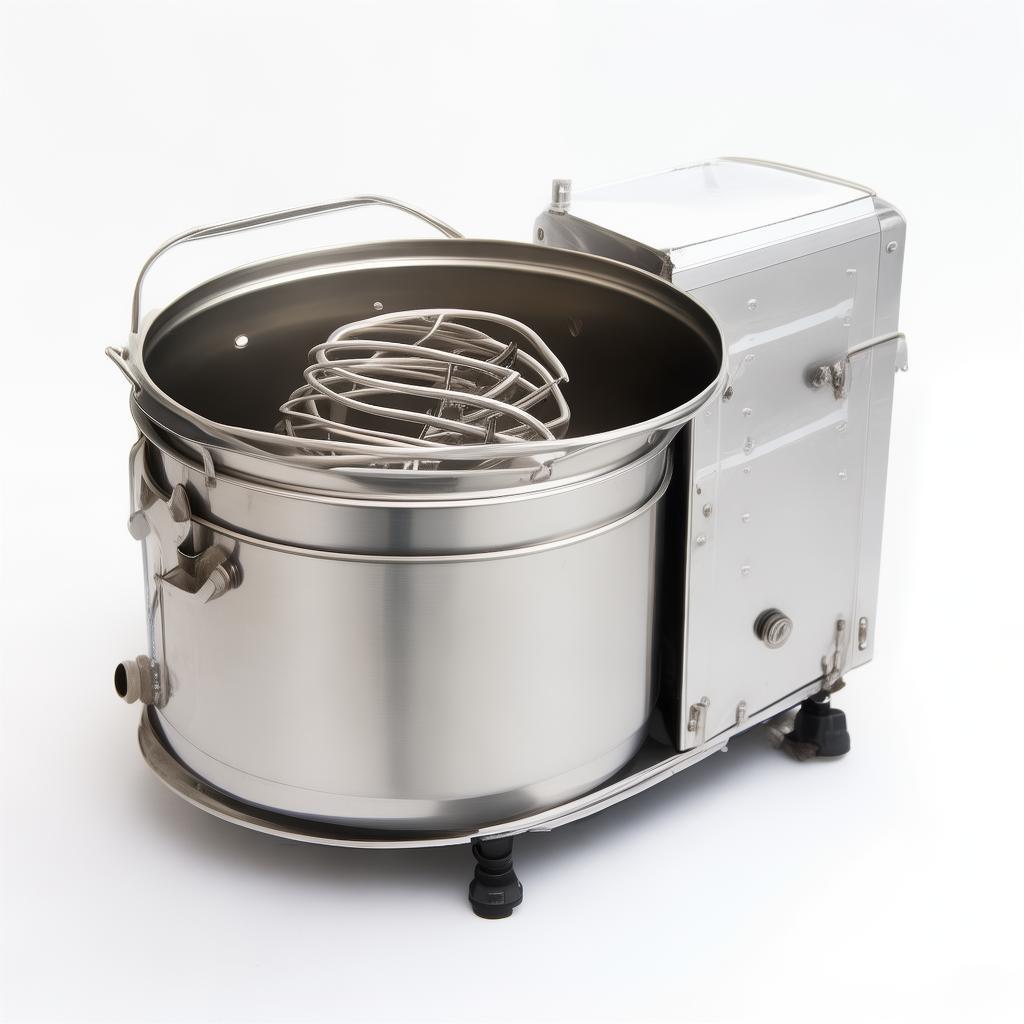
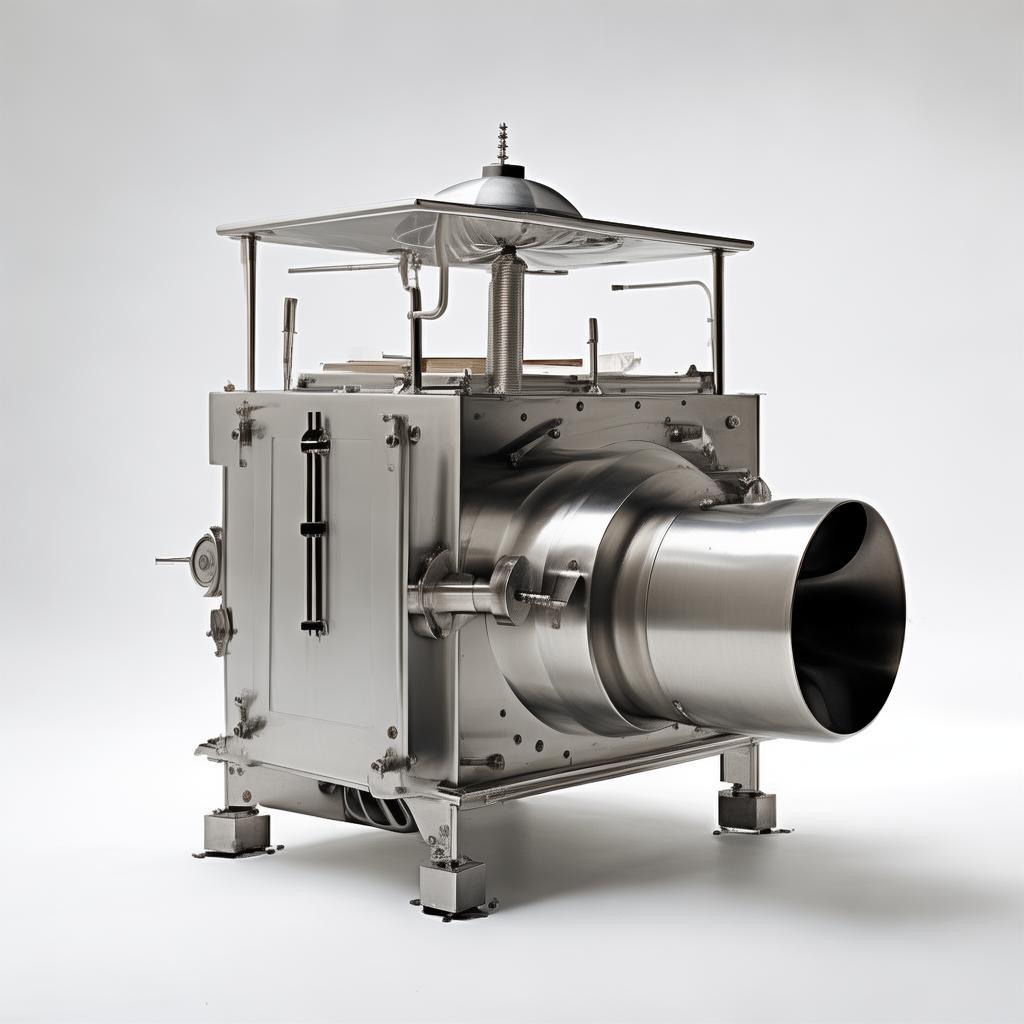
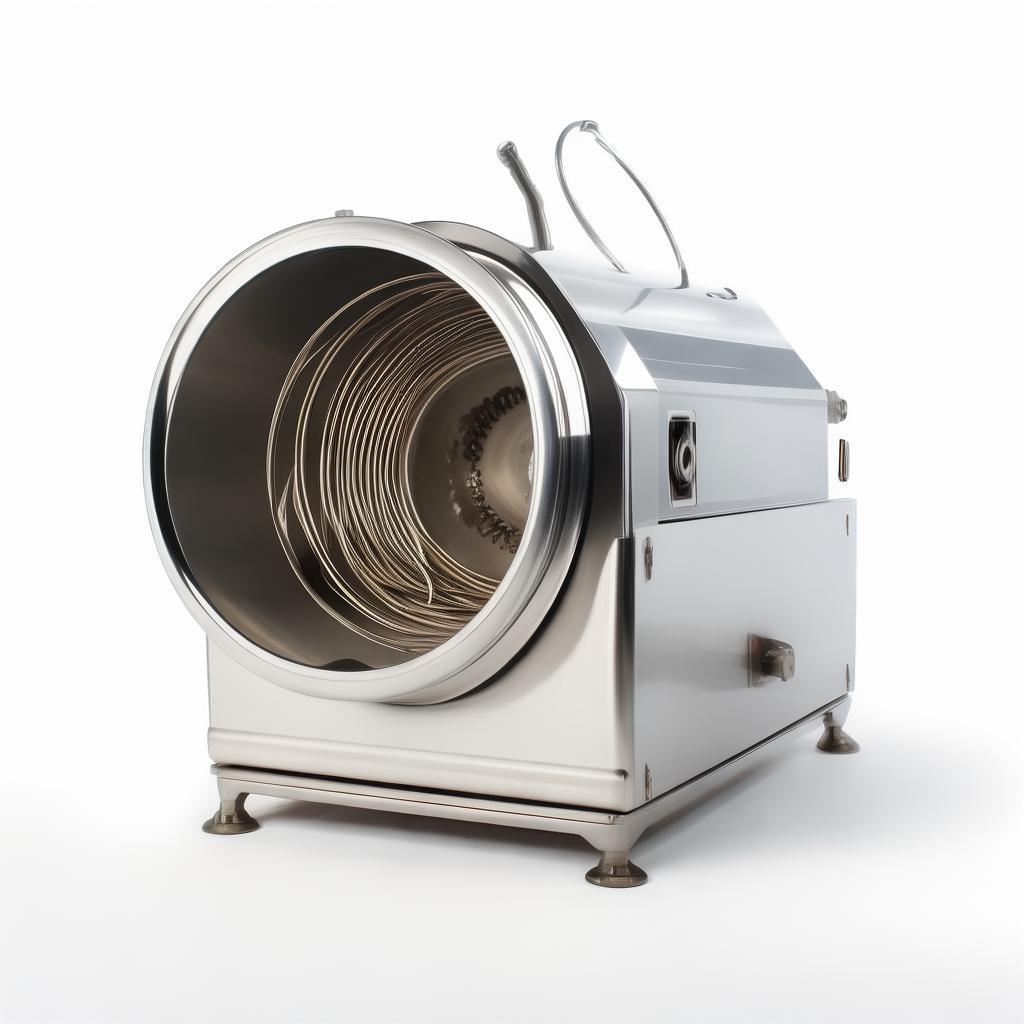
Meat Vacuum Packaging Machines: Elevating Shelf Life & Market Reach for Global Exporters
By Hebei Yuanchang Food Mechanism & Technology Co., Ltd. | Export Division Specialist

40 Years of Expertise in Meat Processing Solutions
Table of Contents
- Why Vacuum Packaging is Non-Negotiable for Meat Exporters
- Operational Hurdles in Meat Preservation & Export
- Understanding the Meat Vacuum Packaging Machine
- Core Advantages: Beyond Just Shelf Life
- Crucial Technical Specifications for Buyers
- Versatile Applications Across the Meat Industry
- Navigating the Procurement Process
- Why Choose Hebei Yuanchang? Our Manufacturing Edge
- Commitment to Quality: Certifications You Can Trust
- What Our Global Partners Say
- Frequently Asked Questions
- Ready to Enhance Your Export Operations?
Why Vacuum Packaging is Non-Negotiable for Meat Exporters
In the intricate world of international B2B trade for meat products, extending shelf life while maintaining absolute quality is paramount. This isn't just about preventing spoilage; it's about preserving the delicate textures, vibrant colors, and crucial nutritional profiles that discerning global buyers demand. When shipping across continents, raw meat, processed cuts, or even value-added meat products face a gauntlet of environmental challenges: fluctuating temperatures, humidity, and prolonged transit times. Without robust protection, these factors can lead to oxidative rancidity, microbial growth, dehydration, freezer burn, and ultimately, a significant loss in product integrity and market value. This is precisely where a meat vacuum packaging machine steps in, not as a mere accessory, but as a foundational piece of equipment for any serious meat exporter aiming for consistent quality and expanded market access.
The global meat processing equipment market, a sector projected to exceed $17 billion by 2034 according to Fortune Business Insights, underscores the critical role of advanced machinery in modern food production. Specifically, equipment focused on preservation and presentation is seeing robust demand. A vacuum packaging machine removes the vast majority of oxygen from within a sealed package. This simple yet profound act dramatically slows down the spoilage process. Aerobic bacteria, which are responsible for much of food decay, cannot survive or multiply in an oxygen-depleted environment. Furthermore, the removal of air prevents oxidation, a chemical reaction that degrades fats, leading to off-flavors and the loss of essential nutrients, particularly vital for high-value meat cuts and processed items like sausages or jerky.
For an importer in, say, North America or Europe, receiving a shipment of frozen beef or vacuum-sealed charcuterie that arrives looking and tasting as fresh as when it left the processing plant is not a luxury, but an expectation. They operate under stringent food safety regulations and consumer demands that prioritize product safety, quality, and traceability. Failure to meet these standards can result in rejected shipments, damaged brand reputation, and substantial financial losses. Investing in high-performance vacuum packaging solutions, therefore, is a direct investment in compliance, customer satisfaction, and ultimately, the profitability and sustainability of your export business. It’s about presenting a product that speaks for itself – fresh, safe, and ready for market.
Consider the logistics. Shipping meat products often involves complex cold chain management, extensive documentation, and tight schedules. The vacuum-sealed package acts as an additional layer of defense, providing a buffer against minor temperature fluctuations during transit and handling. It simplifies inspection processes and reassures customs officials and quality control personnel of the product's integrity. This makes the entire export process smoother and more predictable. Moreover, the compact nature of vacuum-sealed products can optimize container space, a critical factor in managing freight costs. When you optimize your packaging, you optimize your entire supply chain efficiency.
The decision to invest in a meat vacuum packaging machine is strategic. It’s about moving beyond basic preservation to actively enhance product appeal, ensure consumer safety, and unlock global market opportunities. It’s about building a reputation for quality that transcends borders. The market for processed and convenience meats continues its upward trajectory, with reports suggesting the global processed meat market could surpass $1.3 trillion by 2035. This expansion fuels the demand for efficient packaging solutions that can handle large volumes and maintain product integrity from farm to fork, regardless of distance. Our machines are engineered precisely for this global demand.
Beyond simply extending shelf life, vacuum packaging plays a crucial role in preventing "freezer burn" for frozen meat products. Freezer burn is essentially dehydration caused by air exposure within the packaging, leading to unsightly white or grayish-brown patches and a dry, leathery texture. By eliminating air, vacuum sealing minimizes moisture loss and ice crystal formation, preserving the meat’s natural moisture and tenderness, which is vital for maintaining its culinary appeal and market value. This is a detail that experienced chefs and discerning consumers notice immediately.
Furthermore, in the realm of fresh, chilled meats, vacuum sealing significantly inhibits the growth of spoilage-causing aerobic bacteria while allowing for the controlled proliferation of beneficial lactic acid bacteria. This process, often referred to as Modified Atmosphere Packaging (MAP) when combined with specific gas flushing (though our standard vacuum machines focus on oxygen removal), can subtly alter the product’s characteristics in a desirable way, contributing to its flavor profile and extending its refrigerated shelf life without chemical preservatives. Understanding these subtle biochemical processes is key to leveraging vacuum packaging to its full potential.
The integration of advanced packaging technology is a key differentiator. As the global meat processing equipment market is expected to reach $19.66 billion by 2033, automation and advanced preservation techniques are becoming standard. Our commitment at Hebei Yuanchang is to provide export-ready solutions that meet these evolving global standards, ensuring our clients remain competitive in a dynamic international marketplace.
Operational Hurdles in Meat Preservation & Export
Exporting meat products presents a unique set of challenges that can impact profitability and market access. Understanding these pain points is the first step toward finding effective solutions.
- Limited Shelf Life: Fresh and processed meats are highly perishable. Without proper preservation, spoilage occurs rapidly, drastically reducing the window for export and sale.
- Product Degradation: Exposure to air leads to oxidation, causing undesirable color changes (browning), off-flavors, and nutrient loss. Freezer burn on frozen products is another common issue.
- Contamination Risks: During transit and handling, meat products are vulnerable to bacterial contamination, leading to health risks and rejected shipments.
- Physical Damage: Improper packaging can lead to crushing, tearing, or puncturing of the product or its primary packaging, diminishing its market appeal.
- Logistical Inefficiencies: Bulky packaging can reduce payload capacity in shipping containers, increasing freight costs. Inconsistent packaging quality can also complicate customs inspections.
- Regulatory Compliance: Meeting stringent international food safety standards (like those in the US, EU, or Japan) requires robust packaging that ensures product integrity throughout the supply chain.
- Brand Reputation: Consistently delivering high-quality products builds trust. Conversely, inconsistent quality due to poor preservation can severely damage a brand's reputation in competitive international markets.
Addressing these issues proactively is crucial. A well-chosen meat vacuum packaging machine directly tackles many of these operational headaches, providing a reliable solution for exporters.
Understanding the Meat Vacuum Packaging Machine
At its core, a meat vacuum packaging machine is designed to create an airtight seal around a product after removing the majority of the air from the packaging material. This process is achieved through a controlled vacuum cycle followed by a sealing bar that melts and fuses the edges of the specialized packaging film.
These machines are typically built with robust stainless steel construction, essential for hygiene and durability in food processing environments. They operate on principles of vacuum generation, sealing, and cooling. The specific design can vary, from benchtop models for smaller operations to large, automated chamber machines capable of high-volume, continuous production for industrial-scale export needs. Our focus is on providing industrial-grade solutions that can withstand the rigors of international export demands.
The key components usually include:
- Vacuum Pump: The heart of the system, responsible for drawing air out of the chamber or bag. The efficiency and speed of the pump directly impact cycle times.
- Sealing Bar(s): Heated elements that melt and fuse the thermoplastic packaging material, creating a hermetic seal.
- Chamber/Work Area: The space where the product is placed, and the vacuum is drawn. For chamber machines, this entire area is evacuated. For external machines, the bag is placed outside the chamber and sealed.
- Control Panel: Allows operators to set and adjust vacuum levels, sealing time, cooling time, and other parameters to suit different products and packaging materials.
Choosing the right type of vacuum packaging machine—whether a single-chamber, double-chamber, or a continuous band sealer—depends heavily on production volume, product type, and the desired level of automation. For serious meat exporters, industrial-grade double-chamber machines often provide the best balance of speed, capacity, and efficiency. We engineer our machines to integrate seamlessly into existing processing lines.
A robust double-chamber vacuum packaging machine from Hebei Yuanchang, built for high-volume export operations.
Core Advantages: Beyond Just Shelf Life
The impact of effective vacuum packaging extends far beyond simply making meat last longer. For a business involved in international trade, these benefits translate directly to increased revenue and market expansion.
- Dramatically Extended Shelf Life: This is the primary benefit. By minimizing oxygen exposure, microbial spoilage and oxidative reactions are significantly inhibited, allowing products to remain fresh and safe for considerably longer periods. This is critical for meeting the extended timelines of international shipping and distribution.
- Preservation of Quality: Vacuum packaging locks in moisture, preventing dehydration and freezer burn in frozen products. It maintains the natural color, flavor, aroma, and nutritional value of the meat, ensuring that the product your customer receives is as high-quality as when it left your facility.
- Enhanced Food Safety: The airtight seal acts as a barrier against external contaminants, bacteria, and pathogens during transit, storage, and handling. This significantly reduces the risk of spoilage-related illnesses and potential recalls.
- Reduced Product Loss: By preventing spoilage, oxidation, and physical damage, the amount of product that needs to be discarded due to quality issues is substantially minimized, leading to higher yields and improved profitability.
- Optimized Logistics & Cost Savings: Vacuum-sealed products often have a more compact profile, allowing for greater product density in shipping containers. This can lead to reduced shipping costs and increased payload per shipment. The extended shelf life also reduces waste throughout the supply chain.
- Improved Product Presentation: Vacuum packaging offers a clean, professional, and compact presentation. The packaging often contours tightly to the product, highlighting its form and quality, which is appealing to both distributors and end consumers.
- Compliance with International Standards: Many international markets have strict regulations regarding food packaging and preservation. Vacuum sealing is a widely accepted and often required method for ensuring product safety and integrity for export.
These advantages collectively contribute to a more robust and profitable export operation, making a meat vacuum packaging machine an indispensable asset.
Crucial Technical Specifications for Buyers
When evaluating a meat vacuum packaging machine for export-grade production, scrutinizing the technical specifications is critical. These details determine the machine's capacity, efficiency, and suitability for your specific needs. We understand that procurement managers and engineers need precise data to make informed decisions.
| Specification | Key Considerations for Meat Export | Our Standard Offering (Example Model: YC-550 Double Chamber) |
|---|---|---|
| Chamber Dimensions (L x W x H) | Crucial for accommodating product size (e.g., whole cuts, large roasts, multiple smaller items). Needs to match your typical product dimensions and batch sizes. | 550 x 600 x 150 mm (Customizable options available) |
| Sealing Bar Length | Determines the maximum width of bags that can be sealed per cycle. Ensure it matches your primary packaging bag sizes. | 2 x 550 mm |
| Vacuum Pump Capacity | Higher capacity means faster evacuation, shorter cycle times, and better vacuum levels. Essential for high-volume production. Look for oil rotary vane pumps for reliability. | 100 m³/h (High-efficiency industrial grade) |
| Power Requirements | Must be compatible with your facility's power infrastructure (e.g., 380V/50Hz/3Phase is common for industrial units). | 380V / 50Hz / 3 Phase (Customizable upon request) |
| Machine Dimensions & Weight | Important for factory floor space planning and installation considerations. Industrial machines are substantial. | Approx. 1500 x 850 x 950 mm, 350 kg |
| Construction Material | Stainless steel (e.g., 304 grade) is standard for food contact parts and exterior for hygiene, corrosion resistance, and durability. | Full 304 Stainless Steel Construction |
| Cycle Time | Total time per cycle (vacuum, seal, cool). Faster cycle times increase throughput. Double-chamber machines are significantly faster as one chamber seals while the other is evacuated. | 30-60 seconds per cycle (dependent on product and settings) |
| Packaging Material Compatibility | Specify the types of films (e.g., PE, PP, multi-layer laminates) the machine can effectively seal. Requires quality vacuum seal bags. | Compatible with standard vacuum seal bags (PA/PE, PET/PE etc.) |
meat vacuum mixer vacuum food packaging machine commercial food vacuum packaging machine
When discussing your needs, be prepared to provide details on your typical product types, maximum dimensions, desired throughput per hour or shift, and the types of packaging films you intend to use. This allows us to recommend the most suitable configuration. We can also discuss options for gas flushing if specific atmospheric compositions are required for certain products.
Versatile Applications Across the Meat Industry
The utility of a reliable meat vacuum packaging machine spans the entire spectrum of the meat processing industry, from raw material handling to the packaging of ready-to-eat items.
- Fresh Meat Cuts: Beef steaks, lamb chops, pork loin, chicken breasts, and whole poultry. Vacuum packaging preserves color and prevents dehydration, crucial for chilled distribution.
- Frozen Meats: Portioned frozen meats, IQF (Individually Quick Frozen) products, and larger frozen cuts benefit immensely from vacuum sealing to prevent freezer burn and maintain quality over extended storage.
- Processed Meats: Sausages (fresh, smoked, cured), bacon, ham, deli meats, pepperoni, salami, and jerky. Vacuum sealing is vital for extending the shelf life of these value-added products and maintaining their texture and flavor.
- Marinated and Prepared Meats: Pre-portioned and marinated meat products for retail or foodservice. Vacuum packaging prevents leakage and maintains the integrity of both the meat and the marinade.
- Pet Food: Raw or cooked pet food products, including raw meaty bones and treats, also benefit from vacuum sealing to maintain freshness and prevent spoilage. Our expertise extends to pet food processing equipment as well.
- Specialty Meat Products: Game meats, exotic meats, and specialized culinary items that often have longer supply chains and require maximum protection.
In essence, any meat product destined for domestic distribution or international export can benefit from the protective barrier and extended shelf life offered by vacuum packaging. The market for processed meats, in particular, is seeing strong growth, with segments like reconstituted and formed meats showing significant potential. This directly translates to increased demand for efficient and reliable packaging solutions.
Navigating the Procurement Process: Key Considerations for Buyers
Purchasing industrial equipment like a meat vacuum packaging machine involves more than just comparing unit prices. For international buyers, a comprehensive evaluation is essential to ensure a sound investment and smooth import process.
- Production Volume & Scalability: Assess your current and projected output. Do you need a machine for lower volumes or a high-speed, automated system for large-scale export operations? Consider your growth plans and whether the machine can scale with you.
- Product Range: Will you be packaging a variety of products (e.g., thin steaks, thick roasts, sausages, ground meat)? Ensure the machine's chamber depth and sealing capabilities can accommodate your diverse needs.
- Automation Level: Manual, semi-automatic, or fully automatic? For export-grade operations, double-chamber machines offer better automation and efficiency by allowing simultaneous operation.
- After-Sales Support & Service: This is *critical* for international purchases. What kind of warranty is offered? Is technical support readily available (e.g., via video call, phone)? What is the availability and lead time for spare parts? Our traceable after-sales management system ensures we can provide ongoing support.
- Lead Time & Logistics: Understand the manufacturing lead time and the complexities of international shipping. Factor in customs duties, import regulations, and freight costs to your total landed cost. We provide comprehensive export documentation and can assist with shipping arrangements.
- Supplier Reputation & Experience: How long has the manufacturer been in business? Do they have a proven track record in exporting to your region? Look for certifications and testimonials. With over 40 years of experience since 1986, Hebei Yuanchang has established a strong global presence.
- Customization Options: Can the machine be adapted to specific voltage requirements, safety standards, or operational preferences? Our in-house machining capabilities, including Japanese CNC centers, allow us to produce high-precision, non-standard components.
- Total Cost of Ownership: Beyond the initial purchase price, consider energy consumption, maintenance costs, and the cost of consumables (packaging films, spare parts).
We encourage potential clients to engage in detailed discussions with our export specialists. A clear understanding of your operational requirements allows us to tailor a solution that maximizes your return on investment.
Why Choose Hebei Yuanchang? Our Manufacturing Edge
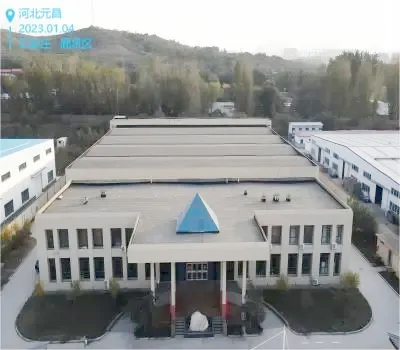
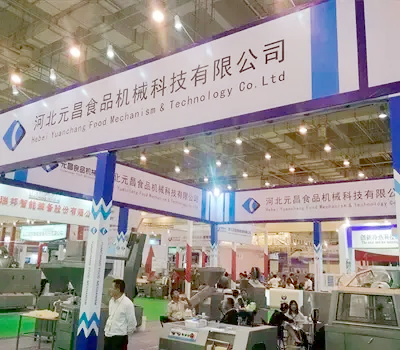
As a seasoned manufacturer with over four decades of experience, Hebei Yuanchang Food Mechanism & Technology Co., Ltd. offers a distinct advantage in the global market for meat processing equipment. Our commitment to quality, precision, and customer support is deeply embedded in our operations.
- 40 Years of Proven Expertise (Since 1986): We've witnessed and adapted to evolving industry needs, accumulating invaluable practical knowledge in complete production lines.
- Integrated R&D, Production, and Sales: This allows for seamless product development and direct quality control from concept to delivery.
- Extensive Machining Capabilities: Our 14,000 sq meter facility houses over 20 sets of processing machinery, including advanced Japanese Mazak CNC machining centers (since 2012). This enables us to produce high-precision, non-standard, and large-volume components in-house, ensuring superior part quality and reliability.
- Traceable After-Sales Management: We pride ourselves on robust after-sales service, backed by our ability to independently manufacture high-precision replacement parts. This means worry-free long-term operation for our clients.
- Dedicated Export Focus: Our team is experienced in navigating international trade regulations, documentation, and logistics, ensuring a smooth purchasing and import experience for global clients.
- Commitment to Quality & Compliance: Our machinery is built to meet rigorous industry standards, with options for various certifications to suit different market requirements.
We don't just build machines; we build partnerships. Our goal is to equip your export operation with reliable, efficient, and high-quality packaging solutions that drive your success.
Our state-of-the-art machining workshop, featuring CNC centers for precision component manufacturing.
Commitment to Quality: Certifications You Can Trust
For international B2B transactions, particularly in the food industry, certifications are a crucial indicator of quality, safety, and compliance. At Hebei Yuanchang, we adhere to stringent manufacturing practices and offer equipment that meets recognized international standards. While specific certifications can vary based on machine model and client requirements, common standards we comply with or can facilitate include:
- CE Marking: Indicates conformity with health, safety, and environmental protection standards for products sold within the European Economic Area (EEA). Essential for exports to Europe.
- ISO 9001: Our quality management system certification demonstrates our commitment to consistent product quality and customer satisfaction through standardized processes.

- FDA Compliance: For machinery intended for food contact, we ensure materials and design meet the U.S. Food and Drug Administration's standards for safety.
- RoHS Compliance: Restriction of Hazardous Substances Directive, ensuring our equipment is free from certain hazardous materials, important for environmental and safety regulations in many regions.

- Food-Grade Stainless Steel: We primarily use SUS304 stainless steel for all food-contact surfaces and exterior casings, meeting international food safety standards for hygiene and corrosion resistance.
We understand that different export markets have unique regulatory requirements. Please specify your target market and any required certifications during your inquiry, and we will ensure our proposal meets those specifications. Our extensive experience in exporting means we are well-equipped to provide the necessary documentation and support.
What Our Global Partners Say
Real feedback from businesses like yours, navigating the complexities of international meat export.
"We were struggling with inconsistent shelf life on our beef jerky exports to the EU. The YC-550 double-chamber machine from Hebei Yuanchang has been a game-changer. Its efficiency and the strong vacuum it achieves have significantly extended our product’s viability and maintained its chewiness. The support during installation and initial setup was also top-notch."

Procurement Manager, American Jerky Co. (USA)
"As an importer of premium lamb cuts into Canada, quality assurance is everything. Hebei Yuanchang’s vacuum packaging machines provide a reliable seal that protects the meat from freezer burn and preserves its natural moisture. Their export team was very helpful in navigating the shipping and customs process, and the machine's durability has exceeded our expectations."

Operations Director, Canadian Fine Meats Ltd. (Canada)
"We switched to a YC series vacuum sealer from Hebei Yuanchang to handle our growing export volume of processed pork products. The dual-chamber system allows for continuous operation, drastically cutting down our packaging time. The build quality is robust, and the after-sales support has been responsive, which is crucial when you're operating in a different time zone."

Factory Manager, Tokyo Pork Processors (Japan)
Frequently Asked Questions
A: Our standard lead time for industrial vacuum packaging machines is typically 4-6 weeks from order confirmation, depending on customization and current production schedules. We always aim to provide the most accurate timeline upon inquiry.
A: Absolutely. Our machines are designed to effectively package a wide range of meat products, including fresh, chilled, and frozen cuts, as well as processed items. The key is using appropriate packaging film (e.g., multi-layer PA/PE bags).
A: Routine maintenance includes cleaning the sealing bars and chamber, checking and topping up vacuum pump oil (for oil-based pumps), and periodic inspection of seals and electrical components. Our machines are designed for durability with minimal downtime. We provide detailed operation and maintenance manuals.
A: We recommend using high-quality vacuum seal bags specifically designed for food packaging. These are typically multi-layer laminates (like PA/PE or PET/PE) that offer excellent barrier properties. We can provide guidance on specifications and recommend reliable suppliers.
A: Yes, we offer comprehensive export services. Depending on the scope and destination, we can arrange for on-site installation and training, or provide detailed remote support and documentation to guide your team through the process. Our goal is your seamless integration.
Elevate Your Meat Export Operations with Superior Packaging
Don't let suboptimal packaging limit your market reach and profitability. Invest in reliable, high-performance vacuum packaging solutions from a manufacturer with 40 years of global experience.
Contact us today for expert consultation and tailored solutions.
Hebei Yuanchang Food Mechanism & Technology Co., Ltd. | Shijiazhuang, Hebei Province, China