Methods Of Meat Tenderization
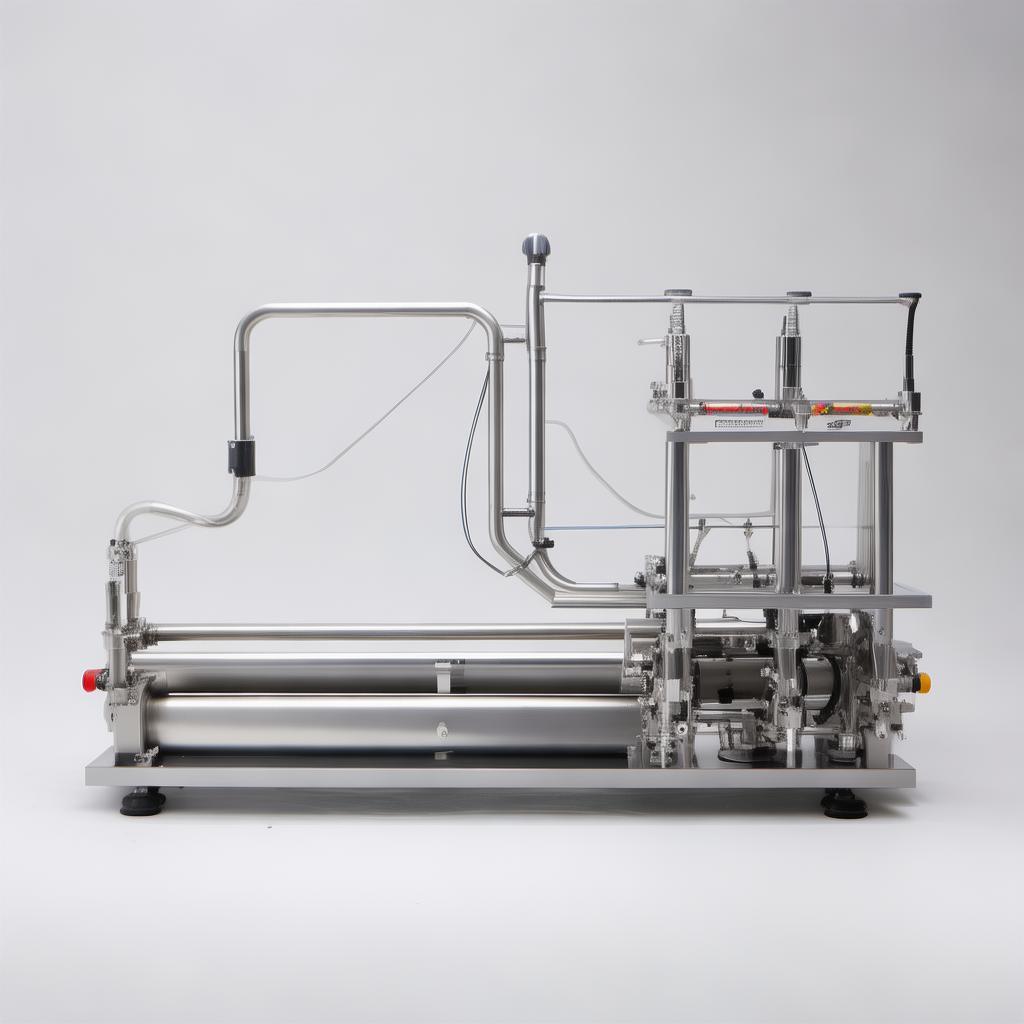
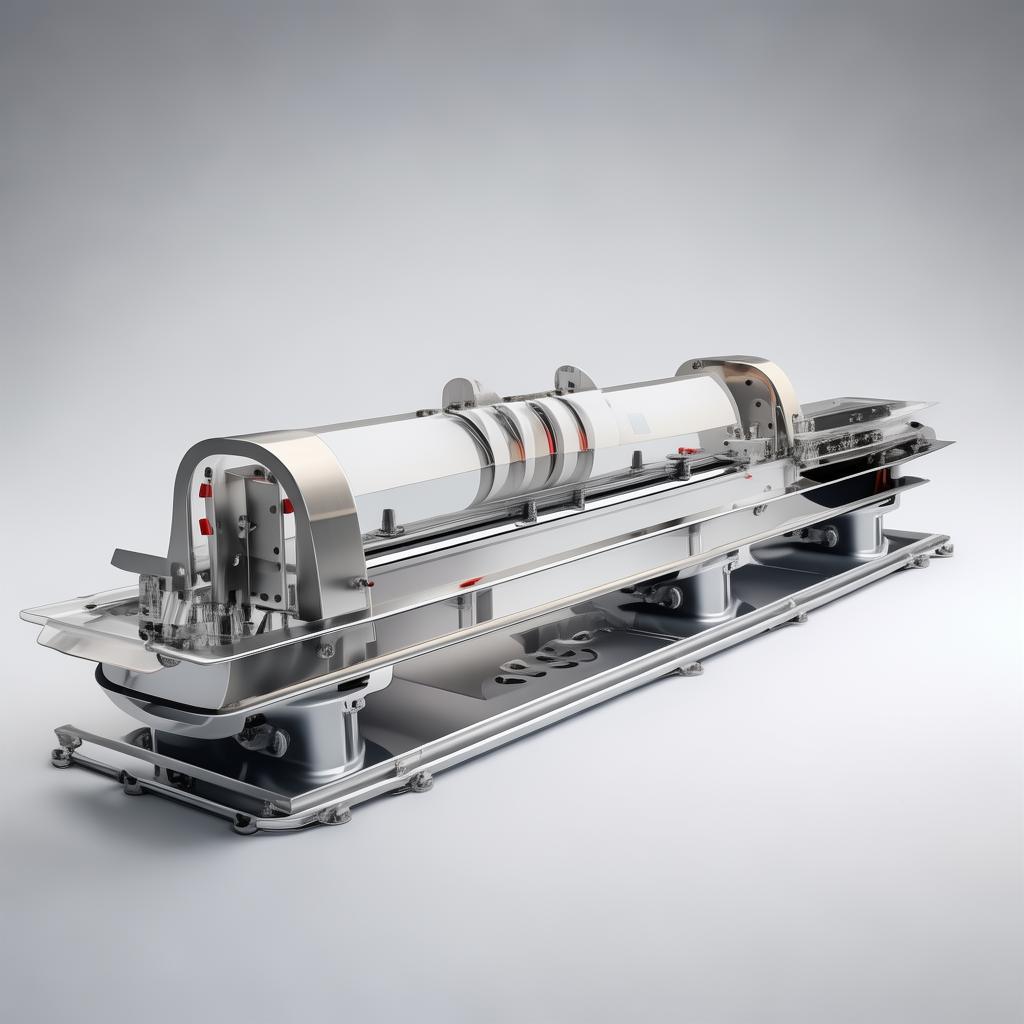
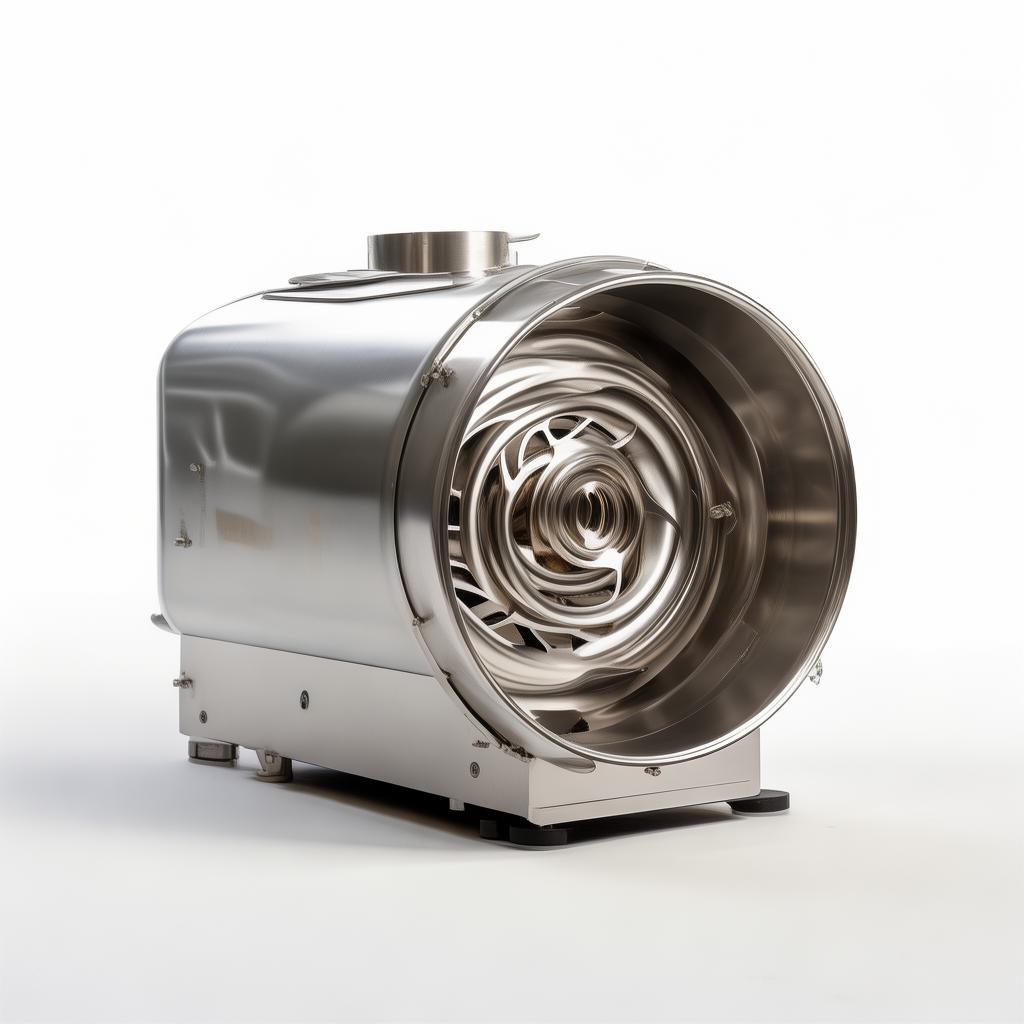
Mastering Meat Tenderness: Advanced Methods for Wholesale & Industrial Export
By Li Wei, Export Manager & Food Processing Specialist at Hebei Yuanchang Food Mechanism & Technology Co., Ltd.

The Enduring Pursuit of Perfectly Tender Meat
In the global marketplace for meat products, consistency, quality, and crucially, texture, are paramount. For processors, exporters, and distributors aiming to capture or expand their market share, achieving optimal meat tenderness isn't just a desirable trait—it's a fundamental requirement. Consumers, whether they're purchasing for a family meal or a high-end restaurant, expect their meat to be succulent, easy to cut, and enjoyable to eat. For B2B buyers, particularly those involved in wholesale export and developing private label products, this translates directly into product appeal, customer satisfaction, and ultimately, repeat business. The challenge lies in reliably and efficiently achieving this tenderness across diverse cuts, species, and production volumes.
The global meat processing equipment market is a significant indicator of this ongoing demand. Reports suggest this market was valued at approximately USD 11.28 billion in 2024 and is projected to reach around USD 15.04 billion by 2030, showcasing consistent growth driven by increasing demand for processed meats and automation in processing facilities. (Grand View Research). Within this vast sector, equipment specifically addressing tenderness—including mechanical tenderizers and massaging equipment used for ripening—represents a core segment. This isn't surprising when you consider the intricate science and engineering involved. Tenderness is influenced by a complex interplay of factors: the animal's age, breed, diet, stress levels, the rigor mortis process, post-mortem aging, and crucially, the processing methods employed. Each of these elements demands careful consideration, especially when scaling operations for international trade.
As a manufacturer with decades of experience in providing complete production lines, Hebei Yuanchang Food Mechanism & Technology Co., Ltd. understands these nuances intimately. We've seen firsthand how the right equipment and process optimization can transform raw cuts into premium products. Our journey, starting in 1986, has been about mastering these transformations, from basic pretreatment to sophisticated ripening processes. We integrate R&D, production, and sales, focusing on delivering solutions that meet the rigorous demands of the international market. This includes not just equipment capable of tenderizing, but also supporting systems for filling, molding, and ripening, all designed for efficiency, hygiene, and consistent output. The global processed meat market itself is a massive engine, expected to reach over USD 1.3 trillion by 2035 (Precedence Research), underscoring the sustained need for technologies that enhance meat's appeal and shelf-life.
This document delves into the primary methods of meat tenderization, exploring the science behind them, the industrial equipment that makes them viable at scale, and how businesses can leverage these techniques to gain a competitive edge. We’ll cover mechanical, enzymatic, thermal, and chemical (via marination/brining) approaches, highlighting their advantages, limitations, and suitability for different production goals. For procurement managers and operations directors, understanding these methods is key to selecting the right machinery, optimizing production workflows, and ultimately delivering a superior product that meets global consumer expectations. The ultimate goal is to achieve that perfect bite—tender, juicy, and consistently high quality, every single time, from the first container shipment to the last.
Navigating the Hurdles in Meat Processing for Tenderness
Achieving consistent meat tenderness at an industrial scale presents a unique set of challenges that can impact product quality, operational efficiency, and profitability. Many of our international clients, particularly those new to direct manufacturing or expanding into new markets, grapple with these issues:
- Inconsistent Texture: This is perhaps the most common complaint. Variations in animal genetics, diet, stress levels, and even the time of year can lead to naturally tougher cuts. Without proper intervention, this variability translates into an inconsistent end product, leading to customer dissatisfaction and returns.
- Labor Intensity & Cost: Traditional manual methods for tenderizing meat are time-consuming and require skilled labor, which is becoming increasingly expensive and difficult to source globally. For operations aiming for high throughput, relying solely on manual techniques is simply not scalable or cost-effective.
- Risk of Over-Processing: Applying too much force or using overly aggressive enzymatic solutions can damage meat fibers, leading to a mushy texture or excessive moisture loss. This can compromise both the eating quality and the product's shelf appeal, turning a potential advantage into a significant drawback.
- Contamination Concerns: Many tenderization processes, especially those involving marinades or injections, can introduce a risk of microbial contamination if not managed under strict hygienic conditions. This is a critical consideration for food safety and regulatory compliance, especially for export markets with stringent import standards.
- Maintaining Product Integrity: While tenderizing, it's vital to preserve the meat's natural flavor, color, and nutritional value. Overly aggressive methods can lead to protein denaturation, fat rendering, or nutrient loss, diminishing the overall quality and perceived value of the final product.
- Equipment Selection Complexity: The market offers a wide array of machinery. Choosing the right tenderization equipment—whether it’s a tumbler, a massager, a tenderizer machine, or an injector—requires a deep understanding of production volumes, target cuts, desired texture, and budget constraints. An incorrect choice can lead to underperformance or costly operational bottlenecks.
- Achieving Compliance for Export: Different countries have varying regulations regarding food additives, processing aids, and acceptable levels of various components. Ensuring that the chosen tenderization method and any associated ingredients comply with the destination market's requirements is a significant undertaking for exporters.
At Hebei Yuanchang, we address these pain points by offering robust, well-engineered solutions. Our 40 years of experience mean we don't just sell machines; we provide integrated systems designed for reliability, efficiency, and hygiene. For instance, our massaging equipment, often used for ripening, is designed for precise control over time and speed to optimize texture without compromising the meat's integrity. We also understand the importance of materials and construction – using food-grade stainless steel and precision engineering in our CNC workshops to ensure durability and ease of cleaning, which directly mitigates contamination risks.
Mechanical Tenderization: Breaking Down Fiber Structure
Mechanical tenderization is a fundamental industrial approach that physically alters the meat's structure to improve tenderness. This method is widely employed for various cuts, particularly those that might otherwise be too tough for consumer acceptance. The core principle is to disrupt the connective tissues and muscle fibers, making the meat easier to chew. This approach is direct, relatively quick, and avoids the introduction of foreign substances, making it attractive for processors focused on minimal ingredient lists.
The most common forms of mechanical tenderization involve:
- Needling/Piercing: This involves passing meat through machines equipped with multiple sharp needles or blades. These penetrate the muscle, creating tiny channels. These channels allow marinades or brines to penetrate more effectively (if used) and also break down tough muscle fibers and connective tissues. The depth and density of the needles can be adjusted based on the cut and desired outcome. This is particularly effective for whole muscle cuts intended for roasting or braising.
- Scoring/Blade Tenderization: Similar to needling, this method uses blades to cut across the muscle fibers. The blades make superficial cuts on the surface or deeper incisions into the meat, effectively shortening the muscle fibers and disrupting the network of collagen that contributes to toughness.
- Grinding/Comminution: While primarily used for products like sausages or burgers, grinding also breaks down muscle fibers and connective tissues, inherently tenderizing the meat. Different grind sizes can yield different textural perceptions.
The advantage of mechanical tenderization is its speed and direct impact on texture. It requires less time compared to aging processes and doesn't rely on specific biochemical reactions. However, it’s crucial to manage the intensity. Over-needling or aggressive scoring can lead to excessive moisture loss during cooking or a mushy texture. The precision of the machinery is therefore critical. At Hebei Yuanchang, our equipment is designed with robustness and control in mind. We understand that for international export, consistency is non-negotiable. Our machines are built to exacting standards, ensuring that each pass through the tenderizer delivers a predictable outcome. For instance, the material choice for blades and needles, along with their sharpness and spacing, are all engineered for optimal performance and longevity, reducing replacement frequency and ensuring consistent cuts.
When considering mechanical tenderization for wholesale export, one must also think about the downstream impact. Tenderized meat may require different handling protocols to prevent microbial growth in the newly created channels. Furthermore, the specific equipment must align with the target product. A machine designed for large beef primals will differ significantly from one suited for smaller poultry cuts or pork loins. Our engineering team can advise on the most suitable configuration based on your primary species and product types. This level of detail is what differentiates a reliable supplier from a generic one.
The global market for meat processing equipment continues to see strong demand for these mechanical solutions. Their simplicity, effectiveness, and the ability to process large volumes quickly make them indispensable in modern meat plants. (Fortune Business Insights) highlights the importance of various processing stages, including those that involve mechanical intervention for texture improvement, as key growth drivers.
Operational Tip: For optimal results with mechanical tenderization, ensure the meat is properly chilled but not frozen. This provides the right balance of firmness for clean cuts without becoming brittle or overly soft, which can lead to tearing rather than clean penetration.
Enzymatic Approaches: Harnessing Nature's Proteases
Enzymatic tenderization leverages the natural power of specific enzymes, known as proteases, to break down tough muscle proteins and connective tissues like collagen and elastin. This method can achieve a remarkable level of tenderness and a desirable texture, often resulting in a more succulent and flavorful product compared to purely mechanical methods. The enzymes essentially "digest" the tougher components of the meat, transforming its structural integrity.
The most commonly used enzymes in meat processing are derived from natural sources:
- Papain: Extracted from papaya. It’s a highly effective protease that works well at moderate temperatures and pH levels.
- Bromelain: Derived from pineapple. It's known for its ability to break down collagen effectively and can also contribute to flavor development.
- Ficin: Sourced from figs. This enzyme is also potent but can sometimes impart a slightly bitter flavor if not used carefully.
- Trypsin & Chymotrypsin: These are mammalian-derived enzymes, often naturally occurring in the animal's digestive system, but can also be used as processing aids.
These enzymes are typically applied through injection, marination, or tumble-marination. The effectiveness of enzymatic tenderization depends on several factors: the concentration of the enzyme, the duration of exposure, the temperature of the meat (enzymes have optimal temperature ranges), and the pH of the surrounding medium. For industrial applications, precise control over these parameters is essential to avoid over-tenderization, which can lead to a mushy texture, excessive breakdown of proteins, and potential bitterness.
The advantage of enzymatic tenderization is its ability to achieve a superior, more uniform tenderness, especially in older or tougher animals. It can significantly improve the eating experience. However, there are considerations for wholesale export. The use of these enzymes as processing aids must comply with the regulations of the destination country. Some markets may have restrictions on their use or require specific labeling. Furthermore, the enzymes are sensitive to heat. High cooking temperatures can deactivate them, halting the tenderization process, but also meaning the tenderness achieved relies on the enzymatic action pre-cooking. For products that undergo extensive cooking or high-temperature processing, the enzymatic effect might be limited.
At Hebei Yuanchang, we understand the delicate balance required. While we primarily focus on the mechanical and thermal processing equipment, we also design our massaging and tumbling machines to be ideal for marinades and enzymatic solutions. These machines provide gentle yet effective tumbling action, ensuring even distribution of tenderizing agents and optimal contact time. Our equipment's stainless-steel construction and easy-to-clean design are critical for maintaining hygienic conditions necessary when working with biological agents. The global demand for processed and convenience meats, valued in the hundreds of billions (Fortune Business Insights), continually fuels the need for effective tenderization techniques, including enzymatic ones.
It's also worth noting the existence of a dedicated "Meat Tenderizing Agent Market," which is projected to reach USD 3.40 billion by 2033 (Data Bridge Market Research), indicating the significant role these agents play, often in conjunction with mechanical processing equipment like ours.
Procurement Alert: When sourcing enzymatic tenderizers for export, always verify the enzyme source, purity, activity units, and ensure the supplier provides necessary documentation for customs and regulatory approval in your target market.
Thermal Treatments: The Role of Heat and Humidity
While primarily associated with cooking, controlled thermal treatments can also play a role in enhancing meat tenderness, particularly in conjunction with other methods or for specific product types. The key is precise control over temperature, time, and humidity to manage the biochemical changes within the meat without causing undesirable toughening.
Here's how thermal processes can influence tenderness:
- Collagen Solubilization: Slow, moist cooking at temperatures above 70°C (158°F) is highly effective at breaking down collagen into gelatin. This process significantly softens connective tissues, making tougher cuts much more tender. This is the principle behind braising, stewing, and slow roasting.
- Controlled Aging (Dry/Wet Aging): While not strictly "tenderization" in the immediate sense, controlled aging relies on the meat's own enzymes (autolysis) working over time, often in a temperature-controlled environment. Dry aging uses low humidity and specific temperatures (typically 0-4°C or 32-39°F) to concentrate flavor and tenderize, while wet aging involves vacuum-sealing meat to allow enzymatic breakdown in its own juices under refrigeration.
- Massaging/Tumbling for Ripening: This process, often considered under ripening, uses controlled mechanical action in a temperature-controlled environment. The gentle friction and movement help to break down some muscle fibers and also facilitate the enzymatic processes that lead to tenderness. The precise control of temperature during these cycles is crucial. Our massaging machines are designed to maintain these specific temperature ranges (often between 0-4°C), allowing for controlled enzymatic activity without spoilage.
For industrial processors, particularly those focused on products like cured meats, sausages, or formed products, controlled thermal processes are often integrated into the ripening and finishing stages. Our equipment is designed to facilitate these controlled environments. For example, our meat product ripening equipment allows for precise temperature and humidity management, creating the ideal conditions for enzymes naturally present in the meat to act, thereby enhancing tenderness and flavor over time. This is distinct from cooking temperatures; it's about creating a controlled environment for maturation.
The market for meat processing equipment includes a significant segment for massaging and tumbling systems, which are integral to these controlled ripening processes. Reports indicate a strong growth in this area, driven by the demand for processed meats and the need for efficient, automated ripening solutions. (Global Market Insights) notes that these systems are key for enhancing texture and quality. When exporting, understanding the specific thermal requirements for your target products and markets is vital. For instance, a product intended for high-heat cooking will benefit from initial tenderization methods that are robust against heat, whereas a product designed for slow cooking can leverage thermal breakdown of collagen.
Logistics Consideration: If your process involves controlled aging or ripening, consider the energy costs associated with maintaining precise low temperatures over extended periods. Efficient, well-insulated machinery can significantly impact operational expenses.
Marination and Brining: Enhancing Texture and Flavor
Marination and brining are classic methods that contribute to meat tenderness, primarily through the action of salts and acids, and by infusing moisture. While often associated with flavor enhancement, their impact on texture is significant and widely utilized in both domestic and industrial settings.
Key mechanisms at play:
- Moisture Infusion: The primary benefit of brining (using saltwater) and marinating (often involving liquids, oils, herbs, and spices) is the addition of moisture. This extra water helps keep the meat moist during cooking, making it seem more tender and succulent, especially with leaner cuts. The salt in brine also helps the meat retain this added moisture.
- Protein Denaturation: Salts, particularly sodium chloride in brines, help to denature muscle proteins. This process changes the protein structure, causing them to relax and swell, which can lead to a more tender bite. Acids found in marinades (like vinegar, citrus juice, or buttermilk) also denature proteins, working in a similar fashion to enzymes but often at a faster rate.
- Enzyme Activation (Indirectly): While not direct enzymatic tenderization, marinades can sometimes contain ingredients that slightly assist in breaking down proteins, especially if they contain acidic components or natural tenderizing agents like yogurt or fruit extracts (e.g., pineapple or kiwi).
For industrial-scale operations, achieving uniform distribution of marinades or brines is crucial. This is where specialized equipment comes into play. Tumble marinating, often performed in vacuum tumblers, is highly effective. The vacuum helps to draw the marinade deeper into the meat tissues, while the tumbling action ensures even coating and penetration across large batches. Our meat product filling and molding machines can also be integrated with marination systems, ensuring that the tenderized and flavored meat is then processed into desired forms efficiently.
The advantages for wholesale export are clear: improved flavor, increased moisture content (which translates to perceived tenderness), and a longer shelf life due to the preservative effects of salt and some acids. However, compliance with food additive regulations in destination markets is critical. The types and concentrations of salts, acids, and other permitted ingredients must be carefully considered. Over-reliance on acidic marinades can also lead to a "cooked" texture in the raw product if not managed properly. Our machinery is designed to handle a variety of marinating liquids, from simple brines to complex marinades, ensuring efficient processing while maintaining product integrity. We also provide equipment that allows for precise control over vacuum levels and tumbling times, crucial for optimal results without damaging the meat structure.
The demand for processed and convenience meats continues to surge globally, with market reports indicating substantial growth. (Mordor Intelligence) highlights the increasing need for efficient processing solutions that can handle large volumes and diverse product formulations, including marinated and brined items.
Export Consideration: When exporting products that use brining or specific marinades, ensure that the ingredient list and processing aids comply with the food safety standards of your target countries. Some countries have specific limits on sodium content or require prior approval for certain acidic compounds.
Industrial Equipment for Optimal Tenderness at Scale
To effectively implement various meat tenderization methods in an industrial setting, specialized machinery is indispensable. At Hebei Yuanchang, we engineer a range of equipment designed to meet the rigorous demands of modern meat processing, focusing on efficiency, consistency, and hygiene. Our commitment, honed over 40 years since 1986, is to provide solutions that empower businesses for international trade.
Key Equipment Categories for Tenderization Processes:
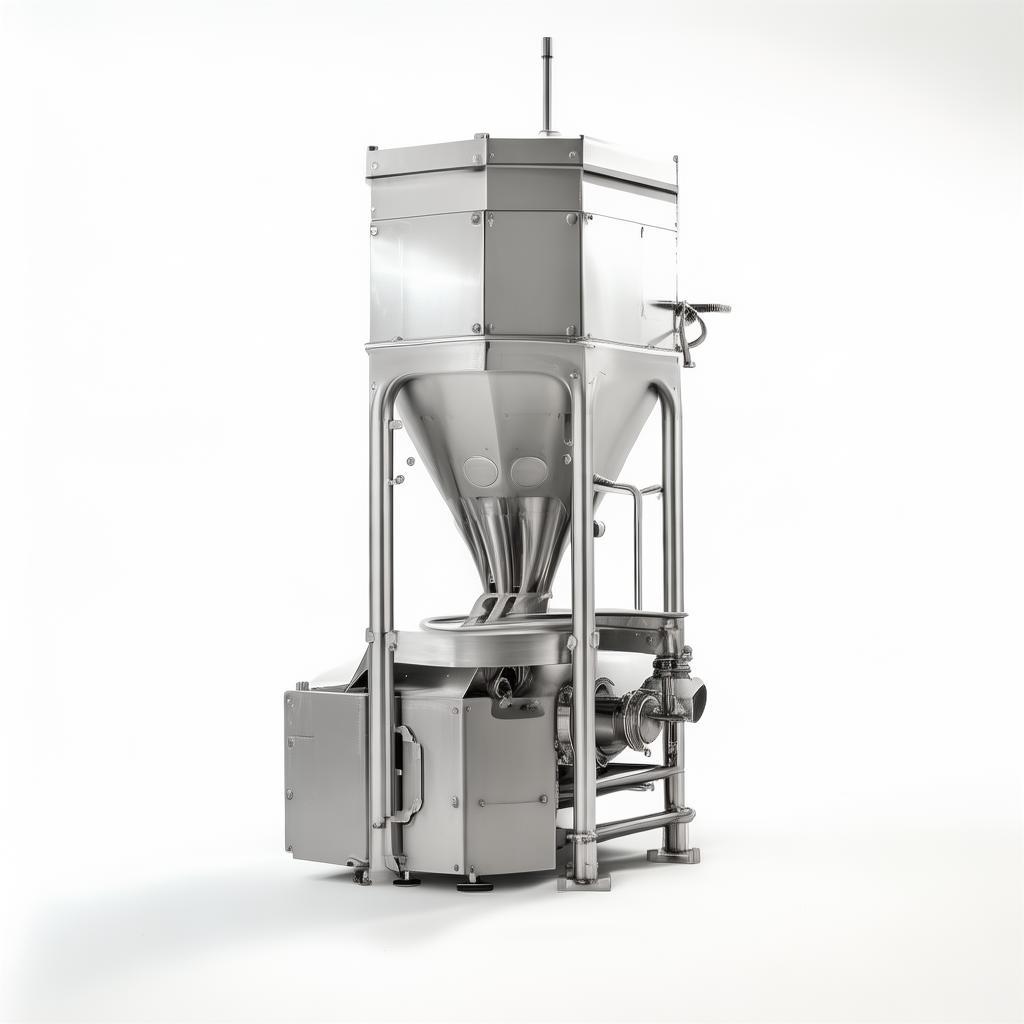
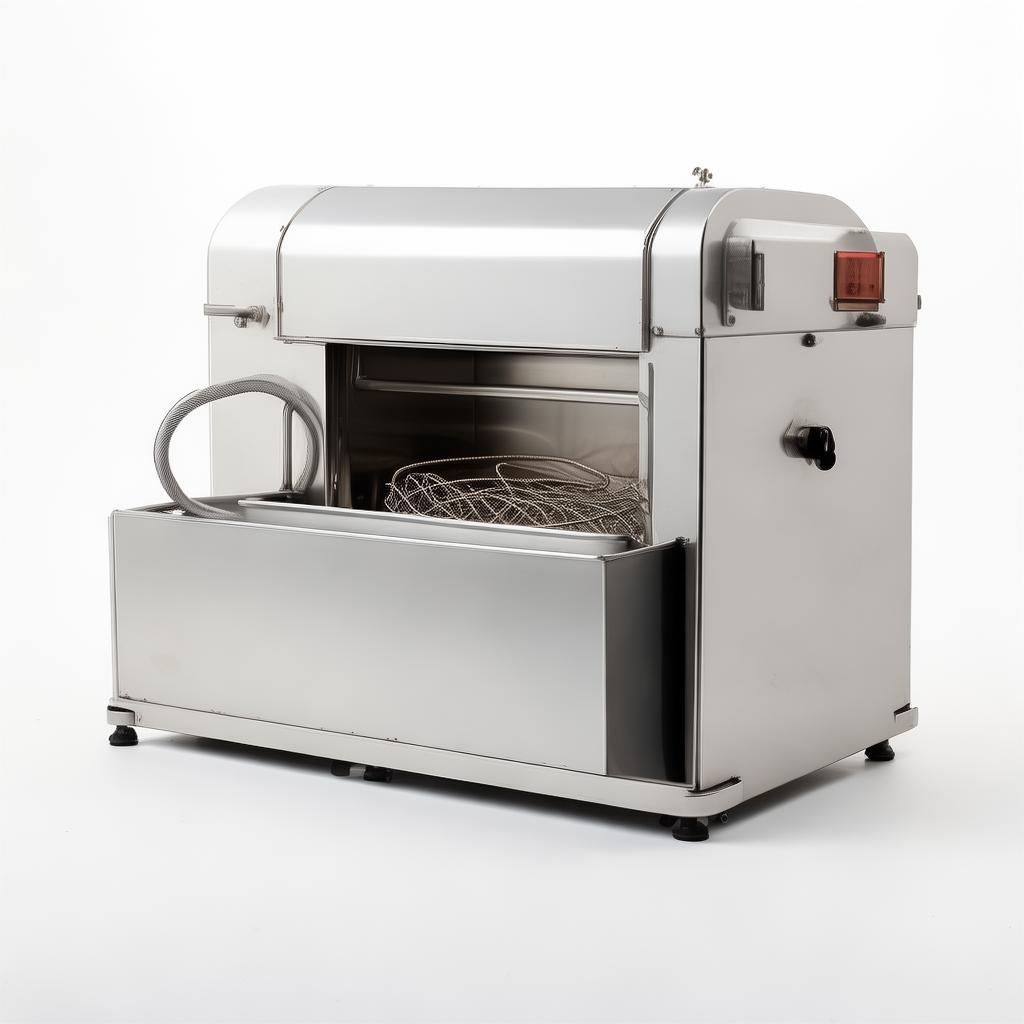
- Meat Tenderizer Machines: These are the workhorses for mechanical tenderization. Equipped with multiple sharp blades or needles, they pass meat through to break down tough fibers and connective tissues. We offer models with adjustable needle depths and configurations to suit different cuts and species, ensuring precise mechanical intervention without over-processing. Our in-house machining capabilities, including Japanese Mazak CNC centers, allow us to produce high-precision components for these machines, guaranteeing their reliability.
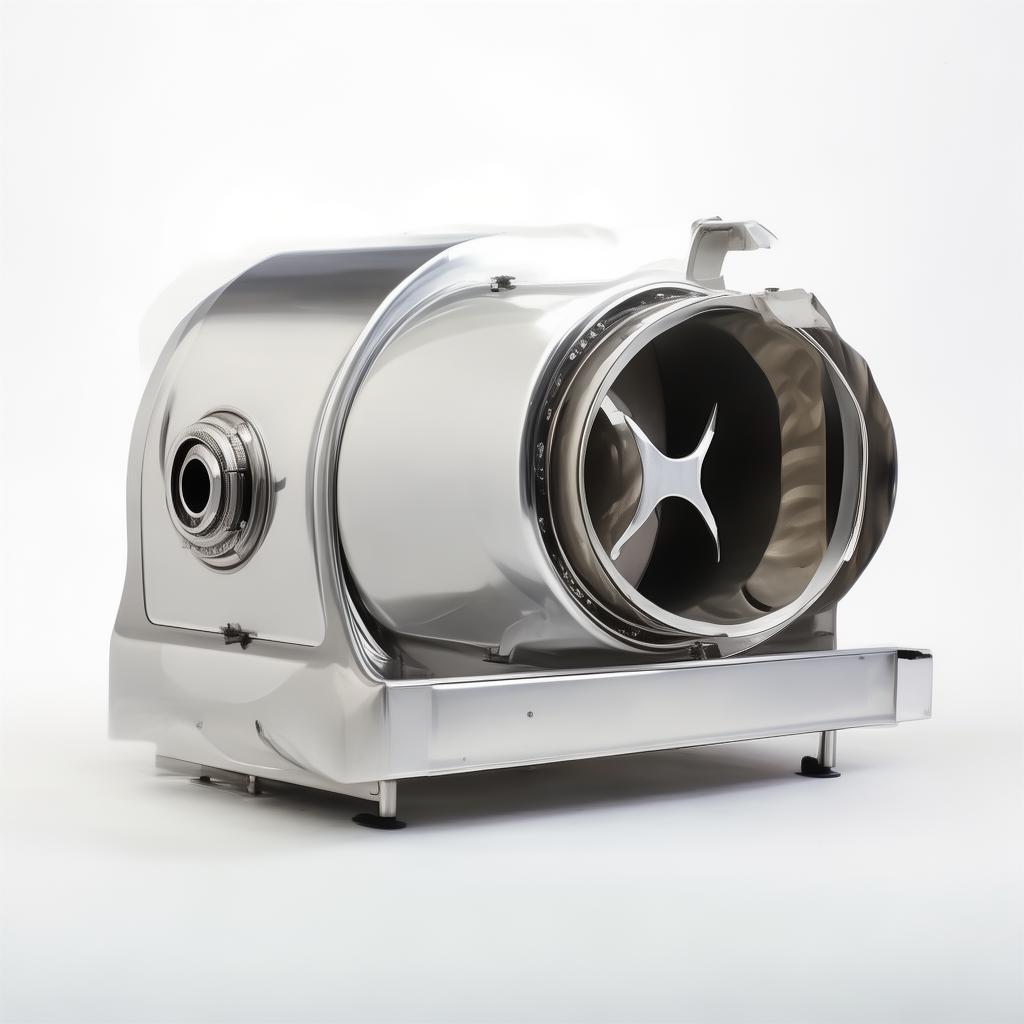
- Massaging & Tumbling Machines: Crucial for both mechanical action and effective marination/brining, these machines gently tumble meat in a controlled environment. They are ideal for distributing marinades, brines, or tenderizing agents evenly. Our massaging equipment can operate under vacuum to enhance penetration and is designed for precise temperature control, facilitating enzymatic ripening processes. The controlled tumbling action breaks down some fibers while ensuring product integrity. The global market sees significant growth in these systems due to their role in enhancing texture and flavor for processed meats.
- Vacuum Fillers & Moulders: While not direct tenderizers, these machines are critical downstream. After tenderization, meat often needs to be formed into specific shapes for products like sausages, patties, or nuggets. Our vacuum filling and molding machines ensure precise portioning and forming, maintaining the texture developed by tenderization processes. Vacuum filling also helps to minimize air inclusion, contributing to a denser, more consistent final product.
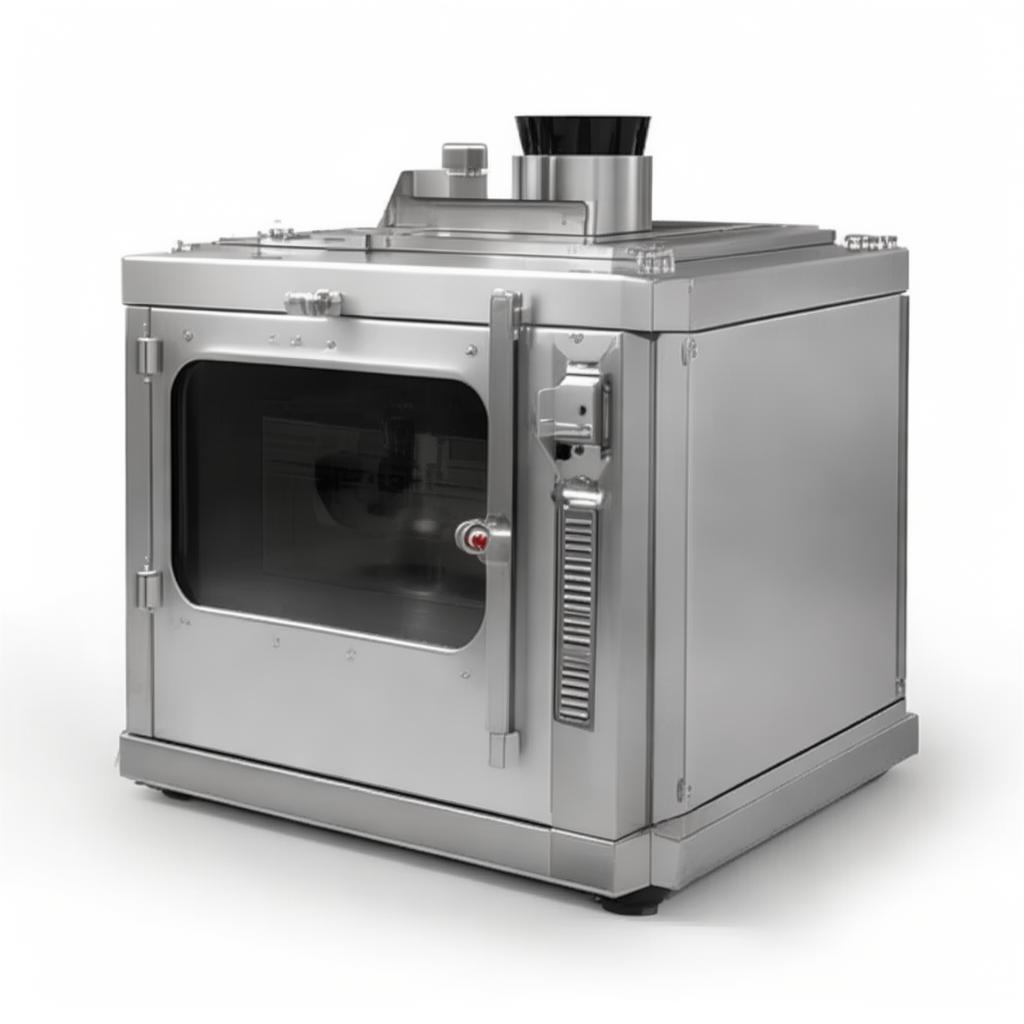
- Ripening & Curing Equipment: This category encompasses specialized chambers and tumblers designed for controlled aging, dry curing, or wet aging. Precise temperature, humidity, and air circulation control are paramount. Our equipment in this range supports the autolytic tenderization that occurs naturally over time, enhancing both texture and flavor profiles for premium products.
Our manufacturing approach emphasizes durability and ease of maintenance. With over 20 sets of processing machinery in our own workshop, including lathes, milling machines, and high-precision grinding equipment, we have the capability to produce complex, non-standard components independently. This ensures that spare parts are readily available and that our machines can withstand the demanding conditions of international export operations. We provide comprehensive after-sales management, ensuring peace of mind for our global clientele. The meat processing equipment market is projected to reach substantial figures, with segments like tenderizing and ripening equipment showing strong demand (Skyquest), reflecting the essential role of these technologies.
Installation Note: Ensure adequate space and utility connections (power, water, compressed air if applicable) are available for these industrial machines. Proper ventilation is also critical, especially if enzymatic or thermal processes are involved.
Versatile Applications Across the Meat Industry
The methods and equipment for meat tenderization are not one-size-fits-all. Their application varies significantly depending on the type of meat, the desired end product, and the target market. At Hebei Yuanchang, we serve a diverse international clientele, and understanding these specific needs is key to delivering the right solutions.
Tailoring Tenderization for Different Meat Products:
- Beef & Lamb: These meats, especially from older animals, often benefit from more aggressive mechanical tenderization (needling, scoring) or extended aging processes (dry/wet aging) to break down their robust connective tissues. Marination with acidic components or enzymatic agents can also be highly effective for enhancing tenderness and flavor, particularly for cuts destined for grilling or roasting.
- Pork: Pork tenderness can vary greatly. While some cuts are naturally tender, others may require mechanical assistance. Tumbling with brines or marinades is common for pork loins, shoulders, and bellies to improve moisture retention and texture, especially for products like ham or bacon. Enzymatic tenderization can also be applied to specific pork cuts for premium products.
- Poultry (Chicken, Turkey): Poultry muscles are generally finer and less dense than red meats. Mechanical tenderization is often less aggressive, sometimes involving light scoring or needling. Brining is very popular for poultry to ensure juiciness and perceived tenderness, especially for whole birds or breasts. Marinating also adds flavor and can contribute to a softer texture.
- Processed Meats (Sausages, Burgers, Formed Products): For these products, tenderness is often achieved during the grinding and mixing stages. However, specific tenderizing agents or controlled tumbling with brines can be incorporated into the formulation to enhance the final texture and mouthfeel. Our vacuum fillers and mixers are designed to handle these formulations while preserving the desired texture. The market for processed meat is vast, with continued growth expected (IMARC Group), driving demand for versatile processing equipment.
- Pet Food: The pet food industry also requires tenderization to make kibble or wet food appealing and digestible for animals. While the methods might be adapted for palatability and nutritional value, mechanical processing and controlled moisture addition play key roles. Hebei Yuanchang also manufactures equipment for pet food processing lines, understanding the need for tender, palatable products.
Our export experience spans numerous countries, meaning we understand the diverse requirements related to product types, ingredient regulations, and consumer preferences. Whether you are producing bulk ingredients for further processing, consumer-ready chilled or frozen meats, or value-added products like marinated steaks or seasoned chicken portions, our equipment can be tailored. For example, our meat product filling molding machines can handle a wide range of viscosities and textures, essential for formed products where tenderization upstream is critical for machinability and final bite.
Export Strategy Tip: For new markets, consider offering a range of products that showcase different tenderization techniques. This allows you to test market response and adapt your production strategy based on consumer feedback and import requirements.
Smart Procurement: Selecting the Right Tenderization Solutions
For purchasing managers and procurement directors operating in the international B2B space, acquiring the right meat processing equipment is a strategic decision. It impacts not only product quality but also operational costs, production capacity, and compliance. When it comes to tenderization solutions, a methodical approach is essential.
Key Considerations for Buyers:
- Production Volume & Scalability: This is the first factor. Are you processing a few hundred kilograms per day, or several tons? Your chosen equipment must match your current output and have the capacity to scale as your business grows. High-throughput operations require robust, continuous-feed machinery, whereas smaller batch producers might opt for more flexible, versatile units.
- Target Meat Species & Cuts: Different meats and cuts have unique structural properties. Equipment designed for tenderizing large beef primals will differ significantly from machines suitable for poultry breasts or pork loins. Ensure the equipment is optimized for the majority of your product mix.
- Desired Tenderization Method: Are you primarily focused on mechanical tenderization, enzymatic enhancement, marination efficiency, or controlled ripening? Your core need will dictate the type of machinery you require. Many operations benefit from integrated solutions, such as tumblers that can handle both mechanical action and marination.
- Hygiene & Food Safety Standards: This is non-negotiable, especially for export. Look for equipment constructed from food-grade stainless steel (e.g., 304 or 316L), with smooth surfaces, minimal crevices, and easy-to-clean designs. Compliance with international hygiene standards (like HACCP principles) should be a consideration. Our manufacturing process, involving precision CNC machining and strict quality control, ensures that our equipment meets these demanding requirements.
- Automation & Labor Requirements: Higher levels of automation can reduce labor costs and increase consistency, but often come with a higher upfront investment. Evaluate the trade-off for your specific operational context. Many of our machines are designed for single-operator use, maximizing efficiency.
- After-Sales Support & Spare Parts: For international buyers, reliable after-sales service and readily available spare parts are critical to minimizing downtime. A supplier with a strong global presence or a well-managed logistics system for parts is invaluable. Hebei Yuanchang’s traceable after-sales management system and independent production of high-precision parts ensure worry-free service.
- Compliance & Certification: Does the equipment meet safety standards relevant to your target export markets (e.g., CE marking for Europe)? Are the materials used compliant with food contact regulations?
The market for meat processing equipment is dynamic, with continuous innovation. Reports indicate a growing market size, driven by factors like automation, rising demand for processed meats, and stringent food safety regulations (MarketsandMarkets). Choosing a supplier like Hebei Yuanchang, with 40 years of experience and a robust manufacturing capability, provides a significant advantage. Our ability to produce high-precision components in-house means we control quality and lead times, essential for reliable international supply chains.
Request a Free Sample / Demo: If possible, inquire about the possibility of processing a sample of your product on their machinery or requesting detailed video demonstrations. This can provide crucial insights into performance.
Talk to an Engineer: Don't hesitate to engage with the technical team of potential suppliers. Ask detailed questions about machine capabilities, customization options, and integration with existing lines. At Hebei Yuanchang, our engineers are ready to discuss your specific needs.
Our Manufacturing Edge: Precision, Experience, and Global Reach
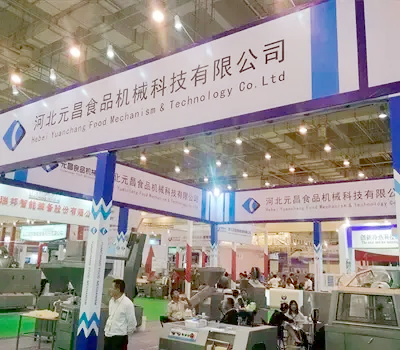
At Hebei Yuanchang Food Mechanism & Technology Co., Ltd., our reputation as a reliable international supplier is built on a foundation of extensive experience and superior manufacturing capabilities. With nearly four decades in the industry (since 1986), we have cultivated a deep understanding of meat processing, particularly in providing complete production lines that address critical stages like pretreatment, filling, molding, and ripening.
Our facility, spanning approximately 14,000 square meters and employing 80-100 dedicated professionals, is the engine of our operations. What truly sets us apart is our in-house machining workshop, equipped with over 20 sets of advanced processing machinery. This includes essential equipment like lathes, milling machines, high-precision grinding machines, boring machines, plate shears, bending machines, and wire cutting equipment. This comprehensive in-house capability allows us to:
- Maintain Rigorous Quality Control: Every component, from the smallest bearing housing to critical structural elements, is manufactured to precise specifications. This direct control over manufacturing ensures the highest standards of quality and durability for our machines.
- Produce High-Standard, Non-Standard Parts: In 2012, we significantly enhanced our capabilities by investing in 8 sets of Japanese Mazak CNC machining centers. This investment allows us to undertake the production of components requiring large volumes, exceptionally high precision, and non-standard specifications that are often critical for specialized food processing equipment.
- Ensure Reliable After-Sales Service: Our ability to independently produce high-precision parts means we are not reliant on external suppliers for critical spares. This translates to faster turnaround times for replacement parts, reducing potential downtime for our global clients and ensuring worry-free after-sales support.
- Offer Customization and Innovation: While we offer standard product lines, our advanced manufacturing setup also allows for customization to meet specific client requirements or to develop innovative solutions for emerging market needs.
Our product range, covering pretreatment, filling, molding, ripening, and auxiliary items, is designed to work synergistically, providing clients with comprehensive solutions. Whether you require equipment for mechanical tenderization, efficient marination tumblers, or precise molding machines, Hebei Yuanchang has the engineering expertise and manufacturing prowess to deliver. The global meat processing equipment market is projected to grow substantially, reaching figures like USD 19.11 billion by 2035 (Precedence Research), and our advanced manufacturing base positions us to meet this escalating demand with quality and reliability.
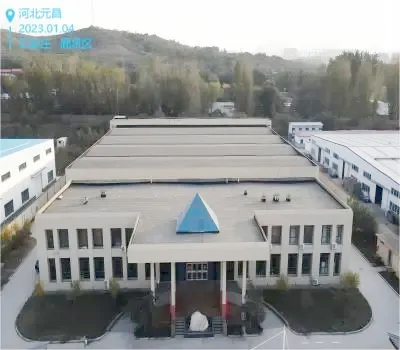
Certifications: We adhere to stringent quality management systems. While specific certifications may vary by product line, our commitment to quality is reflected in our robust manufacturing processes and adherence to industry best practices.
Frequently Asked Questions for Buyers
Q1: How can I determine the best tenderization method for my specific product?
A: The ideal method depends on several factors: the type of meat (e.g., beef, chicken, pork), the cut, the desired final texture, and regulatory constraints of your target market. We recommend consulting with our technical team. Based on your product specifications and production goals, we can help guide you toward the most suitable mechanical, enzymatic, or marination-based solution and the corresponding equipment.
Q2: What is the typical lifespan of your meat tenderizer or massager machines?
A: With proper maintenance and operation, our machines are built for longevity, often lasting 10-15 years or more. This is due to the high-quality materials used, precision engineering, and our robust in-house manufacturing capabilities, which ensure durability and reliable performance even under heavy industrial use.
Q3: How do you handle international shipping and installation support?
techniques in meat tenderizing tenderization of meat what is tenderization of meat
A: We have extensive experience exporting to major markets worldwide. We ensure products are professionally packed for transit and can arrange shipping via sea or air freight. For complex installations, we can provide detailed manuals and remote technical support. Depending on project scope and client requirements, on-site support may also be arranged.
Q4: Are your machines compliant with FDA or EU food safety standards?
A: Our machines are constructed using food-grade stainless steel and designed with hygiene and safety as top priorities, adhering to principles of GMP and HACCP. While specific certifications (like CE marking) may apply to certain models or regions, our fundamental design and material choices are aimed at meeting or exceeding international food safety expectations. We can provide documentation to support your import requirements.
Q5: Can your equipment handle both fresh and frozen meat?
A: Most of our tenderizing and massaging equipment is designed to work with chilled or tempered (partially thawed) meat. Processing fully frozen meat can put excessive strain on machinery and is generally not recommended for achieving optimal tenderization. We can advise on the ideal state of the meat for your chosen equipment and process.
What Our Global Partners Say
"The vacuum tumbler from Hebei Yuanchang has revolutionized our marination process for chicken wings. Consistent flavor penetration and tenderness across massive batches. Their support team was excellent in helping us integrate it smoothly."

Procurement Director, Apex Foods, USA
"We needed a reliable mechanical tenderizer for our beef export line. Yuanchang delivered a robust machine that significantly improved texture consistency. The precision engineering is evident, and spare parts are surprisingly quick to arrive."

Operations Manager, Bavarian Meats GmbH, Germany
"The meat molding equipment integrated with their filling systems has been a game-changer for our sausage production. It maintains the texture from our tenderizing processes perfectly. Excellent build quality and operational efficiency."

Factory Owner, Carnes Del Sol, Mexico
Client Communications



Ready to Elevate Your Meat Processing?
Unlock superior meat tenderness and boost your product's market appeal. Partner with Hebei Yuanchang for reliable, high-performance processing equipment.
Or visit our contact page for more details: ycmeatmech.com/contacts.html