Techniques In Meat Tenderizing

Mastering Meat Tenderness: Advanced Techniques for the Global Food Industry
Enhancing Texture, Flavor, and Market Appeal Through Precision Processing

By: Dr. Evelyn Reed
Senior Food Technologist & Export Specialist
The Science and Business of Meat Tenderness
In the highly competitive global market for processed meats and premium cuts, achieving consistent and desirable meat tenderness isn't just about consumer satisfaction; it's a critical factor influencing product acceptance, brand loyalty, and ultimately, profitability. For procurement managers, operations directors, and plant engineers, understanding the various techniques for meat tenderizing is fundamental to sourcing the right equipment, optimizing production lines, and delivering a product that meets escalating market demands. This isn't a trivial aspect of food processing; it's a core competency that differentiates market leaders from the rest.
The inherent toughness of meat varies significantly based on numerous factors including species, breed, age, diet, muscle usage, and post-mortem handling. While some primal cuts naturally possess a desirable tenderness, many are inherently tougher, requiring deliberate intervention to break down connective tissues and muscle fibers. This is where the strategic application of tenderizing techniques becomes indispensable. From the high-volume demands of sausage production to the nuanced requirements of premium beef steaks, the ability to reliably tenderize meat directly impacts the final product's texture, mouthfeel, and perceived quality.
The global meat processing equipment market, a sector valued at approximately USD 11.29 billion in 2025 and projected to reach over USD 17 billion by 2034 according to Fortune Business Insights, underscores the immense scale and economic importance of this industry. Within this vast market, equipment specifically designed for pretreatment, including tenderizing, plays a pivotal role. As consumer demand for processed meats continues its upward trajectory – with the processed meat market expected to exceed USD 1.25 trillion by 2034 – the need for efficient, scalable, and effective tenderizing solutions is more pronounced than ever. This growth is fueled by urbanization, an increasing preference for convenience foods, and a heightened focus on food safety and quality standards worldwide. It's a market where automation and precision machinery are not just desirable, but essential for maintaining competitiveness and meeting stringent regulatory requirements.
Consider the procurement workflow for a large-scale meat processor. They aren't just buying a machine; they're investing in a solution that must integrate seamlessly into their existing operations, minimize downtime, reduce labor costs, and guarantee a consistent output. A machine that tenderizes effectively but incurs high maintenance costs or requires specialized, hard-to-source replacement parts can quickly become a liability. Similarly, a process that significantly extends cycle times without a commensurate increase in product value can erode profit margins. Therefore, a deep understanding of the underlying principles of meat tenderization, coupled with an informed selection of the appropriate equipment, is paramount for any serious player in the international food trade.
The techniques employed span a wide spectrum, from simple mechanical interventions to sophisticated enzymatic treatments and controlled aging processes. Each method has its own set of advantages, limitations, and operational considerations. Mechanical tenderization, for instance, often involves methods like scoring, needling, or mechanical massaging, which physically disrupt the muscle structure. This is a common approach for a variety of meat products, from steaks to ground meat preparations, aiming to shorten cooking times and improve juiciness. The global demand for processed meats, especially ready-to-eat and convenience items, directly drives the need for efficient mechanical tenderizing solutions to prepare raw materials for subsequent processing steps like filling and molding.
Thermal processing also plays a nuanced role. While high heat can denature proteins and toughen meat, controlled cooking or sous-vide methods can actually contribute to tenderness by breaking down collagen. However, the primary goal of tenderizing is typically achieved before extensive cooking, to prepare the meat for its final form. Enzymatic tenderization, utilizing naturally occurring enzymes like papain, bromelain, or ficin, offers a more biochemical approach. These enzymes break down specific protein structures within the muscle and connective tissues, leading to a significant reduction in toughness. This method requires careful control of temperature, time, and enzyme concentration to avoid over-processing, which can result in an undesirable mushy texture.
Aging, whether dry or wet, represents a controlled decomposition process. Dry aging involves storing meat under controlled temperature, humidity, and airflow conditions, allowing natural enzymes to tenderize the meat while also developing complex flavors. Wet aging, conversely, involves vacuum-sealing meat and allowing it to age in its own juices. Both methods, while effective for enhancing tenderness and flavor, require specific environmental controls and can be time-consuming, making them more suitable for premium markets or specific product lines. The choice between these methods often depends on the desired end-product characteristics and the operational capabilities of the processing facility.
As a company with over 40 years of experience since 1986 in R&D, production, and sales of meat processing equipment, Hebei Yuanchang Food Mechanism & Technology Co., Ltd. has witnessed firsthand the evolution of these tenderizing techniques and the machinery that supports them. Our expertise, honed through developing complete production lines and manufacturing high-precision components with Japanese Mazak CNC machining centers, allows us to offer solutions that are not only effective but also reliable and economically viable for international buyers. We understand that selecting the right tenderizing equipment is a strategic decision with long-term implications for quality, efficiency, and market competitiveness. This guide is designed to provide you with a comprehensive overview, empowering you to make informed choices and leverage these advanced techniques to their fullest potential.
Common Challenges in Achieving Desired Tenderness
Procurement and operations teams often grapple with a set of recurring challenges when aiming for optimal meat tenderness. These aren't minor inconveniences; they can impact production schedules, product consistency, and profitability.
- Inconsistent Tenderness: Meat cuts from the same animal, or even different batches, can exhibit significant variations in toughness. This makes achieving a uniform product quality a constant battle, leading to consumer complaints and product rejection.
- Over-Processing Risks: Aggressive mechanical or enzymatic tenderization can degrade muscle structure too much. This results in mushy textures, reduced yield due to excessive moisture loss, and an unappetizing appearance, especially for products like sausages or formed patties.
- Extended Processing Times: Slower tenderizing methods, while potentially effective, can create bottlenecks in high-volume production lines. This impacts throughput and can increase operational costs if it requires additional labor or extended machinery usage.
- Equipment Investment & ROI: Sourcing specialized tenderizing equipment involves a significant capital outlay. Buyers need to be confident that the chosen machinery offers a tangible return on investment through improved product quality, increased yield, or reduced labor requirements.
- Maintenance & Durability: Industrial food processing is demanding. Equipment must be robust, easy to clean (crucial for hygiene standards), and require minimal, predictable maintenance. Unexpected breakdowns or costly repairs can disrupt operations severely.
- Hygiene and Food Safety Compliance: Any equipment used in meat processing must adhere to stringent food safety regulations (e.g., HACCP, FDA standards). This includes materials used, ease of sanitation, and prevention of cross-contamination.
- Scalability Issues: A tenderizing method that works well for small batches might not be suitable for large-scale industrial production. Buyers often need solutions that can scale efficiently to meet fluctuating demand.
- Cross-Contamination Risks: When different types of meat or products are processed, preventing cross-contamination during the tenderizing stage is critical. This requires careful scheduling, thorough cleaning protocols, and sometimes dedicated equipment.
Addressing these points proactively during the selection and implementation phase is key to successful meat processing operations. It's about balancing efficacy with efficiency and safety.
Mechanical Tenderization Techniques: Direct Impact on Texture
Mechanical tenderization is a direct, physical approach to softening meat. It works by disrupting the muscle fiber structure and connective tissues. This is often the first line of defense for tougher cuts and is widely applied across various meat products.
Scoring and Slicing
Simple yet effective, scoring involves making shallow cuts across the meat surface. This can be done manually or with automated machines. Slicing, especially against the grain, also breaks muscle fibers. These methods are common for marinades to penetrate faster, enhancing flavor and tenderness.
Mechanical Needling (Perforation)
Using multi-needle machines, this technique perforates the meat, creating tiny channels. These channels not only tenderize by breaking fibers but also allow marinades, brines, or curing agents to penetrate deeply and uniformly. This is crucial for processed meats like ham, bacon, and sausages, ensuring even seasoning and moisture distribution. The depth and density of needling can be precisely controlled, offering a degree of customization for different product requirements. For example, finer needles might be used for poultry, while larger ones could be suitable for beef or pork.
Massaging and Tumbling
This method involves rotating meat in a large drum, often under vacuum. The tumbling action causes the meat pieces to tumble and impact against each other and the drum walls. This gentle but persistent mechanical action causes a breakdown of muscle fibers and connective tissues. Crucially, it also helps to extract salt-soluble proteins, which act as a binder. This is invaluable for restructured meat products, sausages, and hams, improving their texture, cohesion, and yield. Vacuum tumbling also aids in marination penetration and can help to reduce the formation of nitrosamines in cured products. The speed, duration, and presence of vacuum are critical parameters that can be adjusted based on the meat type and desired outcome. As noted in several market reports, including those from Grand View Research and Fortune Business Insights, massaging and tumbling equipment is a high-growth segment within meat processing machinery.
Operational Insight: Careful control of tumbling time is essential. Over-tumbling can lead to excessive protein solubilization and a paste-like texture, while insufficient tumbling will result in poor binding and a crumbly product. We engineer our machines with precise variable speed and timer controls for optimal results.
Mechanical Tenderizers (Mallet-style)
While often associated with home kitchens, industrial versions of mallet-style tenderizers exist. These employ rotating blades or hammers to cut through connective tissue and muscle fibers. They are highly effective for quickly tenderizing cuts intended for specific preparations like schnitzels or cutlets. The design of the blades and the impact force are key engineering considerations to ensure effective tenderization without pulverizing the meat.
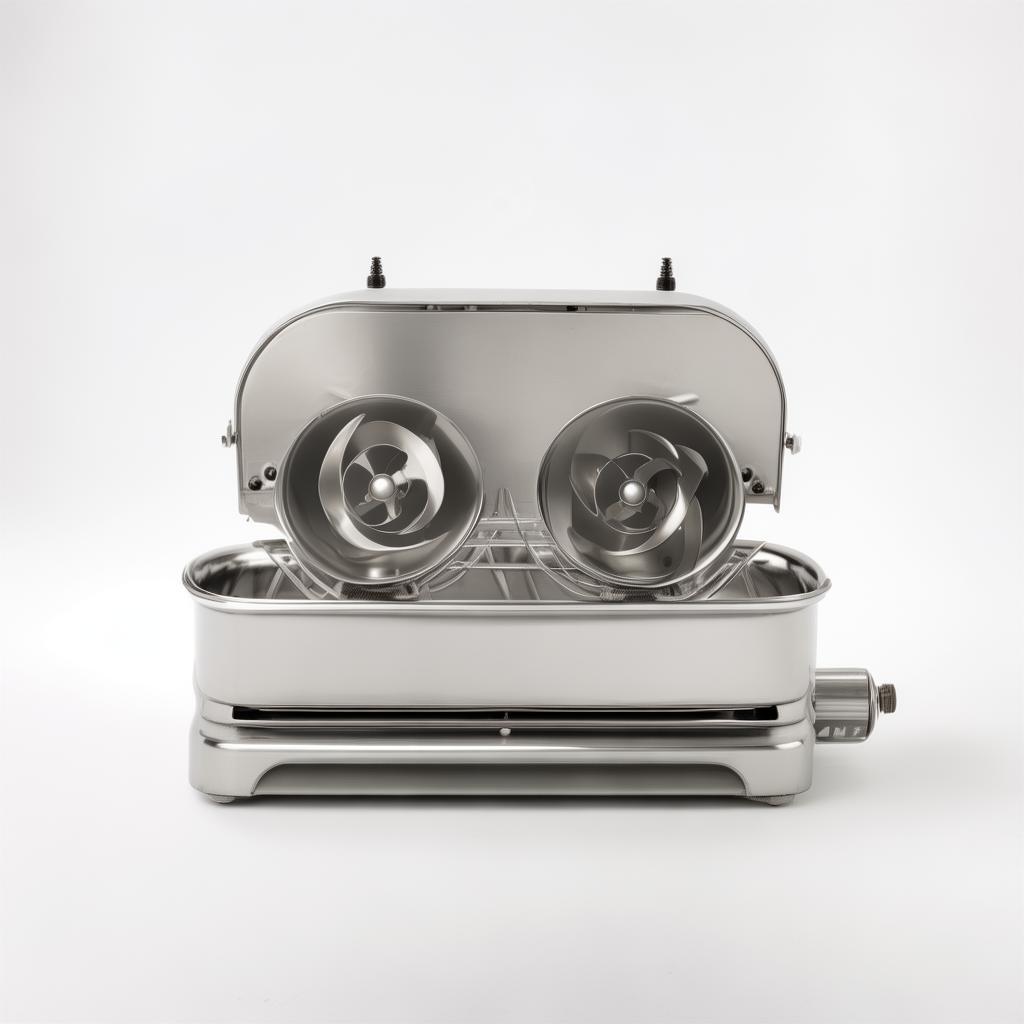
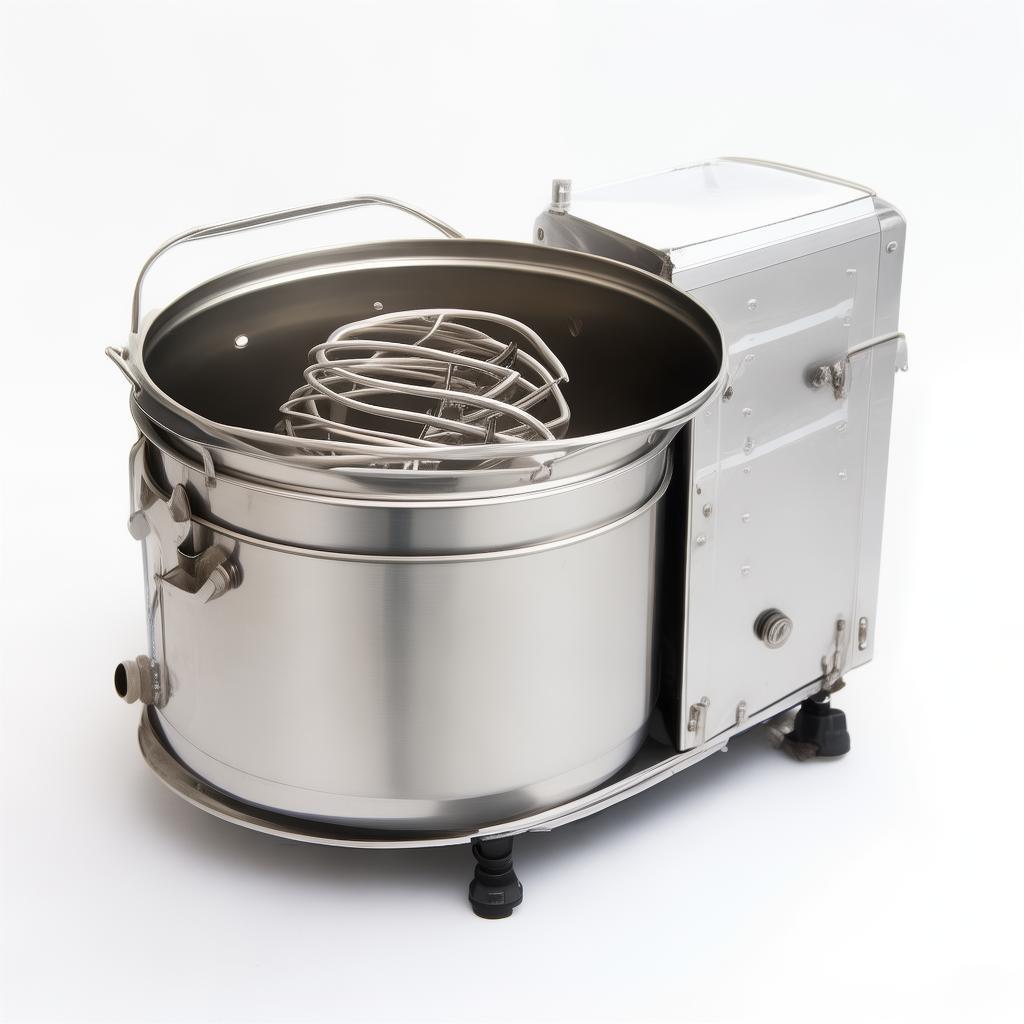
Advanced mechanical massagers like those from Hebei Yuanchang ensure uniform tenderization and improved binding.
The Role of Thermal Processing in Texture Modification
While not a primary tenderizing method in the way mechanical or enzymatic actions are, thermal processing (cooking) plays a crucial, albeit different, role in meat texture. Understanding its impact is vital for integrating tenderizing techniques into the overall production flow.
Collagen Breakdown
The primary mechanism by which heat influences tenderness is through the transformation of collagen, the tough connective tissue in meat, into softer gelatin. This process requires specific temperature and time parameters. Lower temperatures over longer periods (like slow roasting or braising) are more effective at breaking down collagen without excessively denaturing muscle proteins, which would lead to toughness. This is why cuts rich in connective tissue, like chuck roast or brisket, become tender and palatable when slow-cooked.
Practical Warning: Applying high heat too quickly to raw, untenderized meat can cause the collagen to tighten and shrink, making the meat even tougher. This is a common mistake when dealing with inherently tough muscles that haven't undergone prior tenderization.
Moisture Retention
The way meat is cooked significantly impacts its moisture content. Proper cooking, often after effective tenderization, helps to retain juices. Techniques like searing can help to 'seal in' moisture, while overcooking can lead to severe moisture loss, resulting in dry, tough meat, regardless of initial tenderness. Understanding the interplay between pre-cooking tenderization and post-cooking moisture retention is key for product consistency.
Integration with Other Techniques
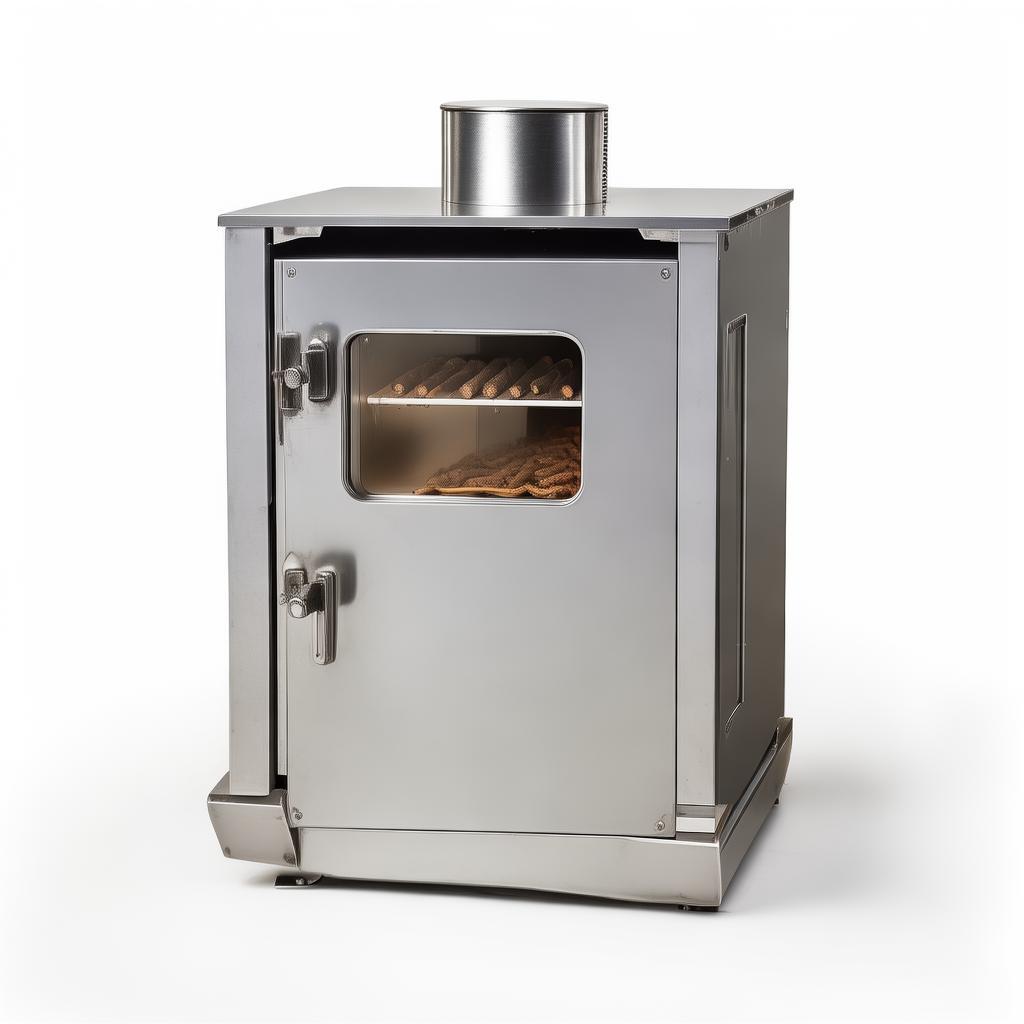
For many processed meat products, thermal processing is the final step. Equipment like steam ovens, smokehouses, and cookers are used to bring the product to a safe internal temperature. The effectiveness of these final stages is directly dependent on how well the meat was prepared – how tender it was made prior to cooking. Tenderized meat cooks more evenly and retains moisture better, leading to a superior final product. Market trends highlight the increasing demand for automation in these cooking processes to ensure consistent results and compliance with food safety standards.
"We found that implementing a better tenderizing step before our smoking process dramatically improved the final texture of our ham products. It wasn't just about the smoke; it was about preparing the meat properly first." - John P., Operations Manager, Midwest Meats Inc.
Enzymatic and Chemical Tenderization: Biochemical Approaches
Beyond direct physical manipulation, biochemical methods offer powerful ways to break down the complex protein structures within meat, leading to enhanced tenderness. These techniques require a precise understanding of chemical reactions and controlled application.
Enzymatic Tenderization
This is perhaps the most common biochemical approach. It involves using enzymes naturally found in plants or produced through fermentation. Key enzymes include:
- Papain: Derived from papaya.
- Bromelain: Derived from pineapple.
- Ficin: Derived from figs.
- Actinidin: Found in kiwifruit.
- Bacterial/Fungal Proteases: Produced via controlled fermentation.
These enzymes target myofibrillar proteins and collagen, breaking them down into smaller peptides. The effectiveness depends on factors like enzyme concentration, temperature (most are active within a specific range, e.g., 50-70°C), pH, and time. Over-application can lead to a mushy texture and significant loss of yield due to excessive protein breakdown and water release.
Procurement Guidance: When evaluating enzymatic tenderizing systems or marinades, consider not just the enzyme source but also the delivery method. Automated injection systems ensure precise and uniform application, minimizing waste and maximizing consistency. The Meat Tenderizing Agent Market, projected to reach USD 3.40 billion by 2033, shows the significant role of these agents, complementing mechanical methods.
Chemical Tenderizers (Salt and Phosphates)
Beyond specific enzymes, certain chemical compounds are used to influence meat texture:
- Salt (Sodium Chloride): Salt plays a multi-faceted role. It helps to extract salt-soluble proteins, which improves binding and water-holding capacity in processed meats. It also begins the process of protein denaturation, contributing indirectly to tenderness and juiciness.
- Phosphates: Food-grade phosphates (e.g., sodium tripolyphosphate, STPP) are highly effective at increasing the water-holding capacity of meat. They raise the pH, causing muscle proteins to swell and bind more water. This leads to increased yield, improved juiciness, and a more tender final product, especially in injected or tumbled products.
These chemicals are typically added in brine solutions and injected or tumbled into the meat. Their use is regulated, and it's important to adhere to approved levels to ensure consumer safety and product quality. The combination of salt, phosphates, and controlled mechanical action (tumbling) is a cornerstone of modern processed meat production, enabling significant improvements in texture, yield, and shelf-life.

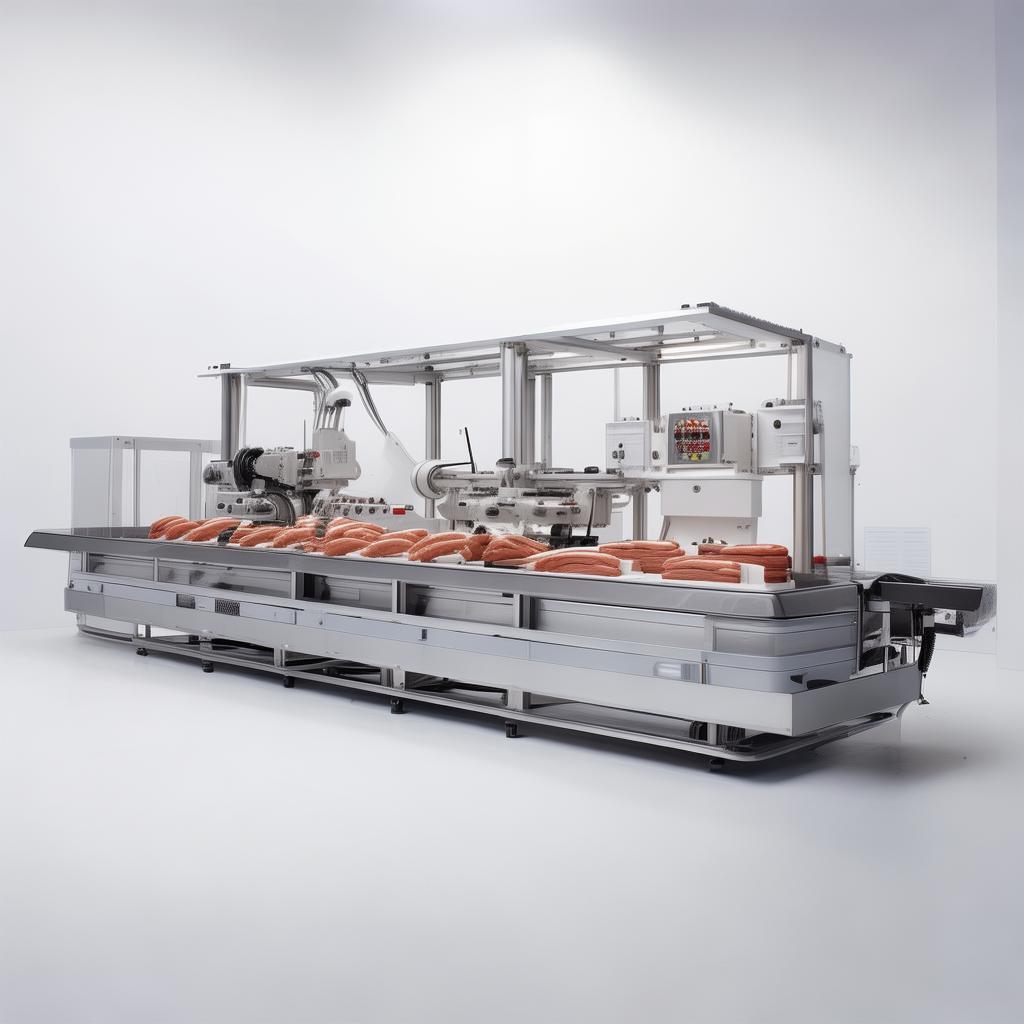
Precision brine injectors are essential for uniform application of tenderizing agents and flavor enhancers.
"Achieving consistent tenderness in our cured products relied heavily on optimizing our brine injection and tumbling process. It’s a delicate balance of chemistry and mechanics." - Michael Chen, Plant Engineer, Asia-Pacific Foods
Dry and Wet Aging: Controlled Ripening for Flavor and Tenderness
Aging is a post-mortem process that leverages the natural enzymatic activity within the meat itself to break down muscle structure and develop flavor. It's a method primarily used for red meats, especially beef, to achieve premium tenderness and complex taste profiles. While it doesn't involve external machinery for the aging process itself, the equipment used to prepare and package the meat before and after aging is critical.
Dry Aging
In dry aging, large primal cuts or sides of meat are exposed to controlled environmental conditions – typically a temperature range of 0-4°C (32-40°F), high humidity (75-85%), and good airflow – for a period ranging from several days to several weeks or even months. During this time, natural enzymes within the meat break down connective tissues and muscle proteins, significantly increasing tenderness. Simultaneously, moisture evaporates from the surface, concentrating the flavor and leading to the development of characteristic nutty, rich, and sometimes umami notes. The outer layer forms a protective crust that is trimmed off before portioning. This process requires specialized aging rooms or cabinets designed to maintain precise environmental controls and prevent spoilage.
Wet Aging
Wet aging is a more common and often more economical method. It involves vacuum-sealing fresh cuts of meat in plastic bags and storing them under refrigeration (typically 0-2°C or 32-36°F) for a period of days to weeks. The vacuum packaging prevents moisture loss and oxidation while allowing the meat's own enzymes to tenderize the muscle fibers. While it enhances tenderness, wet aging typically does not develop the complex flavor profiles associated with dry aging. It is widely used for beef, pork, and lamb, and can be performed by both processors and retailers. The key here is reliable vacuum packaging equipment and strict temperature control to prevent bacterial growth.
Logistics Consideration: For international shipments of aged meats, maintaining the cold chain is paramount. Whether dry-aged cuts are transported as whole primals or portioned, and wet-aged products in vacuum packs, temperature-controlled logistics are non-negotiable. Our export services ensure that packaging and shipping protocols meet these stringent requirements.
Integrating Aging into Production
While aging itself is a controlled storage process, the equipment surrounding it is vital. This includes:
- Vacuum Packaging Machines: Essential for wet aging and for portioning aged products for sale. High-quality, reliable vacuum sealers are critical for maintaining product integrity and shelf life.
- Portioning and Cutting Equipment: After aging, meat needs to be accurately portioned into steaks, roasts, or other cuts. Precision slicers and band saws are used for this purpose.
- Refrigeration and Controlled Environment Systems: For dry aging, specialized walk-in coolers or cabinets with precise humidity and airflow controls are required.
The global market for meat processing equipment sees continued demand for these auxiliary systems, supporting premium product development and consistent quality in both aging and non-aging applications.

High-performance vacuum packaging is key for wet aging and preserving product quality.
Choosing the Right Processing Equipment Supplier
When sourcing equipment for meat tenderizing and processing, selecting a reliable supplier is as important as selecting the right machine. Your choice impacts long-term operational efficiency, product quality, and your business's bottom line. Here’s what to look for:
Experience and Specialization
Look for manufacturers with a proven track record specifically in meat processing equipment. Companies with decades of experience, like Hebei Yuanchang (since 1986), have accumulated invaluable practical knowledge. They understand the nuances of different meat types, production scales, and regulatory environments. Their engineers and technicians are more likely to grasp the intricate challenges you face.
Manufacturing Capabilities and Quality Control
Assess their manufacturing facilities. Do they have modern machining capabilities, including CNC equipment for high-precision parts? What are their quality control processes? A robust in-house machining workshop, like ours with over 20 sets of processing machinery including Japanese Mazak CNC centers, ensures that critical components are manufactured to exact specifications, leading to more durable and reliable equipment. Look for certifications like ISO. This demonstrates a commitment to consistent quality and operational excellence.
Technical Support and After-Sales Service
This is often overlooked but is critical for international buyers. A supplier's ability to provide timely technical support, spare parts, and maintenance guidance can significantly reduce downtime. A traceable after-sales management system ensures that you receive prompt and effective service, minimizing disruptions to your production. Ask about lead times for spare parts and the availability of remote diagnostic support.
Customization and OEM/ODM Capabilities
Does the supplier offer standard models, or can they customize solutions to fit your specific needs? For unique product lines or integration challenges, OEM (Original Equipment Manufacturer) or ODM (Original Design Manufacturer) services can be invaluable. Understanding their flexibility in adapting designs or developing bespoke machinery is a key indicator of their technical prowess and customer focus.
Understanding of International Markets
If you're importing equipment, work with a supplier experienced in international trade. This includes understanding export documentation, shipping logistics, and compliance with import regulations in your target country. A supplier with a global reach and a history of successful international deliveries will smooth the procurement process considerably.
Buyer Checklist:
- Years in Business: >10 years is a good start, >30 years is better.
- Certifications: ISO, CE, FDA compliance for materials.
- In-house Manufacturing: Do they control component quality?
- After-Sales Network: Where are their service centers? How responsive are they?
- References/Case Studies: Can they show successful projects similar to yours?
Hebei Yuanchang: Your Partner in Precision Meat Processing
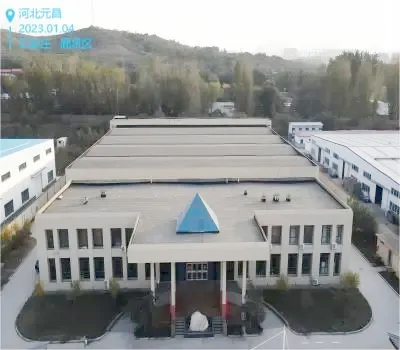
At Hebei Yuanchang Food Mechanism & Technology Co., Ltd., our 40 years of dedicated experience since 1986 in R&D, production, and sales of meat processing equipment is your assurance of quality and reliability. We operate from a substantial facility of approximately 14,000 square meters, staffed by a skilled team of 80-100 employees, each committed to delivering excellence.
Integrated Manufacturing Excellence
Our strength lies in our fully integrated production capabilities. We boast an in-house machining workshop equipped with over 20 sets of advanced processing machinery. This includes precision lathes, milling machines, high-precision grinding machines, boring machines, plate shears, bending machines, and wire cutting equipment. In 2012, we significantly upgraded our capacity by introducing 8 sets of Japanese Mazak CNC machining centers. This allows us to independently produce high-standard, high-precision components, including non-standard specifications required for specialized applications. This self-sufficiency in producing critical parts means we maintain rigorous quality control at every stage, ensuring the longevity and performance of our machines.
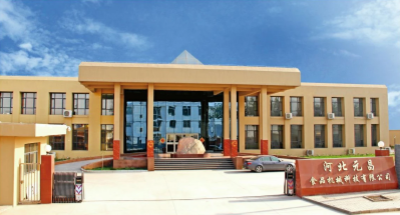
Our state-of-the-art manufacturing facility in Shijiazhuang, China.
Comprehensive Product Lines
We specialize in complete production lines and key auxiliary equipment, including:
- Pretreatment of Meat Products: Including efficient mechanical tenderizing and massaging equipment.
- Meat Product Filling and Molding: For sausages, patties, and other formed products.
- Ripening Process for Meat Products: Systems designed to aid in controlled aging and texture development.
- Auxiliary Items: Essential machinery supporting the entire processing workflow.
Commitment to After-Sales Support
Our dedication extends beyond the point of sale. With a traceable after-sales management system, we provide ongoing support, ensuring that your investment continues to perform optimally. This includes access to high-precision parts we manufacture ourselves, giving you peace of mind and minimizing operational risks. Our commitment is to provide worry-free service for the lifetime of our equipment.
"For international buyers, transparency and reliability are paramount. We pride ourselves on clear communication, robust engineering, and dependable after-sales support, making the procurement process as smooth as possible." - Mr. Li Wei, Export Manager, Hebei Yuanchang

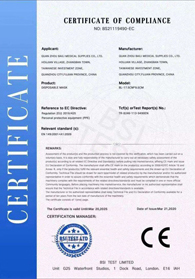
Adhering to international quality and safety standards.
Buyer Frequently Asked Questions (FAQs)
Q1: What is the primary difference between mechanical and enzymatic tenderization?
methods of meat tenderization tenderization of meat what is meat tenderizing
Mechanical tenderization uses physical force (needling, massaging, cutting) to break down muscle fibers and connective tissues. Enzymatic tenderization uses specific enzymes to biochemically break down proteins. Mechanical methods are often faster and more direct for initial softening, while enzymatic methods can achieve deeper tenderization but require careful control to avoid over-processing.
Q2: Which tenderizing technique is best for sausages?
For sausages, mechanical methods like needling (for brine penetration) and tumbling/massaging are highly beneficial. Tumbling helps extract proteins for better binding, and it also tenderizes the meat mixture. Enzymatic methods can be used cautiously, but over-tenderization can lead to a mushy texture undesirable in sausages. The key is uniform mixing and binding.
Q3: How long does it take for meat to tenderize using mechanical massaging?
The time for mechanical massaging (tumbling) can vary significantly based on the specific machine's intensity, the meat type, and the desired outcome. Typically, it ranges from 15 minutes to several hours. Our equipment allows for precise control over time and speed to optimize this process for different products and volumes.
Q4: What are the typical material requirements for meat processing equipment?
Food-grade stainless steel (e.g., SUS304) is standard for all food-contact surfaces to ensure hygiene, durability, and resistance to corrosion. Other components will be made from food-grade plastics or high-strength alloys as appropriate. All materials must comply with international food safety standards like FDA or EU regulations.
Q5: Can I get a custom-designed tenderizing machine?
Yes, Hebei Yuanchang has extensive experience in custom engineering. Our in-house design and manufacturing capabilities, including CNC machining, allow us to adapt existing models or develop entirely new solutions to meet your specific processing requirements, product formulations, or plant layout constraints. We actively engage in OEM/ODM projects.
Q6: What is the typical lead time for your industrial tenderizing machines?
Lead times can vary based on the complexity of the machine and our current production schedule. Standard models typically range from 4 to 8 weeks. For custom-engineered solutions, the timeline will be discussed and agreed upon during the project planning phase. We always strive to meet your project deadlines where feasible.



Our team is ready to answer your specific technical and procurement questions.
Elevate Your Meat Processing with Proven Tenderizing Solutions
Don't let inconsistent tenderness impact your product quality and market share. Discover how Hebei Yuanchang's advanced meat tenderizing equipment can optimize your operations.
Contact us today for a no-obligation consultation. Phone: +86 15830991513 | E-mail: ycmeatmech@gmail.com