What Is Machine Maintenance
What is Machine Maintenance? A Comprehensive Guide for Industrial Operations
 By: Johnathan Miller, Senior Production Engineer at Hebei Yuanchang Food Mechanism & Technology Co., Ltd.
Last Updated: October 26, 2023
Table of Contents
- What Exactly Is Machine Maintenance?
- Why It Matters: Beyond the Obvious
- Key Types of Machine Maintenance
- Preventive vs. Predictive: Understanding the Difference
- Components of a Robust Maintenance Program
- Real-World Application: Meat Processing Machinery
- Challenges and Best Practices
- The ROI of Machine Maintenance
- Choosing the Right Equipment Supplier
- Frequently Asked Questions (FAQs)
- Ready to Optimize Your Operations?
What Exactly Is Machine Maintenance?
In industrial settings, "machine maintenance" is far more than just fixing things when they break. It's a systematic, proactive, and often highly technical discipline dedicated to ensuring that machinery and equipment operate at peak performance, safely, and reliably over their intended lifespan. Think of it as the essential health regime for your production assets. It encompasses a broad range of activities, from routine lubrication and cleaning to complex diagnostic checks, component replacements, and system overhauls.
At its core, machine maintenance is about preserving the operational integrity of your equipment. This means preventing failures before they occur, diagnosing issues early, and performing repairs or adjustments efficiently when needed. For a factory floor, particularly one dealing with complex processes like meat processing, food manufacturing, or any heavy industrial operation, reliable machinery is the backbone of productivity. Downtime isn't just an inconvenience; it’s a direct hit to output, profitability, and client trust.
The scope of maintenance can vary dramatically. For simpler equipment, it might involve visual inspections, greasing points, and ensuring guards are in place. For sophisticated automated production lines, it can involve sophisticated sensor data analysis, software diagnostics, and intricate mechanical alignments. The common thread is the objective: to keep the machinery running smoothly, efficiently, and to prevent unexpected breakdowns that disrupt the entire production chain.
It's also crucial to distinguish between maintenance performed by internal teams and that which might be contracted out or guided by the Original Equipment Manufacturer (OEM). While a factory might handle daily checks and minor adjustments, major overhauls or specialized diagnostics often require specific expertise or OEM-provided service agreements. This highlights the interconnectedness of equipment design, manufacturing quality, and ongoing operational support.
Consider the meat processing industry as an example. Machines like mixers, grinders, filling machines, and ripening (massaging) equipment are subjected to rigorous use. Keeping these units operational requires a deep understanding of their mechanical components, material flow, hygiene requirements, and the specific stresses they endure. A robust maintenance strategy here isn't just about preventing jams; it's about maintaining product quality, ensuring food safety compliance, and maximizing throughput. The global meat processing equipment market, valued at approximately USD 11.28 billion in 2024 and projected to reach USD 15.04 billion by 2030, underscores the critical role of reliable machinery and, by extension, its maintenance. [Source: Grand View Research]
Ultimately, machine maintenance is an investment. It's an investment in operational continuity, asset longevity, product quality, and workplace safety. It’s a core function that underpins manufacturing success.
Why It Matters: Beyond the Obvious
The immediate consequence of machine failure is obvious: production stops. But the ripple effects extend much further. Effective machine maintenance is crucial for several interconnected reasons:
- Enhanced Operational Efficiency: Well-maintained machines run at their designed speeds and capacities. They consume energy optimally and produce fewer defects. Think of a filling machine that consistently dispenses the exact weight required versus one that's slightly off, leading to waste or underfilling. This directly impacts your bottom line.
- Reduced Downtime and Costs: Unplanned breakdowns are expensive. They incur repair costs, lost production time, potential overtime for recovery, and can even lead to expedited shipping costs for replacement parts. Preventive and predictive maintenance drastically cut these unpredictable, costly events. Reports suggest the global meat processing equipment market alone is projected to reach USD 19.66 billion by 2033. Maintaining these assets is paramount to capturing that market value. [Source: SkyQuestt]
- Improved Product Quality: Consistent machine performance leads to consistent product quality. For instance, in meat processing, a well-calibrated molding machine produces uniformly shaped products, while a properly functioning ripening (massaging) machine ensures even texture and cure. Deviations due to poor maintenance can lead to product rejection and reputational damage.
- Extended Equipment Lifespan: Regular maintenance prevents excessive wear and tear on critical components. This means your machinery lasts longer, delaying the need for significant capital expenditure on replacements. It's like getting more miles out of a vehicle by servicing it regularly.
- Enhanced Safety: This is non-negotiable. Malfunctioning machinery can be incredibly dangerous. Worn-out parts, loose fittings, or system failures can lead to accidents, injuries, and even fatalities. A proactive maintenance program identifies and mitigates these risks, creating a safer working environment. This is a critical consideration for procurement teams evaluating new equipment and its long-term serviceability.
- Regulatory Compliance: In many industries, particularly food processing, stringent safety and hygiene regulations are in place. Well-maintained equipment is essential for meeting these standards, avoiding fines, and maintaining certifications.
- Predictable Budgeting: While maintenance itself costs money, scheduled maintenance is far more predictable than emergency repairs. This allows for better financial planning and resource allocation within your operations.
The investment in a proactive maintenance strategy pays dividends across the entire operation, from individual machine performance to the overall health and profitability of the business. It shifts the focus from reactive firefighting to strategic asset management.
Key Types of Machine Maintenance
Understanding the different approaches to machine maintenance is key to developing an effective strategy. While there's overlap and integration, the primary categories are generally defined by their timing and methodology:
1. Reactive Maintenance (Breakdown Maintenance)
This is the simplest, and often the most costly, approach. Maintenance is performed only after a machine has failed or is about to fail.
Pros: Minimal upfront planning, low initial cost.
Cons: High risk of unexpected downtime, costly emergency repairs, potential for secondary damage, reduced equipment lifespan, safety hazards.
Not recommended as a primary strategy for critical machinery.
2. Preventive Maintenance (PM)
Scheduled maintenance performed at predetermined intervals (e.g., daily, weekly, monthly, or based on operating hours/cycles). It's about doing routine tasks to prevent failures.
Pros: Reduces unexpected breakdowns, extends equipment life, improves reliability, allows for planned scheduling.
Cons: Can lead to over-maintenance (replacing parts too soon) or under-maintenance (intervals too long), requires careful planning and record-keeping.
Example: Lubricating bearings every 500 operating hours, replacing filters annually.
3. Predictive Maintenance (PdM)
Uses technology and monitoring to predict when a machine will require maintenance, based on its actual condition.
Pros: Minimizes downtime, optimizes maintenance schedules, prevents unnecessary part replacement, identifies potential issues before they become critical.
Cons: Requires investment in monitoring technology (sensors, software), specialized expertise for data analysis.
Example: Using vibration analysis on a motor to detect bearing wear before failure.
4. Condition-Based Maintenance (CBM)
Similar to PdM, CBM involves monitoring equipment condition, but often relies on visual inspections, simple tests, or operator feedback rather than sophisticated sensors. Maintenance is triggered when specific condition thresholds are met.
Pros: More proactive than reactive, can be less technologically intensive than full PdM.
Cons: Effectiveness depends heavily on the quality of monitoring and human observation.
Example: An operator noting increased noise from a gearbox and scheduling an inspection.
5. Reliability-Centered Maintenance (RCM)
A more strategic approach that focuses on understanding the failure modes of equipment and their impact on operations, then developing maintenance strategies to mitigate those risks.
Pros: Highly effective for complex systems, optimizes maintenance for critical functions, cost-effective in the long run.
Cons: Requires significant upfront analysis and expertise.
Preventive vs. Predictive: Understanding the Difference
While both preventive and predictive maintenance aim to avoid breakdowns, their core methodologies differ significantly. It's a common point of confusion, but understanding this distinction is vital for effective planning.
Preventive Maintenance (PM) operates on a time-based or usage-based schedule. We decide *in advance* when maintenance will occur. For example, "We will change the oil in this machine every 3 months, or every 1000 operating hours, whichever comes first." This schedule is based on general recommendations, historical data for similar machines, or OEM guidelines. The goal is to perform routine tasks like lubrication, cleaning, adjustments, and part replacements before they cause a failure.
Predictive Maintenance (PdM), on the other hand, operates on a condition-based approach. Instead of a fixed schedule, we monitor the machine's actual condition. Techniques like vibration analysis, thermal imaging, oil analysis, and ultrasonic testing provide data that indicates the health of components. The maintenance is performed *only when the data indicates it's necessary*. For example, instead of changing bearings every year, we use vibration analysis. If the analysis shows no signs of wear, we let the bearings run. If it shows abnormal wear, we schedule replacement *before* failure occurs, but not before it's truly needed.
A smart maintenance strategy often integrates both. Routine PM tasks (like cleaning or basic lubrication) might be performed on schedule, while more complex component monitoring uses PdM techniques. For example, for our meat processing equipment, daily cleaning and basic lubrication might be part of PM, while vibration analysis on the motors of a high-speed filling machine would fall under PdM.
Operational Insight:
While PdM promises higher efficiency, implementing it requires upfront investment in technology and training. For many businesses, a well-structured PM program is the foundational step, with PdM gradually introduced for the most critical assets. It’s about finding the right balance for your operational context.
Components of a Robust Maintenance Program
Building an effective machine maintenance program requires more than just a list of tasks. It involves a comprehensive approach incorporating several key elements:
- Asset Inventory & Criticality Analysis: Know every piece of equipment you have, where it is, and its importance to your operations. Not all machines are created equal; prioritize maintenance efforts on those critical to your core production.
- Standard Operating Procedures (SOPs): Clear, detailed instructions for every maintenance task. This ensures consistency, reduces errors, and makes training new technicians easier. For complex machinery like automated meat production lines, these SOPs are vital for ensuring both performance and hygiene.
- Maintenance Schedules: Based on PM, PdM, or CBM strategies, these schedules dictate when and what maintenance should be performed. This requires careful planning to minimize disruption.
- Work Order Management: A system for documenting, assigning, and tracking maintenance tasks. This could be a simple logbook, a spreadsheet, or a Computerized Maintenance Management System (CMMS). Proper work order tracking is essential for auditing and continuous improvement.
- Spare Parts Inventory: Strategically managing spare parts is critical. You need to have critical parts on hand to minimize downtime, but avoid overstocking, which ties up capital. For specialized OEM components, lead times can be significant, so proactive inventory management is key.
- Skilled Workforce: Investing in training and development for your maintenance team is non-negotiable. They need the technical skills to perform complex tasks and interpret diagnostic data.
- Data Collection & Analysis: Every maintenance activity should be recorded. Analyzing this data helps identify recurring issues, optimize schedules, and justify investments in new equipment or technologies. The global meat processing equipment market is projected to reach USD 17.39 billion by 2034, with automation and efficiency driving growth. [Source: Fortune Business Insights] Effective data analysis helps ensure your equipment supports this growth trajectory.
- Continuous Improvement: Regularly review your maintenance program's effectiveness. Are breakdowns decreasing? Is efficiency improving? Use feedback and data to refine your strategies.
Real-World Application: Meat Processing Machinery
Let's illustrate the importance of machine maintenance with a concrete example from our own expertise at Hebei Yuanchang Food Mechanism & Technology Co., Ltd. We specialize in meat processing equipment, including mixers, grinders, filling machines, and ripening (massaging) machines.
Consider a high-speed sausage stuffing machine. This piece of equipment needs to operate with extreme precision and hygiene.
Critical Maintenance Areas for a Sausage Stuffer:
- Seals and Gaskets: Regularly inspected and replaced to prevent product leakage and maintain hygiene. Worn seals can lead to contamination and product loss.
- Auger/Screw and Barrel: Wear on these components can affect fill accuracy and product texture. Regular checks for wear, and prompt replacement if necessary, are vital.
- Motor and Gearbox: Lubrication, vibration checks (PdM), and occasional servicing are essential for smooth, consistent operation. Failure here can halt the entire line.
- Control Systems and Sensors: Ensuring these are calibrated and functioning correctly is paramount for accurate filling volumes and machine safety.
- Cleaning and Sanitization: While operational, this is part of a proactive approach to preventing buildup that can affect performance and hygiene. Post-production deep cleaning protocols are also critical.
If a stuffer fails due to a worn seal, it might not just stop production; it could contaminate the product, leading to costly recalls. If a gearbox fails, the entire line might be down for days while a replacement is sourced and installed. By implementing a robust maintenance plan—combining daily visual checks (CBM) with scheduled seal replacements (PM) and motor vibration analysis (PdM)—we can significantly mitigate these risks.
Our 40 years of experience since 1986, coupled with our in-house CNC machining capabilities, allows us to produce high-precision components essential for the longevity and reliability of such machinery, ensuring that when maintenance is required, quality replacement parts are available.
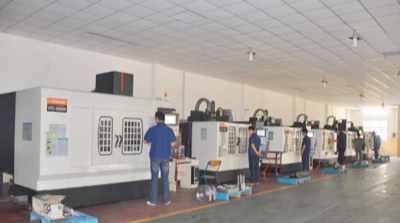
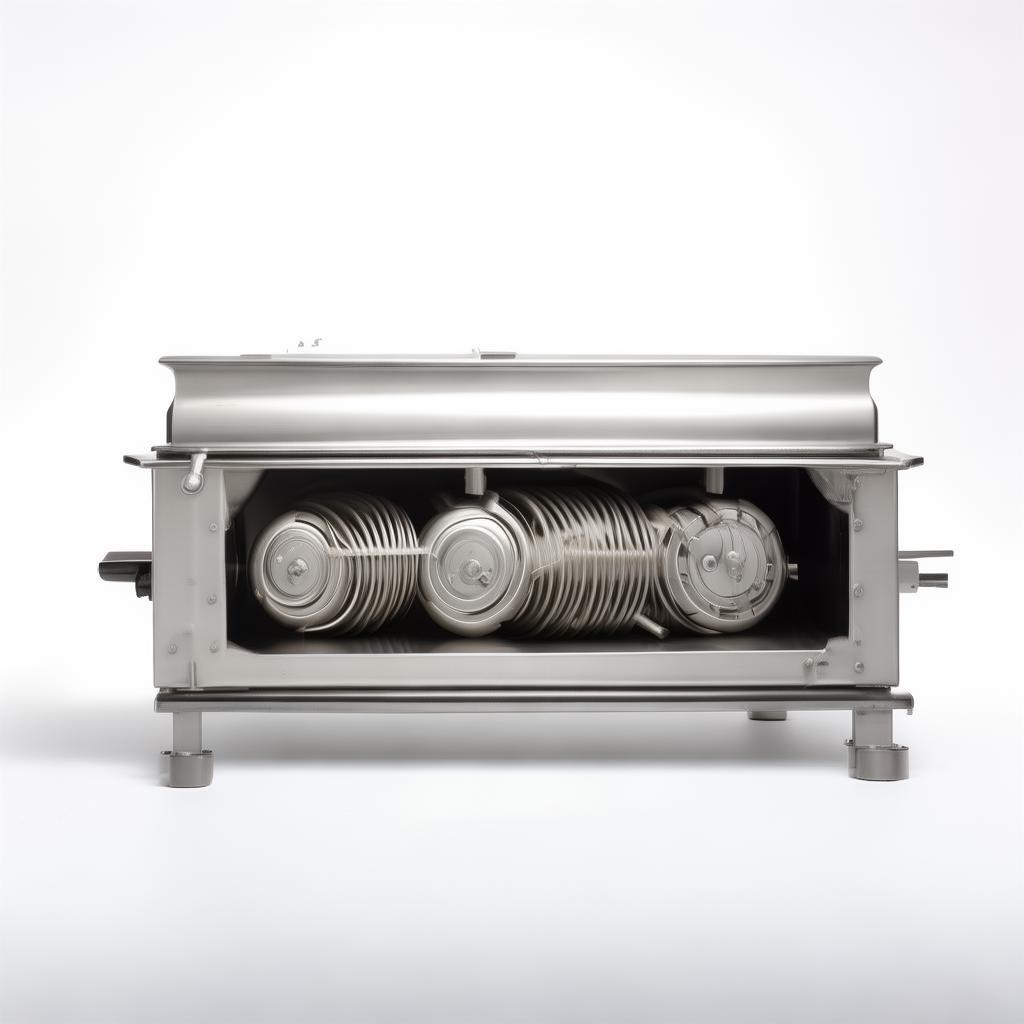
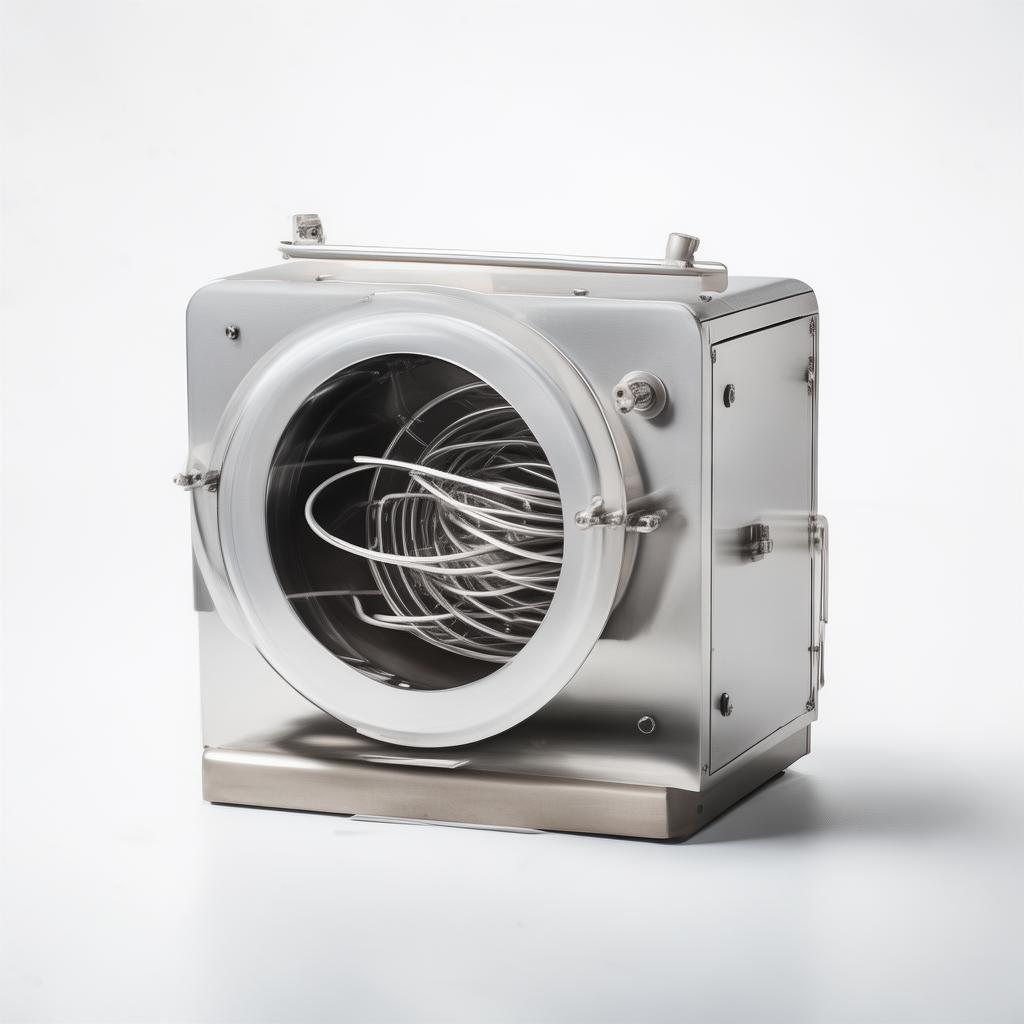
Routine checks and component servicing are vital for meat processing machinery.
Challenges and Best Practices
Implementing and maintaining an effective machine maintenance program isn't without its hurdles. Awareness of these challenges can help businesses adopt best practices.
Common Challenges:
- Budget Constraints: Initial investment in PdM technology or technician training can seem high.
- Lack of Skilled Personnel: Finding and retaining maintenance technicians with the right expertise is difficult.
- Resistance to Change: Shifting from reactive to proactive maintenance requires a cultural shift.
- Data Management: Collecting, storing, and analyzing maintenance data can be overwhelming without proper systems.
- Prioritization: Deciding which machines or maintenance tasks take precedence when resources are limited.
Best Practices:
- Start with Critical Assets: Focus initial efforts on the most vital machines.
- Invest in Training: Equip your team with the latest skills and knowledge.
- Leverage Technology Wisely: Implement CMMS or PdM tools that fit your needs and budget.
- Foster a Proactive Culture: Encourage all staff to report potential issues early.
- Regular Audits and Reviews: Continuously assess and refine your maintenance program.
- Collaborate with Suppliers: OEMs like us can provide valuable insights, training, and support for maintenance procedures.
The ROI of Machine Maintenance
While it might seem like an operational expense, effective machine maintenance delivers a significant return on investment. The global meat processing equipment market's continuous growth—expected to reach USD 18.3 billion in 2025 and USD 29.8 billion by 2034—is partly driven by the need for efficient, reliable processing. [Source: IMARC Group] Proper maintenance is key to realizing this value.
The ROI comes in various forms:
- Reduced Repair Costs: Proactive maintenance is almost always cheaper than emergency repairs.
- Increased Production Output: Less downtime means more product manufactured and sold.
- Lower Energy Consumption: Well-tuned machines are more energy-efficient.
- Extended Asset Life: Delaying capital expenditure on new equipment saves significant money.
- Improved Safety Records: Reduced accidents mean lower insurance premiums and fewer lost workdays.
- Enhanced Product Quality: Fewer defects lead to less waste and higher customer satisfaction.
Consider that for every dollar invested in preventive maintenance, you can save several dollars in repair costs and lost production. It's a classic case of "an ounce of prevention is worth a pound of cure."
Choosing the Right Equipment Supplier
The quality and maintainability of the equipment itself are foundational to your maintenance success. When selecting an OEM or ODM partner, consider these points related to maintenance:
- Design for Maintainability: Does the equipment have easily accessible components for routine checks and repairs? Are common wear parts readily available?
- Availability of Documentation: Does the supplier provide comprehensive manuals, schematics, and maintenance guides?
- Spare Parts Support: What is their policy on spare parts availability? Do they offer a traceable after-sales management system? We pride ourselves on this at Hebei Yuanchang.
- Technical Support and Training: Can they provide on-site support, remote diagnostics, or training for your maintenance team?
- Customization Capabilities: For specialized needs, can they offer OEM/ODM services that incorporate specific maintenance considerations into the design?
At Hebei Yuanchang, with our advanced Japanese Mazak CNC machining centers and over 40 years of experience, we focus on building robust, reliable machinery where component wear is minimized and replacement parts are manufactured to exacting standards. This proactive approach to equipment design directly supports easier and more effective long-term maintenance.
Certifications:

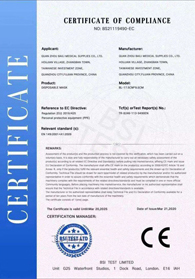
We adhere to international standards, ensuring quality and safety in our equipment.
Our Expertise:
With over 80-100 employees and 40 years of experience, we integrate R&D, production, and sales for meat processing equipment. Our 14,000 sqm facility houses over 20 sets of precision machining equipment.
Frequently Asked Questions (FAQs)
Q1: What is the difference between planned maintenance and breakdown maintenance?
Planned maintenance (preventive or predictive) is scheduled in advance to prevent failures. Breakdown maintenance is reactive; it occurs only after a machine has already failed. Planned maintenance is significantly more cost-effective and reliable.
Q2: How often should I perform machine maintenance?
This depends entirely on the type of machine, its operating environment, and its criticality. A daily visual inspection might be needed for some equipment, while others require quarterly or annual deep-service checks. Always refer to the manufacturer's recommendations and consider your specific operational demands.
Q3: Is predictive maintenance always better than preventive maintenance?
Not necessarily. Predictive maintenance offers higher efficiency by monitoring actual conditions, but it requires significant investment in technology and expertise. A well-designed preventive maintenance program is often more achievable and highly effective, especially for less critical assets. Many companies successfully integrate both.
Q4: What are the most common causes of machine failure?
Common causes include: inadequate lubrication, wear and tear from normal operation, contamination (dust, debris), operator error, electrical faults, and lack of timely preventive maintenance.
Q5: How can I improve the longevity of my industrial machines?
Implement a comprehensive maintenance program (PM, PdM, CBM), ensure proper operator training, maintain a clean operating environment, use high-quality spare parts, and consider the design for maintainability when purchasing new equipment.
What Our Clients Say
 David Chen
"We’ve been using Hebei Yuanchang’s filling machines for years. Their reliability is excellent, and when we do need a part or a check-up, their after-sales support is efficient. Reduces our downtime significantly."
Procurement Manager, US Processing Plant Maria Garcia
"The technical advice from Yuanchang’s engineers on optimizing our ripening processes was invaluable. Their equipment is built tough, and their understanding of our operational needs is clear."
Operations Director, Latin American Food Co. Kenji Tanaka
"We relied on their OEM capabilities to customize a specific part for our production line. The precision and lead time were impressive. Their commitment to quality after-sales management gives us peace of mind."
Supply Chain Specialist, Asian Meats Ltd.Optimize Your Machine Uptime and Performance
Don't let machine downtime and inefficient maintenance practices hinder your productivity. Partner with experts who understand your needs.
We are here to support your operational excellence.
Hebei Yuanchang Food Mechanism & Technology Co., Ltd. is committed to providing high-quality meat processing equipment and comprehensive after-sales service to clients worldwide.
Address: Shijiazhuang, Hebei Province, China | E-mail: ycmeatmech@gmail.com | Phone: +86 15830991513
© 2023 Hebei Yuanchang Food Mechanism & Technology Co., Ltd. All rights reserved.Industry Insights: Machine Maintenance & Market Trends
Market Growth Drivers
The demand for processed meats, rising labor costs, and stringent food safety regulations are driving the global meat processing equipment market. This translates to increased focus on equipment uptime and efficiency, making maintenance a strategic imperative. Reports indicate a market growth from USD 11.28 billion in 2024 to USD 15.04 billion by 2030. [Grand View Research]
Technological Advancements
machine maintenance maintenance of machine crushing machine maintenance
Automation, IoT integration for remote monitoring, and AI-driven predictive analytics are transforming machine maintenance. These advancements enable more precise diagnostics and proactive interventions, enhancing asset reliability and performance.
Operational Efficiency Focus
Manufacturers are increasingly adopting maintenance strategies that minimize downtime and optimize resource usage. This includes a shift towards condition-based monitoring and integrated maintenance management systems to ensure consistent throughput and product quality. The emphasis is on maximizing the operational lifecycle of expensive industrial assets.
Client Interactions: