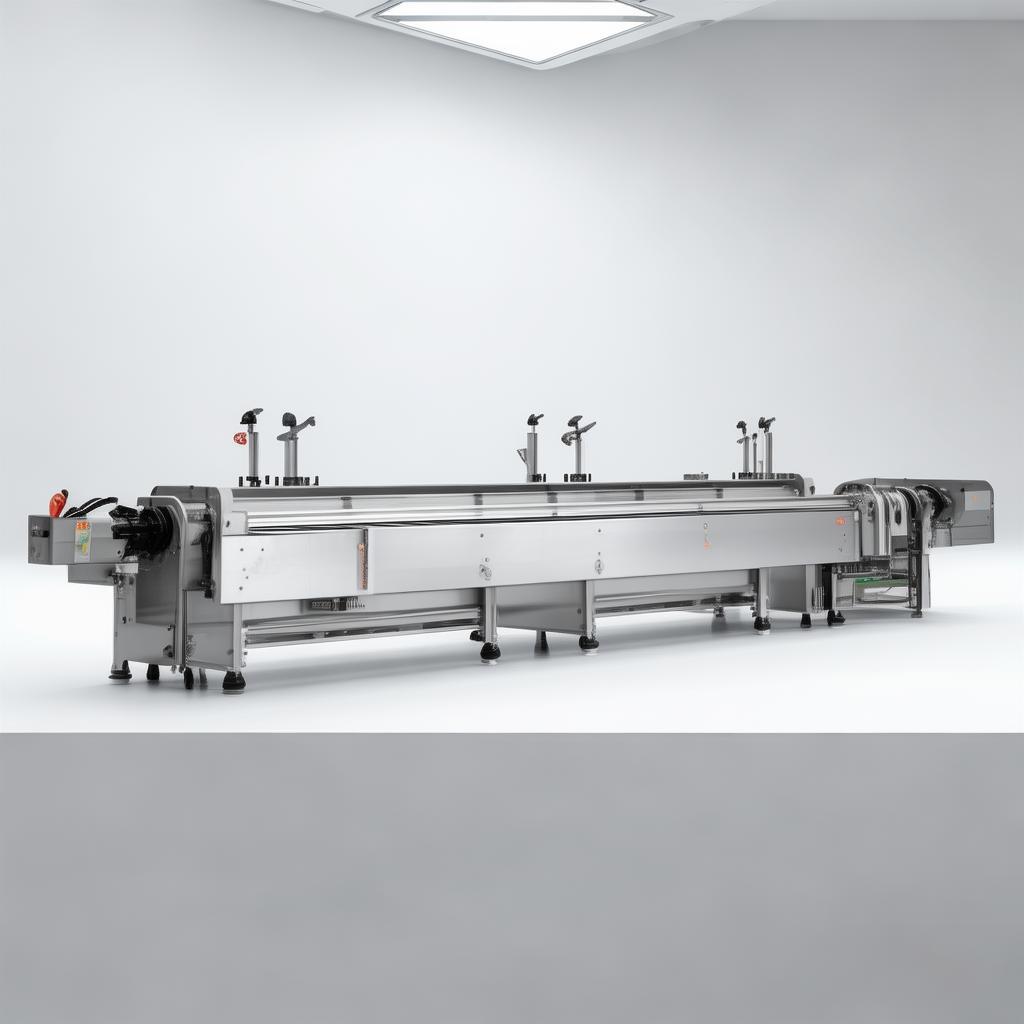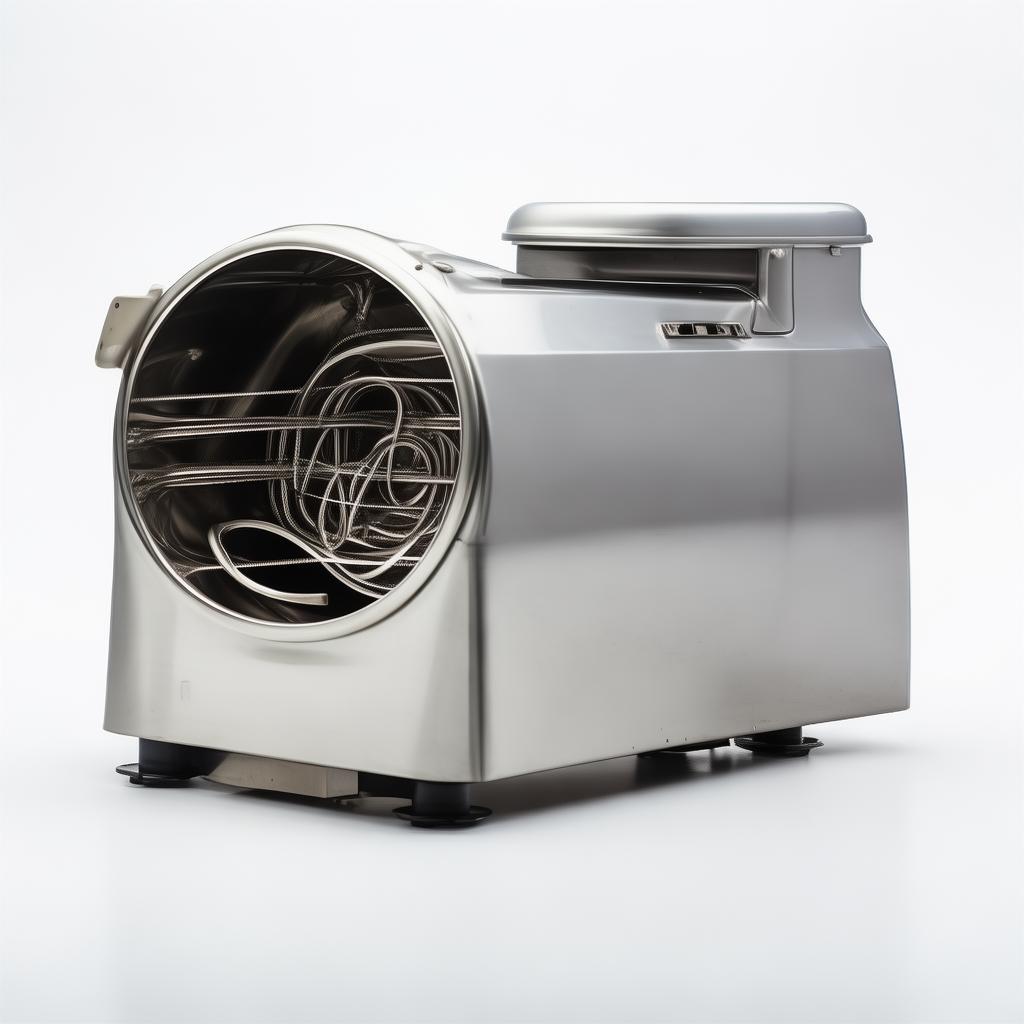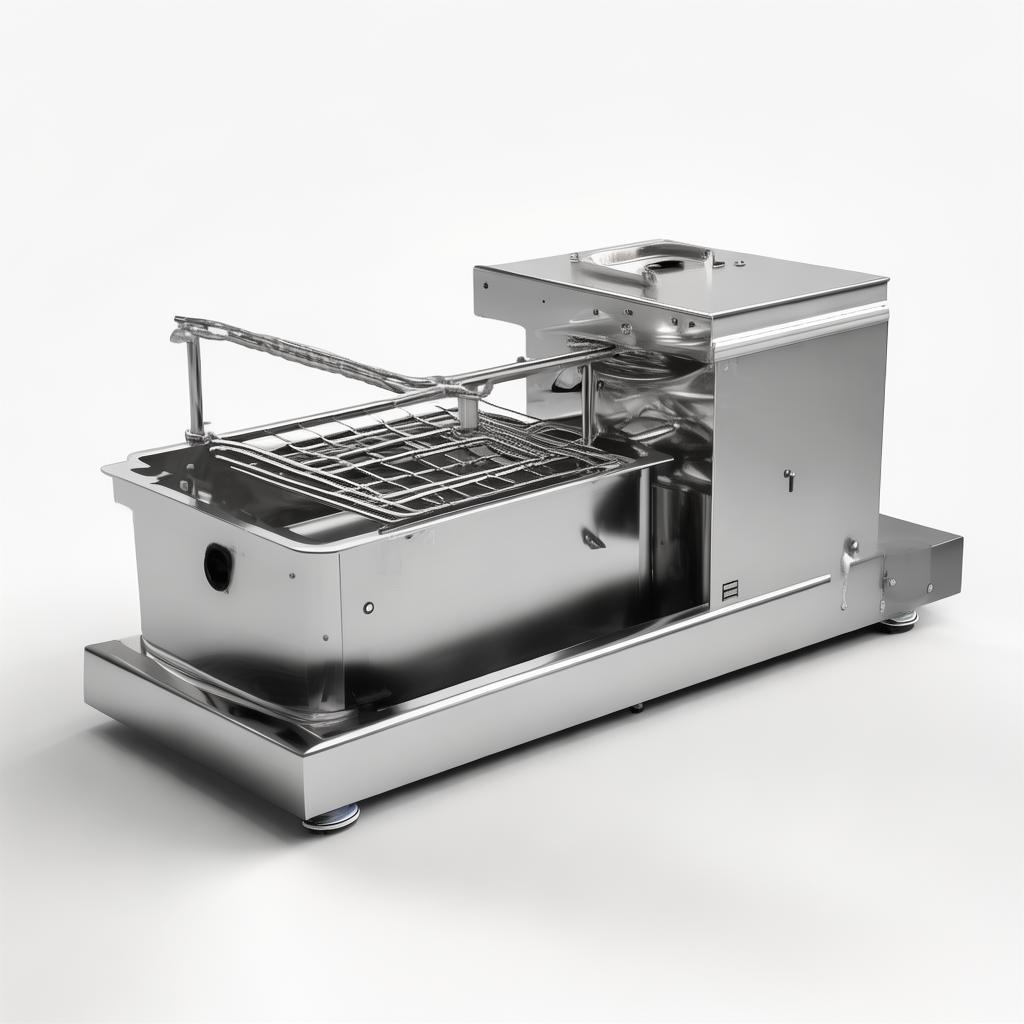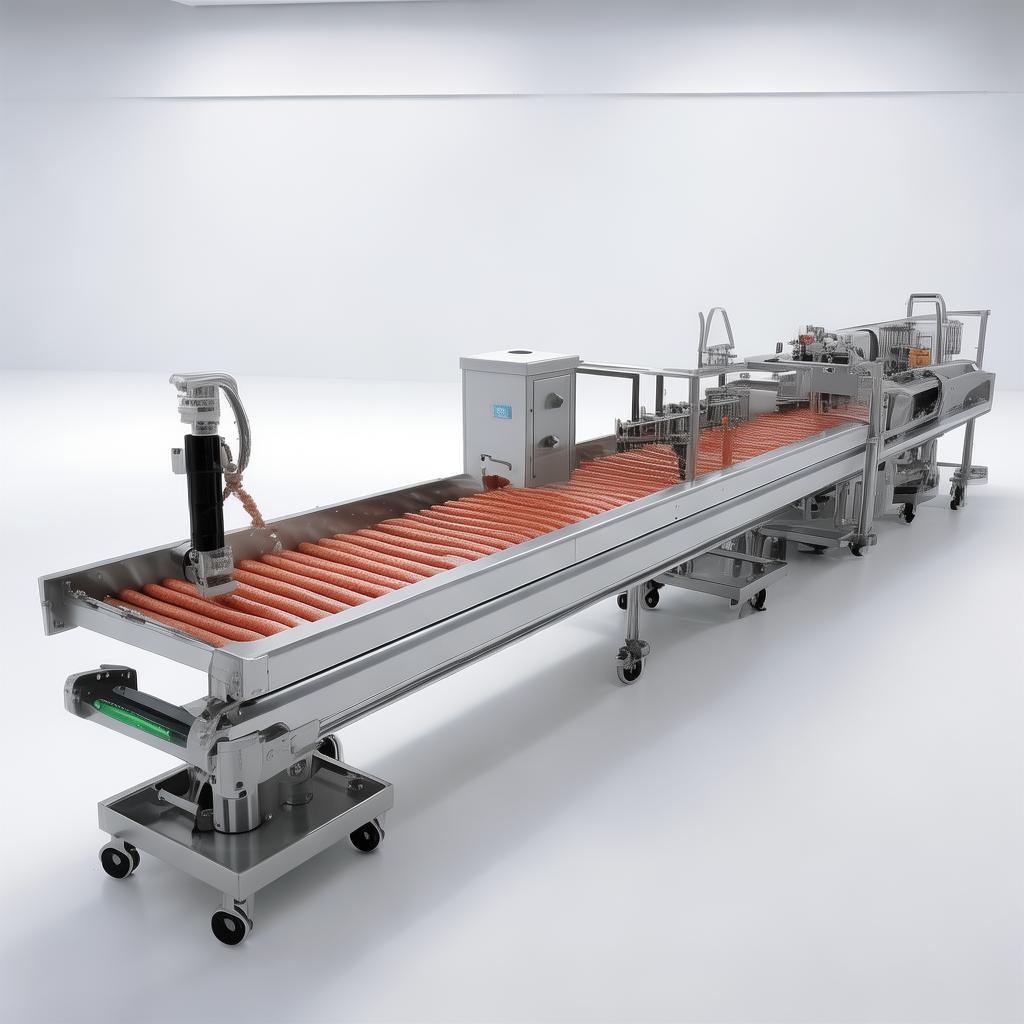
Vacuum Pump Suction
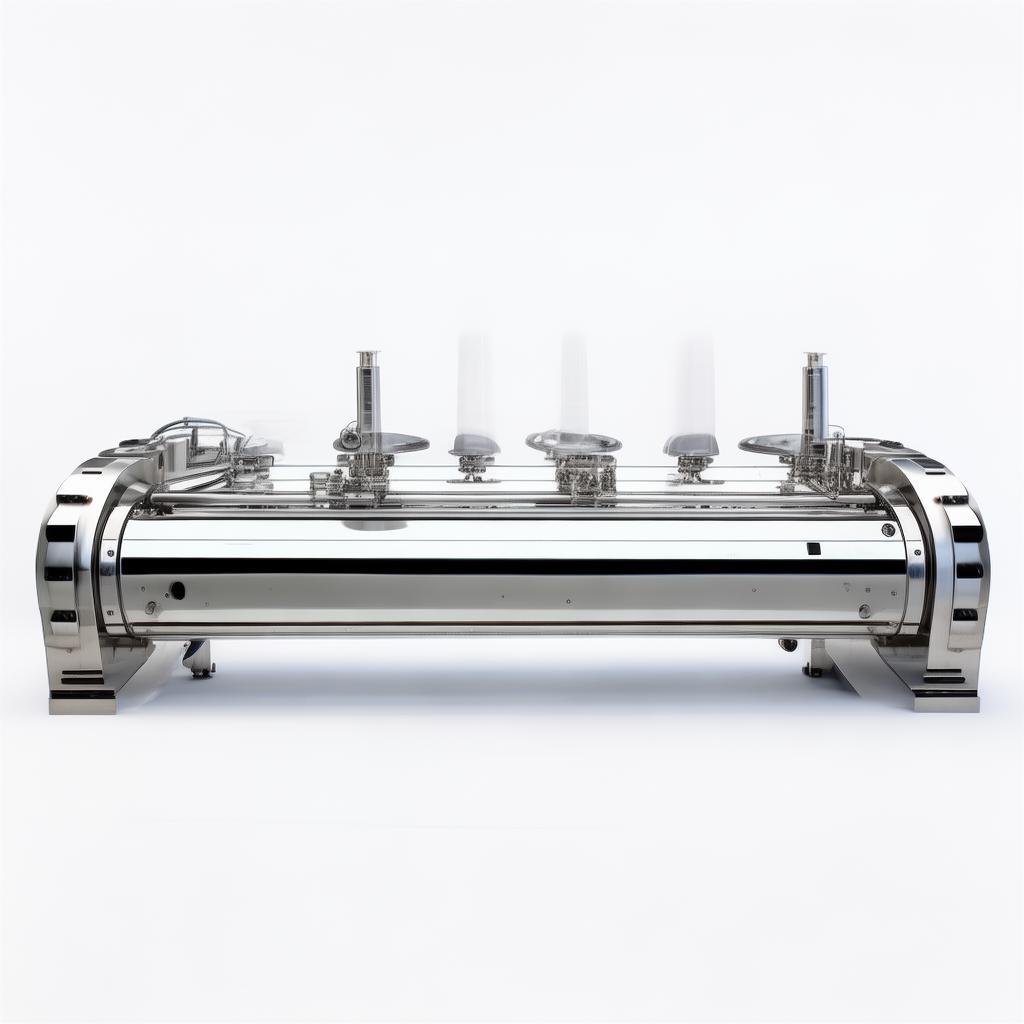
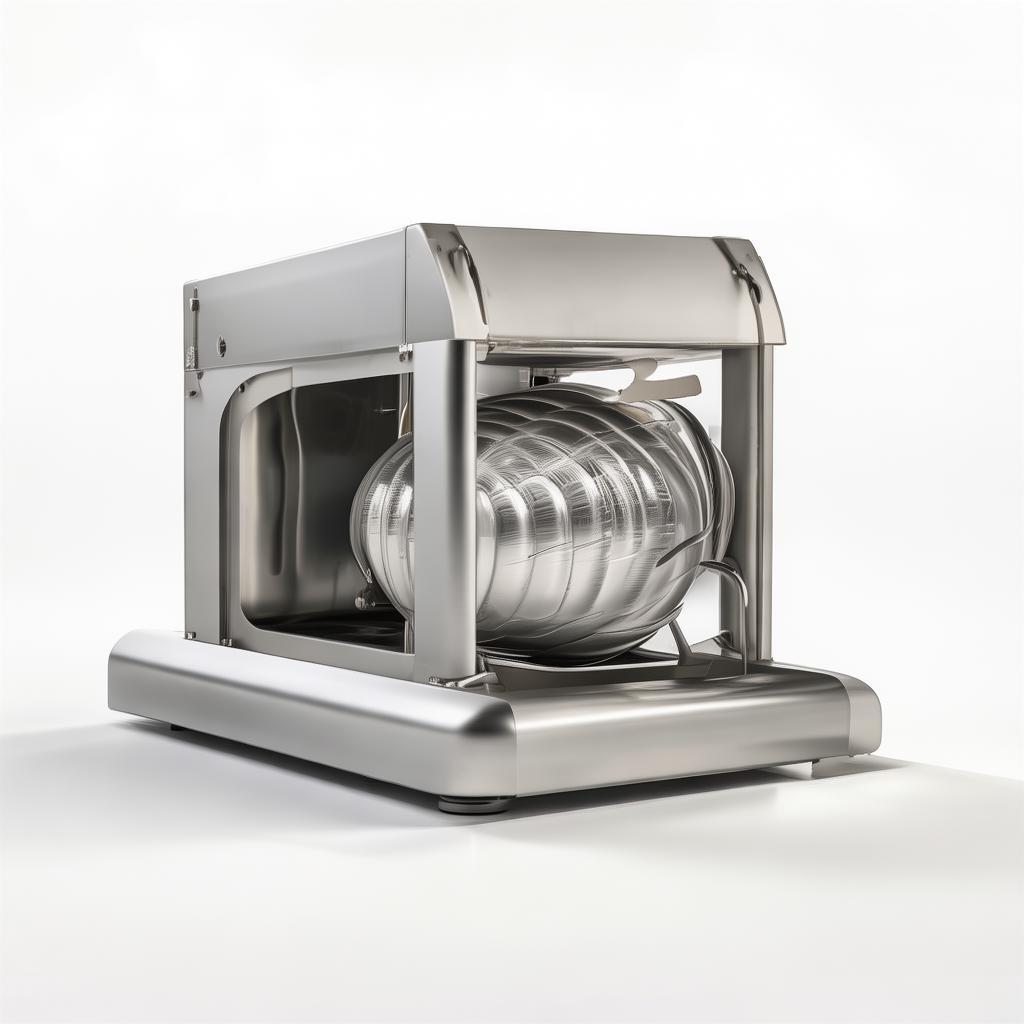
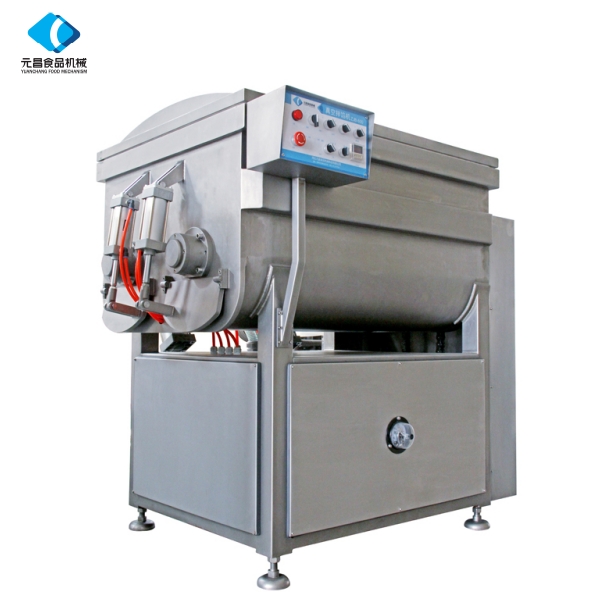
Precision Vacuum Pump Suction Solutions for Industrial Demands
Empowering Your Operations with Reliable, High-Performance Vacuum Technology.

Senior Industrial Engineer & Export Specialist
Mastering Industrial Suction: The Critical Role of Vacuum Pumps
In the intricate world of industrial manufacturing and wholesale export, operational efficiency hinges on reliable, precise equipment. Among the unsung heroes of many production lines is the vacuum pump suction system. It's not just about pulling air; it's about controlling processes, ensuring product integrity, and driving downstream operations with unwavering consistency. Whether you're handling delicate materials, needing to secure components for assembly, or implementing advanced filtration, the right vacuum pump is foundational. Many businesses overlook its critical function until a failure disrupts workflow, leading to costly downtime and missed deadlines. Understanding the nuances of vacuum technology—from the core principles of creating negative pressure to selecting the optimal pump for your specific application—is paramount for any forward-thinking procurement manager or operations director.
The demand for sophisticated vacuum solutions continues to grow, fueled by advancements in automation, stricter quality control mandates, and the global push for higher manufacturing output. The meat processing equipment market, for instance, relies heavily on precise vacuum suction for filling, molding, and packaging, ensuring product safety and shelf-life. Similarly, in sectors ranging from electronics assembly to material handling, the ability to create and maintain a stable vacuum is non-negotiable. This pervasive need underscores why a deep dive into vacuum pump suction technology is not merely an academic exercise but a strategic imperative for any business aiming to optimize its supply chain and production capabilities. Our commitment at Hebei Yuanchang is to provide not just equipment, but integrated solutions that address these evolving industrial challenges.
From our extensive experience, we've seen firsthand how the selection of vacuum pump technology can significantly impact everything from energy consumption and maintenance schedules to the overall quality of the finished product. A poorly chosen or undersized pump can lead to inconsistent suction, potential product damage, increased wear on other machinery, and, quite frankly, a lot of headaches for your engineering and maintenance teams. It's a component that, when working correctly, is largely invisible; when it fails, it's immediately and painfully obvious. This is why investing time in understanding vacuum pump suction – its types, applications, and the vital role it plays in complex manufacturing environments – is a worthwhile endeavor for any professional involved in industrial procurement or operations.
We've observed that many inquiries we receive stem from a need to replace aging systems, scale up production, or address specific process inefficiencies that are directly linked to vacuum performance. The market is flooded with options, but not all vacuum pumps are created equal. Understanding the difference between oil-sealed, dry-running, liquid ring, and rotary vane technologies, for example, can save you significant capital and operational expenditure in the long run. Furthermore, the choice of materials, the operating environment, and the required service intervals all play a crucial role in determining the most cost-effective and reliable solution for your unique setup. This page aims to demystify the world of vacuum pump suction, providing you with the practical insights needed to make informed decisions.
The global market for meat processing equipment alone was valued at approximately USD 11.29 billion in 2025, projected to reach USD 17.39 billion by 2034, with a CAGR of 5.0% (Fortune Business Insights). This substantial market underscores the critical role of various processing stages, including those dependent on precise vacuum applications for tasks like filling and molding. Our expertise aligns directly with these demanding sectors, offering vacuum pump suction solutions that are engineered for durability, efficiency, and precision. We understand that your operational uptime is critical, and the reliability of every component, especially core systems like vacuum pumps, directly affects your bottom line and your reputation with your own customers.
As a company with 40 years of experience since 1986, Hebei Yuanchang Food Mechanism & Technology Co., Ltd. has developed a deep understanding of the mechanical and operational challenges faced by industries that rely on robust vacuum pump suction. We don't just manufacture equipment; we partner with our clients to ensure they have the right tools for their specific needs, backed by engineering expertise and a commitment to after-sales support. This dedication is reflected in our advanced manufacturing capabilities, including our Japanese Mazak CNC machining centers, which allow us to produce high-precision components essential for reliable vacuum performance.
Navigating Common Operational Challenges with Vacuum Pump Systems
Many operations grapple with inefficiencies that can often be traced back to their vacuum pump suction systems. Identifying these pain points is the first step toward finding a robust solution.
- Inconsistent Process Control: Fluctuating vacuum levels can lead to rejected products, uneven filling, or poor sealing. This directly impacts yield and quality control.
- High Maintenance Costs: Frequent component wear, seal failures, or pump breakdowns drain resources and disrupt production schedules. Finding a pump designed for longevity and ease of maintenance is key.
- Energy Inefficiency: Older or improperly sized vacuum pumps can consume excessive power, driving up operational expenses without delivering commensurate performance.
- Contamination Risks: In sensitive applications like food processing or pharmaceuticals, pump lubricant leaks or particle generation can compromise product safety and regulatory compliance.
- Scalability Issues: As production demands increase, an inadequate vacuum system becomes a bottleneck, preventing the expansion of output and the adoption of more advanced processes.
- Noise and Environmental Concerns: Certain vacuum technologies can generate significant noise pollution or require specialized exhaust handling, posing challenges in compliant operational environments.
Addressing these issues requires more than just a replacement part; it demands a strategic approach to vacuum system integration. It's about understanding the specific demands of your application and selecting a technology that meets those needs reliably over the long term. For instance, in industries where hygiene is paramount, dry-running vacuum pumps eliminate the risk of oil contamination, a crucial consideration often overlooked.
The Hebei Yuanchang Advantage: Superior Vacuum Pump Suction Solutions
At Hebei Yuanchang, we engineer vacuum pump suction systems designed to overcome these common industry hurdles. Our focus is on delivering robust, high-performance solutions that translate into tangible operational benefits for your business.
-
✓
Unwavering Reliability: Built with high-quality materials and precision engineering, our pumps are designed for continuous operation, minimizing unplanned downtime. Our integrated manufacturing process, including in-house component production with advanced CNC machining, ensures every part meets stringent standards.
-
✓
Optimized Performance: We offer a range of technologies, from oil-sealed rotary vane to dry-running scroll pumps, allowing us to tailor solutions for specific vacuum levels, flow rates, and gas types. This ensures your process achieves optimal efficiency.
-
✓
Cost-Effectiveness: Beyond the initial purchase, our pumps are designed for energy efficiency and extended service intervals, leading to a lower total cost of ownership. We provide transparent pricing and support to help you budget accurately.
-
✓
Tailored Solutions (OEM/ODM): We understand that standard solutions aren't always sufficient. Our OEM/ODM capabilities allow us to customize vacuum pump suction systems to your exact specifications, ensuring seamless integration into your existing or new equipment lines.
-
✓
Global Export Expertise: With extensive experience in international trade, we manage logistics, documentation, and compliance seamlessly, ensuring your vacuum pumps arrive on time and ready for deployment anywhere in the world.
Choosing Hebei Yuanchang means partnering with a manufacturer that combines deep engineering knowledge with practical industry experience, ensuring you receive not just a product, but a reliable operational asset.
How Vacuum Pump Suction Works in Practice
At its core, a vacuum pump creates a pressure differential by removing gas molecules from a sealed space, resulting in a partial vacuum. This negative pressure is what drives the suction effect crucial for numerous industrial applications. Different pump technologies achieve this in distinct ways:
Rotary Vane Pumps (Oil-Sealed and Dry)
These are among the most common types. A rotor with sliding vanes operates eccentrically within a cylindrical housing. As the rotor turns, the vanes trap gas in expanding chambers, moving it to a contracting chamber where it's compressed and expelled. Oil-sealed variants use oil for lubrication, sealing, and cooling, offering excellent ultimate vacuum but requiring oil mist filtration for exhaust. Dry-running versions use specialized materials for vanes and internal surfaces, eliminating oil contamination but typically handling less aggressive gases or requiring more precise maintenance.
Liquid Ring Vacuum Pumps
These pumps utilize a rotor with impeller blades that rotates eccentrically within a casing partially filled with a sealing liquid (often water). The liquid forms a "ring" against the casing wall due to centrifugal force. The impeller blades create chambers between the ring and the rotor, which expand and contract to draw in and expel gas. They are robust, tolerate particulate matter well, and can handle saturated gases, making them suitable for demanding environments like chemical processing or large-scale condensation applications.
Diaphragm Pumps
These are a type of dry-running pump where a flexible diaphragm moves up and down, driven by a motor. This creates expanding and contracting chambers that draw in gas through an inlet valve and expel it through an outlet valve. They offer excellent chemical resistance and are ideal for applications where contamination is a concern, though their ultimate vacuum levels might be lower than other types.
Scroll Pumps (Dry)
Scroll pumps use two interleaved spiral scrolls. One scroll is fixed, while the other orbits eccentrically without rotating. This motion traps pockets of gas between the scrolls, progressively moving them towards the center where they are compressed and expelled. They are known for being oil-free, quiet, and vibration-free, making them popular in semiconductor manufacturing and laboratory settings.
The choice of technology directly impacts performance metrics such as ultimate vacuum achievable, flow rate, gas handling capability, power consumption, and maintenance requirements. Understanding these technical distinctions is crucial for specifying the correct vacuum pump suction system for your operation.
Operational Insight: When specifying vacuum pumps for systems involving vapors or condensable gases, always consider the sealing medium or internal materials. For example, using water-sealed pumps in applications with steam requires robust cooling systems and careful consideration of wastewater management. Dry pumps need to be assessed for their tolerance to specific chemical vapors.
Diverse Applications Driving Demand for Vacuum Pump Suction
The versatility of vacuum pump suction technology makes it indispensable across a broad spectrum of industrial sectors. Its ability to manipulate pressure offers solutions for holding, lifting, evacuating, drying, and filtering.
- Food & Beverage Processing: Crucial for vacuum packaging (extending shelf life), vacuum filling of containers, vacuum deaeration of liquids, and degassing during cheese or meat processing. As noted in industry reports, the meat processing equipment market relies heavily on these systems.
- Material Handling & Automation: Vacuum grippers are widely used for lifting and positioning items in robotic systems, assembly lines, and packaging operations. This is essential for handling objects without direct mechanical contact.
- Medical & Laboratory: Sterilization processes (autoclaves), laboratory vacuum filtration, vacuum drying of sensitive samples, and degassing in dental applications all depend on reliable vacuum.
- Printing & Packaging: Vacuum hold-down systems secure paper or film during printing, and vacuum sealing is vital for blister packaging and sachets.
- Woodworking & Manufacturing: Vacuum tables hold workpieces securely for CNC machining, routing, or sanding, ensuring precision and safety.
- Industrial Cleaning: High-powered vacuum systems are fundamental for industrial vacuum cleaners used in construction, manufacturing plants, and hazardous material cleanup.
- General Manufacturing: Applications include vacuum degassing of resins, vacuum forming of plastics, and providing vacuum for pneumatic conveying systems.
The specific requirements for each application—such as the need for oil-free operation, resistance to corrosive substances, or the ability to handle high volumes of gas—dictate the optimal vacuum pump technology. Our expertise lies in matching these diverse needs with the right vacuum pump suction solution.
Selecting the Right Vacuum Pump Technology: A Comparative Overview
Choosing the correct vacuum pump technology is critical for performance, efficiency, and longevity. Here’s a brief comparison of common types relevant to industrial vacuum pump suction:
| Pump Type | Primary Principle | Key Advantages | Key Considerations | Typical Applications |
|---|---|---|---|---|
| Rotary Vane (Oil-Sealed) | Sliding vanes create compression chambers. | Good ultimate vacuum, robust, relatively low cost. | Requires oil maintenance, oil mist exhaust, not for hazardous gases. | General vacuum holding, packaging, material handling. |
| Rotary Vane (Dry) | Self-lubricating vanes and special coatings. | Oil-free operation, low maintenance. | Lower ultimate vacuum than oil-sealed, can be sensitive to particulates. | Food packaging, medical, clean manufacturing processes. |
| Liquid Ring | Centrifugal force creates a liquid seal. | Handles wet/dirty gases, robust, high reliability, good for large volumes. | Requires sealing liquid management, lower efficiency at high vacuum. | Chemical processing, power plants, large-scale vacuum systems. |
| Diaphragm | Reciprocating diaphragm creates chambers. | Oil-free, good chemical resistance, relatively quiet. | Limited flow rates and vacuum levels compared to others. | Laboratory filtration, small-scale vacuum applications, gas sampling. |
| Scroll (Dry) | Interleaved scrolls compress gas. | Oil-free, quiet, vibration-free, high purity. | Can be sensitive to particulates, higher initial cost. | Semiconductor, analytical instrumentation, medical vacuum. |
vacuum pumping ATEX vacuum pump what is vacuum pump used for
Our technical sales team is equipped to guide you through these options, ensuring the vacuum pump suction solution selected aligns perfectly with your operational goals and budget constraints.
Procurement Tip: When comparing quotes, look beyond the initial price. Consider power consumption, required maintenance frequency and cost, estimated lifespan, and the availability of spare parts and local service support. A slightly higher upfront investment can yield significant savings over the pump's operational life.
Key Technical Specifications for Vacuum Pump Suction
Selecting the right vacuum pump involves scrutinizing several technical parameters. Here are the most critical specifications to evaluate:
- Ultimate Vacuum: This is the lowest pressure the pump can achieve, usually expressed in Torr, mbar, or Pa. It's crucial for applications requiring very low pressures.
- Flow Rate (Displacement): Measured in CFM (cubic feet per minute) or L/min, this indicates the volume of gas the pump can remove from the system per unit of time. It's critical for evacuation speed.
- Motor Power (HP/kW): Determines the pump's overall performance and energy consumption. Must be adequate for the required vacuum and flow.
- Inlet/Outlet Port Size: Affects system connection and potential flow restrictions.
- Operating Temperature Range: Important for pumps used in varied environmental conditions.
- Noise Level (dB): Relevant for workplace regulations and comfort.
- Sealing Medium/Lubrication: Crucial for determining if the pump is oil-free or requires specific maintenance fluids.
- Gas Handling Capability: Ability to handle specific gases, vapors, or particulates without damage or performance degradation.
Our product datasheets provide comprehensive details on these specifications, enabling informed comparisons. We also provide engineering support to help you interpret these specs in the context of your unique operational requirements.
Engineering Note: Don't just look at the peak performance figures. Consider how the pump performs under varying load conditions and its tolerance for operational fluctuations. System design often involves buffer tanks or secondary vacuum regulators to maintain stability, which impacts the required pump capacity.
Procurement Guidance: Securing Reliable Vacuum Pump Suction
As an international supplier, we understand the complexities of B2B procurement. When sourcing vacuum pump suction systems, consider these critical factors to ensure a smooth transaction and a dependable partnership.
Supplier Evaluation: Beyond the Price Tag
When looking for a supplier, especially for critical components like vacuum pumps, prioritize:
- Manufacturing Experience: Look for companies with a proven track record and deep industry knowledge. Our 40 years of experience since 1986 speaks volumes about our stability and expertise.
- Quality Control: Verify their commitment to quality through certifications (like ISO) and robust internal quality assurance processes.
- Technical Support: Does the supplier offer pre-sales technical consultation and post-sales support? This is vital for complex industrial equipment.
- OEM/ODM Capabilities: If you need custom solutions, ensure the supplier has a strong R&D and customization department.
- Export Compliance: For international purchases, confirm their familiarity with export regulations, documentation, and shipping logistics.
Risk Mitigation in Cross-Border Commerce
Purchasing internationally involves managing certain risks:
- Communication: Clear, consistent communication is key. Ensure you have dedicated points of contact.
- Lead Times: Understand production and shipping schedules upfront. Our integrated manufacturing allows for better control over lead times.
- Payment Terms: Clarify payment schedules and methods. We offer flexible options for established partners.
- Warranty & Returns: What is the warranty policy? How are returns or defective parts handled internationally?
- Logistics: Work with a supplier experienced in international shipping. We leverage our network to ensure timely and cost-effective delivery.
We pride ourselves on transparency and partnership, aiming to make the procurement process as straightforward and secure as possible for our global clientele.
Buyer Alert: Be wary of suppliers who cannot provide detailed technical specifications, offer vague warranty terms, or lack verifiable certifications. These are often indicators of lower quality or a less reliable operation.
Our Manufacturing Prowess: Hebei Yuanchang's Commitment to Excellence
Hebei Yuanchang Food Mechanism & Technology Co., Ltd. isn't just an assembler; we are a fully integrated manufacturer with a rich history spanning over four decades. Our state-of-the-art facility in Shijiazhuang, Hebei Province, China, covers approximately 14,000 square meters and is staffed by a dedicated team of 80-100 skilled professionals. This scale and expertise allow us to control every step of the production process, from initial design to final quality inspection.

Our in-house machining workshop is a cornerstone of our capability. Equipped with over 20 sets of advanced processing machinery, including:
- Lathes and Milling Machines
- High-Precision Grinding Machines
- Boring Machines
- Plate Shears and Bending Machines
- Wire Cutting Equipment
Crucially, since 2012, we've invested in 8 sets of Japanese Mazak CNC machining centers. This significant technological upgrade enables us to produce high-standard components that demand exceptional precision, large volumes, and non-standard specifications – critical for the reliability of our vacuum pump suction systems and other machinery.
This independent capability in producing high-precision parts means we can guarantee component quality, shorten lead times, and offer unparalleled after-sales service. Our traceable management system ensures that every part can be accounted for, providing you with peace of mind.
OEM/ODM Advantage: Our robust in-house manufacturing infrastructure is precisely what allows us to excel in OEM/ODM projects. We can efficiently adapt designs, integrate custom features, and scale production to meet your brand's specific requirements for vacuum pump suction systems or complete equipment lines.
Commitment to Quality: Certifications and Standards
At Hebei Yuanchang, quality assurance is not an afterthought; it's ingrained in our manufacturing philosophy. We adhere to stringent international standards to ensure our vacuum pump suction systems and other equipment meet the highest benchmarks for performance, safety, and reliability. While our primary focus is on robust mechanical engineering, we align with global best practices.

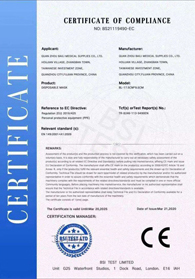
Our commitment extends to ensuring that all components and finished products are manufactured to precise specifications, validated through rigorous testing protocols. This dedication to quality is what allows us to confidently serve international markets and build long-term partnerships based on trust and consistent performance.
Trustworthiness Indicator: For critical applications, particularly in food processing or export markets, inquire about specific certifications relevant to your industry (e.g., FDA compliance for food-contact materials, CE for European market access). We can provide documentation and discuss how our products meet these requirements.
Client Success Stories: Real-World Impact of Our Vacuum Solutions
We are proud of the long-standing relationships we've built with clients worldwide. Here’s what some of them have to say about their experience with our vacuum pump suction systems and overall service:

Operations Manager, USA
"We were experiencing issues with inconsistent vacuum on our automated packaging line. The rotary vane pump we sourced from Hebei Yuanchang has been a game-changer. It's significantly reduced product spoilage due to poor seals, and the delivery was faster than expected. Their export team was very professional."

Procurement Specialist, Germany
"We required a customized vacuum solution for a new product line. Hebei Yuanchang's OEM/ODM service was exceptional. They understood our technical needs precisely and delivered a unit that integrated perfectly. The communication throughout the project was clear and efficient, despite the language difference."

Plant Engineer, Canada
"The liquid ring vacuum pump we purchased for our processing plant has proven very durable. It handles our wet gas streams without issue, and the maintenance requirements are manageable. Hebei Yuanchang provided excellent technical advice prior to our purchase."

Purchasing Director, Mexico
"Reliability is key for us. Hebei Yuanchang's vacuum pump suction systems have consistently performed well, reducing our downtime significantly. Their after-sales support has been responsive when we’ve had questions about system optimization."
We encourage you to discuss your specific needs with our team. We’re confident we can provide a solution that earns a similar endorsement.
Frequently Asked Questions about Vacuum Pump Suction
- Q: What is the primary difference between oil-sealed and dry vacuum pumps?
- A: Oil-sealed pumps use oil for lubrication, sealing, and cooling, generally achieving lower ultimate pressures but requiring exhaust filtration. Dry vacuum pumps use specialized materials and designs to operate without oil, preventing product contamination, which is critical for food processing and cleanroom applications.
- Q: How do I determine the correct flow rate for my application?
- A: Flow rate depends on the volume of your vacuum chamber, the rate at which gas enters (leaks or process gas), and the desired evacuation time. Our engineers can assist in calculating the appropriate flow rate based on your specific process parameters.
- Q: Can your vacuum pumps handle corrosive gases or vapors?
- A: Some of our vacuum pump technologies, especially certain liquid ring or diaphragm pump models constructed with specific materials (e.g., stainless steel, chemical-resistant elastomers), are designed to handle corrosive substances. It is crucial to specify the exact chemical composition of the gases or vapors involved when inquiring.
- Q: What is the typical lifespan of a vacuum pump?
- A: Lifespan varies significantly based on pump type, operating conditions, maintenance frequency, and the nature of the gas being handled. Well-maintained pumps in suitable applications can last for many years, often exceeding 10-20 years for robust designs like liquid ring pumps. We provide guidance on maintenance schedules to maximize pump longevity.
- Q: What are the advantages of using your OEM/ODM services for vacuum pump systems?
- A: Our OEM/ODM services allow you to integrate custom-designed vacuum pump suction systems directly into your proprietary equipment. This ensures optimal performance, branding consistency, and a streamlined supply chain for your product line. Our 40 years of manufacturing experience and advanced CNC capabilities enable us to meet precise specifications.
- Q: How do I handle international shipping and customs for vacuum pumps?
- A: As an experienced exporter, Hebei Yuanchang manages all aspects of international shipping, including proper packaging, documentation (commercial invoice, packing list, bill of lading), and compliance with customs regulations for destination countries. We work to ensure a smooth and efficient delivery process.
Ready to Optimize Your Industrial Suction Processes?
Don't let inefficient vacuum pump suction systems hinder your operations. Partner with Hebei Yuanchang for reliable, high-performance solutions backed by decades of expertise.
Contact Us: +86 15830991513 | ycmeatmech@gmail.com | Shijiazhuang, Hebei Province, China
Hebei Yuanchang Food Mechanism & Technology Co., Ltd. © 2026
This page is intended for informational and commercial purposes, detailing the capabilities and applications of vacuum pump suction technology, with a focus on industrial solutions offered by Hebei Yuanchang.