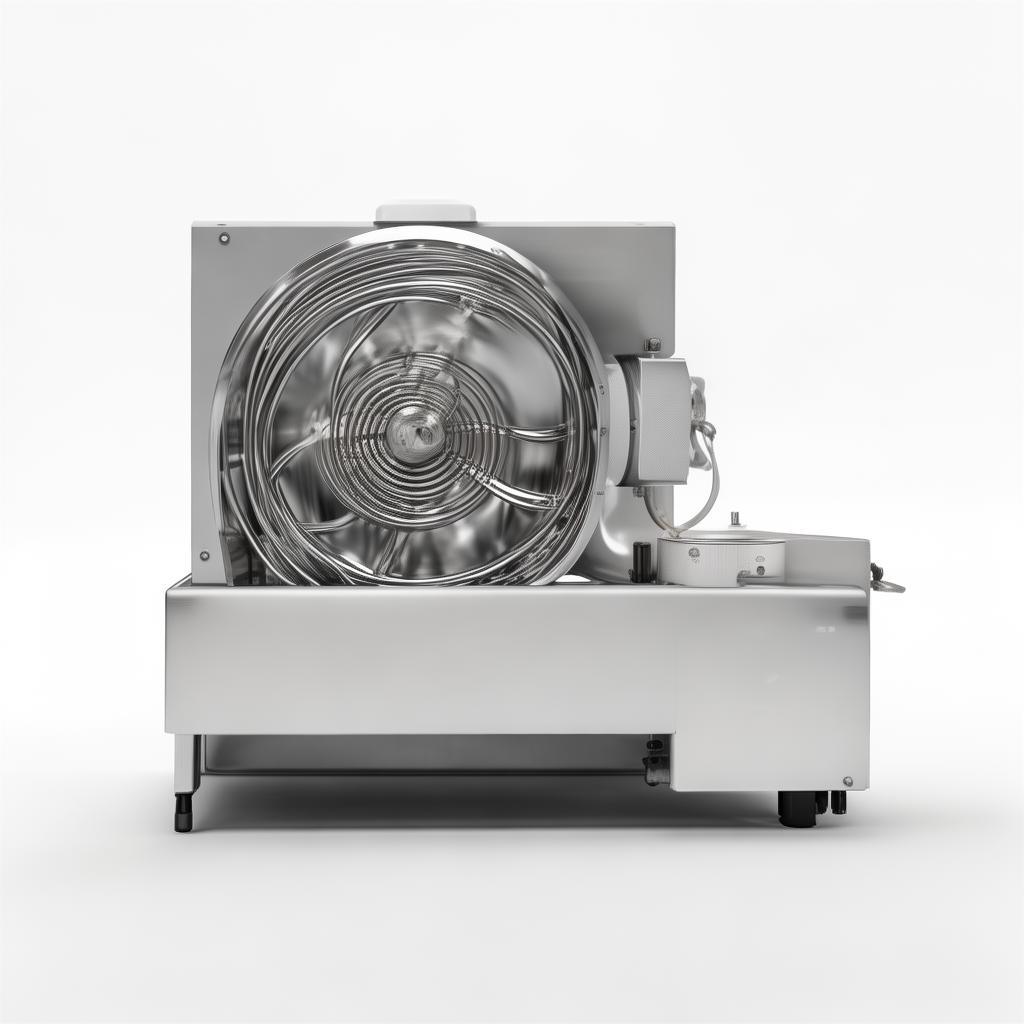
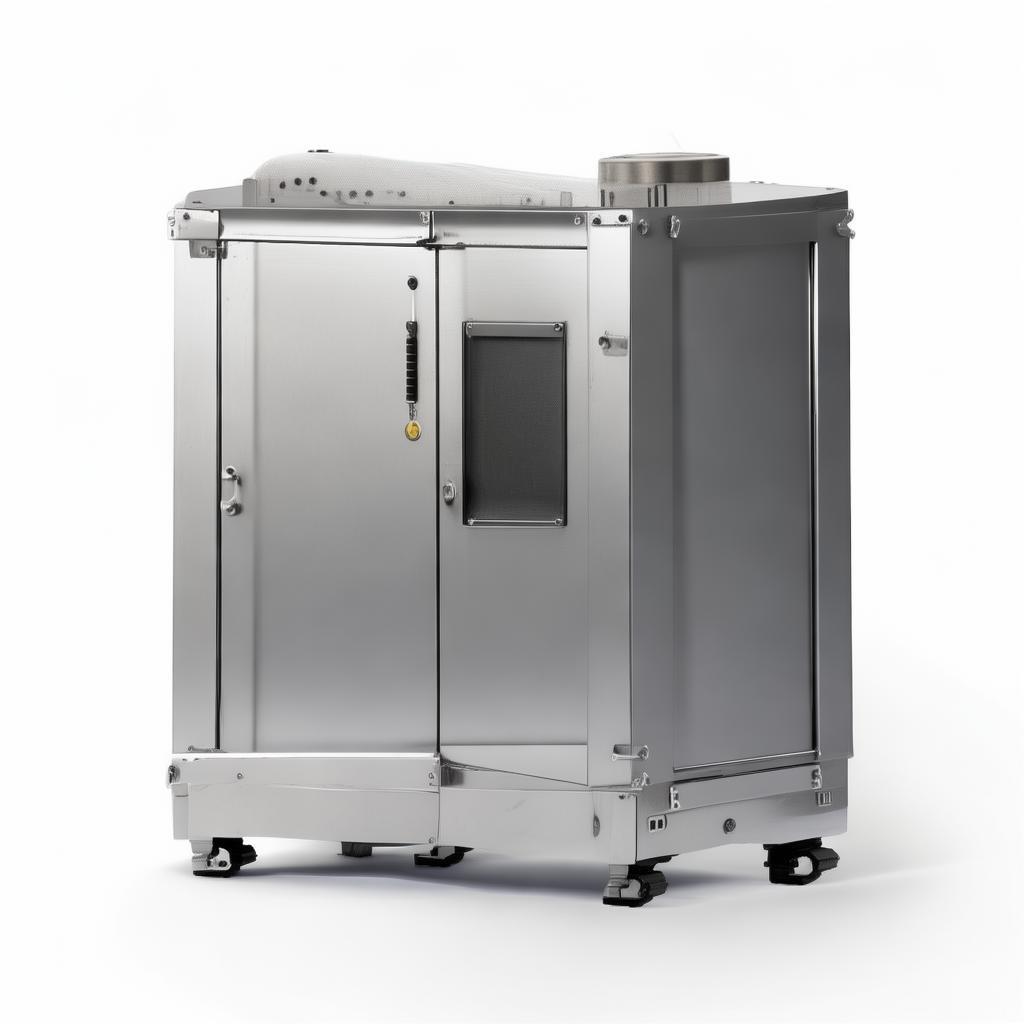
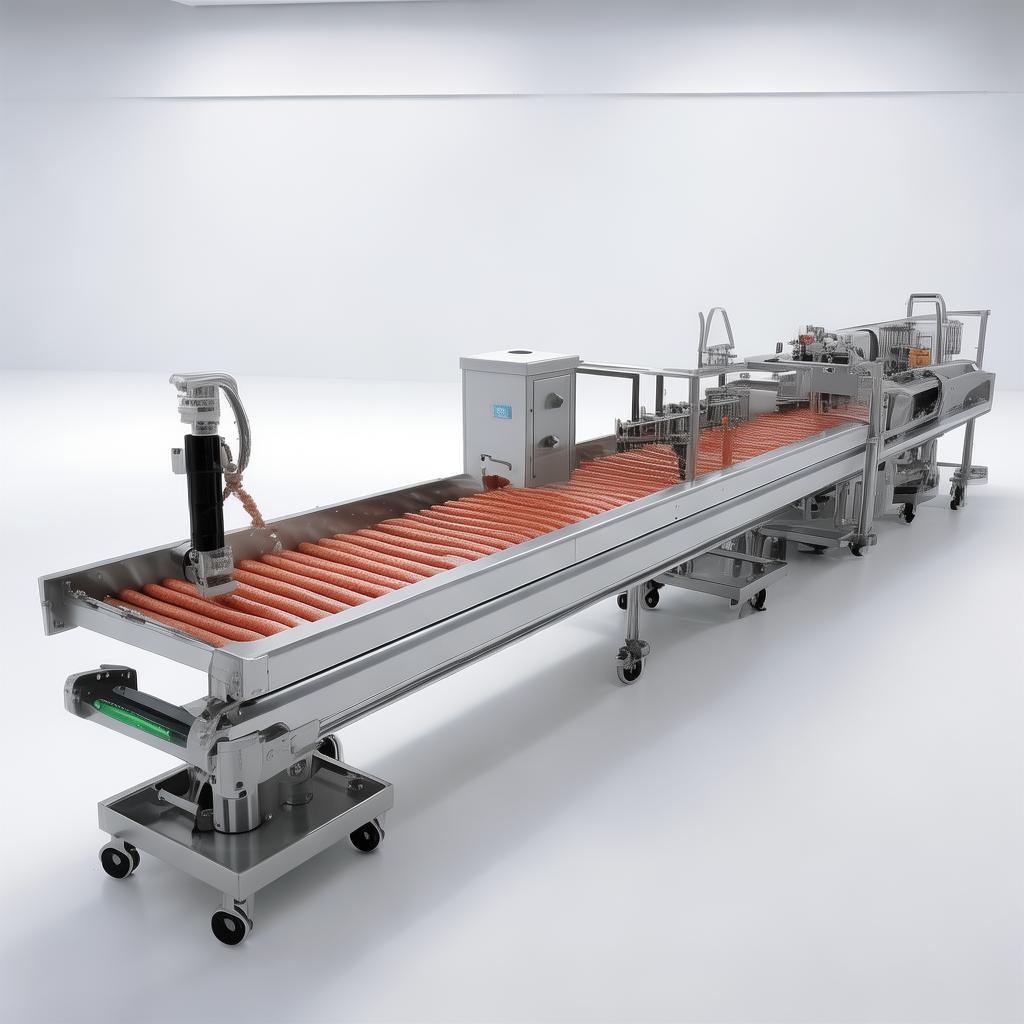
Vacuum Pump For Distillation
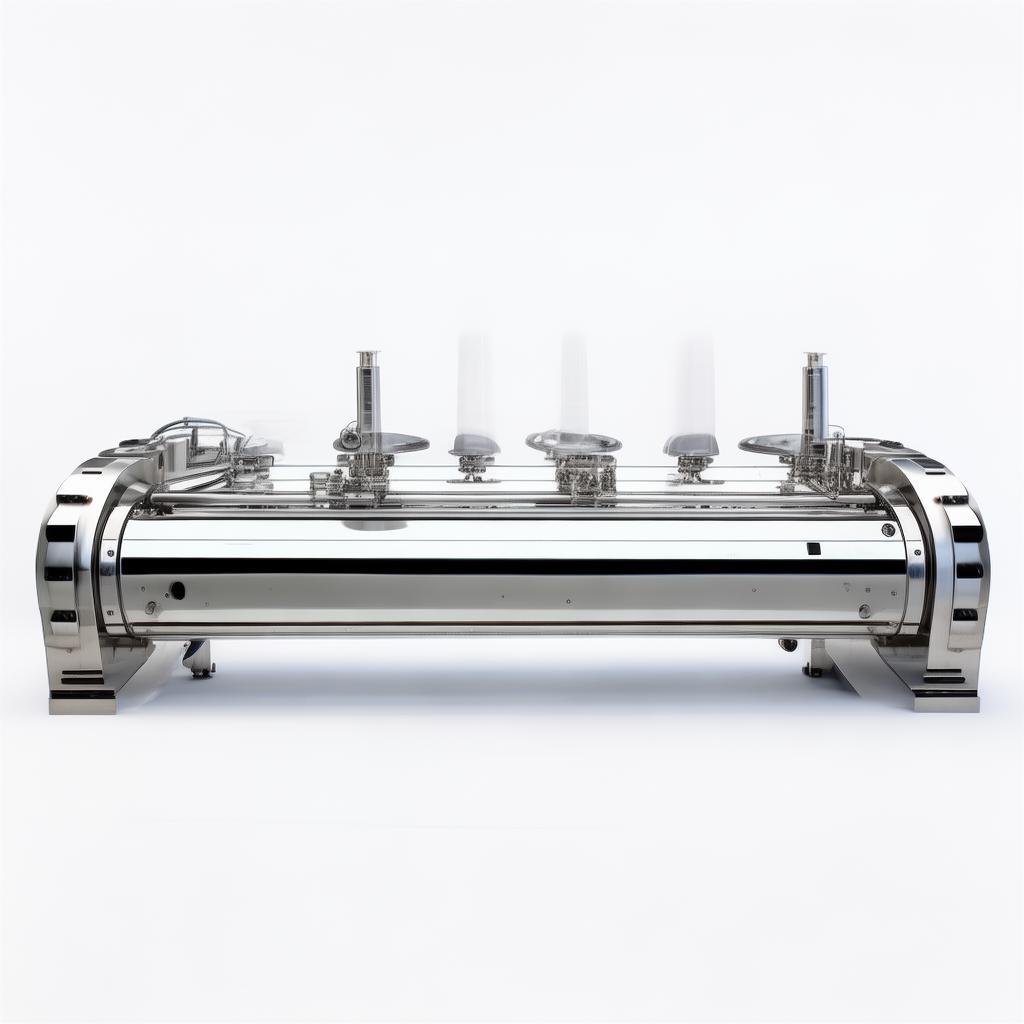
Advanced Vacuum Pumps for Precision Distillation: Optimizing Your Process Efficiency
By  Dr. Anya Sharma, Lead Process Engineer
Published: November 15, 2023 | Updated: May 20, 2024
Understanding the Core Need for Vacuum in Distillation
In the intricate world of chemical processing, pharmaceuticals, and specialized material refinement, achieving precise separation and purification is paramount. Distillation, a cornerstone technique, relies heavily on controlling the boiling points of liquids to achieve this separation. However, many valuable compounds possess high boiling points or are thermally sensitive, meaning they can degrade or decompose if subjected to the atmospheric boiling temperatures required for separation. This is precisely where the strategic application of vacuum technology becomes indispensable. By reducing the ambient pressure within the distillation apparatus, we effectively lower the boiling points of these substances, enabling their vaporization and subsequent condensation at much lower, safer temperatures.
The global market for meat processing equipment, which often involves similar principles of separation and refinement in curing and marination processes, highlights the broader industrial demand for precision control. Reports indicate a substantial market size, with projected growth driven by automation and efficiency. For instance, Fortune Business Insights reported the global meat processing equipment market valued at USD 11.29 billion in 2025, projected to reach USD 17.39 billion by 2034, with key segments including massaging and tumbling equipment vital for ripening. This underlying demand for controlled processing environments underscores the importance of foundational technologies like vacuum pumps across diverse manufacturing sectors, including chemical and pharmaceutical applications where precise temperature and pressure control are non-negotiable.
The critical role of vacuum in distillation extends beyond mere temperature reduction. It allows for the separation of components that would otherwise be inseparable at standard atmospheric pressure. Consider the purification of heat-sensitive natural extracts or complex organic synthesis products. Without a robust vacuum system, these processes would be impossible, leading to product loss, compromised purity, and potentially hazardous conditions. The selection of the right vacuum pump is therefore not a minor detail; it's a strategic decision that directly impacts process efficiency, product quality, operational safety, and ultimately, profitability. A well-chosen vacuum pump ensures consistent performance, minimizes cycle times, and reduces the risk of thermal degradation, thereby safeguarding your valuable materials and ensuring the integrity of your final product.
The pursuit of higher purity and yields in distillation has driven continuous innovation in vacuum technology. From simple water aspirators to sophisticated multi-stage rotary vane pumps and dry screw pumps, the evolution has been shaped by increasing demands for deeper vacuum levels, higher pumping speeds, greater chemical resistance, and improved energy efficiency. The choice between different pump technologies often depends on the specific application: the type of vapors being handled, the required vacuum depth, the presence of corrosive or abrasive materials, and the overall operating budget. Understanding these nuances is key to making an informed decision that aligns with your operational needs and long-term objectives. This is where our expertise comes into play, offering solutions tailored to the unique challenges of modern distillation.
For example, in the pharmaceutical industry, regulatory compliance and product integrity are paramount. The use of vacuum distillation for purifying active pharmaceutical ingredients (APIs) or intermediates requires pumps that can achieve and maintain ultra-high vacuum levels with absolute reliability, while also being resistant to potentially aggressive chemical vapors. Similarly, in the fine chemical sector, batch-to-batch consistency is critical. A stable vacuum environment, reliably maintained by a high-performance pump, is essential for achieving reproducible results. The trend towards smaller batch sizes and more diverse product portfolios further emphasizes the need for flexible and responsive vacuum solutions that can adapt to varying operational demands. This technological evolution is transforming how distillation is approached, pushing the boundaries of what’s possible in purification science.
The broader food processing industry also showcases the reliance on controlled environments and precise equipment. Market analysis consistently points to significant growth in areas like meat processing, with CAGR figures often ranging from 5% to 8% according to various reports (e.g., Grand View Research, IMARC Group). This growth is fueled by increasing demand for processed foods, automation, and stringent hygiene standards. While the direct application differs, the underlying principle of needing specialized equipment for controlled processes—whether it's vacuum distillation for fine chemicals or specialized machinery for food production—remains a constant. This indicates a universal drive towards optimizing manufacturing through advanced technology.
When selecting a vacuum pump for distillation, it’s crucial to consider the vapor load, the potential for corrosive substances, and the required ultimate vacuum. For instance, if your distillation involves highly acidic or solvent-rich mixtures, a standard oil-sealed rotary vane pump might quickly degrade. In such cases, corrosion-resistant materials, specialized sealing fluids, or even dry pumps designed to handle aggressive chemicals become necessary. The longevity and reliability of your vacuum system directly translate into minimized downtime and consistent production output. Therefore, investing in a pump that is purpose-built for your specific distillation process is not merely a cost, but a critical factor in operational success.
Our commitment is to provide you with vacuum pump solutions that not only meet but exceed these demanding requirements. We understand that your distillation process is unique, and a one-size-fits-all approach rarely yields optimal results. By leveraging decades of manufacturing experience and a deep understanding of industrial processes, we engineer vacuum pumps that deliver exceptional performance, reliability, and value, ensuring your distillation operations run at peak efficiency.
Common Challenges in Distillation Operations
Operating distillation processes can present a unique set of challenges that directly impact efficiency, product quality, and operational costs. Many of these issues stem from an inadequate or poorly performing vacuum system.
- Thermal Degradation of Sensitive Compounds: For materials with low thermal stability, attempting distillation at atmospheric pressure requires excessive heat, leading to decomposition, unwanted side reactions, and a significant loss of valuable product. This is a critical bottleneck in the production of many fine chemicals and pharmaceuticals.
- Extended Process Times: Without sufficient vacuum, boiling points remain high, necessitating longer heating periods and slower distillation rates. This reduces throughput, increases energy consumption, and can tie up valuable equipment for extended durations.
- Incomplete Separation: Some compounds have very close boiling points, making separation difficult even under ideal conditions. Vacuum distillation can sometimes expand the relative volatility, enabling a cleaner split, but only if the vacuum is stable and deep enough.
- Contamination Risks: Traditional vacuum pumps, especially oil-sealed types, can introduce contaminants into the system. For high-purity applications, such as in pharmaceutical or semiconductor manufacturing, even trace amounts of oil vapor can be detrimental and lead to costly product rejection.
- Corrosion and Material Compatibility: Many distillation processes involve corrosive vapors (acids, solvents, reactive intermediates). If the vacuum pump materials are not carefully selected, they can rapidly degrade, leading to pump failure, leaks, and contamination of the process stream. This is a common cause of unexpected downtime.
- Energy Inefficiency: Older or improperly sized vacuum systems can consume excessive energy. Achieving deep vacuum levels with inefficient pumps, or running pumps at unnecessarily high speeds, contributes significantly to operating costs.
- Maintenance Demands: Pumps that are not robust or are used outside their designed parameters often require frequent maintenance. This includes frequent oil changes, seal replacements, and costly repairs, all of which disrupt production schedules.
These operational hurdles are precisely why investing in a reliable, high-performance vacuum pump designed for distillation is not a luxury, but a necessity for any serious processing facility. It directly addresses the core requirements for controlled separation and purification.
The Strategic Advantage of Our Vacuum Pumps
Our range of vacuum pumps for distillation is engineered to overcome the typical challenges faced in processing facilities, offering a distinct competitive edge. We focus on delivering robust, efficient, and reliable solutions that contribute directly to your bottom line.
Enhanced Purity & Yield
Achieve lower boiling points with deep vacuum capabilities, minimizing thermal degradation and maximizing the recovery of pure compounds. This directly translates to higher quality products and reduced material loss.
Reduced Process Times
Faster evaporation and condensation cycles due to efficient vacuum generation mean shorter batch times, increasing your overall plant throughput and operational capacity. This operational efficiency is key in high-demand markets.
Superior Chemical Resistance
Constructed with high-grade materials like robust stainless steels, specialized alloys, and chemically inert seals, our pumps are designed to withstand corrosive and aggressive vapors common in distillation, ensuring longevity and process integrity.
Energy Efficiency
Optimized designs and variable speed drives (on select models) ensure that our pumps operate at peak efficiency, consuming less power without compromising performance. This reduces your operational expenditure significantly over the pump's lifecycle.
Low Maintenance & High Reliability
Fewer moving parts, robust construction, and intelligent design lead to extended service intervals and reduced unscheduled downtime. Our pumps are built for continuous, demanding industrial operation.
Scalable Solutions
We offer a wide range of pump capacities and vacuum levels, allowing you to select the ideal solution for your specific needs, from laboratory-scale R&D to full-scale industrial production. Our team can advise on the best fit.
By integrating our vacuum pumps into your distillation setup, you're not just buying a piece of equipment; you're investing in a solution that enhances process control, product quality, and operational efficiency. Consider the impact on your ROI when batch times are reduced and material yields are consistently higher.
Key Technical Specifications & Performance Metrics
Understanding the technical nuances of a vacuum pump is crucial for ensuring it aligns perfectly with your distillation process requirements. Below, we detail the critical specifications that define our pump performance.
| Specification | Description | Typical Range / Notes |
|---|---|---|
| Pumping Speed | Volume of gas removed per unit of time. Crucial for achieving vacuum quickly and maintaining it under vapor load. | 5 - 1000 m³/h (Cubic meters per hour) / CFM options available. |
| Ultimate Vacuum | The lowest achievable pressure. Determines the minimum boiling point possible for your distillation. | Down to 1 x 10⁻³ mbar (Absolute pressure) for specific models. |
| Motor Power | Indicates the energy consumption and capacity of the pump. | 0.75 kW - 37 kW. Higher power for larger capacity and deeper vacuum. |
| Inlet Connection Size | Diameter of the intake port, needs to match your distillation apparatus. | DN 25, DN 40, DN 50, etc. (Flanged or threaded options). |
| Operating Temperature Range | Ambient and process vapor temperatures the pump can handle. | -10°C to +50°C ambient; consult datasheet for vapor temp limits. |
| Materials of Construction | Crucial for chemical compatibility. Standard configurations or custom options available. | Cast iron, Stainless Steel (304, 316L), Viton/PTFE seals. |
| Noise Level | Operating sound emissions. Important for workspace conditions and regulatory compliance. | Typically 65 - 85 dBA, depending on model and enclosure. |
distillation vacuum pump vacuum pump distillation vacuum distillation pump
We offer several pump technologies suitable for distillation:
- Rotary Vane Pumps (Oil-Sealed): A workhorse for many applications, offering good performance at a moderate cost. Requires regular oil maintenance and can introduce trace oil vapor if not equipped with appropriate traps. Ideal for less sensitive distillations.
- Dry Screw Pumps: Solvent-resistant and maintenance-free, these pumps avoid oil contamination entirely. They are ideal for aggressive chemical vapors and applications requiring high purity. While initial investment is higher, total cost of ownership can be lower due to reduced maintenance.
- Diaphragm Pumps: Excellent for very low vapor loads and high chemical resistance. They offer a completely oil-free vacuum. Best suited for smaller-scale or specific lab applications where extreme vapor dryness is essential.
When assessing your needs, consider the total vapor load expected during the distillation cycle, not just the average. A pump with ample reserve capacity ensures stable vacuum even under peak load. We also provide recommendations for inlet traps and filters to protect the pump from particulates and corrosive elements, extending its operational life.
Versatile Applications Across Industries
Our vacuum pumps for distillation are engineered for versatility, serving a wide array of demanding industries where precise separation and purification are critical.
Pharmaceuticals
Purification of APIs, intermediates, solvent recovery, and drying processes where ultra-high purity and low-temperature processing are essential.
Fine Chemicals
Separation of high-value chemicals, custom synthesis, and research and development requiring precise control over boiling points and minimal thermal degradation.
Specialty Polymers
Monomer purification, removal of residual solvents, and degassing processes in the synthesis of advanced polymer materials.
Food & Beverage (Flavor & Fragrance)
Extraction of essential oils, purification of flavor compounds, and concentration of heat-sensitive food ingredients. Essential for maintaining delicate aromatic profiles.
Petrochemicals
Separation and purification of specific fractions, recovery of high-boiling point solvents, and analysis of complex hydrocarbon mixtures.
Research Laboratories
Universally applicable for academic and industrial R&D, enabling experimental distillation of a vast range of compounds under controlled vacuum conditions.
Our pumps are often specified for short-path distillation, fractional distillation, wiped-film evaporation, and other vacuum-intensive separation techniques. We understand that each application has unique demands, whether it's handling high vapor loads, corrosive media, or achieving ultra-low pressures for sensitive materials.
Installation, Operation, and Maintenance Insights
Proper installation and routine maintenance are key to unlocking the full potential and lifespan of your vacuum pump. It’s not just about plugging it in; it’s about integrating it thoughtfully into your process.
Installation Essentials:
Ventilation: Ensure adequate airflow around the pump. Most pumps generate heat, and poor ventilation can lead to overheating and reduced performance. If enclosed, ensure the enclosure has sufficient intake and exhaust vents.
Piping: Use appropriately sized, short, and straight pipe runs to connect the pump to your distillation apparatus. Minimize bends and restrictions to maintain pumping speed and vacuum depth. Ensure all connections are airtight; even small leaks can significantly degrade vacuum levels.
Inlet Protection: For distillation, a cold trap or an inline filter is highly recommended. This prevents volatile process vapors from condensing directly in the pump's oil (for oil-sealed types) or from reaching internal components, thus protecting the pump from contamination and corrosion.
Electrical Connection: Ensure the power supply matches the pump's voltage and frequency requirements. Use appropriate electrical protection (fuses, circuit breakers) as per local regulations and the manufacturer's recommendations.
Operational Best Practices:
Gradual Vacuum Pulldown: For sensitive processes, it's often advisable to pull vacuum gradually to avoid bumping or sudden vaporization that could contaminate the system.
Monitoring: Regularly check the vacuum gauge and pump operation. Listen for unusual noises. For oil-sealed pumps, monitor the oil level and color – a significant darkening or decrease indicates potential issues or the need for more frequent changes.
Vapor Handling: Be aware of the pump's tolerance for process vapors. If handling highly corrosive or condensable vapors, ensure your inlet protection (cold trap, scrubber) is functioning correctly.
Maintenance Schedule:
Oil-Sealed Rotary Vane Pumps:
- Oil Changes: Typically recommended every 500-1000 operating hours, or more frequently if handling corrosive vapors or high vapor loads. Consult the datasheet for specifics.
- Oil Filter Replacement: Check and replace as needed, usually concurrent with oil changes.
- Vane Inspection: Inspect vanes for wear, typically during major servicing intervals (e.g., annually, or based on operating hours).
Dry Screw Pumps:
- No Oil: These pumps do not require oil changes, significantly reducing maintenance labor and costs.
- Seal Inspection: Periodically inspect shaft seals for any signs of leakage.
- Rotor Cleaning: In rare cases of extreme contamination, specialized cleaning of the internal rotors might be necessary, but this is infrequent with proper inlet filtration.
Proper servicing not only ensures reliable operation but also extends the lifespan of your investment. We offer comprehensive service plans and readily available spare parts to support your maintenance needs.
Navigating Your Procurement Decision
Selecting the right vacuum pump involves more than just looking at a spec sheet. It's a procurement decision that requires careful consideration of your specific operational needs, budget, and long-term goals. Here’s how to approach it:
Key Questions to Ask:
- What is the target vacuum level? Define your required ultimate pressure in mbar or Torr. This is the most critical factor.
- What is the expected vapor load? Estimate the volume and type of vapors you'll be pumping during the distillation process. High vapor loads require higher pumping speeds.
- Are the vapors corrosive, toxic, or flammable? This dictates material compatibility, seal types, and whether an oil-free (dry) pump is necessary.
- What is the required purity of the distilled product? If extremely high purity is needed, oil-free pumps are often mandatory to prevent contamination.
- What is the batch size and frequency? This helps determine the required throughput (pumping speed) and overall system robustness.
- What is your budget? Consider both the initial capital expenditure and the total cost of ownership (energy, maintenance, consumables).
- What are your space and utility constraints? Pump dimensions, power requirements, and potential noise levels all play a role.
Supplier Evaluation Checklist:
When evaluating suppliers, look beyond just price:
- Technical Expertise: Do they understand your application and offer informed recommendations?
- Product Range: Do they offer multiple pump technologies (rotary vane, dry screw, etc.) to provide the best fit?
- Customization Options: Can they tailor configurations (materials, seals, motors) to your specific needs?
- After-Sales Support: What is their warranty policy? Is technical support readily available? How easy is it to source spare parts globally?
- Lead Times: How quickly can they deliver the equipment? This is critical for project timelines.
- References and Track Record: Do they have successful installations in similar applications or industries?
At Hebei Yuanchang Food Mechanism & Technology Co., Ltd., we pride ourselves on transparency and collaborative problem-solving. Our 40 years of experience since 1986 have equipped us to guide you through this decision-making process. We focus on providing not just equipment, but complete solutions tailored to your industrial demands, backed by a robust after-sales management system.
"Procurement officers often overlook the long-term costs associated with an improperly specified vacuum pump. Downtime and frequent repairs can quickly negate any initial savings. It's about Total Cost of Ownership, not just the upfront price." - Industry Procurement Advisor
Our Manufacturing Prowess: A Foundation of Trust
Our commitment to delivering high-quality vacuum pumps for distillation is rooted in our robust manufacturing capabilities and decades of accumulated expertise.

Precision machining ensures every component meets stringent tolerances.
Decades of Experience
Since 1986, Hebei Yuanchang Food Mechanism & Technology Co., Ltd. has been a cornerstone in industrial equipment manufacturing. This 40-year journey has endowed us with unparalleled practical knowledge in precision engineering and large-scale production.
State-of-the-Art Facilities
Our 14,000 sq meter facility houses over 20 sets of advanced processing machinery, including lathes, milling machines, high-precision grinding machines, and wire cutting equipment. The integration of 8 Japanese Mazak CNC machining centers since 2012 allows us to produce complex, high-precision, and non-standard components with exceptional accuracy.
Integrated R&D and Production
We maintain an integrated approach, covering R&D, production, and sales. This allows for rapid prototyping, iterative design improvements, and direct quality control from raw material to finished product. Our team of 80-100 dedicated professionals ensures every piece of equipment meets our exacting standards.
Traceable Quality Control
Our in-house capabilities mean we are not reliant on external suppliers for critical components. This, coupled with our traceable after-sales management system, ensures unparalleled quality assurance and allows us to confidently support the longevity of our products.
Our manufacturing philosophy prioritizes precision, durability, and performance. This ensures that when you choose a vacuum pump from us, you are selecting equipment built on a solid foundation of engineering excellence and manufacturing integrity. We handle everything from pretreatment of materials to final assembly, guaranteeing a consistent and high-quality output.
Commitment to Quality: Certifications and Standards
Our dedication to quality and safety is reflected in our adherence to international standards and certifications. While specific certifications may vary by product model and region of export, we consistently work towards meeting or exceeding industry benchmarks.
ISO 9001 Certified Quality Management
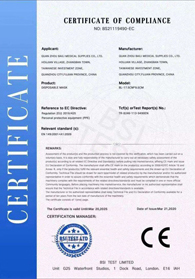
CE Marking for European Compliance
RoHS Compliant Materials

FDA Compliant Materials (for specific models)
Our commitment extends to ensuring materials used in contact with your process meet relevant industry standards, particularly for pharmaceutical and food-grade applications. We actively participate in quality assurance programs and regularly review our manufacturing processes to integrate the latest best practices. This focus ensures that every vacuum pump leaving our facility is a reliable and compliant component for your critical operations.
What Our Partners Say
Real feedback from customers highlights the practical benefits and reliability of our vacuum pump solutions in their operations.

Operations Manager, PharmaChem Solutions
"We integrated their dry screw pump for our API purification distillation. The previous pump was a constant source of issues with oil contamination. This new system provides a stable, oil-free vacuum, drastically improving our product purity and reducing rejection rates. Installation was straightforward, and the energy savings have been noticeable."
Rating: ★★★★★

Lead Process Engineer, Aromatic Extracts Inc.
"Our challenge was distilling volatile organic compounds without degradation. The rotary vane pump with a good cold trap setup we procured from Yuanchang works perfectly. It's reliable, pulls a deep vacuum quickly, and the lead time was much better than competitors. We've seen a significant increase in our yield of high-quality essential oils."
Rating: ★★★★☆

Procurement Director, Specialty Chemicals Co.
"We needed a robust pump capable of handling corrosive vapors from our polymer synthesis process. Yuanchang's team recommended a specific stainless steel rotary vane model with PTFE seals. It's been operating flawlessly for over a year with minimal maintenance. Their technical support during selection was invaluable."
Rating: ★★★★★
Frequently Asked Questions
1. Which type of vacuum pump is best for distillation?
The "best" pump depends on your specific distillation requirements. For general-purpose distillation, oil-sealed rotary vane pumps are cost-effective. For high-purity applications or when handling aggressive chemicals, dry screw pumps or diaphragm pumps are often preferred due to their oil-free operation and chemical resistance. We can help you select the ideal type based on your process.
2. How do I determine the correct pumping speed?
Pumping speed is dictated by the vapor load your distillation system generates. You need a pump with sufficient capacity to evacuate the system quickly and maintain your target vacuum even when vapor is being produced. It's often recommended to choose a pump with a speed rating at least 2-3 times higher than your estimated continuous vapor load to ensure stable operation.
3. Can your pumps handle flammable vapors?
Yes, many of our pumps can be configured for use with flammable vapors. For such applications, it is crucial to select ATEX-certified pumps if operating in potentially explosive atmospheres, and to ensure proper grounding and explosion-proof electrical components are used. Our team can guide you on the appropriate safety configurations.
4. What is the typical lead time for your vacuum pumps?
Lead times can vary depending on the model and customization requirements. Standard configurations are often available within 4-8 weeks. For highly specialized units, lead times may be longer. Please contact us with your specific model requirements for an accurate estimate.
5. Do you offer OEM/ODM services for vacuum pumps?
Yes, we offer OEM and ODM services. With our extensive manufacturing capabilities and engineering expertise, we can develop custom vacuum pump solutions tailored to your specific brand requirements, performance specifications, and integration needs. Discuss your OEM/ODM project with our engineers today.
Elevate Your Distillation Process with Confidence
Don't let inadequate vacuum performance limit your product quality and operational efficiency. Partner with Hebei Yuanchang Food Mechanism & Technology Co., Ltd. for reliable, high-performance vacuum solutions engineered for your demanding applications.
Get In Touch
Contact Information
Phone: +86 15830991513
Email: ycmeatmech@gmail.com
Address: Shijiazhuang, Hebei Province, China
Website: www.ycmeatmech.com