Vacuum Pump Distillation
Mastering Vacuum Pump Distillation for Industrial Purity and Efficiency
 Authored by: Dr. Jian Li, Senior Process Engineer
Specializing in Industrial Separation & Chemical Processing Technologies
Introduction to Vacuum Pump Distillation: Refining Purity Under Pressure
In the demanding world of industrial chemical processing, pharmaceutical manufacturing, and specialized material refinement, achieving high levels of purity is not merely a goal; it's a fundamental requirement. Traditional atmospheric distillation, while effective for many substances, often encounters limitations when dealing with heat-sensitive compounds or those with exceptionally high boiling points. This is precisely where the sophisticated application of vacuum pump distillation steps in. It's a method engineered to overcome these inherent challenges, allowing for the separation and purification of materials at significantly reduced temperatures and pressures.
At its core, vacuum distillation leverages the principle that reducing the ambient pressure above a liquid lowers its boiling point. By employing robust vacuum pumps, we can create a low-pressure environment within a distillation apparatus. This allows volatile components to vaporize and subsequently condense at temperatures well below their atmospheric boiling points. This controlled reduction in temperature is critical, as it minimizes thermal degradation, isomerization, polymerization, and other undesirable side reactions that can compromise product quality, yield, and even safety in conventional high-temperature processes. For industries reliant on sensitive organic compounds, essential oils, specialty polymers, or pharmaceutical intermediates, this distinction can be the difference between a viable product and a costly failure.
Consider the global market for processed foods and ingredients. Reports indicate a substantial market value, with segments like reconstituted meat relying heavily on precise processing. For example, the Meat Processing Equipment Market, valued at USD 11.29 billion in 2025, is projected to reach USD 17.39 billion by 2034. While this seems distant, the underlying principle of controlled processing for quality and efficiency is paramount. Similarly, the pharmaceutical sector demands unparalleled purity for active pharmaceutical ingredients (APIs) and excipients. Any thermal stress can lead to impurity formation, necessitating costly reprocessing or batch rejection. Vacuum distillation offers a gentler, more precise pathway to achieving these stringent purity standards.
The technology is not just about avoiding degradation; it's also about enabling processes that would otherwise be impossible. Some materials have such high atmospheric boiling points that reaching them would require temperatures that decompose the substance itself. Vacuum distillation effectively brings these boiling points down to a manageable and safe operational range. This opens doors to recovering valuable components from complex mixtures, purifying solvents for reuse, or concentrating heat-sensitive chemical solutions. The operational efficiency gained by reducing energy input for heating, coupled with higher product yields and reduced waste, contributes directly to a more sustainable and economically viable manufacturing process. The intricate interplay of pressure, temperature, and flow dynamics makes it a cornerstone technology for many advanced industrial operations. It's about control, precision, and unlocking possibilities.
We understand that the choice of separation technology is a critical decision with significant implications for operational cost, product quality, and regulatory compliance. That's why our focus extends beyond simply supplying equipment; we aim to provide solutions tailored to the specific needs of your production environment. Whether you are dealing with delicate flavor compounds, high-value chemical intermediates, or specialized polymers, the reliability and performance of your vacuum distillation system are paramount. This introductory section is designed to set the stage, highlighting why this technology is indispensable and how it addresses fundamental industrial needs.
Addressing Critical Industrial Separation Challenges
Many manufacturing processes grapple with a common set of challenges when it comes to separating and purifying components. These aren't minor inconveniences; they can significantly impact profitability, product integrity, and operational efficiency. Traditional methods, while often simpler, can fall short when faced with complex mixtures or sensitive materials. One of the most pervasive issues is thermal degradation. Many organic compounds, essential oils, pharmaceutical intermediates, and even certain food-grade ingredients break down or change their chemical structure when exposed to high temperatures. This leads to reduced yield, the formation of unwanted impurities, and a compromised final product that may not meet stringent quality standards. Think about delicate flavor compounds in the food industry; a few degrees too hot and their characteristic aroma is lost forever. Or consider pharmaceutical APIs, where even minor degradation products can render a batch unusable, leading to substantial financial losses and regulatory hurdles.
Another significant hurdle is the high boiling points of many valuable substances. Some chemicals and high-molecular-weight compounds only boil at temperatures exceeding 300-400°C under atmospheric pressure. Reaching these temperatures requires substantial energy input and robust, often expensive, equipment. More critically, these extreme temperatures often cause immediate decomposition, making atmospheric distillation entirely unfeasible for purification. This forces manufacturers to explore less efficient or more complex separation techniques, adding cost and time to the production cycle. The need to efficiently separate components with similar boiling points also presents a persistent problem. Achieving sharp separations requires precise control over temperature and pressure gradients, which can be difficult to maintain with standard distillation setups.
Furthermore, energy consumption is a major operational cost. Processes requiring high temperatures and prolonged heating cycles translate directly into higher utility bills and a larger carbon footprint. For industries operating on tight margins or under increasing pressure to adopt sustainable practices, reducing energy demand is a strategic imperative. The risk of fire or explosion hazards associated with handling volatile or flammable materials at elevated temperatures is also a critical concern. Safety protocols must be robust, and sometimes, processes are limited by the inherent risks involved in high-temperature operations. The global processed meat market, for instance, shows consistent growth, with forecasts reaching over USD 1 trillion by 2034 according to Fortune Business Insights. This growth necessitates efficient, safe, and high-yield processing techniques for a wide array of products, many of which benefit from controlled low-temperature operations.
Finally, achieving high purity levels required by regulatory bodies (like the FDA for pharmaceuticals or stringent food safety standards) can be exceptionally difficult with standard equipment. Contamination, incomplete separation, or product degradation can lead to batches failing quality control, resulting in significant rework or disposal costs. The ability to precisely control process parameters – pressure, temperature, and vacuum level – is therefore not a luxury but a necessity for many advanced manufacturing operations. These are the complex scenarios where vacuum pump distillation offers a tangible, effective solution, allowing industries to overcome these common, yet critical, operational bottlenecks and achieve superior product quality and efficiency.
We understand these operational realities. Our expertise lies in tailoring vacuum distillation solutions to overcome your specific process challenges.
The Core Principles of Vacuum Distillation: Harnessing Lower Boiling Points
Understanding how vacuum pump distillation works is key to appreciating its power. The fundamental concept is straightforward, yet its application is a precise science. We start with a mixture that we want to separate into its constituent parts. Typically, this mixture is placed into a heated vessel, often called a reboiler or still pot. The critical difference from standard distillation begins here. Instead of operating at atmospheric pressure (roughly 760 mmHg or 1 atmosphere), the entire system is placed under reduced pressure using a vacuum pump. This reduction in pressure is the linchpin; it directly alters the vapor pressure of the liquid components. Each liquid has a specific boiling point at a given pressure – the temperature at which its vapor pressure equals the surrounding atmospheric pressure, allowing it to boil.
By significantly lowering the surrounding pressure, we drastically reduce the temperature required for a liquid's vapor pressure to match this lower external pressure. For example, water boils at 100°C at 1 atm, but under a vacuum of approximately 70 mmHg, it boils at around 45°C. This phenomenon allows compounds that would normally require very high temperatures (e.g., over 200°C) to vaporize at much lower, safer temperatures, often below 100°C. This is precisely why vacuum distillation is invaluable for heat-sensitive materials.
Once the reduced-pressure environment is established and the mixture is heated, the component(s) with the lowest boiling point at that specific pressure will begin to vaporize first. These vapors rise from the reboiler into a distillation column or condenser. As the vapors travel through the condenser, they are cooled (usually by circulating water or a refrigerant). This cooling causes the vapors to condense back into liquid form. This condensed liquid, enriched in the more volatile component(s), is then collected as the distillate. The less volatile components, or those that have not yet vaporized at the operating temperature, remain in the reboiler. This process allows for the separation of compounds with different volatilities, even if their atmospheric boiling points are very close or extremely high.
The effectiveness of the vacuum pump is paramount. It must be capable of achieving and maintaining the desired low-pressure setpoint consistently throughout the distillation run. Different applications require different vacuum levels, ranging from moderate vacuum (e.g., 50-100 mmHg) to high vacuum (e.g., 0.1-10 mmHg) or even ultra-high vacuum. The choice of vacuum pump technology – whether it's a rotary vane pump, a diaphragm pump, a liquid ring pump, or a more complex multi-stage system – depends heavily on the required vacuum depth, the nature of the vapors (corrosive, solvent-laden, particulate-containing), and the required throughput. The system design also incorporates features like efficient condensers, precise temperature control, and accurate pressure monitoring to ensure optimal separation and yield. For instance, in recovering valuable solvents, the efficiency of condensation directly impacts solvent loss and operational cost.
It's a finely tuned process where pressure control dictates temperature requirements. This delicate balance allows for the purification of substances that would otherwise be impossible to isolate using conventional distillation methods, opening up new possibilities in chemical synthesis, food processing, and pharmaceutical development. The science behind it is about physics: lower pressure means lower boiling points, enabling gentler, more effective separation.
Advantages Beyond Standard Distillation: Precision and Protection
Implementing a vacuum pump distillation system brings a host of benefits that go far beyond simply separating liquids. The primary advantage, as we've touched upon, is the ability to significantly reduce boiling points. This makes it the go-to method for purifying heat-sensitive compounds. Materials that would decompose, degrade, or undergo undesirable chemical changes at their atmospheric boiling points can be safely vaporized and condensed at considerably lower temperatures. This protection of the product's integrity is paramount in sectors like pharmaceuticals, where purity is non-negotiable, and in the flavor and fragrance industry, where delicate aromatic compounds must be preserved.
This gentle processing directly leads to higher yields and improved product quality. By minimizing thermal degradation and side reactions, more of the desired compound is recovered in its pure form. This translates into less waste, reduced rework, and a final product that meets or exceeds specifications. For many specialty chemicals and fine ingredients, this improvement in yield can have a substantial positive impact on profitability. The enhanced purity achieved also means less need for secondary purification steps, streamlining the overall manufacturing process.
Another critical benefit is energy efficiency. Operating at lower temperatures requires less heat input, which directly translates into lower energy consumption and reduced operational costs. In large-scale industrial operations, these savings can be significant over the lifespan of the equipment. This not only benefits the bottom line but also aligns with growing demands for more sustainable manufacturing practices and reduced environmental impact. The market for food processing equipment, including specialized machinery for various segments, is expected to reach USD 19.66 billion by 2033 according to SkyQuestt. A core driver is efficiency and sustainability, areas where vacuum distillation excels.
Safety is inherently enhanced. By operating at lower temperatures, the risks associated with handling flammable materials or high-pressure systems are reduced. This can simplify safety protocols and potentially lower insurance costs. It allows for the processing of materials that might otherwise be deemed too hazardous for atmospheric distillation. Furthermore, vacuum distillation is ideal for separating components with close boiling points. The precise control over temperature and pressure allows for finer separations that might be impossible with standard distillation, enabling the isolation of specific isomers or high-purity fractions.
Finally, the technology facilitates solvent recovery and recycling. Many industrial processes rely on solvents that are expensive and can pose environmental risks. Vacuum distillation provides an efficient means to recover and purify these solvents for reuse, significantly reducing procurement costs and waste disposal liabilities. This circular economy approach is increasingly vital for modern manufacturing. The ability to achieve these advantages makes vacuum pump distillation a versatile and indispensable tool for a wide range of industrial applications.
Diverse Industrial Applications: Where Purity Meets Performance
The versatility of vacuum pump distillation makes it indispensable across a remarkable spectrum of industries. Its ability to handle heat-sensitive materials, achieve high purity, and operate efficiently under reduced pressure unlocks critical processes for numerous applications. In the pharmaceutical sector, it's vital for purifying Active Pharmaceutical Ingredients (APIs), intermediates, and sensitive reagents. The stringent purity requirements for life-saving drugs mean that thermal degradation is simply not an option, and vacuum distillation provides the gentle, controlled environment needed. Think of complex organic synthesis where even minor impurities can derail an entire drug development pathway.
The chemical industry leverages vacuum distillation extensively. It's used for recovering and purifying valuable solvents, separating high-boiling point organic compounds, purifying monomers for polymer production, and concentrating heat-sensitive chemical solutions. For instance, refining specialty esters or fatty acids, which have very high atmospheric boiling points, becomes feasible and efficient under vacuum. This also applies to the recovery of solvents used in coatings, adhesives, and fine chemical manufacturing, contributing to cost savings and waste reduction.
In the food and beverage industry, vacuum distillation plays a crucial role in extracting and purifying delicate flavor and aroma compounds. Essential oils, natural extracts, and high-value flavor essences are often extracted via steam distillation followed by vacuum distillation to achieve final purity without damaging their sensitive profiles. It's also used in the processing of certain edible oils and fats, where low-temperature processing preserves nutritional value and prevents rancidity. The market research consistently points to growth in processed and convenience foods, driving demand for efficient processing technologies. For example, reports suggest the global meat processing equipment market is projected to reach USD 15.04 billion by 2030, with segments like filling and ripening requiring precise control over ingredients and formulations, often relying on high-purity extracts.
The petrochemical sector utilizes vacuum distillation for separating high-boiling point fractions of crude oil and for purifying specialty lubricants and waxes. High-vacuum distillation is essential for separating components that would require impractically high temperatures at atmospheric pressure. In the realm of cosmetics and personal care, it's employed for purifying ingredients like natural oils, essences, and active compounds used in skincare and fragrances, ensuring product quality and safety.
distillation vacuum pump vacuum distillation pump vacuum pump for distillation
Furthermore, vacuum distillation finds applications in research and development laboratories for small-scale purification of novel compounds, in the biotechnology sector for concentrating biomolecules, and in the polymer industry for purifying monomers and removing residual solvents or catalysts. Each application, though diverse, shares the common requirement for precise separation under controlled conditions, a niche where vacuum pump distillation excels. The adaptability makes it a foundational technology for innovation and quality assurance across the industrial landscape.
Understanding Key Components: The Anatomy of a Vacuum Distillation System
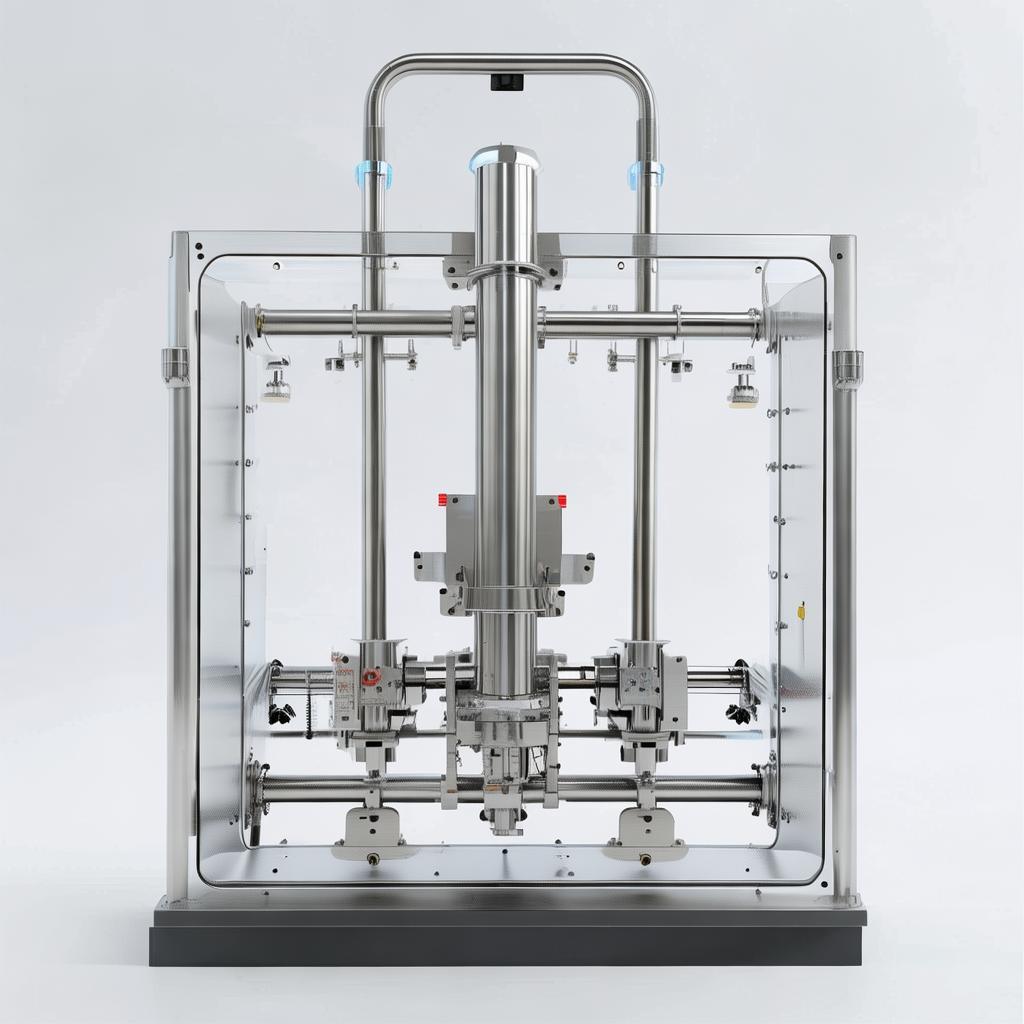
A well-designed vacuum distillation system is a carefully integrated assembly of several critical components, each playing a vital role in achieving efficient and precise separation. At the heart of the system is the reboiler or distillation flask. This vessel holds the mixture to be separated and is equipped with a heating element (e.g., heating mantle, steam jacket, oil bath) to supply the necessary thermal energy. Its design must ensure uniform heating and efficient vapor generation. For larger industrial units, this might be a jacketed vessel with precise temperature control.
The distillation column, often referred to as a fractionating column, sits atop the reboiler. Its purpose is to provide a surface area or trays where repeated vaporization and condensation cycles can occur, leading to a sharper separation between components. The design can range from simple packed columns (filled with packing material like Raschig rings or structured packing) to tray columns (with bubble cap or sieve trays). The efficiency of the column dictates how well components with close boiling points can be separated. For specific applications, columns are engineered with high surface area to maximize contact between vapor and liquid phases.
A crucial element is the condenser. Typically a Liebig, Allihn, or West condenser, it's a heat exchanger designed to cool the rising vapors, causing them to condense back into liquid. This is usually achieved by circulating a coolant (like chilled water or brine) through the outer jacket of the condenser. The efficiency of the condenser is critical for minimizing vapor loss and ensuring complete liquefaction of the distillate, impacting overall yield. For high-vacuum applications, specialized condensers might be employed to handle higher vapor loads or lower temperatures.
The vacuum pump is the system's powerhouse. Its role is to remove non-condensable gases and maintain the reduced pressure within the apparatus. The type of pump selected depends on the required vacuum depth, flow rate, and the nature of the vapors being handled. Common types include rotary vane pumps (good for moderate to high vacuum), diaphragm pumps (solvent-resistant and oil-free), and liquid ring pumps (robust for solvent-laden vapors). We specialize in selecting and integrating pumps that precisely match your operational needs and the chemical compatibility requirements.
Essential for control and safety are the pressure gauges and controllers. Accurate measurement and regulation of the system's pressure are vital for maintaining the desired boiling point and ensuring consistent separation. Temperature sensors are also integrated at key points (reboiler, column head, condenser outlet) to monitor and control the process. Finally, collection vessels receive the purified distillate. For continuous or large-scale operations, these might be specialized tanks with automated filling mechanisms. The entire system is typically constructed from materials resistant to the specific chemicals being processed, such as glass, stainless steel, or specialized alloys, to prevent contamination and corrosion.
The selection and integration of these components require deep technical expertise. It's not just about having the parts; it's about how they work together harmoniously to achieve your specific separation goals. Our engineering team considers every aspect, from material compatibility to thermodynamic efficiency, to deliver a system that performs reliably and consistently.
Technical Specifications & Customization: Tailoring to Your Process Demands
While standard vacuum distillation principles apply universally, the optimal system configuration varies significantly based on the application. At Hebei Yuanchang, we pride ourselves on our ability to move beyond off-the-shelf solutions and engineer systems that precisely match your process requirements. Our standard units offer a robust starting point, but true optimization often lies in customization. We work closely with our clients to define the critical parameters that will shape the final system design.
Key specifications we meticulously consider include:
- Vacuum Level: Do you require a rough vacuum (e.g., 50-100 mmHg), a medium vacuum (1-50 mmHg), a high vacuum (0.1-1 mmHg), or even ultra-high vacuum? This dictates the type and stage configuration of the vacuum pump. For processing heat-sensitive APIs, high vacuum is often essential to lower boiling points dramatically.
- Throughput & Capacity: What volume of material do you need to process per hour or per batch? This influences the size of the reboiler, the diameter of the distillation column, and the capacity of the condenser and vacuum pump. Industrial needs can range from laboratory-scale liters to thousands of liters per hour.
- Temperature Range: What are the operating temperatures required for vaporization and condensation? This impacts the selection of heating systems (steam, electric, thermal fluid) and cooling media for the condenser. It also informs material choices for resistance to thermal stress and chemical attack.
- Material Compatibility: What chemicals are being processed? The system must be constructed from materials (e.g., SS304, SS316L, Hastelloy, glass-lined steel) that are resistant to corrosion, contamination, and degradation by the specific liquids and vapors involved. This is especially critical in pharmaceutical and aggressive chemical environments.
- Separation Efficiency (Theoretical Plates): For components with very close boiling points, a higher degree of separation (more theoretical plates in the column) is required. We can design packed columns with specific packing materials or tray columns to achieve the necessary separation factor.
- Heating & Cooling Medium: Availability and plant infrastructure dictate choices for steam, hot oil, electrical heating, or chilled water/glycol. The efficiency of heat transfer directly impacts process speed and energy costs.
Our in-house machining workshop, equipped with over 20 sets of precision machinery including Japanese Mazak CNC machining centers, allows us to fabricate high-standard components that meet large volume, high precision, and non-standard specification requirements. This capability is crucial for custom vacuum distillation systems where unique geometries or tight tolerances are needed.
Whether you need a compact pilot-scale unit for R&D or a fully automated, large-capacity industrial system, we have the engineering expertise and manufacturing agility to deliver. We provide detailed technical drawings, P&ID (Piping and Instrumentation Diagrams), and full documentation to support integration into your existing plant operations. Let's discuss your specific process challenges, and we'll design a vacuum distillation solution optimized for your needs.
| Parameter | Typical Range | Notes |
|---|---|---|
| Operating Vacuum | 0.1 - 100 mmHg (Absolute) | Customizable to specific process needs |
| Reboiler Capacity | 50 L - 10,000 L+ | Scalable for pilot to industrial production |
| Material of Construction | SS304, SS316L, Glass-Lined Steel | Selected based on chemical compatibility |
| Heating Method | Steam Jacket, Electric Heater, Thermal Fluid | Choice depends on available utilities |
| Cooling Medium for Condenser | Chilled Water, Glycol, Brine | Determined by required condensation temperature |
Procurement Considerations: Navigating Your Investment Wisely
Acquiring a vacuum pump distillation system is a significant investment, and navigating the procurement process requires careful consideration. It's not just about the upfront cost; it's about the long-term value, operational reliability, and the supplier's ability to support your business. A key factor is understanding your precise process requirements. Before you even start looking, clearly define what you need to distill, the required purity levels, your throughput demands, and the physical constraints of your installation site. This clarity will guide your equipment selection and prevent costly misalignments down the road.
When evaluating potential suppliers, look beyond glossy brochures. Assess their technical expertise and engineering capabilities. Do they have a track record of designing and manufacturing similar systems? Can they provide detailed engineering documentation (like P&IDs) and demonstrate a deep understanding of vacuum technology and chemical processing? A supplier that offers customization and can tailor a solution to your specific application is far more valuable than one offering a one-size-fits-all approach.
Consider the quality of materials and construction. For industrial applications, especially in chemical or pharmaceutical environments, the materials used (stainless steel grades, gasket materials, seals) must be compatible with your process chemicals and operating conditions to prevent corrosion, contamination, and premature failure. Ask about their quality control procedures during manufacturing and the certifications they hold (e.g., ISO certifications for manufacturing practices).
After-sales support and service are critical. What kind of warranty do they offer? What is their response time for technical support or spare parts requests? Do they provide installation assistance, commissioning, and operator training? For complex industrial equipment, a reliable service partner can be the difference between seamless operation and costly downtime. Our company's traceable after-sales management system and in-house precision parts production ensure you have worry-free support.
Don't overlook lead times and logistics. Understand the manufacturing schedule and the estimated delivery timeframe. Factor in shipping costs, import duties (if applicable), and installation timelines. For international procurement, clear communication regarding shipping methods (container loading, sea freight) and documentation is essential. We have extensive experience in international trade and can facilitate smooth logistics for our global clients.
Finally, while price is always a consideration, prioritize total cost of ownership. A slightly more expensive system that is more efficient, more reliable, and has lower maintenance costs can be a far better investment in the long run than the cheapest option. Request detailed quotes that outline all inclusions, exclusions, and potential additional costs. By carefully considering these factors, you can make an informed procurement decision that delivers maximum value and operational success.
Our Manufacturing Prowess: Precision Engineering for Your Demanding Needs
At Hebei Yuanchang Food Mechanism & Technology Co., Ltd., our 40 years of experience since 1986 have forged us into a manufacturing powerhouse. We understand that the equipment you invest in is a critical asset, and its performance directly impacts your production output and product quality. Our facility, spanning approximately 14,000 square meters and staffed by a dedicated team of 80-100 professionals, is designed for precision, efficiency, and scalability. We integrate Research & Development, meticulous production, and robust sales into a cohesive operation, ensuring that every piece of equipment leaving our factory meets the highest standards.
Our core strength lies in our comprehensive in-house machining workshop. Equipped with over 20 sets of advanced processing machinery, including precision lathes, milling machines, high-precision grinding machines, boring machines, plate shears, bending machines, and wire cutting equipment, we possess the capability to fabricate components with exceptional accuracy and adherence to tight tolerances. This depth of in-house capability means we are not reliant on external suppliers for critical parts, allowing us to maintain stringent quality control throughout the entire manufacturing process.

A significant advancement in our capabilities came in 2012 with the introduction of 8 sets of Japanese Mazak CNC machining centers. These state-of-the-art machines enable us to undertake the production of high-standard components that require large volumes, extraordinary precision, and often, non-standard specifications. Whether it’s crafting intricate parts for a custom vacuum distillation system or producing high-volume components for OEM clients, our CNC capabilities ensure unmatched accuracy and repeatability. This precision is fundamental to the reliable and efficient operation of complex industrial machinery like vacuum distillation units.
Our commitment extends beyond fabrication. We implement a traceable after-sales management system, ensuring that every component and every process is documented. This system allows us to independently produce high-precision replacement parts quickly and efficiently, providing our clients with worry-free after-sales service. This integrated approach, from initial design concept through precision manufacturing to ongoing support, is what sets us apart. We don’t just build machines; we build partnerships based on reliability, expertise, and a deep understanding of industrial processes.
What Our Clients Say: Real-World Impact
"We were struggling with thermal degradation of a key ingredient in our specialty chemical line. The vacuum distillation system from Hebei Yuanchang was a game-changer. It allowed us to achieve 99.5% purity without compromising the molecule's integrity. The installation was smooth, and their team provided excellent post-sales support."

Operations Manager, ChemTech Solutions
"As a producer of high-end flavor extracts, purity and aroma preservation are paramount. Hebei Yuanchang's vacuum distillation unit is incredibly precise. We can now distill delicate botanical oils at temperatures that preserve their complex profiles, which was impossible with our old atmospheric setup. The efficiency gains have also boosted our profitability."

R&D Director, AromaPure Extracts
"We needed a customized solution for solvent recovery in our pharmaceutical manufacturing process. Hebei Yuanchang listened to our specific needs and delivered a robust vacuum system that exceeded our expectations. The reduction in solvent costs and waste has been substantial. Their engineering team was responsive and highly knowledgeable."

Procurement Specialist, Global PharmaCorp
Frequently Asked Questions: Clarifying Your Vacuum Distillation Needs
A: The primary advantage is its ability to distill heat-sensitive compounds at significantly lower temperatures, preventing thermal degradation and preserving product integrity. This is achieved by reducing the boiling point of substances under vacuum.
A: Absolutely. In fact, it's ideal for such materials. Many compounds with atmospheric boiling points above 200-300°C can be effectively vaporized and purified under vacuum at much more manageable and safer temperatures.
A: Purity levels depend on the specific components being separated, the efficiency of the distillation column (number of theoretical plates), and precise control of operating parameters. For many applications, vacuum distillation can achieve purities exceeding 99%.
A: Routine maintenance includes checking and replacing vacuum pump oil (if applicable), cleaning condensers and reboilers to prevent fouling, inspecting seals and gaskets for leaks, and calibrating pressure sensors. The frequency depends on the process and operating conditions.
A: Selecting the right vacuum pump involves considering the required vacuum depth (ultimate pressure), the volume of non-condensable gases to be evacuated (throughput), and the chemical compatibility with the vapors being handled. Our engineers can guide you through this selection process.
A: Yes, customization is a core part of our service. With our advanced CNC machining capabilities and experienced engineering team, we design and manufacture systems tailored to your specific process requirements, including unique capacities, materials, and configurations.
Ready to Elevate Your Purity and Efficiency?
Don't let processing limitations hinder your product quality or operational efficiency. Discover how Hebei Yuanchang's expertly engineered vacuum pump distillation systems can transform your manufacturing process.
We offer comprehensive solutions, from initial consultation and custom design to manufacturing, installation support, and reliable after-sales service. Partner with us for unparalleled expertise in industrial separation technology.
Enhance Your Trust with Direct Communication