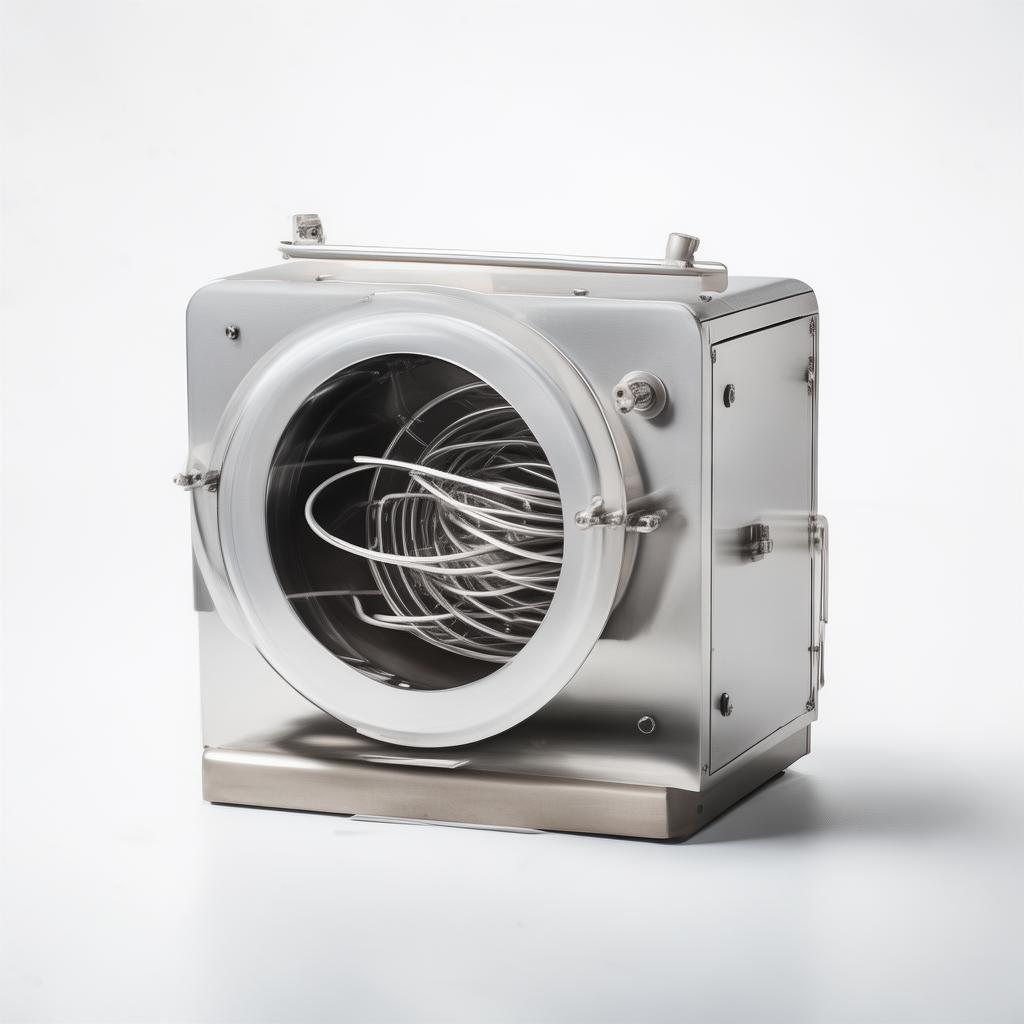
Vacuum Liquid Separator
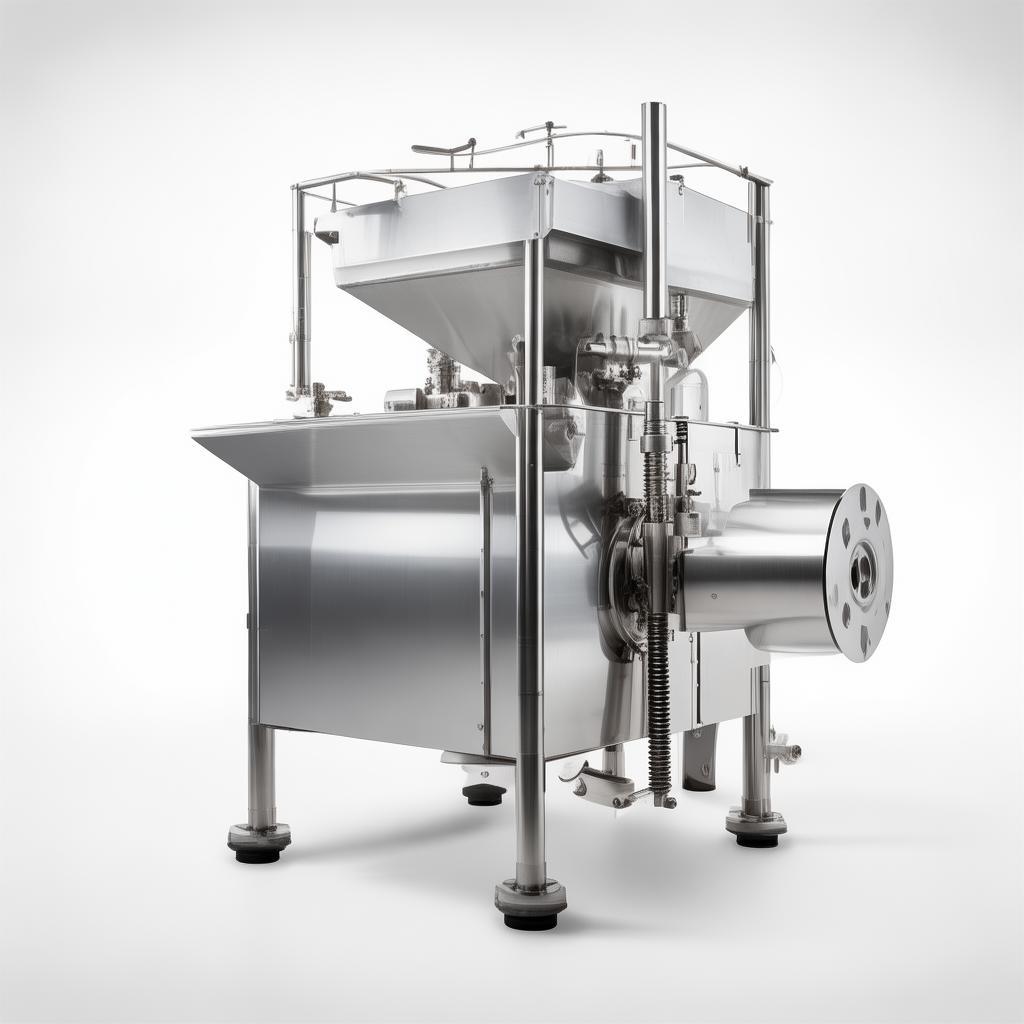
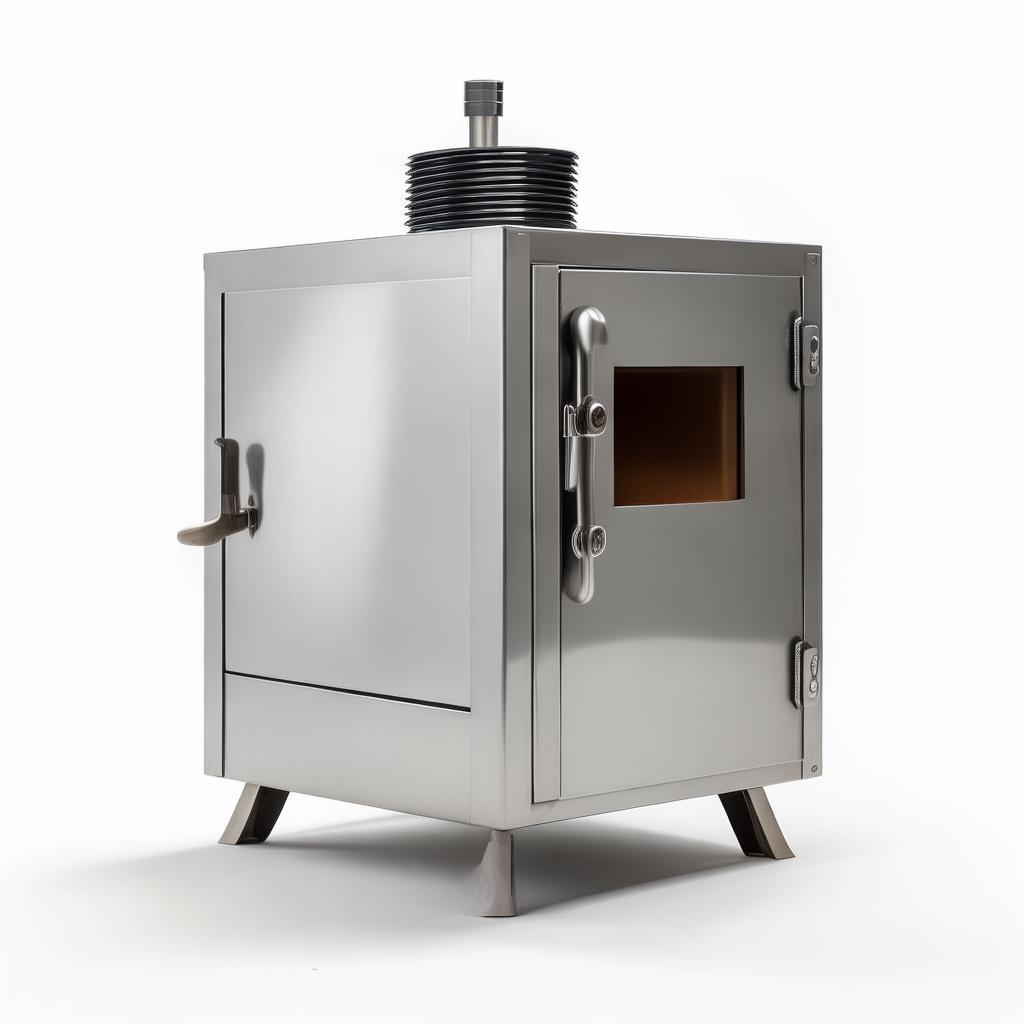
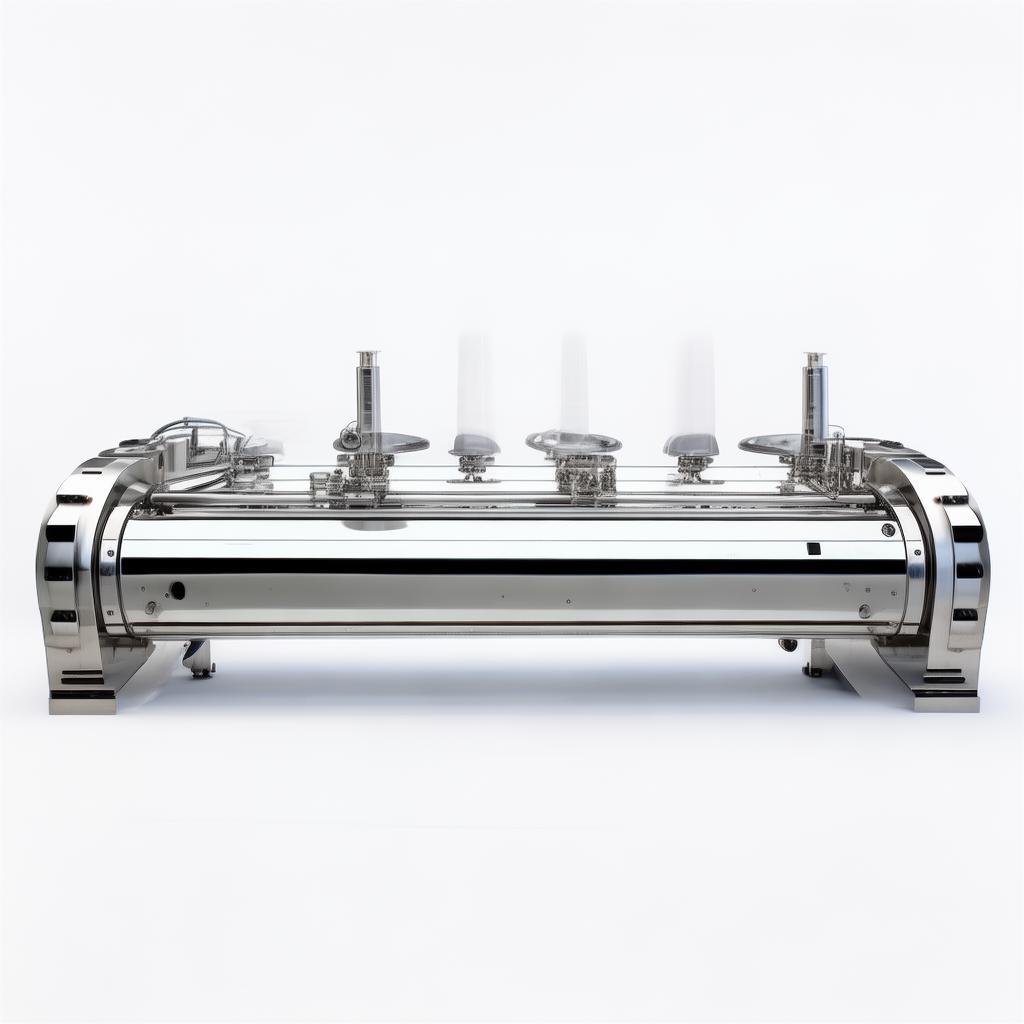
Your Trusted Source for High-Performance Vacuum Liquid Separators
Engineered for Reliability, Efficiency, and Seamless Integration in Critical Industrial Processes.


Serving leading global manufacturers and distributors for over 40 years.
Understanding the Critical Role of Vacuum Liquid Separators in Modern Industry
In the intricate world of industrial manufacturing and processing, the efficient and safe handling of liquids and gases is paramount. Processes that involve vacuum systems often deal with a delicate balance of pressures, temperatures, and fluid states. Any disruption or contamination can lead to significant operational failures, costly downtime, and compromised product quality. This is precisely where the vacuum liquid separator, also known as a vacuum break tank, vacuum buffer tank, or vacuum condensate separator, plays an indispensable role. It's not just an ancillary piece of equipment; it's a crucial safeguard, an efficiency driver, and often, the silent protector of your high-value vacuum pumps and downstream processes.
Think about it: many industrial vacuum applications inherently involve the potential for liquid entrainment. Whether it's in chemical processing where volatile solvents need to be vaporized and condensed, in food and beverage manufacturing where steam injection or vacuum cooking is employed, in pharmaceutical production involving sterile filtration and drying, or even in general manufacturing processes like vacuum forming or degassing, the presence of moisture or other liquids within a vacuum line is a constant challenge. These liquids, if not effectively managed, can rapidly condense within vacuum pumps, leading to corrosion, lubrication breakdown, and eventual pump failure. This isn't a hypothetical scenario; it’s a day-to-day operational reality for many plant managers and maintenance engineers. The repair or replacement of industrial vacuum pumps, particularly high-capacity units, represents a substantial capital expenditure, not to mention the immense productivity loss during unexpected shutdowns.
Furthermore, the ingress of liquids can significantly disrupt the vacuum level itself. Achieving and maintaining a specific vacuum is often critical for process control, reaction kinetics, or material handling. Liquid slugs entering the system can cause sudden pressure fluctuations, leading to inconsistent processing and potentially, product rejection. This is especially true in applications demanding high vacuum levels or tight process tolerances. The operational data from the meat processing industry, for instance, highlights how consistent vacuum is key for optimal sausage filling and molding, where moisture ingress can ruin batches. Reports indicate the global meat processing equipment market, heavily reliant on controlled vacuum, is projected to reach USD 17.39 billion by 2034. This underscores the scale of operations where even minor equipment failures can have widespread financial implications.
The primary function of a vacuum liquid separator is elegantly simple yet profoundly effective: to intercept and remove liquid or particulate contaminants from the gas stream before they can reach sensitive components like vacuum pumps or process vessels. It acts as a physical barrier, utilizing principles of condensation, impaction, or filtration to capture these undesirable elements. This separation capability is fundamental to extending the lifespan of vacuum equipment, ensuring stable and reliable vacuum levels, and ultimately, safeguarding the integrity of your entire production line. Our 40 years of experience since 1986 have shown us that investing in robust separation technology upfront is always more cost-effective than dealing with the cascade of problems that arise from its absence.
When selecting a vacuum liquid separator, a nuanced understanding of your specific operational environment is crucial. Factors such as the type of liquid being separated, the operating temperature and pressure, the required vacuum level, the gas flow rate, and the presence of any corrosive or hazardous substances all dictate the optimal separator design and material of construction. A unit designed for separating water vapor in a food processing application will differ significantly from one engineered to handle aggressive chemical vapors in a pharmaceutical synthesis. This is where our expertise comes into play, helping you navigate these complexities to find a solution that isn't just a "part" but a true component of your process optimization strategy.
We understand that procurement decisions in the B2B space are driven by a clear ROI, operational reliability, and a supplier's ability to demonstrate genuine technical expertise and consistent quality. This is why our vacuum liquid separators are not just manufactured; they are engineered with decades of practical application knowledge embedded in every design. We don't just build components; we build solutions that integrate seamlessly into your existing infrastructure, reduce your operational burdens, and contribute positively to your bottom line. Let's delve deeper into how these essential units function and why choosing Hebei Yuanchang Food Mechanism & Technology Co., Ltd. ensures you’re partnering with a team that truly understands your needs.
Key Takeaways for Procurement Professionals:
- Critical for Pump Protection: Prevents liquid damage to expensive vacuum pumps.
- Ensures Process Stability: Maintains consistent vacuum levels.
- Reduces Downtime: Minimizes unexpected equipment failures.
- Enhances Product Quality: Prevents contamination and process deviations.
- Long-Term Cost Savings: Lower maintenance and replacement costs.
How Our Vacuum Liquid Separators Work: Engineering for Maximum Efficiency
At its core, a vacuum liquid separator is designed to efficiently remove entrained liquids and particulates from a gas stream under vacuum conditions. The methodologies employed can vary, but the goal remains consistent: to create a clean, dry gas flow for your vacuum system. Our range includes solutions that leverage several proven physical principles, often in combination, to achieve optimal separation performance.
Condensation & Cooling
Many separators utilize a heat exchanger principle. As the gas stream containing vapors enters the separator, it passes over cooled surfaces. This temperature drop causes the vapors to condense into liquid droplets. These droplets then coalesce and are collected in a reservoir at the bottom of the unit, ready for draining.
Ideal for removing moisture and condensable vapors.
Cyclone/Centrifugal Separation
This method relies on imparting a centrifugal force to the gas stream, typically by forcing it to rotate within a specially designed chamber. Heavier liquid droplets are flung outwards towards the chamber walls, where they coalesce and drain away. Lighter gases continue their path unimpeded.
Effective for larger droplets and higher flow rates.
Demisting & Filtration
For finer mist or particulate removal, specialized demister pads (often made of knitted wire mesh or coalescing fiber media) are employed. As the gas passes through this media, small droplets impact the surfaces, coalesce into larger drops, and then drain. This is often used as a secondary stage or for applications with very fine aerosols.
Crucial for applications requiring ultra-clean gas.
Our engineers meticulously design each separator to balance separation efficiency with minimal pressure drop. An excessive pressure drop can strain your vacuum system, leading to reduced performance and increased energy consumption – a counterproductive outcome. We select materials—such as stainless steel (304, 316L), carbon steel, or specialized alloys—based on chemical compatibility and operating temperature to ensure longevity and reliability in your specific environment. For instance, in the chemical processing sector, where corrosive vapors are common, selecting the correct grade of stainless steel or employing coatings becomes non-negotiable.
A critical operational consideration often overlooked is the drainage mechanism. Efficient removal of the separated liquid is vital to prevent it from re-entraining into the gas stream or overflowing. We offer various drainage solutions, from simple manual drain valves to sophisticated automatic float traps or electronically controlled solenoid valves, ensuring the separator operates effectively without requiring constant manual intervention. This detail is often the difference between a reliably functioning system and one that becomes a maintenance headache.
Advantages of Partnering with Hebei Yuanchang for Your Vacuum Liquid Separator Needs
Decades of Manufacturing Expertise
Since 1986, we've accumulated unparalleled experience in designing and manufacturing industrial equipment. Our 40 years in the field mean we understand the practical challenges you face and engineer solutions built to last. We've seen trends come and go, and our core focus has always been on robust, reliable engineering.

In-House Precision Machining
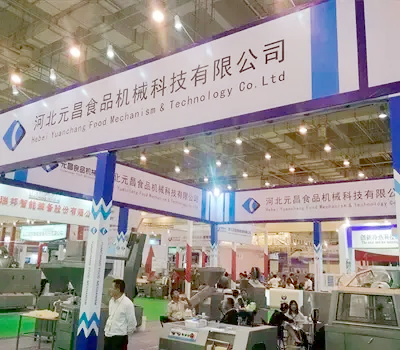
With over 20 sets of advanced processing machinery, including Japanese Mazak CNC machining centers, we maintain complete control over component quality. This capability allows us to produce high-precision, non-standard parts, ensuring every vacuum liquid separator meets stringent specifications. Our in-house capabilities translate directly to faster lead times and greater design flexibility.
Commitment to Quality & Compliance
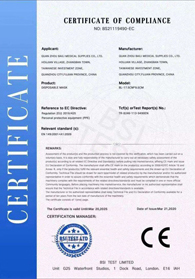
We adhere to rigorous quality control standards throughout our production process. Our facility is ISO certified, and we can provide units compliant with various international standards relevant to your industry. This dedication ensures that the equipment you receive is not only performant but also meets the regulatory demands of your target markets.
Traceable After-Sales Support
Our traceable after-sales management system means we stand behind our products. We can independently produce high-precision replacement parts, ensuring you receive prompt and reliable support, minimizing any extended downtime should an issue arise. This integrated approach to manufacturing and service provides peace of mind for our international clients.
Applications: Where Our Vacuum Liquid Separators Excel
The versatility of our vacuum liquid separators makes them indispensable across a wide spectrum of industries. Their ability to protect vacuum systems and enhance process stability means they are critical components in operations ranging from basic manufacturing to highly specialized scientific endeavors.
- Chemical Processing: Removing solvent vapors, acids, and other condensates from reaction vessels and distillation units to protect vacuum pumps and prevent cross-contamination. Many chemical processes rely on precise vacuum levels for optimal reaction yields, and liquid slugs can disrupt this entirely.
- Food & Beverage: In vacuum packaging, vacuum cooking, and freeze-drying, moisture and liquid can easily enter the vacuum line. Our separators ensure pump longevity and maintain hygiene standards. Consider the precision needed in filling and molding processes for sausages, where consistent vacuum is key for product integrity – a market segment poised for significant growth.
- Pharmaceuticals & Biotechnology: Critical for sterile environments, removing vapors and liquids during drying, filtration, and solvent recovery processes. The high purity requirements in pharma mean that any liquid ingress can lead to batch failure, a costly outcome.
- Industrial Manufacturing: Protecting vacuum pumps used in applications like vacuum forming, degassing of plastics and resins, and vacuum lifting systems from moisture and particulate ingress. These systems are often run continuously, making pump protection paramount.
- Woodworking & Composites: Preventing resin or adhesive vapors and moisture from damaging vacuum pumps used in vacuum bagging and lamination processes.
- Semiconductor Manufacturing: Ensuring ultra-clean environments by removing process gases and potential liquid contaminants.
The demand for advanced processing equipment, including vacuum systems, is directly tied to the growth of processed foods and specialized manufacturing. Market reports consistently show strong CAGR for meat processing equipment, driven by automation and hygiene. This indicates a growing need for reliable ancillary components like vacuum liquid separators that ensure these sophisticated lines operate without interruption.
Technical Specifications & Customization Options
We offer a standard range of vacuum liquid separators designed to meet common industrial requirements, but we recognize that many applications demand bespoke solutions. Our engineering team is adept at customizing units to fit your exact specifications, ensuring optimal performance and integration.
| Feature | Standard Models | Customization Options |
|---|---|---|
| Materials of Construction | Stainless Steel (304, 316L), Carbon Steel | Specialty Alloys, Coated Steels, Food-Grade Finishes |
| Connection Sizes | 1/2" to 4" NPT/Flange | Custom flange standards (ASME, DIN), specialized connectors |
| Operating Temperature Range | -20°C to 150°C (Standard) | Cryogenic to High-Temperature Applications |
| Max. Operating Pressure | Vacuum to 10 Bar (Standard) | Higher Pressure Ratings Available |
| Drainage Options | Manual Drain Valve | Automatic Float Trap, Solenoid Valve, Purge Systems |
| Filtration Media | Optional Demister Pads | High-Efficiency Coalescing Filters, Specialized Media |
| Surface Finish | Industrial Standard | Polished (e.g., Ra < 0.8 µm for pharma/food), Electropolished |
vacuum water separator liquid separator for vacuum pump vacuum separators
Our team works closely with clients to understand flow rates, chemical compatibility, and environmental conditions. We can adapt designs for ATEX-compliant environments, food-grade applications (requiring FDA-compliant materials and finishes), or situations involving highly corrosive substances. Don't hesitate to discuss your unique requirements; custom engineering is our strength.
Procurement Guidance: What to Look For in a Supplier
Sourcing industrial equipment, especially critical components like vacuum liquid separators, requires a strategic approach. Beyond price, several factors contribute to a successful procurement that yields long-term operational benefits.
Technical Expertise & Support
Does the supplier have engineers who can genuinely discuss your application? Can they offer recommendations based on experience, not just spec sheets? Look for a partner who understands your process challenges.
Procurement Insight: Early technical consultation can prevent costly specification errors.
Manufacturing & Quality Control
Verify the supplier's manufacturing capabilities. Do they have in-house production? What quality certifications do they hold (e.g., ISO)? A vertically integrated manufacturer like us offers greater control over quality and lead times.
Procurement Insight: Request sample parts or factory tours to assess production quality firsthand.
After-Sales Service & Spare Parts
What is their policy for spare parts, warranties, and technical support? A supplier with a robust, traceable after-sales system ensures your equipment remains operational throughout its lifecycle. We pride ourselves on this aspect.
Procurement Insight: Factor in the cost and availability of spare parts when comparing suppliers.
Choosing a supplier isn't just about the initial purchase; it's about establishing a reliable partnership. At Hebei Yuanchang, our 40 years of operation have been built on trust, consistent quality, and a deep understanding of industrial needs. We provide clear documentation, transparent lead times, and a commitment to helping our clients succeed internationally.
Installation & Maintenance Considerations
Proper installation and routine maintenance are key to maximizing the lifespan and performance of your vacuum liquid separator. While our units are designed for robust operation, a few considerations can make a significant difference.
Installation
Ensure the separator is installed vertically to allow for efficient liquid drainage. Proper alignment with the vacuum line is crucial to avoid undue stress on connections. For automated drainage systems, verify electrical connections and verify proper function before full operation. Always check that the inlet and outlet ports are correctly oriented relative to the gas flow direction.
Drainage Management
Regularly check the drainage system, whether manual or automatic. For manual drains, establish a schedule for emptying the collected liquid, depending on the application's moisture load. Automatic traps should be inspected periodically for proper operation and to ensure they are not clogged or bypassed. Overflowing separators negate their protective function.
Media Inspection (If Applicable)
If your unit includes demister pads or filters, schedule regular inspections. Depending on the nature of the contaminants, these media may require cleaning or replacement to maintain separation efficiency and minimize pressure drop. Refer to your specific unit's manual for recommended intervals.
Our technical documentation provides detailed guidelines for installation and recommended maintenance schedules. For complex installations or specific operational environments, our engineering support team is available to provide guidance.
Customer Testimonials: Real-World Success
Hear directly from our satisfied clients about their experience with our vacuum liquid separators.

"Hebei Yuanchang's vacuum liquid separator has been a game-changer for our solvent recovery process. We were experiencing pump failures every 6-8 months due to vapor condensation. Since installing their unit, we haven't had a single pump issue in over two years. Their technical team provided excellent support in selecting the right material grade."

"We needed a reliable separator for our vacuum packaging lines. Hebei Yuanchang delivered a custom solution that perfectly fit our space and flow requirements. The automated drain function significantly reduced manual intervention. Their export process was smooth and efficient."

"The corrosive nature of our process fluids made finding a suitable separator a challenge. Hebei Yuanchang's expertise in material selection (316L stainless steel with special coatings) was evident. The unit has performed flawlessly, protecting our vacuum pumps and maintaining process integrity."
Ready to Enhance Your Vacuum System's Reliability?
Don't let liquid contamination disrupt your operations. Partner with an experienced manufacturer dedicated to quality, reliability, and your success.
Or call us at +86 15830991513
Frequently Asked Questions (FAQ)
A: Sizing depends primarily on the maximum gas flow rate of your vacuum system and the expected liquid load. We recommend consulting our technical team. They can guide you based on your system's specifications and operational characteristics. Providing your vacuum pump's displacement (e.g., in m³/hr or cfm) and the nature of the liquid to be separated is essential.
A: Standard models are often available with lead times of 2-4 weeks, depending on current inventory. Custom-engineered units require more time for design, fabrication, and testing, typically ranging from 6-12 weeks. We strive to provide accurate lead times during the quoting process.
A: Yes. We offer customization options for materials (like various grades of stainless steel, Hastelloy, or coated carbon steel) and design modifications to withstand a wide range of temperatures and chemical environments. Please provide detailed information about your process fluids and operating temperatures when requesting a quote.
A: Our vacuum liquid separators come with a standard 12-month warranty against manufacturing defects. Our commitment to quality construction and traceable after-sales support ensures you receive a reliable product.
A: While we don't typically provide on-site installation services internationally, our engineering team offers comprehensive installation manuals and is available via phone or email to answer any technical questions you or your installation crew may have. We ensure you have the information needed for a successful setup.