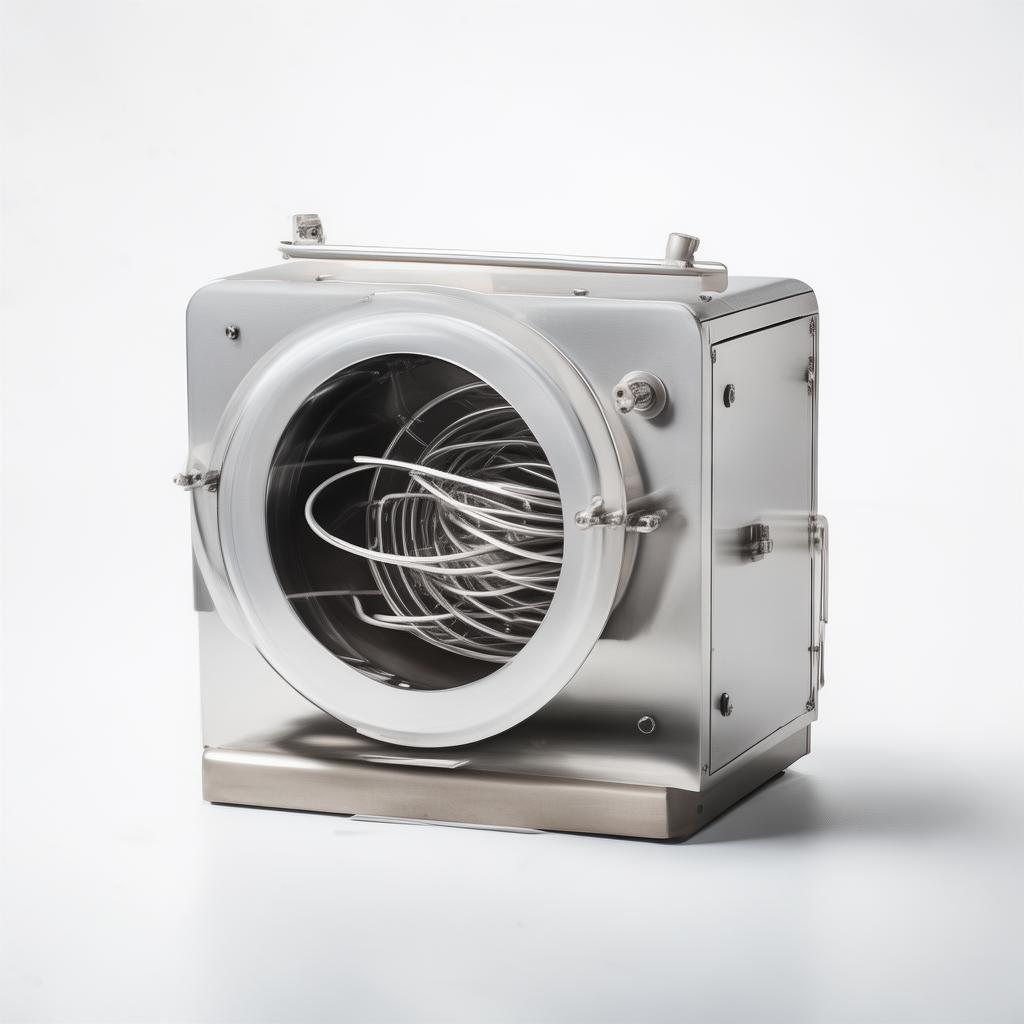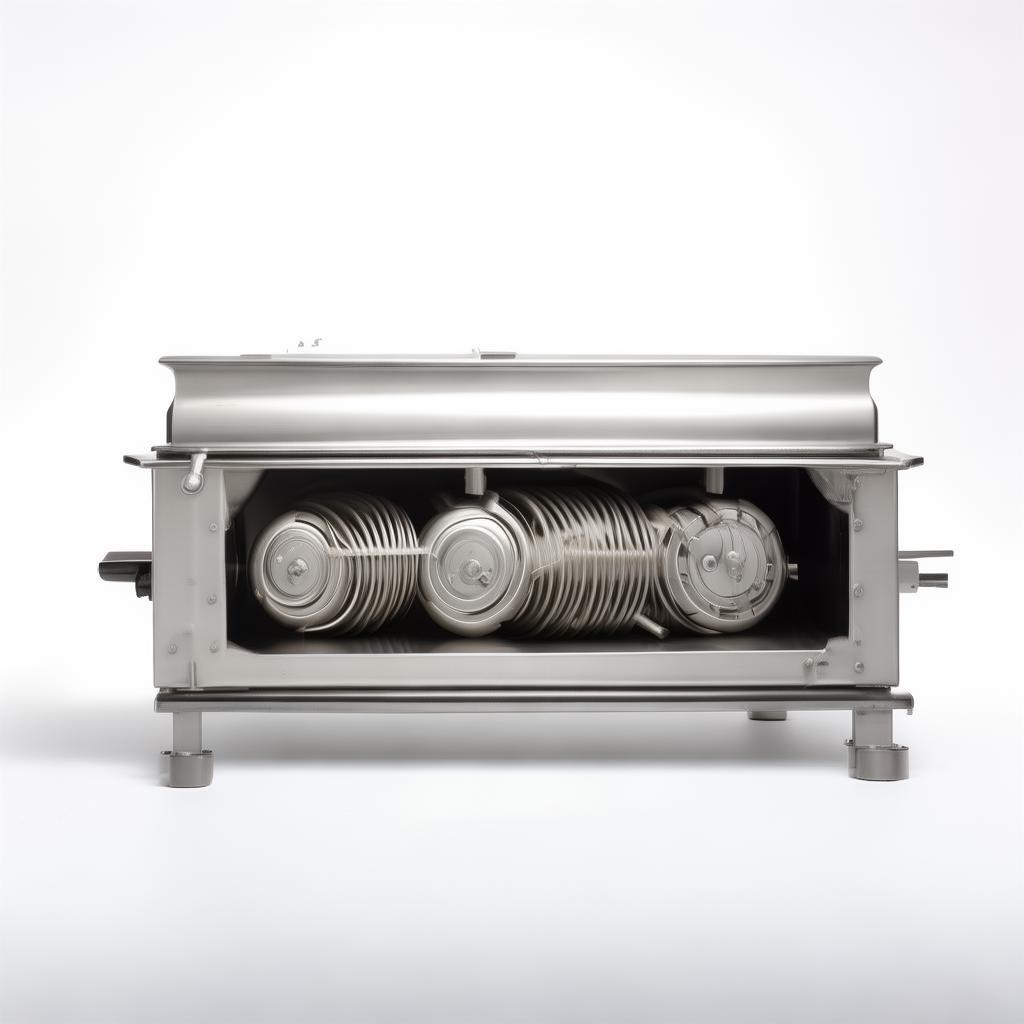
Vacuum Water Separator
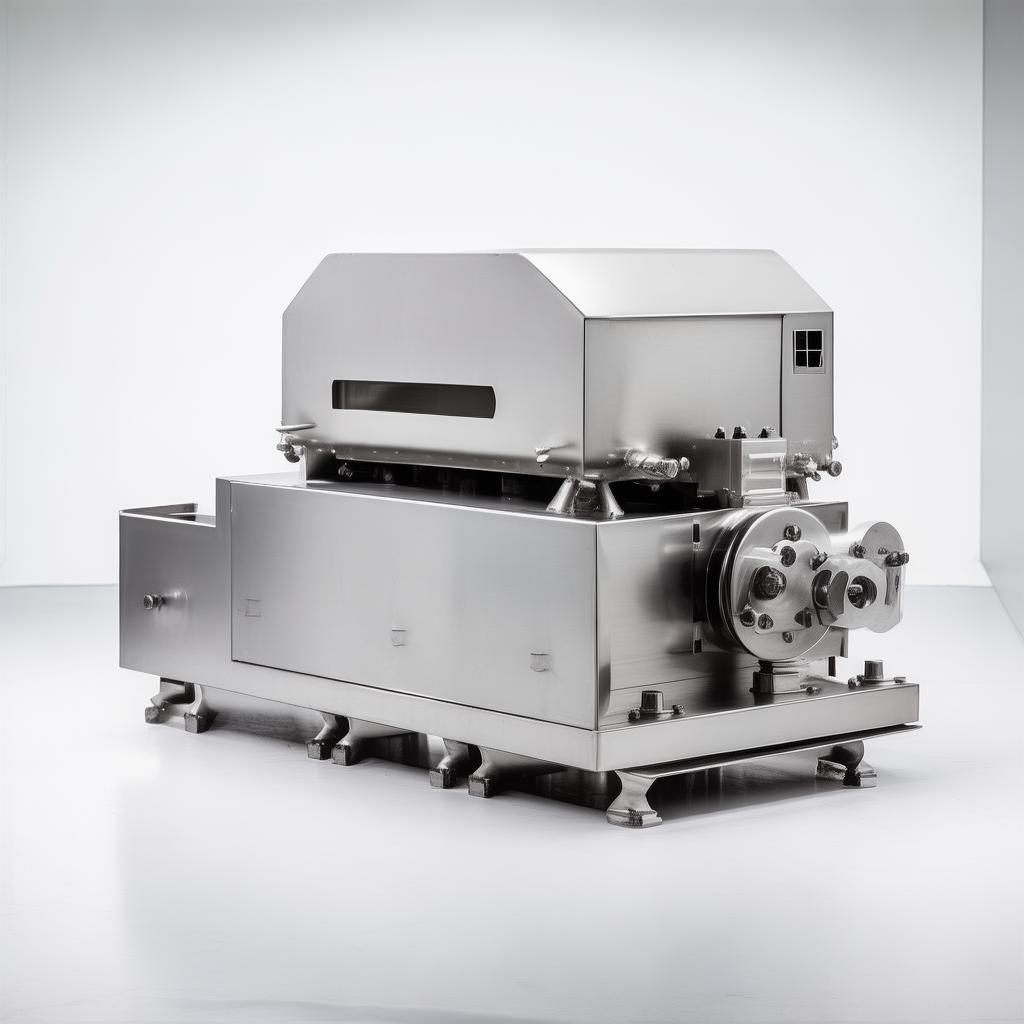
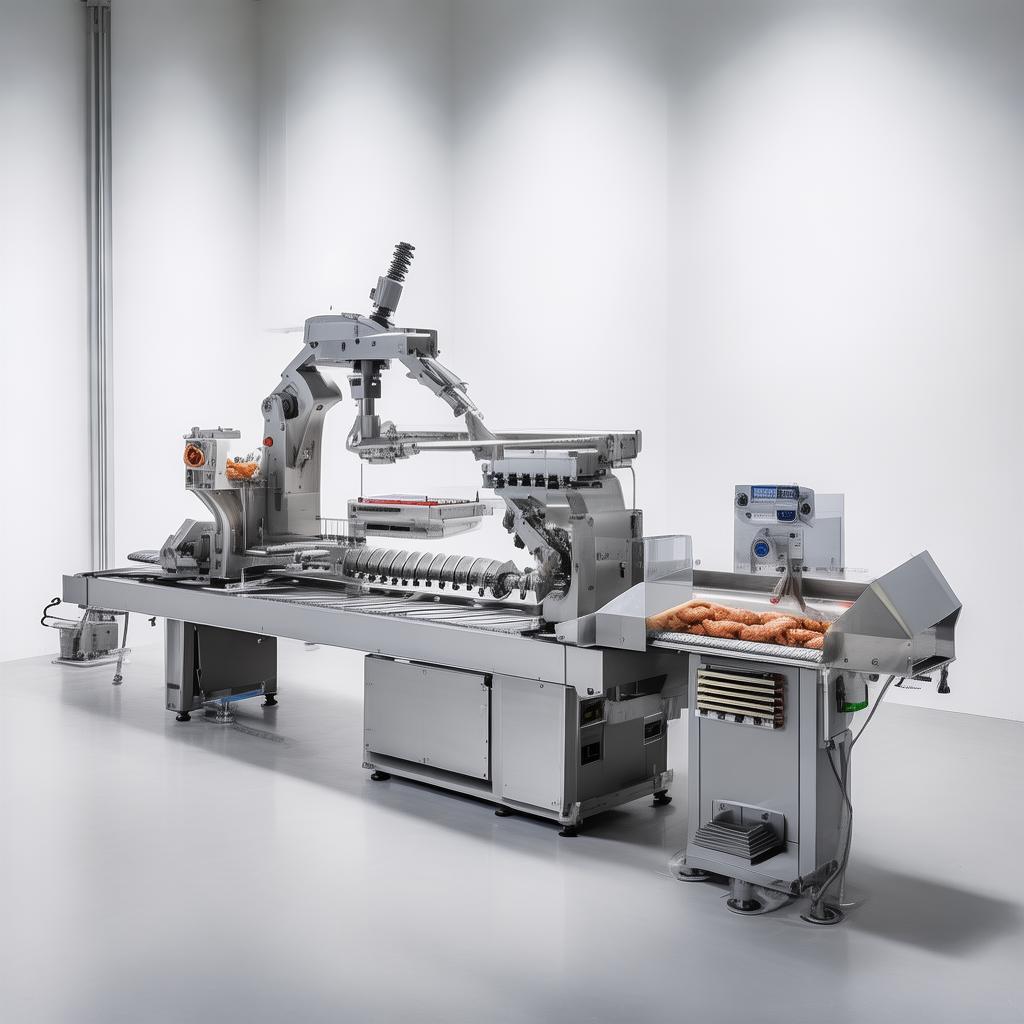
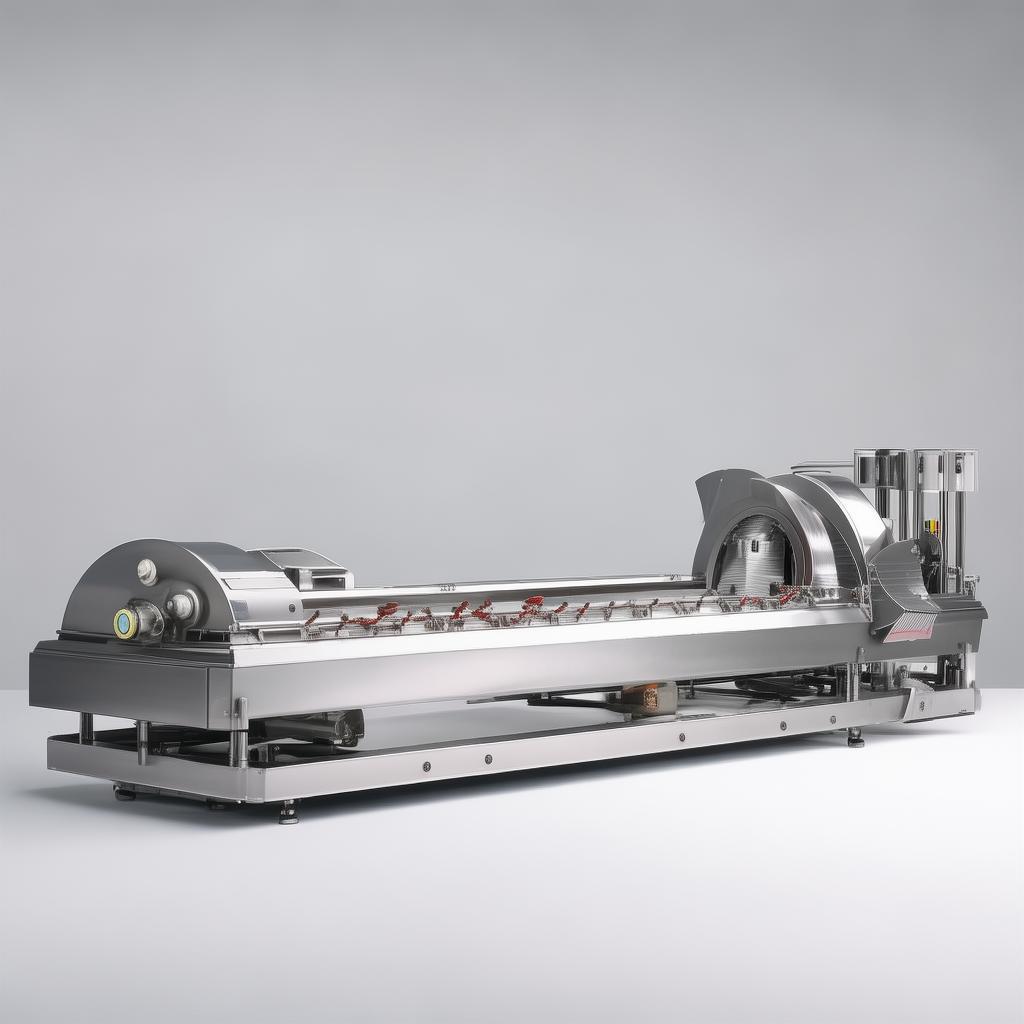
Mastering Moisture Control: Your Definitive Guide to Vacuum Water Separators
Optimizing Industrial Processes with Advanced Vacuum Water Separation Technology
 Authored by: Alex Chen, Senior Production Engineer
Unlock Peak Performance: Why Vacuum Water Separators are Non-Negotiable in Modern Manufacturing
In the intricate world of industrial processing, particularly within sectors like food production, pharmaceuticals, and advanced material manufacturing, moisture is the silent saboteur. It degrades product quality, compromises equipment integrity, and can lead to costly downtime. This is where the vacuum water separator steps in. Far from being a mere accessory, it’s a critical component designed to efficiently remove entrained water and other contaminants from vacuum systems. Understanding its role and selecting the right unit can significantly impact your operational efficiency, product consistency, and ultimately, your bottom line. For businesses focused on wholesale export and OEM/ODM operations, reliable and high-performance vacuum systems are foundational. This guide delves deep into what makes these separators indispensable, exploring their technical nuances, application breadth, and the crucial factors that procurement teams and engineers must consider. We'll navigate the complexities of material selection, design considerations, and the long-term operational benefits, ensuring you make informed decisions that drive tangible results. For those involved in cross-border commerce and SaaS or enterprise solutions for manufacturing, optimizing core processes like vacuum management is a key differentiator in a competitive global market. The shift towards 'Fit For Now (2026)' strategies emphasizes robust, reliable, and efficient infrastructure, making the vacuum water separator a topic of significant relevance.
The global meat processing equipment market, for instance, is projected to reach over [USD 17.39 billion by 2034](https://www.fortunebusinessinsights.com/meat-processing-equipment-market-115455), with a significant portion of growth driven by demand for advanced filling, molding, and ripening technologies. These processes often rely heavily on precise vacuum control. Without effective water separation, vacuum pumps can suffer premature wear, efficiency drops, and product contamination risks increase. Similarly, in pharmaceutical manufacturing, maintaining sterile and dry environments is paramount. Water vapor in a vacuum system can lead to condensation, affecting sensitive processes and potentially compromising drug efficacy. The need for reliable vacuum water separators is thus directly linked to the evolving demands of quality-critical industries. We're not just talking about removing water; we're talking about safeguarding your entire production chain.
The Undisputed Need: Addressing Operational Pain Points with Vacuum Water Separators
Procurement directors and operations managers often face a cascade of issues when vacuum systems falter. These aren't minor inconveniences; they translate directly to increased operational costs and diminished output. Consider these common pain points:
- Reduced Vacuum Pump Lifespan: Water ingestion is a leading cause of premature pump failure. It leads to corrosion, cavitation, and lubrication breakdown. Replacing vacuum pumps is a significant capital expenditure. Our vacuum water separators are designed to be a first line of defense, significantly extending your pump's service life.
- Inconsistent Process Performance: Fluctuations in vacuum level due to moisture ingress can disrupt critical processes. For example, in meat product filling and molding, consistent vacuum is crucial for product density and texture. As cited by [Grand View Research](https://www.grandviewresearch.com/industry-analysis/meat-processing-equipment-market), consistency is key for high-growth segments.
- Product Contamination Risks: Entrained water can carry particulate matter or even harbor microbial growth, especially in food and pharmaceutical applications. This poses a direct threat to product safety and regulatory compliance.
- Increased Energy Consumption: A vacuum system struggling with moisture has to work harder to maintain the required vacuum level, leading to higher energy bills. Efficient separation means a more efficient system overall.
- Maintenance Headaches: Frequent filter changes, pump servicing, and system checks all drain valuable technician time and resources. A robust separator system simplifies routine maintenance schedules.
Addressing these issues proactively through proper equipment selection, such as investing in a high-quality vacuum water separator, is a testament to sound procurement strategy. It’s about minimizing risk and maximizing uptime.
The Technology Explained: How Vacuum Water Separators Work
At its core, a vacuum water separator leverages fundamental physics to isolate and remove water vapor and liquid from an air or gas stream within a vacuum system. While designs can vary, the most common and effective methods include:
1. Cyclonic Separation: Many separators employ a centrifugal approach. The incoming contaminated air stream is forced into a swirling motion within a chamber. This rapid rotation generates centrifugal force, pushing denser water droplets and particulate matter outwards towards the chamber walls. These heavier particles then coalesce and descend to the bottom of the separator for removal.
2. Condensation & Collection: Some designs incorporate a cooling mechanism or simply rely on pressure differentials to encourage water vapor to condense into liquid form. This condensed water is then collected in a reservoir at the base of the unit.
3. Filtration & Coalescing (Advanced Units): Higher-end models may include advanced filtration stages. These can involve coalescing elements that gather small water droplets into larger ones, making them easier to separate and remove via a float drain or manual valve. This is particularly effective for extremely fine mists.
4. Automated Drainage: The collected water needs to be expelled. Modern vacuum water separators often feature automatic float drains or solenoid valves. These systems open only when sufficient water has accumulated, preventing continuous air loss and maintaining system efficiency. For OEM/ODM clients looking for seamless integration, automated drainage is a key feature.
The effectiveness of a separator is measured by its ability to achieve low dew points and high separation efficiency, preventing even microscopic water particles from reaching sensitive downstream equipment. This level of precision is critical for industries where even trace moisture can be detrimental.
Key Product Advantages: What Sets Our Separators Apart
When selecting a vacuum water separator, you're looking for a solution that offers more than just basic functionality. Our range is engineered with the industrial user in mind, focusing on:
| Feature | Benefit | Operational Impact |
|---|---|---|
| High-Efficiency Separation | Removes up to 99% of liquid water and mist. | Protects vacuum pumps, improves process stability. |
| Robust Construction Materials | Constructed from industrial-grade stainless steel or specialized polymers for durability. | Long service life, resistance to corrosive environments. |
| Automated Drain Systems | Reliable float or electronic drains prevent water buildup without operator intervention. | Reduces manual labor, minimizes air loss, ensures continuous operation. |
| Compact & Versatile Design | Easy integration into existing systems with minimal footprint. | Ideal for retrofitting and new installations alike. Suitable for diverse OEM applications. |
| Low Maintenance Requirements | Minimal moving parts, long-life components. | Reduced operational expenditure, improved technician efficiency. |
vacuum liquid separator liquid separator for vacuum pump vacuum separators
Choosing the right vacuum water separator is an investment in operational resilience. It’s about future-proofing your vacuum infrastructure against common failure modes.
Technical Specifications: Understanding the Numbers
For engineers and procurement specialists, the technical details are paramount. While specific models will vary, here are the key parameters to scrutinize:
| Parameter | Typical Range/Value | Importance |
|---|---|---|
| Connection Size | 1/2" to 4" NPT/Flanged | Ensures compatibility with existing vacuum lines. |
| Max. Flow Rate | 10 - 5000+ CFM (or m³/hr) | Must match or exceed the vacuum system's capacity. |
| Operating Pressure Range | Full Vacuum to 100+ PSI | Crucial for full system compatibility. |
| Max. Operating Temperature | 60°C to 150°C (140°F to 300°F) | Determines suitability for high-temperature processes. |
| Separation Efficiency | 95% - 99%+ for liquid water | Directly impacts downstream protection and air quality. |
| Materials of Construction | SS304, SS316, Aluminum, Engineering Plastics | Impacts chemical resistance, durability, and regulatory compliance (e.g., FDA for food). |
| Drain Type | Automatic Float Drain, Electronic Timer Drain, Manual Valve | Affects automation level and efficiency. |
Always consult the detailed datasheets for specific models. For international buyers, ensuring compliance with local standards (e.g., ASME in North America, CE in Europe) is a critical part of the technical due diligence.
Applications Across Industries: Where Vacuum Water Separators Shine
The versatility of vacuum water separators means they are integral to a wide array of industrial processes. Their ability to maintain dry, stable vacuum conditions is invaluable:
- Food & Beverage Processing: Crucial for vacuum packaging, deaeration, vacuum filling (e.g., sausages, yogurts), and cooking processes where moisture removal is key to shelf life and product integrity. For the meat processing industry, [automation is driving growth](https://www.gminsights.com/industry-analysis/meat-and-poultry-processing-equipment-market), and vacuum systems are a core component.
- Pharmaceutical & Medical Device Manufacturing: Maintaining sterile environments, vacuum drying of pharmaceuticals, freeze-drying, and ensuring the integrity of vacuum-sealed medical devices.
- Chemical & Petrochemical: Vacuum distillation, solvent recovery, and processing of sensitive chemicals where moisture contamination can alter reactions or degrade product purity.
- Semiconductor & Electronics: Cleanroom vacuum systems, vacuum coating, and drying processes for sensitive electronic components.
- Printing & Packaging: Vacuum hold-downs for sheet handling in printing presses, vacuum forming in packaging.
- Industrial Manufacturing: Vacuum lifting, vacuum degassing of materials, and various other process applications requiring reliable vacuum.
In essence, any process that relies on a stable, dry vacuum will benefit significantly from effective water separation. This includes many auxiliary items within larger processing lines, such as those discussed in relation to the [processed meat market](https://www.fortunebusinessinsights.com/industry-reports/processed-meat-market-100556).
Installation & Maintenance: Practical Considerations for Long-Term Performance
Proper installation and routine maintenance are critical for ensuring your vacuum water separator performs optimally throughout its lifespan. We often advise our international clients on these points:
Installation:
- Location: Install as close to the vacuum pump as feasible, typically on the inlet side, to capture moisture before it impacts the pump. Ensure sufficient clearance for maintenance.
- Orientation: Most separators are designed for vertical installation to facilitate gravity-assisted drainage. Always follow manufacturer guidelines.
- Connections: Use appropriate piping and fittings to prevent leaks. Seal threads correctly. Ensure the drain line is properly routed to a suitable discharge point (e.g., a drain or collection vessel).
- System Purge: Before fully engaging the separator, it's good practice to briefly purge the vacuum system to remove initial large amounts of moisture.
Maintenance:
- Drain System Check: Regularly inspect and test the automatic drain system to ensure it's functioning correctly. Clogged drains are a common failure point.
- Internal Inspection: Depending on the design, periodic internal inspection for sediment buildup or wear on sealing elements might be necessary. This is typically every 6-12 months for most standard applications.
- Component Replacement: While robust, seals or diaphragms in drains may eventually wear. Have spare parts readily available for critical operations.
- System Monitoring: Keep an eye on vacuum levels and pump performance. Any degradation could indicate an issue with the separator or other system components.
We emphasize that understanding these practical aspects helps our clients avoid costly service calls and ensures their vacuum systems remain reliable, especially for export-bound products or processes.
Logistics & Export: Getting Your Separator Where It Needs To Be
For our international clientele, smooth logistics are as important as product quality. We understand the intricacies of cross-border commerce:
- Packaging: Our vacuum water separators are packaged to withstand the rigors of international transit. We utilize protective materials and robust crates or pallets to ensure units arrive undamaged.
- Documentation: We provide all necessary export documentation, including commercial invoices, packing lists, certificates of origin, and any required compliance certificates (e.g., CE, RoHS).
- Shipping Options: We work with reliable freight forwarders to offer various shipping methods – sea freight (FCL/LCL) for cost-effectiveness, air freight for urgent deliveries, and multimodal options. Container loading is optimized to maximize space utilization and minimize transit costs.
- Customs & Duties: While buyers are responsible for customs duties and import taxes in their destination country, we offer clear product classifications and HS codes to facilitate smoother customs clearance.
For OEM/ODM partners, integrating our separators into your global supply chain is a seamless process. We can discuss custom labeling, packaging, and delivery schedules to meet your specific project needs.
Procurement Guidance: Making the Smart Choice
Selecting the right vacuum water separator requires careful consideration beyond just the price tag. Here’s a buyer’s checklist:
- System Requirements: Accurately determine your vacuum system's flow rate, operating pressure, and temperature range. Oversizing is generally safer than undersizing.
- Fluid Type: Confirm the nature of the fluid being separated. Is it pure water, condensate with oils, or other industrial fluids? This dictates material compatibility.
- Material Compatibility: Ensure the separator's construction materials are compatible with the process fluids and ambient conditions. Stainless steel (SS304, SS316) offers excellent durability and resistance for many applications.
- Automation Level: Decide if an automated drain is necessary for continuous operation and minimal intervention, or if a manual option suffices for less demanding cycles.
- Certifications: For sensitive industries like food or pharma, check for relevant certifications (e.g., FDA compliance, CE marking for European markets).
- Supplier Reliability: Look for manufacturers with a proven track record, strong technical support, and responsive after-sales service. A supplier's experience, especially in OEM/ODM and international trade, is invaluable.
As a company with 40 years of experience since 1986 in manufacturing machinery, we deeply understand the need for robust, reliable components. We offer more than just a product; we provide a solution backed by decades of practical engineering expertise.
Meet Our Factory Capabilities: The Yuanchang Advantage
At Hebei Yuanchang Food Mechanism & Technology Co., Ltd., our extensive experience in industrial equipment manufacturing translates directly into the quality and reliability of our vacuum water separators. Our 14,000 sq. meter facility houses advanced machinery, including over 20 sets of precision processing equipment and Japanese Mazak CNC machining centers. This allows us to manufacture high-precision components in-house, ensuring stringent quality control from raw material to finished product.
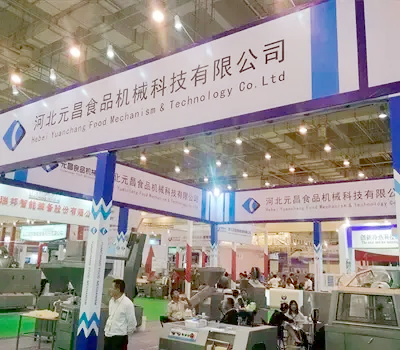
Our commitment to integrating R&D, production, and sales means we are agile and responsive to market demands, including custom OEM/ODM projects. We don't just sell components; we engineer solutions tailored to your specific operational needs. For international trade, our established export processes ensure timely delivery and proper documentation.
Real-World Impact: What Our Clients Say
Don't just take our word for it. Here’s what some of our partners experienced:

Operations Manager, Food Packaging Co.
"We were experiencing premature failures in our vacuum pumps for our sausage stuffing line. After installing Yuanchang's vacuum water separator, pump life has noticeably increased, and we’ve seen a significant reduction in unscheduled downtime. The automated drain is a huge labor saver."

Procurement Specialist, Pharmaceutical Manufacturer
"Maintaining precise vacuum conditions is critical for our freeze-drying process. The Yuanchang separator has proven incredibly effective, ensuring consistent vacuum levels and protecting our expensive equipment. Their responsiveness to our technical queries was also excellent."

Project Manager, OEM Equipment Integrator
"We were looking for a reliable vacuum water separator for a custom packaging machine we were building for a client overseas. Yuanchang provided a high-quality, cost-effective solution and worked with us on the specifications. The integration was straightforward, and the client is very satisfied."
Frequently Asked Questions (FAQ)
Q1: How often do I need to check the automatic drain on my vacuum water separator?
A1: We recommend a visual check weekly, with a functional test monthly. For systems with heavy moisture loads, more frequent checks might be advisable. If you notice water accumulating in the system, investigate the drain immediately.
Q2: Can a vacuum water separator remove oil mist from my vacuum system?
A2: Standard vacuum water separators are primarily designed for water. Some models incorporate coalescing elements that can capture a significant portion of oil mist. If oil mist is a major concern, specialized oil mist eliminators or combination units might be necessary. Consult our technical team for specific recommendations.
Q3: What is the typical lifespan of a vacuum water separator?
A3: With proper installation and routine maintenance, our industrial-grade vacuum water separators can last for many years, often exceeding 10-15 years. The main wear components are typically in the drain mechanism, which can often be serviced or replaced affordably.
Q4: Do I need a vacuum water separator if my vacuum pump is oil-lubricated?
A4: Yes, even oil-lubricated pumps can ingest water vapor. Water can degrade the oil's lubricating properties, cause corrosion, and lead to emulsification, reducing pump efficiency and lifespan. A vacuum water separator protects the pump and ensures cleaner exhaust air.
Q5: Can you provide custom solutions for specific OEM requirements?
A5: Absolutely. With our in-house engineering and advanced machining capabilities, we specialize in developing custom vacuum water separators tailored to unique OEM/ODM specifications. Request a consultation with our engineers to discuss your project needs.
Ready to Optimize Your Vacuum System?
Don't let moisture compromise your production quality and equipment longevity. Investing in a high-performance vacuum water separator is a strategic decision that pays dividends in operational efficiency and reliability.
Hebei Yuanchang Food Mechanism & Technology Co., Ltd. | Shijiazhuang, Hebei Province, China | Phone: +86 15830991513 | Email: ycmeatmech@gmail.com | Contact Us
© Hebei Yuanchang Food Mechanism & Technology Co., Ltd. All rights reserved.