Vacuum Lifting Arms
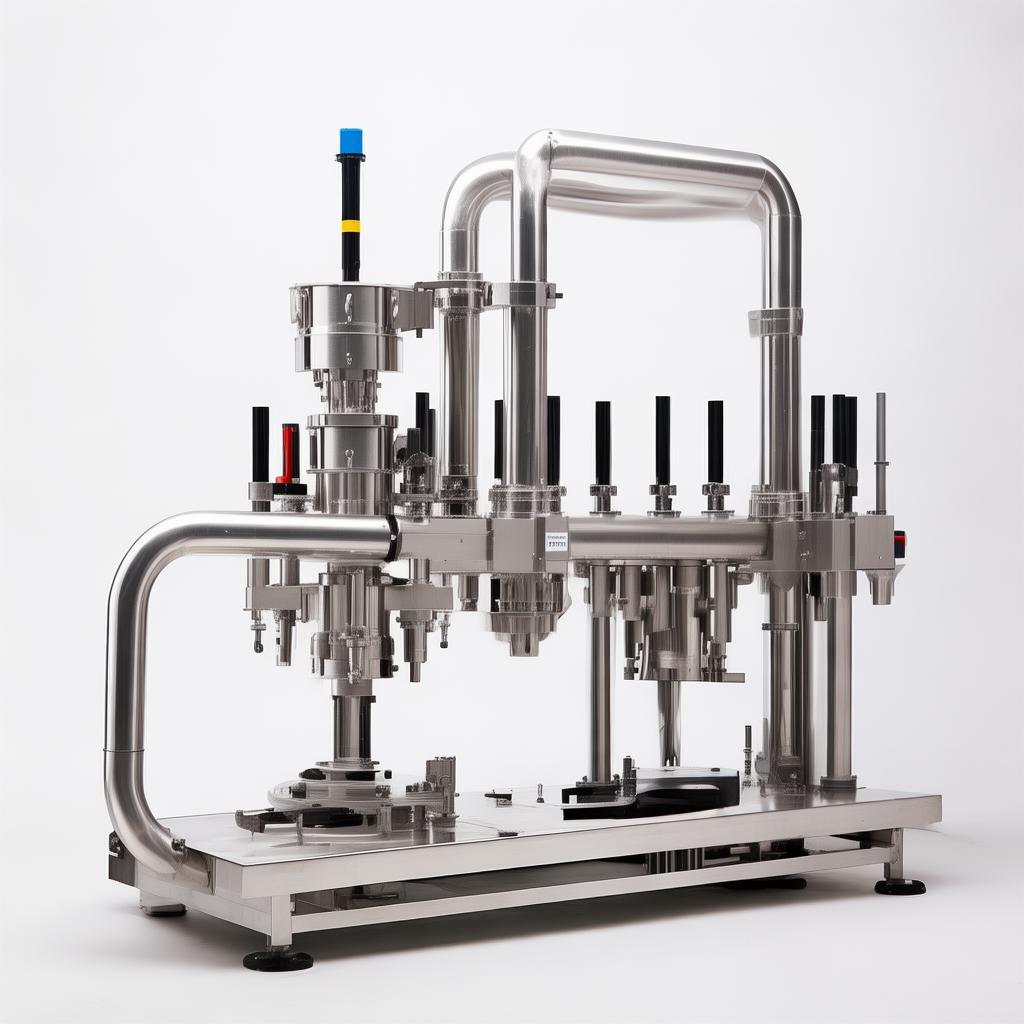
Precision Vacuum Lifting Arms: Enhancing Throughput and Operator Safety in Industrial Environments
By  Alex Chen, Senior Export Manager
Published: October 26, 2023
Introduction: The Evolution of Material Handling and the Role of Vacuum Lifting
In today's fast-paced industrial landscape, efficiency isn't just a buzzword; it's the bedrock of profitability and operational sustainability. Across sectors ranging from manufacturing and logistics to construction and food processing, the constant pressure to move more goods, faster, and with fewer resources is relentless. For decades, the challenge of lifting and manipulating heavy or awkwardly shaped items has been met with a variety of solutions, from basic mechanical hoists to complex robotic systems. However, a significant segment of these operations requires a blend of precision, flexibility, and operator safety that traditional methods sometimes struggle to deliver. This is where advanced vacuum lifting technology, particularly in the form of versatile lifting arms, has carved out a crucial niche.
We're not just talking about lifting pallets anymore. The demand is for handling everything from delicate glass panels and finished automotive components to raw materials in bulk bags and even food products at various stages of processing. The core problem often boils down to ergonomics and speed. Manual lifting of heavy or repetitive loads leads to operator fatigue, increased risk of musculoskeletal injuries, and ultimately, slower production cycles. Implementing automated systems can be costly and may lack the adaptability needed for dynamic production lines or variable product types. It’s a balancing act between investment, operational flexibility, and, crucially, the well-being of your workforce.
The global meat processing equipment market, for instance, is projected to reach USD 17.39 billion by 2034 according to Fortune Business Insights, with segments like filling and stuffing equipment and massaging equipment for ripening driving growth. This signifies a broader trend: as the food industry, among others, seeks higher throughput and consistent product quality, the need for specialized handling solutions becomes paramount. Similarly, the demand for processed meat products continues to climb, with projections suggesting the global market could reach USD 1,253.77 billion by 2034. This burgeoning sector requires efficient, hygienic, and precise material handling at every step – from raw ingredient transfer to finished product packaging. Traditional manual methods simply cannot keep pace with these demands without significant ergonomic compromises.
Consider the challenges faced by a facility handling large, flat materials. Lifting and positioning sheets of metal, plastic, or glass manually is inherently risky. The sheer weight can cause immediate injury, and the lack of a secure grip can lead to dropped loads, damaging valuable product and potentially causing severe harm. Even with multiple personnel, precision placement can be difficult, leading to costly rework or assembly delays. This is precisely the operational bottleneck that vacuum lifting arms are designed to resolve. By creating a reliable vacuum seal, these arms can securely grip a wide variety of non-porous surfaces, effectively turning a two-person or even three-person lift into a one-person operation, executed with remarkable ease and accuracy.
Furthermore, in environments where hygiene is a critical factor, such as food processing or pharmaceutical manufacturing, the design and materials used in lifting equipment are non-negotiable. Traditional hooks or clamps can puncture packaging, introduce contamination, or be difficult to thoroughly clean. Vacuum lifters, when designed with appropriate seals and materials, offer a contact-free or minimally invasive gripping method that significantly reduces the risk of product damage and cross-contamination. This is not a trivial point; maintaining stringent hygiene standards is vital for compliance and brand reputation. The operational benefit of a clean, efficient, and safe lifting solution directly translates into reduced downtime for cleaning and a lower risk of costly recalls.
From a procurement perspective, the decision to invest in vacuum lifting arms isn't just about acquiring a piece of machinery; it's about implementing a strategic solution to complex operational challenges. It’s about risk mitigation – reducing worker compensation claims related to lifting injuries. It’s about productivity enhancement – enabling faster cycle times and higher throughput. And it's about quality assurance – ensuring delicate materials are handled without damage and sensitive products maintain their integrity. When evaluating such investments, a supplier’s ability to demonstrate deep understanding of these multifaceted needs, coupled with robust engineering and reliable after-sales support, becomes paramount. We understand that the initial purchase price is only one part of the total cost of ownership. Long-term reliability, ease of maintenance, and the supplier’s capacity for customization are equally, if not more, important.
The evolution of material handling is a continuous journey, driven by technological advancements and an ever-growing understanding of both human physiology and production economics. Vacuum lifting arms represent a significant leap forward in this journey, offering a compelling combination of power, precision, and safety. At Hebei Yuanchang Food Mechanism & Technology Co., Ltd., we have over 40 years of experience in industrial machinery, and we've seen firsthand how the right equipment can transform operations. Our expertise in manufacturing and engineering allows us to develop solutions that not only meet but exceed the rigorous demands of modern international trade and industrial production. We aim to provide not just equipment, but comprehensive solutions that integrate seamlessly into your workflow, driving efficiency and ensuring the safety of your most valuable assets – your people.
Quick Links
Addressing Critical Operational Challenges & Mitigating Risks
The daily grind in manufacturing, warehousing, and construction sites often involves repetitive, strenuous tasks that pose significant risks to the workforce. Ignoring these issues isn't just poor practice; it's a direct threat to your bottom line. We see it constantly: ergonomic strain leads to injuries, which in turn cause lost workdays, increased insurance premiums, and reduced overall team morale. These aren't abstract problems; they are tangible operational hurdles that impact output and profitability.
- Operator Strain & Injury: Manual lifting of loads exceeding ergonomic limits—even if not immediately apparent as 'heavy'—can lead to chronic back issues, shoulder strain, and carpal tunnel syndrome over time. This is a major concern for industries involving repetitive handling of items like bagged materials, drums, or large components.
- Product Damage: In environments handling delicate materials such as glass, finished electronics, or specialized composites, improper manual handling or reliance on crude mechanical grippers can result in surface scratches, cracks, or complete breakage. This directly impacts yield and customer satisfaction.
- Slow Throughput: When manual labor is the primary means of moving goods, bottlenecks are inevitable. Tasks that require multiple workers or careful, slow maneuvering significantly drag down overall production speed, especially in high-volume operations or just-in-time manufacturing.
- Inconsistent Placement & Precision: Achieving exact positioning for assembly, stacking, or loading onto transport can be extremely difficult with manual methods, particularly for large or heavy items. This leads to rework, alignment issues, and delays.
- Hygiene Concerns: In food, beverage, and pharmaceutical processing, manual contact or the use of non-sanitized traditional lifting tools can compromise product integrity and create a significant risk of contamination, leading to regulatory penalties and reputational damage.
Addressing these points proactively is a cornerstone of efficient industrial operations. It’s about smart investment in equipment that solves these problems at their root, rather than just patching them.
The Edge: How Vacuum Lifting Arms Elevate Your Operations
The adoption of vacuum lifting arms isn't merely about replacing manual labor; it's about fundamentally transforming how tasks are performed. The benefits extend across safety, efficiency, and operational cost savings, making them a strategic asset for any forward-thinking business.
Unparalleled Operator Safety
The primary advantage is the dramatic reduction in physical strain on operators. By transferring the weight of the load to the vacuum system, these arms eliminate the need for heavy lifting and awkward maneuvering, significantly lowering the risk of back, shoulder, and other musculoskeletal injuries. This directly contributes to a safer work environment and can lead to reduced worker's compensation claims.
Boosted Productivity and Throughput
Tasks that once required multiple operators and considerable time can now be handled by a single individual with speed and precision. The ability to lift, traverse, and place loads quickly and efficiently translates directly into faster cycle times, increased output, and improved overall operational efficiency. Imagine reducing the time spent loading a truck by 30% – that's the kind of impact we're talking about.
Material Handling Versatility
Our vacuum lifting arms are engineered to handle a wide array of non-porous materials. Whether it's glass, metal sheets, plastic panels, stone slabs, or even bagged goods and drums, the right lifting head and vacuum system can be configured for a secure, reliable grip. This adaptability is key for businesses with diverse product lines or fluctuating material handling needs.
Precision and Control
Operators gain a high degree of control over load positioning. The balanced design of the lifting arm allows for smooth, intuitive movements, enabling precise placement of items into assembly jigs, onto conveyors, or within shipping containers. This precision reduces errors, minimizes rework, and ensures higher quality output.
Reduced Product Damage
The soft, compliant nature of vacuum cups, combined with controlled lifting forces, minimizes the risk of surface damage or breakage, particularly crucial for high-value or delicate items. This preservation of product integrity directly contributes to reduced waste and improved profitability.
Enhanced Hygiene Compliance (Application Specific)
For industries where cleanliness is paramount, vacuum lifting arms can be designed with food-grade materials and easy-to-clean components. The method of gripping via vacuum can be more hygienic than mechanical clamps that might puncture or contaminate products. This is vital in food processing and pharmaceutical handling.
Cost-Effectiveness Over Time
While the initial investment is a consideration, the long-term savings are substantial. Reduced labor costs (fewer personnel required per lift), decreased incidence of workplace injuries, lower product damage rates, and increased throughput all contribute to a compelling return on investment. Many clients report noticeable improvements in their operational costs within the first year.
Technical Specifications & Engineering Excellence
Understanding the technical specifications is crucial for selecting the right vacuum lifting arm for your specific application. Our commitment to robust engineering means we offer solutions designed for reliability and performance in demanding industrial settings.
At Hebei Yuanchang, our manufacturing capabilities, bolstered by over 20 sets of advanced processing machinery including Japanese Mazak CNC machining centers, allow us to produce high-precision components essential for these sophisticated lifting systems. We focus on durability, precision, and ease of integration into existing material handling workflows.
| Feature / Specification | Details / Range | Considerations for Your Application |
|---|---|---|
| Lifting Capacity | Typically from 50 kg to 1,000 kg (110 lbs to 2,200 lbs) or more, depending on model and configuration. | Crucial for matching the arm to your heaviest loads. Factor in safety margins. |
| Vacuum System Type | Electric vacuum pumps or Venturi-effect generators. Continuous or partial vacuum. | Electric pumps offer consistent vacuum and lower energy costs in continuous use. Venturi is simpler and good for intermittent use. |
| Power Source | Main power (e.g., 220V/380V/440V, 3-phase) or compressed air. Battery-powered options for mobile units. | Ensure compatibility with your facility's power infrastructure. Compressed air availability is key for Venturi systems. |
| Lifting Head / Gripping Tool | Variety of vacuum cups (standard, bellows, specialized), magnetic heads, or clamp grippers. | Must be chosen based on material surface (smooth, porous, curved) and load shape. A single arm can often be fitted with interchangeable heads. |
| Arm Reach & Articulation | Horizontal reach typically 1m to 3m+. Swivel and articulation joints for versatile movement. | Determines the working area coverage. Consider obstructions and required maneuverability. |
| Safety Features | Redundant vacuum circuits, audible/visual alarms, automatic load balancing, manual release safety lock. | Essential for operator safety and preventing accidental load drops. Compliant with EN 13155 or ANSI/ASME B30.20 standards where applicable. |
| Materials of Construction | Steel, aluminum, stainless steel (for food grade). High-durability seals (e.g., EPDM, Viton). | Durability, weight, and suitability for your operating environment (e.g., corrosive, hygienic). |
| Control System | Ergonomic handle controls, integrated button panels, full automation integration. | Ease of operation and integration into existing automation systems (PLCs). |
vacuum lifting device vacuum assisted lifting devices vacuum hoist lifting systems
We pride ourselves on our ability to engineer solutions that precisely match specific requirements. Our in-house machining workshop, equipped with advanced CNC technology, ensures that every component meets exacting standards for durability and performance. This is crucial for OEM/ODM partnerships where custom specifications are the norm.
Versatile Applications Across Industries
The adaptability of vacuum lifting arms makes them invaluable across a surprisingly broad spectrum of industrial applications. Their ability to handle diverse materials with precision and safety means they can be tailored to solve specific material handling challenges in numerous sectors.
Manufacturing & Assembly
Ideal for moving and positioning components like car doors, window frames, engine parts, sheet metal, and electronic enclosures. Facilitates precise alignment in assembly lines.
Construction
Used for lifting and placing glass panels, facade elements, drywall sheets, stone slabs, and precast concrete components, improving safety and speed on site.
Logistics & Warehousing
Efficiently handling palletized goods, large boxes, drums, and bags for loading/unloading trucks and containers, optimizing space and reducing manual strain.
Food & Beverage Processing
Handling trays, buckets, bags of ingredients, or packaged final products. Special food-grade designs ensure hygiene and prevent product damage. Essential for maintaining sanitary conditions.
Aerospace & Automotive
Critical for precise placement of large, heavy, and often complex components like fuselage sections, interior panels, and engine components, where accuracy is paramount.
Renewable Energy
Assisting in the installation and handling of solar panels, wind turbine components, and other large, flat elements used in the green energy sector.
The global processed meat market's growth to USD 1,330.45 billion by 2035 underscores the need for specialized handling in food production. Our equipment is designed to meet these demands, ensuring efficiency and safety from raw material to finished product.
Navigating Procurement: Key Considerations for Buyers
Selecting the right vacuum lifting arm involves more than just comparing lifting capacities. As an experienced export manager, I can tell you that a thorough evaluation process is crucial to ensure you acquire a solution that truly meets your operational needs and delivers long-term value. Think of it as an investment in operational resilience.
1. Define Your Specific Application Requirements
Before you even look at models, detail exactly what you need to lift:
- Material Type: Porous, non-porous, smooth, textured, delicate?
- Load Dimensions & Weight: Maximum and typical sizes and weights.
- Operating Environment: Temperature, humidity, presence of dust or chemicals, hygiene requirements (food-grade)?
- Work Area: Required reach, articulation, and clearance.
- Cycle Frequency: How many lifts per hour/shift?
2. Evaluate Supplier Capabilities & EEAT
When choosing a supplier, look beyond just the product. Their experience and expertise are critical.
Experience: Do they have a track record in your industry? Over 40 years in industrial machinery like us means we've seen and solved a lot of problems.
Expertise: Can they provide technical guidance? Do they understand the nuances of vacuum technology and ergonomics?
Authoritativeness: Do they adhere to relevant industry standards (e.g., CE, ANSI)? Do they have robust manufacturing processes?
Trustworthiness: Are their claims realistic? Do they offer transparent pricing, clear warranty terms, and reliable after-sales support?
3. Prioritize Safety Features
This is non-negotiable. Ensure the lifting arm incorporates:
- Redundant vacuum systems and monitoring.
- Audible and visual alarms for low vacuum or power loss.
- Fail-safe locking mechanisms.
- Compliance with relevant safety standards (e.g., EN 13155 for lifting accessories).
4. Consider Ergonomics and Ease of Use
A complex machine that's hard to operate will not be used effectively. Look for:
- Intuitive controls.
- Balanced design for effortless maneuvering.
- Minimal operator fatigue during prolonged use.
5. Understand Installation, Training, and Support
Ask about:
- Installation requirements and complexity.
- Operator training availability.
- After-sales service, spare parts availability, and maintenance schedules.
- Warranty terms and conditions.
We have invested heavily in our in-house machining capabilities and a traceable after-sales management system to ensure our clients receive comprehensive support, from initial consultation to long-term operation. Our goal is to provide worry-free after-sales service.
Our Manufacturing Strength: 40 Years of Industrial Expertise
At Hebei Yuanchang Food Mechanism & Technology Co., Ltd., our legacy of over 40 years (since 1986) in industrial equipment manufacturing forms the bedrock of our vacuum lifting arm solutions. We are not simply assemblers; we are engineers and manufacturers with deep-rooted expertise.
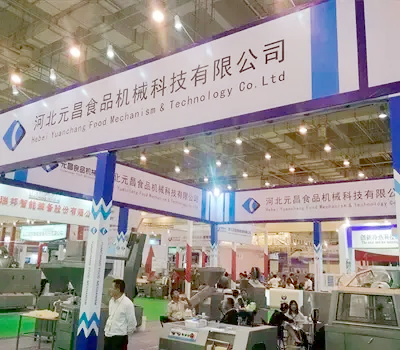
Our expansive 14,000 square meter facility is equipped for precision manufacturing.
Integrated R&D, Production, and Sales
We control every stage of the product lifecycle, from initial design and rigorous R&D to precision manufacturing and responsive sales. This integration ensures quality, efficiency, and the ability to customize.
Advanced Machining Capabilities
Our workshop houses over 20 advanced processing machines, including lathes, milling machines, high-precision grinding machines, and wire cutting equipment. Since 2012, we've enhanced this with 8 Japanese Mazak CNC machining centers. This allows us to produce high-volume, high-precision, and non-standard components essential for durable and reliable vacuum lifting systems.
Commitment to Quality and Traceability
Each component and system undergoes stringent quality control. Our traceable after-sales management system ensures that we can support our products throughout their lifecycle, offering peace of mind to our international clients.
Our extensive experience, particularly in areas like meat processing equipment where hygiene and precision are paramount, translates directly into the robust design and reliable performance of our vacuum lifting solutions.
What Our Clients Say
Real-world feedback from businesses like yours is the best indicator of performance and value.

Operations Manager, US Glass & Aluminum
"We were struggling with manual handling of large glass panels, leading to frequent minor damages and worker complaints. The vacuum lifting arm from Yuanchang has been a game-changer. Installation was straightforward, and the operators found it incredibly intuitive. We've seen a significant reduction in product damage and a noticeable increase in how quickly we can position panels. It’s freed up manpower for other critical tasks."

Procurement Specialist, EuroLogistics GmbH
"We needed a solution for loading and unloading various bulk bags and smaller drums in our distribution center. After evaluating several options, Yuanchang's vacuum lifter offered the best balance of capacity, reliability, and price. The custom gripper head they designed for our specific bag material works perfectly. It’s made our loading process much faster and safer, especially during peak seasons."

Plant Manager, Texan Manufacturing Co.
"Our assembly line for custom metal enclosures was suffering from placement inaccuracies, causing rework. The vacuum lifting arm has given us the precision we desperately needed. The articulation allows operators to easily maneuver components into tight spots. The engineering support from Yuanchang was excellent, helping us select the right configuration. It's a robust piece of equipment that's performing exactly as promised."
We are committed to delivering solutions that not only meet but exceed our clients' expectations, fostering long-term partnerships built on trust and performance.
Frequently Asked Questions
1. Can vacuum lifting arms handle porous materials?
Standard vacuum cups are designed for non-porous surfaces. However, for certain porous materials (like rough-cut lumber or some textiles), specialized vacuum heads with higher airflow pumps or different sealing techniques can be employed. It's crucial to discuss your specific material with our technical team.
2. What is the maintenance requirement for vacuum lifting arms?
Maintenance is generally minimal. Regular checks of vacuum cups for wear or debris, inspection of hoses, and periodic checks of the vacuum pump/generator are standard. We provide detailed maintenance schedules with our equipment. Our own experience in manufacturing complex machinery reinforces the importance of preventative maintenance for longevity.
3. How is power supplied to the vacuum system?
Typically, systems are powered by your facility's main electrical supply (e.g., 220V/380V/440V). For systems using compressed air, a standard shop air line is required. Battery-powered options are available for mobile or non-powered environments.
4. What happens if power is lost during lifting?
Safety is paramount. All our lifting arms feature redundant safety systems. This includes vacuum level monitoring that triggers alarms and, in most cases, holds the load securely even with momentary power interruption. For extended power loss, some models have manual safety release mechanisms designed to lower the load in a controlled manner, preventing sudden drops.
5. Can these arms be integrated with existing cranes or monorails?
Absolutely. Vacuum lifting arms are often mounted onto existing overhead cranes, jib cranes, or monorail systems. We provide the necessary mounting interfaces and can work with your existing infrastructure to ensure seamless integration.
6. Do you offer customization for specific industry needs, like food processing?
Yes, customization is a core part of our offering, especially for specialized industries. We can provide arms with food-grade stainless steel construction, specialized seals (like FDA-approved elastomers), and easy-to-clean designs to meet stringent hygiene standards. Our experience in food processing equipment design equips us well for these requirements.
7. What is the typical lead time for an order?
Lead times can vary based on the complexity of the customization and current production schedules. Standard configurations may be available sooner, while custom-engineered solutions might require several weeks. We provide estimated lead times upon order confirmation, ensuring transparency in our logistics planning.
Ready to Enhance Your Material Handling Efficiency and Safety?
Don't let outdated lifting methods hold your operations back. Discover how our precision vacuum lifting arms can deliver tangible improvements to your productivity, workforce safety, and bottom line.
Customer Service Chat