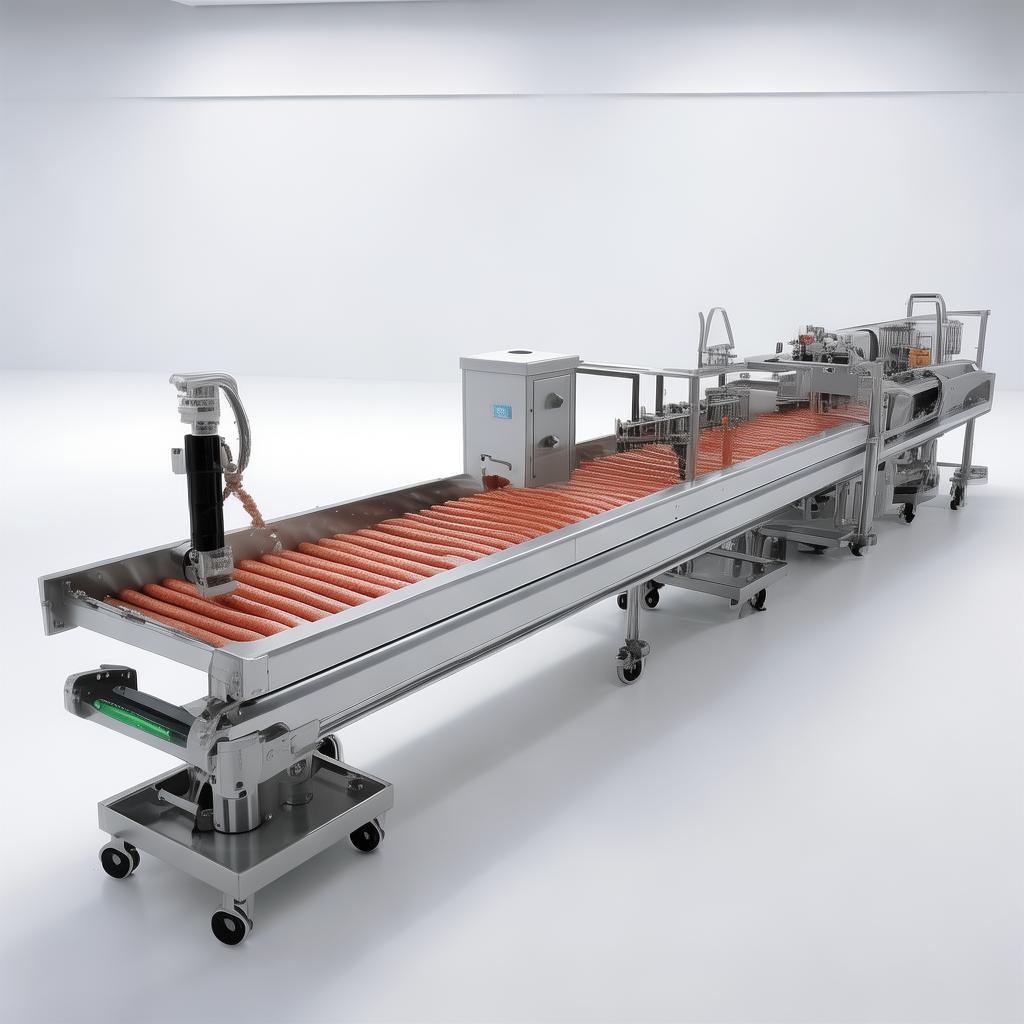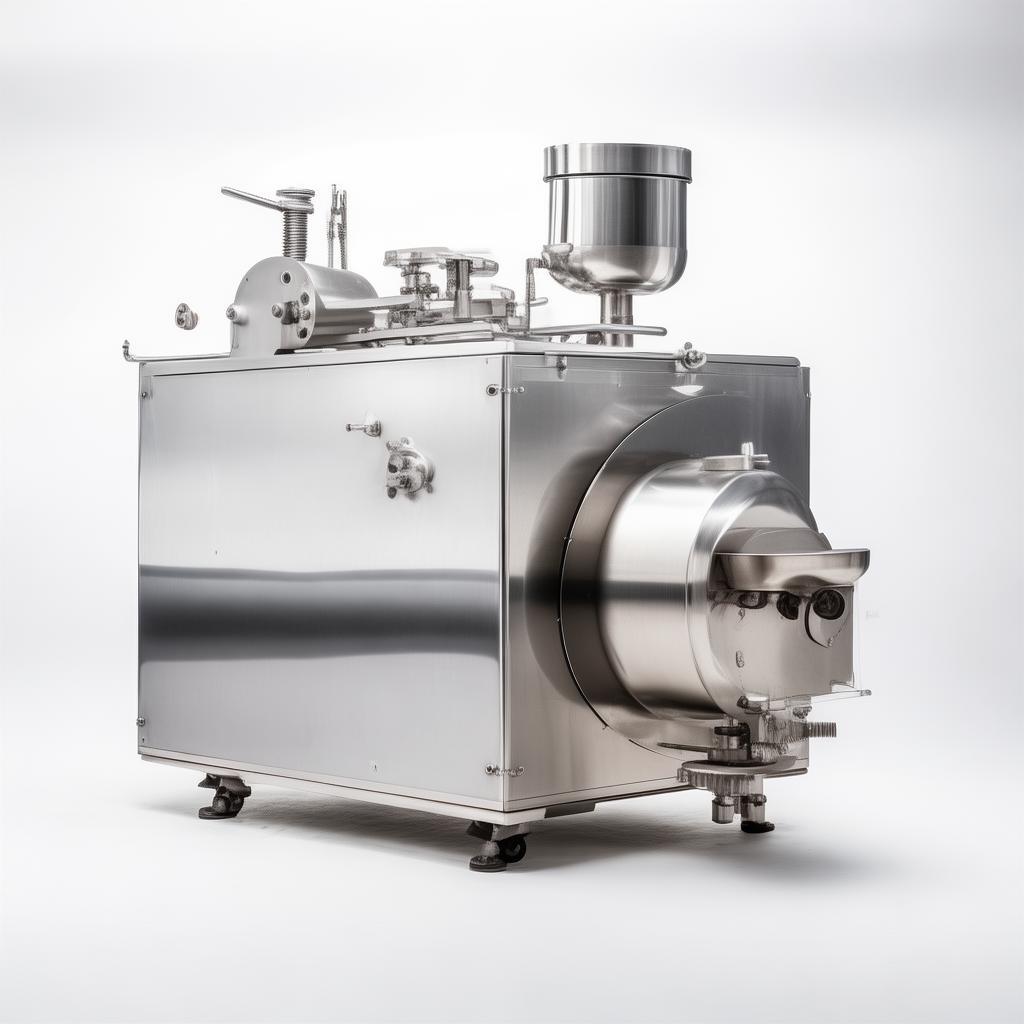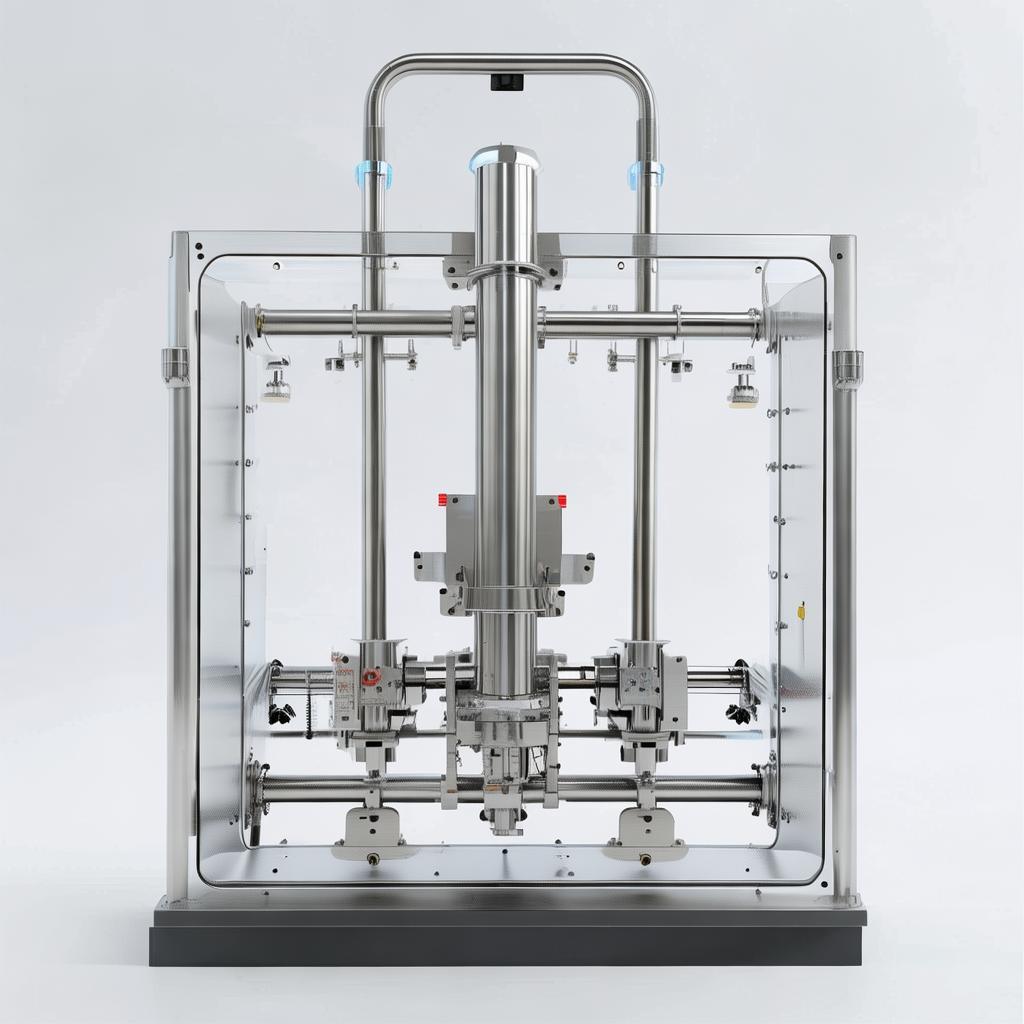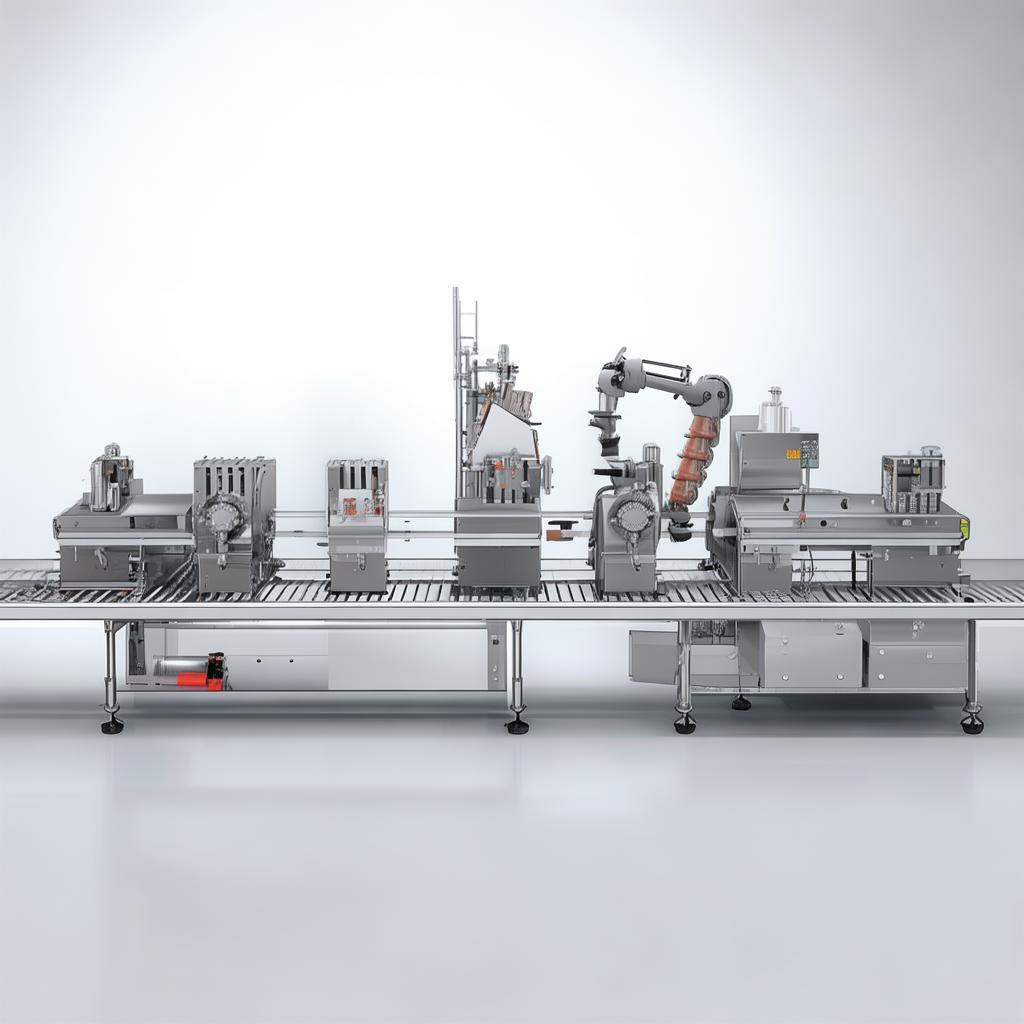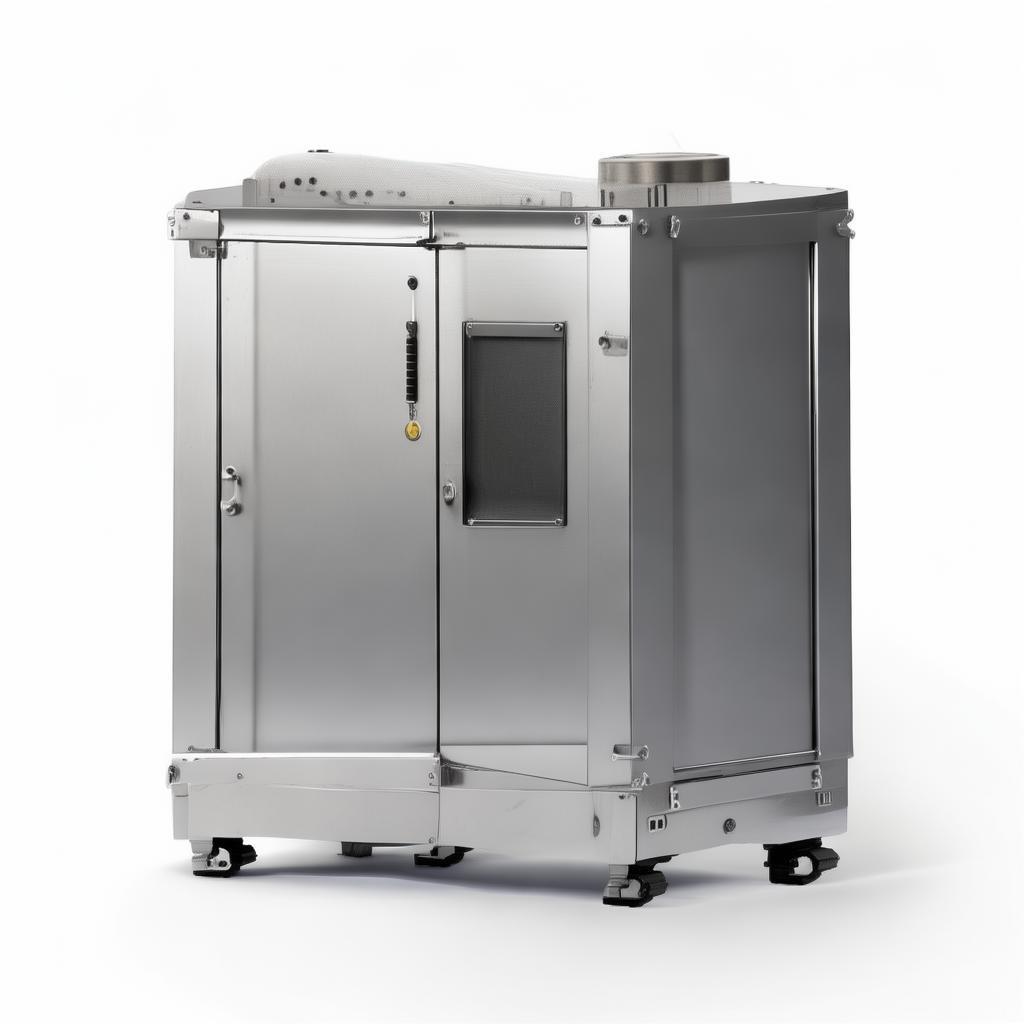
Vacuum Generator Compressed Air
Vacuum Generators for Compressed Air: Precision, Efficiency, and Reliability in Industrial Applications

Understanding the Core of Compressed Air Vacuum Generation
In the demanding landscape of modern industrial automation, precision and efficiency are not just desirable traits; they are fundamental to operational success and profitability. For operations that rely on the controlled movement or manipulation of materials, the ability to generate reliable vacuum is paramount. This is where the humble yet critical vacuum generator, often powered by compressed air, steps into the spotlight. These devices are the workhorses behind countless automated processes, from delicate pick-and-place operations in electronics assembly to robust material handling in manufacturing and packaging lines. They offer a straightforward, cost-effective, and often highly responsive method for creating suction, making them indispensable in a wide array of applications.
At its heart, a compressed air vacuum generator, also known as an ejector or venturi vacuum pump, operates on a deceptively simple principle. By forcing compressed air through a carefully designed nozzle, a high-velocity jet is created. As this jet expands into a larger chamber, it entrains surrounding air molecules, significantly reducing the pressure within that chamber. This pressure drop creates the vacuum, drawing air out and establishing a suction force at an intake port. The beauty of this system lies in its mechanical simplicity: no moving parts, no complex seals to wear out, and a remarkably compact design. This inherent robustness translates directly into lower maintenance requirements and enhanced operational uptime, crucial factors for any plant manager or procurement specialist focused on minimizing downtime and maximizing output.
The global meat processing equipment market, for instance, offers a clear parallel in its drive for efficiency and hygiene. As cited in various industry analyses, the market is projected to reach substantial figures like USD 17.39 billion by 2034 (Fortune Business Insights) and USD 30.5 billion by 2035 (Global Market Insights). This growth is fueled by the rising demand for processed meats, the need for automation to ensure food safety, and labor efficiency. Within these processing plants, vacuum generators play a vital role in tasks such as packaging, material transfer, and even certain molding operations where precise material placement is required. The ability of a vacuum generator to quickly establish a strong grip or seal, even on irregular surfaces, is key to maintaining the high throughput and consistent quality demanded by consumers and regulatory bodies alike. The simplicity of compressed air operation also aligns well with the hygiene requirements of food processing, as there are fewer crevices for contaminants to lodge.
For businesses evaluating their automation strategies, understanding the nuances of vacuum generation is a strategic advantage. The selection of the right vacuum generator depends heavily on application specifics: the required vacuum level, the volume of air to be evacuated (flow rate), the speed of response needed, the operating environment, and, crucially, the available compressed air supply. Over-specifying can lead to unnecessary energy consumption, while under-specifying results in performance shortfalls and potential process failures. This is where expert guidance becomes invaluable. Our 40 years of experience in manufacturing, particularly in areas requiring precise material handling and process control, have given us deep insights into the practical application of such components. We understand that a vacuum generator isn't just a part; it's an integral link in a much larger chain of operations.
The choice between different types of vacuum generators – multi-stage ejectors for higher vacuum, single-stage for higher flow, or compact pencil-style units for tight spaces – can significantly impact overall system performance and energy efficiency. A key consideration often overlooked is the quality of the compressed air itself. Moisture, oil, and particulate contamination can degrade the performance and lifespan of even the most robust vacuum generator. Implementing proper air preparation systems, including filters, regulators, and dryers, is therefore not an ancillary cost but a critical investment in reliable operation. This holistic approach, considering not just the component but the entire pneumatic system, is something we emphasize with our international clientele.
Furthermore, the economic implications are substantial. While the initial cost of a vacuum generator might seem low, its long-term impact on energy bills and process efficiency can be profound. The global meat processing equipment market's growth, with CAGR estimates ranging from 4.8% to 7.7% across various reports (IMARC Group, Grand View Research, Precision Business Insights), underscores the increasing reliance on sophisticated yet efficient technologies. In this context, a well-chosen vacuum generator can contribute to significant operational savings, directly impacting the bottom line. It's about optimizing the "Fit For Now" operational needs while laying the groundwork for future scalability and efficiency improvements.
This page delves into the technical intricacies, practical applications, and procurement considerations surrounding vacuum generators powered by compressed air. We aim to provide an informed perspective, drawing on our extensive manufacturing experience, to help you make the most effective decisions for your specific industrial needs. Whether you are involved in intricate electronics assembly, high-volume packaging, or any process requiring reliable vacuum, understanding these systems is key to unlocking greater operational potential.
Key Challenges in Industrial Vacuum Applications
Inconsistent Grip or Seal
Variations in vacuum level can lead to dropped parts, product damage, or incomplete sealing in packaging applications. This is often due to leaks, insufficient air supply, or an improperly sized generator.
Slow Response Times
Automation sequences requiring rapid on/off vacuum cycles can be compromised by generators that are slow to build or release vacuum, impacting throughput and machine cycle times.
High Energy Consumption
Operating a compressed air system continuously, especially when vacuum is only needed intermittently or at low levels, can result in significant wasted energy. Many systems are over-specified.
Contamination and Wear
Without proper filtration, dust, moisture, or oil in the compressed air supply can degrade internal components, reduce vacuum efficiency, and lead to premature failure, particularly in sensitive environments.
The Yuanchang Advantage: Precision Engineered Vacuum Generators
At Hebei Yuanchang Food Mechanism & Technology Co., Ltd., our 40 years of manufacturing expertise, including significant experience with precision components and automation systems, informs our approach to vacuum generation. While our core business has focused on meat processing equipment—ranging from pretreatment and filling molding to ripening processes—the underlying engineering principles of precision, reliability, and efficiency are universal. We understand that a robust system requires components that perform consistently under demanding conditions. Our in-house machining capabilities, featuring over 20 sets of advanced processing machinery including Japanese Mazak CNC machining centers, allow us to produce high-standard, high-precision parts that meet stringent specifications. This capability extends to the components we integrate into automated solutions, including vacuum generators.
Our vacuum generators are designed to overcome the common challenges faced in industrial automation. We focus on:
- Optimized Performance: Utilizing Venturi principles, our generators create strong vacuum levels with minimal compressed air input, balancing suction force with energy efficiency.
- Rapid Response: Engineered for quick air evacuation and release, our units ensure fast cycle times crucial for high-speed automation.
- Durability & Reliability: Constructed from high-quality materials and designed with minimal moving parts, they offer extended service life and reduced maintenance.
- Versatility: Available in various configurations to suit different vacuum levels, flow rates, and mounting requirements, adaptable to diverse applications.
Consider the needs within the processed meat market, a sector projected to reach USD 1,330.45 billion by 2035 (Precedence Research). Consistent product quality, shelf-life extension through effective packaging, and high throughput are non-negotiable. Vacuum generators are integral to achieving these. Similarly, in other industries, like electronics manufacturing where the market is vast and competitive, the ability to handle delicate components without damage, achieve precise placement, and maintain production speed relies heavily on reliable vacuum systems.
Technical Specifications & Performance Data
Selecting the correct vacuum generator requires understanding its key performance parameters. We offer a range of models designed to meet diverse industrial requirements.
| Parameter | Model A (High Flow) | Model B (High Vacuum) | Model C (Compact) |
|---|---|---|---|
| Max Vacuum Level | -70 kPa | -90 kPa | -65 kPa |
| Max Air Flow Rate | 150 Nl/min | 80 Nl/min | 60 Nl/min |
| Operating Pressure (Compressed Air) | 0.4 - 0.6 MPa | 0.5 - 0.7 MPa | 0.3 - 0.5 MPa |
| Connection Port Size | G1/4" | G1/8" | M5 |
| Material | Anodized Aluminum | Anodized Aluminum | Engineering Plastic / Brass |
| Operating Temperature | 5°C - 60°C | 5°C - 60°C | 0°C - 50°C |
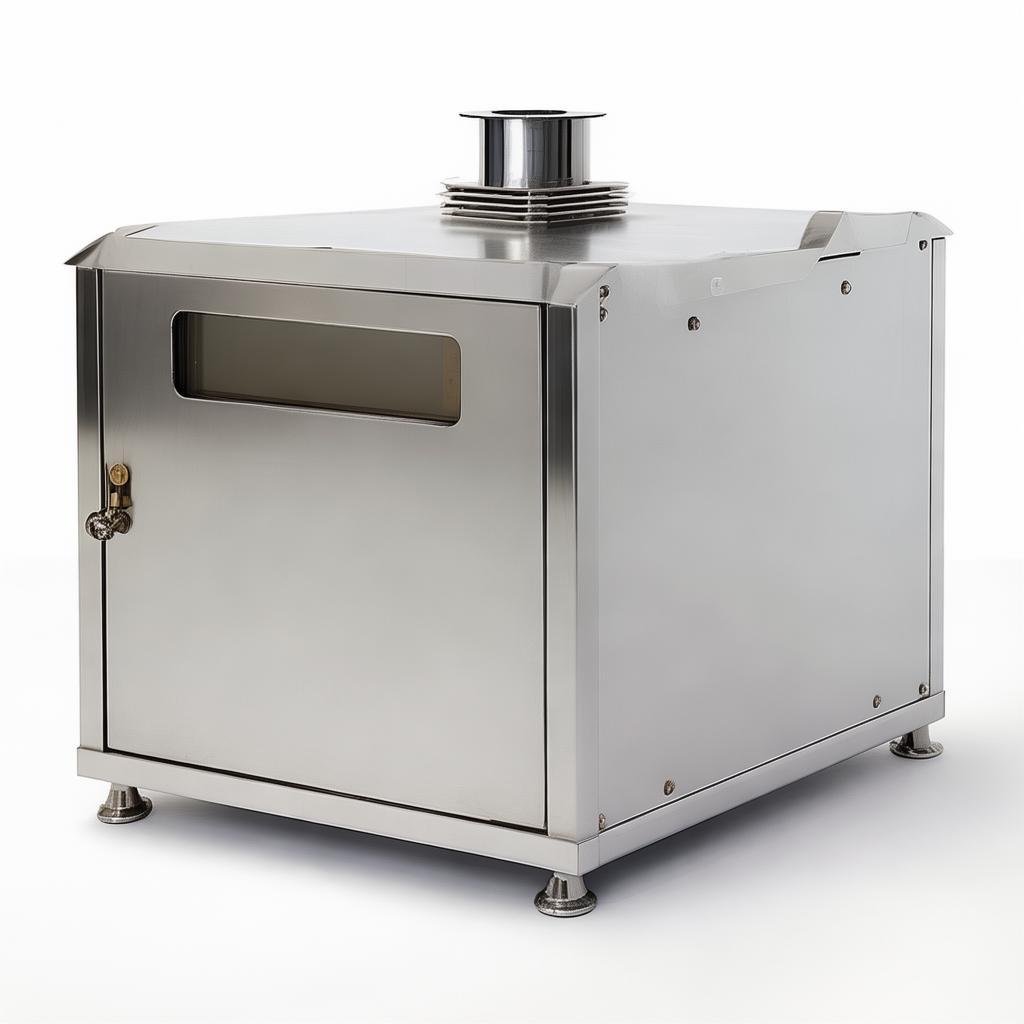
compressed air vacuum generator inline vacuum generator industrial vacuum generator
Note: Specific performance can vary based on compressed air quality, temperature, and system backpressure. We recommend consulting our engineers for custom application analysis.
Diverse Applications Across Industries
The versatility of vacuum generators means they are found in virtually every manufacturing sector. Our expertise in automation, honed in the food industry where precision and hygiene are paramount, translates directly to effective solutions for others.
Electronics Assembly
Pick-and-place of delicate PCBs, component handling, wafer manipulation, and automated testing equipment. Requires precise, gentle vacuum.
Packaging and Palletizing
Lifting boxes, bags, and formed containers; vacuum sealing; automated pallet loading and unloading. High flow rates are often needed here.
Automotive Manufacturing
Handling of interior components, glass manipulation, robotic assembly tasks, and part transfer between stations.
Food & Beverage Processing
As mentioned, crucial for packaging, pick-and-place of delicate food items, and certain molding/forming applications where product integrity is key.
Medical Device Manufacturing
Precise handling of small components, assembly of disposables, and automated packaging requiring sterile environments or high accuracy.
Woodworking & Machining
Workpiece holding on CNC machines, material handling, and dust extraction systems.
Installation and Integration Insights
Proper installation is key to maximizing the performance and lifespan of any vacuum generator. Our experience in designing and integrating complex machinery gives us a practical perspective on this.
Air Supply: Ensure your compressed air source provides clean, dry air within the specified operating pressure range for the chosen generator model. Impurities can significantly shorten component life. Many systems operate with 5-7 bar as standard, but check your generator's requirements. A pressure regulator is essential to maintain a stable supply, preventing over-pressurization and ensuring consistent vacuum levels.
Tubing: Use appropriately sized and rated tubing to connect the generator to the vacuum cup or suction point. Avoid overly long runs or sharp bends, which can restrict airflow and reduce vacuum efficiency. For high-flow applications, consider larger diameter tubing.
Mounting: Securely mount the generator to avoid vibration, which can affect performance and lead to premature wear. Many of our generators feature standard mounting patterns for easy integration into existing automation frames or robotic end-effectors.
System Design: Consider the overall vacuum system. If multiple generators are used, ensure the compressed air supply capacity is sufficient. For applications requiring rapid venting, incorporating a solenoid valve for control and potentially a silencer or muffler on the exhaust port can improve performance and reduce noise.
We often advise clients to think about fail-safe operation. In critical applications, how does the system behave if compressed air is lost? Should it hold the part, or release it safely? This influences the choice of generator and control strategy.
Procurement Considerations: Beyond the Price Tag
When procuring vacuum generators, especially for international markets, it’s crucial to look beyond the unit cost. Our 40 years in manufacturing have taught us that total cost of ownership and long-term reliability are far more important.
Supplier Reliability
Are they an established manufacturer with proven quality control? Do they have a track record of consistent production and on-time delivery? Look for certifications like ISO 9001.
Technical Support
Can the supplier offer expert advice for your specific application? This is critical for optimizing performance and avoiding costly mistakes. We pride ourselves on our engineering support.
Material Quality
What materials are used? High-grade aluminum or durable engineering plastics are preferred for longevity and resistance to industrial environments.
After-Sales Service
What is their policy on warranty, returns, and spare parts? A traceable after-sales management system, as we have, ensures peace of mind.
As an OEM/ODM factory ourselves, we understand the importance of component quality and the supply chain. We ensure our vacuum generators meet rigorous standards because we know they are critical parts of larger automated systems. The global meat processing equipment market is valued in the billions (USD 11.29 billion in 2025, per Fortune Business Insights), indicating a massive demand for reliable components. Ignoring supplier quality can lead to significant production disruptions, impacting your ability to meet market demands, whether for processed meats or other manufactured goods.
Our Commitment to Quality: Certifications and Factory Strength
Hebei Yuanchang Food Mechanism & Technology Co., Ltd. operates with a strong commitment to quality and international standards. Our 14,000 square meter facility and team of 80-100 dedicated employees are geared towards precision manufacturing.

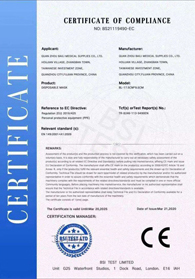
Our certifications, including adherence to ISO standards, reflect our dedication to robust quality management systems. This is complemented by our extensive in-house machining capabilities. With over 20 sets of advanced machinery and the integration of Japanese Mazak CNC machining centers, we possess the technical prowess to produce components with high precision, large volumes, and non-standard specifications. This vertical integration ensures that the components we supply, including vacuum generators, meet the highest benchmarks for performance and durability. Our 40 years of operation since 1986 mean we have not just experience, but a deep-seated understanding of what makes industrial equipment reliable and efficient.
Customer Insights: Real-World Experiences
We believe in the performance of our products, and our clients’ experiences speak volumes. Here’s what some of our partners have shared:
 Mark T., Operations Manager, USA
"We were struggling with inconsistent part handling on our automated assembly line. The vacuum generators from Yuanchang provided a stable, reliable vacuum, significantly reducing dropped components and increasing our uptime. The technical support team was instrumental in helping us select the right model."
 Sarah K., Procurement Specialist, Canada
"For our new packaging line, we needed a cost-effective yet robust vacuum solution. Yuanchang's offering provided the best balance of performance and price. The ease of integration and the durability have exceeded our expectations. Their export process was smooth, even with the international logistics."
 Chen Hao, Lead Engineer, China
"We’ve incorporated Yuanchang’s vacuum generators into several custom-built machines. The precision engineering is evident, especially in the consistent vacuum levels achieved even under fluctuating air pressures. Their factory's advanced CNC capabilities are clearly a major asset."
Frequently Asked Questions (FAQs)
What is the primary advantage of compressed air vacuum generators?
Their simplicity, reliability, and rapid response capabilities. They have no moving parts, making them less prone to wear and tear compared to other vacuum technologies. They are also generally more cost-effective for many applications.
How do I choose the right vacuum generator for my application?
Consider the required vacuum level (how strong the suction needs to be), the air flow rate (how much air needs to be evacuated), the response time, and the available compressed air supply. Our technical team can assist with this selection process.
What is the typical lifespan of a vacuum generator?
With proper installation and clean, dry compressed air, vacuum generators can last for many years with minimal maintenance. The absence of wearing parts is a significant factor in their longevity.
Can vacuum generators operate with non-standard compressed air?
While they can operate, using air with excessive moisture, oil, or particulates will significantly degrade performance, reduce lifespan, and potentially cause failure. Proper air preparation is highly recommended.
Do you offer custom OEM/ODM solutions for vacuum generators?
Yes, our extensive manufacturing capabilities allow us to develop and produce custom vacuum generator solutions tailored to specific OEM/ODM requirements. This includes modifications to performance, mounting, or materials.
Ready to Enhance Your Automation?
Discover how our precision-engineered vacuum generators can optimize your industrial processes. Leveraging 40 years of manufacturing excellence, we provide reliable solutions for global partners.
Or visit us at: Shijiazhuang, Hebei Province, China | Our Contacts
See Our Solutions in Action:
Trusted by Global Partners




Real-time Support & Collaboration