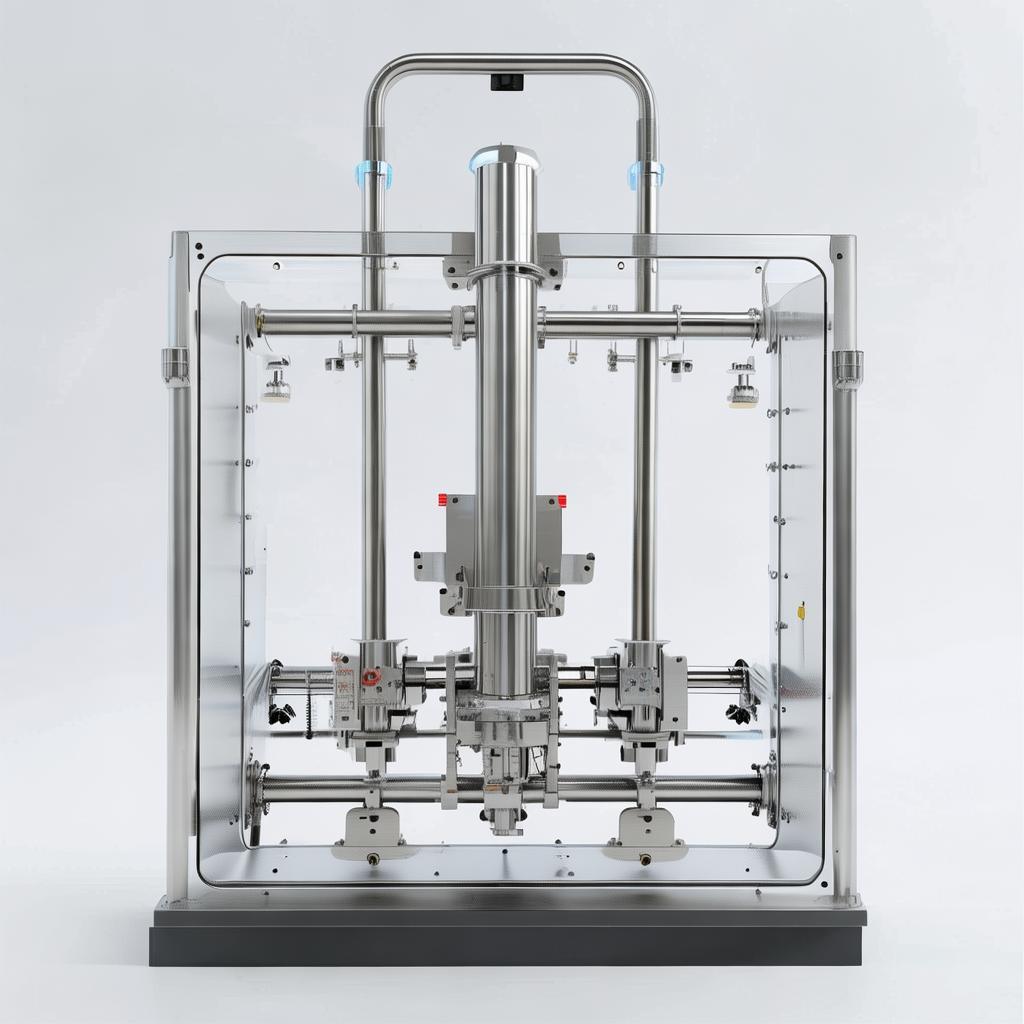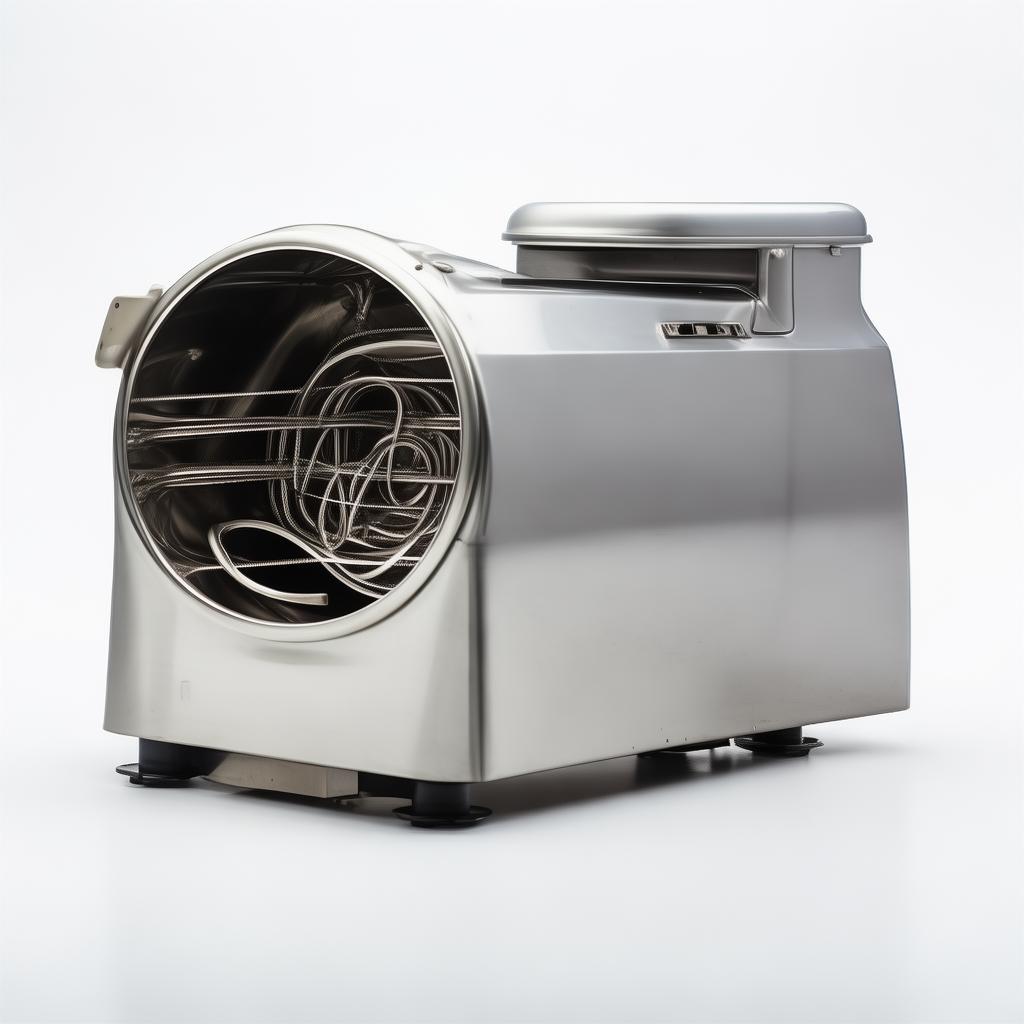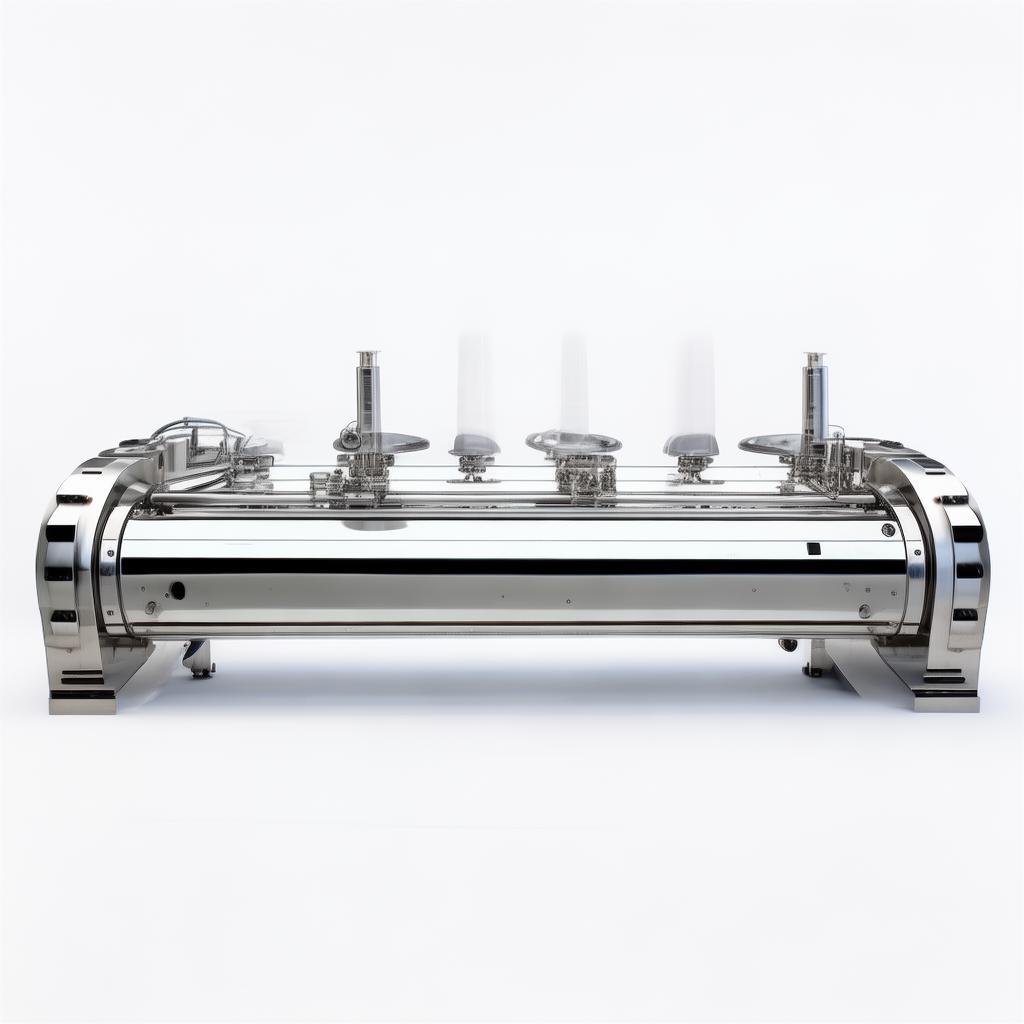
Vacuum Arc Furnace
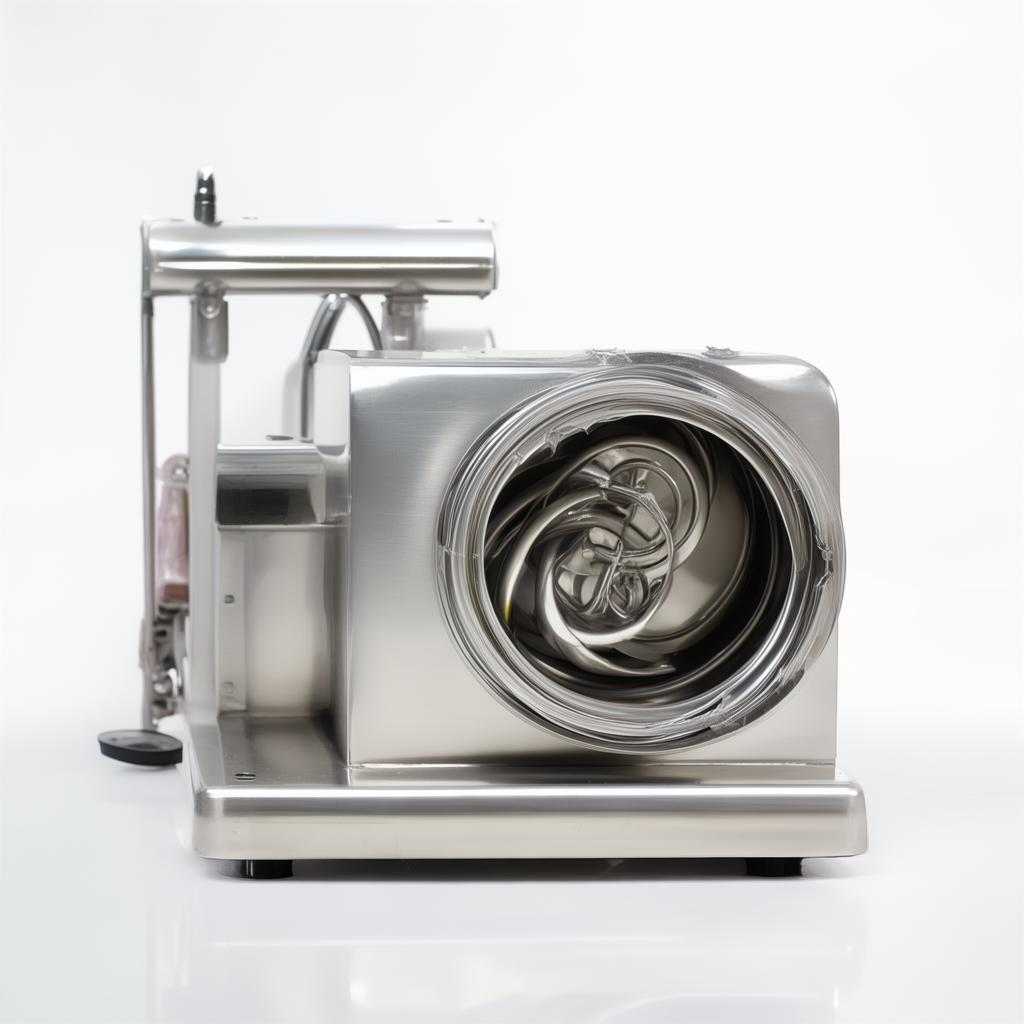
Vacuum Arc Furnaces for Advanced Material Production: Precision Melting, Purity, and Performance
Hebei Yuanchang Food Mechanism & Technology Co., Ltd. - Your trusted partner for specialized industrial equipment.
In the demanding world of advanced materials and high-purity metal production, precision and control are paramount. For applications where even trace impurities can compromise final product integrity, the Vacuum Arc Remelting (VAR) furnace stands as a cornerstone of modern metallurgical processes. This isn't just a piece of equipment; it's a finely tuned instrument designed to achieve unparalleled levels of material purity, structural homogeneity, and performance characteristics critical for aerospace alloys, specialty steels, refractory metals, and high-performance components. Understanding the nuances of vacuum arc furnace technology is essential for procurement managers, metallurgists, and R&D engineers tasked with sourcing materials for cutting-edge applications.
Our extensive experience, spanning over four decades since 1986, in manufacturing specialized machinery has provided us with a deep operational understanding of industrial processes. While our primary focus has been on high-quality food processing equipment, the underlying principles of precision engineering, material handling, and robust manufacturing translate directly to other industrial sectors requiring meticulous control. This expertise allows us to appreciate the critical role a vacuum arc furnace plays in ensuring the quality and reliability of the final product, whether it's a food-grade component or a high-strength alloy for a jet engine.
The core of VAR technology lies in its ability to remelt a consumable electrode (typically a pre-cast ingot) under vacuum conditions using a precisely controlled electric arc. As the electrode melts, molten metal droplets fall into a water-cooled crucible, solidifying into a new ingot. This controlled solidification process, coupled with the inert vacuum environment, effectively removes volatile impurities, reduces gas content, and minimizes segregation, leading to a refined material structure. For sectors like aerospace, where material failure can have catastrophic consequences, the enhanced ductility, fatigue strength, and creep resistance offered by VAR-processed materials are non-negotiable. Consider the automotive industry's push for lighter, stronger components – the demand for specialty alloys processed via VAR furnaces is steadily increasing.
Sourcing the right vacuum arc furnace involves more than just comparing specifications. It requires a partner who understands the operational demands, the importance of after-sales support, and the impact of equipment reliability on your entire production chain. We at Hebei Yuanchang, with our seasoned team and advanced machining capabilities – including Japanese Mazak CNC centers – are equipped to provide solutions that meet stringent industrial requirements. Our commitment to independent production of high-precision parts, backed by a traceable management system, ensures that the equipment we supply is built for performance and longevity.
The global market for advanced materials, driven by innovation in aerospace, defense, medical devices, and high-performance computing, underscores the growing importance of VAR technology. For instance, the demand for high-temperature superalloys, crucial for turbine engines, is intrinsically linked to the capabilities of vacuum arc melting and remelting processes. The meticulous control over solidification rates and the expulsion of dissolved gases are direct benefits that VAR furnaces provide. This technology is not just about melting metal; it's about creating advanced materials with predictable, superior performance under extreme conditions.
Procurement decisions in this domain are often complex, involving not just the initial capital outlay but also long-term operational costs, maintenance, and the crucial factor of supplier reliability. A robust VAR furnace system minimizes the risk of costly material rejections and production downtime. It’s an investment in quality assurance. We understand that your requirements may extend beyond standard configurations, which is why our OEM/ODM capabilities allow for tailored solutions that fit your specific operational workflows and material challenges.
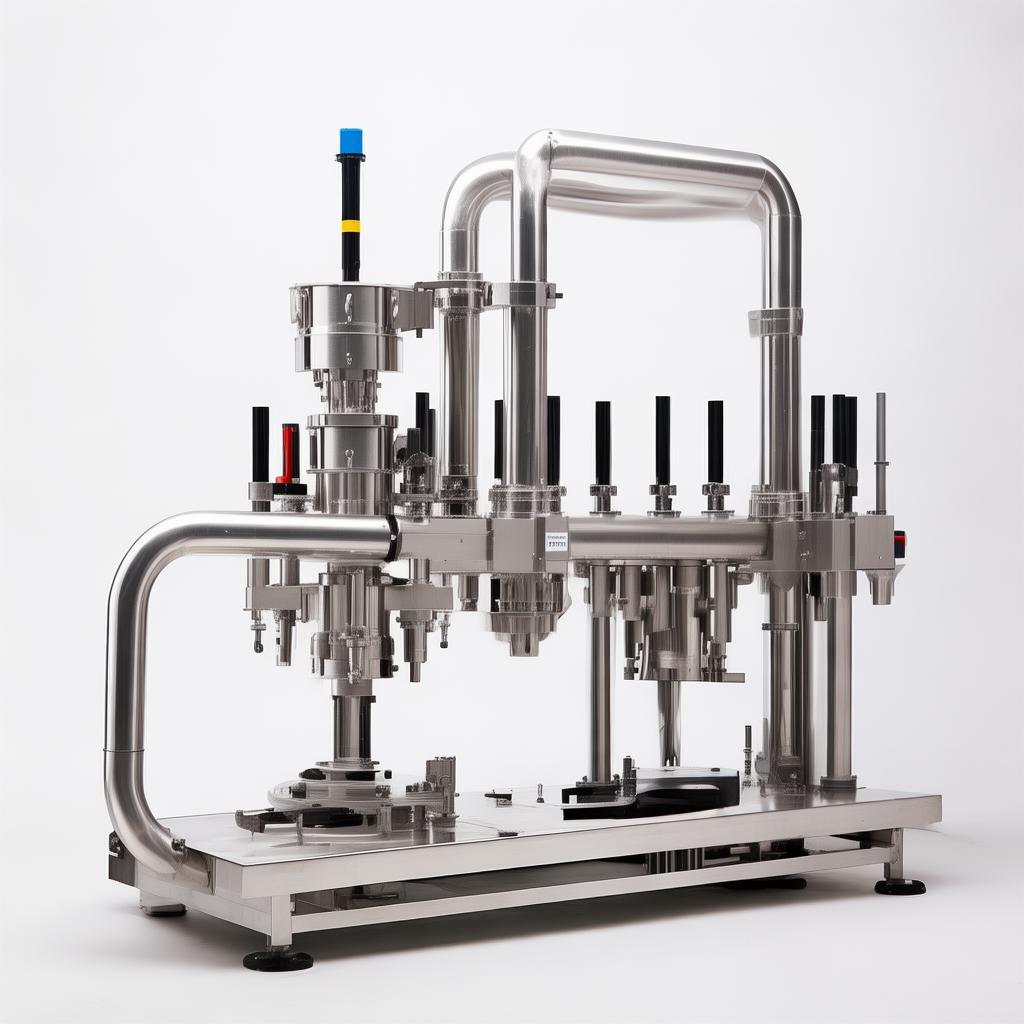
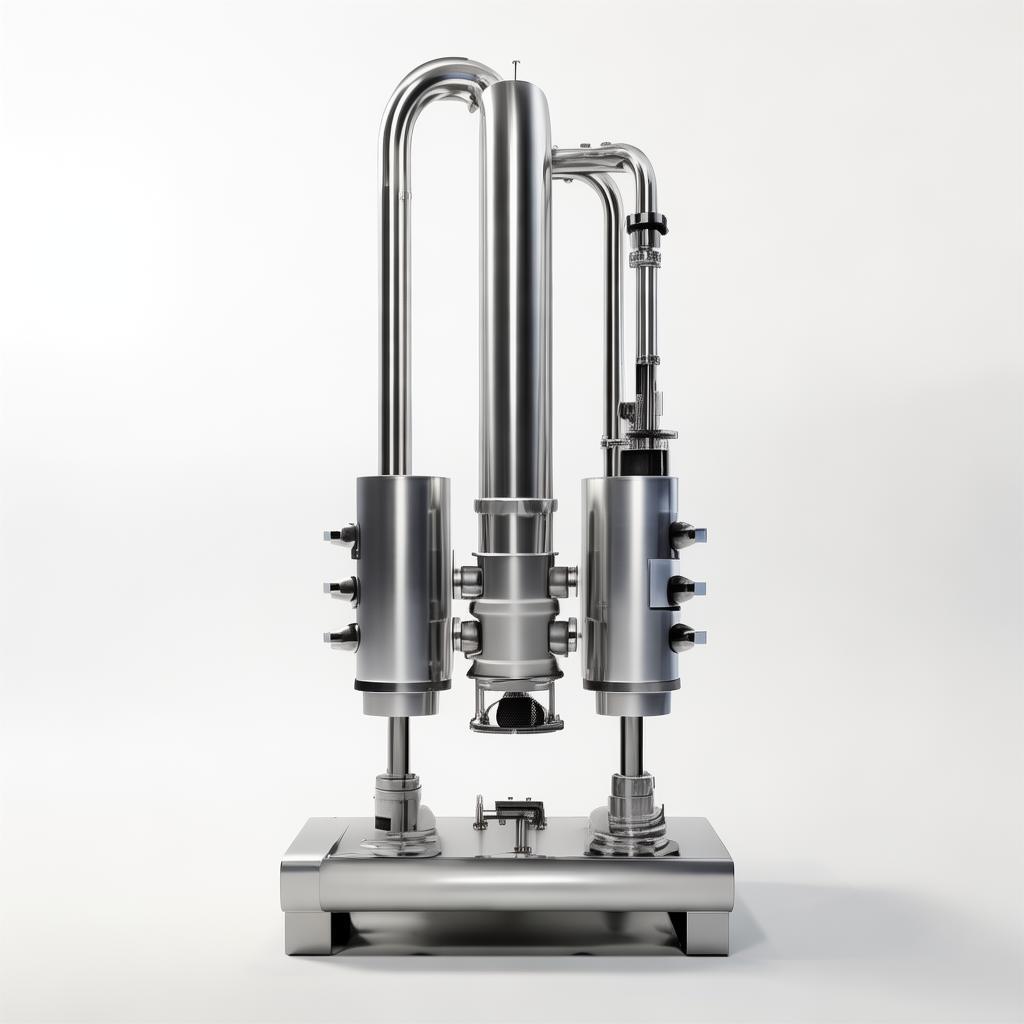
 Conceptual schematic of a Vacuum Arc Furnace (VAR) process.
Table of Contents
- Industry Challenges in High-Purity Metal Production
- The Core Technology: How Vacuum Arc Furnaces Operate
- Key Advantages of VAR Melted Materials
- Critical Applications Driving VAR Furnace Demand
- Understanding Technical Specifications
- Procurement & Supplier Evaluation
- Installation and Operational Considerations
- Maintenance and Longevity
- Our Manufacturing Strength
- Frequently Asked Questions (FAQs)
- Get a Tailored Solution
Industry Challenges in High-Purity Metal Production
Achieving ultra-high purity in metals and alloys for critical applications presents significant challenges. Traditional melting methods often struggle to eliminate dissolved gases like hydrogen, nitrogen, and oxygen to the parts-per-million (ppm) levels required for optimal performance. This residual gas content can lead to porosity, reduced mechanical properties, and premature failure in service.
Furthermore, segregation of alloying elements during solidification is a persistent problem. In conventional casting, uneven cooling rates can result in variations in chemical composition across the ingot, creating localized weaknesses or inconsistent material behavior. For buyers, this translates to increased risk of material rejection, higher scrap rates, and the potential for performance issues in their end products.
The need for specialized materials in sectors like aerospace, where every component faces extreme stress and temperature fluctuations, exacerbates these challenges. The performance benchmarks for turbine blades, landing gear components, or structural elements demand materials with exceptional fatigue life, creep resistance, and fracture toughness. Failing to address the root causes of material degradation during melting and solidification is simply not an option.
For procurement teams, identifying suppliers capable of consistently delivering materials that meet these exacting standards can be a complex and time-consuming process. It requires a thorough understanding of the manufacturing processes, the ability to verify material integrity, and confidence in the supplier's technical expertise and quality control systems. This is where the advanced capabilities of a Vacuum Arc Furnace become indispensable.
The Core Technology: How Vacuum Arc Furnaces Operate
At its heart, the Vacuum Arc Remelting (VAR) furnace is a specialized melting and solidification system designed for producing extremely pure and homogeneous metal ingots. The process begins with a consumable electrode, which is essentially a pre-melted or cast ingot of the desired alloy, often produced by a primary melting process like Vacuum Induction Melting (VIM). This electrode serves as the anode in the furnace.
The furnace chamber is evacuated to a high vacuum, typically in the range of 10-2 to 10-5 Torr. This vacuum environment is critical for two main reasons: it prevents oxidation and contamination of the molten metal, and it facilitates the removal of dissolved gases. A cathode, usually a water-cooled copper mold (the crucible), is positioned below the electrode.
A high-current electrical arc is initiated between the consumable electrode (anode) and the molten metal pool forming at the tip of the electrode, which in turn melts into the cathode mold. This arc generates intense heat, causing the tip of the electrode to melt. Molten metal droplets detach from the electrode and fall through the arc into the water-cooled copper mold.
As the molten metal strikes the cold copper mold, it solidifies rapidly from the bottom up. This controlled solidification process is key. The molten pool at the surface of the solidifying ingot remains in contact with the arc, allowing for further refining. Volatile impurities and dissolved gases are vaporized and pumped out of the vacuum chamber. The arc also helps to break up any oxide films that might form, allowing them to be effectively removed. The entire process is precisely controlled by adjusting the arc current, vacuum level, and melting rate.
The resulting ingot is characterized by its exceptional purity, reduced gas content, uniform chemical composition, and fine, equiaxed grain structure. This meticulous process ensures that the final material is free from inclusions and internal defects, making it ideal for applications demanding the highest levels of reliability and performance.
Key Advantages of VAR Melted Materials
Materials processed through a vacuum arc furnace offer a distinct set of advantages that are critical for high-performance applications. These benefits directly translate into improved product longevity, enhanced safety, and superior operational efficiency for end-users.
- Ultra-High Purity: VAR processing significantly reduces levels of interstitial elements (like oxygen, nitrogen, hydrogen) and volatile impurities, often achieving purity levels far beyond what is possible with conventional melting. This is crucial for preventing embrittlement and maintaining mechanical integrity.
- Reduced Gas Content: Dissolved gases are effectively removed during the remelting process. Lower gas content means fewer internal voids and porosity, leading to improved ductility, toughness, and fatigue resistance. This is vital for components subjected to cyclic loading, such as in aerospace engines or automotive drivetrains.
- Homogeneous Microstructure: The controlled solidification in the water-cooled mold promotes the formation of fine, equiaxed grains. This uniformity in grain size and distribution minimizes segregation of alloying elements and ensures consistent mechanical properties throughout the ingot.
- Improved Mechanical Properties: The combination of high purity, low gas content, and homogeneous microstructure results in materials with superior tensile strength, fatigue life, creep resistance, and fracture toughness. These are the defining characteristics sought after in demanding industries.
- Enhanced Corrosion and Oxidation Resistance: For certain alloys, the removal of impurities and the creation of a more uniform surface can lead to better resistance against environmental degradation and corrosive agents.
- Reduced Segregation: VAR minimizes macro- and micro-segregation of alloying elements, ensuring a more consistent chemical composition across the entire ingot. This predictability is essential for engineers designing with tight material specifications.
These advantages make VAR-processed materials the preferred choice for critical components where failure is not an option and performance under extreme conditions is paramount.
Critical Applications Driving VAR Furnace Demand
The superior material properties achieved through vacuum arc remelting have made these furnaces indispensable across a range of high-technology and safety-critical industries. The demand for VAR-processed materials is a direct indicator of innovation and advancement in these sectors.
Aerospace & Aviation
This is arguably the largest market for VAR-processed materials. High-strength, lightweight alloys such as titanium alloys, nickel-based superalloys (e.g., Inconel, Waspaloy), and specialized steels are vital for turbine engine components (blades, discs), airframes, landing gear, and structural elements. The stringent safety and performance requirements in aerospace make VAR processing a necessity. The market for meat processing equipment, while distinct, shares common threads in demanding precise manufacturing; however, aerospace alloys require an even higher level of metallurgical control. 【Meat Processing Equipment Market Size, Share & Industry Analysis - Fortune Business Insights - Mentions automation for hygiene and labor efficiency, driving demand for reliable equipment. While not directly related to VAR, it highlights the universal need for precision and reliability in manufacturing.]
Medical Devices
Biocompatibility, corrosion resistance, and strength are paramount for medical implants, surgical instruments, and prosthetics. Titanium alloys, cobalt-chrome alloys, and certain stainless steels processed via VAR offer the required purity and mechanical properties for implants like hip and knee replacements, pacemakers, and dental implants.
Defense & Military
Advanced armor plating, high-performance weapon systems, and specialized components for naval and terrestrial vehicles often utilize materials derived from VAR processes. These materials must withstand extreme ballistic impact, high temperatures, and corrosive environments.
Energy Sector
Components for gas turbines in power generation, specialized alloys for nuclear reactor parts, and materials for high-pressure, high-temperature oil and gas exploration equipment benefit from the enhanced properties provided by VAR-melted metals.
Industrial Tooling & High-Performance Components
Advanced cutting tools, dies, molds, and components for high-stress industrial machinery requiring exceptional wear resistance, hardness, and thermal stability often employ VAR-processed steels and superalloys.
The consistent demand across these sectors underscores the critical role of VAR technology in enabling technological progress and ensuring the reliability of vital infrastructure and products.
Understanding Technical Specifications
When evaluating a vacuum arc furnace, several key technical specifications dictate its performance, capacity, and suitability for your specific needs. These parameters are crucial for ensuring that the furnace can consistently produce ingots that meet your material requirements.
Key Specifications to Consider:
- Melting Capacity (Ingot Diameter & Length): This is often the primary consideration, determining the maximum size of the consumable electrode and the resulting ingot that can be processed. Common ingot diameters range from a few inches for specialized applications to over 30 inches for large aerospace or industrial ingots.
- Maximum Arc Current: A higher arc current generally allows for faster melting rates and the processing of larger electrodes. Currents can range from a few hundred amps for small furnaces to tens of thousands of amps for large industrial units.
- Vacuum Level: The achievable vacuum within the furnace chamber is critical for purity. Systems typically aim for base pressures in the range of 10-2 to 10-5 Torr (or mbar). Lower pressures are generally better for removing volatile impurities and dissolved gases.
- Power Supply & Control System: The type of power supply (e.g., DC, AC) and the sophistication of the control system influence the stability and precision of the arc. Advanced systems allow for precise control over melt rate, melt pool depth, and solidification parameters.
- Cooling System: Effective cooling of the copper crucible and other furnace components is essential for controlled solidification and to prevent damage. The capacity and efficiency of the cooling system are vital for preventing defects.
- Electrode Handling System: This includes mechanisms for lowering the electrode, maintaining arc length, and retracting it. Automation and precision in this system are key to process repeatability.
- Chamber Design: Materials, seals, and overall robustness of the vacuum chamber are important for maintaining vacuum integrity and safety.
- Automation & Monitoring: Features like automated melt sequencing, real-time monitoring of arc voltage/current, temperature, and vacuum levels enhance process control and consistency.
Example Specification Table (Illustrative)
| Parameter | Specification Range | Notes |
|---|---|---|
| Ingot Diameter | 100 mm - 500 mm | Customizable |
| Max Electrode Weight | Up to 500 kg | Depends on diameter and length |
| Maximum Arc Current | 5,000 A - 15,000 A | Adjustable |
| Base Vacuum Pressure | < 5 x 10⁻³ Torr | Achievable with diffusion/turbo pump |
| Power Requirement | 3-Phase, 380V, 50/60Hz | Configurable |
| Cooling Water Demand | ~100-200 GPM | Dependent on furnace size |
high vacuum furnace high temperature vacuum furnaces industrial vacuum oven
When discussing your needs with a supplier, providing clear parameters on desired ingot size, material type, and purity requirements will facilitate the selection of the most appropriate VAR furnace configuration.
Procurement & Supplier Evaluation
Purchasing a vacuum arc furnace is a significant capital investment, and selecting the right supplier is as critical as selecting the right furnace itself. A well-chosen supplier will not only deliver a robust piece of equipment but also provide the necessary support for its entire lifecycle.
Key Considerations for Buyers:
- Supplier Experience & Track Record: Look for manufacturers with a proven history in specialized melting equipment. Decades of experience, like ours since 1986, indicate a deep understanding of metallurgical processes and engineering challenges. Request case studies or references from companies in similar industries.
- Manufacturing Capabilities: Verify the supplier's in-house manufacturing and machining capabilities. Our facility, equipped with over 20 sets of precision machinery, including Japanese Mazak CNC centers, ensures that critical components are manufactured to high tolerances, guaranteeing reliability and performance.
- Customization & OEM/ODM: Does the supplier offer standard models or can they provide custom solutions? For specialized applications, OEM/ODM capabilities are essential to tailor the furnace to your unique process requirements. We pride ourselves on our ability to develop bespoke solutions.
- After-Sales Support & Service: This is crucial. Enquire about installation assistance, commissioning, operator training, spare parts availability, and technical support responsiveness. A traceable after-sales management system, as we maintain, is a strong indicator of commitment to customer satisfaction.
- Quality Certifications & Standards: While VAR furnaces are highly specialized, adherence to general manufacturing quality standards (like ISO 9001) is a baseline expectation. Discuss material traceability and adherence to any industry-specific material standards relevant to your final products.
- Lead Times & Logistics: Understand the typical manufacturing lead time and the supplier's experience with international shipping and customs. Efficient container loading and export documentation are vital for cross-border commerce.
Hebei Yuanchang's 40 years of experience provide a solid foundation for evaluating our capabilities. We understand that international trade requires clear communication, reliable logistics, and a commitment to quality that transcends borders.
What Our Clients Say



Installation and Operational Considerations
Proper installation and operational setup of a vacuum arc furnace are crucial for safety, performance, and longevity. These systems are complex and require careful planning and execution.
Key Factors for Installation:
- Site Preparation: The furnace requires a stable, level foundation capable of supporting its significant weight. Adequate space is needed for operation, maintenance, and material handling (e.g., electrode loading, ingot removal).
- Utilities: Reliable and sufficient electrical power is paramount. High-capacity power supplies are needed for the arc. A robust water cooling system with consistent flow rates and pressure is essential for the copper mold and other components to prevent overheating. Inert gas supply (e.g., Argon) might be needed for specific procedures or safety interlocks.
- Ventilation & Exhaust: While operating under vacuum, melting processes can still generate fumes and process gases that need to be safely vented or captured, especially during chamber opening or system purging.
- Safety Systems: Interlocks for vacuum integrity, cooling water flow, electrode position, and electrical safety are non-negotiable. Proper grounding and emergency shutdown procedures must be in place.
Operational Nuances:
- Process Parameter Control: Achieving consistent results requires precise control over arc current, arc length, melting rate, and vacuum pressure. Operator training on these parameters and their impact is vital.
- Consumable Electrode Quality: The quality of the pre-melted electrode significantly impacts the final ingot. Ensuring it meets chemical composition and structural requirements is key.
- Water-Cooled Mold Management: The integrity of the copper mold is critical. Any damage or imperfections can lead to process issues or failure. Regular inspection and maintenance are necessary.
- Vacuum System Maintenance: The vacuum pumps and seals must be kept in optimal condition to achieve and maintain the required vacuum levels.
Our team can provide detailed installation guidelines and support, ensuring your vacuum arc furnace is commissioned correctly for optimal performance and safety.
Maintenance and Longevity
To ensure your vacuum arc furnace operates reliably and continues to produce high-quality materials for years to come, a proactive maintenance schedule is essential. Neglecting maintenance can lead to unexpected downtime, reduced efficiency, and premature component failure.
Routine Maintenance Schedule (General Guidelines):
- Daily Checks: Inspect cooling water flow and temperature, check vacuum pump operation, and visually inspect the chamber for leaks or damage. Verify electrode positioning system.
- Weekly Checks: Clean the interior of the furnace chamber, inspect seals for wear or degradation, check electrical connections for tightness and signs of corrosion, and verify safety interlocks are functioning correctly.
- Monthly Checks: Calibrate process control sensors (temperature, pressure), perform a more thorough inspection of the copper mold for pitting or erosion, and check the condition of electrodes and holders. Service vacuum pumps as per manufacturer recommendations.
- Quarterly/Annual Overhauls: These should involve more in-depth system diagnostics, replacement of wear parts (e.g., seals, certain electrical components), full servicing of vacuum pumps, and detailed inspection of the power supply and cooling systems. Reviewing historical performance data can help identify potential issues early.
The specific maintenance requirements will depend on the furnace model, operating intensity, and the materials being processed. Always refer to the manufacturer's operation and maintenance manual.
Our traceable after-sales management system ensures that we can support your maintenance efforts with readily available spare parts and expert technical advice, maximizing your equipment's operational lifespan.
Our Manufacturing Strength: Precision Engineering You Can Trust
Hebei Yuanchang Food Mechanism & Technology Co., Ltd. isn't just a supplier; we are a vertically integrated manufacturer with over 40 years of experience since 1986. This deep-rooted expertise in precision engineering and robust production processes allows us to deliver industrial equipment that meets the highest standards. Our commitment to quality starts with our manufacturing facility.
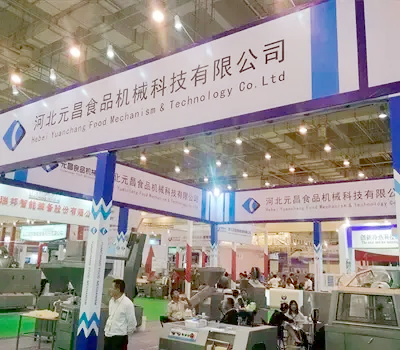
Spanning approximately 14,000 square meters, our production facility houses a team of 80-100 dedicated professionals. We integrate Research & Development, advanced production, and direct sales to ensure a seamless workflow. Our in-house machining workshop is the backbone of our precision manufacturing. It is equipped with more than 20 sets of advanced processing machinery, including lathes, milling machines, high-precision grinding machines, boring machines, plate shears, bending machines, and wire cutting equipment.
A significant investment in 2012 saw the introduction of 8 sets of Japanese Mazak CNC machining centers. This cutting-edge technology empowers us to undertake the production of highly complex, high-standard components that demand large volumes, exceptional precision, and non-standard specifications – capabilities that are directly transferable to the intricate demands of vacuum arc furnace manufacturing. This allows us to maintain strict quality control over every part we produce.
Our commitment extends beyond initial production. Coupled with our traceable after-sales management system, our independent capability to produce high-precision parts ensures that any service or spare part requirement is met with the same level of quality and efficiency, providing our clients with truly worry-free operation and support. This integrated approach makes us a reliable partner for specialized industrial equipment.
Frequently Asked Questions (FAQs)
VIM is a primary melting process where the raw material is melted inductively within a vacuum. It's excellent for removing dissolved gases and some impurities. VAR, on the other hand, is a secondary refining process where a pre-melted electrode (often produced by VIM) is remelted via an electric arc under vacuum. VAR excels at removing volatile impurities and achieving a more homogeneous microstructure through controlled solidification. Often, VIM is used to create the electrode that is then processed by VAR.
VAR furnaces are most commonly used for reactive metals (like titanium, zirconium), refractory metals (like tungsten, molybdenum), and high-performance alloys (nickel-based superalloys, specialty steels) where high purity and controlled solidification are critical. While theoretically possible for other metals, the economics and necessity might favor different melting techniques for less demanding applications.
Lead times can vary significantly based on the complexity of the customization, the supplier's current production schedule, and the availability of specialized components. Generally, for a custom-built industrial furnace, lead times can range from 6 to 18 months from order placement to delivery. We recommend discussing your specific timeline requirements early in the consultation process.
VAR-processed materials are typically more expensive than conventionally melted ones due to the specialized equipment, energy requirements, longer processing times, and the need for high-quality electrodes. However, the enhanced performance, increased reliability, and extended service life often justify the higher upfront cost, especially in critical applications where material failure can lead to catastrophic consequences or significant financial loss.
Yes, we provide comprehensive support packages that include detailed installation guidance, commissioning services, and thorough operator training. Our goal is to ensure your team is fully equipped to operate the furnace safely and efficiently from day one. We also offer ongoing technical support and can arrange for specialized training modules.
Ready to Enhance Your Material Purity and Performance?
Achieve superior material quality with our advanced vacuum arc furnace solutions. Leverage our 40 years of manufacturing excellence and precision engineering.
Contact us today to discuss your specific requirements for vacuum arc furnaces and other specialized industrial equipment.
What Our Global Clients Say

Aerospace Materials Engineer, USA
"The precision and consistency from the VAR furnace we sourced through Hebei Yuanchang have been instrumental in upgrading our titanium alloy quality. The material purity levels are consistently higher than our previous supplier. Their engineering support during the initial setup was invaluable."

Metallurgist, Canada
"We needed to achieve tighter tolerances on gas content for our medical-grade stainless steel. Hebei Yuanchang understood our requirements and provided a VAR furnace that met our exact specifications. The after-sales service has been prompt and effective."

Procurement Manager, South Korea
"The negotiation and logistics for importing the VAR furnace were handled very professionally by Hebei Yuanchang. The equipment arrived on schedule and performs as promised. We appreciate their transparency and commitment to international trade standards."

R&D Specialist, France
"We are developing advanced nickel alloys for aerospace. The VAR furnace from Hebei Yuanchang has allowed us to achieve the necessary purity and structural integrity. The ability to customize the system to our specific melt pool control needs was a key factor in our decision."