Trolley Conveyor System
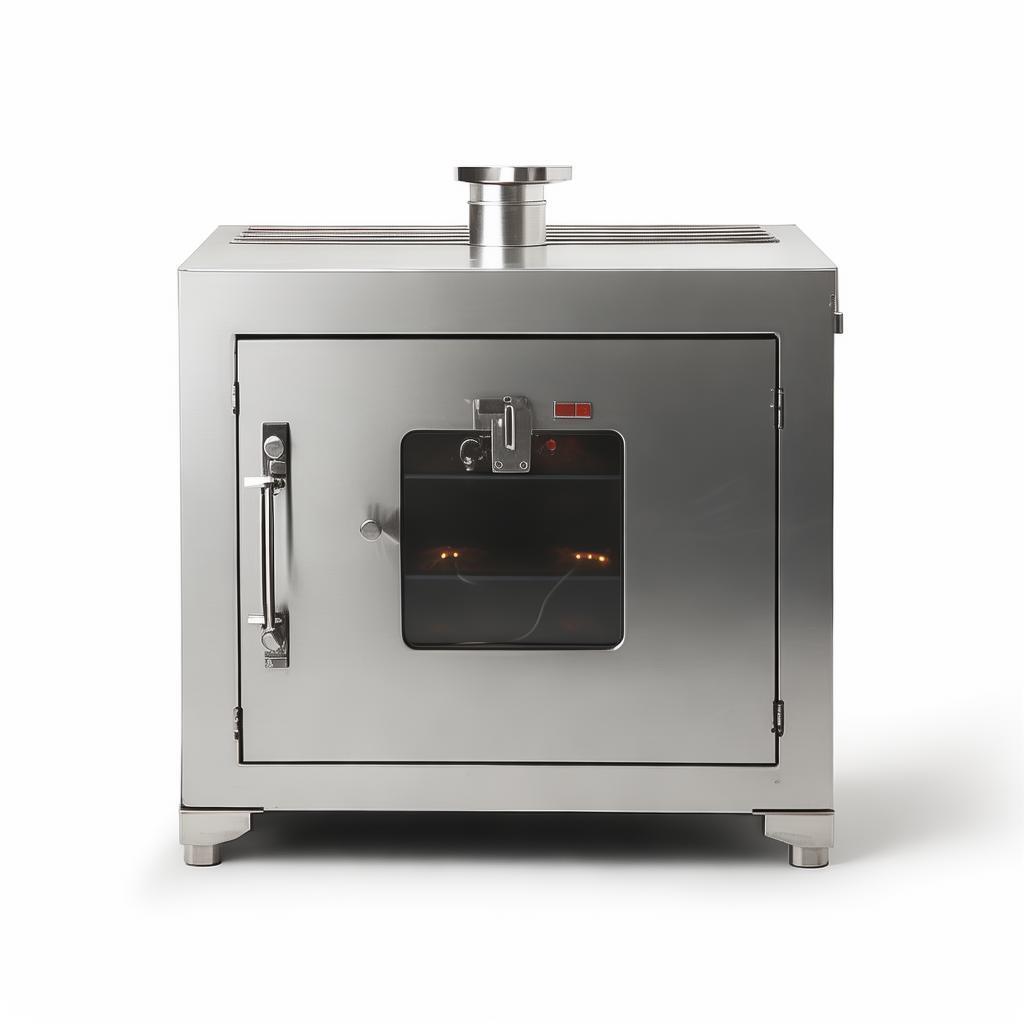
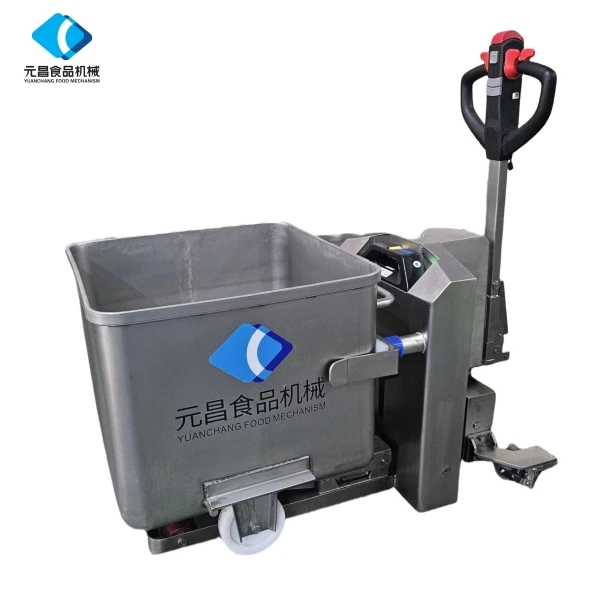
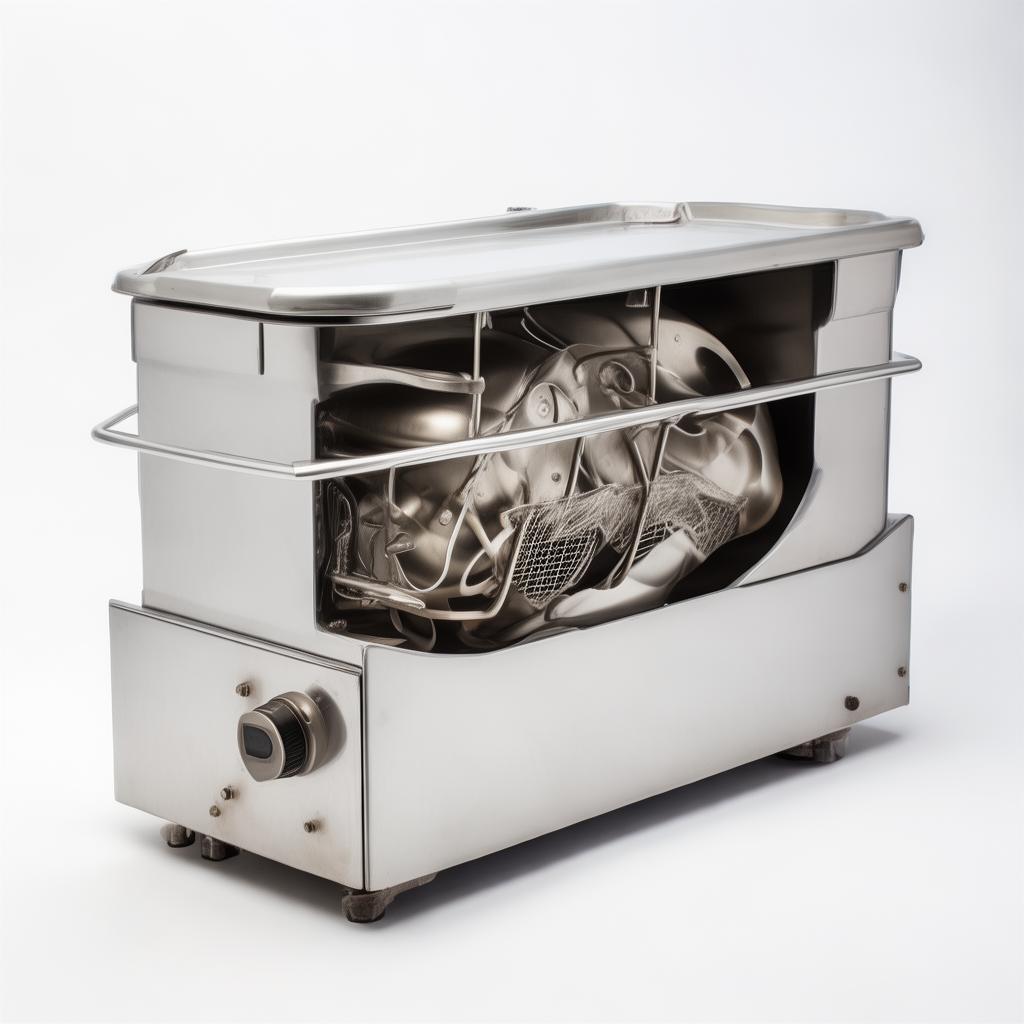
Trolley Conveyor Systems: Optimizing Your Material Flow and Production Efficiency
By Jian Li, Senior Production Engineer at Hebei Yuanchang Food Mechanism & Technology Co., Ltd.
 Published: October 26, 2023
The Unseen Engine: Why Trolley Conveyor Systems Are Critical for Modern Manufacturing
In the relentless pursuit of operational efficiency and cost reduction, manufacturers worldwide are constantly seeking smarter ways to move materials. From raw inputs to finished goods, the journey of a product through a facility often dictates its final cost and time-to-market. Manual handling, while seemingly straightforward, is a significant, often underestimated, drain on resources. It’s not just about the physical labor; it’s about the inherent inefficiencies, the increased risk of damage, and the slow, inconsistent pace it imposes on the entire production line. This is where a well-designed trolley conveyor system steps in, acting as the silent, hardworking backbone of a streamlined operation.
We're not just talking about moving items from point A to point B. A sophisticated trolley conveyor system orchestrates a continuous, predictable flow, integrating seamlessly with various processing stages. Whether you're in food production, automotive assembly, textiles, or even specialized industrial manufacturing, the principle remains the same: optimized material movement directly correlates with improved throughput, enhanced product quality, and a healthier bottom line. The global meat processing equipment market, for instance, is projected to reach approximately USD 17.39 billion by 2034, with key segments including filling, processing, and auxiliary systems—all of which benefit immensely from efficient material handling. [Source: Fortune Business Insights]. This underscores the critical role of integrated systems in driving industry growth and efficiency.
Consider the common challenges faced by many plants: production bottlenecks that cause delays, product damage during transit, worker fatigue and potential injuries from repetitive lifting, and the sheer difficulty in maintaining consistent output levels. These aren't isolated incidents; they are systemic issues often rooted in an inefficient material transport strategy. A trolley conveyor system, particularly one engineered for precision and durability, directly addresses these pain points. It automates the movement, reduces manual intervention, and ensures that components or products arrive at their next station precisely when needed, in pristine condition. This level of control is invaluable for maintaining production schedules and meeting demanding quality standards.
The complexity of modern supply chains and the increasing demand for customized products mean that flexibility and reliability in internal logistics are paramount. A robust trolley conveyor solution offers precisely this. It can be configured to handle diverse load types, navigate intricate plant layouts, and integrate with other automation systems. Think about the automotive industry, a sector that heavily relies on synchronized assembly lines. The efficient movement of car bodies or sub-assemblies on a trolley conveyor system is fundamental to meeting production targets. Similarly, in food processing, the hygienic and consistent transport of raw materials and finished products, crucial for compliance with standards like those referenced by FDA regulations, is a primary function of these systems. The market for meat processing equipment, which includes specialized filling and molding machinery, is expected to grow significantly, highlighting the need for advanced material handling solutions within this sector.
At Hebei Yuanchang, we understand that a "one-size-fits-all" approach rarely works in industrial settings. Our expertise, honed over 40 years since 1986, allows us to design and manufacture trolley conveyor systems that are not just functional but are tailored to the unique operational demands of our clients. We integrate deep industry knowledge with advanced engineering capabilities to deliver solutions that enhance productivity, ensure safety, and provide a tangible return on investment. This commitment to bespoke engineering is why clients trust us for their most critical material handling needs, a practice that aligns with the broader trend towards automation and efficiency seen across various manufacturing sectors.
Furthermore, the international trade landscape for industrial equipment is constantly evolving. Understanding compliance, logistics, and the total cost of ownership is vital. We facilitate this by providing clear specifications, robust construction that meets international standards, and reliable after-sales support, ensuring that your investment in a trolley conveyor system from Yuanchang is a secure and forward-thinking decision. Whether you're looking to upgrade an existing line or build a new facility from the ground up, our team is equipped to guide you through the process, offering insights that only decades of hands-on experience can provide.
The Hidden Costs of Manual Handling: Common Production Bottlenecks
Many operations still rely on manual methods for moving goods. While it might seem economical on the surface, the cumulative effect of manual handling can severely impact productivity and profitability. Let's break down some of the most common pain points we encounter:
- Inconsistent Throughput: Human operators, even the most diligent, are subject to fatigue, breaks, and varying skill levels. This leads to unpredictable workflow speeds, creating bottlenecks at critical stages and idle time elsewhere. The global meat processing equipment market's growth, for example, is driven by demand for consistency and efficiency; manual handling directly fights against this.
- Product Damage & Spoilage: Repeated lifting, dropping, and jostling of products during manual transport increases the likelihood of damage. For delicate items or those requiring strict temperature control (like in food processing), this can lead to significant product loss and costly rejections.
- Worker Safety & Strain: Repetitive strain injuries (RSIs) and acute injuries from lifting heavy loads are serious concerns. Beyond the human cost, these lead to increased insurance premiums, worker's compensation claims, and lost workdays. A robust trolley system eliminates much of this risk.
- Inefficient Space Utilization: Manual material handling often requires wide aisles for forklifts or hand trucks, taking up valuable floor space that could be used for production or storage. Conveyor systems can be routed overhead or along walls, freeing up floor space.
- Quality Control Challenges: When products are moved manually, it's harder to track their exact location and status within the production line. This makes quality checks and recalls more complex and time-consuming. Automated systems provide better visibility.
- High Labor Costs: The direct cost of wages, benefits, and training for personnel dedicated to material handling can be substantial. Automating this function with a trolley conveyor system often yields a superior ROI over time.
Addressing these issues is not just about optimizing processes; it's about building a more resilient, efficient, and safe manufacturing environment. The market for meat processing equipment itself is expanding, with projected values reaching up to USD 19.66 billion by 2033, indicating a strong industry-wide push for modernization and efficiency. [Source: SkyQuest Technology]. This trend highlights the universal need for advanced material handling solutions.
The Yuanchang Trolley Conveyor Advantage: Engineered for Peak Performance
Our trolley conveyor systems are not generic off-the-shelf solutions. They are meticulously designed, leveraging our decades of manufacturing experience, to deliver tangible benefits that directly impact your operational success. We focus on:
Unmatched Reliability & Durability
Constructed with high-grade steel and robust components, our systems are built for continuous operation in demanding industrial environments. We understand that downtime is lost revenue, so we engineer for longevity.
Optimized Throughput & Workflow
By automating material movement, our trolley conveyors ensure a steady, predictable flow, eliminating bottlenecks and maximizing the utilization of your production equipment. This directly contributes to higher output volumes.
Enhanced Product Integrity
Gentle handling and controlled movement minimize the risk of damage, ensuring your products reach the next stage of production or the end consumer in perfect condition.
Improved Workplace Safety
Reducing manual lifting and carrying of heavy loads significantly lowers the risk of worker injuries, creating a safer and more productive work environment. This aligns with modern EHS (Environment, Health, and Safety) standards.
Customization & Scalability
We design systems to fit your specific facility layout, product types, and future expansion plans. Our solutions are adaptable, ensuring they grow with your business.
Cost-Effectiveness & ROI
While the initial investment is a consideration, the long-term savings in labor, reduced product loss, and increased efficiency deliver a strong return on investment. Our systems are built for endurance, minimizing maintenance costs.
The demand for advanced food processing equipment, including those for meat, is projected to grow robustly, with some market reports estimating a value of USD 30.5 billion by 2035. This growth is heavily reliant on efficient, automated material flow, which our trolley conveyors provide. [Source: Global Market Insights].
Understanding the Mechanics: Key Components of a Robust Trolley Conveyor System
A well-engineered trolley conveyor system is a complex yet elegant solution. It's more than just a track and a cart. It involves several critical components working in concert to ensure smooth, reliable operation. Our experience in manufacturing, including precision machining with Japanese Mazak CNC centers, allows us to build these components to exacting standards:
The core of the system typically comprises:
Overhead Track/Rail System
This is the foundation. Typically constructed from high-strength steel profiles (like C-channels or specialized I-beams), it guides the trolleys. The track's design prevents derailment and ensures smooth movement, often with precisely machined surfaces or integrated guide rails. The length and configuration are dictated by your facility's layout and production flow.
Trolleys & Carriers
These are the workhorses that carry your product. Each trolley consists of a frame, wheels (often polymer or steel with sealed bearings for longevity and reduced maintenance), and a suspension system. The carrier can be a simple hook, a platform, a specialized fixture, or a cage, depending on what you need to transport. We select wheel materials based on load, speed, and environmental factors (e.g., chemical resistance, temperature).
Drive System
This is what makes the system move. Common methods include:
- Chain Drive: A continuous loop of chain runs along the track, with lugs or arms that push the trolleys. This is very common for heavy loads and continuous movement.
- Cable Drive: Similar to chain drive, but uses a reinforced steel cable.
- Motorized Trolleys: Each trolley has its own drive motor, offering high flexibility and precise control, often used in automated storage and retrieval systems.
- Pusher/Puller Mechanisms: For simpler, intermittent movements.
Take-up & Tensioning Units
Essential for chain or cable driven systems to maintain proper tension, ensuring smooth engagement with the drive mechanism and preventing slippage. Properly tensioned systems last longer and perform better.
Diverters, Switches & Gates
These components allow for routing trolleys to different lines, stopping them at specific stations, or diverting them onto temporary storage spurs. They are critical for complex production lines and automated sortation.
Control Systems
From simple start/stop buttons to complex PLCs (Programmable Logic Controllers) integrated with SCADA systems, controls manage speed, sequencing, safety interlocks, and communication with other plant equipment. We can integrate our systems with your existing automation infrastructure.
The meticulous construction of these components, particularly the precision required for bearings, tracks, and drive mechanisms, is where our 40 years of machining expertise truly shines. For instance, the meat processing equipment market, valued at approximately USD 12.04 billion in 2024, relies on high standards of hygiene and precision in all its components, including material handling.
Versatile Applications: Where Trolley Conveyors Excel
The adaptability of trolley conveyor systems makes them indispensable across a wide spectrum of industries. Their ability to handle diverse loads, navigate complex layouts, and operate continuously means they can solve material flow challenges in almost any manufacturing or processing environment. Here are just a few examples:
- Food & Beverage Processing: Moving raw ingredients, semi-finished products, and packaged goods through washing, cutting, cooking, cooling, filling, and packaging stages. Hygiene is paramount, so we ensure easy-to-clean designs and food-grade materials where required. This is critical in sectors like the processed meat market, which demands high standards and efficiency.
- Automotive & Heavy Manufacturing: Transporting car bodies, chassis, engines, and large components between assembly stations. The robust nature of our systems is well-suited for the high demands of these industries.
- Aerospace: Moving large aircraft components, sub-assemblies, and finished aircraft through various stages of manufacturing and assembly. Precision and reliability are key here.
- General Manufacturing: Handling a vast array of products from appliances, electronics, and machinery parts through fabrication, assembly, testing, and warehousing.
- Textiles & Apparel: Moving rolls of fabric, cut garments, and finished apparel items between dyeing, cutting, sewing, and finishing departments.
- Logistics & Warehousing: Facilitating the movement of goods within distribution centers, from receiving to picking, packing, and shipping zones.
- Paints & Coatings: Transporting drums, pails, and containers of raw materials and finished products, often in environments requiring specific safety measures.
The global demand for processed meat products, projected to reach over USD 1.3 trillion by 2035, underscores the importance of efficient processing lines where trolley conveyors play a vital role in moving products seamlessly from one step to the next. [Source: Precedence Research].
Material Choices: Durability Meets Application Needs
Selecting the right materials for your trolley conveyor system is crucial for longevity, performance, and compliance with industry standards. We utilize a range of materials, carefully chosen for their specific properties:
| Component/Material | Primary Materials Used | Key Properties & Benefits | Typical Applications |
|---|---|---|---|
| Tracks / Rails | High-Tensile Steel (Q235, Q345), Stainless Steel (304, 316) | High strength, wear resistance, corrosion resistance (stainless steel), smooth running surface. | General industrial, food processing, corrosive environments. |
| Trolley Frames | Steel, Stainless Steel, Engineered Polymers | Load-bearing capacity, corrosion resistance, lightweight (polymers). | All industries; polymer for lighter loads or specific chemical resistance. |
| Wheels | Nylon, Polyurethane, Steel (Hardened) | Load capacity, impact resistance, chemical resistance, low friction, noise reduction. Sealed bearings crucial. | Nylon/Polyurethane for quiet operation and chemical resistance; Steel for extreme loads. |
| Chains / Cables | Hardened Steel Alloys, Stainless Steel, Specialized Synthetic Ropes | Tensile strength, fatigue resistance, corrosion resistance, low stretch. | Heavy duty, continuous movement, specific environmental needs. |
| Carriers/Attachments | Steel, Stainless Steel, Food-grade Polymers, Specialty Coatings | Tailored to product shape and weight; hygiene compliance (FDA, NSF), non-stick properties. | Highly application-specific; crucial for food and pharmaceutical industries. |
overhead conveyor trolley material handling trolley trolley hook
Our 40 years of experience mean we know how to specify these materials for maximum uptime and minimum maintenance. For example, selecting the correct food-grade stainless steel for trolleys in meat processing applications is non-negotiable for hygiene and compliance, a detail we meticulously manage.
Seamless Integration: Installation and Logistics Considerations
Implementing a new trolley conveyor system involves more than just fabrication. Our approach considers the entire lifecycle, from design and manufacturing to on-site installation and ongoing operation. We aim to make the transition as smooth as possible for your team.
Installation Planning
We work closely with your engineering and operations teams to develop a detailed installation plan. This includes site preparation, access requirements, safety protocols, and phasing to minimize disruption to ongoing production. Our team can provide on-site supervision or full installation services, depending on your needs.
Facility Integration
Our systems are designed to integrate seamlessly with your existing plant infrastructure and other machinery. We pay close attention to ceiling heights, structural support, power availability, and control system interfaces. This ensures a cohesive operational flow rather than a disconnected addition.
Logistics & Shipping
Exporting industrial equipment requires careful planning. We manage the packaging of components to prevent damage during transit, ensure proper documentation for customs, and can coordinate with freight forwarders for efficient container loading and shipment to destinations worldwide. Our 40 years of experience in international trade mean we handle the complexities of global logistics efficiently.
Commissioning & Training
Before final handover, systems undergo rigorous commissioning to verify performance and safety. We also provide comprehensive training for your maintenance and operational staff, ensuring they are fully equipped to operate and maintain the system effectively. This reduces reliance on external support and empowers your internal teams.
Proper installation and clear logistics prevent costly delays and ensure your system starts delivering value from day one. For example, the efficiency gained in loading and unloading containers can significantly impact overall shipping costs for international buyers.
Procurement Smartly: Key Factors When Buying Trolley Conveyor Systems
As a purchasing manager or procurement director, your goal is to secure a reliable, cost-effective solution that meets your operational needs without introducing unnecessary risk. Here’s what you should consider when evaluating trolley conveyor system suppliers:
Supplier Experience & Track Record
Look for manufacturers with a long history and proven expertise in industrial automation and material handling. 40 years of experience, like ours at Hebei Yuanchang, speaks volumes about our stability and accumulated knowledge. Request case studies relevant to your industry.
Customization Capabilities
Off-the-shelf solutions rarely fit perfectly. Can the supplier tailor the system's dimensions, speed, capacity, and carrier design to your specific product and layout? Our in-house machining and engineering capabilities are key here.
Quality of Materials & Construction
Inquire about the specific materials used (steel grades, bearing types, etc.) and manufacturing processes. High-quality construction translates to longer lifespan and reduced maintenance. Certifications like ISO are a good indicator.
After-Sales Support & Spare Parts
What happens after installation? Reliable suppliers offer readily available spare parts, technical assistance, and troubleshooting support. A traceable after-sales management system, as we have, ensures peace of mind.
Total Cost of Ownership (TCO)
Look beyond the initial purchase price. Consider installation costs, energy consumption, maintenance requirements, spare parts availability, and expected lifespan. A system that requires frequent repairs or parts replacement will have a high TCO.
Compliance & Safety Standards
Ensure the system meets relevant safety regulations for your region and industry. This is particularly important in food processing (e.g., FDA compliance) or environments with hazardous materials.
Choosing the right partner is as critical as choosing the right system. We pride ourselves on transparency and long-term relationships, ensuring our clients feel confident in their investment.
Our Manufacturing Prowess: Precision from Concept to Completion
At Hebei Yuanchang, our 14,000 square meter facility is more than just a factory; it's a hub of engineering excellence. With a dedicated team of 80-100 skilled professionals, we integrate R&D, production, and sales to deliver superior food processing and industrial machinery, including advanced trolley conveyor systems.
In-House Machining Excellence
Our comprehensive machining workshop boasts over 20 sets of advanced processing machinery, including lathes, milling machines, high-precision grinders, boring machines, and wire cutting equipment. This allows us to manufacture even the most intricate components in-house.
Japanese CNC Technology
Since 2012, we've invested in 8 sets of Japanese Mazak CNC machining centers. This cutting-edge technology enables us to produce high-standard components with exceptional precision, high volume, and non-standard specifications—crucial for critical parts in conveyor systems.
40 Years of Expertise
Our journey began in 1986. This extensive experience means we possess deep practical knowledge of complete production lines and material flow optimization, which we embed into every system we design.
Traceable Quality Assurance
Coupled with our traceable after-sales management system, our independent production of high-precision parts ensures consistent quality and provides unparalleled confidence in the reliability and longevity of our equipment.
Our commitment to quality manufacturing underpins our ability to deliver robust and efficient trolley conveyor systems that meet global standards.
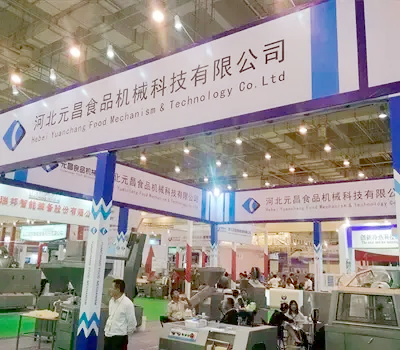
Our state-of-the-art machining facilities ensure precision for every component.
What Our Clients Say: Real-World Impact
We believe in delivering not just equipment, but solutions that genuinely transform operations. Here’s what some of our clients experienced after implementing Yuanchang trolley conveyor systems:
"Before installing the Yuanchang system, our sausage production line was plagued by manual handling bottlenecks. The new trolley conveyor has smoothed out the entire process. Lead times for our cured products have visibly shortened, and product damage has virtually disappeared. The installation supervision was professional and efficient."

Production Manager, Gourmet Meats Co.
"We needed a durable system for our automated meat ripening chambers. Yuanchang delivered exactly that. The trolleys are robust, the stainless steel construction is perfect for our hygienic requirements, and the continuous movement has significantly improved batch consistency. Their team handled the export logistics flawlessly."

Operations Director, Prime Poultry Processors
"The ability to customize the carrier design was crucial for us. We transport oddly shaped marinated products, and the bespoke trolleys from Yuanchang fit perfectly, preventing spillage and damage. The system has cut our pre-packaging labor needs by an estimated 20%."

Plant Manager, Artisan Foods Inc.
Frequently Asked Questions
What is the typical lead time for a custom trolley conveyor system?
Lead times can vary significantly based on system complexity, customization level, and current production schedules. For standard configurations, it might range from 6-10 weeks. For highly customized systems, it could extend to 12-16 weeks or more. We provide a detailed timeline estimate after the initial design consultation.
Do you offer installation and commissioning services internationally?
Yes, absolutely. We have extensive experience managing international projects, including on-site installation supervision and full commissioning services. We work with reputable local partners where necessary to ensure smooth project execution, adhering to all local safety regulations.
What kind of maintenance is required for these systems?
Routine maintenance typically involves regular lubrication of bearings and drive components, cleaning of tracks and trolleys, and periodic inspection of chains/cables for tension and wear. We provide detailed maintenance manuals and can offer training for your maintenance staff. Our robust construction is designed for minimal downtime.
Can your trolley conveyors handle high-temperature or cryogenic environments?
Yes, we can specify specialized materials and lubricants for extreme temperature applications. For high-heat environments, we might use heat-resistant steel alloys and specialized bearings. For cryogenic conditions, specific polymers and lubrication solutions are employed. Please discuss your specific environmental requirements with our engineers.
What is the warranty period for your trolley conveyor systems?
Our standard warranty covers manufacturing defects for a period of 12 months from the date of commissioning or 18 months from the date of shipment, whichever comes first. Specific warranty terms can be detailed in your project quotation.
Ready to Revolutionize Your Material Flow?
Stop letting inefficient material handling limit your production potential. Hebei Yuanchang's trolley conveyor systems offer a proven path to increased efficiency, improved safety, and greater profitability.
Client Interactions
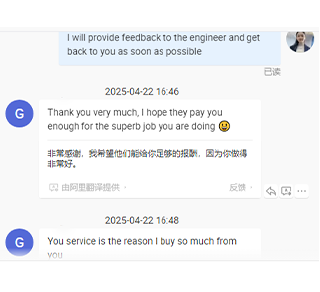
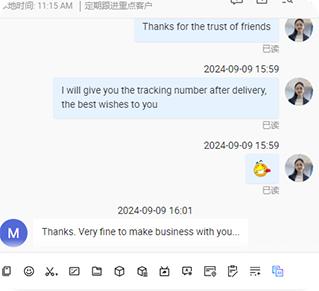

Verifying specifications and delivery schedules with our clients.