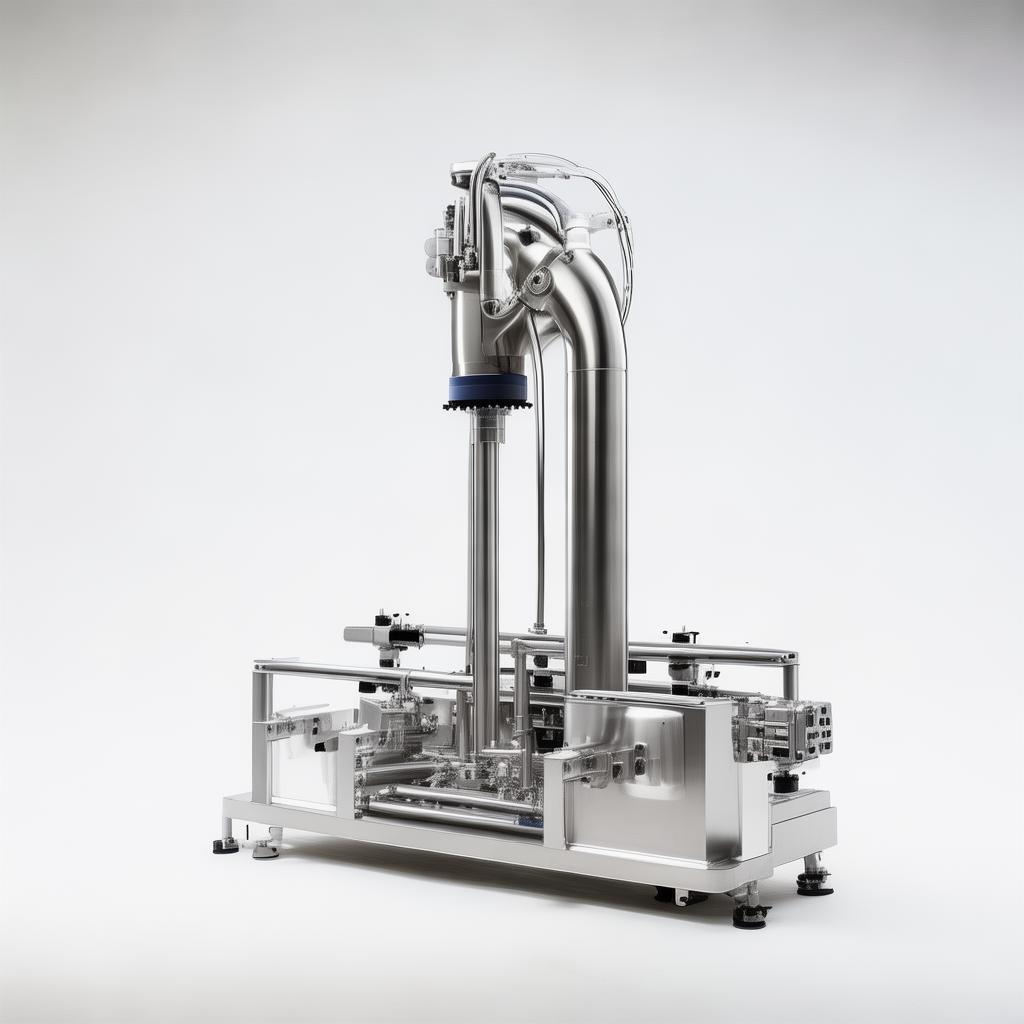
Tub Trolley
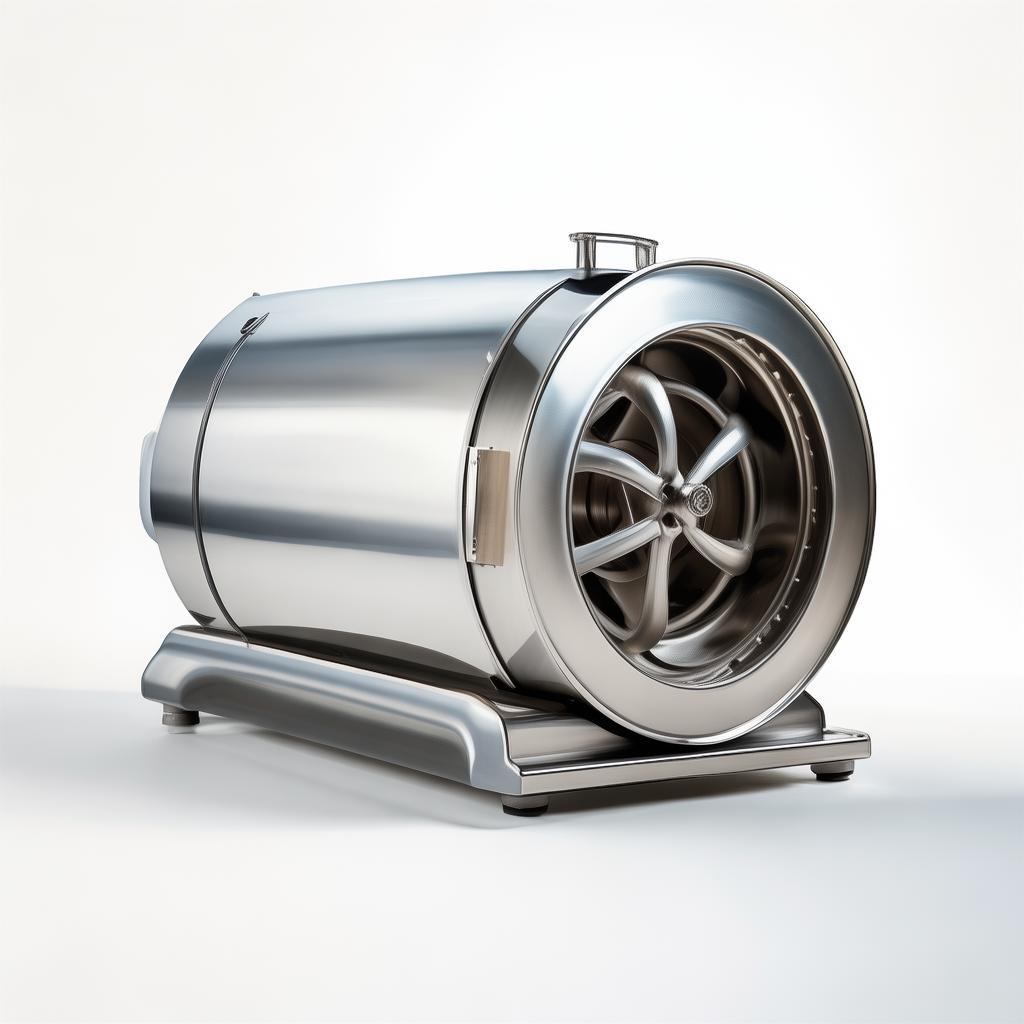
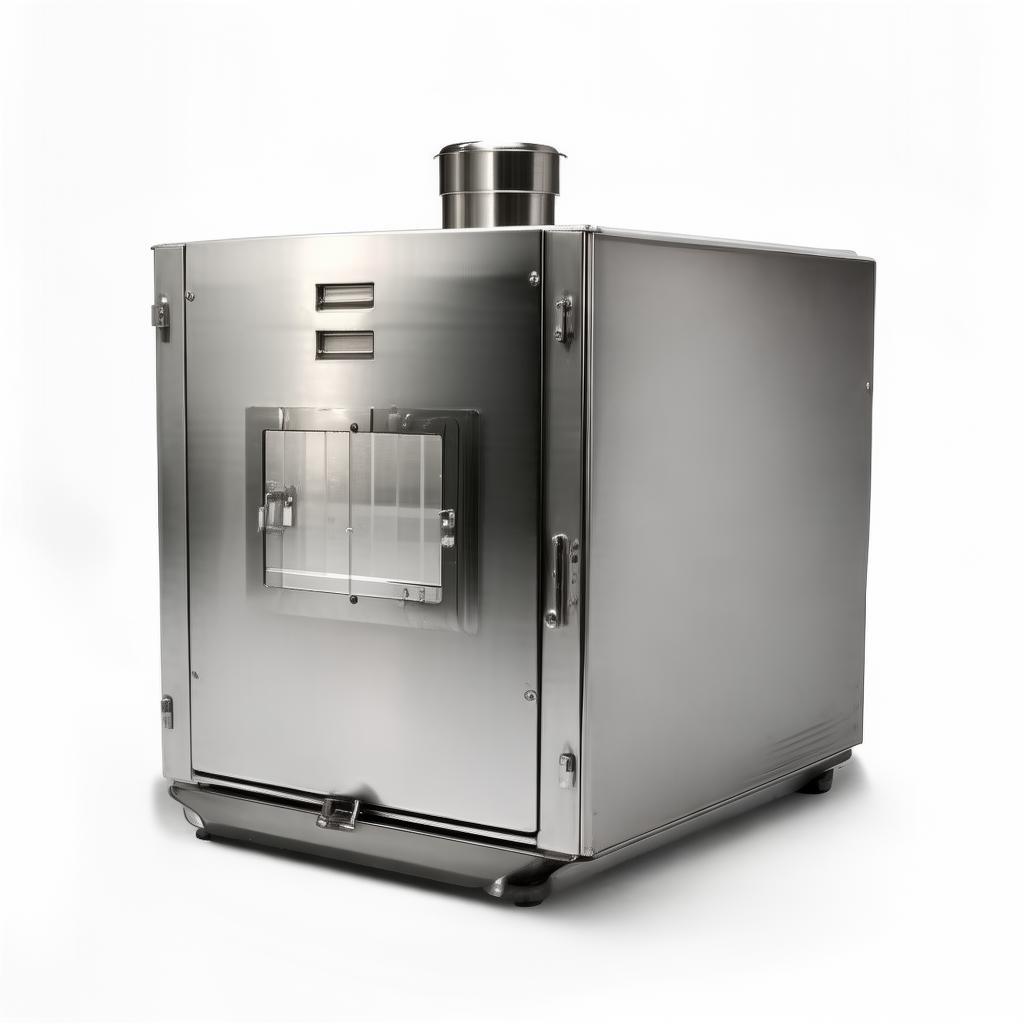
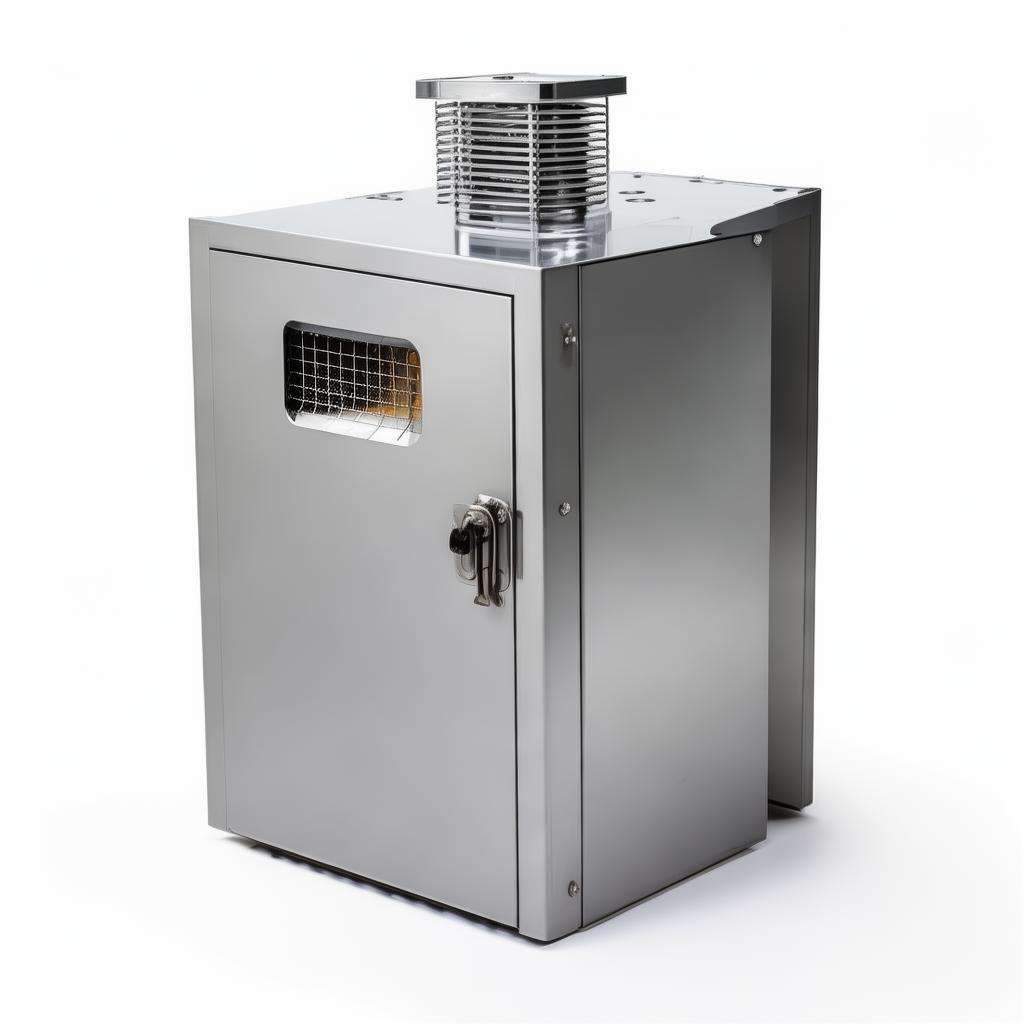
Tub Trolleys: Essential Mobility Solutions for Industrial Efficiency
Streamline your operations with robust, reliable tub trolleys designed for demanding environments.
By Hebei Yuanchang Food Mechanism & Technology Co., Ltd.
Navigating the Complexities of Material Handling: Why the Right Tub Trolley Matters
In the intricate world of industrial operations, from food processing plants to manufacturing facilities and logistics hubs, the efficient movement of materials is not just a convenience—it's a fundamental pillar of profitability and operational integrity. Every component, every product, and every raw material needs to be transported reliably, safely, and with minimal expenditure of time and labor. This is where the humble, yet indispensable, tub trolley emerges as a critical piece of equipment. It’s easy to overlook, often considered a simple utility item, but the right tub trolley can significantly impact workflow, reduce physical strain on personnel, prevent product damage, and contribute to overall operational hygiene and safety.
Consider the challenges faced daily by purchasing managers and operations directors. They’re tasked with optimizing supply chains, minimizing downtime, and ensuring the highest standards of quality and safety. In this context, selecting the appropriate material handling equipment isn't a trivial decision. A poorly designed or underspecified tub trolley can lead to a cascade of problems: spilled contents, damaged goods, ergonomic injuries to staff, bottlenecks in production lines, and even costly compliance issues, particularly in sensitive sectors like food and pharmaceuticals. The global meat processing equipment market alone, valued at over USD 11 billion and projected to reach upwards of USD 19 billion by 2034, underscores the scale of operations where efficient material movement is paramount. 【Meat Processing Equipment Market Size, Share & Industry Analysis - https://www.fortunebusinessinsights.com/meat-processing-equipment-market-115455 - The global meat processing equipment market was valued at USD 11.29 billion in 2025 and is projected to reach USD 17.39 billion by 2034 at a CAGR of 5.0%.】 Within such environments, the reliable transport of raw materials, intermediate products, and finished goods via robust tub trolleys is non-negotiable.
At Hebei Yuanchang Food Mechanism & Technology Co., Ltd., with our 40 years of experience (since 1986) in manufacturing intricate machinery, we understand that even seemingly simple equipment like tub trolleys demands meticulous engineering and quality construction. We’ve seen firsthand how selecting the right design—be it a heavy-duty stainless steel unit for sterile environments or a durable polyethylene model for general warehousing—can prevent operational headaches and enhance long-term value. This isn't about just moving tubs from point A to point B; it's about integrating a piece of equipment into a complex workflow where each element must perform flawlessly. The choice of casters, the material composition, the load capacity, and the ease of cleaning are all factors that, when addressed correctly, contribute to a smoother, more productive operation.
The demand for specialized material handling solutions is growing in parallel with the expansion of the processed meat market, which is projected to exceed USD 1.2 trillion by 2034. 【Processed Meat Market Size, Share & Growth Report - https://www.fortunebusinessinsights.com/industry-reports/processed-meat-market-100556 - The global processed meat market is projected to grow from USD 750.58 billion in 2026 to USD 1,253.77 billion by 2034 at a CAGR of 6.62%.】 This growth necessitates equipment that can handle increased volumes efficiently and hygienically. Our tub trolleys are engineered to meet these evolving demands, providing the mobility and durability required to support high-throughput production lines. We focus on designing trolleys that not only facilitate movement but also contribute to maintaining the integrity and quality of the products being transported.
When procurement teams look for tub trolleys, they're often evaluating a range of needs. Is it for transporting raw ingredients that need to remain at a specific temperature? Or perhaps for moving finished goods to dispatch, where aesthetics and preventing contamination are key? The operational environment dictates the specifications. For food processing, materials like food-grade stainless steel or robust, easy-to-clean polyethylene are essential to meet stringent hygiene standards (e.g., FDA compliance). In colder environments, the trolley's material and casters must withstand low temperatures without becoming brittle. The overall design must also consider ease of maneuverability, even when fully loaded. This often means specifying swivel casters, ergonomic handle designs, and a stable base to prevent tipping. Our engineering team considers these nuances, ensuring that each tub trolley we supply is fit for its intended purpose, reducing the risk of costly errors and improving overall site safety.
The complexity of global supply chains also means that the durability and logistical considerations of equipment are crucial. A tub trolley might travel through multiple stages of production, processing, and distribution, often being loaded into shipping containers for international transport. Therefore, a robust construction that can withstand the rigors of transit and continuous use is vital. We pride ourselves on producing equipment that offers a long service life and minimizes total cost of ownership for our clients. This long-term perspective is why we invest in advanced manufacturing capabilities, including Japanese Mazak CNC machining centers, enabling us to produce high-precision components for even our most utilitarian equipment.
Ultimately, the right tub trolley is more than just a cart; it's an investment in operational efficiency, product integrity, and workforce well-being. It’s a solution that, when thoughtfully chosen and well-manufactured, contributes silently but powerfully to the success of your business. Let's explore the specifics of what makes a tub trolley a valuable asset in your operation.
Procurement Insight: When specifying tub trolleys, always consider the load capacity required, the type of casters for your flooring and maneuverability needs, and the cleaning protocols of your facility. Material compatibility is key for hygiene and longevity.
Industry Challenges: Why Standard Solutions Often Fall Short
The operational landscape is diverse, and the challenges faced by businesses in moving materials are rarely uniform. Standardized equipment, while seemingly cost-effective, often fails to address the specific demands of unique environments. For instance, a facility handling bulk ingredients might require larger capacity trolleys, while one focusing on delicate finished products needs solutions that minimize vibration and impact. The sheer variety of materials being processed—from raw meats to prepared foods, industrial components, or bulk chemicals—necessitates equipment tailored to specific properties like corrosiveness, temperature sensitivity, or the need for containment.
Consider the food processing sector, a prime user of tub trolleys. Hygiene is paramount. Equipment must be designed for easy and thorough cleaning to prevent cross-contamination and microbial growth. This means smooth surfaces, no crevices where debris can accumulate, and materials resistant to cleaning agents and disinfectants. Stainless steel is often the material of choice, but its weight can be a factor. High-density polyethylene (HDPE) offers a lighter, yet robust and non-porous alternative, ideal for many applications. However, not all HDPE is equal; industrial-grade, virgin materials are crucial for durability and compliance. 【Meat and Poultry Processing Equipment Market - https://www.gminsights.com/industry-analysis/meat-and-poultry-processing-equipment-market - The meat and poultry processing equipment market was valued at USD 15.5 billion in 2025 and is expected to reach USD 30.5 billion by 2035 at a CAGR of 7%.】 This market growth reflects the continuous demand for specialized equipment that meets evolving standards.
In manufacturing and warehousing, the challenges shift towards robustness, load-bearing capacity, and maneuverability in potentially crowded or uneven spaces. A tub trolley used for moving heavy machine parts or finished goods might need reinforced frames, heavy-duty casters capable of handling significant weight, and a stable chassis to prevent accidents. The friction of casters on different floor surfaces—concrete, epoxy coatings, or even uneven asphalt—can significantly impact the effort required to move a loaded trolley. This is where a well-engineered caster system, often featuring ball bearings and appropriate wheel materials (like polyurethane or industrial rubber), becomes critical for operational efficiency and reducing operator fatigue.
Furthermore, logistical considerations often dictate the design. In international trade, equipment must be packaged and designed for efficient container loading and overseas transit. Dimensions that optimize pallet space or allow for nesting can lead to substantial cost savings in shipping. The durability of the trolley itself becomes a factor in minimizing replacement costs and ensuring it can withstand the typical stresses of global logistics. 【Meat Processing Equipment Market Size, Share & Industry Analysis - https://www.fortunebusinessinsights.com/meat-processing-equipment-market-115455】 The report highlights the growth driven by automation adoption for hygiene and labor efficiency, and the expansion in Asia-Pacific, indicating a global need for reliable material handling.
The lifecycle cost of equipment is another significant concern for procurement professionals. A cheaper, poorly constructed trolley might have a lower upfront cost but will likely require more frequent maintenance, repairs, or premature replacement, leading to higher total cost of ownership. This is why investing in quality, from the materials used to the manufacturing process, is a strategic decision. Our approach at Hebei Yuanchang, leveraging 40 years of experience and precision manufacturing capabilities, aims to deliver equipment that offers superior durability and reliability, reducing your long-term operational expenses.
The risk of product damage during transit is also a critical concern. Products sensitive to impact, vibration, or temperature fluctuations require trolleys designed with these factors in mind. This could involve specialized padding, dampened casters, or insulated designs. Failing to account for these needs can lead to rejected shipments, costly product recalls, and damage to brand reputation.
Operational Tip: Regularly inspect casters for wear and tear, ensure all load limits are respected, and implement a consistent cleaning schedule. For food-grade applications, regular sanitation is crucial to prevent biofilm formation.
Our Solution: The Hebei Yuanchang Tub Trolley Advantage
At Hebei Yuanchang, we don't just build equipment; we engineer solutions. Our range of tub trolleys is designed to address the diverse challenges faced by modern industries, offering a compelling blend of durability, functionality, and hygienic design. Whether you operate in food processing, pharmaceuticals, logistics, or general manufacturing, we have a trolley solution that will integrate seamlessly into your operations and enhance efficiency.
Robust Construction for Demanding Environments: We utilize high-grade materials selected for their specific properties. For applications requiring extreme hygiene and chemical resistance, food-grade stainless steel (e.g., 304 or 316L) is our standard. This material is non-corrosive, easy to sanitize, and built to withstand harsh cleaning agents and frequent washdowns. For applications where weight is a concern or extreme chemical resistance isn't the primary driver, we offer trolleys constructed from industrial-grade, virgin high-density polyethylene (HDPE). This material is impact-resistant, smooth, non-porous, and significantly lighter, offering excellent durability for many general-purpose uses.
Engineered for Superior Mobility and Stability: The choice of casters is paramount. Our trolleys are fitted with high-performance casters designed for specific load capacities and floor conditions. Options include:
- Heavy-duty swivel casters: For maximum maneuverability in tight spaces. Available with nylon, polyurethane, or rubber wheels to suit different floor types and minimize floor damage.
- Fixed casters: For enhanced stability in straight-line transport or when used in conjunction with swivel casters.
- Brake casters: Essential for securing the trolley in position during loading/unloading or on inclines, enhancing safety.
Hygienic Design Principles: For food processing and pharmaceutical applications, hygiene is non-negotiable. Our trolleys feature smooth, crevice-free surfaces, rounded corners, and materials that resist bacterial adhesion. This design philosophy simplifies cleaning and sanitization processes, helping you maintain compliance with stringent regulatory standards such as those from the FDA or HACCP principles. The ease of cleaning directly translates to reduced labor costs associated with sanitation and a lower risk of product contamination.
Customization and OEM/ODM Capabilities: We understand that off-the-shelf solutions don't always fit. Leveraging our extensive manufacturing experience, including over 20 sets of precision machining equipment and Japanese Mazak CNC centers, we offer comprehensive OEM and ODM services. This means we can customize existing designs or develop entirely new tub trolley solutions to meet your exact specifications. Whether you need specific dimensions, unique caster configurations, integrated features like lids or drainage ports, or specialized material requirements, our engineering team is ready to collaborate. This flexibility ensures you get equipment that perfectly matches your operational workflow, not the other way around.
Logistics and Export Expertise: With extensive experience in international trade, we ensure that our tub trolleys are designed and packaged for efficient global shipping. We optimize dimensions for container loading and utilize durable packaging to protect your investment during transit. Our team is proficient in managing export documentation and logistics, providing a seamless procurement experience for our international clients. The market for meat processing equipment, for example, is expected to grow significantly across regions like Asia-Pacific, highlighting the global demand for reliable auxiliary equipment. 【Meat Processing Equipment Market Size, Share Report, 2030 - https://www.grandviewresearch.com/industry-analysis/meat-processing-equipment-market】
Key Advantage: Our commitment to precision engineering and high-quality materials ensures that Hebei Yuanchang tub trolleys offer a superior combination of durability, hygiene, and operational efficiency, backed by 40 years of manufacturing expertise.
Technical Specifications & Material Deep Dive
Understanding the technical details of our tub trolleys is crucial for making an informed purchasing decision. We offer a range of configurations, but the core principles of our design remain consistent: robustness, functionality, and ease of maintenance.
Material Options:
Our primary material choices are driven by application requirements:
- Stainless Steel (e.g., 304 / 1.4301): Chosen for its exceptional corrosion resistance, hygienic properties, and structural integrity. Ideal for demanding food processing, pharmaceutical, and chemical environments. Surface finish options can include brushed or polished for enhanced aesthetics and cleanability.
- High-Density Polyethylene (HDPE): A durable, impact-resistant, and lightweight option. Offers excellent resistance to many chemicals and is easy to clean. Available in various colors for easy identification or segregation of materials. Its non-porous surface prevents absorption of liquids and odors.
Typical Configurations (Illustrative):
Below are examples of common configurations. Please note that customization is always available.
| Feature | Stainless Steel Model (Example) | HDPE Model (Example) |
|---|---|---|
| Material | Food-Grade SS 304 / 1.4301 | Industrial Grade Virgin HDPE |
| Dimensions (L x W x H) | Approx. 1200 x 800 x 800 mm | Approx. 1100 x 700 x 750 mm |
| Tub Capacity | Approx. 500 Liters | Approx. 400 Liters |
| Frame Construction | Welded tubular frame, reinforced base | Integrated frame with reinforced walls |
| Casters | 4 x Ø150mm Heavy-duty swivel casters (2 with brakes), Polyurethane wheels | 4 x Ø125mm Heavy-duty swivel casters (1 with brake), Nylon wheels |
| Load Capacity | Up to 400 kg | Up to 300 kg |
| Hygiene Features | Seamless welds, rounded edges, easy-clean surfaces | Non-porous, chemical-resistant, smooth surface |
| Optional Add-ons | Lids, drainage valves, custom dimensions | Lids, stacking options, custom colors |
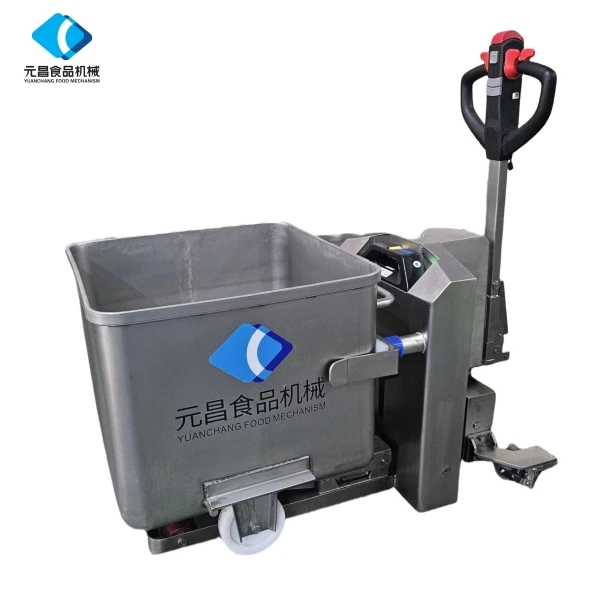
Hopper trolley trolley hook hopper trolley
Caster Technology Explained:
The caster isn't just a wheel; it's a critical component that dictates maneuverability and longevity. We specify casters based on:
- Wheel Material:
- Nylon: Hard, durable, low rolling resistance, suitable for smooth concrete floors. Can be noisy and may chip delicate surfaces.
- Polyurethane: Combines hardness with resilience. Quieter than nylon, non-marking, good floor protection, and excellent load-bearing. Our preferred choice for many industrial applications.
- Rubber: Softer, provides excellent shock absorption and quiet operation. Ideal for uneven surfaces or where noise reduction is critical, but may have lower load capacities and can leave marks on some floors.
- Bearing Type: Sealed ball bearings offer smooth rotation and require minimal maintenance, crucial for heavy loads and continuous use.
- Swivel vs. Fixed: A combination (e.g., two swivel, two fixed) provides a balance of maneuverability and straight-line stability. All-swivel configurations offer maximum agility.
- Brakes: Total locking brakes or directional locks are essential for safety, preventing unintended movement.
Selecting the right caster ensures your trolley glides effortlessly, reduces wear and tear on your floors, and enhances operator safety. The food processing equipment market growth, projected at a CAGR of around 5%, indicates a continuous need for such precise engineering in all its components. 【Meat Processing Equipment Market Size & Forecast 2033 - https://www.skyquestt.com/report/meat-processing-equipment-market】
Technical Note: For optimal performance and longevity, consider the ambient temperature, floor surface condition, and maximum anticipated load when specifying casters and overall trolley construction. Always refer to the specific load ratings provided for each model.
Applications: Where Our Tub Trolleys Excel
The versatility of our tub trolleys means they are valuable assets across a wide spectrum of industries and applications. Their robust design and thoughtful engineering ensure reliable performance wherever materials need to be moved efficiently and safely.
- Food Processing Plants: Transporting raw ingredients (meat, poultry, fish, vegetables), intermediate products, finished goods, and waste. Stainless steel models are ideal for maintaining hygiene standards required by FDA and HACCP regulations. HDPE models offer a lighter, yet durable alternative for many processing stages. The market for this equipment is substantial, driven by demand for processed and convenience meats. 【Meat Processing Equipment Market Outlook 2026-2033 - https://finance.yahoo.com/news/meat-processing-equipment-market-outlook-133800018.html】
- Dairies & Beverage Production: Moving milk crates, ingredients, cleaning chemicals, and finished products. Stainless steel ensures resistance to dairy byproducts and sanitizers.
- Pharmaceutical & Medical Facilities: Transporting raw materials, intermediates, sterile components, and waste. Strict hygiene and material traceability are critical, making our stainless steel options with appropriate finishes essential.
- Warehousing & Logistics: Handling SKUs, order picking, and internal transport of goods. Lightweight HDPE models can improve picker efficiency, while heavy-duty stainless steel trolleys are suited for heavier loads. Container loading optimization is a constant consideration for importers.
- Chemical Manufacturing: Transporting raw materials, intermediate chemicals, and finished products where chemical resistance and containment are key. Material selection is vital here.
- Hospitality & Catering: Moving food ingredients, prepared meals, linens, and cleaning supplies in hotels, restaurants, and catering operations. Ease of cleaning and maneuverability are paramount.
- Industrial Manufacturing: Transporting components, work-in-progress, and finished parts between workstations, assembly lines, and storage areas. Durability and load capacity are often the primary drivers.
Our ability to customize means these trolleys can be adapted for specialized needs, such as integrated shelving, specific lid types for dust or moisture protection, or even insulated designs for temperature-sensitive goods. The global food processing machinery market is expanding, with automation and hygiene being key drivers, a trend that directly benefits the adoption of reliable material handling solutions like our trolleys. 【Food Processing Equipment Market Size & Forecast 2033 - https://www.skyquestt.com/report/meat-processing-equipment-market】
Application Insight: When selecting a tub trolley for a specific application, consider the frequency of cleaning, the types of cleaning agents to be used, and the risk of product contamination. These factors will guide your material and design choices.
Installation, Maintenance, and Logistics Considerations
While tub trolleys are generally considered simple to operate, understanding best practices for installation, maintenance, and logistics can significantly extend their lifespan and ensure optimal performance.
Installation: Minimal Effort, Maximum Impact
Most of our trolleys are delivered fully assembled and ready for immediate use, representing a significant operational advantage. For any models that require minor assembly (e.g., attaching casters to a separate base), detailed instructions are provided. Ensure that any assembly is done correctly to maintain structural integrity and load-bearing capacity. Casters should be securely fastened to prevent premature wear or failure.
Maintenance: Proactive Care for Longevity
Regular maintenance is key to preventing downtime and costly repairs. Our recommendations:
- Daily/Weekly:
- Visual inspection for damage, cracks, or signs of wear on the tub and frame.
- Cleaning and sanitization, especially critical for food-grade applications. Use appropriate cleaning agents for the material (stainless steel or HDPE).
- Check casters for debris (hair, plastic wrap, etc.) and clear as needed.
- Monthly/Quarterly:
- Inspect caster wheels for flat spots, damage, or excessive wear.
- Check that all caster swivels operate freely. Lubrication may be necessary for heavy-use applications (use food-grade lubricants for relevant environments).
- Ensure all fasteners (if any) are tight.
Proper maintenance not only prolongs the life of the trolley but also ensures a safer working environment by reducing the risk of caster failure or instability. Ignoring these simple checks can lead to unexpected equipment failure, which is particularly problematic in fast-paced industries like meat processing, where equipment downtime can halt production. 【Meat Processing Equipment Market Size, Share & Industry Analysis - https://www.fortunebusinessinsights.com/meat-processing-equipment-market-115455】
Logistics and Shipping: Getting Your Trolleys to You
We understand the importance of timely and cost-effective delivery. Our manufacturing facility in Shijiazhuang, Hebei Province, China, is strategically located for efficient logistics.
- Packaging: Trolleys are securely packaged to prevent damage during transit, whether by road, sea, or air. We use durable wrapping and, where necessary, protective framing.
- Container Optimization: For bulk orders, we work to optimize packaging dimensions to maximize container space, reducing shipping costs for our international clients.
- Lead Times: Standard configurations are typically available within [Insert Realistic Lead Time, e.g., 2-4 weeks] from order confirmation. Custom orders may require longer lead times depending on complexity. We provide clear estimates upon order placement.
- Export Documentation: We handle all necessary export documentation to ensure smooth customs clearance at your destination.
Global supply chains are complex. By focusing on robust product design and efficient logistics, we aim to simplify the procurement process for you. The growth in areas like reconstituted meat production 【Reconstituted Meat Market - https://www.futuremarketinsights.com/reports/reconstituted-meat-market - The reconstituted meat market grows from USD 6.9 billion in 2025 to USD 36.1 billion by 2035 at a CAGR of 18.0%, relying heavily on molding and pretreatment equipment.】 highlights the expanding need for specialized, reliable processing equipment and its associated material handling.
Logistics Tip: When receiving large shipments of trolleys, have a designated unloading area and personnel prepared to inspect the shipment for any visible transit damage before signing delivery receipts. This is crucial for processing any freight claims.
Procurement Guidance: Making the Smart Choice
Selecting the right tub trolley involves more than just comparing prices. As experienced manufacturers with 40 years in the industry, we advise our clients to consider a holistic approach to procurement, focusing on total cost of ownership, operational efficiency, and risk mitigation. Here’s how to approach the decision-making process:
1. Define Your Specific Needs:
Before you even look at options, clearly outline:
- Application: What will the trolley primarily be used for? (e.g., raw ingredients, finished goods, waste, chemicals).
- Environment: What are the operating conditions? (e.g., temperature, humidity, washdown frequency, floor type).
- Material Requirements: Does it need to be food-grade, chemical-resistant, non-corrosive?
- Load Capacity: What is the maximum weight the trolley will need to carry? Always add a safety margin.
- Dimensions: What are the required internal and external dimensions? Consider doorframes, aisle widths, and elevator capacities.
- Mobility Needs: How maneuverable does it need to be? What is the typical travel distance?
- Hygiene Standards: What regulatory compliance is required? (e.g., FDA, HACCP, GMP).
2. Evaluate Material Quality and Construction:
Don't compromise on materials. As detailed in our technical section, stainless steel and industrial-grade HDPE offer distinct advantages. Inspect weld quality, surface finish, and the robustness of the frame and caster attachments. Our precision manufacturing, utilizing advanced CNC equipment, ensures consistent quality and durability.
3. Assess Caster System Performance:
The casters are the most frequently stressed components. Ensure they are appropriately rated for the load and suited for your floor type. Consider the impact on floor wear and noise levels. A good caster system enhances efficiency and reduces strain.
4. Consider Customization and OEM/ODM:
If standard models don't perfectly fit your needs, explore customization. Our OEM/ODM capabilities allow us to tailor solutions, ensuring you get precisely what you require, which is often more cost-effective in the long run than trying to adapt an unsuitable standard product. This is especially true in dynamic sectors like the processed meat industry, which is continuously innovating. 【Processed Meat Market Size to Worth USD 1,330.45 Billion by 2035 - https://www.precedenceresearch.com/processed-meat-market】
5. Investigate Supplier Reliability and Support:
Look for suppliers with a proven track record, like Hebei Yuanchang's 40 years of experience. Assess their manufacturing capabilities, quality control processes, and after-sales support. A traceable after-sales management system, as we maintain, ensures peace of mind regarding component availability and support.
6. Factor in Total Cost of Ownership (TCO):
The lowest upfront price isn't always the best value. TCO includes initial purchase price, maintenance, repair, replacement frequency, and potential costs associated with downtime or product damage due to equipment failure. Investing in a higher-quality, durable trolley often results in a lower TCO.
Buyer’s Checklist:
- Verify material certifications (if required).
- Confirm load ratings and caster specifications.
- Inquire about warranty and after-sales support.
- Request lead times for your specific order quantity.
- Discuss customization options early in the process.
Certifications and Quality Assurance
At Hebei Yuanchang, quality assurance is not just a department; it's integrated into our manufacturing philosophy. Our commitment to delivering robust, reliable equipment is underpinned by rigorous quality control measures and adherence to relevant industry standards.
Manufacturing Excellence:
Our facility is equipped with over 20 sets of precision machining equipment, including lathes, milling machines, grinders, and wire cutting. The addition of 8 Japanese Mazak CNC machining centers in 2012 significantly enhanced our capability to produce high-precision, non-standard components. This investment allows us to maintain tight tolerances and produce parts with exceptional accuracy, which is critical for the long-term durability and performance of all our equipment, including tub trolleys.
Material Compliance:
For applications in the food, pharmaceutical, and medical industries, material compliance is paramount. We primarily use:
- Food-Grade Stainless Steel (e.g., SS304 / 1.4301): Compliant with international standards for food contact materials. We can provide material certificates upon request.
- Industrial Grade HDPE: Virgin HDPE materials are selected for their chemical inertness and durability, suitable for a wide range of industrial applications.
While specific certifications like FDA approval or CE marking are often applied to the final assembled product or processed food items, the materials we use are sourced and processed to meet the foundational requirements for such applications. For specific requirements, we encourage clients to discuss their needs during the specification phase.
Traceable After-Sales Management:
Our independently developed traceable after-sales management system is a testament to our commitment to long-term customer satisfaction. This system allows us to track components and production history, ensuring that any after-sales service or replacement parts are handled efficiently and accurately. This capability is particularly valuable for international clients who rely on consistent support for their operational equipment.
Quality Control Processes:
Every stage of our manufacturing process is subject to stringent quality control checks. From raw material inspection to in-process checks and final product testing, our team ensures that each tub trolley meets our high standards before it leaves our facility. This meticulous approach minimizes defects and ensures reliable performance in your operations.
Trust Factor: With 40 years of operation and a dedicated team of 80-100 employees, Hebei Yuanchang Food Mechanism & Technology Co., Ltd. stands as a reliable partner for industrial equipment. Our investment in advanced manufacturing technology and our commitment to quality assurance provide confidence for international buyers.
Customer Testimonials
Hear from our satisfied clients about how our tub trolleys have improved their operations:

David Chen
Operations Manager, Pacific Foods
"We switched to Hebei Yuanchang's stainless steel trolleys about two years ago for our processing line. The difference in hygiene and ease of cleaning has been remarkable. They've held up exceptionally well to daily washdowns and heavy use. The custom dimensions we requested fit our existing setup perfectly."

Maria Rodriguez
Procurement Director, Global Logistics Solutions
"We needed durable, yet maneuverable trolleys for our distribution center. Hebei Yuanchang's HDPE trolleys were the ideal solution. They are lighter than stainless steel, making them easier for our staff to handle, and the price point was very competitive for the quality offered. We appreciated their quick turnaround time for a large order."

Kenji Tanaka
Plant Engineer, Asia Food Innovations
"Our previous trolleys often tipped or had caster failures. Since implementing Hebei Yuanchang's heavy-duty stainless steel trolleys with robust casters, these issues have disappeared. Their engineering expertise is evident in the product's stability and load capacity. It's a reliable piece of equipment that contributes to our overall operational safety."

Sarah Miller
Purchasing Agent, PharmaChem Solutions
"We required trolleys for a GMP-compliant area. Hebei Yuanchang provided us with polished stainless steel units that met our rigorous hygiene standards. The smooth finish and crevice-free design make cleaning straightforward. Their understanding of our industry needs was invaluable."
Ready to Enhance Your Operational Efficiency?
Discover how our robust and reliable tub trolleys can streamline your material handling processes.
Frequently Asked Questions (FAQ)
Q: What is the typical lead time for an order of 50 tub trolleys?
A: For standard configurations, our lead time is typically between 2 to 4 weeks from order confirmation. Complex custom orders may require slightly longer. We will provide a precise estimate upon order placement.
Q: Can your stainless steel trolleys be polished to a mirror finish?
A: Yes, we can provide stainless steel trolleys with a polished finish. This is often required for high-purity applications like pharmaceutical manufacturing. Please specify this requirement when requesting a quote.
Q: How do I choose between stainless steel and HDPE trolleys?
A: Stainless steel is generally preferred for demanding hygiene applications (food, pharma) due to its superior corrosion resistance and ease of deep sanitization. HDPE is lighter, more cost-effective for general industrial use, and still offers good chemical resistance and durability, making it suitable for many warehousing and non-critical processing tasks.
Q: What is the maximum load capacity of your trolleys?
A: Load capacities vary by model. Our heavy-duty stainless steel models can typically handle up to 400 kg, while our robust HDPE models can support up to 300 kg. Specific load ratings are detailed in the technical specifications for each model, and we can engineer custom solutions for higher capacities.
Q: Do you offer OEM/ODM services for custom tub trolley designs?
A: Absolutely. With our extensive manufacturing experience and advanced machinery, we specialize in OEM and ODM projects. We can modify existing designs or develop entirely new solutions based on your unique requirements.
Get in Touch
Have questions or need a custom quote? Our expert team is ready to assist you.
Contact Us
Phone: +86 15830991513
Email: ycmeatmech@gmail.com
Address: Shijiazhuang, Hebei Province, China
Chat with an Expert

(Click images for larger view)