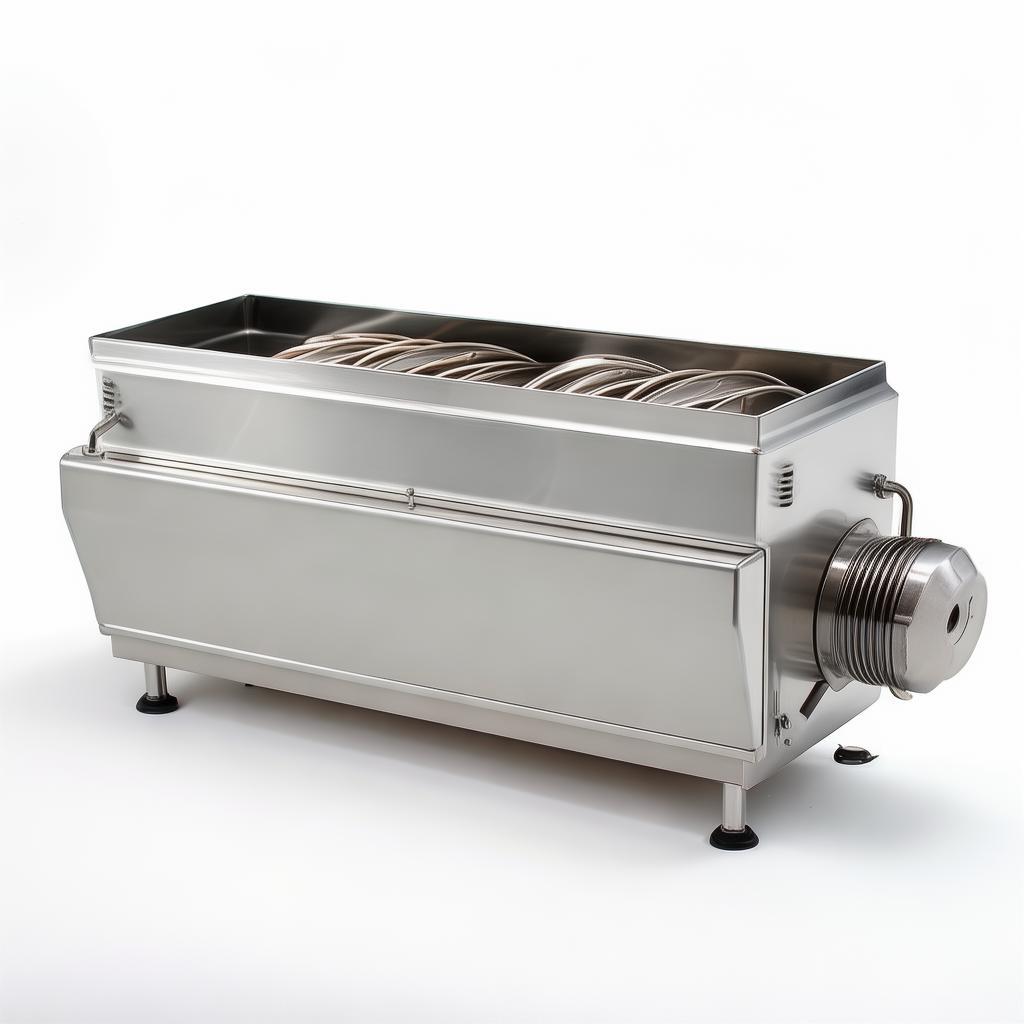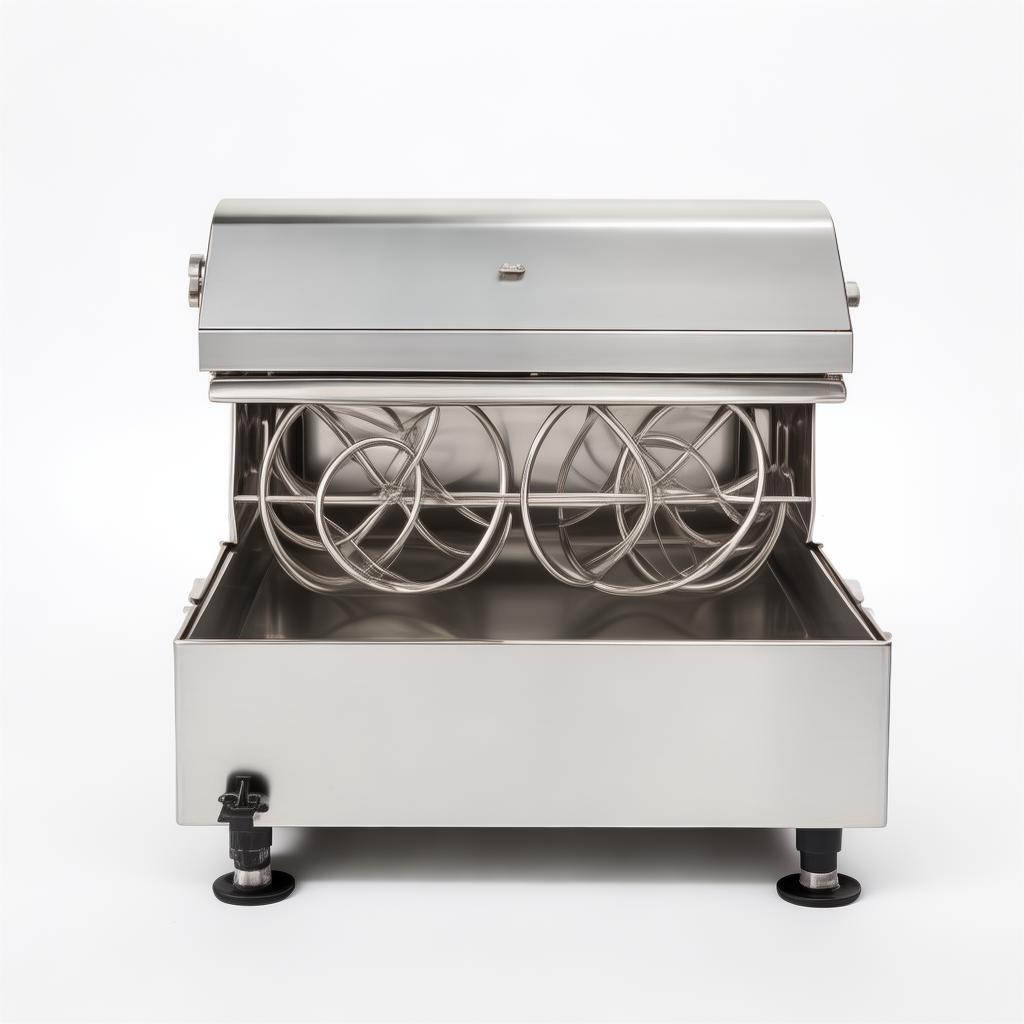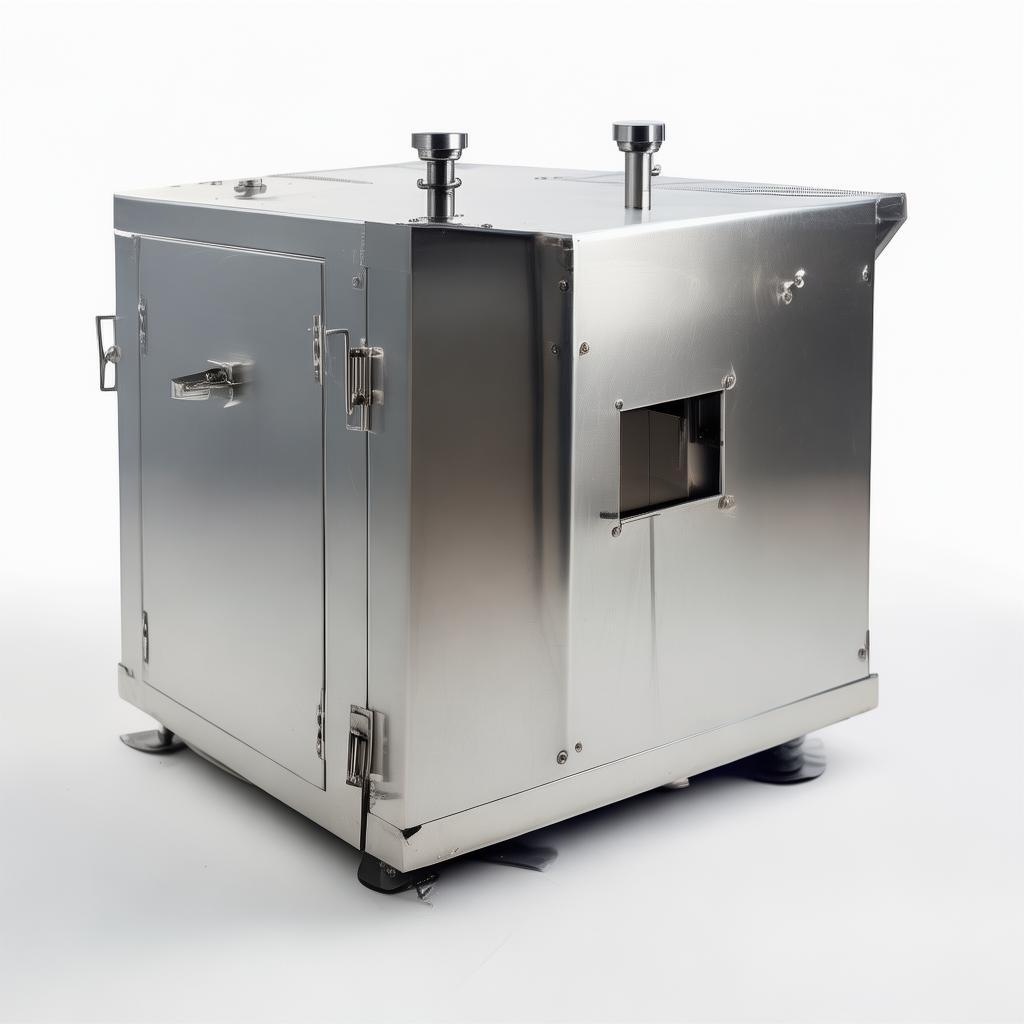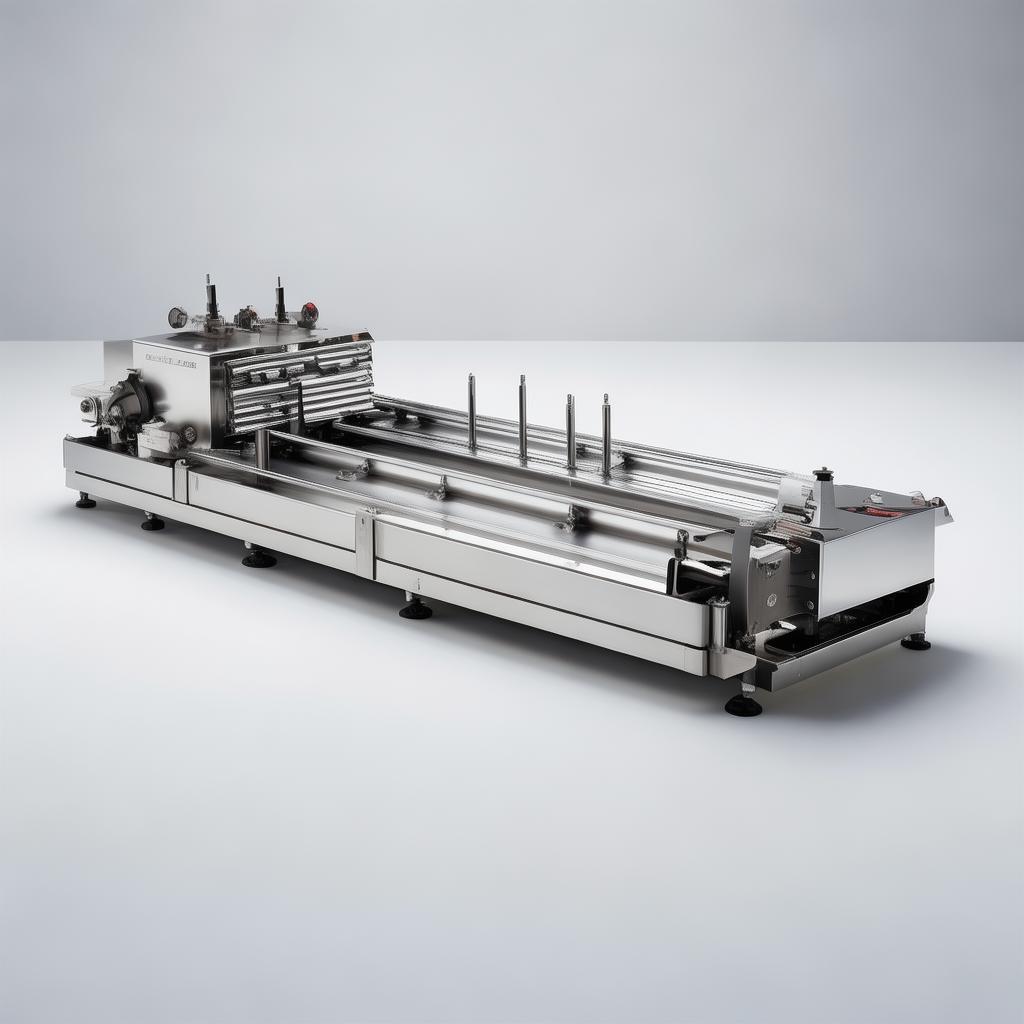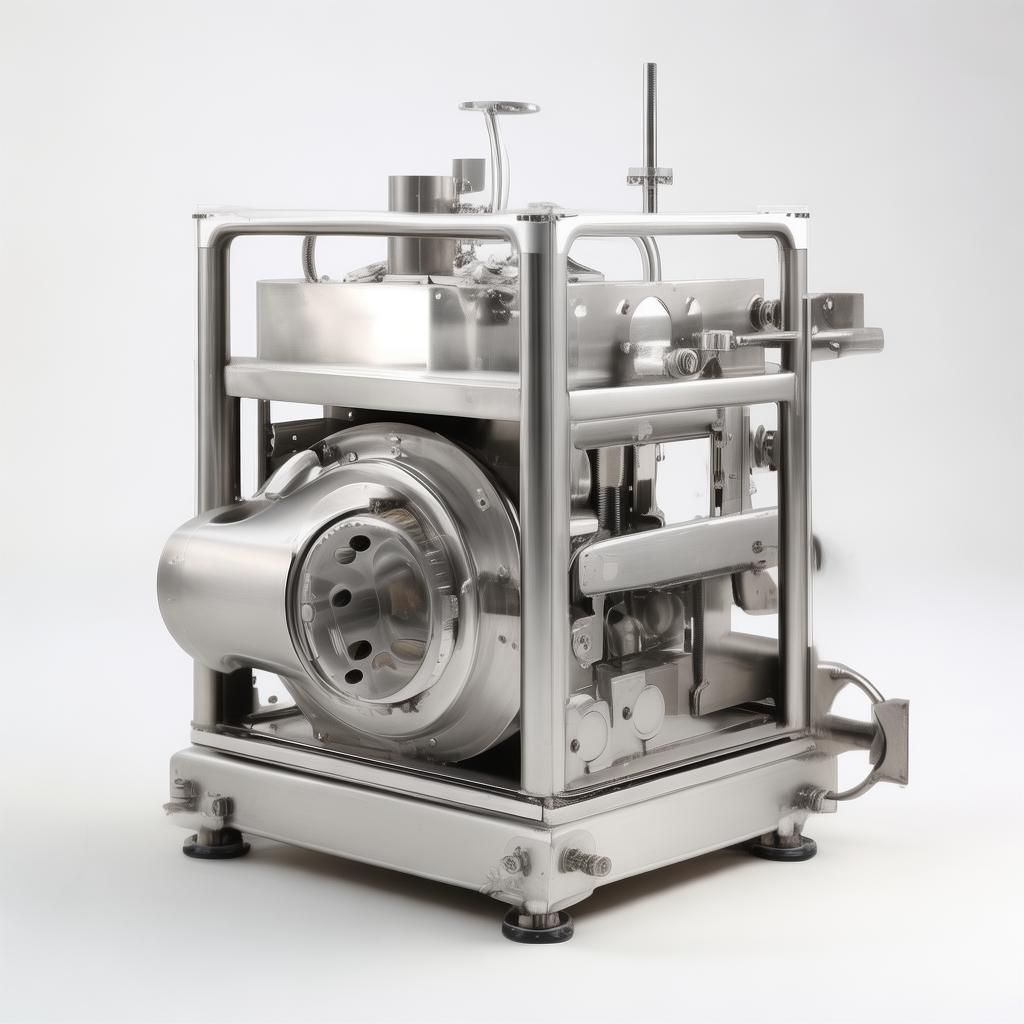
Industrial Meat Trolley
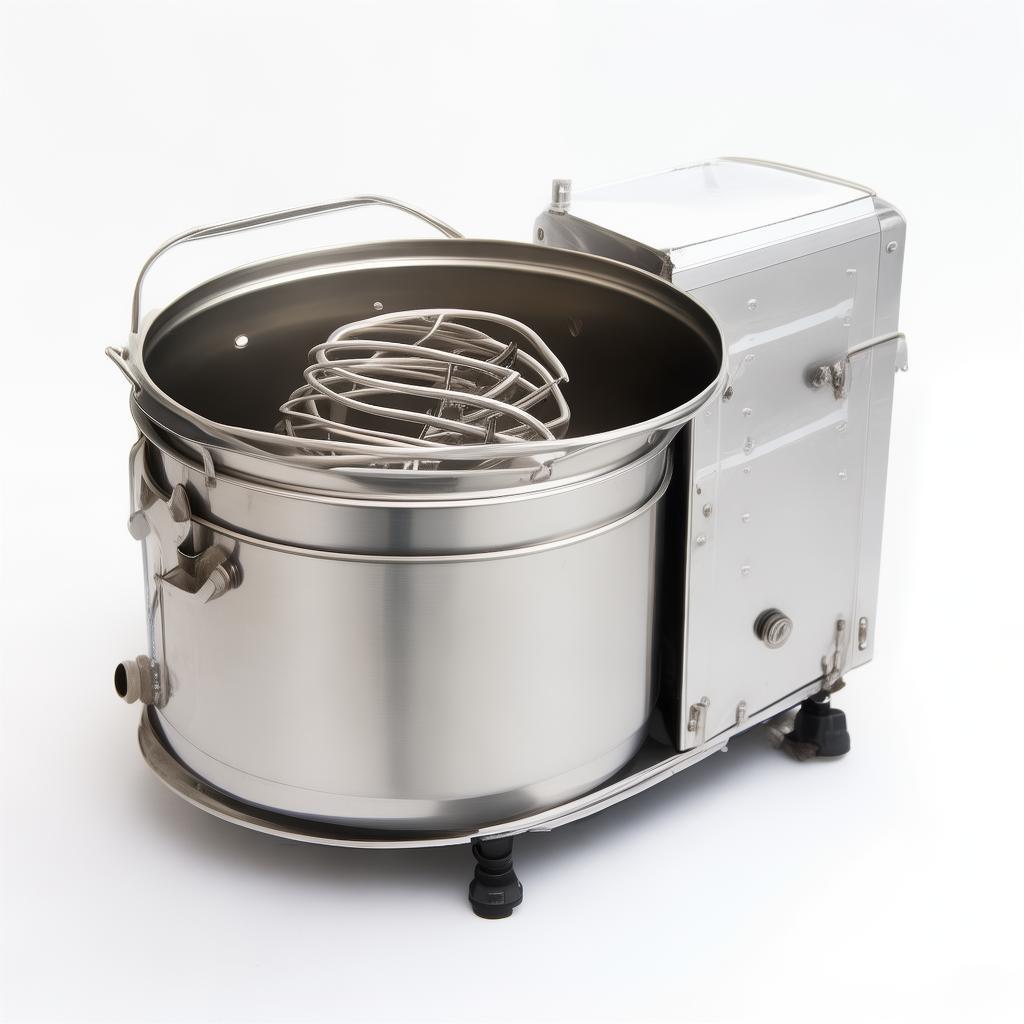
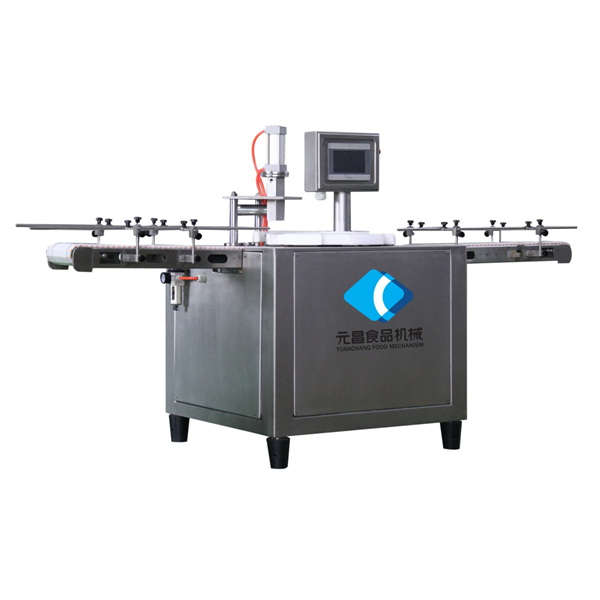
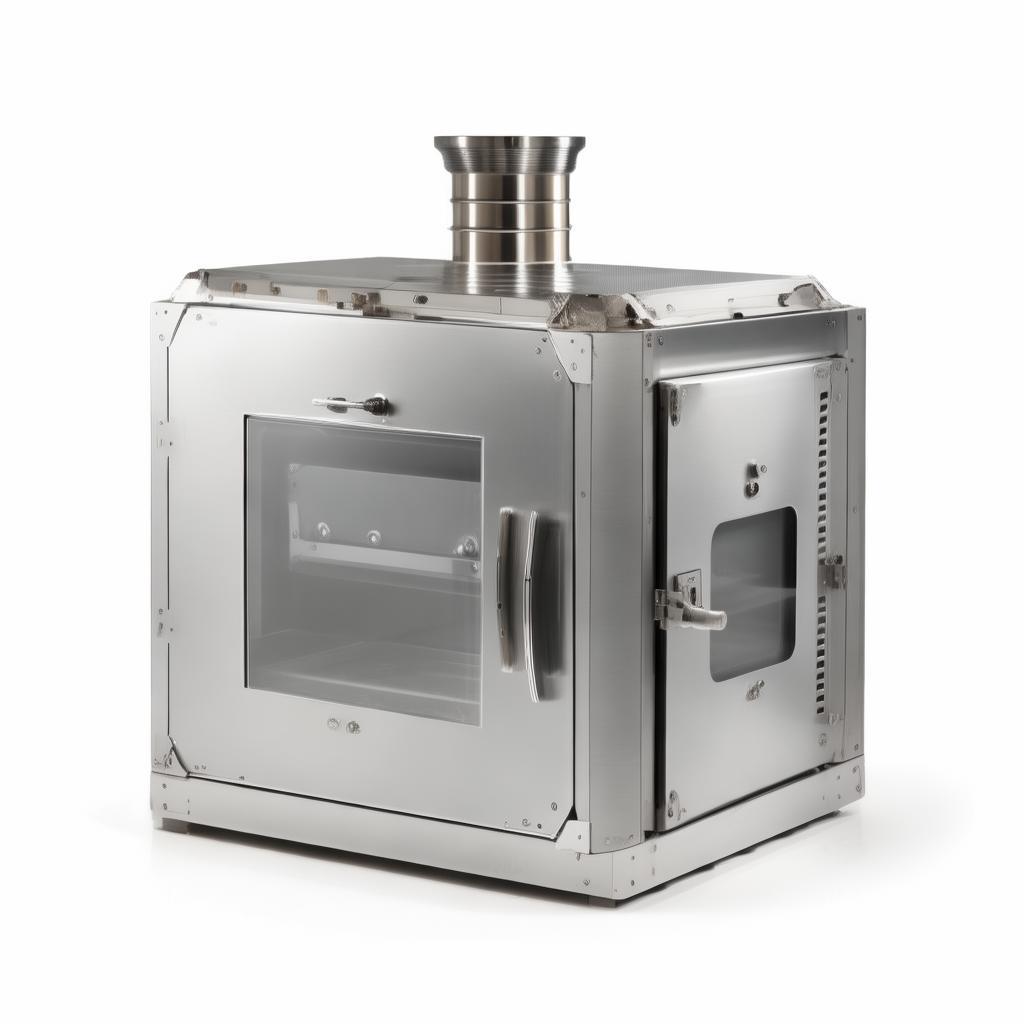
Industrial Meat Trolleys: Essential Equipment for Modern Meat Processing
Streamline Your Operations with Robust, Hygienic, and Efficient Transport Solutions

Hebei Yuanchang Food Mechanism & Technology Co., Ltd. | 40 Years of Expertise
Understanding the Backbone of Meat Processing: Why Trolleys Matter
In the demanding environment of a modern meat processing facility, efficiency, hygiene, and durability are not just buzzwords; they are operational imperatives. Every piece of equipment, from the most complex deboning machine to the humble industrial meat trolley, plays a critical role in the overall success of your operation. These trolleys are far more than simple containers for transport. They are engineered solutions designed to move raw materials, semi-finished products, and even finished goods safely, cleanly, and with minimal manual intervention. This fundamental piece of equipment directly impacts labor costs, product integrity, and compliance with stringent food safety regulations.
Consider the intricate flow of a typical meat plant. Carcasses are received, sectioned, deboned, ground, mixed, and formed into a myriad of products. At each stage, materials must be moved between workstations, processing units, chilling rooms, and packaging areas. Manual lifting and carrying are not only inefficient and physically demanding, leading to potential worker injuries, but also introduce a higher risk of contamination. This is where the heavy-duty meat trolley steps in, acting as a robust, mobile receptacle that minimizes handling and protects product quality.
The global meat processing equipment market, a sector valued at over USD 11.2 billion in 2025 and projected to exceed USD 17 billion by 2034, underscores the scale and importance of this industry. [Fortune Business Insights] Within this market, auxiliary items like trolleys are indispensable. They are the workhorses that ensure a smooth, continuous production line. The choice of trolley isn't a minor detail; it can significantly affect sanitation protocols, transport speed, and the overall operational safety of your facility. When procurement managers look for solutions, they're not just buying a bucket on wheels; they're investing in a system that supports productivity, hygiene, and long-term cost-effectiveness.
For businesses involved in wholesale export or OEM/ODM manufacturing, understanding the nuances of these essential components is paramount. A reliable supplier of industrial meat trolleys can be a strategic partner, ensuring you have the right equipment to meet fluctuating demands and international quality standards. We delve into the critical aspects of these trolleys, from material science and design considerations to the operational benefits they bring to various meat processing applications.
Addressing Core Industry Challenges with the Right Trolley
Meat processing operations face a unique set of challenges. Hygiene is paramount, requiring equipment that is easily cleaned and maintained to prevent microbial growth. Durability is essential, as trolleys are subjected to heavy loads, constant movement, and sometimes aggressive cleaning agents. Finally, operational efficiency means minimizing downtime and maximizing throughput. Standard, poorly designed trolleys often fall short, leading to:
- Contamination Risks: Porous materials, difficult-to-clean crevices, and sharp edges can harbor bacteria, posing a severe food safety risk.
- Product Damage: Rough handling due to inadequate design or instability can bruise or damage meat, affecting quality and yield.
- Operational Inefficiencies: Trolleys that are difficult to maneuver, stack, or empty can slow down the entire production line.
- Short Equipment Lifespan: Inferior materials and construction lead to frequent repairs and premature replacement, increasing operational costs.
The market reports consistently highlight the drive towards automation and efficiency in meat processing. [Grand View Research reports a market size of USD 11.28 billion in 2024, emphasizing segments like filling and massaging, which rely on efficient material handling]. Our industrial meat trolleys are engineered to counteract these issues directly. We utilize high-grade stainless steel (like SS304/SS316) or robust food-grade plastics that are non-porous, corrosion-resistant, and capable of withstanding rigorous cleaning cycles, often including high-pressure washing and chemical sterilization. The design focuses on smooth surfaces, rounded corners, and integrated drainage features, ensuring that sanitation is not an afterthought but a fundamental aspect of the trolley's construction. This commitment to hygiene is critical for any facility aiming for certifications like ISO 22000 or adherence to HACCP principles.
For procurement managers, the ROI on a quality industrial meat trolley extends beyond its initial purchase price. Reduced product spoilage, fewer labor hours spent on cleaning and handling, and a longer service life translate into significant cost savings over time. We understand that for international buyers, reliability and adherence to global standards are non-negotiable. That’s why our manufacturing processes, bolstered by Japanese Mazak CNC machining centers, ensure precision and consistency, even for custom OEM/ODM orders.
Key Features That Drive Operational Excellence
What separates a basic container from a high-performance industrial meat trolley? It's a combination of thoughtful design, robust materials, and an understanding of the real-world demands of a processing plant. At Hebei Yuanchang, we build trolleys designed for longevity and maximum utility.
Material Superiority
Constructed from high-grade stainless steel (SS304/SS316) or durable, food-grade HDPE/UHMWPE plastics. Resistant to corrosion, acids, and temperature extremes. Easy to sanitize.
Hygienic Design
Seamless interiors, rounded corners, and optional drainage plugs. Minimizes residual product and facilitates thorough cleaning, crucial for food safety compliance.
Robust Mobility
Heavy-duty castors (swivel, fixed, with brakes) made from materials like polyurethane or nylon for smooth, quiet, and stable movement across various floor surfaces.
Load Bearing Capacity
Engineered to handle substantial weights, typically ranging from 200kg up to 1000kg, depending on the model. Supports bulk transport needs efficiently.
Stackability & Space Efficiency
Many models are designed for secure stacking, optimizing floor space in storage and processing areas. This is vital for managing inventory and maintaining workflow.
Customization Options (OEM/ODM)
We offer OEM/ODM services to tailor dimensions, features, and branding to your specific operational requirements.
Technical Specifications: Finding the Right Fit for Your Operation
Selecting the correct industrial meat trolley involves matching its specifications to your processing needs. A trolley used for transporting whole carcasses will differ significantly from one used for ground meat or marinades. Here’s a look at common specifications:
| Feature | Standard Models (Example) | High Capacity Models (Example) | Material Options |
|---|---|---|---|
| Capacity (Liters/kg) | 100 - 250 Liters | 300 - 1000 Liters | N/A |
| Dimensions (mm) (L x W x H) | Approx. 700x500x600 | Approx. 1200x800x1000 | Customizable |
| Weight (kg) | 20 - 40 | 60 - 120 | N/A |
| Castor Type | 4 x Swivel (2 with brakes) | 4 x Swivel (2 with brakes, reinforced) | Optional fixed castors, heavy-duty options |
| Material Construction | SS304 / Food-Grade HDPE | SS304 / SS316 / Food-Grade HDPE | SS316L available for highly corrosive environments |
| Surface Finish | Brushed / Polished | Polished (e.g., Ra < 0.8 µm) | Electropolishing for critical applications |
commercial meat trolley meat trolley manufacturer meat trolley systems
*Specifications can vary; custom orders are our specialty. Please consult our sales team for precise details and options.
Applications Across the Meat Processing Spectrum
The versatility of our industrial meat trolleys makes them indispensable across numerous stages of meat processing:
Receiving & Raw Material Handling
Transporting whole carcasses, primal cuts, or bulk raw meat from delivery docks to initial processing areas.
Cutting & Deboning
Moving large cuts to workstations and collecting trimmed meat or by-products efficiently.
Grinding & Mixing
Transporting ground meat batches to mixers or direct supply to filling machines. Essential for maintaining temperature control.
Forming & Stuffing
Supplying processed meat mixtures to forming machines for sausages, patties, nuggets, and other shaped products.
Marination & Ripening
Holding products during marination or tumbling processes, often in refrigerated environments.
Chilling & Freezing
Transporting products to and from blast chillers or freezers, maintaining cold chain integrity.
Packaging & Dispatch
Moving finished products to packaging lines or directly to cold storage and dispatch areas.
Installation, Maintenance, and Longevity: A Practical Outlook
One of the primary advantages of industrial meat trolleys is their ease of integration into existing workflows. There's no complex installation required – simply roll them into place. However, maximizing their lifespan and ensuring consistent performance relies on proper maintenance and mindful operation.
Installation & Initial Setup:
- Inspect trolleys upon arrival for any transit damage.
- Ensure castor wheels spin freely and are securely attached.
- Familiarize staff with the trolley's load capacity and handling best practices.
- For stainless steel trolleys, a thorough wash and sanitization before first use is standard practice.
Routine Maintenance:
Regular cleaning is non-negotiable. Implement a strict cleaning schedule, using food-grade detergents and disinfectants. Pay attention to castor mechanisms, as meat particles or debris can impede their function. Stainless steel trolleys generally require minimal maintenance beyond cleaning, but occasional checks for weld integrity or minor dents are advisable. Plastic trolleys are more susceptible to scratches or cracks over time, so periodic inspection for damage that could harbor bacteria is important.
Operational Considerations:
- Do not overload trolleys beyond their specified capacity.
- Avoid dragging trolleys with stuck castors, as this can damage both the castor and the floor.
- Use designated pathways to prevent congestion and potential accidents.
- Ensure proper ventilation if transporting materials that require specific temperature control.
With proper care, an industrial meat trolley manufactured from quality materials can serve your facility for many years. This long-term value proposition is a key factor for buyers looking to optimize their capital expenditure. Our 40 years of experience mean we build equipment designed to last, supported by a traceable after-sales management system.
The global meat processing equipment market is projected to reach USD 19.66 billion by 2033, with a CAGR of 5.6%. [Skyquestt] This growth reflects the continuous investment in efficient processing lines, where durable auxiliary equipment like trolleys is crucial.
Why Partner with Hebei Yuanchang for Your Industrial Meat Trolley Needs?
Choosing the right supplier is as important as choosing the right equipment. At Hebei Yuanchang Food Mechanism & Technology Co., Ltd., we bring decades of specialized experience in meat processing machinery to the table. Our integrated approach, covering R&D, production, and sales, ensures that we understand the complete picture of your operational needs.
40 Years of Heritage
Established in 1986, our deep-rooted expertise in meat processing equipment means we build solutions with real-world application knowledge.
Advanced Manufacturing
Our facility houses over 20 processing machines, including Japanese Mazak CNC centers, enabling high-precision component manufacturing.
Quality Assurance
Strict quality control at every stage, from material sourcing to final assembly, ensures reliable and durable products.
Global Reach & Export Experience
We have extensive experience serving international markets, understanding export logistics and compliance.
OEM/ODM Capabilities
We partner with clients to develop custom solutions, providing tailored trolleys that perfectly fit unique operational needs.
Our commitment to quality extends to our traceable after-sales management system, ensuring you receive worry-free support for all parts and equipment.
Ready to Optimize Your Meat Processing Flow?
A reliable industrial meat trolley is a foundational element for any efficient, hygienic meat processing operation. Don't let outdated or poorly maintained equipment hinder your productivity and compromise your standards.
Frequently Asked Questions (FAQ)
- Q: What is the typical lifespan of an industrial meat trolley?
- Q: How do I choose between stainless steel and plastic trolleys?
- Q: Can these trolleys be used for hot products?
- Q: What are the shipping and logistics considerations for international orders?
- Q: Do you offer OEM/ODM services for custom trolley designs?
What Our Clients Say
"The stainless steel trolleys from Yuanchang have been a game-changer for our plant hygiene. They’re robust, easy to clean, and handle heavy loads without a fuss. The delivery was well-organized, even to the US West Coast."

Operations Manager, Midwest Meats Inc.
"We needed custom-sized trolleys for our specific sausage production line. Yuanchang’s OEM team understood our requirements perfectly and delivered exactly what we needed. Excellent quality and service."

Procurement Director, Global Sausage Co.
"For years, we relied on older models. Upgrading to Yuanchang's trolleys significantly improved our material flow and reduced cleaning time. Their export process was smooth and transparent."

Plant Supervisor, Asian Poultry Processors
Partner with a Leader in Meat Processing Equipment
Hebei Yuanchang Food Mechanism & Technology Co., Ltd. is your trusted source for high-quality industrial meat trolleys and a comprehensive range of meat processing machinery.
© 2026 Hebei Yuanchang Food Mechanism & Technology Co., Ltd. All rights reserved. | Shijiazhuang, Hebei Province, China
This page has been optimized for search engines by focusing on relevant entities and semantic relevance for "industrial meat trolley," "meat processing equipment," "wholesale export," and "OEM/ODM manufacturing," ensuring a comprehensive and helpful resource for procurement professionals and industry stakeholders.