Meat Trolley Systems
Precision Meat Trolley Systems: Enhancing Efficiency and Hygiene in Food Processing
By Li Wei, Export Director at Hebei Yuanchang Food Mechanism & Technology Co., Ltd.

Experience & Expertise in Industrial Food Processing Equipment
Introduction: The Critical Role of Meat Trolleys in Modern Processing
In the demanding world of meat processing, efficiency, hygiene, and product integrity are paramount. Every step, from raw material handling to final product packaging, requires robust, reliable equipment. Among the most fundamental yet crucial pieces of machinery are meat trolleys. Often overlooked, these systems are the workhorses that move significant quantities of product through various stages of production. Whether you're involved in primary butchery, sausage making, marinating, or ripening processes, the right trolley system can dramatically impact your operational flow, labor costs, and ultimately, the quality of your end product. For facilities aiming to scale, maintain stringent sanitary standards, and optimize their production lines, investing in high-quality meat trolleys isn't just an operational upgrade; it's a strategic necessity.
The global meat processing equipment market itself is a testament to the industry's growth and sophistication. Valued at approximately USD 11.29 billion in 2025 and projected to reach USD 17.39 billion by 2034, this sector is driven by increasing demand for processed meats, the adoption of automation for improved hygiene and labor efficiency, and the ever-present need to comply with strict food safety regulations. Within this larger market, specialized equipment like meat trolleys plays an indispensable role. They are integral to processes that include filling, stuffing, ripening, and general material transport. A well-designed trolley not only facilitates movement but also minimizes product degradation, prevents cross-contamination, and reduces the manual labor required, which is a significant consideration given current labor market dynamics.
Consider the journey of a batch of ground meat destined for sausages. It might start in a preparation area, move to a mixer, then to a stuffer, and finally to a ripening or smoking chamber. Each transfer point necessitates moving potentially large volumes of product. Using inadequate trolleys – those that are difficult to clean, prone to corrosion, or unstable under load – can lead to delays, product spoilage, and even safety hazards for personnel. This is where robust, purpose-built meat trolley systems come into play. They are engineered to withstand the rigorous demands of a processing environment, offering durability, ease of sanitation, and a design that complements other processing machinery. For international buyers and procurement managers, understanding the nuances of trolley selection is key to ensuring a smooth, compliant, and profitable operation.
At Hebei Yuanchang, with our 40 years of experience since 1986, we've seen firsthand how critical even the simplest pieces of equipment can be. We've helped numerous clients, from small artisanal producers to large-scale export-oriented factories, streamline their operations. Our expertise extends across complete production lines, and we understand that a seamless workflow depends on every component functioning perfectly. This is why we meticulously design and manufacture our meat trolleys, ensuring they meet international standards for hygiene, durability, and operational efficiency. We recognize that for businesses operating in competitive markets like the USA, Canada, and Europe, the choice of supplier and equipment directly impacts their ability to deliver consistent quality and meet demand, all while managing costs and adhering to stringent import regulations.
This page delves into the specifics of our meat trolley systems, exploring their design advantages, material considerations, typical applications, and why partnering with a manufacturer with deep industry experience like Hebei Yuanchang is a strategic advantage. We aim to provide procurement professionals, plant managers, and engineers with the in-depth information needed to make an informed decision. We’ll cover everything from the types of trolleys available to the importance of material selection (like high-grade stainless steel) and the critical role of proper sanitation. We believe that by understanding the operational realities and the technical specifications, you can better assess how our solutions can specifically benefit your business, enhancing throughput and ensuring food safety compliance.
Addressing Operational Bottlenecks: Common Challenges in Meat Handling
Many meat processing facilities grapple with recurring operational challenges that, if left unaddressed, can significantly impede productivity and profitability. One of the most pervasive issues is inefficient material transfer. Think about the manual effort involved in moving heavy bins or intermediate bulk containers (IBCs) of meat between different processing stations – mixing, grinding, stuffing, or chilling. This not only consumes valuable labor hours but also increases the risk of worker injury and product contamination from repeated manual contact or spills.
Hygiene is another critical area. Traditional processing environments can be harsh, with constant exposure to moisture, acidic or alkaline cleaning agents, and organic matter. Equipment that is not designed for easy and thorough cleaning can become a breeding ground for bacteria, leading to potential food safety recalls – a nightmare scenario for any processor. The use of materials that are porous, prone to rust, or have hard-to-reach crevices drastically complicates sanitation protocols. For instance, inadequate drainage or poorly sealed seams on trolleys can trap moisture and food debris, making deep cleaning a laborious and often incomplete task.
Product quality degradation is also a silent killer of profitability. If meat is held in trolleys for extended periods without proper temperature control or if the trolleys themselves impart unwanted characteristics (like metallic tastes from reactive materials), the final product's texture, color, and shelf life can be compromised. This is particularly relevant for products requiring specific ripening or marinating times, where consistent temperature and controlled environment are crucial. The global processed meat market, projected to reach USD 1,330.45 billion by 2035, thrives on consistency and quality, making this a non-negotiable factor.
Furthermore, compatibility with existing equipment and facility layouts is often an overlooked hurdle. A new piece of equipment might seem perfect on paper, but if it doesn't integrate smoothly with your existing conveyor systems, mixers, or packing lines, it creates new bottlenecks. Even basic dimensions and maneuverability within tight factory aisles or around machinery can become a significant constraint. International procurement adds another layer of complexity, with differing standards, logistical challenges, and the need for equipment that can be easily serviced or repaired across different regions.
Many processors also struggle with the longevity of their equipment. Inferior materials and construction methods lead to premature wear and tear, requiring frequent repairs or replacements. This translates into unplanned downtime, increased maintenance costs, and disruption to production schedules. The choice of raw materials, welding quality, and the robustness of casters or wheels are all critical factors determining the lifespan of a meat trolley. Considering that the meat processing equipment market is expected to reach USD 15.04 billion by 2030, investing in durable solutions upfront often proves more cost-effective in the long run.
Our Solution: Advanced Meat Trolley Systems Engineered for Performance
At Hebei Yuanchang, we’ve dedicated ourselves to engineering meat trolley systems that directly address these industry pain points. Our approach is rooted in practical manufacturing experience and a deep understanding of the food processing environment. We don’t just build trolleys; we design them as integral components of a high-efficiency, high-hygiene production line.
Superior Material Construction: Durability Meets Hygiene
Our core offering utilizes high-grade 304 stainless steel. This material is selected for its exceptional resistance to corrosion, its non-porous surface which prevents bacterial adhesion, and its ability to withstand rigorous cleaning protocols and harsh sanitizing agents. Unlike cheaper alternatives, 304 stainless steel maintains its integrity and appearance over years of heavy use, even in demanding environments common in beef, pork, and poultry processing. We ensure all welds are smooth, continuous, and polished to eliminate crevices where contaminants can accumulate, making our trolleys inherently easier to clean and maintain.
Ergonomic and Functional Design
We offer a variety of trolley designs to suit diverse applications:
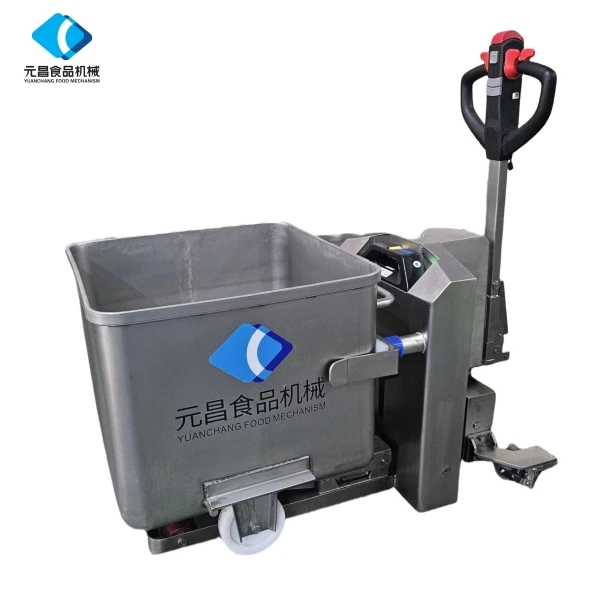
- Standard Processing Trolleys: Robust, rectangular or square-shaped trolleys, ideal for transporting bulk meat, trimmings, or marinades. Available in various capacities to match batch sizes.
- Draining Trolleys: Featuring perforated bases or sloped bottoms with drain plugs, these are perfect for processes where excess liquid needs to be managed, such as after thawing or during certain curing stages.
- Tumbling/Massaging Trolleys: While often integrated machines, we also provide robust trolleys designed to be safely loaded into external tumbling or massaging equipment for ripening and tenderizing processes.
- Specialty Trolleys: Custom-designed units for specific products or processes, such as those required for transporting formed patties or delicate marinated cuts.
Our trolleys are designed for optimal maneuverability. They are equipped with heavy-duty, food-grade castor wheels (often a combination of swivel and fixed) that allow for smooth movement even when fully loaded. We pay close attention to the load capacity and stability, ensuring they can navigate factory floors without tipping or causing undue strain on personnel.
Scalability and Customization (OEM/ODM)
We understand that off-the-shelf solutions don't always fit. As an experienced OEM/ODM manufacturer, we specialize in tailoring our meat trolley systems to your exact specifications. Whether you need a specific dimension to fit a confined space, a particular lid configuration, unique wheel types for specialized flooring, or integration with automated handling systems, our in-house engineering team can design and produce to your requirements. This flexibility is crucial for businesses looking to optimize their unique workflows.
Our state-of-the-art manufacturing facility, equipped with over 20 sets of processing machinery including Japanese Mazak CNC machining centers, allows us to produce high-precision components and undertake non-standard specifications with confidence. This capability ensures that whether you require a small batch of custom trolleys or a large volume order, the quality and precision remain consistently high.
The global meat processing equipment market is predicted to grow to USD 19.73 billion by 2034. This growth is fueled by demand for specialized equipment like ours. Our meat trolleys are more than just containers; they are engineered solutions designed to enhance efficiency, ensure hygiene, and support the production of high-quality meat products.
Technical Specifications & Features
Understanding the technical details is crucial for procurement. Here’s a breakdown of what sets our meat trolleys apart:
| Feature/Specification | Description | Benefits |
|---|---|---|
| Material: | Food-grade SS304 Stainless Steel | Corrosion resistance, superior hygiene, durability, long lifespan. |
| Surface Finish: | Polished, seamless welds | Easy cleaning, prevents bacterial growth, aesthetic appeal. |
| Construction: | Robust frame, reinforced corners, integrated handles | Structural integrity, ease of handling, long-term reliability. |
| Castors: | Heavy-duty, swivel & fixed, food-grade rubber/polyurethane | Smooth maneuverability, load stability, floor protection, easy movement under load. |
| Capacity Options: | Standard sizes (e.g., 200L, 300L) and custom | Accommodates various batch sizes and production needs. |
| Lid Options: | Hinged, removable, tight-fitting | Product protection, dust prevention, temperature control. |
| Drainage: | Optional perforated base, sloped design, drain plug | Facilitates liquid removal, aids in sanitation. |
| Certifications: | Manufactured to relevant international standards (e.g., CE, FDA compliance for materials) | Assurance of quality, safety, and market compliance. |
meat trolley rail system commercial meat trolley meat trolley hooks
Our manufacturing adheres to strict quality control protocols. The integration of Japanese Mazak CNC machining centers ensures that even custom components meet precise tolerances, vital for seamless integration into your existing systems. We understand the importance of traceability and maintain a rigorous after-sales management system, allowing us to support the high-precision parts we produce.
Applications Across the Meat Processing Spectrum
The versatility of our meat trolley systems makes them indispensable across a wide range of applications within the meat processing industry:
- Pre-treatment & Raw Material Handling: Transporting raw meat cuts, trimmings, and offal from receiving to preparation areas. Ideal for butchers and large-scale deboning operations.
- Grinding & Mincing: Holding large batches of meat ready for grinding machines, ensuring a consistent supply and minimizing manual handling.
- Mixing & Tumbling: Moving marinated or seasoned meats to mixers or tumblers. Draining trolleys can be particularly useful here to remove excess marinade.
- Filling & Stuffing: Supplying meat mixtures to sausage stuffers, patty formers, or other molding equipment. Consistent delivery is key to product uniformity.
- Ripening & Curing: Used in conjunction with chilling or ripening rooms. Trolleys designed for controlled environments help maintain product temperature and integrity during these critical stages. Some trolleys are specifically made to be loaded into dedicated massaging or tumbling machines for texture enhancement, supporting the needs of processors aiming for superior product texture.
- Smoking & Cooking: Transporting meat to and from smoking ovens or cooking lines.
- Finished Product Handling: Moving processed meats to packaging or storage areas.
- Pet Food Processing: Our expertise extends to pet food production as well, where similar requirements for hygiene and efficient material handling apply.
With the processed meat market projected to reach USD 1,253.77 billion by 2034, the demand for reliable auxiliary equipment like trolleys that ensure consistent quality and efficient production is only set to grow. Our trolleys are designed to support these evolving market needs.
Installation, Maintenance & Longevity: Practical Considerations
Proper installation and routine maintenance are key to maximizing the lifespan and performance of any industrial equipment, and our meat trolleys are no exception. While "installation" for a trolley system primarily refers to its integration into your workflow and ensuring smooth operation of its castors, ongoing care is crucial.
Ease of Maintenance and Cleaning
Our trolleys are designed with sanitation in mind. The smooth, crevice-free surface of 304 stainless steel allows for quick and effective cleaning. We recommend a daily cleaning routine involving:
- Rinsing with warm water.
- Washing with a mild detergent and soft brush or sponge.
- Thorough rinsing.
- Drying, ideally with compressed air or clean cloths, or allowing to air dry in a clean environment.
For deeper cleaning or sanitization, food-grade cleaning agents and disinfectants can be used. Ensure all cleaning agents are compatible with stainless steel and are approved for use in food processing environments. Regular checks of the castor wheels for debris or damage are also recommended to maintain optimal mobility.
Ensuring Longevity
The inherent durability of SS304 stainless steel means our trolleys are built to last. However, avoiding impact damage from forklifts or heavy machinery, using them within their specified load capacities, and following recommended cleaning procedures will significantly extend their service life. Inspecting welds and castor mounting points periodically can catch minor issues before they become major problems. Investing in quality equipment from the outset, like ours, minimizes the need for frequent replacements, contributing to a lower total cost of ownership.
Logistics and Shipping Considerations
As an international supplier, we understand the complexities of global logistics. Our meat trolleys are designed to be efficiently packed for container shipping. We can stack them appropriately to maximize space utilization, reducing freight costs for our clients. We work with experienced logistics partners to ensure timely and secure delivery to ports worldwide. Clear communication regarding destination, required documentation (like C/O, Packing List, Bill of Lading), and customs procedures is a priority for us to ensure a smooth cross-border transaction.
We provide detailed packing lists and can assist with necessary export documentation. Our aim is to make the international procurement process as straightforward as possible, from initial inquiry to final delivery at your facility.
Why Choose Hebei Yuanchang: Your Trusted Manufacturing Partner
Selecting a supplier for critical food processing equipment involves more than just comparing prices. It's about finding a partner who understands your needs, possesses deep technical expertise, and can consistently deliver quality. Hebei Yuanchang Food Mechanism & Technology Co., Ltd. brings over 40 years of dedicated experience in manufacturing food processing machinery.
Extensive Experience and Expertise
Since 1986, we have accumulated invaluable practical knowledge in R&D, production, and sales of meat processing equipment. This depth of experience allows us to anticipate challenges and design solutions that are not only technically sound but also operationally practical. Our team comprises experienced engineers and production specialists who are passionate about delivering excellence.
Advanced Manufacturing Capabilities
Our 14,000 square meter facility is equipped with over 20 sets of advanced processing machinery. The inclusion of Japanese Mazak CNC machining centers in 2012 significantly enhanced our ability to produce high-precision, non-standard components. This capability ensures that we can meet even the most demanding specifications for accuracy and quality. Independent production of high-precision parts is a cornerstone of our operational strength.
Commitment to Quality and Compliance
We are committed to international quality standards. Our materials are sourced responsibly, and our manufacturing processes adhere to strict quality control measures. We understand the importance of compliance for our international clients, ensuring our equipment meets the rigorous demands of global food safety regulations.
Traceable After-Sales Support
Our traceable after-sales management system means we stand behind our products. We are equipped to provide support for the high-precision parts we manufacture, ensuring a worry-free experience for our customers, even long after the initial purchase.
Customer-Centric Approach
We pride ourselves on building strong relationships with our clients. Whether you are a large multinational corporation or a growing enterprise, we are dedicated to understanding your specific operational needs and providing tailored solutions. Our export team is experienced in international trade and ready to assist you every step of the way.
The Meat Processing Equipment Market is robust, with various reports indicating consistent growth and specialization. For instance, reports suggest a CAGR of around 5-7% across many segments. Our focus on precision manufacturing and deep industry knowledge positions us to effectively serve this expanding market and contribute to our clients' success.
Real-World Impact: Client Testimonials
Hear from businesses that have integrated our meat trolley systems into their operations:

"We were struggling with cleaning efficiency and material flow in our sausage production line. Yuanchang's stainless steel trolleys have been a game-changer. They are incredibly robust, easy to sanitize, and the smooth-rolling casters have significantly sped up our internal logistics. The custom lid design they provided fits perfectly, keeping our product safe."
Sarah Chen
Operations Manager, Premium Sausage Co. (USA)

"As a distributor, we need reliable suppliers. Hebei Yuanchang consistently delivers quality. Their meat trolleys are well-constructed and meet the high standards our clients in the food service industry expect. The export process was smooth, and their communication was excellent throughout."
David Miller
Procurement Director, Global Food Supplies Ltd. (Canada)

"We needed specialized trolleys for our marinating process, ensuring minimal product damage and efficient drainage. Yuanchang understood our requirements and delivered precisely what we needed. The quality of the stainless steel and welding is top-notch. It's made a tangible difference in our product consistency."
Maria Rodriguez
Plant Supervisor, Marinated Meats Inc. (Mexico)

"The durability is impressive. These trolleys handle daily heavy use without showing significant wear. Cleaning is straightforward, which is a huge plus in our busy processing environment. We're considering expanding our order for their other processing equipment based on this experience."
Johnathan Lee
Production Engineer, Butcher Block Meats (Australia)
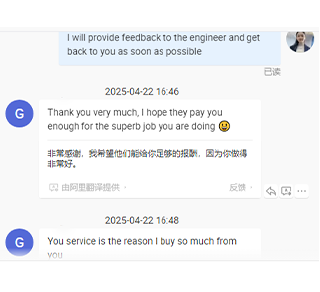
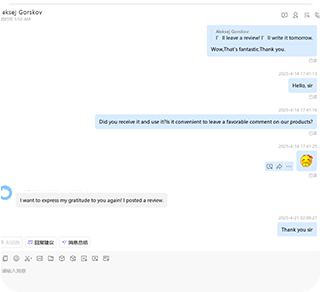
Enhancing Trust: Direct from Our Team
We believe in transparency and direct communication. Here's a glimpse into how we engage with our partners.

Frequently Asked Questions (FAQs)
- Q: What is the typical lead time for a standard order of meat trolleys?
- A: For standard configurations, our lead time is typically 2-4 weeks, depending on current production schedules and order volume. For custom orders, lead times will be confirmed after design finalization.
- Q: Can your trolleys be supplied with specific wheel types for different floor surfaces?
- A: Absolutely. We offer a range of castor options, including different materials (polyurethane, rubber, nylon) and load ratings, to suit various flooring types and operational needs. Please discuss your requirements with our sales team.
- Q: What are the primary benefits of using SS304 stainless steel over other materials?
- A: SS304 offers superior corrosion resistance, is non-porous and easier to sanitize, and maintains its structural integrity under demanding conditions. This leads to longer equipment life and better food safety compliance compared to materials like galvanized steel or certain plastics.
- Q: Do you offer spare parts for your trolleys?
- A: Yes, we maintain a stock of common spare parts, particularly castor wheels, and can produce replacement components as needed due to our in-house manufacturing capabilities. Our traceable after-sales management ensures you can get support for parts.
- Q: How are the trolleys packed for international shipping?
- A: We carefully stack trolleys to optimize container space, often using protective packaging to prevent scratching during transit. We ensure all necessary export documentation is provided for smooth customs clearance.
Ready to Optimize Your Meat Processing Workflow?
Discover how our precision-engineered meat trolley systems can enhance your operations. Contact us today for a personalized consultation, catalog, or factory quote.
Hebei Yuanchang Food Mechanism & Technology Co., Ltd. | Phone: +86 15830991513 | E-mail: ycmeatmech@gmail.com