Overhead Conveyor Trolley
Elevate Your Production: Robust Overhead Conveyor Trolleys for Demanding Industrial Environments
Maximizing Throughput, Minimizing Downtime with Precision-Engineered Material Handling Solutions
 By Dr. Anya Sharma, Senior Industrial Systems Consultant
The Core of Efficient Flow: Understanding Overhead Conveyor Trolleys
In the intricate landscape of modern manufacturing and logistics, the seamless movement of goods is not just a convenience; it's a fundamental pillar of operational efficiency and profitability. At the heart of many automated material handling systems lies a component often overlooked in its crucial role: the overhead conveyor trolley. These seemingly simple devices are the unsung heroes, bearing the load and dictating the pace of production lines, assembly operations, warehousing, and distribution centers across virtually every industrial sector.
The global meat processing equipment market, for instance, is projected to reach USD 17.39 billion by 2034, with segments like filling, molding, and ripening equipment heavily reliant on efficient material transport systems. Similarly, the broader food processing machinery market, estimated to reach USD 109.61 billion by 2035, underscores the widespread need for robust material handling. The effectiveness of these complex machinery setups hinges on the reliability and performance of the components that convey products between them. An overhead conveyor trolley is essentially the rolling interface between your suspended conveyor track and the product or load it carries. Its design, material composition, load capacity, and rolling resistance directly impact system speed, energy consumption, product integrity, and overall operational uptime.
When we talk about an overhead conveyor trolley, we're referring to a meticulously engineered unit. It typically comprises a housing, bearings, wheels (or rollers), and an attachment mechanism for the product carrier or the product itself. These trolleys are designed to run within a specific track profile, moving smoothly and consistently along a predetermined path. The selection of the right trolley is not a one-size-fits-all decision. It requires a deep understanding of the application's specific demands: the weight of the load, the speed of the conveyor, the environmental conditions (temperature, humidity, presence of dust or corrosive agents), the required cycle life, and even noise level considerations.
For procurement managers and operations directors, investing in the wrong type of trolley can lead to cascading problems. Premature bearing failure, wheel damage, track wear, or even catastrophic failure can result in costly production line stoppages, damaged goods, increased maintenance burdens, and potential safety hazards. The food industry, with its stringent hygiene standards and continuous processing demands, exemplifies this. A single failed trolley in a ripening process line for meat products, for example, could halt the entire operation, leading to spoilage and significant financial losses. Reports suggest the processed meat market is set to reach USD 1,330.45 billion by 2035, a growth driven by convenience and demand for consistent quality, all of which depend on reliable upstream processing and material flow.
Our expertise at Hebei Yuanchang Food Mechanism & Technology Co., Ltd. extends beyond just the core processing equipment. We understand that the ancillary systems, including material handling, are just as vital for a complete, efficient, and profitable operation. With 40 years of experience since 1986, our facility has evolved to integrate the R&D, production, and sales of sophisticated machinery. This includes developing and supplying critical components like high-quality overhead conveyor trolleys that complement our meat processing lines and other industrial applications. Our in-house machining capabilities, featuring over 20 sets of advanced processing machinery and Japanese Mazak CNC machining centers, allow us to produce high-precision parts that meet demanding specifications, ensuring reliability for your entire system.
This page delves into the critical aspects of overhead conveyor trolleys, exploring their design, the impact of material choice, the various types available, and how to select the optimal solution for your specific industrial needs. We aim to provide procurement professionals, engineers, and operations managers with the practical insights needed to make informed decisions, ensuring that the backbone of your material handling system – the trolley – contributes positively to your bottom line, rather than becoming a bottleneck. From automotive assembly lines to food packaging operations, the right trolley is a foundational element for operational excellence.
Operational Hurdles Solved by Superior Trolley Design
Many manufacturing and logistics managers face recurring challenges that, while seemingly minor individually, compound into significant operational drains. These often stem from the performance (or lack thereof) of critical, yet often overlooked, components like overhead conveyor trolleys.
- Premature Wear and Frequent Replacements: Standard trolleys, especially those made from lower-grade materials or with inadequate bearing systems, can wear out quickly. This leads to inconsistent performance and necessitates costly, unplanned replacements, impacting maintenance budgets and schedules.
- Production Bottlenecks and Downtime: A failed trolley can halt an entire production line or a section of a warehouse. The downtime associated with troubleshooting, repairs, or replacements translates directly into lost production output and missed delivery targets. For sectors like meat processing, where product freshness is paramount, downtime can mean spoilage. The Meat Processing Equipment Market is growing, with segments like filling and ripening crucial, and any breakdown impacts this.
- Product Damage and Contamination Risk: Worn wheels, seized bearings, or poorly designed housings can cause jerky movements, excessive vibration, or even lead to the trolley detaching. This can damage delicate products being transported, particularly in food packaging or electronics assembly. In food-grade applications, non-compliant materials or inadequate sealing can also introduce contamination risks.
- Increased Energy Consumption: Trolleys with high rolling resistance, often due to poor wheel material, worn bearings, or incorrect track alignment, require more force to move. This means your conveyor system's motors work harder, consuming more energy unnecessarily. Over time, this adds up to significant operational cost increases.
- Noise Pollution and Unpleasant Working Conditions: Low-quality trolleys, especially those with metal wheels running on metal tracks, can generate considerable noise. This not only creates an uncomfortable working environment, potentially affecting employee morale and productivity, but can also violate workplace noise regulations.
- Limited Load Capacity and Scalability Issues: Using trolleys that are at or near their maximum load capacity for extended periods drastically shortens their lifespan. This can force companies to over-spec entire conveyor systems or limit their ability to handle variations in product size or batch weights, hindering operational flexibility.
- Difficulty in Customization and Integration: Off-the-shelf trolleys may not always fit precisely with existing track systems or meet specialized requirements like extreme temperature resistance or specific attachment methods, leading to complex and expensive custom fabrication.
These are the real-world challenges faced on the factory floor and in warehouses daily. Addressing them starts with selecting robust, high-performance overhead conveyor trolleys designed for longevity and efficiency.
Key Advantages of Our Precision Trolleys
Choosing the right overhead conveyor trolley is an investment in operational continuity and efficiency. Our meticulously engineered trolleys are designed to address the common pain points and deliver tangible benefits to your business.
Exceptional Durability & Extended Lifespan
Constructed with high-grade steels and advanced polymers, our trolleys resist wear, corrosion, and impact. Precision-machined components and sealed bearings ensure longevity, even in harsh industrial environments, reducing replacement frequency and associated costs. This aligns with the growth drivers in the meat processing sector, demanding reliable equipment for continuous operation.
Smooth, Quiet Operation & Energy Efficiency
Optimized wheel profiles and high-quality bearings minimize rolling resistance. This translates to quieter operation, reduced motor strain, and lower energy consumption per unit moved. For operations running 24/7, these savings are substantial.
Enhanced Product Integrity
The smooth, stable movement provided by our trolleys minimizes vibration and shock. This is crucial for transporting delicate items, ensuring they arrive at their destination in perfect condition, reducing waste and improving customer satisfaction.
High Load Capacity & Reliability
Engineered to handle significant loads, our trolleys provide the stability and strength required for heavy-duty applications. We offer various load ratings to match your specific needs, ensuring consistent performance without compromising safety or lifespan.
Adaptable to Diverse Environments
Available in various materials and configurations, including food-grade options and high-temperature variants, our trolleys are designed to perform reliably in challenging conditions, from refrigerated warehouses to high-heat processing zones.
OEM/ODM Excellence
Leveraging our extensive manufacturing capabilities, we excel in offering both standard trolleys and custom OEM/ODM solutions. We can tailor designs, materials, and specifications to perfectly integrate with your unique conveyor systems and product lines.
Technical Specifications That Matter
Selecting the right overhead conveyor trolley hinges on precise technical specifications that align with your operational requirements. Here’s a breakdown of critical factors we consider and offer:
Wheel Materials: The Foundation of Performance
The choice of wheel material is paramount, influencing durability, load capacity, track compatibility, and environmental resistance.
| Material | Key Characteristics | Ideal Applications |
|---|---|---|
| High-Carbon Steel (Hardened) | Extreme durability, high load capacity, low rolling resistance, excellent wear resistance. Can be noisy and may damage softer tracks. | Heavy-duty industrial applications, automotive assembly, high-throughput lines where longevity is critical. |
| Nylon / Polyamide | Good abrasion resistance, moderate load capacity, quieter than steel, chemical resistance. Can absorb moisture. | General manufacturing, moderate loads, environments where noise reduction is beneficial. |
| Polyurethane (PU) | Excellent load capacity, high abrasion resistance, good shock absorption, quiet operation, non-marking. Variety of durometers available. | Food processing (FDA-compliant grades), packaging, sensitive environments requiring reduced noise and vibration. |
| Phenolic Resin | Good load capacity, moderate temperature resistance, relatively quiet, good chemical resistance. | General industrial use, moderate temperature applications. |
trolley conveyor system hopper trolley trolley hook
Bearing Systems: Ensuring Smooth Movement
Bearings are critical for minimizing friction and ensuring the smooth rotation of wheels.
- Sealed Ball Bearings: Standard in most high-quality trolleys, providing excellent load support and smooth rotation. Sealing protects against dust and contaminants, crucial for longevity.
- Roller Bearings: Used for extremely high radial loads and moderate speeds.
- Heavy-Duty / Maintenance-Free Options: Available for applications demanding extreme durability and minimal upkeep.
Load Capacity & Dimensions
Trolleys are rated for specific load capacities (e.g., 50kg, 100kg, 250kg+). It is vital to select a trolley with a capacity significantly exceeding your maximum expected load to ensure safety and longevity. Dimensions, including wheel diameter, width, and overall trolley height, are critical for compatibility with your existing track system and clearance requirements.
Environmental Considerations
Specialized materials and designs are available for:
- Food-Grade Applications: FDA-approved materials, easy-to-clean designs, and corrosion resistance (e.g., stainless steel components, specific PU grades).
- High-Temperature Environments: Specialized lubricants and materials capable of withstanding elevated temperatures.
- Corrosive Atmospheres: Stainless steel construction or specialized coatings.
Get In Touch: Contact our technical sales team with your specific application details for tailored recommendations.
Versatile Applications Across Industries
The robust design and adaptability of our overhead conveyor trolleys make them indispensable across a wide spectrum of industrial operations. Their ability to facilitate efficient, automated material flow is a critical factor in optimizing production and logistics.
Food & Beverage Processing
Essential for moving raw materials, semi-finished goods, and final products through various stages like washing, cutting, filling, ripening (massaging/smoking), and packaging. Food-grade materials and easy-to-clean designs are paramount here. The continuous growth in processed meat demand, projected at a CAGR of 6.62% according to Fortune Business Insights, highlights the need for reliable systems.
Automotive Manufacturing
Widely used in assembly lines for chassis, sub-assemblies, and finished vehicles. High load capacities and extreme durability are critical for these demanding, high-throughput environments.
Aerospace & Heavy Machinery
Transporting large, heavy components like airframes, engine parts, or large machinery assemblies. Robust construction and precision movement are key to maintaining product integrity and safety.
Warehousing & Distribution
Moving goods along picking routes, through sortation systems, or to shipping docks. Efficiency and reliability reduce labor costs and speed up order fulfillment.
Textile Manufacturing
Transporting rolls of fabric, yarn, or finished garments through processing, dyeing, and finishing stages. Consideration for delicate materials is important.
Electronics Assembly
Moving printed circuit boards (PCBs), components, and finished electronic devices. Precision movement and antistatic properties may be required.
Paint & Coating Lines
Carrying parts through cleaning, pre-treatment, painting, and curing stages. Trolleys must withstand chemical exposure and varying temperatures.
Cold Storage & Freezing Facilities
Operate reliably in sub-zero temperatures, where standard materials can become brittle. Specialized low-temperature lubricants and materials are essential.
Procurement Insights: What to Look For
Sourcing overhead conveyor trolleys for your operation involves more than just comparing prices. As an export manager with decades of experience in industrial supply chains, I've seen firsthand the pitfalls of selecting based on cost alone. Here’s a practical guide to ensure you get the best value and performance:
-
Define Your Requirements Precisely: Before you even start looking, document everything:
- Maximum and typical load weight per trolley.
- Conveyor speed (meters per minute).
- Operating environment (temperature range, humidity, dust, chemicals, washdown requirements).
- Track type and profile.
- Required service life and expected operating hours per day/year.
- Any specific noise or vibration limits.
- Need for food-grade compliance (e.g., FDA, NSF).
- Prioritize Manufacturer Reputation and Experience: Look for suppliers with a proven track record, especially those who have been in business for a significant period, like our 40 years at Hebei Yuanchang. Manufacturers with in-house R&D and precise machining capabilities (like our Japanese Mazak CNC centers) are more likely to offer consistent quality and handle complex OEM/ODM requests.
- Understand Material Choices and Their Implications: As detailed in the technical specs, wheel material, housing, and bearing type are crucial. Don't shy away from asking suppliers to justify their material recommendations based on your specific application. Ask for material certifications if food-grade or specific compliance is needed.
- Evaluate Bearing Quality: Poor bearings are a common failure point. Inquire about the bearing type, manufacturer (if reputable brands are used), sealing, and lubrication. Sealed, high-quality bearings significantly extend life and reduce maintenance.
- Consider the Total Cost of Ownership (TCO), Not Just Unit Price: A slightly more expensive trolley built with superior materials and engineering will almost always have a lower TCO. Factor in reduced downtime, fewer replacements, lower energy consumption, and less maintenance over the trolley’s lifespan.
- Request Samples and Testimonials: Whenever possible, order a few samples for testing in your actual operating environment. Also, ask for references or case studies from companies in similar industries facing similar challenges.
- OEM/ODM Capabilities for Customization: If standard solutions don't quite fit, ensure your supplier has robust OEM/ODM capabilities. This means they can modify existing designs or engineer entirely new solutions tailored to your unique track systems or operational needs. Our facility is equipped for this.
- Logistics and Lead Times: Discuss shipping options, lead times for standard orders, and expedited options for critical replacements. Understanding container loading optimization for bulk orders can also impact landed costs.
Making an informed choice now prevents costly headaches down the line.
Our Manufacturing Excellence
At Hebei Yuanchang Food Mechanism & Technology Co., Ltd., our 40-year legacy since 1986 is built on a foundation of rigorous manufacturing practices and continuous technological advancement. We don't just assemble components; we engineer solutions with precision and integrity.
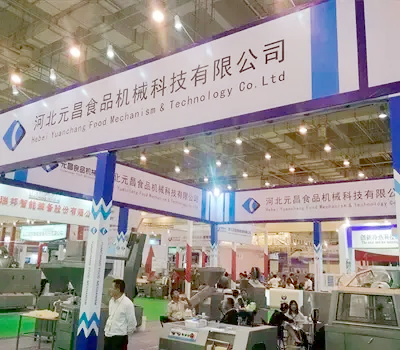
Our ~14,000 square meter facility is home to a dedicated team of 80-100 skilled professionals who integrate R&D, production, and sales into a cohesive workflow. This allows us to maintain complete control over quality and customization.
In-House Machining Prowess
Our advanced machining workshop is equipped with over 20 sets of high-precision processing machinery, including:
- Lathes and Milling Machines for precise shaping.
- High-Precision Grinding Machines for superior surface finishes.
- Boring Machines for accurate hole creation.
- Plate Shears and Bending Machines for fabrication.
- Wire Cutting Equipment for intricate designs.
Quality Assurance & Certifications
We adhere to stringent quality control protocols at every stage of production. Our commitment to excellence is validated by certifications such as:

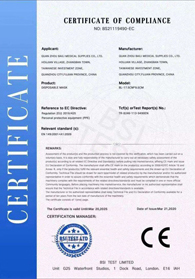

(Note: Specific certifications may vary based on product line and client requirements.)
Traceable After-Sales Service
Our capabilities extend to independently producing high-precision parts. This, combined with our traceable after-sales management system, ensures that any future requirements for spare parts or custom modifications are handled efficiently and seamlessly, providing you with worry-free after-sales support.
Partner with us for manufacturing excellence that translates to reliable performance and operational advantage.
What Our Clients Say
Real-world feedback from businesses like yours, highlighting the impact of our overhead conveyor trolleys.
 Mark Chen, Operations Manager
"We upgraded our automated packaging line with Yuanchang's heavy-duty trolleys. The reduction in noise and vibration was immediate, and we've seen a noticeable decrease in product damage during transit. Their technical team helped us select the exact right specifications."
Global Packaging Solutions Inc. Sophia Ramirez, Procurement Lead
"Switching to their food-grade trolleys was a crucial step for our compliance. The stainless steel options are robust, easy to sanitize, and have significantly reduced our maintenance interruptions. The lead times for bulk orders were also very reasonable."
Artisan Foods Co. David Lee, Plant Engineer
"We had a persistent issue with trolley failure on our automotive assembly line due to heavy loads. Yuanchang's engineering team worked with us to develop a custom trolley solution that handles the weight effortlessly. It’s been running flawlessly for over a year now. This level of OEM support is rare."
Precision Auto Assembly Elena Petrova, Supply Chain Director
"Reliability is non-negotiable for our distribution network. Yuanchang's trolleys offer a smooth, consistent flow, which directly impacts our throughput. We've reduced equipment downtime significantly since making the switch."
Global Logistics PartnersFrequently Asked Questions
1. How do I determine the correct load capacity for my overhead conveyor trolley?
It's crucial to calculate the maximum potential load. This includes the weight of the item being carried plus the weight of any fixture or carrier attached to the trolley. Always select a trolley with a rated capacity that is at least 25-50% higher than your maximum anticipated load to ensure a safety margin and extend the trolley's lifespan.
2. Can your trolleys be used in washdown or high-humidity environments?
Yes, we offer specialized trolleys constructed with stainless steel components and designed with sealed bearings and materials resistant to corrosion and moisture. For food processing applications, we ensure all materials comply with relevant food-grade standards (e.g., FDA).
3. What is the typical lifespan of one of your industrial trolleys?
The lifespan is highly dependent on the application, maintenance, and operating conditions. However, our premium trolleys, engineered with hardened steel wheels and high-quality sealed bearings, are designed for extended service life, often lasting for many years in demanding industrial settings. Consistent lubrication and adherence to load limits are key.
4. Do you offer customization or OEM/ODM services for overhead conveyor trolleys?
Absolutely. With our advanced in-house machining capabilities, including Japanese Mazak CNC centers, we are fully equipped to provide custom OEM/ODM solutions. We can tailor dimensions, load capacities, wheel materials, attachment methods, and more to meet your unique system requirements.
5. How quickly can I receive an order?
Standard orders typically ship within 10-20 business days, depending on the product and order volume. For urgent requirements or larger projects, please contact us directly to discuss expedited options and project timelines. We understand the critical nature of keeping your production lines running.
Ready to Enhance Your Material Flow?
Don't let inefficient material handling hinder your production. Discover how our high-performance overhead conveyor trolleys can drive efficiency, reduce costs, and improve your operational reliability.