Thermocouple Vacuum Gauge
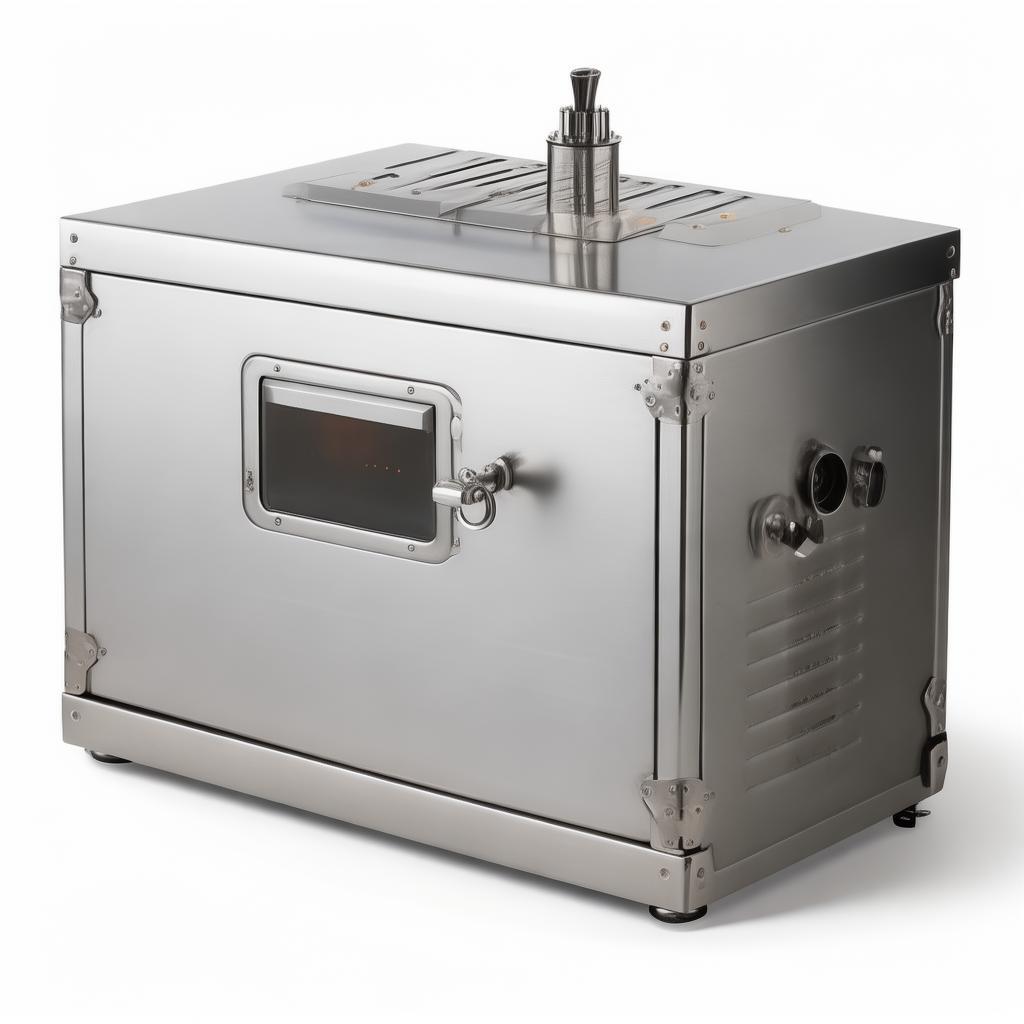
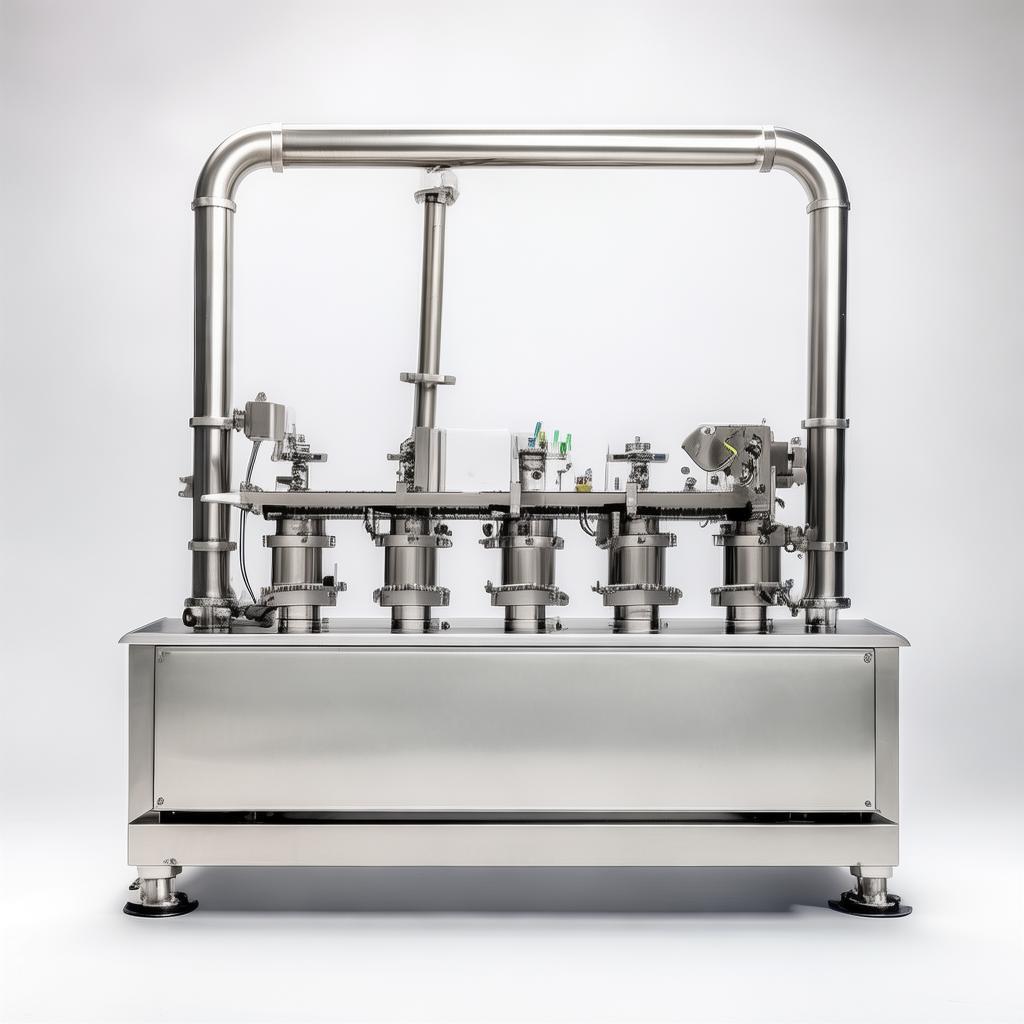
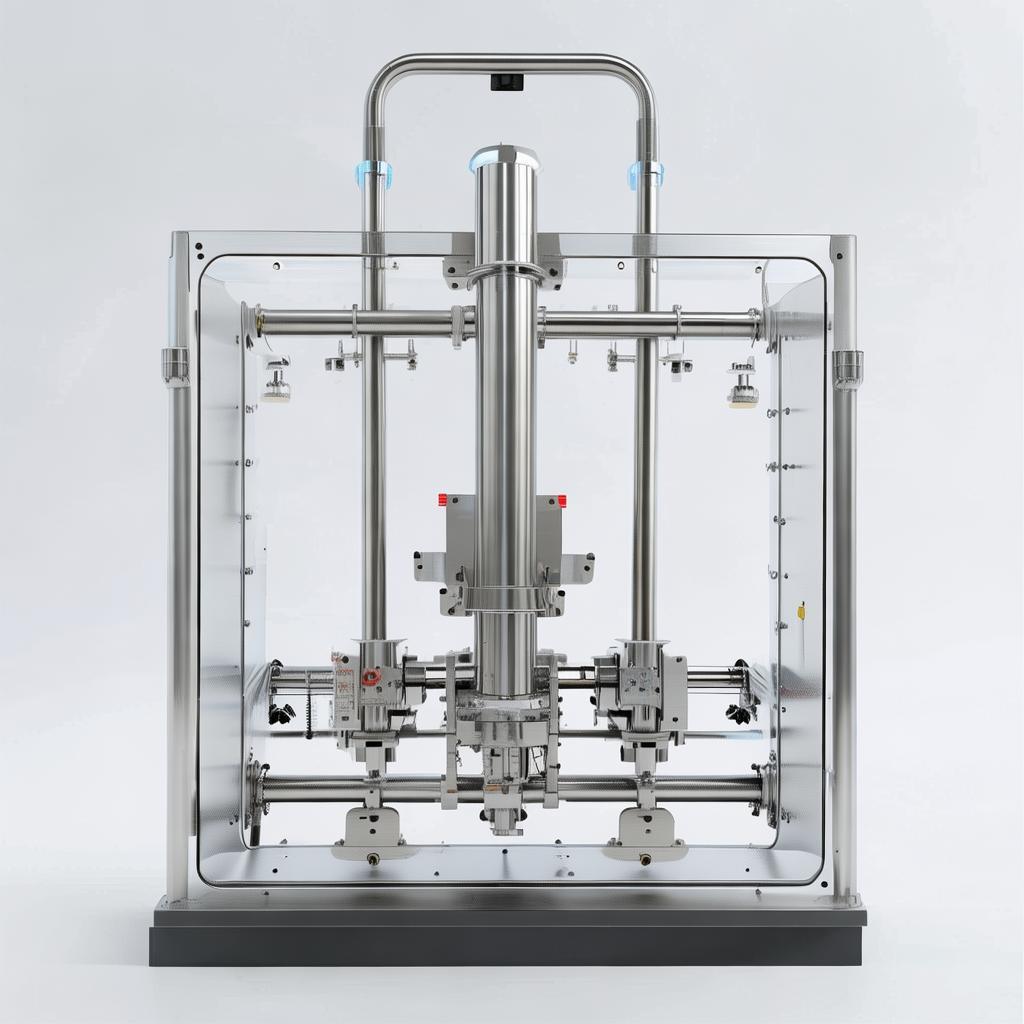
Thermocouple Vacuum Gauges: Precision Measurement for Critical Industrial Processes
Accurate vacuum readings are non-negotiable. Discover how our robust thermocouple vacuum gauges deliver the reliability and precision your operations demand.

Understanding Thermocouple Vacuum Gauges
In industrial settings, maintaining precise vacuum levels isn't just about control; it's fundamental to product quality, process efficiency, and operational safety. Whether you're involved in semiconductor manufacturing, pharmaceutical production, vacuum heat treatment, or even specialized food processing applications, the ability to accurately measure and monitor vacuum conditions is paramount. This is where the thermocouple vacuum gauge steps in, serving as a workhorse for measuring pressures typically in the rough to medium vacuum range – generally from 1000 Torr down to 10⁻³ Torr (or 100,000 Pa down to 0.1 Pa). Unlike some of the more complex, high-vacuum technologies, the thermocouple gauge offers a compelling blend of affordability, durability, and reliable performance, making it a cornerstone instrument for many critical operations worldwide. Its straightforward operating principle, which relies on the cooling effect of gas molecules on a heated element, translates into a robust design that can withstand challenging industrial environments. However, understanding its nuances, from optimal operating ranges to potential interferences, is key to leveraging its full capabilities. This guide delves into the operational principles, applications, and selection criteria for thermocouple vacuum gauges, aiming to equip you with the knowledge to make informed decisions for your specific needs.
The global market for meat processing equipment, where precise vacuum control can influence curing, preservation, and packaging, underscores the demand for reliable measurement. Reports indicate the global meat processing equipment market was valued at approximately USD 11.28 billion in 2024, projected to reach USD 15.04 billion by 2030. A significant portion of this growth is driven by the demand for processed meats and the adoption of automation for hygiene and efficiency. Within these operations, vacuum is often critical. For instance, vacuum tumblers and massagers, used in meat ripening and tenderizing processes, rely on controlled environments. Similarly, vacuum packaging extends shelf life and maintains product integrity. While these are not direct applications of thermocouple gauges in their primary function, the underlying principle of precise environmental control in industrial processes highlights the universal need for accurate measurement tools. Our expertise, honed over 40 years in manufacturing, allows us to understand the intricate requirements of industrial processes, whether they involve vacuum measurement or sophisticated machinery for food production. We bring this depth of experience to every component, including the vacuum gauges that are vital for many upstream and downstream processes in various industries.
The choice of a vacuum gauge is not a trivial one. It directly impacts the success of sensitive manufacturing steps. A slight deviation in vacuum pressure can lead to batch failures, compromised product integrity, and significant financial losses. For example, in vacuum metallization or thin-film deposition, maintaining a specific vacuum level dictates the quality and uniformity of the deposited layer. Similarly, in freeze-drying processes, precise vacuum control is essential for efficient sublimation and preservation of sensitive materials. Thermocouple vacuum gauges, with their ability to operate reliably across a broad range of common industrial vacuum levels, offer a practical and cost-effective solution for these and many other applications. We've built our reputation on understanding these critical needs, ensuring that our components, including essential measurement instruments, meet rigorous international standards. Our nearly four decades of experience since 1986 have provided us with an intimate understanding of the operational challenges faced by manufacturers, and we translate this knowledge into the robust, dependable products we offer.
Beyond the specific pressure readings, operational considerations like gauge response time, potential for contamination, and ease of integration into existing control systems are vital. A gauge that is slow to respond or prone to drift can render real-time process adjustments impossible. Furthermore, the physical robustness of the gauge and its sensor is crucial, especially in environments prone to vibration, temperature fluctuations, or exposure to corrosive substances. Our thermocouple vacuum gauges are engineered with these practicalities in mind, utilizing durable materials and construction techniques designed for longevity and consistent performance. We understand that equipment downtime is costly, and a reliable vacuum measurement system is a proactive step in minimizing such risks. This commitment to engineering excellence is a direct result of our extensive in-house machining capabilities, including advanced CNC centers, allowing us to control the precision of every component.
 Our state-of-the-art machining workshop, ensuring precision for every component.
The Pressure is On: Common Vacuum Measurement Challenges
Procurement teams and engineers often face a recurring set of challenges when sourcing and implementing vacuum measurement solutions:
- Inconsistent Readings: Fluctuations in vacuum pressure that don't align with process events can lead to incorrect adjustments or unfounded alarms. This is often due to sensor degradation, thermal effects, or ambient pressure variations influencing the measurement.
- Limited Measurement Range: Many applications require monitoring vacuum across different stages, from atmospheric pressure down to high vacuum. Using a single gauge type that only covers a narrow band can necessitate complex switching systems or multiple instruments, increasing cost and complexity.
- Durability and Contamination: Industrial environments can be harsh. Gauges exposed to corrosive gases, particulate matter, or extreme temperatures risk damage, leading to premature failure and costly replacements. Sensor contamination is a particular concern for accuracy.
- Calibration Drift: Vacuum gauges, like all precision instruments, require recalibration over time. Unexpected drift can compromise process integrity before the need for calibration is even identified, leading to out-of-spec products.
- Integration Complexity: Connecting a vacuum gauge to a control system (PLC, SCADA) can be complicated, requiring specific signal outputs, wiring considerations, and compatible controllers. Non-standard outputs or complex setup procedures add engineering overhead.
- Cost vs. Performance Trade-offs: Balancing budget constraints with the need for high accuracy and reliability is a constant challenge. Overly inexpensive gauges may lack the required precision or lifespan, while high-end solutions can be prohibitively expensive.
"We once had a batch of specialized coatings fail because the vacuum pump controller wasn't accurately reflecting the pressure in the chamber. It turned out the sensor had developed a slight leak. Identifying that issue cost us dearly in lost production time and materials." - Operations Manager, Electronics Manufacturer
Our Thermocouple Vacuum Gauge Solution
Hebei Yuanchang's thermocouple vacuum gauges are engineered to address these common pain points head-on. We understand that in industries like specialized food processing, where vacuum is used for tasks such as extending shelf life of processed meats or achieving specific textures, consistency and reliability are non-negotiable. The global processed meat market, projected to reach USD 1,330.45 billion by 2035, relies heavily on precise processing steps that demand accurate measurement. Our gauges are designed to provide stable, repeatable readings within their operational range (typically 1000 Torr down to 10⁻³ Torr), offering a robust solution for your vacuum control needs.

We leverage our extensive manufacturing experience, including advanced CNC machining, to produce high-quality sensors and instruments. This internal capability allows us to maintain stringent quality control from raw material to finished product, ensuring:
- Consistent Performance: Our gauges are built for accuracy and repeatability, minimizing drift and providing reliable data for process automation and monitoring.
- Robust Construction: Designed to withstand industrial environments, our sensors and instruments feature durable materials and construction to resist contamination and physical stress.
- Broad Application Suitability: Ideal for rough and medium vacuum ranges critical in many chemical, food processing, and manufacturing applications.
- Ease of Integration: We offer various output options compatible with standard industrial control systems, simplifying setup and ensuring seamless integration.
"When we switched to Yuanchang's vacuum sensors for our pilot plant, we immediately saw a reduction in calibration frequency and a more stable process. It was a straightforward upgrade that paid for itself quickly." - Lead Process Engineer, Pharmaceutical Firm
How Thermocouple Gauges Work
The operational principle behind a thermocouple vacuum gauge is elegantly simple yet highly effective for its intended pressure range. It’s a testament to harnessing fundamental physics for practical industrial use.
At its core, the gauge relies on a heated filament, typically a fine wire (often made of tungsten or a similar robust alloy), housed within the vacuum system. This filament is connected electrically to a thermocouple, which is essentially two dissimilar metals joined at one end (the measuring junction) and left open at the other (the reference junction). The entire sensor assembly is placed in the vacuum environment where pressure is to be measured.
Here’s the breakdown of the process:
- Heating the Filament: A constant, controlled electrical current is passed through the filament. This heats the filament to a specific temperature.
- Gas Cooling Effect: In a vacuum, gas molecules are scarce. As these molecules interact with the hot filament, they absorb heat from it. The rate at which the filament loses heat is directly proportional to the density of gas molecules present – in other words, it's directly related to the pressure.
- Thermocouple Measurement: The temperature difference between the heated filament (measuring junction) and the ambient temperature (reference junction) generates a voltage across the thermocouple. As the pressure decreases (fewer gas molecules), the filament cools less effectively, its temperature rises, and the thermocouple generates a higher voltage. Conversely, as pressure increases, the filament cools more rapidly, its temperature drops, and the generated voltage decreases.
- Display and Calibration: The electronic circuitry interprets this voltage signal and converts it into a pressure reading, typically displayed on a digital or analog meter. The gauge is calibrated such that a specific voltage corresponds to a specific pressure within its operating range (e.g., 1000 Torr down to 10⁻³ Torr).
This method is particularly effective because the cooling rate is largely independent of the type of gas present in the medium vacuum range, making it a versatile tool. However, at very low pressures (high vacuum), the cooling effect becomes negligible, and the gauge's accuracy diminishes. Similarly, at pressures approaching atmospheric, the filament can overheat due to excessive cooling, and readings become unreliable. Therefore, thermocouple gauges are best suited for the intermediate vacuum range.
Key Operational Considerations:
- Filament Material: Typically tungsten for durability and consistent resistance.
- Thermocouple Type: Often K-type (Chromel-Alumel) due to its commonality and temperature range.
- Response Time: Generally fast, allowing for real-time process monitoring.
- Sensitivity to Thermal Transpiration: Can be a factor at very low pressures, though usually minor in typical industrial applications.
Our manufacturing process, incorporating over 20 sets of processing machinery and Japanese Mazak CNC centers, ensures the precision and reliability of these critical sensor components, translating into dependable vacuum measurements for your operations.
Where Precision Matters: Key Applications
The versatility and cost-effectiveness of thermocouple vacuum gauges make them indispensable across a wide spectrum of industrial applications. Their ability to accurately monitor pressures in the rough to medium vacuum range is critical for process control, product quality, and equipment protection.
Industrial Manufacturing
In general manufacturing, maintaining specific vacuum levels is often part of production or testing processes. This includes applications like:
- Vacuum Ovens and Furnaces: Used for drying, curing, degassing, and heat treatment of materials, where controlled vacuum conditions prevent oxidation and ensure uniform results.
- Vacuum Impregnation: For filling porous materials (like castings or electrical components) with resins or sealants under vacuum to ensure complete penetration and void-free filling.
Food & Beverage Processing
While high-vacuum applications are common in food packaging, medium vacuum levels are crucial for specific processing steps. The processed meat market is a prime example, with its projected growth to USD 1,330.45 billion by 2035. This sector utilizes vacuum for:
- Vacuum Tumblers/Massagers: Used in meat processing to tenderize and marinate, often operating under partial vacuum to enhance penetration and binding.
- Vacuum Deaeration: Removing trapped air from food products to improve texture, appearance, and shelf life, especially in dairy or processed meat applications.
- Vacuum Cooking/Concentration: Lowering the boiling point of liquids to cook or concentrate heat-sensitive ingredients at lower temperatures.
Chemical and Pharmaceutical Industries
Precision is key in these sectors for product purity and safety:
- Vacuum Drying: Essential for removing solvents or moisture from heat-sensitive pharmaceuticals, chemicals, or biological samples.
- Filtration Processes: Accelerating liquid filtration by applying a vacuum to draw fluid through the filter medium.
- Distillation and Evaporation: Lowering boiling points for efficient separation or concentration of compounds, particularly in R&D and pilot plants.
Research & Development
Laboratories frequently utilize vacuum for various experimental setups, material testing, and small-scale process development where accurate, mid-range vacuum measurement is needed.
Our thermocouple vacuum gauges, built with the precision of Japanese Mazak CNC machining and backed by 40 years of manufacturing expertise, are designed to perform reliably in these demanding environments. We understand the critical nature of each application and engineer our products accordingly.
Technical Specifications & Performance
When selecting a thermocouple vacuum gauge, understanding its technical capabilities is crucial for ensuring it meets the specific demands of your process. Our standard offerings are designed for broad applicability and reliable performance. We also offer custom configurations to meet unique requirements.
| Parameter | Specification |
|---|---|
| Measurement Range | 1000 Torr to 10⁻³ Torr (133.3 Pa to 0.133 Pa) |
| Accuracy | Typically ±10% of reading within the mid-range (e.g., 10 Torr to 10⁻³ Torr). Specific accuracy can vary by model and calibration. |
| Operating Principle | Convection-enhanced Pirani principle / Thermocouple effect. |
| Filament Material | Tungsten or similar robust alloy. |
| Connection Type | Various options including NW KF flanges (e.g., KF16, KF25), NPT threads, or custom fittings. |
| Output Signal | Analog (e.g., 0-10VDC, 4-20mA) or digital (e.g., RS485, Modbus) depending on model. |
| Power Requirements | Typically 24VDC for sensor module, and separate AC/DC for display unit. |
| Operating Temperature | Sensor: -10°C to +80°C (14°F to 176°F) typical. Ambient temperature affects calibration. |
| Material Compatibility | Standard stainless steel construction. Other materials available for specific corrosive applications. |
thermocouple vacuum gauge tube vacuum thermocouple convection vacuum gauge
Important Note: Thermocouple gauges are sensitive to gas type at very low pressures, and can be affected by thermal conductivity variations. For high vacuum applications (< 10⁻³ Torr), consider other technologies like capacitance manometers or cold cathode gauges. We can help guide you to the right solution.
Our commitment to quality, evidenced by our certifications like ISO and CE, ensures that these specifications are met with rigorous manufacturing and testing.
OEM/ODM Opportunities & Customization
At Hebei Yuanchang, we don't just supply components; we partner with manufacturers to integrate reliable measurement solutions into their equipment. Our OEM (Original Equipment Manufacturer) and ODM (Original Design Manufacturer) services are built on our 40 years of manufacturing experience and our advanced in-house production capabilities.
Whether you're developing new vacuum systems, upgrading existing product lines, or looking for a reliable supplier for your branded equipment, our thermocouple vacuum gauges can be tailored to your exact specifications. This includes:
- Custom Sensor Fittings: Adapting flange sizes (e.g., NW KF, ISO), thread types (NPT, BSP), or specialized connection geometries to seamlessly integrate with your equipment's vacuum ports.
- Tailored Output Signals: Providing specific analog voltage or current outputs, or digital communication protocols (like Modbus, Profibus, or custom serial interfaces) to interface with your control systems (PLCs, HMIs).
- Branding and Labeling: Applying your company logo and product identification directly onto the gauge housing and display units.
- Unique Packaging: Custom packaging solutions for bulk shipments or specific retail requirements.
- Integrated Solutions: Collaborating on custom gauge and controller units designed for specific OEM equipment, optimizing form factor and functionality.
We understand the pressures of product development cycles and supply chain reliability. Our vertically integrated manufacturing process, featuring over 20 sets of precision machining equipment and advanced Japanese Mazak CNC centers, allows us to offer competitive lead times and ensure consistent quality for large-volume OEM orders. We manage everything from component machining to final assembly and testing, providing a single point of responsibility.
 Precision machining enables tailored solutions for our OEM partners.
Let us be your trusted partner for vacuum measurement components. Contact us to explore how we can customize our thermocouple vacuum gauges for your specific OEM/ODM needs.
Our Manufacturing Advantage: From Concept to Component
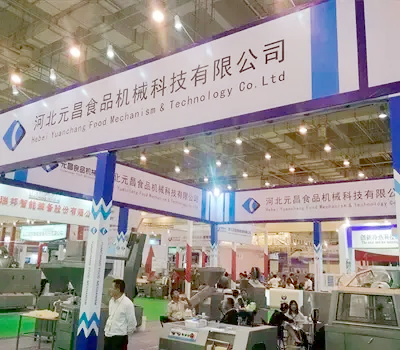
At Hebei Yuanchang Food Mechanism & Technology Co., Ltd., our 40 years of experience since 1986 are rooted in a deep understanding of precision manufacturing. We don't just assemble; we engineer and produce. This vertical integration is the bedrock of our quality and reliability, extending to every component we manufacture, including sophisticated instruments like thermocouple vacuum gauges.
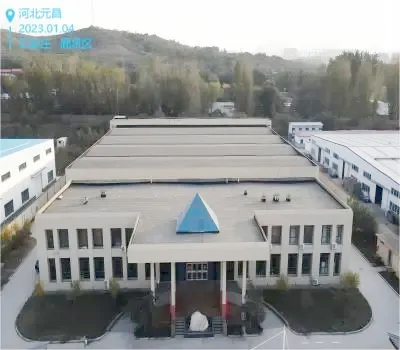
Our facility, spanning approximately 14,000 square meters and employing a dedicated team of 80-100 professionals, is equipped for comprehensive production. The cornerstone of our capability lies in our in-house machining workshop, which boasts:
- Extensive Machining Capabilities: Over 20 sets of processing machinery, including advanced lathes, milling machines, high-precision grinding machines, boring machines, plate shears, bending machines, and wire cutting equipment. This allows us to fabricate custom parts with tight tolerances.
- Japanese CNC Machining Centers: Since 2012, we've invested in 8 sets of Japanese Mazak CNC machining centers. This state-of-the-art technology enables us to produce high-standard, high-precision, and non-standard components in large volumes with exceptional accuracy. This is critical for sensitive instruments where even minor deviations can impact performance.
- Independent Component Production: Our ability to produce high-precision parts in-house means we are not reliant on external suppliers for critical elements of our products. This ensures quality control, reduces lead times, and provides peace of mind for our clients, particularly concerning after-sales service and spare parts availability.
- Traceable Quality Management: Coupled with our traceable after-sales management system, our in-house production guarantees that every component meets our stringent standards.
This comprehensive control over the manufacturing process allows us to build thermocouple vacuum gauges that are not only accurate and reliable but also durable and suitable for demanding industrial applications. We understand the critical role these gauges play, and our manufacturing prowess ensures they perform as expected, time after time.
 Our Mazak CNC centers at work: Precision for critical components.
When you choose Hebei Yuanchang, you're choosing a partner with the manufacturing depth and expertise to deliver consistently high-quality vacuum measurement solutions.
Why Partner With Hebei Yuanchang for Your Vacuum Measurement Needs?
Selecting the right supplier for critical industrial components like vacuum gauges involves more than just price. It's about trust, reliability, and a partner who understands your operational challenges. Here’s why Hebei Yuanchang stands out:
Decades of Proven Experience
With over 40 years in the manufacturing sector since 1986, we possess deep practical knowledge. This isn't just about making parts; it's about understanding how they perform in real-world industrial environments, from food processing to complex manufacturing. We’ve seen and solved a multitude of engineering challenges.
Uncompromising Quality Control
Our vertically integrated manufacturing process, supported by advanced CNC technology and a rigorous quality management system, ensures that every thermocouple vacuum gauge we produce meets high standards. We hold ourselves to certifications like ISO and CE, demonstrating our commitment to global quality benchmarks.
OEM/ODM Expertise
We excel at providing customized solutions. Whether you need specific fittings, output signals, or complete integrated units, our engineering and production teams can tailor our products to perfectly fit your equipment and control systems. This makes us an ideal partner for manufacturers looking to enhance their product offerings.
Reliable Global Supply
We understand the importance of timely delivery for international clients. Our export experience means we are adept at managing logistics, documentation, and ensuring products reach their destination efficiently and safely. We are equipped to handle both small batch orders and large-volume production runs.
Competitive Value
By controlling our manufacturing processes from start to finish, we can offer competitive pricing without compromising on quality or performance. You get robust, reliable vacuum measurement solutions that provide excellent long-term value.


Choose Hebei Yuanchang for dependable vacuum measurement solutions backed by unparalleled manufacturing experience and a commitment to your success.
What Our Clients Say
Real-world feedback from companies relying on our expertise:
"We were looking for a reliable supplier for vacuum gauges to integrate into our new line of industrial ovens. Hebei Yuanchang's team was incredibly responsive, understanding our need for custom flange sizes and specific analog outputs. The quality is top-notch, and the lead times were surprisingly good for a custom order."

Industrial Oven Manufacturer
"Our food processing equipment often operates in humid and demanding conditions. We needed vacuum sensors that wouldn't fail prematurely. Since implementing Yuanchang's thermocouple gauges, we've seen a significant reduction in maintenance calls related to vacuum measurement. The robustness is impressive."

Specialty Food Processor
"We were initially hesitant to source from a new supplier overseas, but Hebei Yuanchang exceeded our expectations. Their technical support helped us select the right gauge for our R&D vacuum chamber, and the pricing was very competitive. The unit arrived well-packaged and performed perfectly out of the box."

Research Institute
Frequently Asked Questions (FAQ)
A thermocouple vacuum gauge is most accurate and reliable in the rough to medium vacuum range, typically from 1000 Torr down to 10⁻³ Torr (approximately 133.3 Pa to 0.133 Pa). For pressures significantly above or below this, other types of vacuum gauges are more suitable.
Within their primary operating range, thermocouple gauges are generally insensitive to the type of gas due to the convective cooling principle. However, at the lower end of their range, variations in gas thermal conductivity can introduce minor inaccuracies. For highly precise measurements of specific gases, or for ultra-high vacuum, different technologies are required.
The primary maintenance involves periodic calibration to ensure accuracy, typically recommended annually or as process dictates. The sensor filament can be sensitive to contamination from process materials or particulates, so careful installation and occasional cleaning may be necessary, especially in dirtier environments. Our robust sensor design aims to minimize susceptibility to damage.
Our gauges are designed for straightforward integration. Most models offer standard analog output signals (like 0-10VDC or 4-20mA) that can be easily read by a PLC's analog input module. Digital output options, such as RS485 with Modbus RTU protocol, are also available for more advanced communication. We provide detailed wiring diagrams and technical support to assist with integration.
Absolutely. With our extensive OEM/ODM experience and advanced in-house manufacturing, including Mazak CNC machining, we can customize sensor fittings, output signals, form factors, and branding to meet your specific equipment requirements. We pride ourselves on being a flexible and capable partner for OEMs.
Lead times can vary based on current production schedules and whether customization is required. For standard models, a batch of 100 units might typically ship within 4-6 weeks. For custom OEM orders, we establish specific timelines during the quoting process. Our efficient production management aims to minimize delays.
Need Immediate Assistance?
Connect with our technical experts or sales team for real-time support.