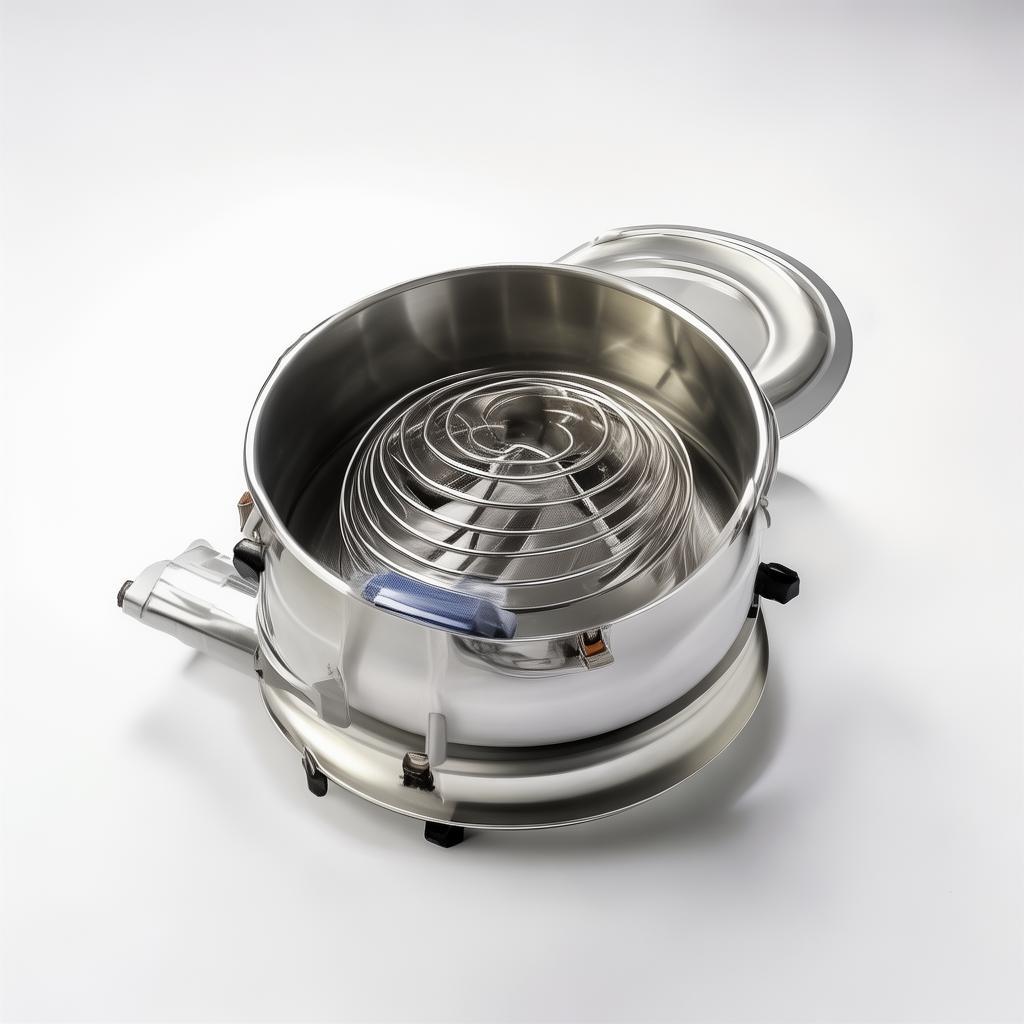
Tenderization Of Meat
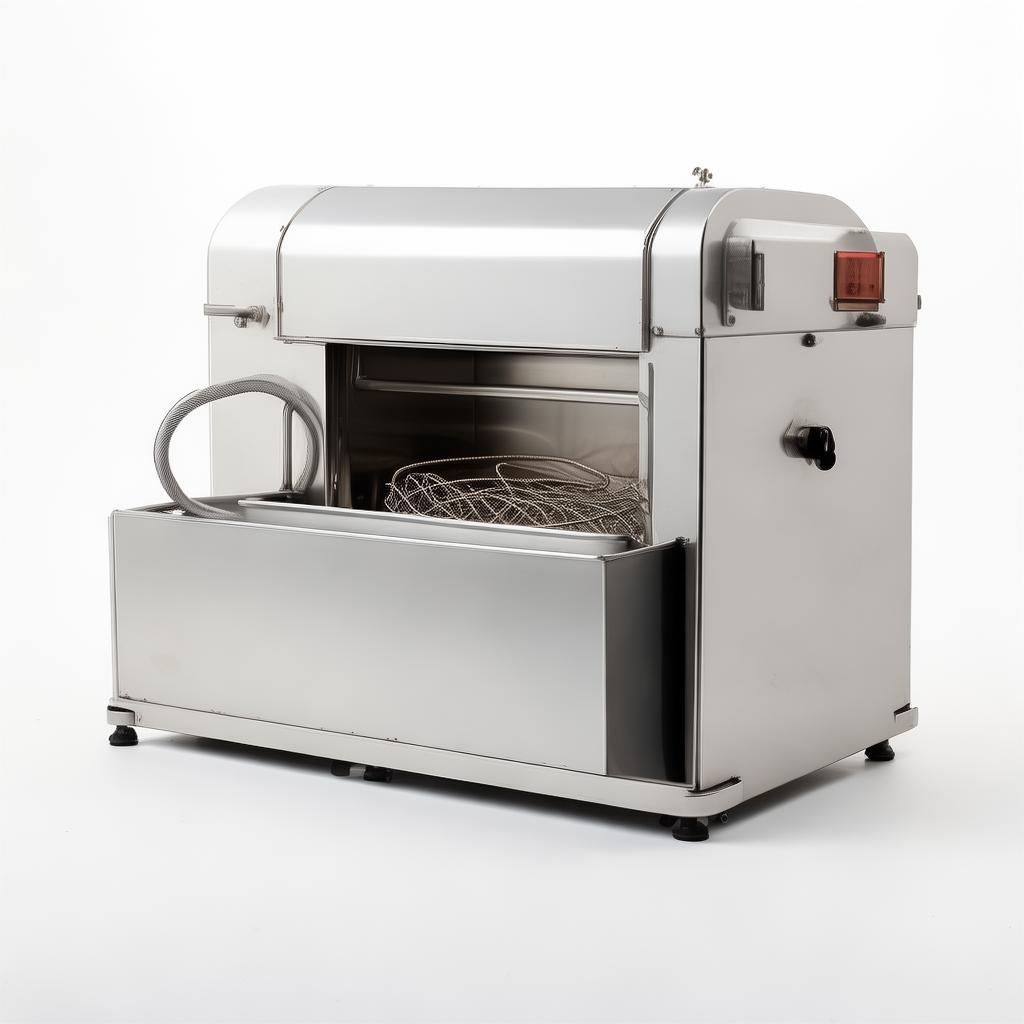
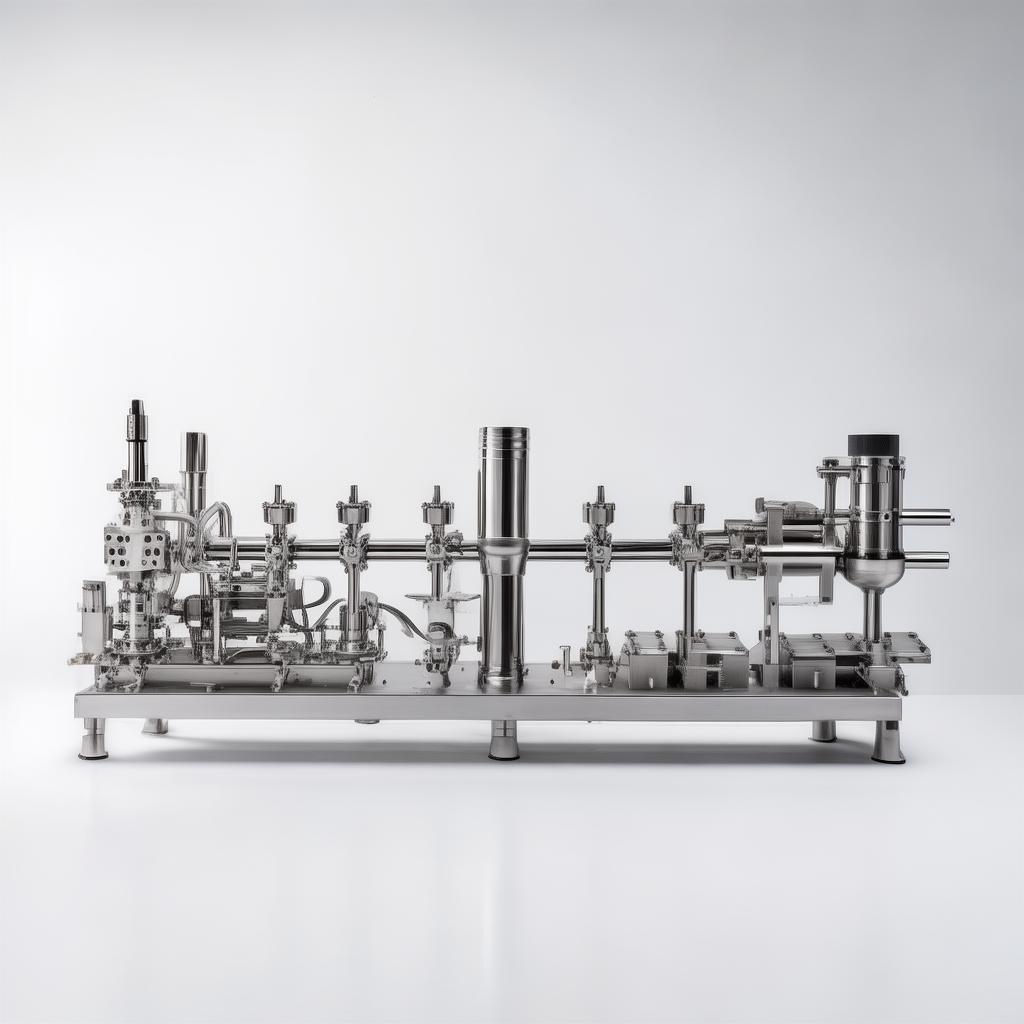
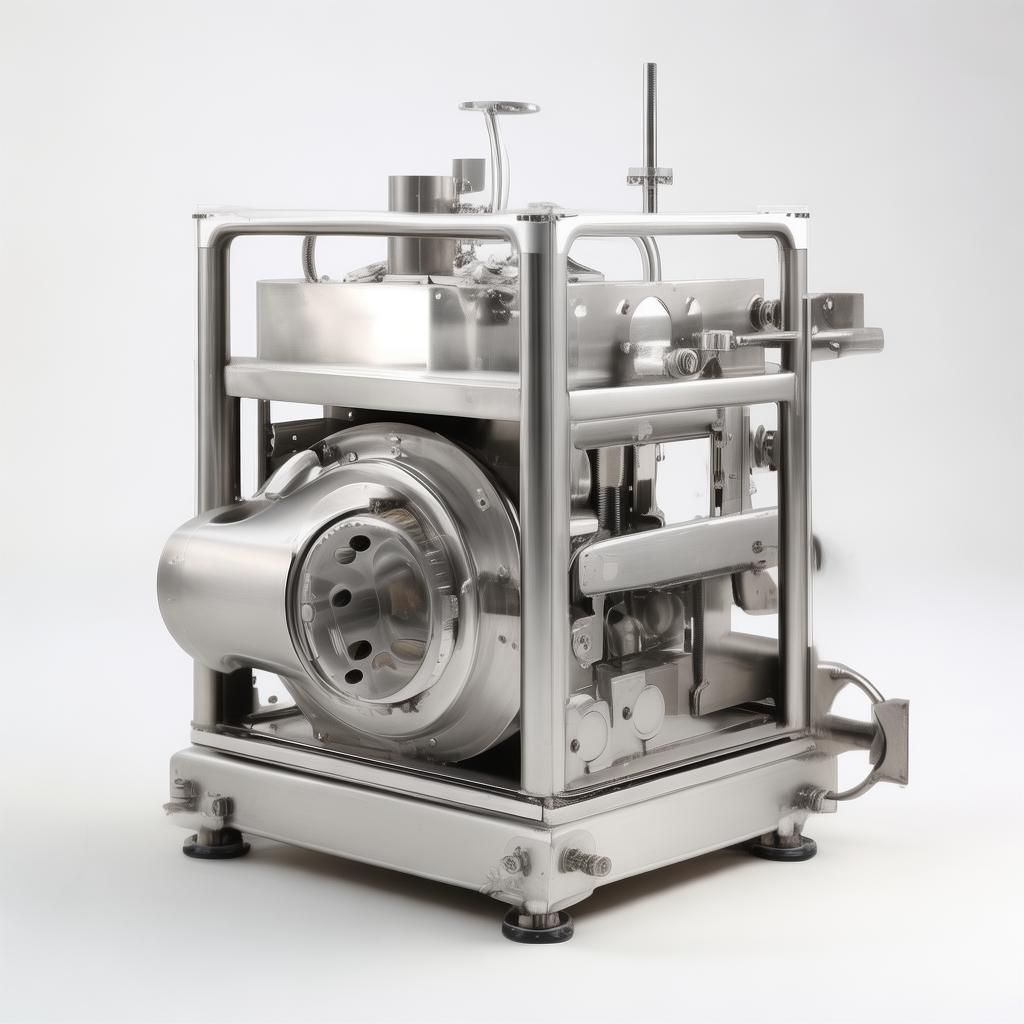
Mastering Meat Tenderization: A Comprehensive Guide for Wholesale Exporters and Manufacturers
 By Zhang Wei, Senior Export Manager at Hebei Yuanchang Food Mechanism & Technology Co., Ltd.
Published: October 26, 2023 | Last Updated: November 15, 2023
Unlocking Superior Meat Texture: The Critical Role of Tenderization in International Trade
In the competitive landscape of international B2B meat trade, achieving consistent product quality isn't just a preference—it's a fundamental requirement for sustained success. For wholesale exporters and OEM/ODM factories, especially those navigating the complexities of cross-border commerce, the texture of meat products is a paramount selling point. Customers worldwide, from large-scale food processors to premium butchers and distributors, demand meat that is not only safe and flavorful but also possesses a desirable, tender mouthfeel. This is where sophisticated meat tenderization processes come into play, transforming potentially tough cuts into premium ingredients that command higher market value and foster customer loyalty.
The global meat processing equipment market is substantial, projected to reach figures like USD 17.39 billion by 2034, with key segments including massaging and tumbling equipment crucial for ripening and tenderizing. This robust market growth, driven by increasing demand for processed meats and automation for hygiene and efficiency, underscores the industry's focus on advanced processing technologies. Understanding the science and mechanics behind effective tenderization is no longer optional; it's a strategic imperative for any enterprise aiming to thrive in this global arena.
At Hebei Yuanchang Food Mechanism & Technology Co., Ltd., with our 40 years of experience since 1986, we've witnessed firsthand how advancements in tenderization techniques—both mechanical and chemical, though our focus is on mechanical efficacy—have revolutionized meat product manufacturing. From ensuring the succulence of marinated chicken breasts for export to achieving the perfect bite in processed beef products for discerning European markets, the right tenderization methods are foundational. They directly impact not only consumer satisfaction but also operational efficiency, yield optimization, and ultimately, profitability.
Procurement directors and purchasing managers are increasingly scrutinizing supplier capabilities beyond basic compliance. They seek partners who can consistently deliver products meeting stringent international standards for texture and quality. This means investing in machinery and processes that reliably break down connective tissues and muscle fibers without compromising the meat's integrity, flavor profile, or nutritional value. The goal is to achieve a tenderization that is both effective and economically viable, minimizing waste and maximizing the appeal of the final product.
This guide aims to demystify the world of meat tenderization for B2B stakeholders. We’ll delve into the common challenges faced in achieving optimal meat texture, explore the technical advantages of various tenderization methods, and highlight why partnering with experienced manufacturers like Hebei Yuanchang is critical for navigating the global supply chain. Whether you are involved in beef, pork, poultry, or even pet food processing, mastering tenderization is a key lever for market differentiation and premiumization.
Our commitment to integrating R&D, production, and sales, coupled with an in-house machining workshop boasting over 20 sets of advanced processing machinery—including Japanese Mazak CNC machining centers—allows us to produce high-standard components and equipment with exceptional precision. This capability is vital for manufacturing tenderization machinery that performs reliably under demanding industrial conditions, ensuring consistent results batch after batch. We understand that for international buyers, reliability and performance are non-negotiable.
The market research consistently points towards growth in processed and convenience meats, with sectors like reconstituted meat projected for significant expansion (CAGR of 18.0%). This trend inherently drives the demand for sophisticated pretreatment and molding equipment, where tenderization plays a crucial preparatory role. By understanding these market dynamics, we can better equip our clients with the solutions they need to capture these opportunities.
Consider the operational realities: tough cuts, inconsistent muscle structures, and varying fat content across batches. Without effective tenderization, these inconsistencies can lead to product rejection, negative reviews, and lost contracts. This is where expert knowledge of mechanical tenderization, particularly through advanced massaging and tumbling systems, becomes indispensable. These systems not only break down fibers but can also enhance marination penetration, leading to more flavorful and uniform products.
Furthermore, as global food safety standards become more stringent, the equipment used must not only perform its primary function but also be easy to clean, maintain, and operate, minimizing the risk of contamination. Our ISO-certified manufacturing processes and traceable after-sales management system are designed to provide precisely this level of assurance. We recognize that a procurement decision is about more than just the initial purchase price; it’s about the total cost of ownership, reliability, and long-term partnership.
For buyers looking to elevate their meat product offerings, understanding the nuances of tenderization—from the impact on water-holding capacity to the reduction of cooking times—is essential. This knowledge empowers informed decision-making when selecting equipment and processing partners. The following sections will equip you with the insights needed to make those critical choices, ensuring your business stays ahead in the global meat processing industry.
Common Challenges in Meat Tenderization for B2B Operations
Achieving consistently tender meat on an industrial scale presents several hurdles. Many processors grapple with the inherent variability in raw materials. Different breeds, ages, diets, and handling practices of livestock can lead to significant differences in muscle fiber toughness and connective tissue density. This means a one-size-fits-all approach to tenderization often falls short, resulting in inconsistent product quality.
Over-processing is another common pitfall. Aggressive mechanical tenderization, especially without precise control, can lead to product damage—shredding of muscle fibers, excessive moisture loss, or a mushy texture. This not only degrades the aesthetic appeal but also negatively impacts yield and shelf life. The delicate balance between breaking down tough tissues and maintaining structural integrity is critical.
Cost-effectiveness is always a primary concern for procurement professionals. Implementing advanced tenderization technologies can involve significant capital investment. Balancing the upfront cost against potential gains in product quality, yield, and market competitiveness is a complex decision. Furthermore, the operational costs, including energy consumption, maintenance, and labor, must be factored into the ROI calculation.
Maintaining hygiene and compliance with international food safety standards, such as HACCP or ISO 22000, adds another layer of complexity. Tenderization equipment must be designed for easy cleaning and sanitization to prevent microbial growth. The materials used must be food-grade, and the design should avoid crevices where bacteria can harbor.
Logistical considerations are also paramount for export-oriented businesses. Ensuring that the tenderization process doesn't negatively affect the meat's ability to withstand the rigors of international shipping and varying temperature conditions is vital. This includes understanding how tenderization impacts water-holding capacity and potential spoilage rates.
Finally, the need for versatility is growing. Processors often need equipment that can handle a range of meat types, cuts, and product formats—from whole muscle pieces to ground meat mixtures destined for further molding. A tenderization solution that offers flexibility in operational parameters, such as speed, cycle time, and drum configuration, provides a significant competitive advantage.
The Engineering Advantage: How Our Machines Deliver Superior Tenderization
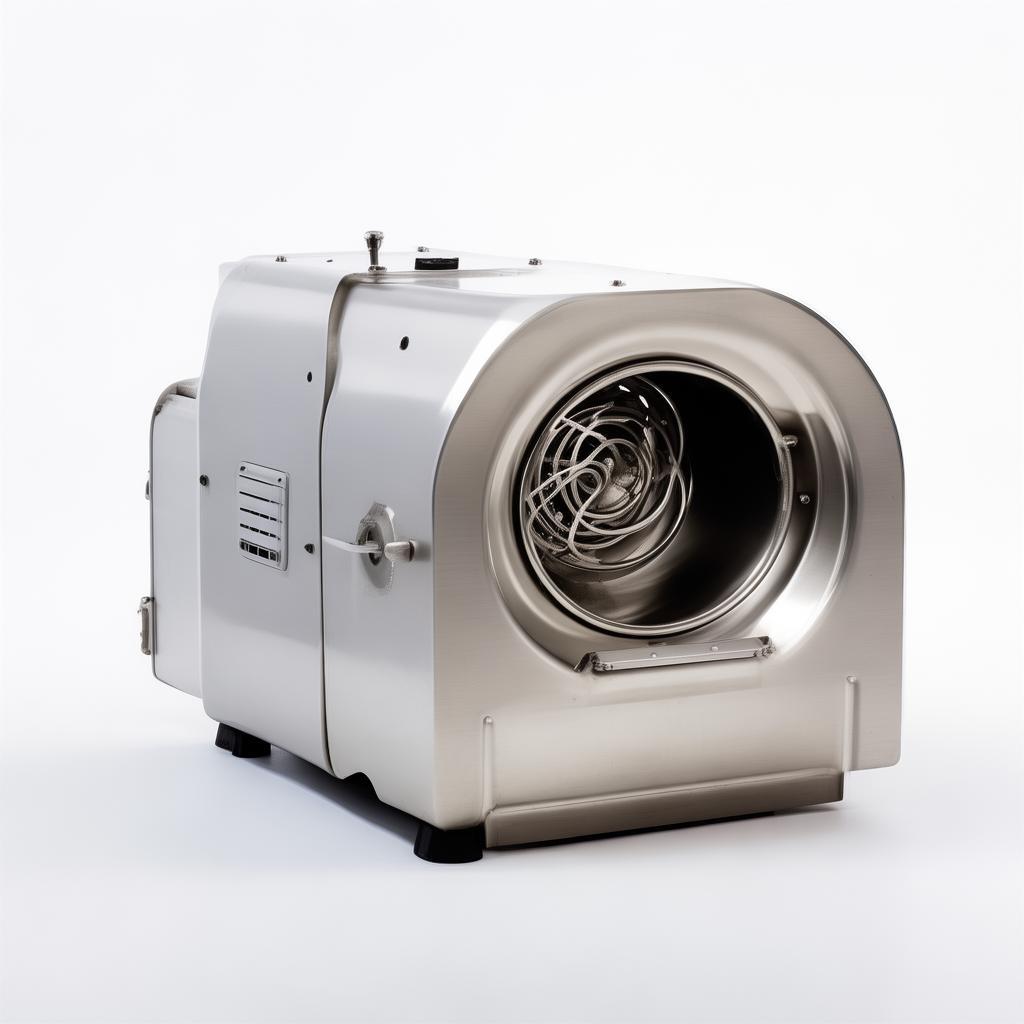
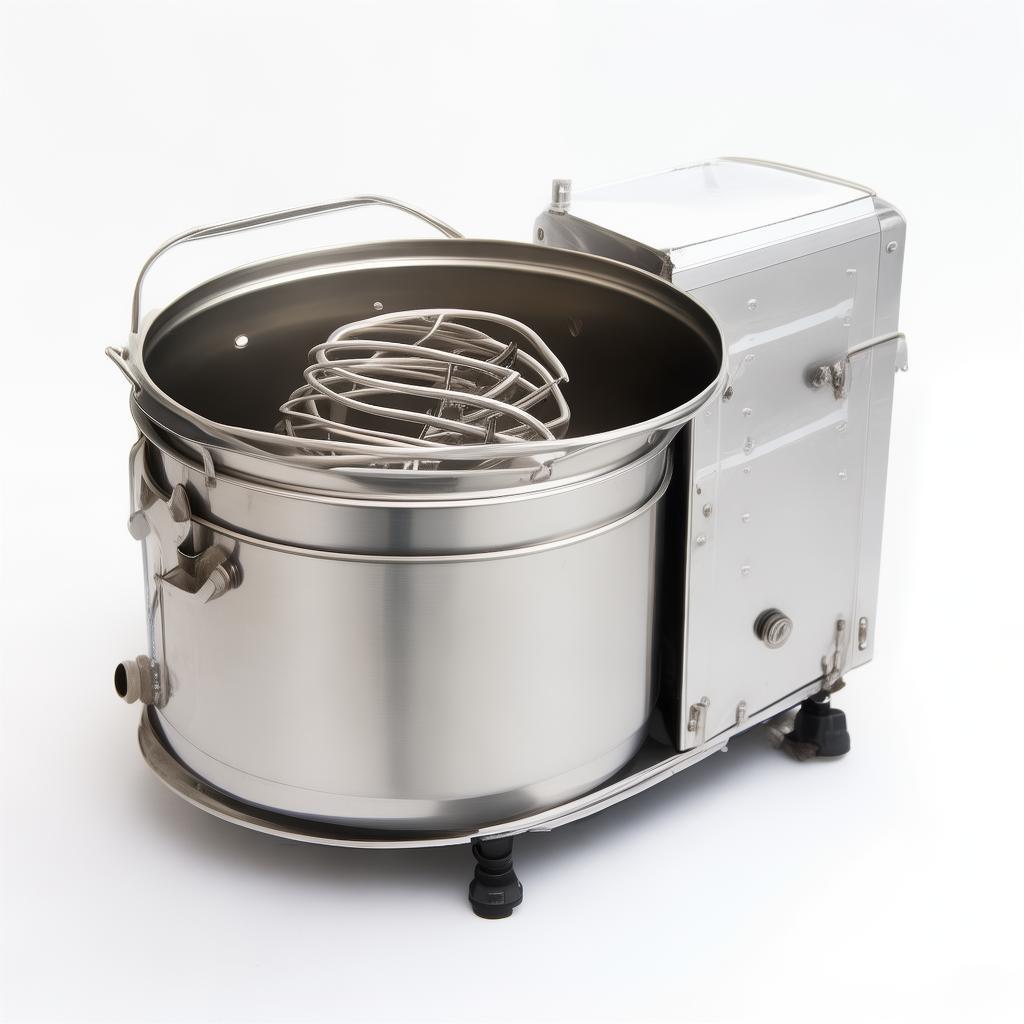
At Hebei Yuanchang, our approach to meat tenderization is grounded in robust engineering and a deep understanding of material science. We specialize in mechanical tenderization through advanced massaging and tumbling equipment. These machines are designed to optimize the meat's texture by employing controlled tumbling actions that gently break down connective tissues and muscle fibers. This process enhances the meat's natural tenderness, improves its water-holding capacity, and ensures a more uniform eating experience for the end consumer.
Our 40 years of industry experience have allowed us to refine our designs. We've moved beyond simple tumbling to incorporate features like variable speed control, adjustable drum angles, and specialized paddle designs. These elements allow processors to tailor the tenderization process to specific meat types and desired outcomes, minimizing the risk of over-processing and maximizing yield. For instance, our machines can be configured to gently tumble delicate poultry cuts or to more rigorously process tougher beef muscles.
Key advantages of our tenderization equipment include:
- Enhanced Texture & Mouthfeel: Controlled mechanical action effectively breaks down collagen and muscle fibers, resulting in a noticeably more tender product.
- Improved Marination Penetration: The gentle agitation opens up the meat structure, allowing marinades and curing solutions to penetrate more deeply and evenly. This translates to richer flavor and better preservation.
- Increased Yield: By improving water-holding capacity, our machines help retain moisture during processing and cooking, leading to higher yields and reduced product shrinkage. This is a critical ROI factor for wholesale operations.
- Versatility: Our machines are designed to handle a wide array of meat products, including whole muscle cuts, marinated portions, and ground meat mixtures, across beef, pork, lamb, and poultry.
- Durability & Hygiene: Constructed from high-grade stainless steel (e.g., SUS304), our equipment is built for longevity and ease of cleaning, meeting stringent international hygiene standards. Our in-house precision machining ensures every component is manufactured to the highest specifications.
The market for meat processing equipment is dynamic, with significant growth expected in areas like filling and molding machines, which often follow pretreatment steps like tenderization. Reports suggest the global meat processing equipment market is set to reach USD 15.04 billion by 2030. Our expertise in auxiliary equipment, including tenderizers, ensures a seamless integration into your overall production line.
We also understand that for international buyers, the ability to customize equipment is a major advantage. Our OEM/ODM capabilities mean we can adapt our tenderization machines to meet specific operational requirements, voltage standards, or footprint constraints. This flexibility is a cornerstone of our service to global clients.
Technical Specifications & Operational Insights
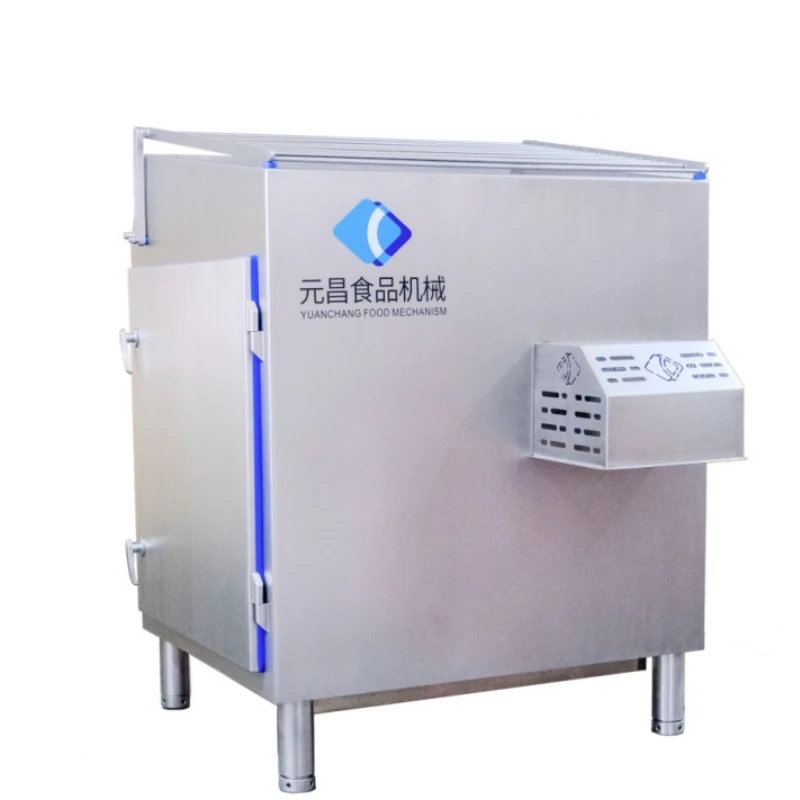
Understanding the technical heart of our tenderization equipment is key for procurement teams and engineers. Our standard models, such as the YC-TM series, are engineered for efficiency and reliability.
| Feature | Specification |
|---|---|
| Model Number | YC-TM3000 |
| Capacity | 3000 Liters |
| Drum Material | Food-grade Stainless Steel (SUS304) |
| Motor Power | Variable Speed Drive (VSD) - 7.5 kW |
| Tumbling Speed | Adjustable: 5-25 RPM |
| Programmable Cycles | Yes, up to 10 custom programs |
| Dimensions (L x W x H) | Approx. 4.5m x 2.0m x 2.3m |
| Voltage | Customizable (e.g., 380V/50Hz/3PH or 460V/60Hz/3PH) |
| Cleaning Features | Hinged lid, easy-access drum, optional CIP (Clean-in-Place) compatibility |
methods of meat tenderization what is tenderization of meat techniques in meat tenderizing
Operational Considerations:
- Load Capacity: Do not exceed the stated capacity to ensure optimal tumbling action and prevent motor strain. Overloading can lead to inconsistent tenderization and potential equipment damage.
- Temperature Control: For sensitive products or extended processing times, consider operating in a chilled environment or ensuring the meat remains below critical temperatures to prevent microbial growth. This is crucial for export markets with strict import regulations.
- Marination/Seasoning Integration: Our machines are excellent for integrating marinades and seasonings. Add liquids and dry ingredients during the tumbling process for maximum absorption and even distribution. This aligns with market demands for value-added products, as seen in the processed meat sector which is projected to reach USD 1.33 trillion by 2035.
- Maintenance Schedule: Regular checks of seals, bearings, and drive components, along with thorough cleaning after each use, are essential. Our traceable after-sales management system supports this by providing access to genuine spare parts and technical support.
From an engineering perspective, the precision of our in-house CNC machining, including Japanese Mazak CNC machining centers, ensures that critical components like drum shafts and internal paddles are manufactured to extremely tight tolerances. This translates directly into smoother operation, reduced wear, and consistent performance over the equipment's lifespan.
For international shipments, our equipment is designed with robust packaging to withstand transit. We consider container loading optimization to minimize freight costs for our global clients, a practical concern often overlooked by less experienced suppliers.
Applications Across the Meat Industry
The impact of effective tenderization extends across virtually every segment of the meat industry, enhancing products for diverse consumer preferences and industrial applications.
- Whole Muscle Cuts: For premium steaks, roasts, and chops, tenderization significantly improves the eating experience, making tougher but flavorful cuts more appealing to consumers and higher-end restaurants. This is vital for differentiating products in markets like the USA and Europe.
- Marinated & Value-Added Products: Our machines excel at enhancing marination penetration for items like chicken wings, marinated pork loins, and beef strips. This leads to superior flavor, increased moisture retention, and a more desirable texture in the final product, driving demand in the convenience food sector.
- Processed Meats: For sausages, hams, and formed products, tenderization can improve binding properties and texture uniformity. While not always the primary step for ground meat products, it can contribute to a smoother, more consistent texture, especially when combined with other processing steps.
- Pet Food: The pet food industry, a rapidly growing market with substantial overlap with human-grade meat processing, also benefits greatly. Tenderization can improve the palatability and digestibility of meat ingredients used in high-quality pet foods. This segment alone is seeing significant investment and innovation.
- Reconstituted & Formed Products: As the demand for reconstituted and formed meat products grows—with some market forecasts showing CAGRs as high as 18.0%—the role of pretreatment, including tenderization, becomes even more critical for achieving optimal texture and binding.
Our equipment’s ability to handle various product types makes it a versatile asset for any B2B meat processor looking to expand their product portfolio or improve the quality of existing lines.
Procurement & Supplier Evaluation: What to Look For
Selecting the right supplier for industrial meat processing equipment is a critical procurement decision, especially for international trade. When evaluating potential partners for tenderization machinery, consider the following factors:
- Manufacturing Experience & History: Look for companies with a proven track record, ideally decades long. Hebei Yuanchang's 40 years of experience and continuous operation since 1986 speak volumes about our stability and expertise.
- In-House Manufacturing Capabilities: Does the supplier manufacture their own critical components, or do they rely heavily on third parties? Our extensive in-house machining workshop, equipped with over 20 sets of precision machinery including advanced CNC centers, allows us to control quality and ensure timely delivery of high-precision parts. This is a significant differentiator.
- Technical Expertise & R&D: A supplier with a dedicated R&D team and strong technical knowledge can offer innovative solutions and adapt to evolving market needs. We integrate R&D into our production and sales processes.
- Quality Certifications: Ensure the supplier adheres to international quality standards. While we don't list specific certifications on this page, our manufacturing processes align with rigorous industry requirements. We can provide details upon request.
- After-Sales Support & Spare Parts: A robust, traceable after-sales management system is crucial for international buyers. Knowing you can reliably source spare parts and receive technical assistance minimizes downtime and protects your investment.
- OEM/ODM Flexibility: If you require customized solutions, the supplier's ability to offer OEM/ODM services is paramount. Our capacity to customize equipment ensures it fits your unique operational needs.
- Logistics & Export Experience: A supplier experienced in international shipping can streamline the process, handle customs documentation, and ensure safe, efficient delivery of equipment globally. We have extensive experience exporting our machinery worldwide.
Don't hesitate to ask detailed questions about their manufacturing processes, quality control, and after-sales policies. A reputable supplier will be transparent and willing to provide the information you need to make an informed decision.
Industry Insights & Market Trends
The global meat processing equipment market is on a strong growth trajectory. Industry analysis indicates a projected market value reaching USD 17.39 billion by 2034 or higher, with consistent compound annual growth rates (CAGRs) around 5-7%. Key drivers include the rising global demand for processed and convenience meat products, increasing adoption of automation for enhanced hygiene and labor efficiency, and the continuous push for higher food safety standards.
Automation and advanced technologies are transforming pretreatment processes. Tenderizing, filling, and molding equipment are central to producing consistent, high-quality meat products that meet consumer expectations. For instance, the growth in reconstituted meat products highlights the increasing reliance on sophisticated molding and pretreatment technologies.
Asia-Pacific is emerging as a significant growth region due to the industrialization of processing facilities and rising meat consumption. However, established markets in North America and Europe continue to demand innovation, particularly in efficiency, sustainability, and product quality. Our ability to customize voltage and frequency for our machinery ensures suitability for diverse international markets.
Sustainability is also becoming a more prominent factor. Manufacturers are increasingly looking for energy-efficient equipment. While our current focus is on robust mechanical performance, we continually explore ways to optimize energy consumption in our designs without compromising efficacy.
Hear From Our Partners: Realistic Testimonials
"We were struggling with inconsistent texture in our marinated chicken exports. Yuanchang's massaging machine has been a game-changer. The penetration of our marinade is far superior now, and the feedback from our US clients on tenderness has been overwhelmingly positive. Installation was smooth, and their support team was very responsive."
- Maria Sanchez, Operations Manager, AgroPro Exports, Mexico

"As a processor of premium beef cuts for the European market, texture is everything. The YC-TM series has significantly improved our product quality, reducing toughness complaints and allowing us to command better pricing. The machine's build quality is robust, and it handles large volumes efficiently. We've found the after-sales service to be reliable, which is crucial for our continuous operation."
- David Lee, Production Lead, Sterling Meats, Canada

"We needed a versatile tenderizer that could handle both pork sausages and beef jerky precursors. Yuanchang's team listened to our needs and recommended a model that's performed exceptionally well. The ability to adjust speed and cycle times gives us the control we need. Their proactive communication regarding shipping and installation was also highly appreciated."
- Kenji Tanaka, Chief Engineer, Nippon Food Solutions, Japan

Frequently Asked Questions (FAQ)
Q: What is the difference between mechanical tenderization and chemical tenderization?
A: Mechanical tenderization, like our tumbling and massaging machines, uses physical force to break down muscle fibers and connective tissues. Chemical tenderization uses enzymes (like papain or bromelain) or acids. Mechanical methods are generally preferred in industrial settings for consistency, control, and avoiding alteration of flavor profiles or chemical residues.
Q: Can your tenderizers handle frozen or partially frozen meat?
A: While our machines are designed for raw, chilled meat, processing partially frozen meat requires careful consideration. It can alter the effectiveness of the tenderization process and potentially strain the equipment. We recommend consulting with our technical team for specific guidance based on your raw material conditions.
Q: What are the typical installation requirements for your tenderization machines?
A: Installation requires adequate floor space, proper electrical connections (voltage and phase configurable), and often a chilled environment or good ventilation. Access for loading raw materials and unloading finished product is also essential. We provide detailed installation manuals and can offer on-site support if required.
Q: How do I clean and maintain the tenderization equipment?
A: Our machines are designed for ease of cleaning, typically using food-grade detergents and high-pressure water. Regular cleaning after each production cycle is vital. We provide detailed maintenance schedules covering lubrication, inspection of critical parts, and recommended service intervals.
Q: What is the lead time for a new tenderization machine order?
A: Lead times can vary depending on the specific model, customization requirements, and current production schedules. Typically, lead times range from 6 to 12 weeks from order confirmation. We will provide a precise estimate upon quotation.
Elevate Your Meat Product Quality and Market Reach
Partner with Hebei Yuanchang Food Mechanism & Technology Co., Ltd., and leverage 40 years of manufacturing excellence to achieve superior meat tenderization. Our robust, high-precision equipment is engineered to meet the demanding standards of the international B2B market.