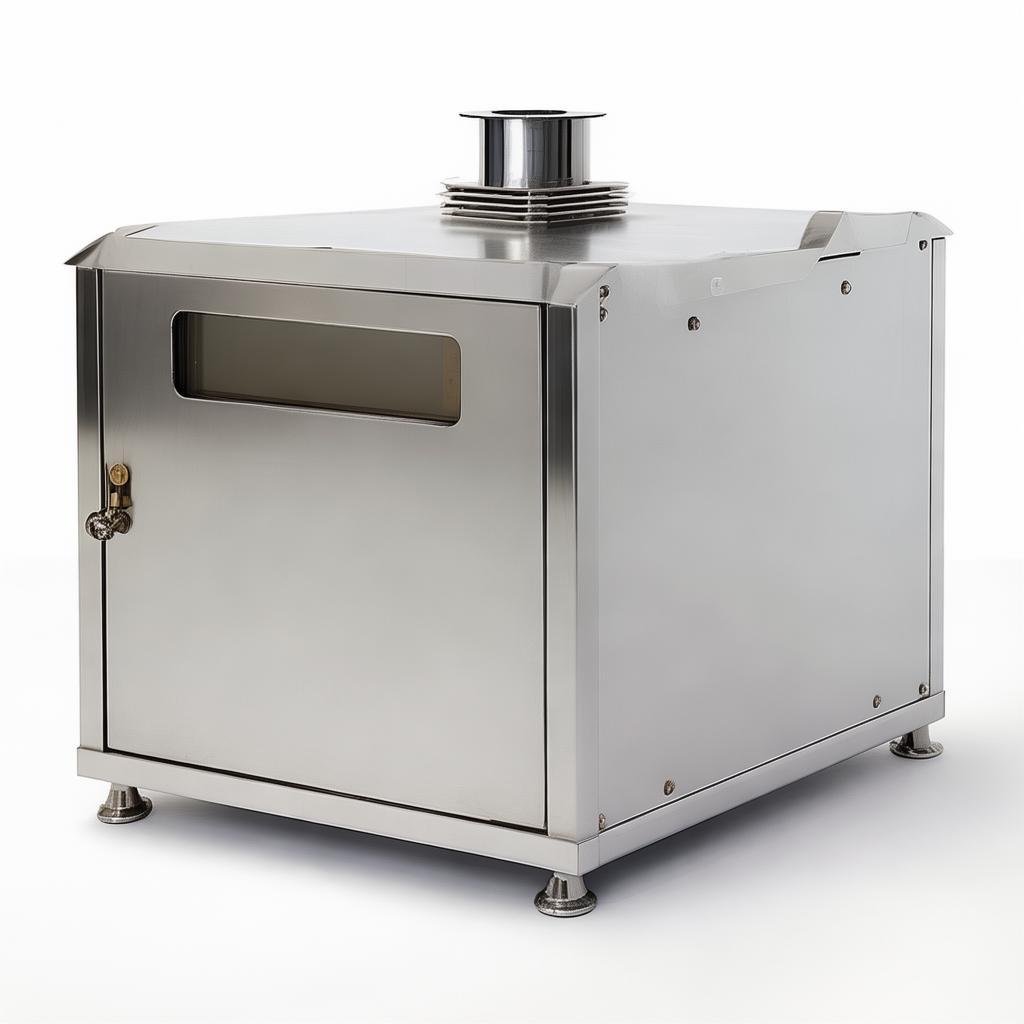
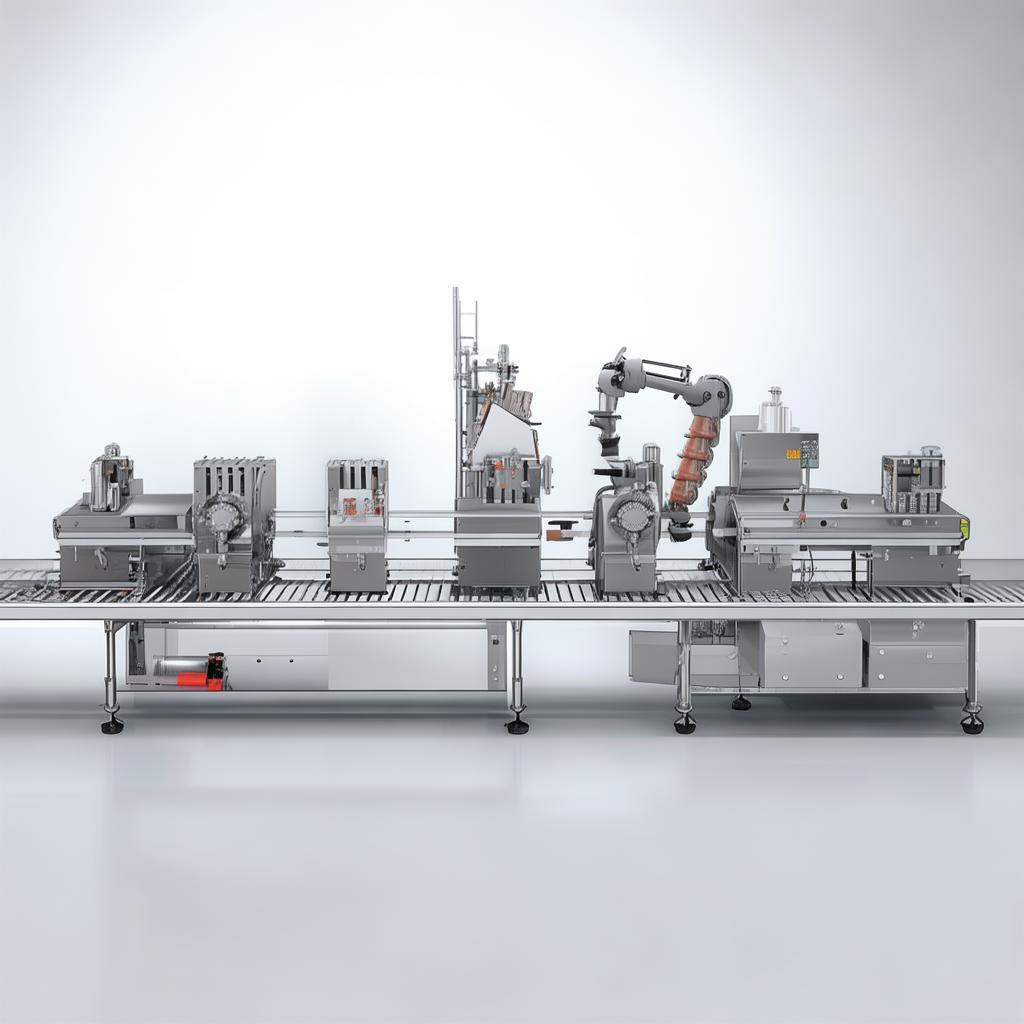
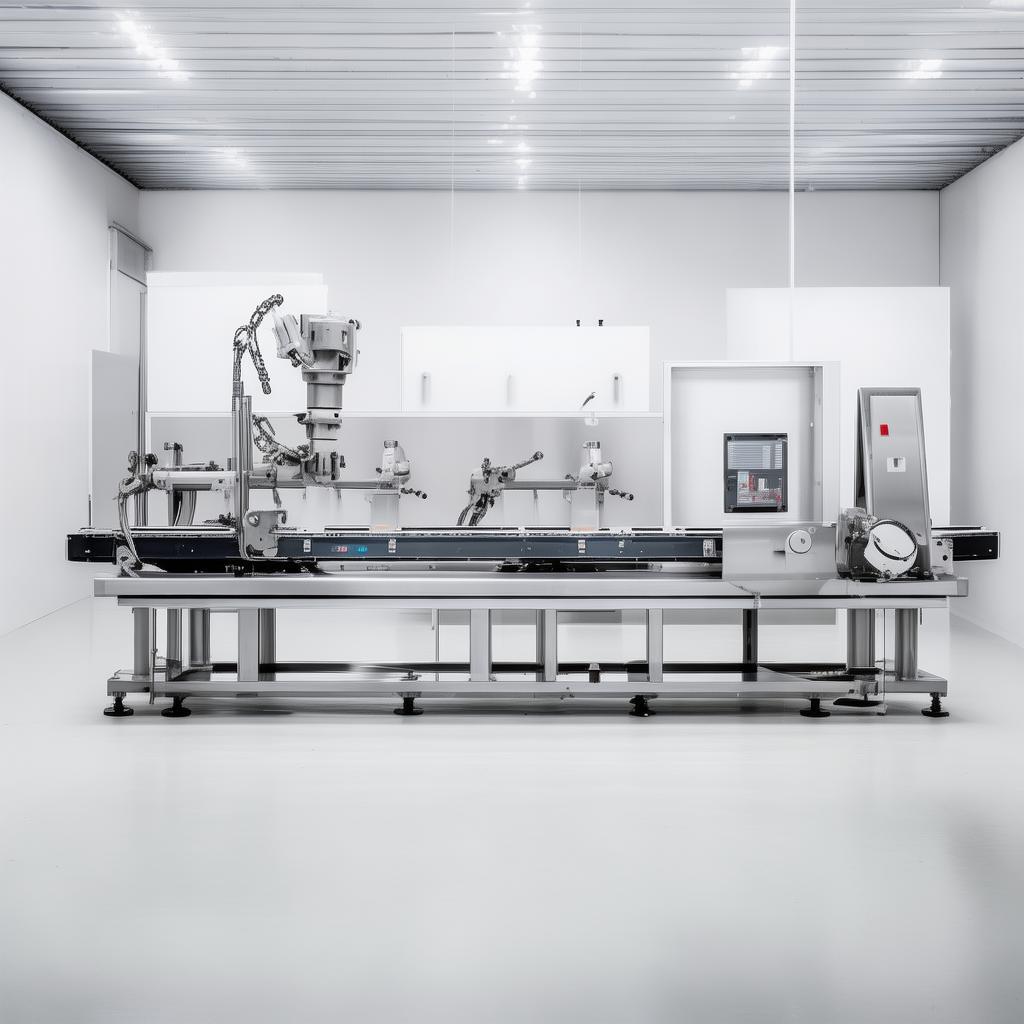
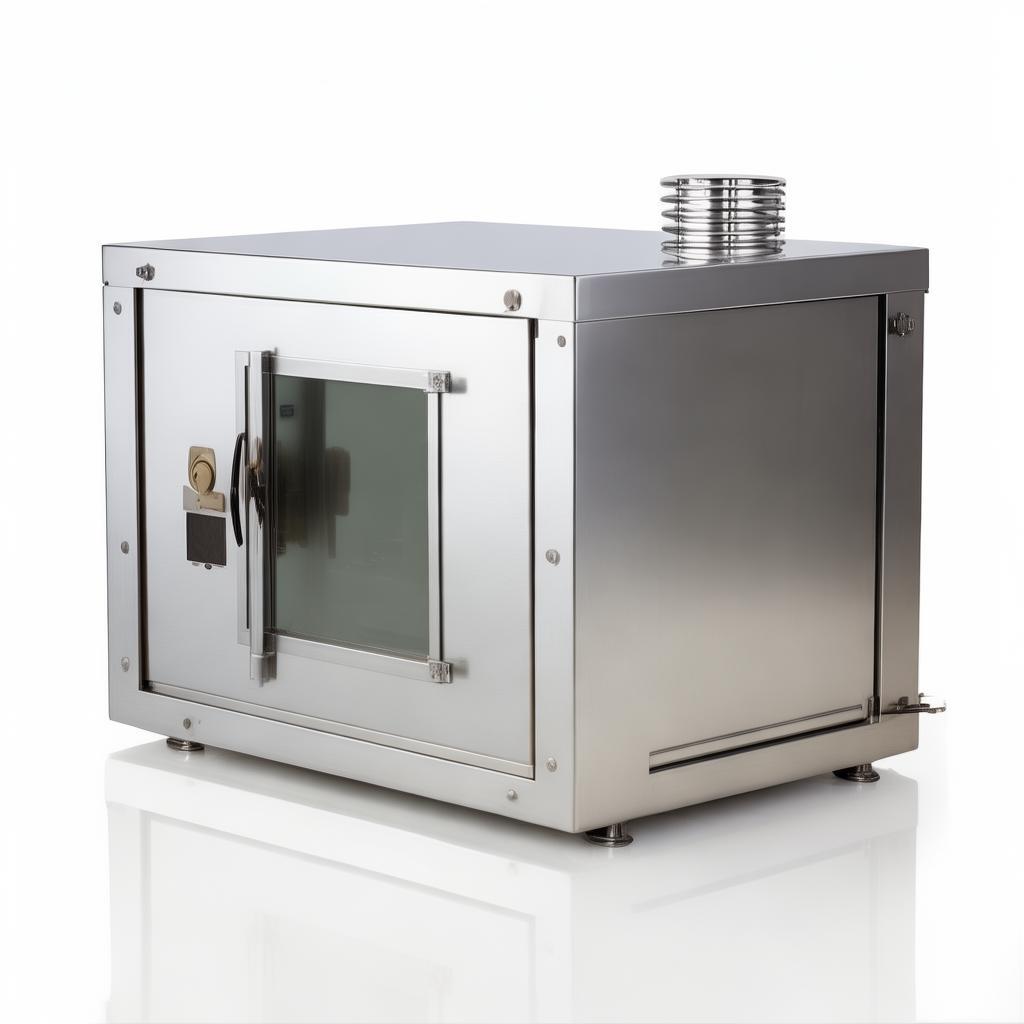
Pneumatic Vacuum Conveyor
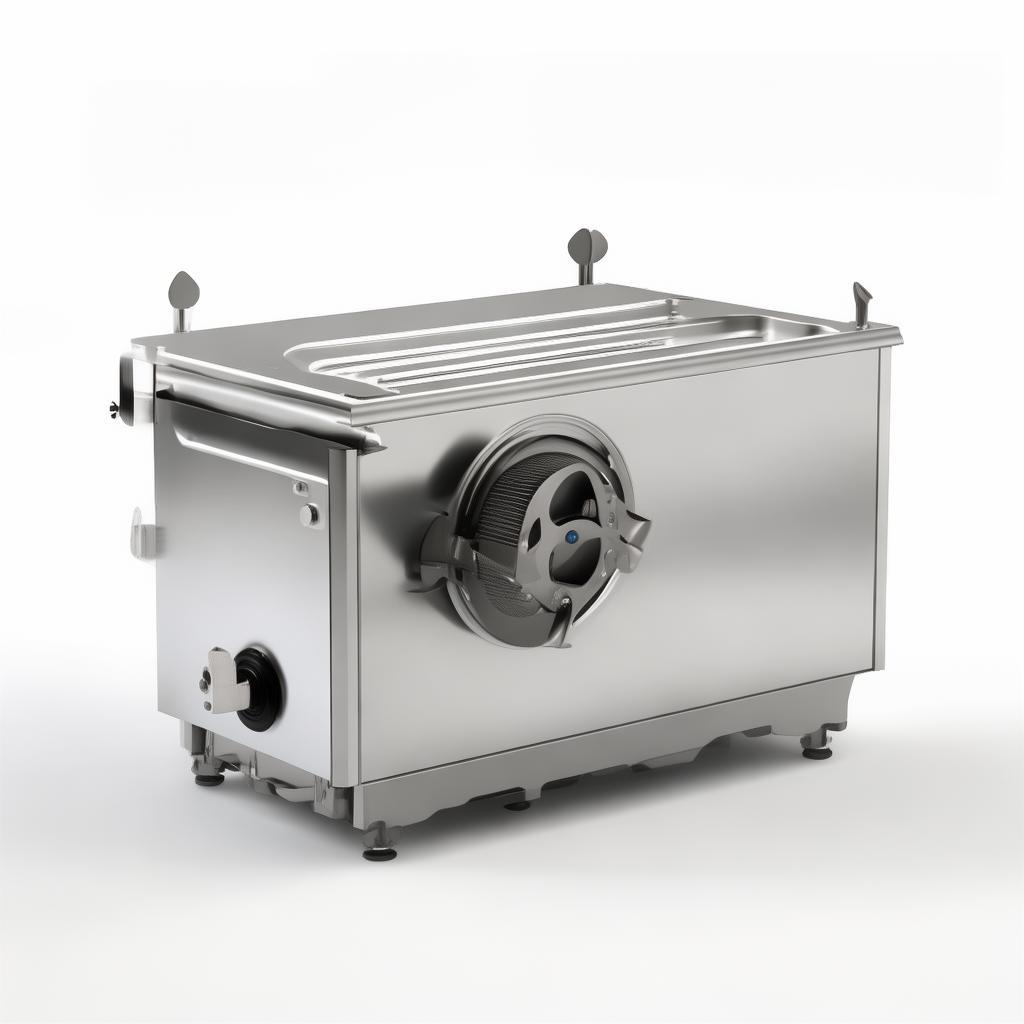
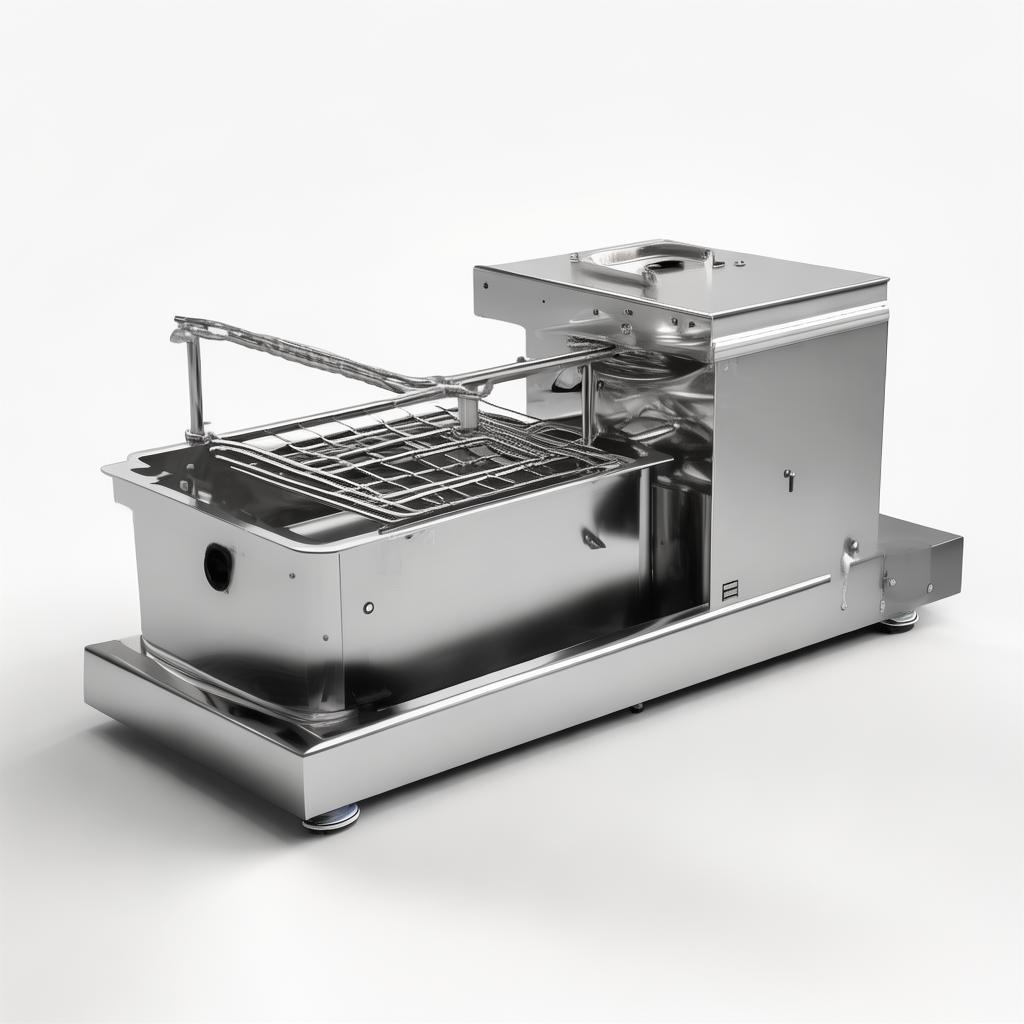
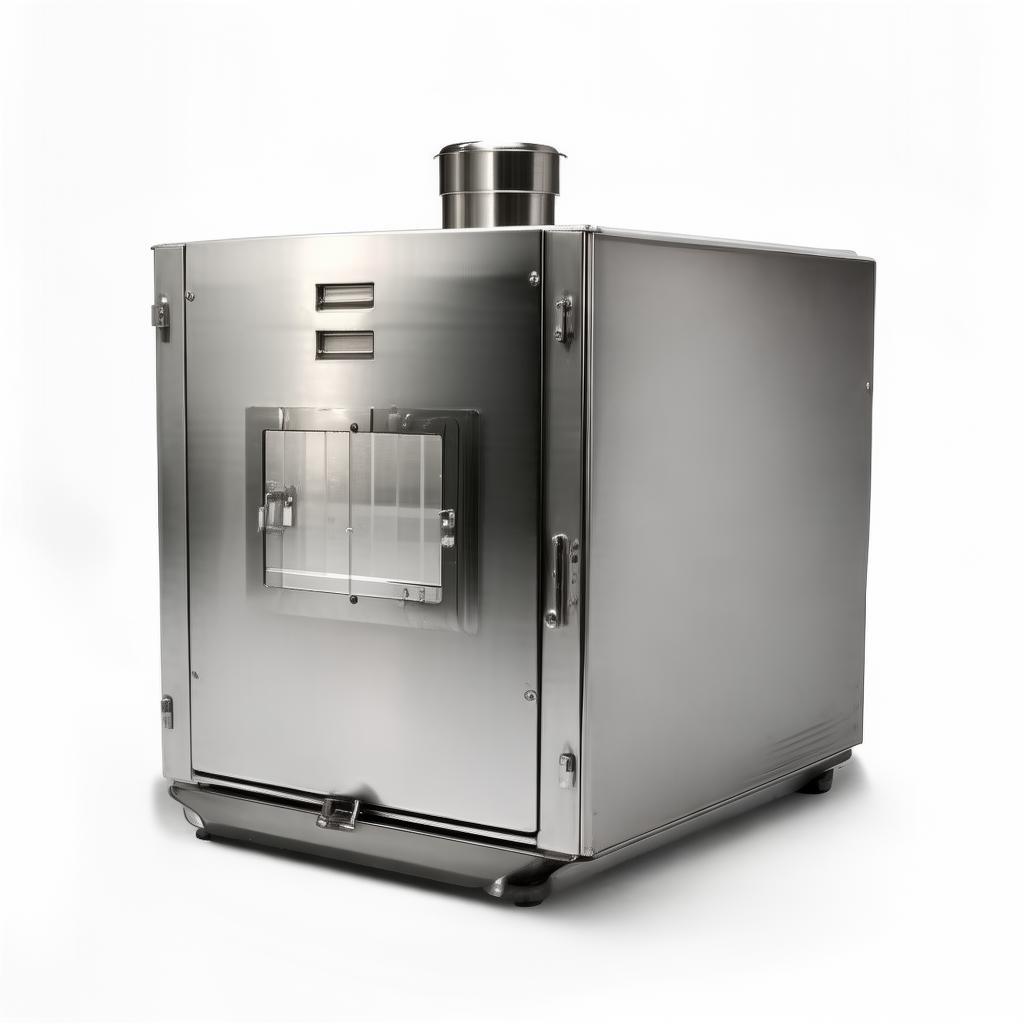
Pneumatic Vacuum Conveyor Systems: Streamlining Bulk Material Transfer for Industrial Efficiency
Your trusted partner for reliable and efficient bulk material handling solutions.
 By Dr. Evelyn Reed, Senior Industrial Consultant
Published: October 26, 2023
By Dr. Evelyn Reed, Senior Industrial Consultant
Published: October 26, 2023
Understanding the Core of Pneumatic Vacuum Conveying
In the intricate world of industrial manufacturing and processing, the efficient, safe, and reliable transfer of bulk materials is not just a logistical challenge – it's a foundational pillar of operational success. Manual handling, open belt conveyors, or screw feeders, while common, often present significant drawbacks: dust generation, material degradation, cross-contamination risks, high energy consumption, and extensive space requirements. This is precisely where pneumatic vacuum conveyor systems emerge as a superior alternative, offering a robust, enclosed, and highly adaptable solution for moving powders, granules, pellets, and other bulk solids across diverse industrial landscapes.
At its heart, a pneumatic vacuum conveyor system operates on a deceptively simple principle: harnessing the power of air movement to transport materials. A vacuum producer (typically a rotary vane vacuum pump or a regenerative blower) creates a negative pressure within a sealed conveying line. This vacuum draws material from a source point (like a hopper, bag dump station, or mixer) into the conveying line. As the air and material mixture travels through the pipe, it is then filtered at a receiver/separator unit, where the solid material is collected, and the air is vented back into the atmosphere after passing through fine filters. This closed-loop system is designed to minimize product loss, eliminate airborne contaminants, and provide a clean, controlled material transfer environment.
The demand for such sophisticated material handling solutions is underscored by the expanding global processed meat market, projected to reach USD 1,253.77 billion by 2034 according to Fortune Business Insights. This growth, driven by convenience foods and rising consumer preferences for ready-to-eat items, directly translates to an increased need for efficient and hygienic systems in food processing plants. Beyond food, industries such as chemicals, plastics, pharmaceuticals, minerals, and even advanced manufacturing rely heavily on the seamless flow of powdered and granular ingredients. The ability to precisely dose, transfer, and manage these materials without compromising their integrity or the surrounding environment is paramount.
For procurement managers and operations directors, understanding the nuances of pneumatic conveying is crucial. It’s not merely about buying a piece of equipment; it's about investing in a system that impacts production throughput, product quality, worker safety, environmental compliance, and ultimately, the bottom line. The choice between different types of pneumatic conveying – dilute phase versus dense phase, vacuum versus pressure, or a combination – depends heavily on the specific properties of the material being handled, the required conveying distance, the plant layout, and the acceptable level of energy expenditure.
For instance, handling fine powders that are prone to dusting or caking might necessitate a carefully controlled dilute phase vacuum system to prevent blockages and maintain product integrity. Conversely, transporting larger, more fragile pellets might benefit from a denser phase approach that uses lower air velocities to minimize attrition. The industry standard for robust material handling, especially for applications requiring dust containment and gentle transfer, continues to lean towards vacuum systems due to their inherent safety features and flexibility. These systems can be configured for both batch and continuous operations, easily integrating with existing machinery like mixers, reactors, extruders, and packaging lines.
The evolution of pneumatic conveying technology has been driven by a continuous push for greater efficiency, improved material handling capabilities, and adherence to increasingly stringent regulatory standards, particularly in food and pharmaceutical sectors. This includes advancements in filtration technology, intelligent control systems for precise pressure and flow management, and the development of specialized conveying lines and components to handle abrasive or fragile materials. The overall meat processing equipment market, for example, is projected to reach USD 17.39 billion by 2034 (Fortune Business Insights), reflecting a broader trend of industrial automation and sophisticated machinery adoption, where reliable material transfer systems are critical.
As an experienced supplier, we recognize that a pneumatic vacuum conveyor system is more than just pipes and a pump. It’s a meticulously engineered solution designed to solve specific operational challenges. Whether you're dealing with sticky ingredients that require special tube liners, abrasive materials that necessitate hardened components, or food-grade applications demanding sanitary design and easy cleanability, the right system is paramount. Our expertise lies in understanding these material characteristics and plant requirements to deliver a system that not only transports your product but enhances your entire process.
This comprehensive guide will delve into the critical aspects of pneumatic vacuum conveyors, from their operational principles and key components to the advantages they offer over conventional methods, essential technical considerations, and how to select the optimal system for your unique needs. We aim to equip you with the knowledge necessary to make informed decisions that drive efficiency, safety, and profitability in your operations.
Addressing Common Material Handling Pain Points
Many manufacturers and processors grapple with recurring issues stemming from outdated or inefficient material handling methods. These pain points aren't just minor inconveniences; they can significantly impact product quality, operational costs, and workplace safety.
- Product Degradation: Traditional methods like open belt conveyors or manual scooping can cause attrition, breakage, or segregation of particles, leading to inconsistent product quality and increased waste.
- Dust and Contamination: Open handling systems are notorious for releasing dust into the work environment, posing health risks to operators and creating significant housekeeping challenges. In sensitive industries like pharmaceuticals or food, this also presents a major cross-contamination risk.
- Labor Intensity & Safety Hazards: Manual material transfer is labor-intensive, time-consuming, and often involves ergonomic risks such as heavy lifting and repetitive motions, potentially leading to worker injuries.
- Limited Reach and Flexibility: Fixed conveyor systems can be inflexible, requiring costly modifications to plant layouts when production needs change. Reaching multiple destinations or different floor levels can be particularly challenging.
- Space Constraints: Traditional bulk handling equipment often occupies a substantial footprint, which can be a limiting factor in facilities with limited floor space.
- Environmental Concerns: Dust emissions not only affect worker health but can also be a source of environmental pollution, leading to regulatory scrutiny and potential fines.
Pneumatic vacuum conveyors are engineered to directly address these challenges, offering a contained, automated, and versatile solution that minimizes human intervention and maximizes material integrity. The Meat Processing Equipment Market Size, Share & Industry Analysis report by Fortune Business Insights highlights the increasing demand for automation in this sector, with projected values reaching USD 17.39 billion by 2034. This trend is mirrored across many industries where precise, controlled, and hygienic material transfer is essential.
Key Advantages of a Pneumatic Vacuum Conveyor System
Implementing a pneumatic vacuum conveyor system brings a host of tangible benefits to your operation, significantly improving efficiency, safety, and product quality.
Enhanced Product Integrity
The enclosed nature of vacuum conveying significantly reduces material attrition and breakage, preserving the physical characteristics of powders and granules. This is vital for sensitive materials like coffee beans, pharmaceutical APIs, or specialty food ingredients.
Dust Control & Containment
Operating under negative pressure, these systems are inherently dust-tight. This dramatically improves workplace air quality, reduces housekeeping burdens, and eliminates the risk of cross-contamination, crucial for compliance in food, pharma, and chemical industries.
Increased Automation & Reduced Labor
Automated transfer reduces reliance on manual labor for material handling, freeing up personnel for more value-added tasks and mitigating risks associated with heavy lifting and repetitive motions.
Flexibility and Scalability
Conveying lines can be routed easily around existing machinery and obstacles, reaching multiple destinations. Systems can be scaled up or reconfigured to meet evolving production demands without major infrastructure changes.
Space Efficiency
The piping system has a relatively small footprint compared to traditional conveyors, making it ideal for facilities with limited floor space.
Improved Safety
The enclosed nature eliminates many hazards associated with open material handling, such as dust explosions (with proper design for combustible dusts) and exposure to hazardous materials.
The global meat processing equipment market is a strong indicator of this trend, expected to reach USD 17.39 billion by 2034 (Fortune Business Insights), with automation and hygiene being key drivers. This necessitates reliable material handling. Similarly, the Processed Meat Market is projected for significant growth, driving demand for systems that ensure product safety and quality.
How a Pneumatic Vacuum Conveyor Works: A Technical Overview
Understanding the core components and operational flow of a pneumatic vacuum conveyor system is key to appreciating its capabilities.
1. Vacuum Producer
This is the engine of the system, typically a robust rotary vane vacuum pump or a high-efficiency regenerative blower. Its job is to generate the essential negative pressure that drives material movement. The choice of vacuum producer depends on the required vacuum level (inches of mercury or mbar), airflow rate (CFM or m³/hr), and the nature of the material being conveyed. For continuous operation, industrial-grade pumps with features like automatic pressure regulation and cooling systems are standard.

2. Suction Wand / Pickup Point
This is where material enters the system. It can be a specialized lance inserted directly into a drum or Gaylord, a pickup point at a bag dump station, a boot at the outlet of a mixer, or a dedicated feed hopper. The design of the wand is critical for efficient material ingestion without causing bridging or blockages. For food-grade applications, stainless steel wands with smooth finishes are essential.
3. Conveying Line
A network of pipes, typically made from stainless steel (for food/pharma) or carbon steel (for general industrial use), that carries the material from the pickup point to the receiver. The diameter and length of the line, along with the material's properties, dictate the required airflow and velocity. Elbows are often reinforced to handle abrasive wear. We often recommend schedules 40 or 80 piping for durability.

4. Receiver / Separator
This is the heart of the collection process. Material enters the receiver, where the airflow velocity decreases, causing the bulk of the material to drop into a collection hopper or vessel. A high-efficiency filter system (e.g., pleated cartridge filters, bag filters) then separates any remaining fine dust particles from the air before it is vented. For food-grade applications, hygienic filter designs and easy-clean mechanisms are non-negotiable. Systems can include rotary valves or filter-bottom bins to manage material discharge.

5. Filtration System
Crucial for product recovery and environmental protection. High-efficiency filters, often with automatic pulse-jet cleaning systems, ensure that fine dust is captured. Filter media selection depends on particle size, temperature, and chemical compatibility. For food and pharmaceutical applications, FDA-compliant or ATEX-certified filters are common. Regular inspection and replacement of filter elements are vital for system performance and safety.
6. Control System
Modern systems feature PLC-based controls that manage vacuum levels, cycle times (for batch operations), filter cleaning, and system interlocking. This ensures efficient operation, allows for remote monitoring, and provides diagnostic capabilities. Integrating these controls with your plant’s SCADA or DCS systems is often a key requirement for large-scale operations.
Operational Cycle (Dilute Phase Vacuum Conveying):
- Initiation: Vacuum producer starts, creating negative pressure in the receiver and conveying line.
- Material Pickup: Suction wand draws material from the source into the conveying line.
- Transport: Material is carried by airflow through the pipeline to the receiver.
- Separation: Material is dropped in the receiver, and air passes through filters.
- Discharge: Material is collected in the receiver bin or directly fed to the next process via a rotary valve or other discharge mechanism.
- Filtration: Air is cleaned by filters before being vented.
- Cycle End/Repeat: System may continue until the source is empty or repeat cycles for batch transfer.
The market for food processing equipment alone is substantial, with reports like Meat Processing Equipment Market Size, Share Report, 2030 by Grand View Research, estimating it at USD 15.04 billion by 2030. This growth emphasizes the need for efficient and reliable systems like pneumatic conveyors.
Material Considerations: What Can You Convey?
Pneumatic vacuum conveyors are incredibly versatile, capable of handling a vast array of bulk solid materials. However, the specific properties of each material dictate the optimal system design.
Commonly Conveyed Materials Include:
- Food Ingredients: Flour, sugar, salt, coffee beans, cocoa powder, spices, tea leaves, dry pasta, milk powder, starch, pet food kibbles, breakfast cereals.
- Plastics: Pellets, granules, powders (PVC, PET, PE, PP), masterbatches, regrind.
- Chemicals: Powders, granules, pigments, additives, fertilizers, detergent powders.
- Pharmaceuticals: APIs (Active Pharmaceutical Ingredients), excipients, granules, powders.
- Minerals & Metals: Fine sand, powders (e.g., calcium carbonate, talc), metal powders, ceramic powders.
- General Industrial: Small bulk items, shredded materials, composites.
Key Material Properties to Consider:
- Particle Size and Distribution: Finer powders require different handling than larger granules.
- Bulk Density: Affects conveying capacity and airflow requirements.
- Flowability: Materials that bridge or cake require specialized pickup and conveying designs.
- Abrasiveness: Highly abrasive materials (e.g., sand, certain chemicals) necessitate hardened components and specific pipeline routing to minimize wear.
- Fragility: Delicate materials (e.g., certain food snacks, fragile pellets) require lower conveying velocities and gentler handling to prevent breakage.
- Hygroscopicity: Materials that absorb moisture may need heated conveying lines or nitrogen purging to maintain dryness.
- Combustibility/Explosivity: For dusts classified as combustible (e.g., flour, sugar, fine plastic powders), explosion protection measures (ATEX compliance, vent panels, suppression systems) are critical.
- Temperature Sensitivity: Materials that degrade with heat might require specialized vacuum pumps or conveying methods.
Understanding these properties is why we always recommend a detailed material test or consultation. For example, a system designed for plastic pellets would be very different from one for fine pharmaceutical powder. The Meat Processing Equipment Market analysis also indicates a growing need for equipment that can handle diverse ingredients hygienically and efficiently.
Technical Specifications & Customization Options
While standard configurations exist, the true power of pneumatic vacuum conveying lies in its adaptability. We engineer systems tailored to your specific requirements, considering throughput, distance, material properties, and site constraints.
Typical System Parameters:
| Parameter | Typical Range / Options | Notes |
|---|---|---|
| Conveying Capacity | 100 kg/hr to 50,000 kg/hr (or higher) | Dependent on material density, pipeline length, and diameter. |
| Conveying Distance | Up to 200 meters (horizontal & vertical combined) | Longer distances may require multiple stages or booster blowers. |
| Pipeline Diameter | 25 mm to 300 mm (1" to 12") | Selected based on material particle size and throughput. |
| Vacuum Levels | -0.4 barg to -0.9 barg (-12" Hg to -27" Hg) | Determines conveying velocity and efficiency. |
| Airflow | 50 CFM to 5,000+ CFM | Matched to vacuum producer and system design. |
| Materials of Construction | Stainless Steel (304, 316L), Carbon Steel, UHMW liners | Choice depends on industry standards, corrosion, and abrasion resistance. |
| Filtration Efficiency | Up to 99.99% for 1-3 micron particles | HEPA filters available for high-purity applications. |
| Power Requirements | Customizable (e.g., 3-phase, 480V/60Hz, 400V/50Hz) | Designed to meet regional electrical standards. |
vacuum conveyor system vacuum conveyor for industrial application pneumatic vacuum cleaner
Customization Features:
- ATEX Compliance: For hazardous environments involving explosive dusts or gases.
- Hygienic Design: Stainless steel construction, crevice-free designs, sanitary clamps, and easy-clean features for food and pharmaceutical use.
- Specialized Pickup Devices: Bag dump stations with integrated dust collection, drum unloaders, super sack unloaders.
- Material Feeding Options: Integrated weighing systems, loss-in-weight feeders, volumetric feeders.
- Dilute Phase vs. Dense Phase: System design optimized for material characteristics – dilute phase for speed and distance, dense phase for gentleness and reduced attrition.
- Integrated Control Panels: PLC-based systems with HMI for easy operation and monitoring.
- Heat Tracing / Insulation: For materials sensitive to moisture or cold.
- Nitrogen Purging: For oxygen-sensitive materials or hazardous environments.
As documented in various market reports, such as Meat Processing Equipment Market Size & Forecast 2033 by SkyQuest, the industry is moving towards higher levels of automation and specialized equipment, and pneumatic conveying fits perfectly into this trend.
Installation, Maintenance, and Logistics Considerations
A pneumatic vacuum conveyor system isn't just a piece of equipment; it's an integrated solution requiring careful planning from installation through to ongoing operation and maintenance.
Installation:
Proper installation is crucial for optimal performance and longevity. This typically involves:
- Site Preparation: Ensuring adequate space, power supply, and structural support for the equipment.
- Piping Layout: Designing and installing the pipeline with smooth bends and minimal restrictions to ensure efficient flow and reduce wear. Proper supports are essential to prevent sagging or stress on joints.
- Electrical Connections: Connecting the vacuum producer, control panel, and any ancillary equipment according to local electrical codes and safety standards.
- System Commissioning: Initial startup, testing, and calibration to ensure all components function correctly and the system meets design specifications. This often includes material testing runs.
We often recommend engaging certified installers or our own technicians for critical installations to ensure everything is done right the first time. For international shipments, providing detailed installation manuals and remote support is standard.
Maintenance:
Routine maintenance is key to preventing downtime and ensuring consistent performance. Key areas include:
- Filter Cleaning/Replacement: Regular checks and cleaning of filters are vital. Replacement schedules depend on operating hours and material type. Clogged filters reduce airflow and strain the vacuum pump.
- Vacuum Pump Service: Oil changes, seal checks, and impeller inspections per manufacturer recommendations.
- Joint and Seal Inspection: Ensuring all pneumatic connections and seals are tight to maintain vacuum integrity.
- Wear Part Checks: Inspecting elbows, vacuum wands, and any other components subject to abrasion or wear.
- Control Panel Diagnostics: Regularly checking error logs and system parameters.
A traceable after-sales management system, as we pride ourselves on at Hebei Yuanchang, ensures that spare parts are readily available and support is timely.
Logistics and Shipping:
Exporting industrial equipment requires careful logistical planning.
- Packaging: Equipment is robustly packaged for sea or air freight to withstand transport conditions.
- Documentation: We provide all necessary export documents, including customs declarations, certificates of origin, and packing lists.
- Container Loading: Efficient loading to maximize space and minimize transit damage. Understanding container dimensions (20ft, 40ft) and weight limits is key.
- Incoterms: Clearly defined shipping terms (e.g., FOB, CIF, DDP) are agreed upon to manage responsibilities and costs.
- Lead Times: We provide realistic lead times for manufacturing and shipping, from order placement to delivery at port or final destination.
Our experience since 1986 in manufacturing and export means we understand these intricacies, ensuring a smooth delivery process for clients worldwide.
Choosing the Right Supplier: What to Look For
Selecting the right partner for your pneumatic vacuum conveyor system is as critical as selecting the system itself. As a buyer, you need a supplier who offers not just equipment, but expertise and reliability.
Key Factors for Supplier Evaluation:
- Proven Experience & Expertise: Look for suppliers with a long track record, especially in your specific industry. Over 40 years of experience, like ours at Hebei Yuanchang, signifies deep knowledge.
- Technical Consultation Capabilities: Can they understand your material properties and operational needs? Do they offer material testing or simulations?
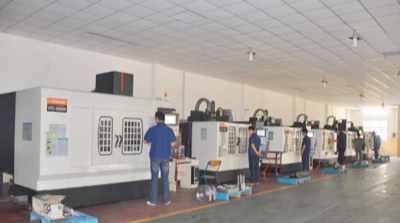
- Customization & Engineering: Do they offer bespoke solutions, or are they limited to off-the-shelf products? In-house engineering and machining capabilities (like our 20+ sets of processing machinery, including Japanese Mazak CNC centers) are a strong indicator of quality.
- Quality of Components & Manufacturing: What materials are used? Where are critical components sourced? What are their manufacturing standards (e.g., ISO certifications)?
- After-Sales Support & Spares: What is their warranty policy? How readily available are spare parts? Can they provide remote or on-site technical assistance?
- References & Case Studies: Can they provide examples of successful installations for similar applications?
- Compliance & Certifications: Do their systems meet relevant industry standards (e.g., FDA, ATEX, CE)?
The Meat Processing Equipment Market report by Market Research Future suggests a CAGR of 5.6%, indicating robust industry growth and a demand for reliable suppliers.
At Hebei Yuanchang Food Mechanism & Technology Co., Ltd., we combine 40 years of manufacturing experience with advanced CNC machining capabilities and a dedicated R&D team. This allows us to deliver high-precision, reliable pneumatic vacuum conveyor systems that meet stringent international standards. Our commitment to quality extends from component manufacturing to final system integration and after-sales service.
Ready to optimize your material handling?
Discuss your specific application with our expert engineers and receive a tailored solution.
Request a Free ConsultationFrequently Asked Questions (FAQ)
Q: What is the typical lifespan of a pneumatic vacuum conveyor system?
With proper design, installation, and regular maintenance, pneumatic vacuum conveyor systems can last for 15-25 years or even longer. Key factors include the quality of components, the abrasiveness of the material being conveyed, and adherence to maintenance schedules.
Q: Can pneumatic vacuum conveyors handle sticky or cohesive materials?
Yes, but it requires specialized design considerations. This might involve using a denser phase conveying method, employing specialized discharge valves, incorporating vibrators, or using specific pipeline materials and coatings to prevent material buildup. Material testing is crucial here.
Q: What are the energy efficiency implications?
Compared to some older bulk handling methods, pneumatic conveying can be very energy efficient, especially for long-distance transfers. However, energy consumption is highly dependent on system design, material properties, and operating parameters. We focus on optimizing airflow and vacuum levels to minimize energy use. Recent advancements in vacuum pump technology also contribute to significant energy savings.
Q: How does ATEX certification apply to these systems?
ATEX (Atmosphères Explosibles) certification is required for equipment used in potentially explosive atmospheres. If you are conveying combustible dusts (like flour, sugar, certain plastics, or metal powders), ATEX-compliant systems are essential to prevent ignition sources and ensure safety. This involves using explosion-proof motors, static dissipating components, grounding, and potentially explosion venting or suppression systems.
Q: What is the difference between dilute phase and dense phase conveying?
In dilute phase conveying, materials are suspended in a large volume of air and travel at high velocities. It's best for lighter materials and longer distances. In dense phase conveying, materials move in plugs or slugs at lower velocities with less air. This method is gentler, ideal for fragile or abrasive materials, and can be more energy-efficient for certain applications but is typically for shorter distances.
Q: Is a pneumatic vacuum conveyor system noisy?
Vacuum pumps can generate noise. However, modern systems often incorporate sound attenuation enclosures and silencers to keep noise levels within acceptable industrial standards. The piping itself typically doesn't generate significant noise.
What Our Clients Say
 Maria Rodriguez
Procurement Manager, AgriFoods Inc.
"We transitioned from manual bag handling to a pneumatic vacuum system for our specialty flour. The dust reduction alone was a game-changer for our facility's air quality. Yuanchang’s team understood our needs perfectly, and the installation was seamless. Highly recommend their expertise."
 David Chen
Operations Lead, Polymer Solutions LLC
"We needed a reliable system for transferring plastic pellets over a considerable distance. Hebei Yuanchang delivered a robust vacuum conveyor that has significantly improved our process efficiency and reduced material waste from damage. Their technical support has been excellent."
 Ahmed Khan
Plant Engineer, PharmaChem Ltd.
"For sensitive pharmaceutical powders, hygiene and containment are paramount. The stainless steel construction and advanced filtration on our vacuum conveyor from Yuanchang meet our strict GMP requirements. We appreciate their attention to detail."
 Sarah Johnson
Logistics Supervisor, Global Ingredients Co.
"We needed a system that could handle multiple feed points and deliver to different silos. Yuanchang’s engineering team designed a flexible vacuum conveying solution that integrated perfectly into our existing plant. Their commitment to on-time delivery was also commendable."
Enhance Your Operations with Advanced Material Handling
Don't let inefficient material transfer slow down your production or compromise your product quality. Explore the benefits of a professionally engineered pneumatic vacuum conveyor system.
Connect With Us
Phone:
+86 15830991513
Email:
ycmeatmech@gmail.com
Address:
Shijiazhuang, Hebei Province, China
Customer Interaction Highlights
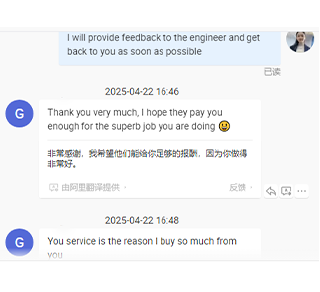
Inquiry about bulk powder transfer for food additives.

Technical query on ATEX compliance for chemical granules.

Discussion on sanitary design for pharmaceutical ingredients.