Medium Voltage Vacuum Contactors
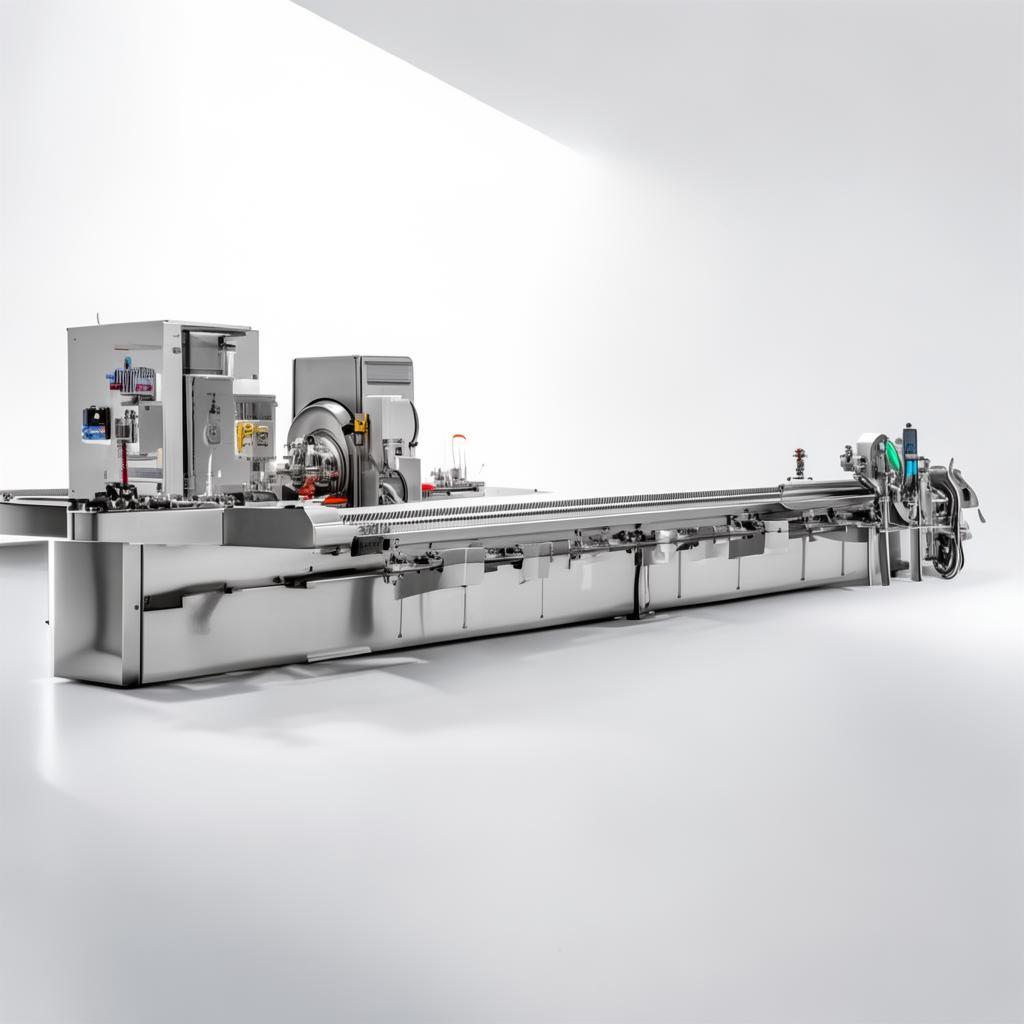
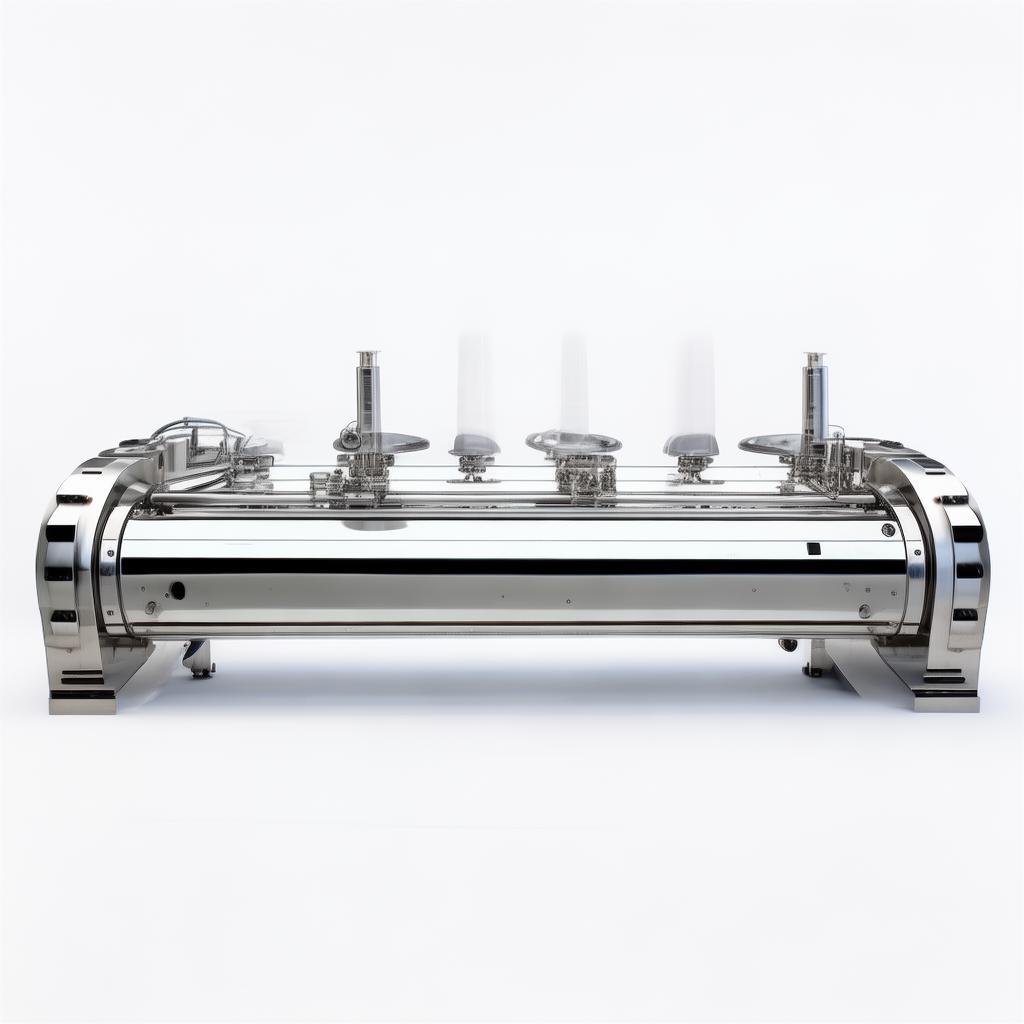
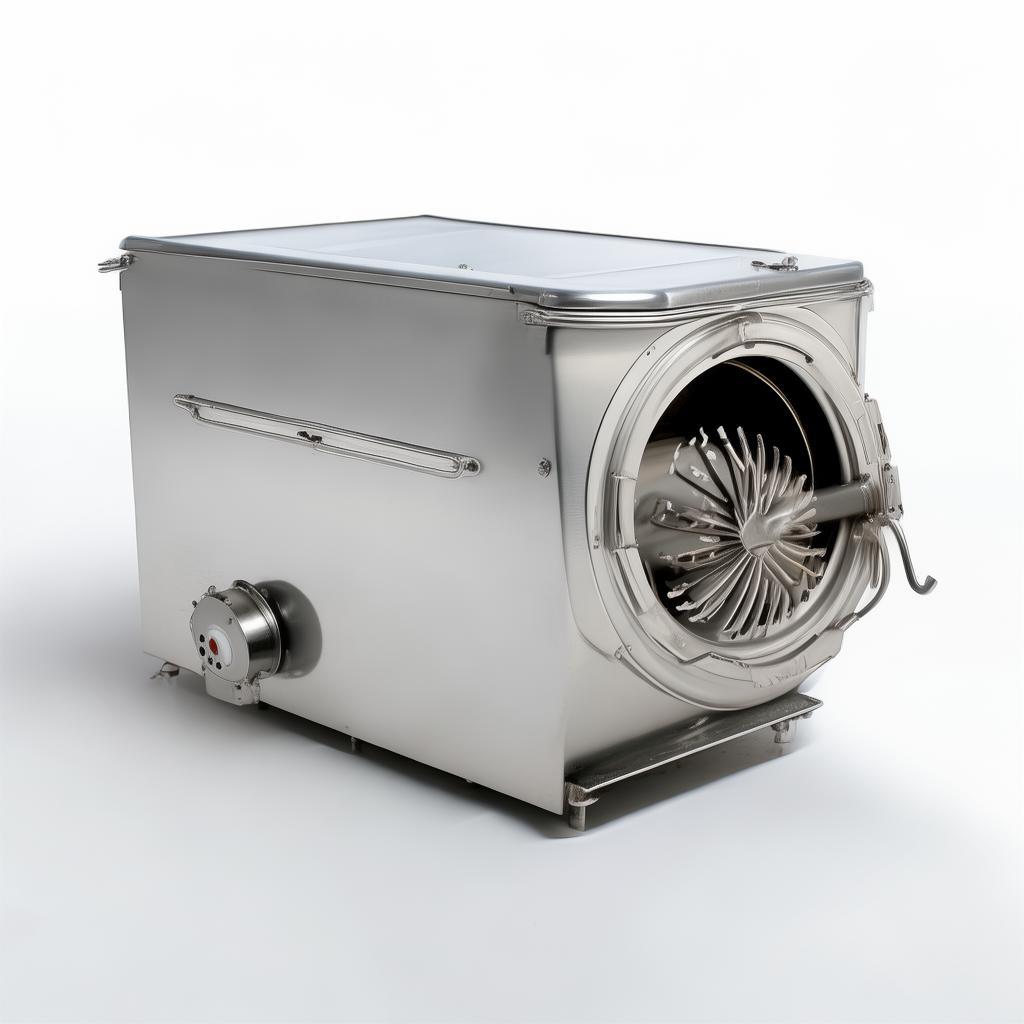
Medium Voltage Vacuum Contactors: Precision Control for Industrial Power Systems
Reliable Switching Solutions Engineered for Demanding Applications
Navigating the Complexities of Medium Voltage Power Control
In the demanding world of industrial power distribution, ensuring precise and reliable control over medium voltage circuits is paramount. Facilities ranging from large-scale manufacturing plants and critical infrastructure like data centers to mining operations and oil & gas facilities depend on robust switching equipment to manage power flow, protect assets, and maintain operational continuity. At the heart of many such systems lies the medium voltage vacuum contactor – a sophisticated piece of engineering designed to handle the significant electrical loads and fault currents inherent in medium voltage applications (typically 1 kV to 36 kV). These aren't your standard low-voltage breakers; they are built for resilience and long service life in environments where failure is simply not an option. The choice of contactor profoundly impacts system safety, efficiency, and overall lifecycle cost. Understanding their function, capabilities, and application nuances is crucial for any engineer, procurement specialist, or operations manager tasked with maintaining or upgrading a medium voltage power network. This is where the expertise of seasoned manufacturers and suppliers becomes invaluable, offering not just products, but integrated solutions tailored to specific operational needs. The complexity of medium voltage systems necessitates equipment that offers not only high performance but also inherent safety features and ease of maintenance. The increasing global demand for processed foods, for instance, drives significant investment in automated production lines, which in turn rely on sophisticated power management systems. Reports from Fortune Business Insights and Grand View Research consistently highlight the growth of the meat processing equipment market, projecting it to reach significant valuations by 2030 and beyond. This growth is intrinsically linked to the infrastructure supporting these operations – including reliable power distribution. For example, a typical sausage production line requires precise control over multiple motor-driven machines, from grinders and mixers to filling machines and smoking units. Each of these might operate at medium voltage, demanding contactors that can repeatedly switch these loads without degradation. The need for automation and hygiene in food processing, as noted in industry analyses, directly translates to a demand for dependable electrical components that minimize downtime. This reliance on consistent power flow underscores the importance of selecting the right contactor. A failing contactor can lead to production stoppages, spoilage of raw materials, and significant financial losses. Moreover, the drive towards greater efficiency in industrial processes, a recurring theme in market reports from IMARC Group and SkyQuest, means that energy consumption must be meticulously managed. Well-designed vacuum contactors contribute to this by offering low power consumption and efficient switching characteristics. The trend towards greater automation, as identified by Mordor Intelligence and Precision Business Insights, means more complex control systems are being implemented, all of which depend on the integrity of the switching components. When considering a new installation or an upgrade, it's not just about meeting current requirements; it's about future-proofing the system. The operational environment for these contactors can be harsh – think of dusty mining sites, humid food processing plants, or chemically exposed chemical processing facilities. The chosen contactors must withstand these conditions, a point often overlooked until a failure occurs. The longevity and reliability of vacuum interrupters, a core component of these contactors, are key differentiators. Unlike older arc-quenching technologies, vacuum offers superior performance, reduced maintenance, and a significantly longer operational lifespan. This is critical for maintaining uptime in industries that operate 24/7. As market data from companies like Market Research Future and Coherent Market Insights indicates, the global meat processing equipment market is expected to expand substantially, driven by demand for convenience foods and stricter food safety regulations. These advancements necessitate a robust electrical infrastructure. The integration of advanced technologies within processing lines means that the reliability of auxiliary systems, including the power switching components, is more critical than ever. For instance, the intricate molding and ripening processes for meat products rely on stable power to ensure product quality and consistency. This is where understanding the subtle, yet vital, differences between various contactor types becomes essential. The decision-making process involves a careful balance of technical performance, cost, vendor reliability, and adherence to international standards. It’s a decision that directly impacts operational safety and economic viability. Given the inherent risks associated with medium voltage systems, the procurement of contactors demands a thorough evaluation of supplier capabilities, including their manufacturing standards, quality control, and after-sales support. The focus is always on ensuring that the chosen equipment will perform as expected, safely and efficiently, throughout its intended service life. We understand these challenges intimately, drawing on decades of manufacturing experience to deliver solutions you can trust.
Addressing Critical Challenges in Medium Voltage Power Distribution
Arcing and Contact Erosion
Traditional switching technologies often struggle with the intense arc generated when breaking high-current circuits. This arc causes significant erosion of contact surfaces, leading to increased resistance, overheating, and ultimately, premature failure. In critical operations, frequent replacement or repair is costly and disruptive.
Maintenance Intensity & Downtime
Older contactor types, particularly those using oil or air as arc-quenching media, require regular and often invasive maintenance. Cleaning contacts, checking oil levels, or adjusting mechanisms consumes valuable operational time and increases the risk of human error, leading to unplanned downtime.
Environmental Concerns
Some older technologies involve materials or processes that can be environmentally hazardous. This poses compliance challenges and increases disposal costs. Furthermore, systems sensitive to moisture or dust can suffer from reduced performance and reliability.
Size and Weight Limitations
For projects with space constraints or where equipment needs to be transported and installed efficiently, the physical footprint and weight of switching gear are important considerations. Older designs can be bulky and heavy, increasing installation complexity and cost.
Why Choose Vacuum Technology? Key Advantages
The vacuum interrupter is the cornerstone of modern medium voltage switching. By encapsulating the contacts within a sealed vacuum environment, we achieve arc extinction with unparalleled efficiency and minimal wear. This fundamental difference translates into a host of operational benefits.
- Superior Arc Extinction: In a vacuum, the distance required to quench an arc is minimal. Once the contacts part, the residual gas molecules ionize, but the vacuum quickly dissipates this plasma, extinguishing the arc almost instantly. This results in significantly less contact erosion compared to air, oil, or SF6.
- Extended Service Life: Due to minimal contact wear and the sealed nature of the interrupter, vacuum contactors offer a remarkably long operational life. They can typically handle tens of thousands of switching operations, drastically reducing the need for replacements and maintenance cycles. This aligns perfectly with the longevity expected in critical infrastructure.
- Reduced Maintenance Requirements: The sealed vacuum interrupter means no need for arc chutes, oil reconditioning, or gas handling. This translates to vastly lower maintenance costs and significantly reduced downtime. Maintenance usually involves checks on the operating mechanism and electrical connections, rather than invasive contact servicing.
- Compact and Lightweight Design: Vacuum contactors are generally more compact and lighter than their older counterparts, making them ideal for installations where space is at a premium or for ease of transport and installation. This efficiency in design can also streamline project timelines and reduce logistical costs.
- Environmental Friendliness: Vacuum interrupters contain no hazardous gases like SF6. This eliminates concerns about greenhouse gas emissions and simplifies disposal, aligning with increasing environmental regulations and corporate sustainability goals.
- High Dielectric Strength: The vacuum environment provides excellent insulation, allowing for compact designs while maintaining high voltage withstand capabilities. This inherent safety feature is crucial for medium voltage applications.
- Reliable Performance: The sealed nature of the vacuum interrupter ensures consistent performance over its lifespan, unaffected by external environmental factors like humidity or atmospheric pressure.
Technical Specifications: The Backbone of Performance
Selecting the right vacuum contactor requires a deep dive into the technical specifications. These parameters define the unit's capability to handle specific electrical loads and environmental conditions. We engineer our contactors to meet or exceed stringent international standards, ensuring robust performance across a wide range of applications.
Key Specification Parameters:
| Parameter | Description | Typical Range/Notes |
|---|---|---|
| Rated Voltage (kV) | The maximum RMS AC voltage the contactor is designed to operate at. | 3.6 kV, 7.2 kV, 11 kV, 12 kV, 15 kV, 24 kV, 36 kV |
| Rated Operational Current (A) | The continuous current the contactor can handle under normal operating conditions. | 200 A, 400 A, 630 A, 800 A, 1250 A, 1600 A, 2500 A |
| Rated Short-Circuit Making Current (kA) | The peak current the contactor can safely make (close) under fault conditions. | Typically 10 to 50 kA (peak) |
| Rated Short-Circuit Breaking Current (kA) | The RMS current the contactor can safely interrupt under fault conditions. | Typically 10 to 40 kA (RMS) |
| Mechanical Endurance (Operations) | The number of switching cycles the contactor can perform without significant degradation. | 100,000 to 500,000+ operations |
| Electrical Endurance (Operations) | The number of full-load switching cycles before contact reconditioning or replacement. | 10,000 to 100,000+ operations (load dependent) |
| Operating Mechanism | Type of mechanism used to open and close contacts (e.g., spring-assisted, magnetic latch). | Spring-operated, Permanent Magnet Latch |
| Control Voltage (VDC/VAC) | Voltage required to operate the opening and closing coils. | 24 VDC, 48 VDC, 110 VDC, 220 VDC, 230 VAC |
| Ambient Operating Temperature (°C) | The range of ambient temperatures within which the contactor is designed to operate reliably. | -40°C to +60°C (typical, environment dependent) |
| IP Rating | Ingress Protection rating indicating resistance to dust and water. | IP30 (standard), higher available for specific enclosures. |
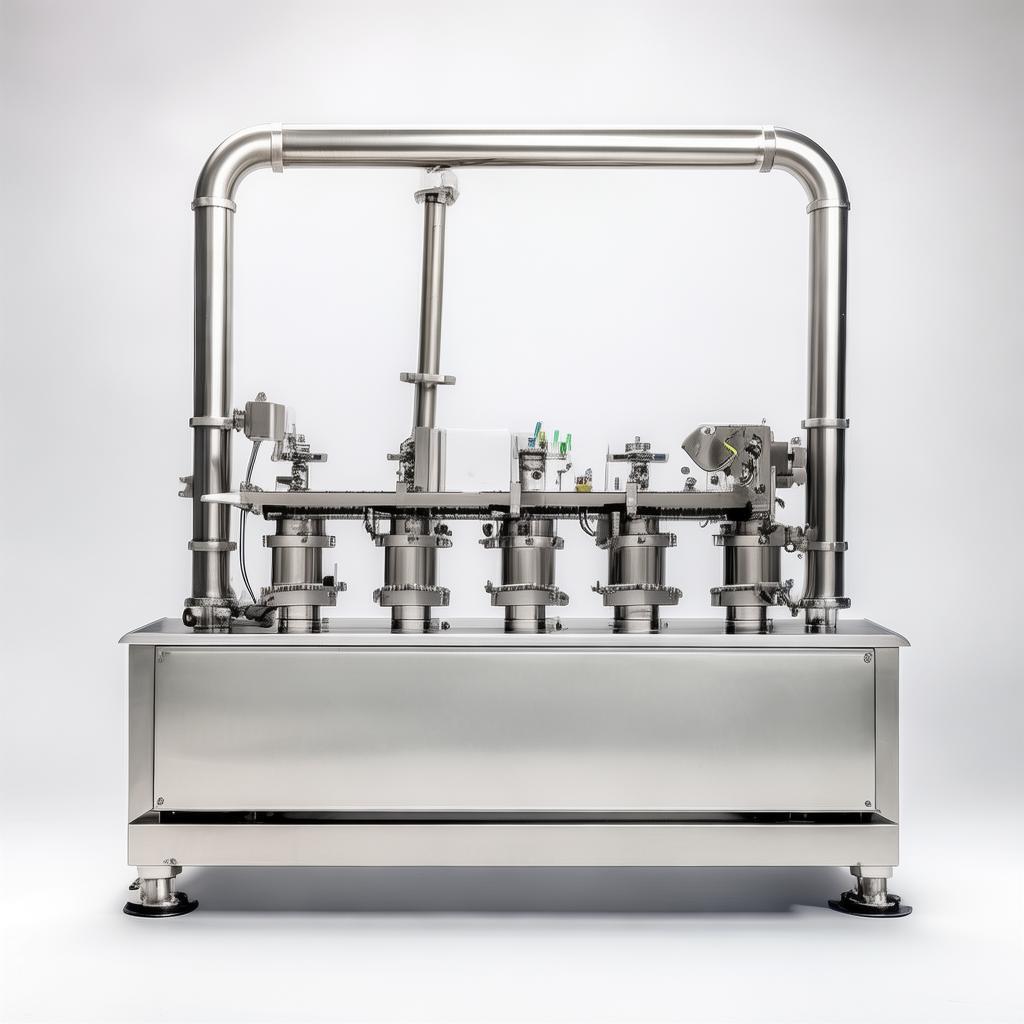
high voltage vacuum feedthrough electric mincer high vacuum gauge digital
Note: Specific ratings and features may vary by model and manufacturer. Always consult detailed datasheets.
Where They Shine: Common Applications
Medium voltage vacuum contactors are the workhorses for controlling high-power equipment across a broad spectrum of industries. Their reliability and performance make them indispensable for a wide array of applications:
Motor Control
Directly switching large industrial motors such as those used in pumps, compressors, conveyors, and fans. Essential for startup, shutdown, and reversing operations. This is a primary use case, particularly in heavy manufacturing and processing.
Transformer Switching
Controlling the primary or secondary sides of medium voltage transformers, enabling power flow management and isolation for maintenance. This is critical in substations and distribution networks.
Capacitor Bank Switching
Switching capacitor banks for power factor correction in industrial facilities and power grids. Their ability to handle inrush currents is vital here.
Arc Furnace Control
In metallurgy, contactors are used to control the power supply to arc furnaces, requiring high current handling and frequent switching.
Mining and Heavy Industry
Operating large machinery, crushers, and ventilation systems in demanding, often dusty and vibratory environments. Durability is key.
Railway Traction Power
Used in traction substations and onboard rolling stock for switching power to electric trains and trams.
Petrochemical and Chemical Plants
Controlling pumps, mixers, and other equipment in potentially hazardous environments, requiring explosion-proof or intrinsically safe designs where applicable.
Water and Wastewater Treatment
Managing large pumps, aerators, and control systems within treatment facilities, often exposed to corrosive environments.
Installation and Maintenance: Practical Insights
While vacuum contactors are renowned for their low maintenance, proper installation and understanding of their service requirements are still crucial for maximizing performance and lifespan. Our engineering team has compiled these practical tips based on decades of field experience.
Installation Considerations:
- Environmental Conditions: Ensure the installation location is within the specified temperature and humidity range. Protect against excessive dust, corrosive fumes, or direct sunlight which can affect performance and longevity. Proper ventilation for the switchgear cubicle is essential.
- Mounting: Contactors are typically mounted vertically. Ensure the mounting is secure and vibration-free. Improper mounting can affect the alignment of moving parts and the integrity of the vacuum interrupter seal over time.
- Wiring and Connections: Use appropriately sized conductors for power terminals and control circuits. Ensure all connections are clean, tight, and properly insulated. Loose connections are a major cause of heating and failure. Double-check control wiring for correct polarity and voltage.
- Grounding: Proper grounding of the contactor frame and associated switchgear is non-negotiable for safety.
- Integration with Protection Systems: Ensure the contactor's trip-free mechanism (if applicable) and coordination with overcurrent relays and circuit breakers are correctly set up to provide adequate protection against faults.
Routine Maintenance:
The beauty of vacuum contactors lies in their reduced maintenance. However, periodic checks are still recommended:
- Visual Inspection: Regularly inspect for signs of physical damage, corrosion, or loose connections on both power and control terminals.
- Operating Mechanism Check: Periodically operate the contactor manually (if designed for it) or electrically to ensure smooth operation. Listen for unusual noises.
- Control Circuit Checks: Verify the proper functioning of the closing and opening coils, and any auxiliary contacts used for interlocking or signaling.
- Vacuum Integrity (Advanced): While the vacuum interrupter is sealed for life, specialized diagnostic equipment can sometimes test vacuum integrity or contact resistance. This is usually reserved for major inspection intervals or troubleshooting. For most users, trusting the manufacturer's warranty and lifespan estimates is standard practice.
- Record Keeping: Maintain a log of all maintenance activities, operational cycles (if data is available), and any encountered issues. This data is invaluable for predictive maintenance and troubleshooting.
Remember, while maintenance is reduced, it's not eliminated. A proactive approach ensures consistent reliability and prevents minor issues from escalating into major operational disruptions.
Procurement Guide: What Buyers Need to Know
Sourcing medium voltage vacuum contactors involves more than just comparing price tags. As experienced suppliers, we know that procurement teams look for long-term value, reliability, and seamless integration into their operations. Here’s a breakdown of key factors to consider:
1. Define Your Technical Requirements Precisely:
Go beyond basic voltage and current. Understand the duty cycle, fault current levels, switching frequency, and the specific load type (motor, transformer, etc.). Over-specifying can increase cost, while under-specifying leads to premature failure. Consult your system design engineers.
2. Evaluate Manufacturer Reputation and Experience:
How long has the manufacturer been producing vacuum contactors? Do they have a proven track record in your specific industry? Look for suppliers with demonstrated expertise in medium voltage switchgear and a history of product innovation. Check for compliance with international standards like IEC or NEMA.
3. Understand the Total Cost of Ownership (TCO):
Initial purchase price is only one component. Factor in installation costs, expected maintenance, spare parts availability, and the cost of downtime if a unit fails. Vacuum contactors often offer a lower TCO over their lifespan due to their durability and reduced maintenance needs compared to older technologies.
4. Assess Supplier Support and Service:
What level of technical support is available? Can the supplier provide assistance with selection, installation, and troubleshooting? A responsive supplier with readily available spare parts and clear documentation is invaluable, especially for international projects.
5. OEM/ODM Capabilities:
For system integrators or large project requirements, explore Original Equipment Manufacturer (OEM) and Original Design Manufacturer (ODM) options. A reliable OEM/ODM partner can provide customized solutions, integrate your branding, and ensure consistent quality for large-scale deployments. This can streamline your supply chain and ensure a product perfectly suited to your unique needs.
6. Lead Times and Logistics:
Understand the typical lead times for standard products and custom orders. For international shipments, factor in shipping methods, customs, and delivery schedules. A reliable supplier will provide transparent information on production and delivery timelines to help you plan project execution effectively.
Choosing the right supplier means building a partnership focused on reliability and performance. We pride ourselves on transparency and expertise to help you make informed procurement decisions.
Our Manufacturing Prowess: Precision Engineering from Concept to Delivery
At Hebei Yuanchang Food Mechanism & Technology Co., Ltd., our 40 years of experience since 1986 have forged us into a leader in precision manufacturing. While our name might suggest a focus on food machinery, the core principles of rigorous engineering, high-precision component manufacturing, and robust quality control are directly transferable and form the bedrock of our medium voltage vacuum contactor production. We understand that reliability in electrical systems is as critical as it is in food processing – downtime in either sector leads to significant losses.

Our facility spans approximately 14,000 square meters, housing a dedicated team of 80-100 skilled professionals. This allows us to integrate R&D, meticulous production, and responsive sales seamlessly.
In-House Precision Machining
Our strength lies in our comprehensive in-house machining workshop. Equipped with over 20 sets of advanced processing machinery, including high-precision grinders, lathes, milling machines, and wire cutting equipment, we control the entire manufacturing process for critical components. This isn't just about assembly; it's about crafting every part to exacting standards.
Japanese CNC Technology
Since 2012, our investment in 8 Japanese Mazak CNC machining centers has elevated our capabilities. This enables us to produce complex, high-standard components requiring large volumes, ultra-high precision, and non-standard specifications – essential for the demanding tolerances of vacuum interrupters and contactor mechanisms.
Our commitment to independent production of high-precision parts, combined with a traceable after-sales management system, ensures that every contactor leaving our facility is built for performance and backed by reliable support. We don't just build components; we build confidence in your power systems.
Commitment to Quality: Certifications and Standards
Adherence to international quality and safety standards is non-negotiable in the medium voltage sector. Our manufacturing processes and products are designed to meet rigorous global benchmarks, providing you with the assurance of quality and reliability.

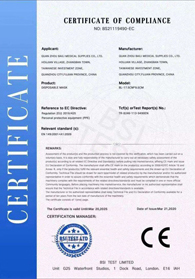
We are committed to maintaining the highest standards in our manufacturing, ensuring that our medium voltage vacuum contactors comply with key international regulations such as:
- ISO 9001: Our Quality Management System ensures consistent product quality and continuous improvement in our processes.
- IEC Standards (e.g., IEC 62271): Our products are designed and tested to meet the stringent requirements of international electrotechnical standards for high-voltage switchgear and controlgear.
- CE Marking: For products sold within the European Economic Area, our contactors bear the CE mark, signifying conformity with health, safety, and environmental protection standards.
This dedication to quality ensures that our products perform safely and reliably in your critical power systems, providing peace of mind for your operations.
What Our Clients Say
Real-world feedback from engineers and procurement managers who rely on our medium voltage vacuum contactors.

Senior Electrical Engineer, Industrial Manufacturing
"We upgraded several main motor feeders with their vacuum contactors last year. The installation was straightforward, and the reduction in maintenance calls has been significant. We previously dealt with frequent contact cleaning on our old magnetic switches. These units are just solid."
Reviewed: 3 weeks ago

Procurement Manager, Petrochemical Plant
"Reliability is non-negotiable for us. We needed contactors that could handle frequent switching and harsh environmental conditions. Their team provided excellent technical support to ensure we selected the correct models. Lead times were manageable, which was critical for our project timeline."
Reviewed: 2 months ago

Operations Lead, Food Processing Facility
"We've integrated their vacuum contactors into our new automated packaging lines. The performance has been flawless, even with continuous operation. The compact size was a big plus for fitting into our control panels. We're planning further installations."
Reviewed: 4 months ago

Maintenance Supervisor, Mining Operations
"These contactors are tough. They've been running our primary ventilation fans 24/7 in a dusty environment for over a year with zero issues. This is a huge improvement over our previous mechanical contactors which required constant cleaning and adjustment."
Reviewed: 6 months ago
Direct Insights from Our Experts
See how we address client inquiries and provide technical solutions in real-time.


Frequently Asked Questions
Q: What is the typical lifespan of a vacuum contactor?
A: The lifespan of a vacuum contactor is measured in both mechanical and electrical operations. Mechanically, they can last hundreds of thousands of cycles. Electrically, the lifespan depends heavily on the load current, switching frequency, and fault conditions. However, for standard motor control applications, expect well over 100,000 full-load electrical operations. This is significantly longer than many older technologies.
Q: Can vacuum contactors be used for DC applications?
A: While vacuum contactors are predominantly designed for AC medium voltage applications, specialized versions exist for DC switching. However, DC arc quenching is more complex, and specific designs are required. For typical medium voltage industrial systems, we focus on AC applications.
Q: What is the difference between a contactor and a circuit breaker?
A: The primary difference lies in their intended function. A contactor is designed for frequent switching of motor loads and other power circuits. A circuit breaker is primarily a protective device designed to interrupt short circuits and overloads, often less frequently switched and built for higher fault current interruption ratings. While a contactor can interrupt normal operating currents, a circuit breaker is the primary safety device for fault conditions.
Q: How do I select the right voltage and current rating?
A: Always select a contactor with a rated voltage equal to or higher than your system voltage. For the current rating, consider the continuous current draw of the load, plus a safety margin (often 25-50% for motor loads due to starting current). It's crucial to consult your system's load analysis and relevant electrical codes (like the NEC in the US) for precise selection criteria.
Q: What kind of warranty do your vacuum contactors come with?
A: We offer a standard warranty on our vacuum contactors, typically covering manufacturing defects for a specified period, often 12-24 months from the date of shipment, subject to proper installation and operation. Please refer to our sales terms and conditions for detailed warranty information.
Ready to Enhance Your Power System Reliability?
Let our experts help you find the perfect medium voltage vacuum contactor solution for your specific application.