Meat Slicing Guide
Mastering Meat Slicing: Precision, Efficiency, and the Right Equipment for Your Business
Unlock consistent quality and optimize your production with insights from Hebei Yuanchang Food Mechanism & Technology Co., Ltd.
Table of Contents
- Why Precise Meat Slicing Matters
- Common Challenges in Meat Slicing Operations
- The Role of Advanced Slicing Technology
- Hebei Yuanchang's Slicing Solutions: Built for Performance
- Key Technical Specifications to Consider
- Versatile Applications Across the Food Industry
- Procurement: What Buyers Need to Know
- Our Manufacturing Prowess: Behind the Machines
- Ensuring Compliance and Quality
- Operational Efficiency: Maintenance & Support
- What Our Clients Say
- Frequently Asked Questions
- Ready to Elevate Your Slicing?

Written by Li Wei, Export Manager at Hebei Yuanchang Food Mechanism & Technology Co., Ltd.
With over 20 years in international food machinery export and a deep understanding of processing workflows.
Why Precise Meat Slicing Matters in Today's Market
In the competitive landscape of food processing, the precision and consistency of your meat slicing operations are not just about aesthetics; they directly impact yield, product appeal, and ultimately, your bottom line. Whether you're producing premium deli meats, consistent portions for ready-to-eat meals, or specific cuts for further processing like sausage filling or jerky production, the slicing equipment you choose is paramount. Inaccurate or inconsistent slices can lead to significant material waste, uneven cooking times, and a less desirable consumer experience. This is where robust, well-engineered slicing machinery becomes an indispensable asset.
The global meat processing equipment market, a sector intrinsically linked to slicing capabilities, is projected to experience substantial growth. Reports indicate a market valuation expected to climb significantly, with projections varying but consistently pointing towards expansion. For instance, one analysis suggests the market could reach USD 17.39 billion by 2034, driven by increasing demand for processed meats and the adoption of automation for hygiene and efficiency. (Source: Fortune Business Insights). This growth underscores a global trend: consumers demand more processed, convenient meat products, and producers need reliable, high-throughput equipment to meet this demand. Slicing machines are often at the heart of these production lines, critical for creating products like pre-portioned steaks, uniform ham slices, or perfectly shaped pepperoni.
Consider the operational viewpoint: a slight variation of a millimeter in slice thickness across thousands of cuts can translate into significant product loss over a single shift. For a procurement manager, this isn't just about the purchase price of a machine; it's about the long-term cost of ownership, factoring in material yield, energy consumption, labor efficiency, and maintenance. A reliable slicing unit doesn't just cut; it contributes to a predictable, optimized production flow. This is why understanding the nuances of different slicing technologies and selecting a supplier with genuine manufacturing experience is crucial. We're not just talking about cutting meat; we're talking about engineering precision that directly benefits your business.
Furthermore, the drive towards standardized product quality in international markets, especially for export, places an even higher premium on precise slicing. Buyers in the USA, Europe, and other developed markets expect a level of uniformity that can only be achieved with advanced slicing technology. This is compounded by evolving consumer preferences – from pre-packaged lunch meats that require perfect stackability to artisanal products where consistent thickness is key to texture and mouthfeel. The equipment must therefore be adaptable, capable of handling various meat types, temperatures, and desired final product forms, all while maintaining stringent food safety standards.
At Hebei Yuanchang, we've spent 40 years honing our understanding of these exact requirements. Our journey began in 1986, and over these decades, we've seen firsthand how equipment failure or underperformance impacts operations. We've evolved from basic manufacturing to integrating advanced machining, including Japanese Mazak CNC centers, to produce components with the high precision and durability that modern food processing demands. When it comes to slicing, this translates into machines that deliver not just clean cuts, but repeatable, high-volume performance that commercial kitchens and large-scale processors can depend on. We believe that the foundation of great food products is built on equally great machinery.
The market also sees a significant demand for equipment that aids in the pretreatment of meat products. Slicing falls directly under this umbrella, preparing meat for further processes like filling, molding, or ripening. For example, uniformly sliced meat might be ideal for efficient and consistent filling into casings for sausages, or for achieving a desired texture in marinated products. The capacity to precisely slice raw, cooked, or even frozen meats at specific temperatures is a key differentiator for processing lines aiming for high-volume, diverse product portfolios. It's about flexibility and control, allowing manufacturers to adapt to market trends and customer orders with agility.
This level of control also extends to the food safety aspect. Modern slicing machines are designed with hygiene in mind, featuring easy-to-clean surfaces, minimal crevices where bacteria can hide, and often, materials approved for food contact. For many processors, especially those exporting to regions with strict regulations like the FDA in the United States or the European Food Safety Authority (EFSA), this compliance is non-negotiable. We ensure our machinery meets these expectations, offering peace of mind alongside operational excellence.
In essence, the meat slicing guide you're reading is more than just a technical overview; it's a deep dive into a critical aspect of meat processing that influences product quality, operational efficiency, and commercial success. It's about understanding the technology, the applications, and most importantly, partnering with a manufacturer who understands your business needs. We aim to provide not just equipment, but solutions that empower your production.
Common Challenges in Meat Slicing Operations
Many operations struggle with inconsistent slicing, which leads to wasted product and unhappy customers.
- Inconsistent Slice Thickness: This is perhaps the most frequent complaint. Variations lead to uneven cooking, poor presentation, and reduced yield as thinner slices might overcook or thicker ones undercook. It’s a direct hit to product quality and profitability.
- Product Waste & Reduced Yield: Poorly sliced meat, whether too thick or too thin in patches, ends up being downgraded or discarded. For high-value cuts, this represents a significant financial loss. Efficient slicing aims to maximize the usable product from each raw material input.
- Labor Intensity and Inefficiency: Manual slicing is slow, inconsistent, and ergonomically challenging. Even semi-automatic machines can require significant operator attention, impacting throughput and increasing labor costs. Automation is key to overcoming these bottlenecks.
- Equipment Downtime and Maintenance Costs: Cheaper, less robust machines break down frequently. This leads to lost production time, expensive repairs, and the cost of replacing worn-out parts. For a high-volume operation, downtime is directly tied to revenue loss.
- Hygiene and Food Safety Concerns: Poorly designed machines with hard-to-clean areas can become breeding grounds for bacteria. Ensuring compliance with stringent food safety regulations (like FDA standards) is a constant challenge that requires equipment built for easy sanitation.
- Limited Versatility: A machine that can only handle one type of meat or temperature setting restricts operational flexibility. The ability to slice raw, cooked, chilled, or even semi-frozen products is often a critical requirement.
- Difficulty in Achieving Specific Product Forms: For products like sausages, deli meats, or jerky, the specific shape and consistency of the slice are integral to the final product. Generic slicing might not meet these specialized needs.
The Role of Advanced Slicing Technology
Modern slicing machinery, particularly when sourced from experienced manufacturers like Hebei Yuanchang, addresses these issues directly by integrating precision engineering with user-centric design.
Advanced slicing machines utilize high-precision blades, often made from hardened stainless steel or specialized alloys, paired with sophisticated drive systems. This combination ensures clean, consistent cuts across a range of meat types and temperatures. For instance, the market for meat processing equipment is vast, with segments like filling and stuffing, massaging (for ripening), and cutting/slicing being critical. The global market is projected to reach USD 15.04 billion by 2030, highlighting the investment in these areas. (Source: Grand View Research). This growth indicates an industry-wide push towards better technology.
Automated feeding and discharge systems dramatically improve throughput, reducing the need for manual intervention and minimizing operator exposure to the cutting zone. This not only boosts efficiency but also enhances safety. We've observed that operations that upgrade from manual or older semi-automatic slicers often see their production capacity jump by 30% or more, with consistent quality maintained shift after shift.
Material science also plays a key role. High-grade stainless steel construction ensures durability, corrosion resistance, and ease of cleaning, which are paramount for food processing environments. The design of the cutting chamber, blade guards, and waste collection systems are all engineered to facilitate quick and thorough sanitation, crucial for meeting FDA and other international food safety standards. Compliance is not an afterthought; it's engineered into the machine.
Furthermore, sophisticated control systems allow for precise adjustment of slice thickness, speed, and even specialized cutting patterns. This versatility enables processors to produce a wider array of products with a single piece of equipment, adapting to evolving market demands. Whether it’s wafer-thin slices for carpaccio or uniform sticks for jerky, the right slicer offers that level of control. This adaptability is becoming increasingly important as the processed meat market, projected to reach USD 1,253.77 billion by 2034, diversifies with new product categories. (Source: Fortune Business Insights).
The trend towards automation extends to the maintenance aspect. Many modern slicers are designed with modular components, allowing for quicker replacement of worn parts and easier access for cleaning and servicing. This proactive design minimizes downtime and reduces the overall cost of ownership, aligning with the ROI-driven mindset of procurement professionals.
In summary, advanced slicing technology is no longer a luxury; it's a necessity for any business aiming for efficiency, quality, and compliance in meat processing. It's about moving beyond basic cutting to intelligent, high-performance material preparation.
Hebei Yuanchang's Slicing Solutions: Built for Performance
At Hebei Yuanchang, we don't just build machines; we engineer solutions backed by 40 years of hands-on manufacturing experience. Our approach to slicing equipment combines robust construction with precision engineering, ensuring reliability and high performance for international B2B clients.
Our slicing machines are designed to handle a variety of meat products, from fresh and chilled cuts to cooked and semi-frozen options. We understand that different applications require different approaches. For instance, processing raw beef for steaks demands a different blade sharpness and cutting speed than slicing cooked ham for deli purposes. Our equipment offers the adjustability to meet these diverse needs, ensuring clean cuts without tearing or excessive heat buildup.
Key advantages of our slicing solutions include:
- Exceptional Durability: Constructed with high-quality stainless steel and precision-machined components, our slicers are built to withstand the rigors of continuous industrial operation. Our in-house machining workshop, equipped with over 20 sets of advanced machinery including Japanese Mazak CNC centers, allows us to produce high-precision parts independently.
- Consistent Cutting Precision: Advanced blade systems and motor control ensure uniform slice thickness, minimizing waste and maximizing yield. This consistency is vital for product quality and process efficiency.
- User-Friendly Operation & Safety: Designed with the operator in mind, our machines feature intuitive controls and comprehensive safety features. Easy access for cleaning is a priority, adhering to international hygiene standards.
- Versatility and Adaptability: Our slicers can be configured to handle different product sizes, shapes, and textures, making them suitable for a wide range of applications in the meat processing industry.
- Optimized for Throughput: Engineered for high-volume production, our slicers help increase operational efficiency and reduce labor costs per unit produced.
- Traceable After-Sales Support: With our traceable management system and independent production of high-precision parts, we ensure reliable after-sales service, minimizing downtime for our global clients.
We understand that purchasing industrial equipment is a significant investment. That’s why we focus on delivering tangible ROI through improved yield, reduced waste, increased efficiency, and long-term machine reliability. Our export experience means we’re adept at navigating international logistics and compliance requirements, providing a smooth procurement process for our partners worldwide.
Key Technical Specifications to Consider
When evaluating slicing machinery, understanding the technical details is crucial for ensuring it meets your specific operational needs. Here’s a breakdown of critical specifications:
| Specification | Details | Importance for Procurement |
|---|---|---|
| Blade Diameter/Size | Typically ranges from 250mm to 400mm for industrial slicers. Larger diameters generally allow for higher throughput and can handle larger product sizes. | Determines maximum product size capability and potential slicing speed. Affects how many cuts can be made before blade re-sharpening or replacement is needed. |
| Slice Thickness Range | Adjustable, commonly from 0.1mm to 15mm, sometimes up to 25mm depending on the model and meat type. Precision micro-adjustment is key. | Crucial for product consistency, yield optimization, and meeting specific product requirements (e.g., wafer-thin for carpaccio, thicker for jerky). |
| Motor Power & Speed | Measured in kW or HP. Higher power ensures consistent performance with denser meats or frozen products. Variable speed control offers flexibility. | Impacts cutting capacity, especially for tough or frozen meats. Speed control is vital for different product textures and desired finish. |
| Construction Material | Food-grade stainless steel (e.g., SUS304) for all primary contact parts. Robust frame construction (e.g., cast aluminum or steel, coated). | Ensures hygiene, corrosion resistance, durability, and longevity. Essential for compliance with food safety regulations (FDA, CE). |
| Product Clamping & Feeding System | Automatic or semi-automatic grippers, dual-grip systems, or manual loading trays. | Affects product stability during slicing, consistency, safety, and operator efficiency. Important for handling irregularly shaped products. |
| Blade Type & Sharpness | Hollow-ground, chromium-plated, or specialized alloy blades. Options for different meat types (e.g., harder blades for frozen). | Determines cut quality (cleanliness, absence of tearing), blade longevity, and frequency of sharpening. |
| Cleaning & Maintenance Features | Removable components, smooth surfaces, access ports, automated cleaning cycles. | Critical for hygiene and reducing downtime. Easy disassembly for deep cleaning is a major operational benefit. |
| Safety Features | Blade guards, interlock switches, emergency stop buttons, automatic shut-off mechanisms. | Mandatory for operator safety and regulatory compliance (e.g., CE marking in Europe). |
meat slicing equipment toledo meat slicer meat cutting supplies
When discussing your needs with a supplier, be prepared to articulate the types of meat you process, their typical temperature range, the desired slice characteristics, and your target production volume. This information allows experienced manufacturers like us to recommend the most suitable model and configuration. For example, if you're processing frozen blocks for a reconstituted meat market that's seeing CAGR of 18.0%, you'll need a significantly more robust slicer than one used for chilled deli meats. (Source: Future Market Insights).
Versatile Applications Across the Food Industry
The applications for precision meat slicing extend far beyond simple portioning, impacting a wide array of processed meat products and industries.
Here are some key areas where our slicing technology makes a difference:
- Deli & Charcuterie: Producing uniform slices of ham, turkey, roast beef, salami, and other cured meats for sandwiches, platters, and retail packaging. Consistency is key for stackability and visual appeal.
- Ready-to-Eat Meals: Precisely slicing cooked meats for inclusion in salads, pasta dishes, frozen meals, and meal kits. Uniformity ensures even heating and consistent product quality.
- Sausage & Formed Products: While often done with specialized cutters, slicing can prepare meat for certain filling and molding processes, ensuring consistent material feed. For instance, finely sliced or ground meat can be an input for filling and stuffing machines, a critical segment in the meat processing equipment market.
- Snack Foods (Jerky, Biltong): Creating uniform strips of meat for drying and curing. Consistent thickness is vital for even drying, texture, and shelf life.
- Pizza Toppings & Fast Food: Precision slicing of pepperoni, ham, and other meats for consistent coverage and cooking on pizzas and other fast-food items.
- Institutional Food Service: Providing pre-portioned and sliced meats for cafeterias, restaurants, and catering services, improving kitchen efficiency and reducing waste.
- Specialty Products: Catering to niche markets like premium beef cuts for restaurants, smoked salmon, or even certain pet food applications where specific slicing is required.
Consider the growth in the processed meat market, projected to reach USD 1.33 trillion by 2035 (Source: Precedence Research). This expanding market demands a diverse range of precisely prepared meat components, making advanced slicing equipment a cornerstone for many manufacturers. The ability to adapt slicing parameters to different meat types – beef, pork, poultry, lamb – is also a significant advantage, ensuring that our machines are a sound investment for varied operations.
Procurement: What Buyers Need to Know
Selecting the right industrial machinery is a strategic decision. As an export manager with extensive experience, I've seen common pitfalls and best practices for procurement professionals.
Here’s a practical guide to help you navigate the process:
- Define Your Needs Clearly: Before contacting suppliers, list your primary requirements: types of meat, temperature ranges, desired slice thickness range, production volume per hour/shift, power availability (voltage, phase), and space constraints.
- Understand Total Cost of Ownership (TCO): Don't focus solely on the initial purchase price. Consider factors like energy consumption, spare parts cost, maintenance frequency, potential for waste reduction (yield improvement), and expected machine lifespan. A slightly higher upfront investment in a durable, efficient machine often yields greater savings over time.
- Evaluate Supplier's Manufacturing Experience & Capabilities: Look for manufacturers with a long history (like our 40 years at Hebei Yuanchang) and demonstrable in-house production capabilities. This ensures better control over quality, customization options, and availability of spare parts. Do they have advanced machining like CNC centers? This is a good indicator of precision.
- Check Certifications and Compliance: For international markets, certifications like CE (for Europe) and compliance with FDA standards (for the US) are often mandatory. Verify that the supplier can provide necessary documentation and that their machines meet these requirements.
- Inquire About After-Sales Support and Spare Parts: A machine is only as good as its support. Ask about warranty terms, availability of common spare parts, lead times for specialized parts, and technical support availability. A traceable management system for after-sales service is a strong plus.
- Request References or Case Studies: Talking to existing clients, especially those in similar industries or regions, can provide invaluable insights into a supplier's performance and reliability.
- Consider OEM/ODM Opportunities: If you have specific branding or unique design requirements, discuss OEM (Original Equipment Manufacturer) or ODM (Original Design Manufacturer) capabilities with potential suppliers.
Navigating the global supply chain can be complex. We’ve found that clear communication and a focus on long-term partnership are essential. By partnering with Hebei Yuanchang, you gain access not just to equipment, but to a team dedicated to ensuring your success through reliable machinery and comprehensive support. We are committed to offering transparent pricing and realistic delivery timelines.
Our Manufacturing Prowess: Behind the Machines
At Hebei Yuanchang, our 40-year history is built on a foundation of strong in-house manufacturing capabilities. We believe that true quality and reliability stem from controlling every aspect of production.
Spanning approximately 14,000 square meters, our facility is home to a dedicated team of 80-100 skilled professionals. This allows us to seamlessly integrate Research & Development, production, and sales for our complete range of meat processing equipment, including specialized slicing units.

Advanced Machining
Precision CNC

Integrated Production
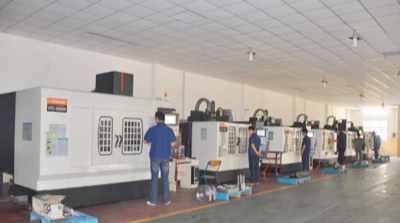
Our in-house machining workshop is equipped with over 20 sets of versatile processing machinery. This includes essential equipment like lathes, milling machines, high-precision grinding machines, boring machines, plate shears, bending machines, and wire cutting equipment. This comprehensive setup allows us to fabricate complex components with tight tolerances.
A significant enhancement to our capabilities came in 2012 with the integration of 8 sets of Japanese Mazak CNC machining centers. This investment allows us to undertake the production of high-standard components that require large volumes, exceptional precision, and non-standard specifications. For our clients, this means access to parts that meet the most demanding quality requirements, often exceeding industry norms.
This internal control over component manufacturing is a cornerstone of our quality assurance and our ability to offer reliable after-sales service. We can independently produce high-precision parts, ensuring that any replacement or custom component is made to the exact original specifications. This is particularly valuable for specialized equipment like industrial slicers where component integrity directly impacts performance and safety.
Ensuring Compliance and Quality
International trade demands adherence to rigorous standards. Hebei Yuanchang is committed to ensuring our equipment meets global quality and safety benchmarks.

ISO 9001

CE Marking

FDA Compliant Materials

RoHS Compliant
While specific certifications can vary based on the exact machine model and destination market, our commitment to quality is demonstrated through:
- ISO 9001 Quality Management Systems: Our production processes adhere to internationally recognized quality management standards, ensuring consistency and continuous improvement.
- CE Marking Compliance: For equipment destined for the European Economic Area, our machines meet essential health, safety, and environmental protection requirements.
- Food-Grade Material Compliance: We utilize materials (especially stainless steel grades like SUS304) that are approved for food contact by regulatory bodies such as the FDA, ensuring product safety.
- RoHS Compliance: We ensure that our electrical components and materials adhere to the Restriction of Hazardous Substances directives, particularly relevant for electronics in machinery.
Our export team is experienced in providing the necessary documentation to facilitate customs clearance and regulatory approval in your target market. We understand that compliance is not just a requirement but a mark of quality and trustworthiness, essential for building long-term international partnerships.
Operational Efficiency: Maintenance & Support
Maximizing the lifespan and performance of your slicing equipment relies on a proactive maintenance strategy and responsive support. We engineer our machines with this in mind.
Routine Maintenance Schedule:
- Daily Cleaning: Thorough cleaning after each use is paramount. This involves dismantling accessible parts, washing with approved food-grade cleaners, and drying completely to prevent bacterial growth and corrosion.
- Blade Sharpening/Replacement: Blades lose their edge over time, impacting cut quality and increasing motor strain. The frequency depends on usage and material, but regular checks for sharpness are essential. We provide high-quality replacement blades and sharpening services.
- Lubrication: Moving parts, especially bearings and guides, require regular lubrication with food-grade lubricants to ensure smooth operation and prevent wear.
- Component Inspection: Regularly inspect belts, motors, electrical connections, and safety features for any signs of wear or damage.
Our Support System:
Hebei Yuanchang's commitment extends beyond the sale. Our traceable after-sales management system is designed to provide:
- Technical Assistance: Our team is available to answer operational questions and troubleshoot issues remotely.
- Spare Parts Availability: We maintain a stock of critical spare parts and have the in-house capability to rapidly produce specialized components, minimizing your downtime.
- On-Site Service (When Required): For complex issues or major overhauls, we can arrange for trained technicians to provide on-site support, depending on your location and service agreement.
Investing in proper maintenance and a reliable service partner like Hebei Yuanchang ensures that your slicing equipment continues to deliver optimal performance and contributes to your business's profitability for years to come.
What Our Clients Say
Real feedback from businesses like yours, who have integrated our solutions into their operations.
 Sarah Chen
Operations Manager, Prime Meats USA
"We were struggling with inconsistent slices from our old slicer, leading to significant waste. Switching to Hebei Yuanchang’s heavy-duty slicer was a game-changer. The precision is incredible, and we've seen at least a 5% improvement in yield on high-value cuts. Their export process was smooth, and the machine arrived well-packaged."
 Markus Schmidt
Procurement Director, European Food Solutions
"Reliability is key for our high-volume production. Hebei Yuanchang’s slicer has been running 16 hours a day for over a year with minimal issues. We appreciate their transparency on manufacturing and the straightforward communication. The CE certification was also a crucial factor for us."
 Aisha Khan
Production Supervisor, Middle East Delicacies
"We needed a versatile slicer that could handle both chilled and semi-frozen products for our specialty items. The flexibility of the Hebei Yuanchang model has allowed us to expand our product line. The support team was very helpful during setup, and spare parts have been readily available."
Frequently Asked Questions
A: Our heavy-duty industrial slicers are capable of processing semi-frozen meat (typically down to -5°C or -7°C). For fully frozen blocks, we recommend specialized equipment or pre-tempering the meat to achieve optimal slicing consistency and protect the blades. Please discuss your specific application with our technical team.
A: Lead times can vary based on current production schedules and any customization required. Typically, standard models can be ready for shipment within 4-8 weeks. We will provide a precise estimate upon receiving your specific order details.
A: The frequency of blade sharpening depends heavily on the type of meat, its temperature, usage volume, and proper maintenance. For continuous industrial use, blades may require sharpening daily or every few days. We supply high-quality, durable blades designed for longevity and efficient resharpening.
A: Our industrial slicers typically operate on 380V/50Hz/3 Phase power. However, we can often adapt machines for different voltage and frequency requirements common in various international markets. Please specify your local power standards when inquiring.
A: Yes, we do. With our robust manufacturing capabilities, including advanced CNC machining, we can collaborate with clients on custom designs, branding, and specific feature integrations. Please contact us to discuss your OEM/ODM project requirements.
Ready to Elevate Your Meat Slicing Operations?
Discover how Hebei Yuanchang's precision-engineered slicing solutions can boost your efficiency, improve product quality, and enhance your profitability. Partner with a manufacturer that brings 40 years of industry experience and a commitment to excellence.
We are here to provide expert consultation and tailored solutions for your business needs.