Meat Press Menu
Elevate Your Meat Processing: The Essential Guide to Meat Press Menus and Precision Molding Equipment
By:  Li Wei, Senior Export Manager at Hebei Yuanchang Food Mechanism & Technology Co., Ltd.
Navigating the intricate world of meat processing demands precision, efficiency, and a deep understanding of how each piece of equipment contributes to the final product. For businesses aiming to produce consistently shaped, perfectly textured, and commercially viable meat products, the "meat press menu" isn't just a list of options; it's the blueprint for successful product development and scaled production. Whether you're a burgeoning artisanal producer, a large-scale food manufacturer, or an international distributor looking for reliable OEM/ODM partners, understanding the capabilities and nuances of meat pressing and molding technologies is paramount. Our 40 years of experience, since 1986, at Hebei Yuanchang Food Mechanism & Technology Co., Ltd. have shown us that the right equipment isn't just a capital investment; it’s a strategic advantage that directly impacts your bottom line through enhanced product quality, reduced waste, and optimized labor utilization.
The global meat processing equipment market is a dynamic landscape, projected to grow significantly. Reports indicate market values reaching upwards of USD 19 billion by 2033, with a compound annual growth rate (CAGR) around 5%. This growth is fueled by several key factors: a continuously rising global demand for processed meats (including convenience foods and ready-to-eat options), the increasing adoption of automation to address labor shortages and improve hygiene, and the stringent enforcement of food safety standards worldwide. Specifically, segments like filling & stuffing equipment, massaging & tumbling machines (crucial for ripening and tenderizing), and precision molding systems are experiencing robust demand. These technologies are not merely about forming a shape; they are integral to achieving desired textures, ensuring uniform cooking, and maximizing yield. For instance, the ability to precisely control the pressure and forming parameters in a meat press directly influences the final bite and mouthfeel of products like sausages, patties, and even restructured meat items. Similarly, the complementary ripening processes, often achieved through vacuum massagers, are critical for flavor development and texture enhancement. Without effective molding and pressing, these post-forming steps would yield inconsistent results.
At Hebei Yuanchang, we've seen firsthand how outdated or mismatched equipment can become a bottleneck. Imagine trying to scale up production of gourmet sausages only to find your existing press struggles with the viscosity of your new formulation, leading to inconsistent fill weights or uneven density. Or consider a facility producing formed chicken patties that experiences high shrinkage rates due to insufficient pressing power or improper mold design. These aren't hypothetical scenarios; they are common operational challenges that can significantly erode profit margins and damage brand reputation. This is precisely why a comprehensive understanding of the "meat press menu" – encompassing the types of presses, their forming capabilities, material compatibility, and integration with other processing stages – is indispensable. It’s about more than just selecting a machine; it’s about choosing a partner that understands the science and art of meat transformation.
Our extensive 40-year history, beginning in 1986, has provided us with invaluable insights into the complete meat processing lifecycle. From the initial pretreatment of raw meat, through the critical filling and molding stages, to the essential ripening processes and the handling of auxiliary items, we have developed and refined our machinery to meet the evolving needs of global markets. We operate a sophisticated in-house machining workshop, boasting over 20 sets of advanced processing machinery, including high-precision grinding machines, lathes, milling machines, and even wire cutting equipment. The integration of 8 Japanese Mazak CNC machining centers since 2012 allows us to produce components requiring extreme precision, high volumes, and non-standard specifications – a capability that sets us apart and ensures the reliability and longevity of our equipment. This internal control over component manufacturing is crucial for delivering truly worry-free after-sales service and maintaining consistent quality across our product lines, including sophisticated meat presses and forming systems.
Understanding the Core of Meat Pressing Technology
At its heart, a meat press, particularly in the context of forming, is designed to shape a processed meat mixture into a desired form under controlled pressure. This isn't as simple as it sounds. The process involves a complex interplay of mechanical engineering, material science, and food technology. The "menu" of options available for meat presses typically refers to the variety of forming capabilities, the materials they can handle, and the specific product types they are best suited for.
Key Pressing and Forming Capabilities
- Patty Formation: This is perhaps the most common application. Presses are designed to create uniform patties of consistent thickness and diameter, crucial for fast-food chains and pre-packaged meal producers. Variables include press size, shape tooling, and the ability to handle different meat textures (e.g., coarse grind vs. finely emulsified).
- Sausage Stuffing & Linking: While often a separate machine (a stuffer), some integrated systems or specialized presses can contribute to forming uniform sausage links by controlling the pressure and flow of meat into casings.
- Portioned Forming: For products like meatballs, nuggets, or specific shaped items, the press utilizes custom molds to create precise portions. The accuracy here is vital for portion control, cost management, and consumer appeal.
- Restructured Meat Products: Advanced presses can bind and form smaller meat particles into larger, cohesive products, mimicking whole muscle textures. This requires significant control over pressure and binding agent distribution.
Material Handling and Formulation Considerations
The 'meat press menu' also extends to the types of formulations a machine can effectively handle. This is where operational knowledge truly shines.
- Emulsified Batters: High-precision presses are necessary to maintain the fine, uniform structure of emulsified products like hot dogs or bologna. Any inconsistent pressure can lead to fat separation or an undesirable grainy texture.
- Coarse-Ground Meats: For products like Italian sausages or certain types of burgers, the press must accommodate larger meat chunks without causing bridging or uneven compaction.
- Inclusion Integration: If your product contains visible inclusions (cheese, herbs, spices), the press tooling and pressure system must be designed to maintain these inclusions' integrity and distribution, not obliterate them.
- Binding Agent Effectiveness: The formulation's binding agents (natural proteins, starches, phosphates) play a critical role. Equipment that achieves optimal compression ensures these binders work effectively, leading to better product cohesion and reduced shrinkage during cooking.
Beyond the Form: Integration with Ripening and Auxiliary Processes
A sophisticated meat processing line rarely relies on a press in isolation. Modern operations demand seamless integration. For example, the vacuum massagers that prepare meat for smoking or curing are often employed after initial mixing and before final pressing or filling. Conversely, some ripening processes occur after forming. Understanding this flow is key:
According to industry analyses, the global meat processing equipment market, encompassing filling, massaging, and molding machines, is on a strong upward trajectory. Reports from firms like Fortune Business Insights and Grand View Research consistently place market values in the billions, with projections indicating continued growth driven by convenience food demand and automation. Filling and molding equipment, in particular, are identified as critical components for product consistency and quality. Our own experience reinforces this; we’ve seen clients significantly improve product appearance and shelf stability by optimizing their post-forming ripening cycles with our complementary equipment.
Considerations for Auxiliary Equipment:
- Smoking and Curing: Presses that create uniform shapes and densities cook and cure more evenly.
- Cooking and Cooling: Consistent product dimensions from the press ensure predictable cooking times and temperatures.
- Packaging: Precisely formed products are easier and more efficient to package, reducing material waste and improving line speed.
It's this holistic view that defines our approach at Hebei Yuanchang. We don't just build a press; we consider how it fits into your entire production ecosystem.
Hebei Yuanchang's Meat Press Solutions: Precision Engineering for Global Markets
Our extensive experience, spanning four decades, has allowed us to refine our meat pressing and molding technologies. We understand that for international buyers, reliability, precision, and ease of maintenance are paramount. Our facility in Shijiazhuang, Hebei Province, is equipped not only with advanced CNC machining centers for unparalleled component accuracy but also with a deep-seated commitment to quality control at every stage of production.
Customization: Your "Menu" Defined
We recognize that no two product lines are identical. That's why our approach to the "meat press menu" is collaborative. We work closely with clients to understand their specific product requirements, target market standards, and production volumes. This allows us to tailor:
- Mold Design: From standard burger shapes to custom logos or complex forms, our engineers can design and fabricate precise tooling.
- Forming Capacity: We offer presses sized for small-batch artisanal producers up to high-volume industrial operations.
- Material Specifications: We select appropriate food-grade stainless steel and wear-resistant components to ensure longevity and hygiene.
- Integration Capabilities: Our machines are designed to interface with your existing or planned upstream (mixing, grinding) and downstream (packaging, freezing) equipment.
We excel in OEM/ODM manufacturing, taking your concepts and turning them into robust, efficient processing solutions.
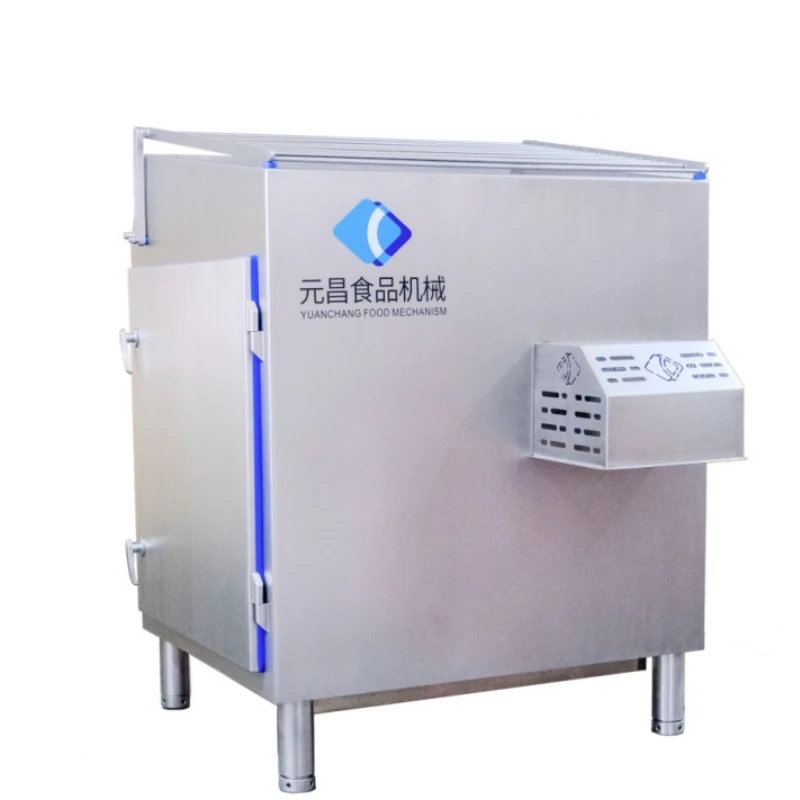
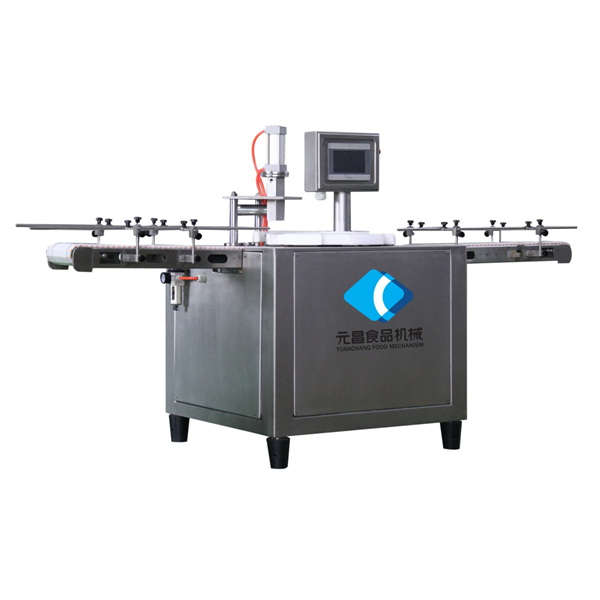
 Our high-precision meat forming and pressing machinery.
Technical Specifications & Operational Excellence
Our meat presses are engineered for performance and reliability. While specific configurations vary, you can expect features designed for efficiency and ease of use:
| Feature | Specification | Benefit |
|---|---|---|
| Forming Plate/Mold | Customizable (e.g., 100-200mm diameter, various shapes) | Accommodates diverse product types and sizes. |
| Pressure Control | Adjustable, high-force hydraulic system | Ensures consistent density and product integrity. |
| Material Compatibility | Food-grade stainless steel (304/316) contact parts | Superior hygiene, corrosion resistance, and durability. |
| Automation Level | Semi-automatic to fully automatic options | Maximizes throughput and minimizes manual labor. |
| Safety Features | Interlocked guards, emergency stop buttons | Ensures operator safety during operation. |
| Maintenance Access | Easy-clean design, accessible components | Reduces downtime and simplifies cleaning protocols. |
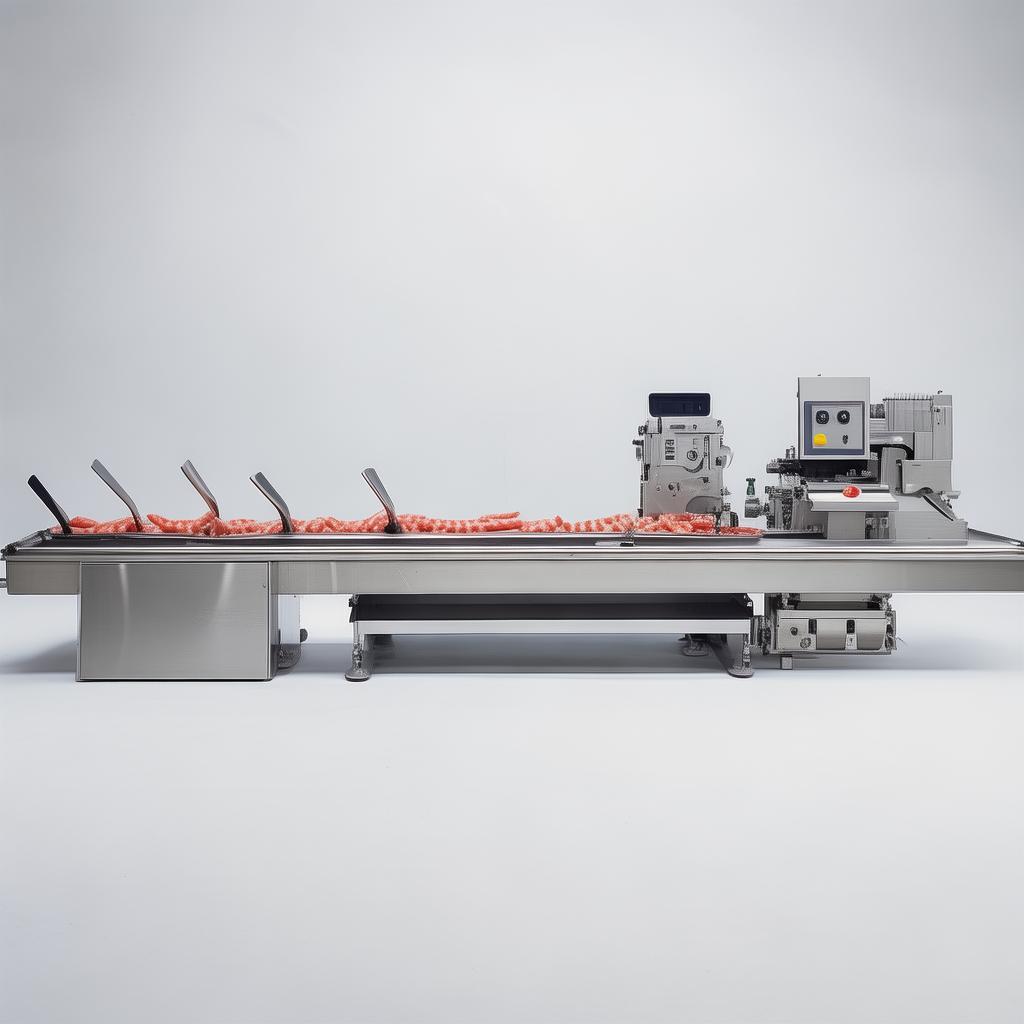
meat press restaurant meat press machine meat conveyer
The Yuanchang Advantage: More Than Just a Machine
Our commitment extends far beyond the factory floor. With 40 years in the industry, we understand the critical importance of after-sales support, especially for international clients. Our traceable after-sales management system, coupled with our in-house precision parts production, means you receive timely support and readily available replacement components, minimizing unexpected downtime. We've learned that investing in high-quality manufacturing upfront, like our use of Japanese Mazak CNC centers, directly translates into fewer service calls and a longer operational lifespan for your equipment.
Procurement and Supplier Evaluation: What to Look For
When sourcing specialized industrial equipment like meat presses from overseas, a thorough evaluation process is essential. Beyond just price, consider these critical factors:
Supplier Experience and Track Record
Look for manufacturers with a long history (like our 40 years since 1986) and a proven export record. References from clients in your target region are invaluable. Understanding their specialization in meat processing equipment, rather than general manufacturing, indicates a deeper expertise.
Manufacturing Capabilities and Quality Control
In-house machining capabilities, especially with advanced CNC technology, are a strong indicator of precision and the ability to produce high-quality, custom components. Ask about their quality management systems (e.g., ISO certification) and how they ensure consistency.
After-Sales Support and Spare Parts
This is often overlooked but is crucial for long-term operational success. A supplier with a traceable management system for after-sales support and the ability to produce critical spare parts in-house can save you significant time and money in the long run. Understand their warranty policy and how quickly they can respond to issues.
"We found that manufacturers with their own precision machining workshops were far more responsive when we needed a specific mold modification. It saved us weeks of waiting and expensive third-party engineering." - Procurement Manager, US-based Meat Processor
Certifications and Compliance
Ensure the equipment meets relevant international standards for food safety and electrical safety. Common certifications to look for include:
- CE Marking: Essential for exports to the European Economic Area.
- FDA Compliance: For materials in contact with food in the United States.
- RoHS Compliance: For restrictions on hazardous substances.
- ISO Certifications: Indicating adherence to international quality management standards.
At Hebei Yuanchang, we prioritize these certifications to ensure our equipment is compliant and safe for global markets. Our commitment to quality is backed by our extensive experience and robust manufacturing processes.
Installation, Logistics, and Operational Tips
Beyond the purchase, successful integration of your new meat press involves practical considerations:
Installation Insights
Most of our presses are designed for relatively straightforward installation. Key aspects include ensuring a stable, level floor, access to appropriate electrical power, and adequate space for operation and cleaning. Consider ventilation if the process generates heat or steam. Our technical documentation provides detailed schematics and requirements.
For complex integrated lines, our engineers can provide remote or on-site assistance.
Logistics and Shipping
We have extensive experience managing international shipping. Presses are typically crated for protection. We work with reliable freight forwarders to ensure timely and cost-effective delivery to major ports worldwide. Container optimization is a key consideration; we can advise on maximizing space if you are ordering multiple pieces of equipment.
Understand import duties and local regulations in your country.
Routine Maintenance and Operation
To ensure peak performance, regular cleaning is essential. Lubrication of moving parts and periodic checks of hydraulic systems will extend the lifespan of your press. Our user manuals provide detailed maintenance schedules. Proper operator training, which we can assist with, is critical for both efficiency and safety.
A clean machine is a productive machine; it's that simple.
Real-World Impact: Client Testimonials
Hearing from our clients is the best validation of our commitment to quality and performance.

Maria Rodriguez, Operations Manager, Texas, USA
"We needed a reliable patty press that could handle a new blended product for a major retailer. Hebei Yuanchang understood our challenge immediately. They helped us select the right model and even custom-designed the mold. The consistency we get now is incredible, and our shrinkage rates have dropped significantly. Their after-sales support has been prompt and professional."

Hans Müller, Production Lead, Berlin, Germany
"Finding a supplier for our high-volume sausage production was a challenge. We required precision and durability. The Yuanchang team provided a detailed technical overview and demonstrated their manufacturing capabilities. The press integrated seamlessly into our existing filling line. It's been running non-stop for months with minimal issues. Highly recommended for serious food processors."

Kenji Tanaka, Procurement Director, Osaka, Japan
"In Japan, precision is paramount. We were impressed with the accuracy of the components produced by Hebei Yuanchang's CNC machines. Their willingness to discuss custom mold specifications for our unique formed fish products demonstrated genuine expertise. Delivery was on schedule, and the machine has performed above expectations. Their team's responsiveness to our queries has been excellent."
Frequently Asked Questions (FAQ)
1. What is the typical lead time for a custom meat press from Hebei Yuanchang?
Lead times can vary based on complexity and current production schedules. Generally, for standard models, it's 4-6 weeks. For custom tooling or significant modifications, it could range from 6-10 weeks. We provide a detailed production timeline upon order confirmation.
2. Can your meat presses handle very sticky or viscous meat formulations?
Yes, our presses are designed with adjustable pressure and often feature non-stick surfaces or specific mold coatings to handle a wide range of formulations, including those with higher viscosity or binding agents. We recommend discussing your specific formulation with our technical team for the best recommendation.
3. What kind of after-sales support do you offer for international clients?
We provide comprehensive support including detailed user manuals, troubleshooting guides, and remote technical assistance via email or video call. We also ensure the availability of critical spare parts manufactured in-house, minimizing delays for our global customers.
4. Do you offer training for operating and maintaining the equipment?
We can provide operator training documentation and remote guidance. For larger installations or specialized requirements, on-site training can be arranged at an additional cost.
5. How do your machines ensure food safety and hygiene?
All contact parts are made from food-grade stainless steel (e.g., 304 or 316). Our machines are designed for easy disassembly and cleaning, minimizing crevices where bacteria can accumulate. We adhere to international standards for hygienic design.
6. Can you assist with integrating your meat presses into existing production lines?
Absolutely. Our engineering team is experienced in system integration. We provide detailed interface specifications to help you connect our equipment with your mixers, stuffers, and packaging machines. We can review your line schematics to offer the best integration strategy.
Ready to Elevate Your Meat Processing Operations?
Don't let outdated or inefficient equipment hold your business back. Partner with Hebei Yuanchang and leverage 40 years of manufacturing excellence to achieve unparalleled product quality, consistency, and operational efficiency.
Contact Us:
Hebei Yuanchang Food Mechanism & Technology Co., Ltd.
Phone: +86 15830991513 | E-mail: ycmeatmech@gmail.com
Address: Shijiazhuang, Hebei Province, China
Website: www.ycmeatmech.com
© 2026 Hebei Yuanchang Food Mechanism & Technology Co., Ltd. All rights reserved.