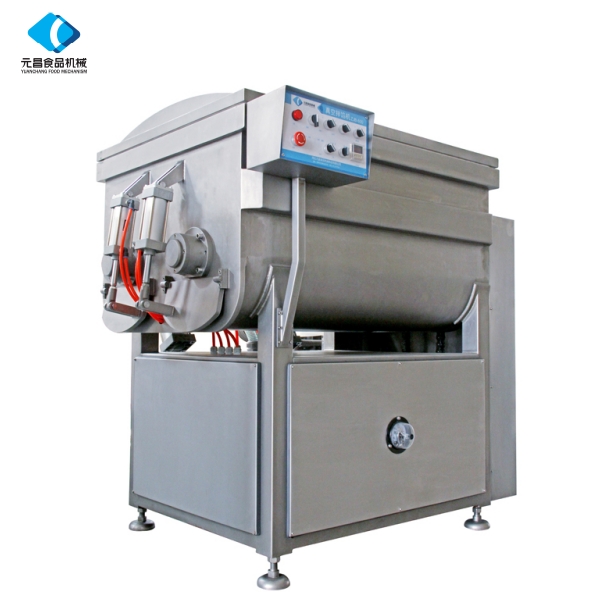
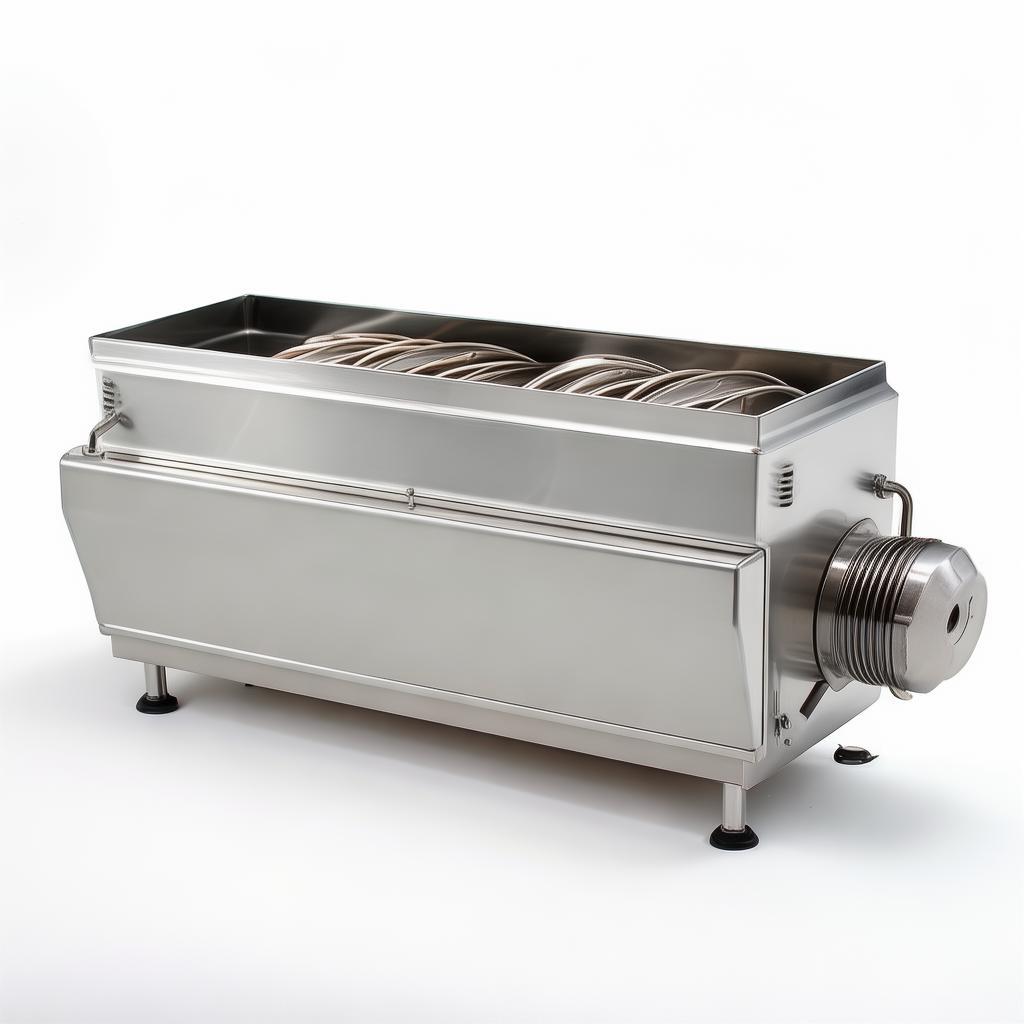
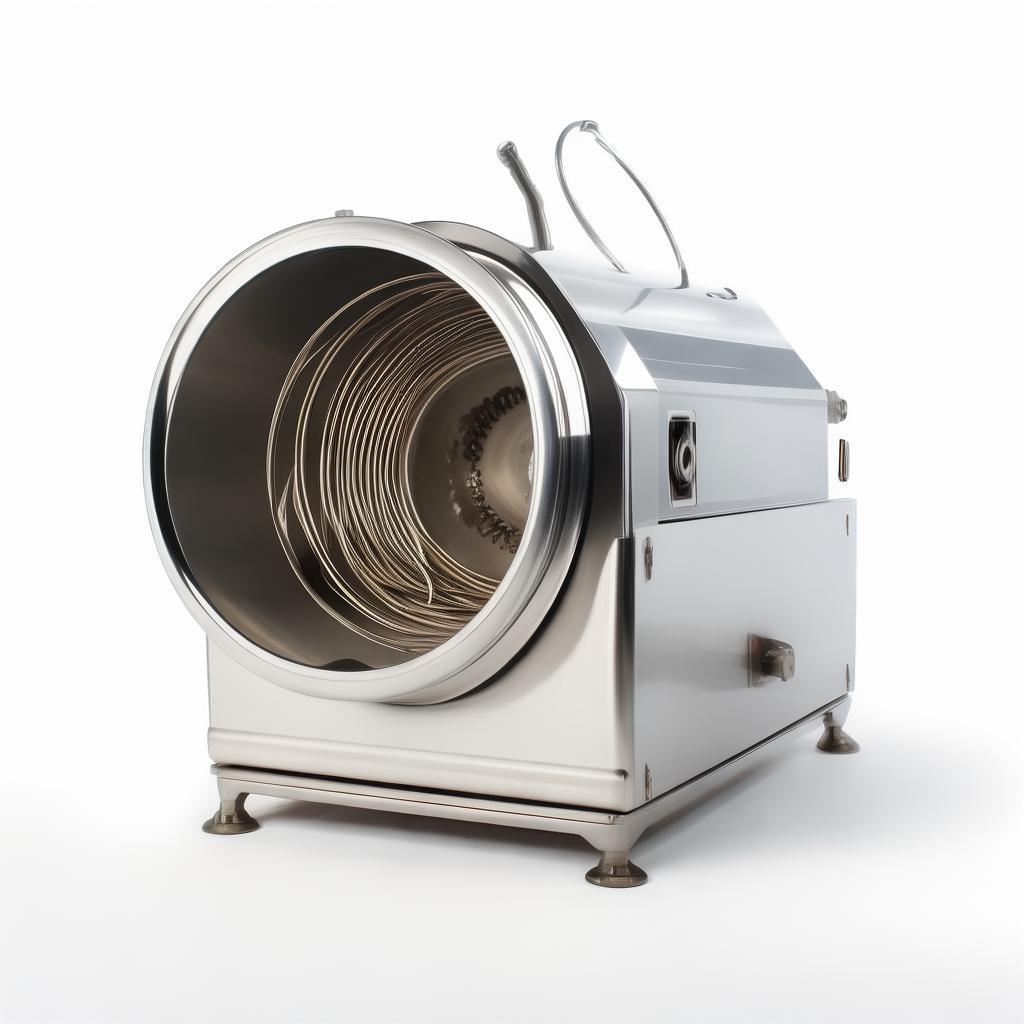
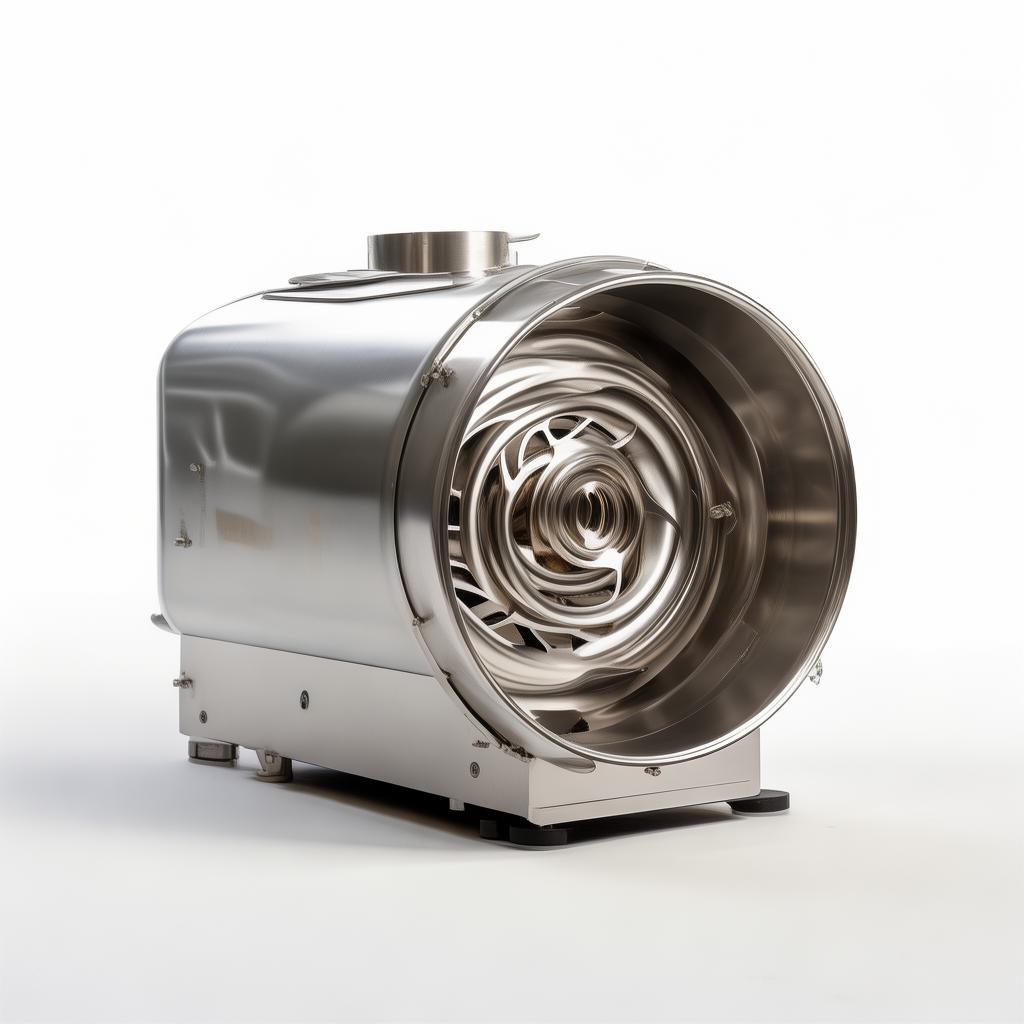
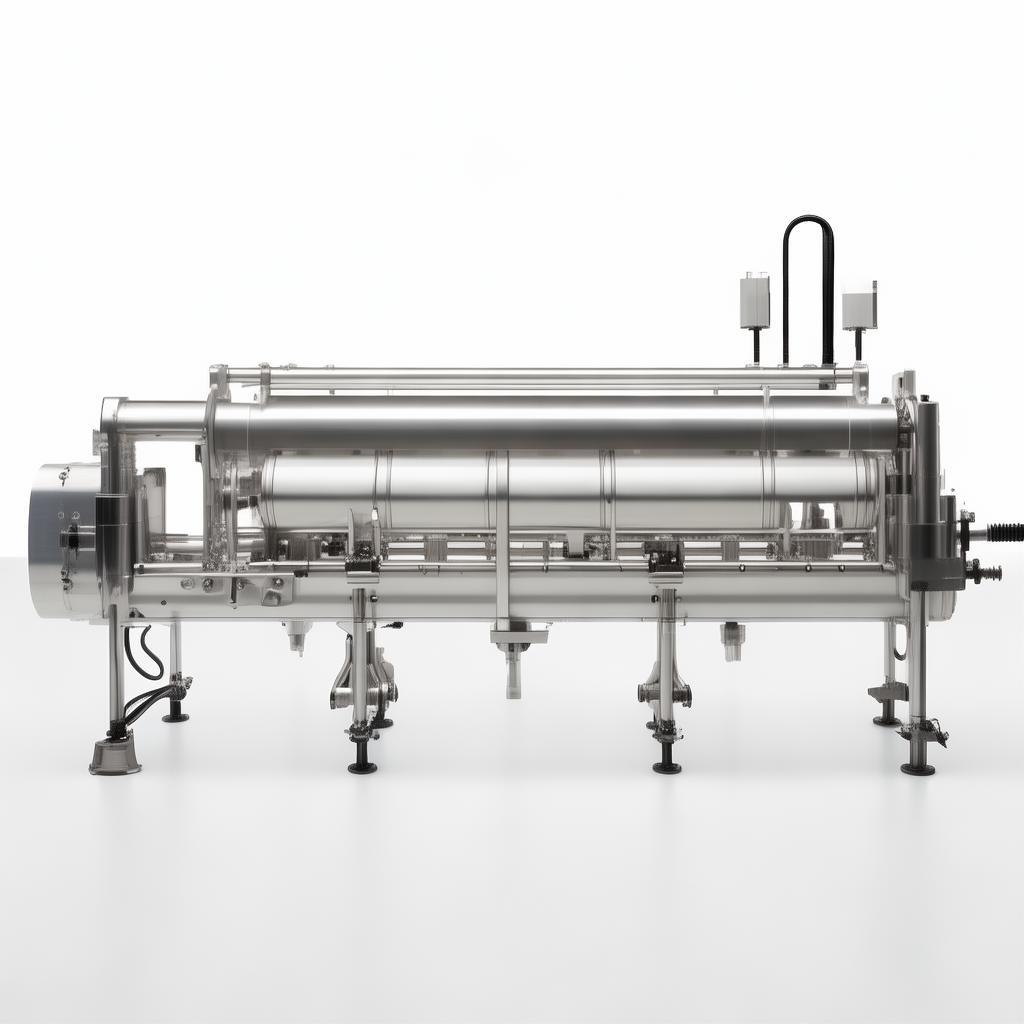
Toledo Meat Slicer
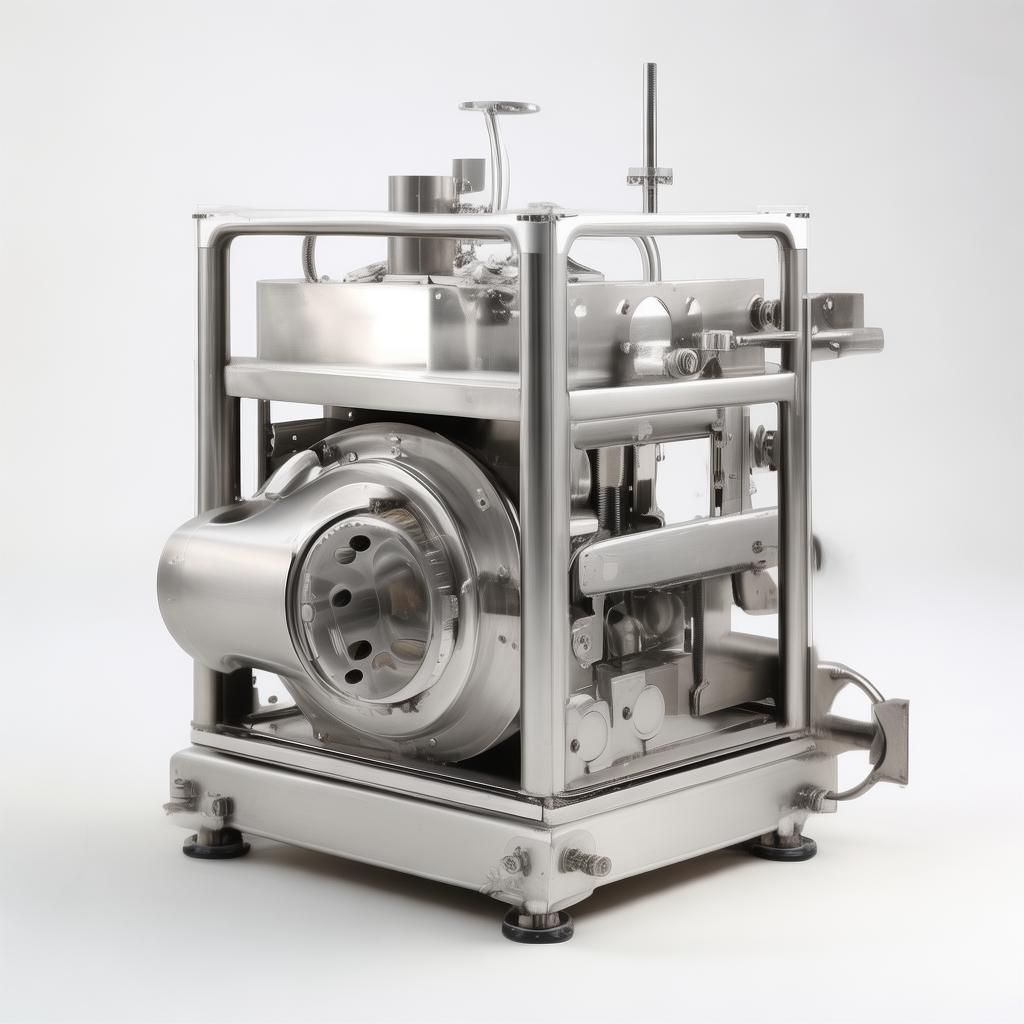
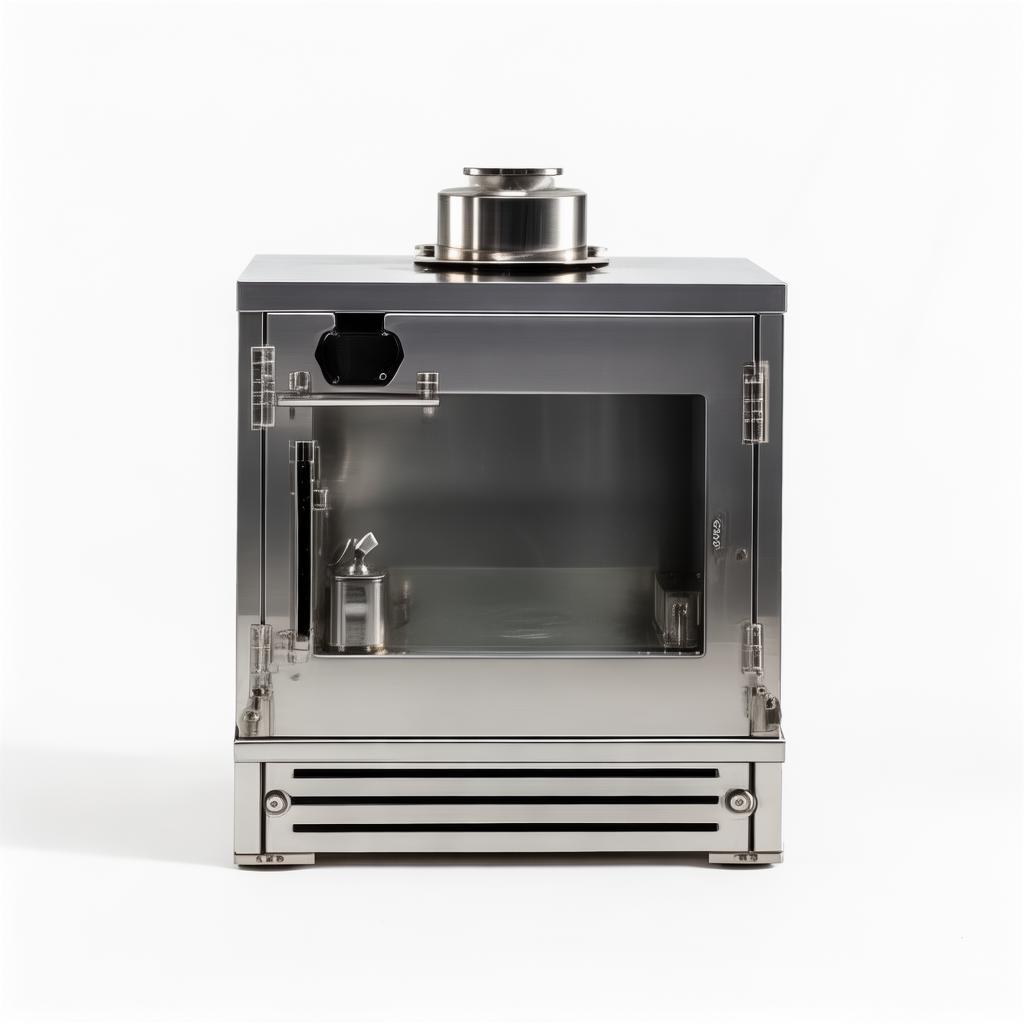
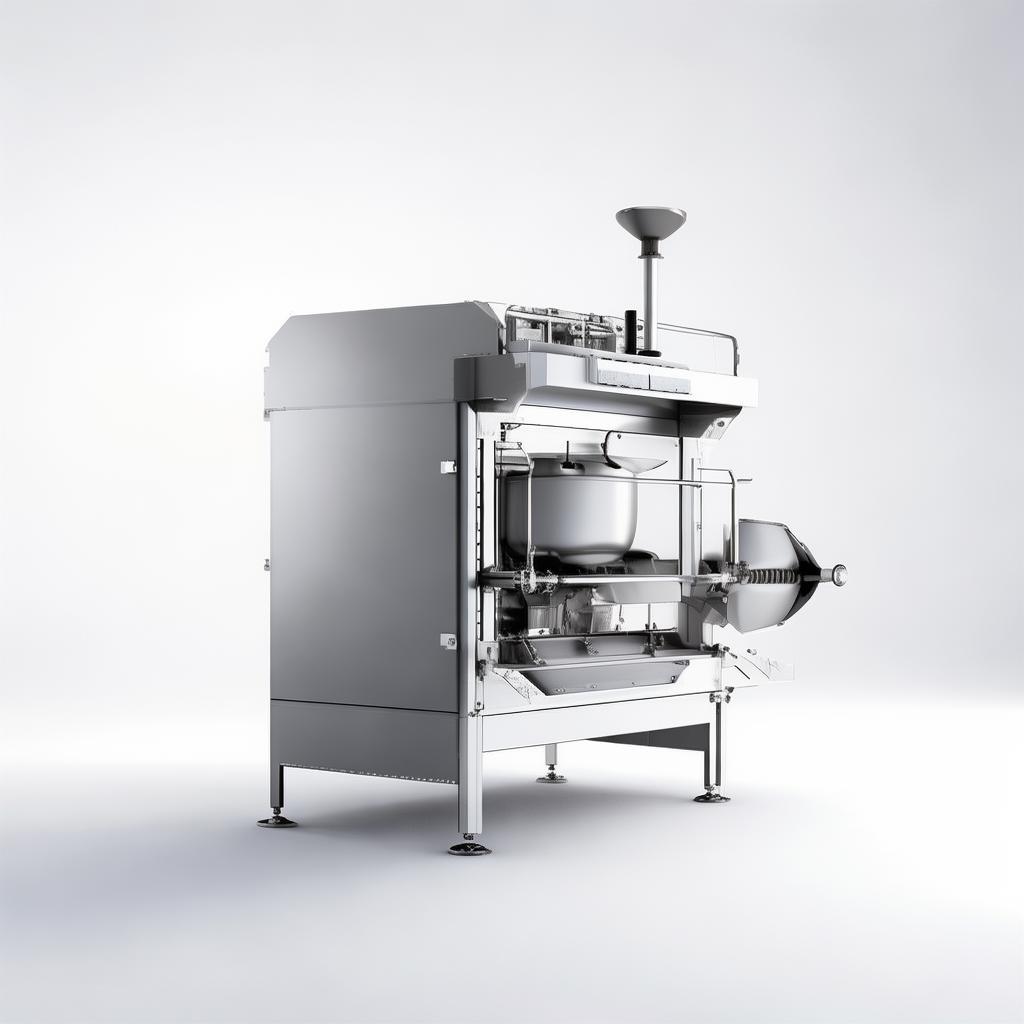
Toledo Meat Slicers: Precision Engineering for Your Export Operations
Engineered for accuracy, durability, and efficiency in demanding international food processing environments.

By: Johnathan Chen
Senior Export Engineer & Product Specialist
The Critical Role of Precision in Modern Meat Processing
In the fast-paced world of international food manufacturing, especially within the processed meat sector, precision isn't just a desirable trait—it's a fundamental requirement. For buyers in the USA and other English-speaking markets looking for reliable, high-volume meat processing equipment, understanding the nuances of slicing technology is paramount. We're not just talking about cutting meat; we're discussing consistency, yield optimization, food safety compliance, and ultimately, profitability. The demand for processed meats—from deli slices and sausages to pre-packaged meals—continues to climb globally. Market analyses consistently show robust growth, with projections for the global meat processing equipment market alone reaching anywhere from USD 15 billion to upwards of USD 30 billion by 2034, depending on the report's scope and segments. For instance, Fortune Business Insights projects the market at USD 17.39 billion by 2034, driven by automation and rising demand for processed items. This isn't just about scale; it's about how efficiently and accurately that scale is achieved. Grand View Research also highlights the market's trajectory, estimating it at USD 15.04 billion by 2030, emphasizing the essential role of slicing, filling, and massaging equipment in meeting consumer needs for ready-to-eat products and ensuring adherence to stringent food safety standards.
When procurement managers, operations directors, or technical engineers in the meat processing industry evaluate equipment like a 'Toledo meat slicer,' they're not just searching for a generic cutting tool. They're often looking for a specific benchmark of quality, reliability, and performance that the Toledo brand has historically represented in certain regions. However, as global supply chains evolve, discerning buyers understand that the core competencies of precision engineering and robust manufacturing are found in factories worldwide. The challenge lies in identifying those suppliers who can consistently deliver on these critical aspects, especially when sourcing for export. This page dives deep into what makes a meat slicer truly excel in an industrial, international setting, focusing on the engineering principles and operational advantages that define top-tier equipment, akin to what one would expect from a leading brand, but sourced with the direct-factory advantage of Hebei Yuanchang.
Our aim here is to cut through the marketing noise and provide a clear, technically informed overview of what discerning buyers should look for. We'll cover the critical components, the material science, the ergonomic considerations for operators, the ease of cleaning and maintenance (a huge factor in HACCP compliance), and the sheer output capability required for high-volume production. We understand the procurement decision workflow; it’s a rigorous process balancing cost, quality, lead times, and after-sales support. Therefore, this guide is structured to address these points directly, demonstrating why our approach to manufacturing, particularly for machines like industrial meat slicers, is built for the demands of the global market. Whether you're replacing aging equipment, expanding capacity, or setting up a new processing line, understanding the core engineering behind a reliable meat slicer is the first step to securing a wise investment.
The market for meat processing equipment is dynamic. Reports from Skyquestt suggest a market value of USD 19.66 billion by 2033, with a CAGR of 5.6%. This growth is fueled by several factors: the persistent demand for processed and convenience meats (driven by urbanization and changing consumer lifestyles), the ongoing need for automation to address labor shortages and enhance hygiene, and the ever-stricter global food safety regulations. Equipment that facilitates precise portioning, consistent slicing thickness, and efficient operation are at the heart of this demand. Furthermore, IMARC Group forecasts the market at USD 29.8 billion by 2034 with a CAGR of 5.43%, underscoring the importance of pretreatment, forming, and ripening technologies. For a meat slicer, this translates to needing machines that are not only robust but also adaptable to various meat types and processing requirements, all while maintaining a high degree of operational safety and ease of maintenance. We at Hebei Yuanchang have dedicated ourselves to mastering these aspects of meat processing machinery for over four decades, ensuring our 'Toledo meat slicer' equivalents meet and exceed these global standards.
Our focus extends beyond mere manufacturing. We integrate research and development with production and sales, specializing in a range of meat processing equipment. This holistic approach allows us to understand the entire production chain, from raw material pretreatment to the final product. For industrial meat slicers, this means considering how the machine interfaces with upstream (e.g., conveyors, grinders) and downstream (e.g., packaging, portioning) equipment. A well-designed slicer should not create bottlenecks, nor should it compromise the integrity of the product. It must deliver consistent results, minimizing waste and maximizing yield. This deep understanding is what allows us to produce machines that truly perform in demanding export markets. Consider the Yahoo Finance outlook, predicting the market to reach USD 18 billion by 2033 at a 5% CAGR, with slicing equipment being a significant component. This continuous demand underscores the need for suppliers who can offer reliability and scalability. The term 'Toledo meat slicer' often implies a certain standard, and we are committed to providing that standard, backed by direct manufacturing capabilities and extensive experience.
Navigating the Operational Challenges in High-Volume Meat Processing
Operating a modern meat processing facility, particularly one involved in international export, presents a unique set of challenges. These aren't minor inconveniences; they are critical factors that can significantly impact output, compliance, and overall business success. For anyone involved in the procurement or operation of equipment like industrial meat slicers, recognizing these pain points is the first step toward finding effective solutions.
- Consistency and Yield Variance: Inconsistent slicing thickness leads to inaccurate portioning, which directly affects product costing and customer satisfaction. Over-slicing can mean lost revenue due to wasted product. Achieving uniform slices, whether for delicatessen products, jerky, or processed meat components, requires absolute precision in blade speed, carriage movement, and slice thickness control. "We lost almost 3% of our product yield last quarter due to inconsistent slicing on older machines," shared a procurement manager from a UK-based firm.
- Hygiene and Food Safety Compliance: With regulations like HACCP and GMP becoming stricter globally, sanitation is non-negotiable. Equipment must be designed for easy, thorough cleaning. Difficult-to-reach crevices or materials that harbor bacteria are unacceptable. A meat slicer that cannot be quickly and effectively dismantled and sanitized poses a significant risk of contamination and regulatory non-compliance.
- Operator Safety and Ergonomics: High-volume slicing involves repetitive tasks. Machines must be designed with operator safety as a priority, featuring interlocks, blade guards, and ergonomic controls to prevent accidents and reduce strain. An uncomfortable or unsafe working environment leads to decreased productivity and potential injuries.
- Durability and Maintenance Overhead: Industrial environments are tough. A meat slicer must withstand continuous operation, often with abrasive products. Frequent breakdowns or the need for constant repairs translate into costly downtime and increased maintenance expenses. Sourcing equipment that is built with high-grade materials and robust construction is essential for long-term operational efficiency.
- Throughput and Bottlenecks: In a production line, the slicer is often a critical juncture. If it cannot keep pace with upstream and downstream operations, it creates a bottleneck, reducing overall plant efficiency. The ability to handle large volumes of product quickly and continuously is a key performance indicator for any industrial slicing equipment. Reports from Mordor Intelligence indicate that grinding, mixing, and filling equipment often dominate, but slicing is an inseparable part of the process for many products, necessitating synchronized throughput.
- Versatility for Different Products: Meat processors often handle a variety of products—beef, pork, poultry, cured meats, fresh meats. An ideal slicer should be adaptable to different textures and densities without requiring extensive retooling or compromising slice quality.
prosciutto meat slicer food and meat slicer cooked meat slicer
Addressing these points requires more than just a powerful motor. It demands intelligent design, quality materials, and a deep understanding of the processing environment. For buyers seeking equipment that aligns with the performance often associated with brands like Toledo, focusing on these core operational aspects is crucial. Precedence Research notes the strong growth in demand for filling, tenderizing, and ripening equipment, but these systems are only as good as the product fed into them. Consistent, high-quality slicing is foundational.
Precision Engineered: The Hebei Yuanchang Industrial Meat Slicer Series
At Hebei Yuanchang, we've spent over 40 years honing our expertise in meat processing machinery. We understand that the name 'Toledo' has set a benchmark for many. Our mission is to provide that same level of precision, durability, and operational efficiency, directly from our factory to your international operations. Our range of industrial meat slicers is not merely a component; it's a cornerstone of efficient meat processing, designed to tackle the challenges discussed above head-on. We engineer our machines with a singular focus: to deliver exceptional performance and unwavering reliability, batch after batch, year after year.
Our slicers are built for the rigors of high-volume, international export markets. This means robust construction using food-grade stainless steel, powerful yet energy-efficient motors, and precisely calibrated slicing mechanisms. We leverage our in-house machining capabilities, including advanced Japanese Mazak CNC machining centers, to produce components with exacting tolerances. This ensures that every part, from the blade mounting to the carriage guide, functions flawlessly, contributing to the machine's overall performance and longevity.
Consider the Fortune Business Insights report highlighting the growth in filling, massaging, and cutting equipment. Our slicers are designed to seamlessly integrate into such lines, ensuring a consistent flow of perfectly sliced product. We offer various models tailored to different throughput needs and product types, from delicate cooked meats to firmer cured products. Each machine is a testament to our commitment to quality manufacturing and our deep understanding of the food processing industry's demands. For buyers seeking equipment that performs like a high-end brand but offers direct-factory value and support, our Toledo-class meat slicers are the intelligent choice.
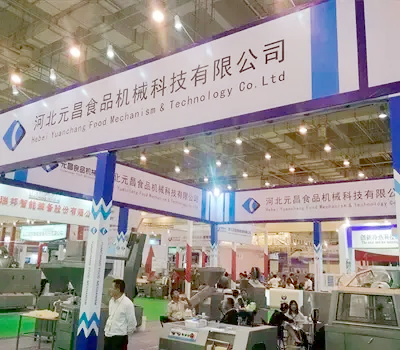
Our advanced manufacturing facility ensures precision components for every meat slicer.
We don't just build machines; we build partnerships. Our export managers and technical engineers work closely with clients worldwide to ensure they select the optimal slicer for their specific application. Whether it's for a large-scale meat packing plant in the USA, a specialty food producer in Europe, or a distribution center in Australia, our focus remains on delivering a reliable, high-performance solution that contributes directly to your operational success and bottom line. The term 'Toledo meat slicer' often brings to mind robust, reliable performance, and that's precisely the standard we uphold and deliver through our own meticulously engineered machines.
Technical Specifications & Key Performance Features
Understanding the technical specifications of an industrial meat slicer is crucial for making an informed procurement decision. Our machines are designed with performance, safety, and ease of maintenance as core principles. Here are the key features and specifications that define our equipment:
| Feature | Specification | Benefit for Your Operation |
|---|---|---|
| Blade Diameter | Options from 250mm to 350mm (10" to 14") | Accommodates varying product sizes and throughput demands. Larger blades mean fewer passes for larger items. |
| Motor Power | 200W to 500W (0.25 HP to 0.75 HP) Heavy-Duty Induction Motor | Reliable power for consistent slicing through tough or frozen meats without bogging down. Long motor life. |
| Slice Thickness Control | Precise adjustment from 0.5mm to 15mm (0.02" to 0.6") | Achieve exact portion control, reduce waste, and meet precise product specifications for deli, jerky, or formed meats. Fine-tuning capabilities. |
| Blade Material | Hardened Chromium-Plated Steel (e.g., 420 Stainless Steel) | Exceptional sharpness retention, corrosion resistance, and durability for extended operational life and reduced resharpening frequency. |
| Construction Material | Food-Grade Stainless Steel (e.g., AISI 304) Construction | Superior hygiene, corrosion resistance, ease of cleaning, and long-term durability meeting international food safety standards. |
| Safety Features | Blade guard, carriage interlock, emergency stop button, non-slip feet. | Enhanced operator safety, compliance with safety regulations, and protection against accidental activation. |
| Cleaning Access | Removable blade, carriage, and meat grip for thorough sanitation. | Facilitates rapid and effective cleaning, crucial for HACCP compliance and preventing cross-contamination. |
| Voltage/Power Supply | Configurable for 110V/60Hz, 220V/50Hz, 220V/60Hz, 380V/50Hz (3-Phase options available) | Ensures compatibility with electrical standards in various international markets. |
Our engineering team pays close attention to the practicalities of operation. The carriage mechanism, for instance, is designed for smooth, consistent travel, ensuring uniform slice thickness even with semi-frozen products. The blade sharpening system is integrated and easy to use, allowing operators to maintain peak blade performance with minimal downtime. These details matter significantly in an industrial setting, directly impacting the quality of your final product and the efficiency of your processing line. The meat processing equipment market, valued at approximately USD 11.29 billion in 2025 according to Fortune Business Insights, thrives on such well-engineered components.
Versatile Applications Across the Meat Processing Spectrum
The versatility of a well-designed industrial meat slicer makes it an indispensable piece of equipment for a wide array of applications within the food processing industry. Our machines are engineered to excel across diverse operational needs, consistently delivering high-quality results.
Deli & Charcuterie Production
Producing consistent, paper-thin slices of ham, turkey, roast beef, and other deli meats. Our precision slice thickness control ensures accurate portioning for retail packaging and food service.
Sausage & Processed Meat Manufacturing
Slicing large-diameter sausages, salami, and other processed meat products for consumer-ready packaging or further processing. The robust motor handles dense products with ease.
Jerky & Dried Meat Production
Achieving uniform thickness in meat strips for jerky production is critical for consistent drying and quality. Our slicers deliver this uniformity, maximizing yield and product integrity.
Pre-Portioning for Food Service
Restaurants, hotels, and catering businesses rely on precisely portioned meat cuts. Our slicers automate this process, saving labor and ensuring cost control.
Specialty Meat Products
From char siu to marinated meats, many specialty products require specific slicing profiles. Our adjustable thickness settings allow for customization.
The Global Meat Processing Equipment Market, as reported by IMARC Group, is projected to reach USD 29.8 billion by 2034. A significant portion of this market's value is tied to equipment that ensures product quality and consistency, like industrial slicers. The ability to handle various meat types—from poultry and pork to beef and lamb, and even semi-frozen cuts—is a hallmark of a superior machine. This adaptability is key for processors serving diverse international markets with varied consumer preferences. Our equipment is built to be the reliable workhorse that supports these varied demands, ensuring your production line runs smoothly, regardless of the product.
When considering equipment for international export, it's essential to select machines that are not only powerful but also adaptable. The market demands vary, and a truly valuable piece of equipment can handle multiple product types and slicing specifications. Our machines are designed with this adaptability in mind, ensuring you can pivot your production to meet evolving market needs without requiring a complete equipment overhaul. This flexibility is a significant advantage in the competitive global food industry.
Smart Procurement: What to Look For in a Global Meat Slicer Supplier
Sourcing industrial equipment from overseas requires a strategic approach. When looking for a 'Toledo meat slicer' equivalent or any high-quality industrial slicer, international buyers need to evaluate suppliers thoroughly. Beyond the machine itself, the supplier's capabilities and reliability are critical. Here's what to consider:
- Manufacturing Experience & Vertical Integration: Look for suppliers with a long history in manufacturing specialized equipment. Those with in-house machining capabilities (like our 20+ sets of processing machinery and Japanese Mazak CNC centers) can ensure higher precision and control over component quality. This direct control is vital for consistency and long-term reliability. "We prefer factories that control most of their component production," noted an operations manager. "It means fewer excuses if something goes wrong."
- Export Compliance & Documentation: Ensure the supplier is experienced in exporting. They should be able to provide all necessary documentation for customs, import duties, and compliance in your region (e.g., CE marking assistance, FDA material compliance if applicable).
- After-Sales Support & Spare Parts: This is paramount for international buyers. A traceable after-sales management system, readily available spare parts, and responsive technical support can prevent costly downtime. Inquire about lead times for critical components.
- Customization Capabilities (OEM/ODM): If you have specific requirements, can the supplier adapt their standard designs or build a custom machine to your specifications? Understanding OEM (Original Equipment Manufacturer) and ODM (Original Design Manufacturer) services is key here.
- Quality Control & Certifications: What quality control processes are in place? Do they hold relevant certifications (e.g., ISO)? While a specific 'Toledo' certification might not be applicable, look for equivalent industry standards.
- Logistics & Shipping Expertise: A good supplier will have experience coordinating international shipping, including container loading optimization and understanding shipping documentation requirements.
At Hebei Yuanchang, we meet these criteria. Our 40 years of experience since 1986, coupled with our modern manufacturing facilities and dedicated export team, positions us as a reliable partner for global buyers. We understand the procurement decision workflow involves risk mitigation, and our goal is to minimize that risk for you. As Market Research Future reports, the market expects robust growth, meaning reliable suppliers are crucial for keeping production lines running smoothly.
Our Manufacturing Backbone: Hebei Yuanchang – 40 Years of Expertise
Hebei Yuanchang Food Mechanism & Technology Co., Ltd. isn't just another manufacturer. We are a vertically integrated company with a legacy spanning over four decades, deeply rooted in the principles of precision engineering and robust production. Established in 1986, we have cultivated extensive practical knowledge and expertise, evolving from basic fabrication to sophisticated, high-precision manufacturing.
Our expansive 14,000 square meter facility houses a dedicated team of 80-100 skilled professionals. This allows us to seamlessly integrate Research & Development, production, and sales, ensuring a cohesive approach to product innovation and quality control. A core strength lies in our in-house machining workshop, equipped with over 20 sets of advanced processing machinery. This includes lathes, milling machines, high-precision grinding machines, and wire cutting equipment, enabling us to produce critical components with exceptional accuracy.

State-of-the-art CNC machining centers ensure component precision.
A significant leap in our manufacturing capability came in 2012 with the investment in 8 sets of Japanese Mazak CNC machining centers. This advanced technology empowers us to undertake the production of high-standard components requiring large volumes, extreme precision, and non-standard specifications. This capability is not just about advanced machinery; it’s about the expertise to leverage it for optimal results, producing parts that meet exacting international standards. The meat processing equipment market continues to demand higher precision and automation, areas where our CNC investment pays dividends.
Crucially, this in-house production of high-precision parts is integrated with our traceable after-sales management system. This means we can guarantee the quality and origin of every critical component, ensuring a level of support and reliability that alleviates common concerns for international buyers. When you source a meat slicer from Hebei Yuanchang, you are benefiting from decades of accumulated knowledge, state-of-the-art manufacturing technology, and a commitment to providing worry-free, high-performance equipment.
Our experience extends across complete production lines for meat products, including pretreatment, filling, molding, and ripening processes. This holistic understanding allows us to design and manufacture ancillary equipment, like our industrial meat slicers, that perfectly complements other stages of meat processing. The Global Meat Processing Equipment Market is projected by Precision Business Insights to reach USD 30,337.1 million by 2032, indicating a strong demand for manufacturers with comprehensive capabilities.
Our Commitment to Global Standards: Certifications and Compliance
For international buyers, particularly those in regulated markets like the USA, ensuring that processing equipment meets stringent safety and quality standards is non-negotiable. At Hebei Yuanchang, we understand that compliance isn't just a requirement; it's a fundamental aspect of building trust and ensuring the long-term success of our clients' operations.
While specific certifications can vary by machine type and target market, our manufacturing processes adhere to internationally recognized quality management systems. We are committed to ensuring our equipment meets critical benchmarks for hygiene, safety, and material compliance. We actively work to ensure our products align with standards such as:
- ISO 9001 Principles: Our internal quality management systems are structured to align with ISO 9001 principles, focusing on continuous improvement, customer satisfaction, and process efficiency. This ensures consistency in production and product quality.
- Food-Grade Material Compliance: All materials that come into contact with food, including the stainless steel used in our slicers, are sourced to meet international food-grade standards (e.g., AISI 304, FDA-compliant plastics where applicable).
- Electrical Safety Standards: For equipment destined for markets like the USA and Europe, components are selected to meet relevant electrical safety standards (e.g., UL, CE directives) to ensure safe operation and compliance with import regulations. We can configure our machines for 110V/60Hz or 220V/50-60Hz requirements.
- CE Marking Assistance: For clients requiring CE marking for the European market, we can provide the necessary documentation and ensure our machinery meets the essential requirements of relevant EU directives.

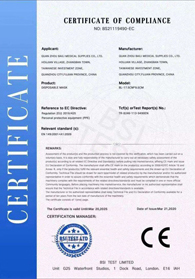

We adhere to rigorous standards to ensure global market compliance.
Our dedication to quality is reflected in the trust placed in us by clients worldwide. The Meat Processing Equipment Market Size, Share & Industry Analysis from Fortune Business Insights highlights the growing demand for automation and adherence to strict food safety standards as key market drivers. By prioritizing compliance and robust manufacturing practices, we provide equipment that not only performs exceptionally but also safeguards your operations and brand reputation. We are always available to discuss specific certification needs for your target market.
Voices from the Field: What Our Global Clients Say
Real-world feedback from businesses like yours is the ultimate testament to our equipment's performance and our commitment to service. Here’s what some of our international clients have shared:
"We imported two of their industrial slicers for our deli meat production line in Chicago. The consistency in slice thickness is remarkable, significantly reducing our product giveaway. The build quality is solid, comparable to machines we've used that cost twice as much. Their export team was very responsive throughout the process."

Chicago, USA
"We needed a robust slicer for our smoked sausage production in Australia. Hebei Yuanchang provided a solution that handles the denser product without issues. Cleaning is straightforward, which is a huge plus for our food safety protocols. The lead time for delivery was also within our projected schedule."

Melbourne, Australia
"As a distributor of food processing equipment in Canada, we are always looking for reliable manufacturers. The quality and performance of the meat slicers we sourced from Yuanchang have been consistently excellent. Their willingness to discuss technical specifications and provide documentation for our clients has been invaluable."

Toronto, Canada
These testimonials reflect our ongoing commitment to delivering not just machinery, but operational advantages. We believe that the performance of our equipment in diverse international settings underscores the depth of our engineering and manufacturing expertise. The consistent demand for equipment like ours is well-documented; for example, SnS Insider reports the meat processing equipment market reaching USD 16.36 billion by 2032, driven by efficiency and quality needs.
Ensuring Longevity: Installation, Operation, and Maintenance Best Practices
The performance and lifespan of any industrial equipment are heavily influenced by how it is installed, operated, and maintained. Our meat slicers are designed for robust service, but following best practices is key to maximizing their efficiency and durability, especially in demanding export environments.
Installation Considerations:
- Stable Surface: Ensure the slicer is placed on a level, stable, and vibration-dampening surface. Proper leveling is crucial for consistent slicing and preventing undue stress on components.
- Electrical Connection: Verify that the power supply voltage and frequency match the machine's specifications for your region (e.g., 110V/60Hz, 220V/50Hz, 220V/60Hz, or 380V/50Hz). Use appropriately rated electrical connections and grounding.
- Clearance: Allow adequate space around the machine for operation, cleaning, and maintenance access. Ensure good ventilation for the motor.
Operational Tips for Maximum Efficiency:
- Product Preparation: For best results, especially with tough meats, consider semi-freezing the product. This makes slicing cleaner and more precise.
- Blade Sharpness: Regularly check and maintain blade sharpness using the integrated sharpening system. A dull blade requires more force, can tear product, and puts unnecessary strain on the motor.
- Avoid Overloading: Do not force excessive amounts of product into the slicer at once. Allow the machine to work at its optimal pace to prevent motor strain and ensure slice quality.
- Correct Slice Thickness: Ensure the thickness setting is appropriate for the product. Incorrect settings can lead to inconsistent results.
Routine Maintenance for Longevity:
- Daily Cleaning: Thoroughly clean the machine after each use. Disassemble removable parts (blade, carriage, meat grip) for effective sanitation. Use food-grade sanitizers.
- Lubrication: Periodically lubricate moving parts as per the user manual to ensure smooth operation and prevent wear.
- Blade Inspection: Inspect the blade for any nicks or damage. Replace blades when they can no longer be sharpened to an optimal edge.
- Motor & Belt Check: Periodically inspect the motor and drive belt (if applicable) for wear or damage.
We provide comprehensive user manuals with each machine, detailing specific maintenance schedules and procedures. Our commitment to traceable after-sales support means we are always available to answer your technical questions or provide guidance on parts and service. Proper maintenance ensures your slicer operates efficiently for years, a key factor in the meat processing equipment market, where equipment longevity directly impacts ROI.
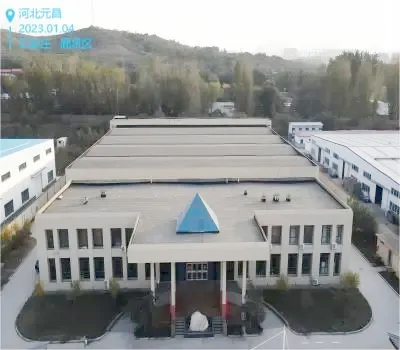
Designed for easy cleaning and maintainability.
Your Questions Answered: FAQ for Industrial Meat Slicers
- Q: Can your meat slicers handle frozen meat?
- Our industrial slicers are designed to handle semi-frozen meats with excellent results. However, fully frozen blocks may require specialized equipment or pre-treatment. For optimal performance and blade longevity, we recommend products that are firm but not rock-hard.
- Q: What is the typical lead time for international orders?
- Lead times can vary based on order volume and customization requirements. Generally, for standard models, production can take 2-4 weeks after order confirmation, followed by shipping time. We provide estimated lead times upon order placement.
- Q: How do I order spare parts if needed?
- We maintain a traceable after-sales management system. Spare parts can be ordered directly through our sales or customer service department. Providing the machine model and serial number will help us quickly identify the correct parts.
- Q: Are your machines compliant with US FDA regulations?
- Our machines are constructed using food-grade stainless steel (e.g., AISI 304) and other materials that comply with FDA standards for food contact. We can provide documentation upon request. For specific components or applications, please consult with our sales team.
- Q: What kind of warranty do you offer?
- We offer a standard warranty covering manufacturing defects. Specific terms and duration vary and are detailed in our sales agreements. Our focus on in-house precision manufacturing and quality control means we stand behind the durability of our equipment.
- Q: Can you provide installation assistance or training?
- While most of our machines are designed for straightforward installation, we offer comprehensive user manuals and remote technical support. For large-scale projects or specific training needs, please discuss this with our sales team to explore available options.
Ready to Elevate Your Meat Processing Efficiency?
Don't settle for less when it comes to precision, reliability, and output. Partner with Hebei Yuanchang for industrial meat slicers that meet global standards and drive your business forward.