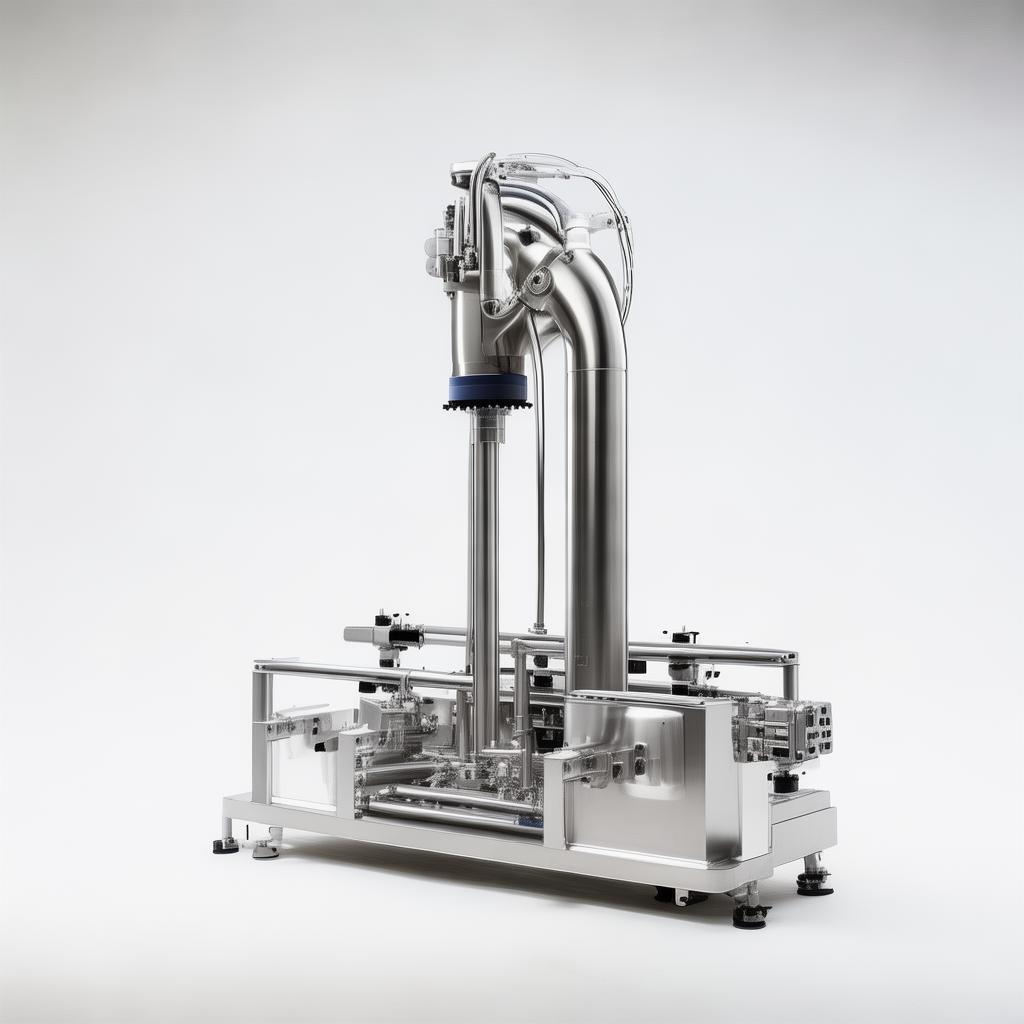
Hydraulic Cable Reel Trailer
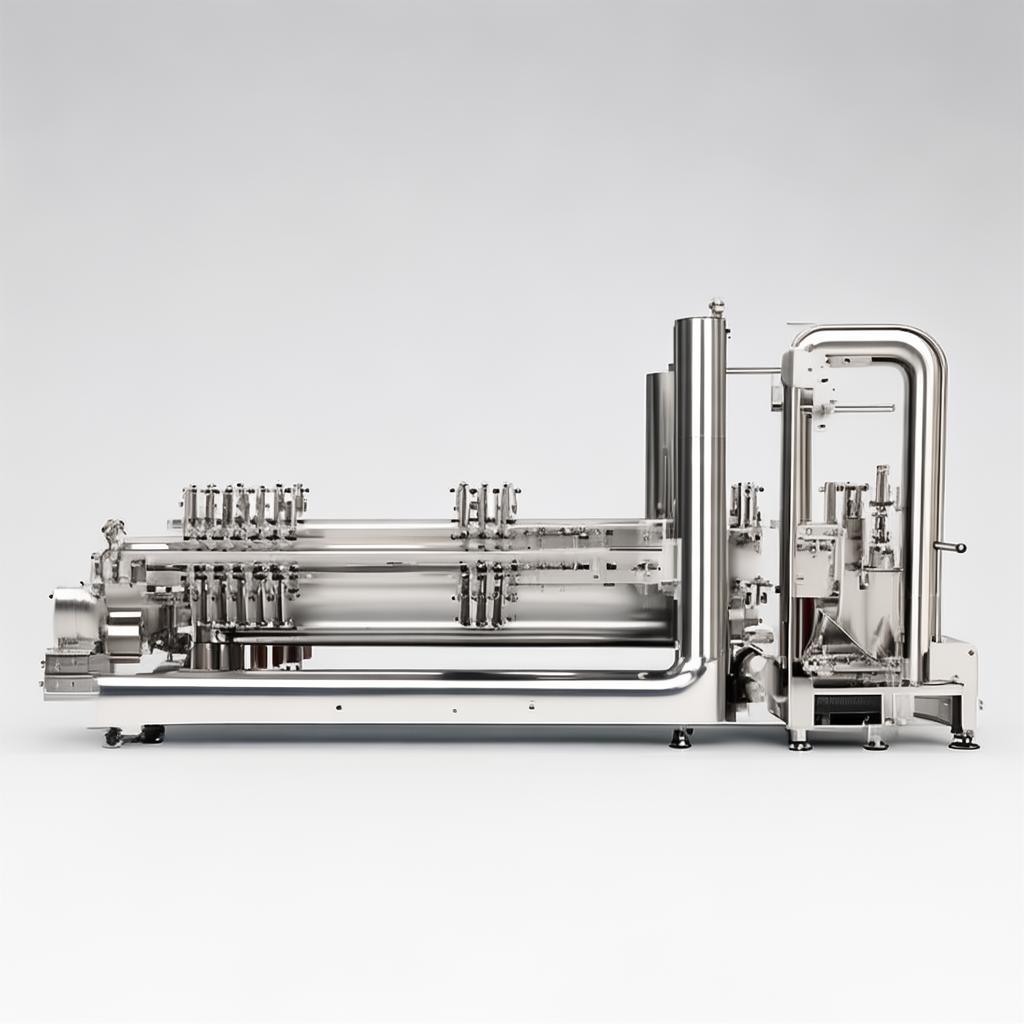
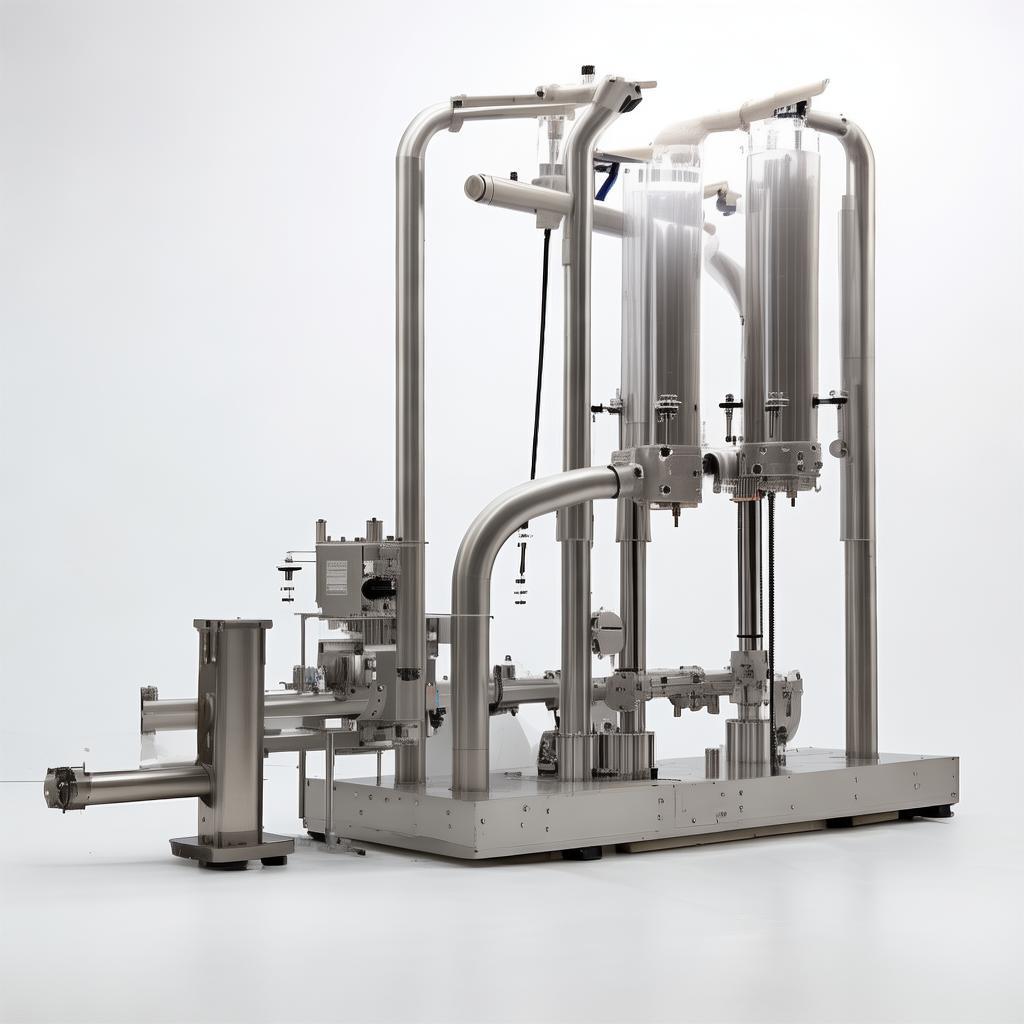
Hydraulic Cable Reel Trailers: The Backbone of Efficient Cable Deployment & Retrieval
By: Jian Li, Senior Export Manager | Hebei Yuanchang Food Mechanism & Technology Co., Ltd.

Table of Contents
- Introduction to Hydraulic Cable Reel Trailers
- Common Challenges in Cable Management
- Understanding the Hydraulic Cable Reel Trailer
- Why Choose a Hydraulic System?
- Versatile Applications Across Industries
- Key Technical Specifications to Consider
- Materials and Build Quality
- Installation and Operational Insights
- Essential Maintenance for Longevity
- Navigating Procurement: What Buyers Need to Know
- Choosing the Right Manufacturer
- Our Manufacturing Strength at Yuanchang
- Industry Standards and Certifications
- Global Logistics and Shipping
- What Our Clients Say
- Frequently Asked Questions
- Get Your Custom Quote Today
The Unseen Workhorse: Mastering Cable Management with Hydraulic Precision
In the complex world of industrial operations, power transmission, and infrastructure development, the efficient management and deployment of cables are paramount. Whether it’s laying down new power lines, retrieving fiber optic networks, or managing the extensive cabling for large-scale events, the tools we use directly impact project timelines, safety, and overall cost-effectiveness. For decades, manual methods and less sophisticated machinery have been the standard, often leading to back-breaking labor, potential cable damage, and significant delays. This is precisely where the hydraulic cable reel trailer emerges not just as an improvement, but as a fundamental shift in how these critical tasks are performed.
We’re talking about heavy-duty spools of cable, often weighing several tons, that need to be transported, unspooled, and rewound with precision and control. Attempting this with basic equipment can be a recipe for disaster. Think about the physical strain on workers, the risk of dropping a heavy reel, the potential for kinking or damaging the cable insulation during fast or uncontrolled unwinding, and the sheer time it consumes. These aren't minor inconveniences; they translate directly into increased labor costs, extended project durations, and, most critically, safety hazards. For procurement managers and operations directors, the decision to invest in robust, reliable equipment like a hydraulic cable reel trailer is often driven by the need to mitigate these very risks while boosting productivity.
The "Fit For Now (2026)" era in industrial procurement demands solutions that are not only efficient today but also adaptable and sustainable for the near future. This means equipment that leverages modern technology for enhanced control, safety, and operational uptime. Hydraulic systems, with their inherent power density and precise control capabilities, are a perfect fit. They allow operators to manage the tension and speed of cable deployment and retrieval with a level of finesse simply unattainable with manual or purely mechanical systems. This is crucial for delicate fiber optic cables, high-voltage power lines, or any application where cable integrity is non-negotiable.
At Hebei Yuanchang, with our 40 years of experience since 1986 in manufacturing robust industrial machinery, we understand the practical challenges faced on-site. Our focus has always been on building equipment that is reliable, durable, and designed with the end-user’s operational realities in mind. The hydraulic cable reel trailer is a prime example of this philosophy. It’s engineered to handle the toughest conditions, from dusty construction sites to demanding utility work, ensuring that your cable management operations are not just efficient, but also safe and compliant with industry best practices.
This isn't about a fancy gadget; it's about operational necessity. Imagine a large utility company needing to replace sections of aging power cable. The traditional method might involve a fleet of trucks, manual labor to maneuver heavy reels, and a significant amount of coordination. With hydraulic cable reel trailers, a single unit can often perform the task more safely and efficiently, reducing the manpower required and minimizing downtime. The ability to precisely control the payout speed prevents overruns and potential damage, saving costly repairs or replacements. This level of operational control is what sets modern hydraulic systems apart and makes them indispensable for forward-thinking businesses.
Furthermore, the adaptability of hydraulic cable reel trailers is a key selling point. They can be customized to accommodate various reel sizes, weights, and cable types. Whether you’re dealing with thick, heavy power cables or delicate communication lines, the right hydraulic trailer can be configured to meet your specific needs. This flexibility ensures that your investment is versatile and can support a broad range of projects, maximizing its return on investment. As we delve deeper into the specifics of these trailers, you'll see why they’ve become the preferred choice for companies serious about optimizing their cable deployment and retrieval processes.
The global market for processing equipment, which includes specialized machinery like ours, reflects a broader trend towards automation and efficiency. Reports indicate the meat processing equipment market, for instance, is growing, with segments like filling and molding equipment crucial for product consistency. While seemingly unrelated, this trend underscores a universal industrial principle: optimized processes driven by specialized, reliable machinery lead to better outcomes and market competitiveness. Our hydraulic cable reel trailers operate on the same fundamental principle – providing precision and power for a critical, yet often overlooked, aspect of industrial operations.
Common Challenges in Cable Management Operations
Before diving into the solution, it's vital to acknowledge the pain points that drive the need for advanced equipment. Many companies still grapple with outdated methods that create significant operational friction:
- Worker Safety Risks: Maneuvering heavy cable reels manually or with basic winches poses a serious risk of strains, sprains, and crush injuries. Accidental drops can lead to equipment damage and severe accidents.
- Cable Damage: Uncontrolled payout or retrieval speeds can cause cable kinks, insulation damage, or even breakage. This is especially critical for sensitive fiber optic or high-voltage cables, leading to costly replacements and repairs.
- Operational Inefficiency: Traditional methods are time-consuming. The sheer effort required to load, unload, deploy, and rewind large reels significantly extends project completion times.
- High Labor Costs: More personnel are often required to manage manual operations, driving up overall project expenses.
- Limited Reel Size/Weight Capacity: Basic equipment might struggle with the largest or heaviest reels, requiring multiple setups or even specialized, more expensive machinery.
- Environmental Exposure: Equipment left exposed to harsh weather conditions can degrade quickly, leading to frequent maintenance needs and premature replacement.
- Lack of Precision Control: Without precise tension and speed control, operators risk over-tensioning, under-tensioning, or sudden jerks that can compromise cable integrity and installation quality.
These are not abstract issues; they are daily realities for many project managers and field operations teams. Addressing them is key to improving project outcomes and overall profitability.
Introducing the Hydraulic Cable Reel Trailer: Power, Control, and Reliability
The hydraulic cable reel trailer is engineered to directly combat these challenges. At its core, it’s a robust trailer chassis equipped with a powerful hydraulic system designed to precisely manage the lifting, lowering, rotation, and tensioning of large cable reels. Unlike manual or electric systems, hydraulics offer superior torque, smoother operation, and fine-tuned control, making them ideal for heavy-duty industrial applications.
Our trailers are built on a foundation of durable steel frames, designed to withstand the rigors of daily use in demanding environments. The hydraulic power unit, typically driven by a reliable engine or PTO (Power Take-Off) from a towing vehicle, provides the muscle needed to lift even the heaviest reels onto the trailer’s spindle. Once mounted, the hydraulic drive motor and integrated control valves allow operators to precisely manage the reel’s rotation for both deployment (unwinding) and retrieval (rewinding).
Key components include:
- Heavy-Duty Trailer Chassis: Engineered for stability and load-bearing capacity, often with adjustable stabilizers for secure operation.
- Hydraulic Power Unit (HPU): The heart of the system, providing pressurized fluid to drive the reel's rotation and lifting mechanisms.
- Hydraulic Drive Motor: Converts hydraulic power into rotational motion for the cable reel spindle.
- Control Valves: Allow operators to precisely manage speed, direction, and tension of the reel.
- Reel Spindle: A robust shaft that passes through the cable reel core, allowing for secure mounting and rotation.
- Lifting/Loading Mechanism: Often a hydraulic winch or integrated lifting arms to safely load and unload reels onto the trailer.
- Safety Features: Such as emergency stop buttons, pressure relief valves, and secure locking mechanisms.
The design prioritizes ease of use, safety, and efficiency, making complex cable handling tasks manageable for a single operator.
Why Choose Hydraulic Power for Your Cable Reel Operations?
The choice between hydraulic, electric, or manual systems often comes down to performance requirements and operational demands. For heavy-duty, precise, and reliable cable management, hydraulics offer distinct advantages:
- Unmatched Power and Torque: Hydraulic systems excel at generating high torque, essential for lifting and turning massive cable reels. This power is delivered smoothly, preventing sudden jerks that could damage the cable or the equipment.
- Precise Control: Hydraulic valves allow for incredibly fine adjustments to speed and tension. This is critical for applications requiring delicate handling, such as installing sensitive fiber optic cables or maintaining specific tension levels during power line deployment.
- Durability and Reliability: Hydraulic components are known for their robust construction and longevity, even under constant use in harsh industrial environments. They are less susceptible to electrical issues and extreme temperatures compared to some electric alternatives.
- Self-Lubrication: Hydraulic fluid inherently lubricates the system's components, reducing wear and tear and extending the lifespan of the machinery.
- Adaptability: Hydraulic systems can be easily scaled up or down, and their power sources (like a vehicle's PTO) are often readily available on site, simplifying logistics.
- Weather Resistance: Many hydraulic components are designed to operate effectively in a wide range of temperatures and environmental conditions, making them suitable for outdoor, all-weather use.
- Reduced Operator Fatigue: The smooth, powered operation significantly reduces the physical strain on operators, leading to increased efficiency and fewer workplace injuries.
For tasks involving heavy reels, precision deployment, and the need for consistent performance across varied conditions, hydraulic cable reel trailers represent a smart, efficient investment.
Versatile Applications Across Key Industries
The utility and reliability of hydraulic cable reel trailers make them invaluable assets in a wide array of sectors:
- Electrical Utilities: Essential for laying underground power cables, overhead line maintenance, and deploying temporary power solutions. The precise tension control is vital for high-voltage installations.
- Telecommunications: Crucial for installing and repairing fiber optic networks, coaxial cables, and other communication lines where precision is paramount to avoid data transmission errors.
- Construction: Used for deploying temporary power and communication lines on job sites, as well as for permanent infrastructure installations.
- Mining Operations: For managing heavy-duty power cables in remote and challenging mining environments.
- Event Production: Deploying and retrieving extensive cabling for lighting, sound, and power at large-scale concerts, festivals, and sporting events.
- Industrial Manufacturing: Managing power and data cables within large factory complexes or for specialized machinery installations.
- Oil and Gas: For managing power and control cables in exploration, drilling, and processing facilities.
Any operation that involves the deployment or retrieval of significant lengths of cable on reels will benefit from the efficiency and safety of a hydraulic system.
Key Technical Specifications to Consider
When evaluating hydraulic cable reel trailers, paying close attention to technical specifications is crucial for ensuring the equipment meets your operational demands. At Hebei Yuanchang, we offer customization, but here are typical parameters:
| Specification | Typical Range / Detail | Importance for Buyer |
|---|---|---|
| Reel Capacity (Weight) | 1,000 kg to 10,000+ kg (2,200 lbs to 22,000+ lbs) | Must match or exceed the weight of your largest reels. |
| Reel Diameter Capacity | 500 mm to 2,500+ mm (20 inches to 100+ inches) | Ensures compatibility with various reel sizes. |
| Reel Width Capacity | 300 mm to 1,500+ mm (12 inches to 60+ inches) | Accommodates different reel core widths. |
| Hydraulic System Pressure | Standard industrial pressures (e.g., 2000-3000 PSI) | Indicates system power; higher pressure generally means more torque. |
| Drive Type | Hydraulic motor directly coupled to spindle or via gearbox. | Direct drive offers efficiency; gearbox can provide higher torque at lower speeds. |
| Power Source | Vehicle PTO, onboard gasoline/diesel engine, or electric motor (less common for heavy duty). | Consider your towing vehicle's capabilities and on-site power availability. |
| Braking System | Electric or hydraulic surge brakes, parking brake. | Essential for safe towing and stability, especially on inclines. |
| Chassis Construction | Heavy-gauge steel, corrosion-resistant paint/coating. | Durability and resistance to environmental factors are key. |
| Optional Features | Remote controls, integrated hydraulic winch for loading, adjustable spindle sizes, custom paint. | Consider features that enhance workflow and safety for your specific operations. |
cable reel trailers trailer hose reel pipe transport trailer
Don't hesitate to discuss your specific reel dimensions and weights with our technical team. Accurate information allows us to recommend or customize the perfect trailer for your needs.
Materials and Build Quality: The Foundation of Longevity
A hydraulic cable reel trailer is a significant investment. Its longevity and reliability are directly tied to the quality of materials and construction. We prioritize robust engineering at every stage.
Steel Construction: The primary frame and structural components are typically fabricated from high-strength, industrial-grade steel. This ensures the trailer can withstand heavy loads, vibrational stress, and the general wear-and-tear of field operations. We select steel grades that offer excellent tensile strength and impact resistance.
Hydraulic Components: We source hydraulic pumps, motors, hoses, and fittings from reputable manufacturers known for their quality and durability. High-pressure, reinforced hydraulic hoses are used to prevent leaks and withstand the demanding operating pressures. Seals and O-rings are selected for their resistance to hydraulic fluid degradation and environmental factors like UV exposure and extreme temperatures.
Surface Treatment: To combat corrosion, especially in coastal or high-humidity regions, all steel components undergo rigorous surface preparation followed by multiple layers of industrial-grade paint. For particularly harsh environments, optional hot-dip galvanizing or specialized anti-corrosion coatings can be applied, providing superior protection against rust and chemical damage.
Spindle and Bearings: The reel spindle is manufactured from solid steel, often with hardened surfaces where it interfaces with reel bearings, to ensure smooth rotation and prevent wear. High-quality bearings are used to minimize friction and ensure the reel spins freely under load.
When procuring, ask about the specific steel grades used, the brand of hydraulic components, and the type of surface treatment. This information is a strong indicator of the manufacturer's commitment to quality.
Installation and Operational Insights for the Field
Getting a hydraulic cable reel trailer operational is straightforward, but understanding best practices ensures safety and efficiency from day one.
Hooking Up the Power: If your trailer utilizes a PTO system, ensure it's properly engaged with your towing vehicle’s transmission according to manufacturer guidelines. For trailers with onboard engines, perform pre-start checks (oil, fuel, coolant) and start the engine. Familiarize yourself with the hydraulic fluid levels and check for any visible leaks.
Loading a Reel: Positioning the trailer on firm, level ground is essential. Engage the trailer's parking brake and deploy stabilizer legs if equipped. Use the integrated winch or lifting arms to carefully guide the cable reel onto the spindle. Ensure the reel is centered and properly seated on the spindle before proceeding. Many operators prefer to secure the reel with retaining collars or pins to prevent it from shifting during transport.
Deployment (Unwinding):
- Gradually engage the hydraulic controls to begin rotation.
- Monitor reel speed and cable tension closely. Adjust as needed using the control valves. Too much speed can cause tangles; too much tension can damage the cable.
- Observe the cable path to ensure it's laying correctly and not snagging.
- If using a vehicle PTO, ensure the towing vehicle's engine RPM is appropriate for optimal hydraulic pump performance without over-revving.
Retrieval (Rewinding):
- Feed the cable end securely to the reel.
- Start rewinding at a controlled speed, allowing the cable to wind neatly onto the reel.
- Maintain consistent tension to prevent slack or over-tightening.
- As the reel fills, monitor the torque required and adjust hydraulic flow if necessary.
Transport: Once the reel is securely loaded and any necessary locking mechanisms are engaged, the trailer is ready for transport. Ensure all hydraulic lines are properly secured and that the towing vehicle's braking system is adequate for the combined weight.
A brief training session for operators on the specific controls and safety features of your chosen model is highly recommended.
Essential Maintenance for Longevity and Performance
Proactive maintenance is key to maximizing the lifespan and minimizing downtime of your hydraulic cable reel trailer. Treat it like any other critical piece of industrial equipment.
-
Daily Checks (Pre-Operation):
- Inspect hydraulic fluid level. Top up with the correct type if low.
- Check for any visible hydraulic leaks (hoses, fittings, cylinder seals).
- Visually inspect the frame, spindle, and tires for any signs of damage or wear.
- Ensure all safety guards and controls are in place and functioning.
-
Weekly/Monthly Checks:
- Clean the hydraulic system components and the trailer frame.
- Check hydraulic fluid for contamination or degradation. Consider a fluid analysis if operating in very harsh conditions.
- Inspect hydraulic hoses for cracking, abrasion, or bulging. Replace if any signs of wear are present.
- Lubricate moving parts of the trailer chassis, such as suspension components and hitch mechanisms.
- Test brakes and lighting systems.
-
Annual Servicing:
- Change hydraulic fluid and filters. This is a crucial step in maintaining system efficiency and preventing component damage.
- Inspect hydraulic pump and motor for signs of wear or unusual noise.
- Check all electrical connections and wiring for corrosion or damage.
- Have a qualified technician inspect critical structural welds and components.
Always refer to the manufacturer's specific maintenance schedule provided with your trailer. Neglecting regular maintenance can lead to costly repairs and unexpected operational stoppages.
Navigating Procurement: What Buyers Need to Know
Sourcing the right hydraulic cable reel trailer involves more than just picking the cheapest option. A thoughtful procurement process will save you money and headaches in the long run.
Define Your Requirements: Before you even start looking, clearly list your needs:
- Maximum weight and dimensions of reels you'll handle.
- Type of cables (power, fiber, etc.) and any specific tension requirements.
- Typical operating environment (on-road, off-road, weather conditions).
- Towing vehicle capabilities (GVWR, PTO availability, hydraulic output).
- Any specific regulatory requirements (e.g., DOT compliance for road use in the US).
Compare Specifications, Not Just Price: A low upfront cost can mask inferior build quality, weaker hydraulics, or a lack of essential safety features. Look for:
- Robust frame construction and quality welding.
- Reputable hydraulic component brands.
- Effective braking and suspension systems.
- Ease of operation and loading/unloading.
- Warranty terms and after-sales support.
OEM vs. Standard Models: Standard models might fit many needs. However, if you have unique reel sizes or specialized operational requirements, consider OEM (Original Equipment Manufacturer) or ODM (Original Design Manufacturer) capabilities. Manufacturers like Hebei Yuanchang can modify designs or build custom trailers to your exact specifications. This ensures a perfect fit for your workflow, rather than trying to adapt your workflow to a generic machine.
Lead Times and Logistics: Understand the manufacturing lead time and shipping options. For international buyers, factor in shipping costs, customs duties, and transit times. A supplier's ability to manage international logistics efficiently is as important as the product quality itself.
Ask for Documentation: Request technical drawings, user manuals, maintenance guides, and a list of certifications. This shows the supplier is organized and provides necessary support.
Choosing the Right Manufacturer: Beyond the Product
Selecting a reliable manufacturer is as critical as selecting the right product. Your supplier is your partner in ensuring operational success.
Experience Matters: Look for manufacturers with a long track record in producing heavy-duty industrial equipment. Companies with decades of experience, like Hebei Yuanchang (since 1986), have honed their designs and manufacturing processes. They understand the demands of the industry.
Manufacturing Capabilities: A facility equipped with modern machinery, including CNC centers for precision parts and robust welding capabilities, indicates a commitment to quality. In-house manufacturing of critical components, as we do at Yuanchang with over 20 sets of processing machinery and Japanese Mazak CNC centers, provides greater control over quality and reduces reliance on external suppliers.
Export Experience: For international buyers, a supplier's experience in exporting is vital. This includes understanding international shipping, documentation requirements, and customer support across different time zones and cultures.
After-Sales Support: What happens after the sale? A strong supplier offers readily available spare parts, technical assistance, and troubleshooting support. A traceable after-sales management system, like ours, ensures you can always get the support you need.
Certifications and Standards: While not always mandatory for every component, adherence to international standards (like ISO) and availability of certifications (like CE marking where applicable) demonstrate a commitment to quality and safety.
Communication: Responsive and clear communication from the initial inquiry through to after-sales service is a strong indicator of a reliable partner.
Our Manufacturing Strength: Hebei Yuanchang's Commitment to Quality
At Hebei Yuanchang Food Mechanism & Technology Co., Ltd., our 40-year legacy since 1986 is built on a foundation of engineering excellence and a deep understanding of industrial machinery needs. While our name might suggest a focus on food processing, the core principles of precision machining, robust construction, and reliable hydraulics are transferable and form the bedrock of our capabilities. We operate across approximately 14,000 square meters with a dedicated team of 80-100 skilled professionals.
Our in-house machining workshop is a significant asset. It houses over 20 sets of advanced processing machinery, including:
- Lathes and Milling Machines for shaping and precise cuts.
- High-precision Grinding Machines for critical surface finishes.
- Boring Machines for accurate internal diameters.
- Plate Shears and Bending Machines for fabricating structural components.
- Wire Cutting Equipment for intricate and precise shapes.
Crucially, in 2012, we invested in 8 sets of Japanese Mazak CNC machining centers. This investment allows us to undertake the production of high-standard components that demand large volumes, exceptional precision, and non-standard specifications. This capability is essential for producing critical parts for hydraulic systems, spindle components, and structural elements that require tight tolerances.
Our comprehensive approach means we control the entire production process, from raw material selection to final assembly and testing. This, coupled with our traceable after-sales management system, ensures that every hydraulic cable reel trailer leaving our facility is built to the highest standards, providing you with worry-free operation and reliable performance.
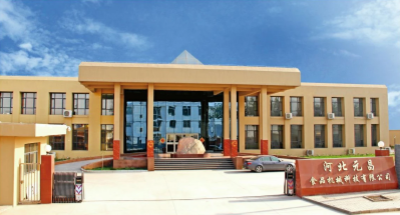
Our advanced machining facility ensures precision in every component.
Industry Standards and Compliance
While specific certifications for trailer-mounted industrial equipment can vary by region and application, adherence to quality management systems and product safety principles is paramount. We operate under stringent quality controls, and many of our components and processes align with internationally recognized standards.
Our commitment to quality is reflected in:
- ISO 9001 Principles: While we are certified for our food machinery, the underlying quality management principles of process control, continuous improvement, and customer focus are applied across all our manufacturing operations.
- Component Sourcing: We use hydraulic and mechanical components that meet industry standards for performance and safety.
- CE Marking (where applicable): For equipment destined for European markets, we ensure compliance with relevant CE directives for machinery safety.
- DOT Compliance: For trailers intended for road use in the United States, we ensure compliance with Department of Transportation regulations regarding lighting, braking systems, and overall roadworthiness.

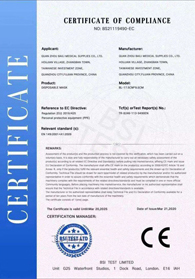
Demonstrating commitment to quality and international standards.
We work closely with our clients to ensure the equipment meets specific regional or industry compliance requirements. Please inquire about specific certifications relevant to your project.
Global Logistics and Shipping: Delivering to Your Doorstep
As an experienced international exporter, Hebei Yuanchang understands the complexities of global logistics. Our goal is to ensure your hydraulic cable reel trailer reaches its destination safely, efficiently, and on time.
Packaging: Our trailers are robustly packaged to withstand the rigors of international transit. This typically involves securing the main unit, protecting hydraulic lines and exposed parts, and using appropriate crating or securing methods for container loading.
Shipping Methods: We work with trusted freight forwarders to arrange sea freight (FCL - Full Container Load, or LCL - Less than Container Load) or air freight, depending on your urgency and budget. We can ship directly from major Chinese ports to ports worldwide.
Documentation: We handle all necessary export documentation, including commercial invoices, packing lists, bills of lading, and certificates of origin, ensuring smooth customs clearance at your end.
Incoterms: We offer flexible Incoterms arrangements (e.g., FOB, CIF, CFR) to suit your procurement preferences and responsibilities.
Container Optimization: We design our trailers with container dimensions in mind to maximize space utilization, helping to reduce shipping costs per unit. For larger orders, we can coordinate multi-unit shipments.
Estimated Timelines: While transit times vary significantly by destination, typical sea freight from China to major North American ports can range from 25 to 50 days, plus any local transit time. We provide estimated delivery schedules based on current shipping rates and port operations.
Let us know your target delivery location, and we can provide a detailed shipping plan and quotation.
What Our Clients Say
We pride ourselves on building strong relationships with our clients, understanding their needs, and delivering equipment that makes a real difference. Here’s what some of our customers have shared:
"We were struggling with the manual deployment of heavy power cables for our new substation project. The hydraulic reel trailer from Yuanchang has been a game-changer. It reduced our crew size by two and significantly sped up the cable laying process. The precision control is excellent for maintaining the right tension."
- Mark T., Operations Manager, Texas, USA

"Our fiber optic installation projects require delicate handling. We needed a reliable way to deploy and retrieve reels without damaging the sensitive cables. Yuanchang's custom-built hydraulic trailer has exceeded our expectations. The smooth operation and fine control are exactly what we needed. Their team was very professional during the entire export process."
- Sarah Chen, Project Lead, California, USA

"We needed a robust solution for managing various cable sizes on our construction sites. The hydraulic reel trailer is versatile and incredibly powerful. Loading and unloading are safe and efficient. We've experienced minimal downtime since purchasing. Highly recommend their engineering and support."
- David Rodriguez, Site Supervisor, Florida, USA

Frequently Asked Questions
Q1: Can your hydraulic cable reel trailers handle custom reel sizes?
A: Yes, absolutely. We specialize in offering customized solutions. Please provide us with the exact dimensions (diameter, width, core size) and weight of your reels, and we will engineer a trailer to fit your specific needs.
Q2: What is the typical power source for your hydraulic systems?
A: Most of our trailers are designed to be powered by the towing vehicle's PTO (Power Take-Off). Alternatively, we can equip trailers with independent gasoline or diesel engines for self-powered operation. The best option depends on your available towing vehicles and site conditions.
Q3: How long is the typical lead time for an order?
A: Lead times can vary depending on order volume and customization requirements. For standard models, it might range from 4-8 weeks. For custom-built trailers, we typically advise 8-12 weeks. We will provide a precise estimate upon order confirmation.
Q4: Do your trailers come with a warranty?
A: Yes, we provide a comprehensive warranty on our hydraulic cable reel trailers, covering structural integrity and hydraulic components. Specific warranty terms will be detailed in your quotation and sales agreement. Our traceable after-sales system ensures support throughout the warranty period and beyond.
Q5: What are the safety features included?
A: Safety is paramount. Our trailers are equipped with features such as emergency stop buttons for the hydraulic system, pressure relief valves to prevent over-pressurization, secure reel locking mechanisms, and integrated stable footing/stabilizers. We also ensure compliance with relevant road safety regulations for towing.
Ready to Optimize Your Cable Management Operations?
Invest in efficiency, safety, and reliability. Discover how a customized hydraulic cable reel trailer from Hebei Yuanchang can transform your project execution.