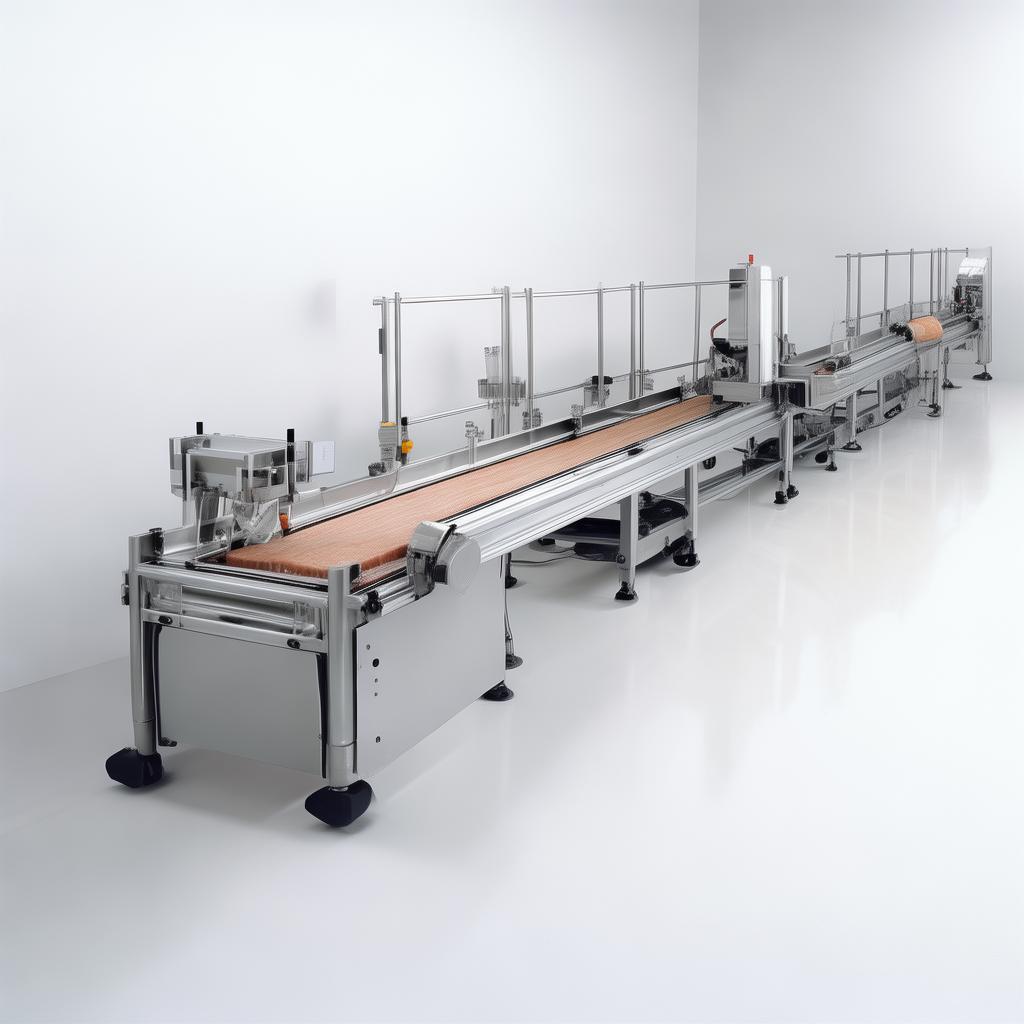
Grinding Mill Cement
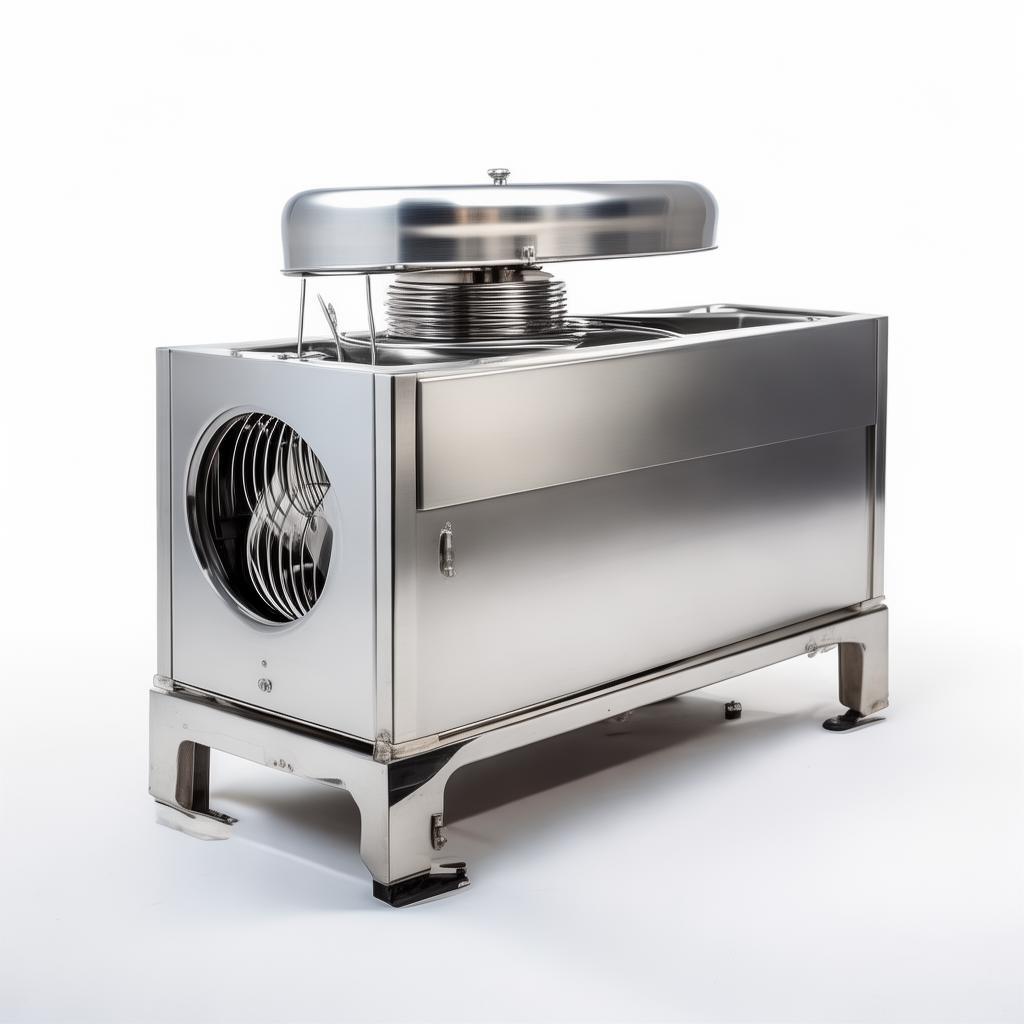
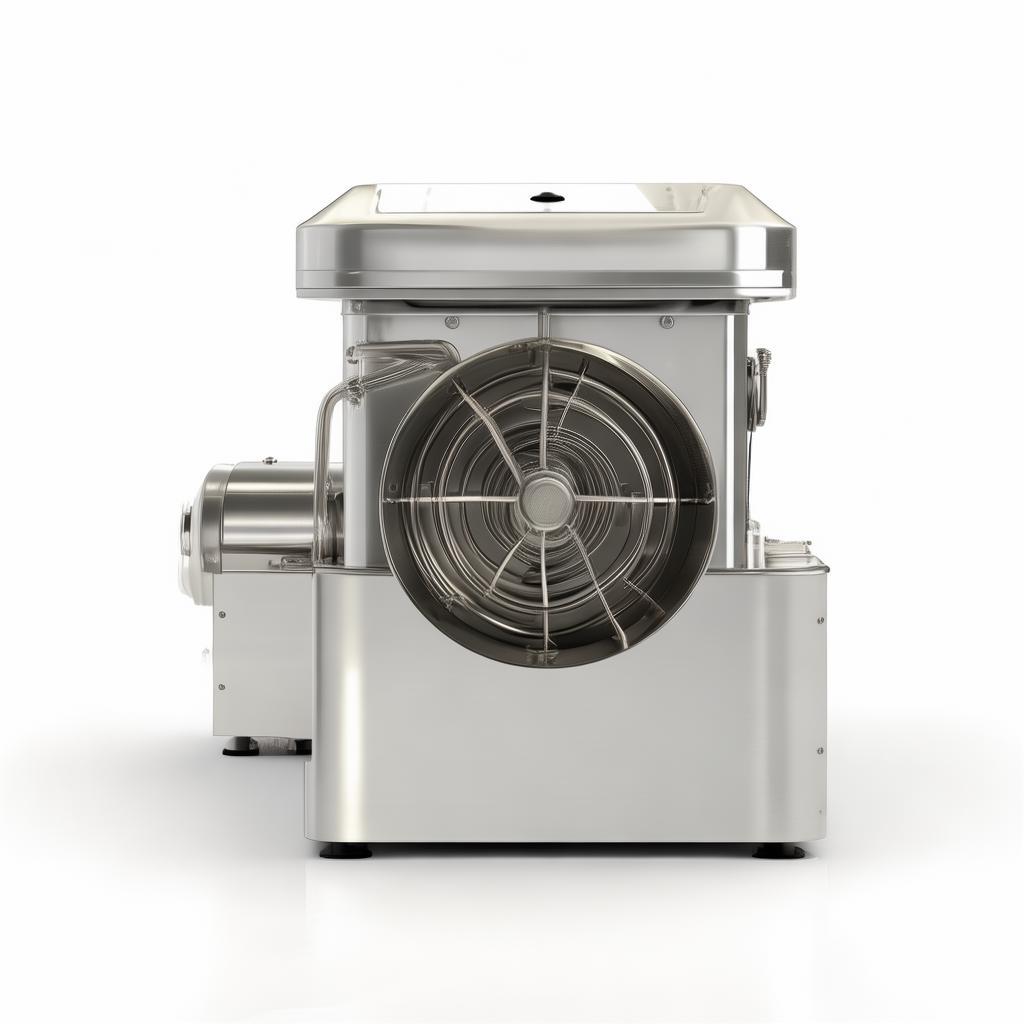
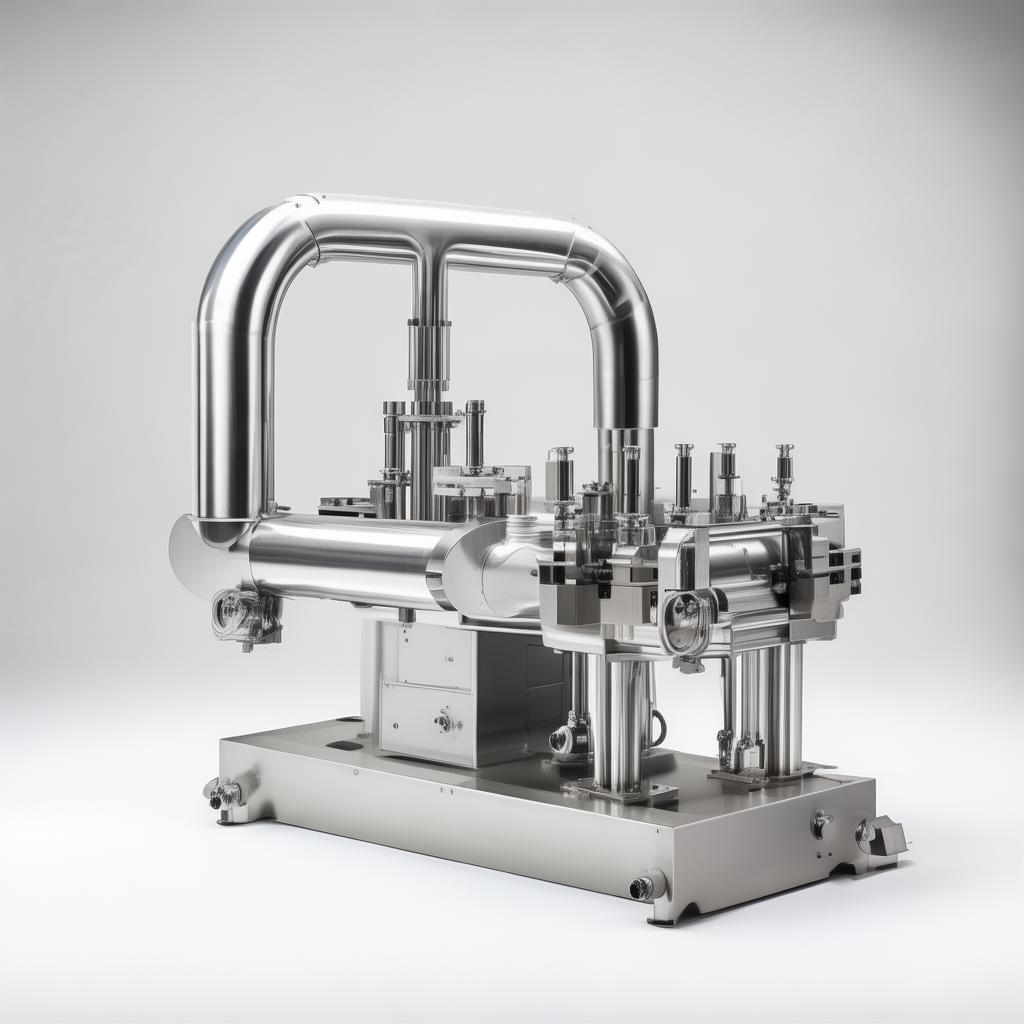
Your Trusted Partner for High-Performance Grinding Mill Cement Solutions
Optimizing Cement Production with Precision Engineered Grinding Mills
Understanding the Core of Cement Production: The Grinding Mill
The cement industry is the backbone of modern construction, and at its heart lies the critical process of grinding raw materials and clinker into the fine powder that forms cement. This isn't just about pulverization; it's about achieving precise particle size distributions, enhancing reactivity, and ensuring the final product meets stringent global standards. For cement manufacturers, selecting the right grinding mill cement solution isn't merely a capital expenditure; it's a strategic investment that directly impacts operational efficiency, product quality, energy consumption, and ultimately, profitability. The choice hinges on a deep understanding of material characteristics, desired output fineness, production volume, and the economic realities of the market.
In today's competitive landscape, manufacturers face constant pressure to reduce production costs while simultaneously improving the performance and sustainability of their cement. This often translates to a need for more energy-efficient grinding technologies, mills that require less downtime for maintenance, and systems capable of handling a wider range of raw material inputs. The evolution of grinding mill technology has been driven by these demands, moving from traditional ball mills to more advanced vertical roller mills (VRMs) and specialized high-pressure grinding rolls (HPGRs). Each technology offers distinct advantages, and understanding these nuances is paramount for making an informed decision. Whether you're looking to expand existing capacity, replace aging equipment, or establish a new production line, the selection of a grinding mill is a decision that will shape your operations for years to come.
We recognize that procurement in the industrial sector is a complex, multi-stage process. It involves not just technical specifications but also logistical considerations, installation feasibility, after-sales support, and long-term cost of ownership. Our commitment is to provide not just machinery, but comprehensive solutions. This includes expert consultation to match your specific operational needs with the most suitable grinding mill cement technology, whether that's a robust ball mill for general-purpose grinding, a high-efficiency VRM for fineness control and energy savings, or a specialized mill for specific clinker types. We understand that reliability is key; unexpected downtime in a cement plant can lead to significant financial losses, impacting supply chains and project timelines. Therefore, our focus is on delivering equipment that is built for continuous operation, minimizing wear and tear, and simplifying maintenance procedures.
Furthermore, the global push for sustainability and reduced carbon footprints in the construction sector places an ever-increasing emphasis on energy efficiency in cement production. Grinding operations are notoriously energy-intensive, often accounting for the largest portion of a plant's electricity consumption. This is where advancements in grinding mill design, particularly in vertical roller mills, have made a significant impact. By optimizing material flow, employing advanced grinding media, and integrating variable speed drives, modern mills can achieve substantial energy savings compared to older technologies. We are dedicated to providing solutions that not only meet your production targets but also align with environmental stewardship goals, helping you reduce your operational carbon intensity and meet evolving regulatory demands.
The nuances of cement production extend to the raw materials themselves. Variations in clinker quality, moisture content, and particle hardness can all affect grinding efficiency and mill performance. Our engineers work closely with clients to understand these material properties, recommending the appropriate mill configuration, grinding elements, and operational parameters to ensure optimal results. This tailored approach, combined with decades of manufacturing experience, ensures that the grinding mill cement solutions we offer are not one-size-fits-all, but precisely engineered for your unique operational environment and output requirements. We pride ourselves on our ability to troubleshoot complex grinding challenges and optimize existing setups for peak performance.
Key Considerations for Your Cement Grinding Operations
1. Material Properties & Output Fineness
The type of raw materials and clinker you process, along with the required fineness (e.g., Blaine surface area), are primary drivers for mill selection. Different mills excel at different tasks. For instance, achieving very fine cement (e.g., 4000-5000 cm²/g Blaine) often necessitates advanced systems like VRMs or HPGRs over conventional ball mills.
2. Production Capacity & Throughput
Determine your required daily or hourly output. Mill capacity is rated in tons per hour (TPH) and is influenced by material characteristics and desired fineness. It's crucial to select a mill that can meet your production targets reliably, with room for potential future expansion.
3. Energy Efficiency & Operational Costs
Grinding is energy-intensive. Vertical roller mills (VRMs) typically offer significant energy savings (up to 30-40% less than ball mills for comparable fineness) due to their integrated design and efficient material circulation. Consider the long-term impact on your electricity bills.
4. Maintenance & Downtime
Evaluate the maintenance requirements and accessibility of grinding components. Mills with simpler designs and readily available parts can significantly reduce downtime, which is critical in continuous production environments. Look for features that facilitate quick component replacement.
5. Land Footprint & Installation
Consider the physical space required for the mill and its ancillary equipment. VRMs are often more compact than ball mill systems of equivalent capacity. Installation complexity and foundation requirements are also important factors, especially for project planning.
6. Environmental Compliance
Modern cement plants must adhere to strict dust emission standards. Effective dust collection systems integrated with your grinding mill are essential. We ensure our solutions meet or exceed relevant environmental regulations like ISO 14001 standards.
Our Grinding Mill Cement Solutions: Precision Meets Power
We offer a range of grinding mill technologies tailored for the cement industry, designed for efficiency, reliability, and superior performance. Our expertise spans diverse mill types, ensuring we have the right solution for your unique operational demands.
Vertical Roller Mills (VRMs)
Ideal for raw meal grinding and cement finish grinding, VRMs are the workhorse of modern cement plants. They excel in energy efficiency, offering lower specific energy consumption compared to ball mills. Their integrated design means they often require less space and can achieve precise particle size control with ease.
- High Energy Efficiency
- Precise Particle Size Control
- Integrated Classifier for Fineness Adjustment
- Lower Noise Levels
- Compact Footprint
Ball Mills
A tried-and-true technology for cement production, ball mills are robust and versatile. While generally less energy-efficient than VRMs for fine grinding, they are cost-effective for coarser grinding applications or when dealing with very hard raw materials. They are often employed in pre-grinding raw materials or in applications where extreme fineness is not the primary objective.
- Proven Reliability
- Versatile for Various Materials
- Cost-Effective Initial Investment
- Suitable for Coarser Grinding
High-Pressure Grinding Rolls (HPGRs)
HPGRs are highly effective for comminution where material is compressed between two counter-rotating rolls. They are particularly efficient for hard materials and can achieve significant size reduction with high energy efficiency, often used as a pre-grinding stage before a ball mill or VRM, or for special cements.
- Excellent for Hard Materials
- High Throughput Rates
- Enhanced Energy Efficiency
- Pre-grinding Applications
Technical Specifications Overview
While specific configurations vary, here’s a look at typical technical aspects for our grinding mill cement solutions. We provide detailed spec sheets upon request.
| Specification | Vertical Roller Mill (VRM) Example | Ball Mill Example | High-Pressure Grinding Roll (HPGR) Example |
|---|---|---|---|
| Capacity (TPH) | 50 - 300+ | 30 - 200+ | 100 - 500+ |
| Power Consumption (kWh/t) | 25 - 40 (Approx.) | 40 - 70 (Approx.) | 15 - 25 (Approx.) |
| Product Fineness (Blaine cm²/g) | 2800 - 5000+ | 2500 - 4000 | Can enhance performance for VRMs/Ball Mills |
| Key Components | Rollers, Grinding Table, Classifier, Gearbox | Shell, Grinding Media (Balls), Drive System | Pressure Rolls, Drive System, Frame |
| Applications | Raw Meal, Cement Finish Grinding, Slag | Raw Meal, Coal Grinding, Cement Finish Grinding | Pre-grinding, Hard Clinker, Special Cements |
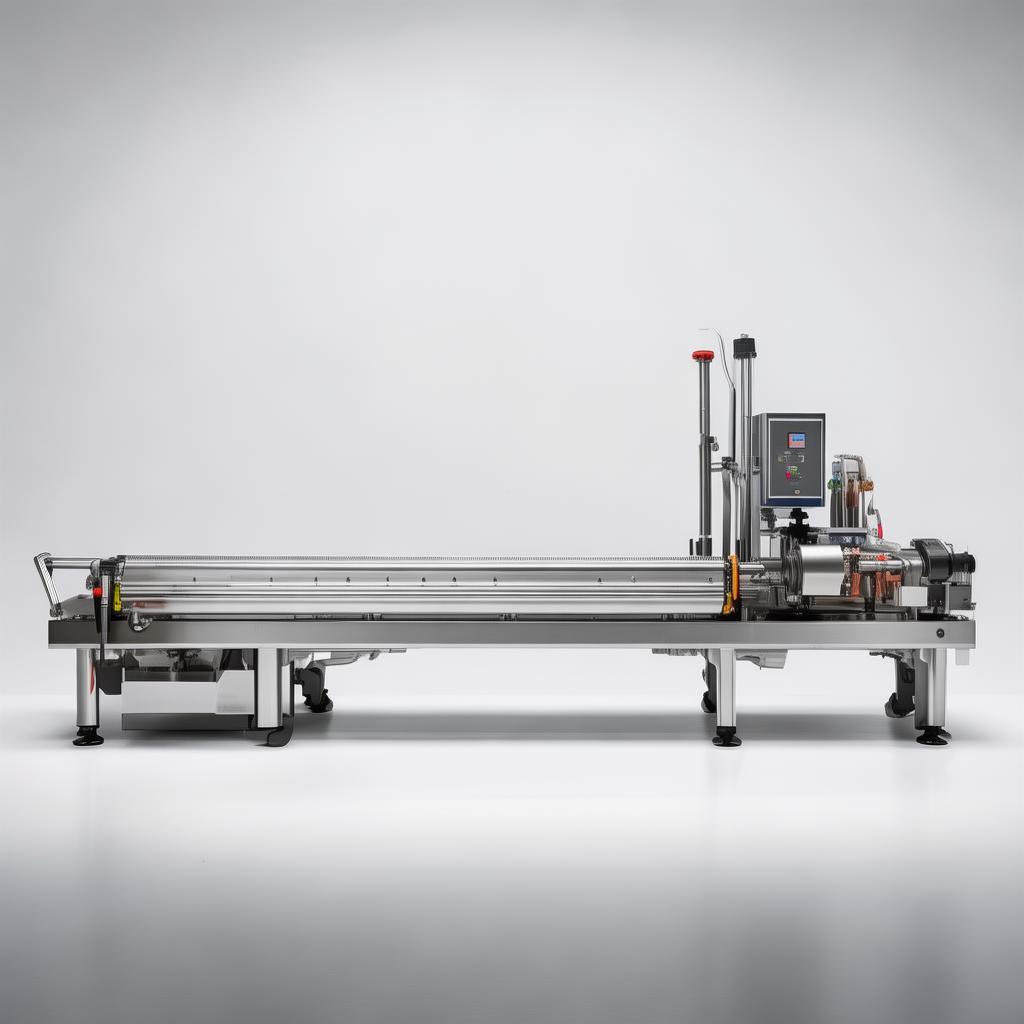
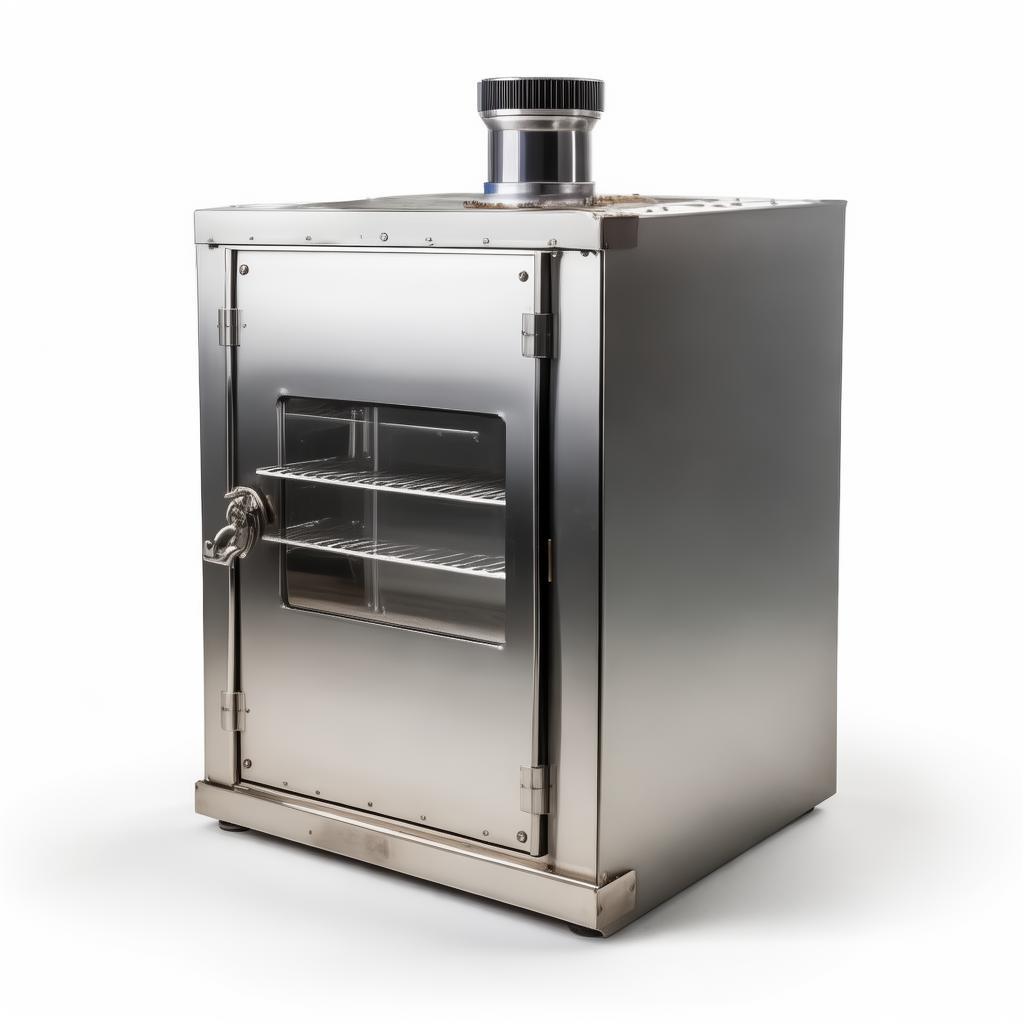
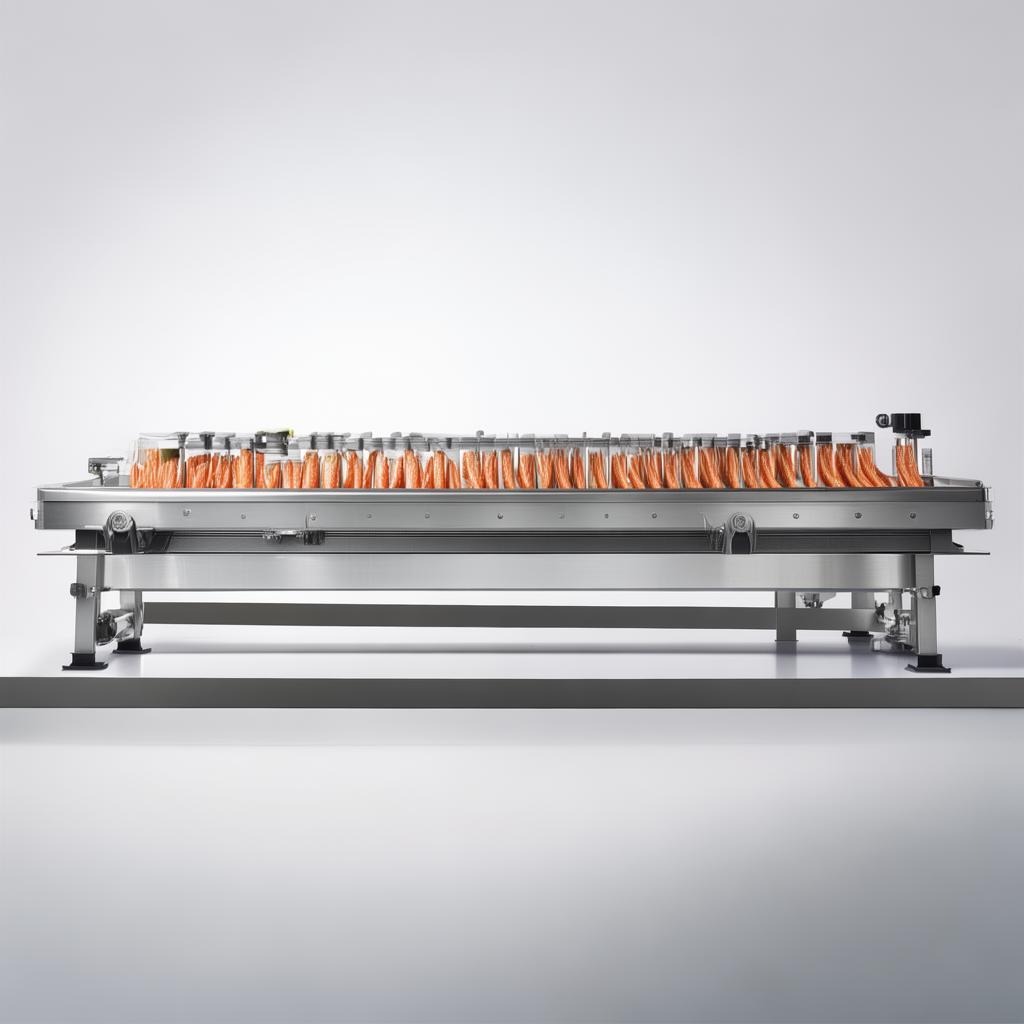
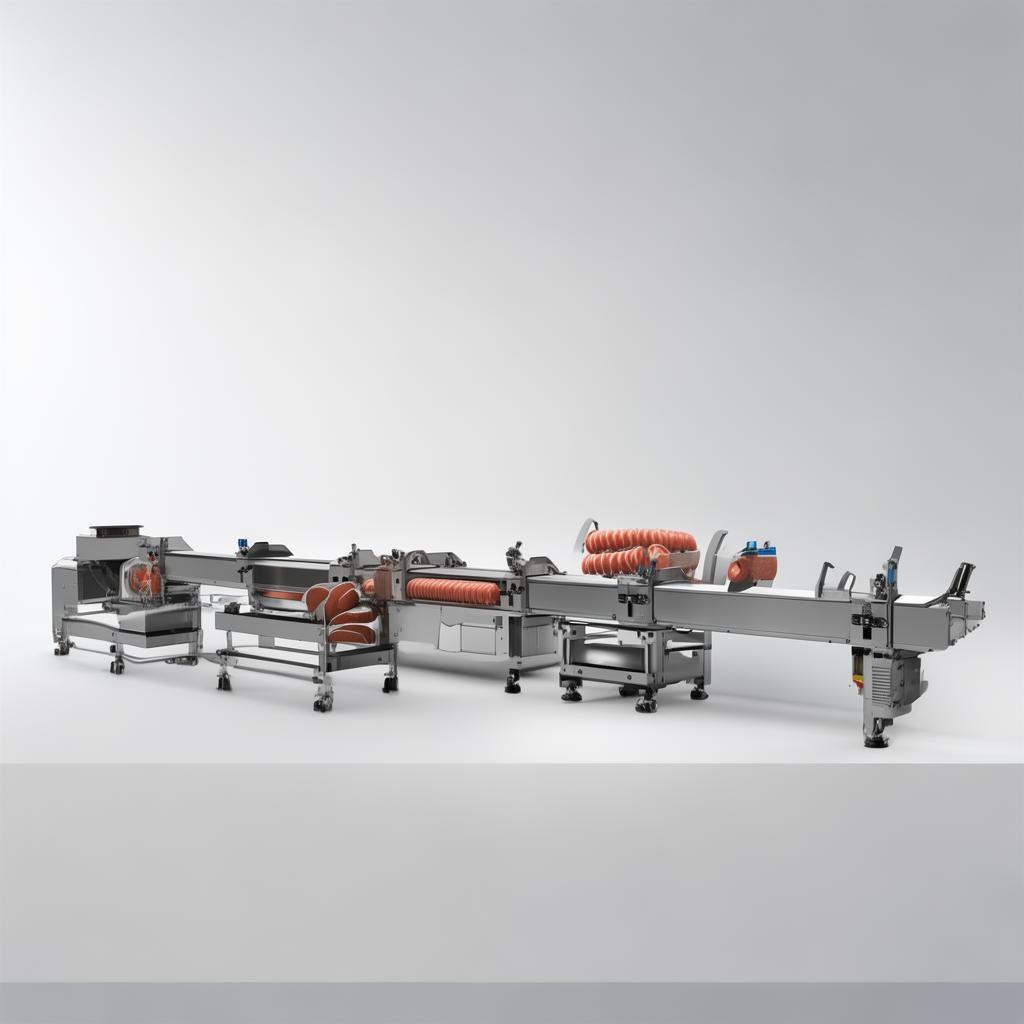
cement grinding mill ball mill for cement grinding hopper cement
*Note: Figures are indicative and depend on specific model, materials, and operational settings. Contact us for detailed specifications.
Factory Strength & OEM/ODM Capabilities
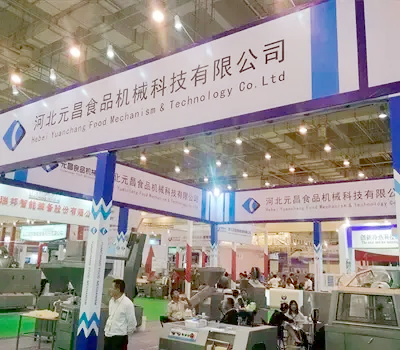
At Hebei Yuanchang, our 14,000 sq meter facility houses over 80 dedicated employees, including skilled engineers and production specialists. We don't just assemble; we manufacture. Our comprehensive in-house machining workshop is equipped with more than 20 sets of precision machinery, including high-precision grinding machines, lathes, milling machines, and wire cutting equipment. This allows us to control quality at every step, from raw material processing to final assembly.
Since introducing Japanese Mazak CNC machining centers in 2012, we've elevated our capability to produce high-standard components requiring extreme precision and non-standard specifications. This is crucial for industrial equipment where tolerances matter significantly. Whether you need standard grinding mill cement components or custom-engineered parts, our advanced manufacturing backbone ensures we deliver. We can independently produce high-precision parts, guaranteeing worry-free after-sales service and replacement part availability for our clients worldwide.
OEM/ODM Solutions
For businesses seeking to integrate our grinding mill technology under their own brand or requiring custom-designed equipment, our OEM (Original Equipment Manufacturer) and ODM (Original Design Manufacturer) services are ideal. We collaborate closely with clients to:
- Adapt Designs: Modify existing models to meet specific project requirements or branding.
- Develop New Products: Engineer entirely new grinding mill solutions based on your unique needs and market demands.
- Ensure Quality: Guarantee that all manufactured components and final products meet our rigorous quality control standards.
- Manage Production: Handle the entire manufacturing process, from design to delivery.
Our 40 years of experience since 1986, coupled with our advanced production facilities, makes us a reliable partner for your OEM/ODM needs in grinding mill technology.
Installation, Maintenance, and Logistics
Successful cement production relies not only on equipment performance but also on seamless installation, effective maintenance, and efficient logistics. We provide end-to-end support.
Installation Guidance
Proper installation is critical. Our technical team can provide detailed foundation plans, assembly instructions, and on-site supervision if required. We work with your site engineers to ensure correct alignment, electrical hookups, and integration with your existing plant infrastructure. We account for factors like site accessibility for heavy machinery and necessary safety protocols.
Proactive Maintenance
Downtime is expensive. Our mills are designed for reliability. We recommend a preventative maintenance schedule, including regular inspection of grinding media, liners, seals, and lubrication systems. Prompt replacement of wear parts, which we keep in stock, is key to maximizing uptime. Understanding typical wear rates for different materials can help plan shutdowns effectively.
Global Logistics & Shipping
Navigating international shipping for heavy industrial equipment requires expertise. We manage the complexities of packaging, crating, port handling, and documentation for seamless export. We optimize container loading to reduce shipping costs and ensure equipment arrives safely at your destination port. Typical lead times can range from 3-6 months depending on customization and production schedules.
Market Context and Industry Outlook
The global meat processing equipment market is experiencing robust growth, driven by increasing demand for processed and convenience foods. As a key segment within this market, grinding and milling technologies are essential for product development and efficiency.
Market Growth Drivers
Reports indicate the global meat processing equipment market is projected to reach significant figures by 2030-2035, with CAGRs often cited between 4.8% and 7.7%. Key drivers include rising consumption of processed meats, the need for automation to enhance hygiene and efficiency, and infrastructure investments in emerging markets. Our grinding mill solutions directly support these trends by enabling high-volume, consistent production of quality cement.
For instance, the Fortune Business Insights report highlights the importance of grinding and filling machines in this expanding sector.
Technological Advancements
Continuous innovation in grinding technologies focuses on energy reduction, improved particle size control, and enhanced automation. VRMs and HPGRs are gaining prominence for their efficiency gains, aligning with industry demands for sustainable and cost-effective operations. We stay at the forefront of these advancements, integrating them into our product offerings.
The Grand View Research analysis points to automation and efficiency as key growth factors.
Asia-Pacific's Role
Regions like Asia-Pacific are significant growth areas, fueled by industrialization and rising domestic demand for processed food products. Modernization of processing facilities and adoption of advanced equipment are key trends. Our global reach ensures we can support manufacturers in these dynamic markets.
SkyQuest's report emphasizes the Asia-Pacific region's industrialization trends.
Hear From Our Clients

David Chen
Operations Manager, ABC Cement Corp.
"We upgraded our finish grinding line with their VRM system. The energy savings were immediate, and we’ve seen a significant improvement in cement fineness consistency. Their technical support during the installation phase was invaluable."
★★★★★
Maria Rodriguez
Procurement Director, Global Build Materials
"Sourcing a reliable ball mill for our expansion project was challenging. Yuanchang provided a robust solution with competitive pricing and clear lead times. The equipment has performed exceptionally well under demanding conditions."
★★★★★
Kenji Tanaka
Senior Engineer, Pacific Cement Group
"We were impressed with their OEM capabilities for custom grinding components. The precision machining ensured perfect integration with our existing line, significantly reducing modification efforts. Highly recommend their technical expertise."
★★★★★Frequently Asked Questions (FAQ)
What is the typical lifespan of a grinding mill cement?
With proper installation, regular maintenance, and timely replacement of wear parts, industrial grinding mills can last from 15 to 25 years or more. The actual lifespan depends heavily on the operating conditions, material hardness, and maintenance practices. Our commitment to using high-quality materials and robust engineering ensures longevity.
What is the role of grinding media in a ball mill?
Grinding media, typically steel balls or rods of various sizes, are the crucial elements within a ball mill that perform the size reduction. As the mill rotates, these media tumble and cascade, crushing, grinding, and impacting the material fed into the mill. The selection of grinding media size, material, and quantity is optimized based on the material being ground and the desired output fineness.
How does a vertical roller mill (VRM) differ from a ball mill?
The primary difference lies in their operational mechanism and efficiency. Ball mills use tumbling media (balls) to grind material inside a rotating drum. Vertical roller mills, on the other hand, grind material between rotating rollers and a stationary grinding table. VRMs are generally more energy-efficient for fine grinding applications, require less space, and allow for easier adjustment of particle size distribution via an integrated classifier.
Can your grinding mills handle materials with high moisture content?
Materials with high moisture content can cause agglomeration and reduce grinding efficiency. While mills are designed for dry grinding, some can accommodate materials with moisture levels up to a certain percentage. Pre-drying of raw materials is often recommended for optimal performance. We can advise on specific capabilities for your material type.
What certifications does Hebei Yuanchang hold?
Our manufacturing processes adhere to stringent quality control measures. While specific product certifications vary, we operate under internationally recognized quality management systems. We are committed to meeting global standards and can provide documentation such as ISO 9001 compliance for our manufacturing processes. Specific equipment certifications, like CE marking, can be discussed for relevant markets.
Ready to Optimize Your Cement Production?
Partner with Hebei Yuanchang for reliable, efficient, and high-performance grinding mill cement solutions. Let our 40 years of experience drive your operational success.
Hebei Yuanchang Food Mechanism & Technology Co., Ltd. | Address: Shijiazhuang, Hebei Province, China | Phone: +86 15830991513 | E-mail: ycmeatmech@gmail.com
© 2026 Hebei Yuanchang. All rights reserved. | Contact Us