Ball Mill For Cement Grinding
High-Efficiency Ball Mills for Cement Grinding: Precision, Power, and Production Excellence
 By Alex Chen, Senior Production Engineer at Hebei Yuanchang Food Mechanism & Technology Co., Ltd.
October 26, 2023
Achieve Superior Cement Fineness with Precision-Engineered Ball Mills
In the demanding world of cement production, achieving the right particle size distribution is not just a matter of quality; it's the bedrock of performance. Inefficient grinding leads to higher energy consumption, increased operational costs, and ultimately, a less competitive product. At Hebei Yuanchang, we understand these critical demands. Our ball mills are meticulously designed and manufactured to deliver unparalleled efficiency, durability, and consistency in grinding raw materials and clinker for cement production. We leverage decades of industrial experience, combined with advanced machining capabilities, to provide solutions that meet the rigorous standards of the global cement industry. From initial material preparation to final product refinement, our ball mills are engineered for maximum throughput and optimal particle fineness, ensuring your operations run smoother and more profitably.
Navigating the Complexities of Modern Cement Grinding
The cement manufacturing process is energy-intensive, and grinding is often the most significant contributor to this. Operators face constant pressure to reduce power consumption without compromising product quality. Finding the right balance requires robust equipment capable of handling abrasive materials day in and day out.
Furthermore, consistent particle size is crucial for cement's binding properties. Variations can lead to unpredictable performance in construction applications. This means any grinding equipment must offer reliable, repeatable results, batch after batch, year after year. Downtime due to wear and tear or component failure is a costly affair, impacting production schedules and profitability.
Consider the sheer volume of material processed daily. Equipment must be built to withstand continuous operation under heavy loads. This demands materials selection, robust engineering, and a design that minimizes wear on critical components like liners and grinding media. The global market also imposes strict quality standards and demands for efficiency, pushing manufacturers to seek equipment that not only performs but also provides a competitive edge through lower operational expenses and superior product output.
The Hebei Yuanchang Ball Mill: Engineered for Cement Industry Excellence
Our ball mills are the culmination of 40 years of manufacturing experience, specifically honed for the challenges of industrial grinding. We don't just build machines; we deliver solutions designed to enhance your cement production capabilities.
- Optimized Grinding Efficiency: Utilizing precisely calculated grinding media and optimized mill speeds, our systems achieve superior particle reduction with reduced energy input. This translates directly to lower operating costs.
- Robust Construction for Durability: Fabricated from high-grade steel alloys and featuring wear-resistant liners, our ball mills are built to withstand the highly abrasive nature of cement materials. This ensures long service life and minimal unscheduled downtime.
- Consistent Product Quality: Advanced design principles ensure uniform grinding and particle classification, leading to consistent cement fineness and performance characteristics crucial for construction applications.
- Customizable Solutions: We understand that not all cement plants are the same. Our mills can be configured with varying diameters, lengths, feed systems, and discharge mechanisms to precisely match your specific throughput requirements and material characteristics.
- Ease of Maintenance: Designed with accessibility in mind, our ball mills allow for straightforward inspection and replacement of wear parts, minimizing maintenance time and labor costs.
Technical Specifications: The Foundation of Performance
Selecting the right ball mill involves a detailed understanding of its operational parameters. Below are typical specifications for our cement grinding ball mills. We encourage direct consultation to tailor these to your exact needs.
| Parameter | Specification Range | Notes for Cement Production |
|---|---|---|
| Mill Diameter | 1.2m - 5.0m+ | Larger diameters increase throughput for bulk production. |
| Mill Length | 2.5m - 15.0m+ | Length impacts residence time and grinding efficiency for finer particles. |
| Motor Power | 30 kW - 500 kW+ | Selected based on desired output, material hardness, and fineness target. |
| Grinding Media Type | Steel balls, forged balls, ceramic media (less common for bulk cement) | Optimal media size and material are crucial for efficient clinker grinding. |
| Liner Material | Wear-resistant steel (Mn steel), ceramic, rubber (specific applications) | High-manganese steel liners are standard for cement due to abrasion resistance. |
| Feed Particle Size | Up to 25 mm | Pre-crushing is typically required for raw cement materials. |
| Product Fineness | Measured by Blaine (e.g., 3000-5000 cm²/g) | Target fineness dictates mill configuration and operating parameters. |
| Cooling System | Optional (Water jacket or external fan for smaller units) | Essential for preventing overheating in high-capacity, continuous operations. |
| Drive Type | Gear reducer, fluid coupling, VFD (Variable Frequency Drive) | VFDs offer excellent speed control for optimizing grinding curves. |
cement grinding mill grinding mill cement concrete specimen grinding machine
Applications Across the Cement Production Spectrum
Our ball mills are integral to various stages of cement manufacturing, ensuring optimal material processing from raw input to finished product. The global meat processing equipment market, valued at over USD 11 billion annually and projected to grow, highlights a similar demand for precise size reduction and material preparation across industries. Our ball mills serve a parallel function for mineral processing.
Key Applications Include:
- Raw Material Grinding: Reducing quarried limestone, clay, and other minerals to a fine powder (raw meal) suitable for the kiln. This stage significantly impacts the efficiency of the subsequent clinker production.
- Clinker Grinding: The critical final stage where clinker is ground with gypsum and other additives to produce various types of cement (e.g., Portland cement, slag cement, fly ash cement). The fineness achieved here directly influences the cement's setting time, strength development, and durability.
- Grinding of Supplementary Cementitious Materials (SCMs): Processing materials like fly ash, slag, or pozzolans for blending with cement to improve properties and reduce the environmental footprint.
- Re-grinding of Rejected Material: Processing off-spec batches or recycled material back into the production cycle to minimize waste.
Installation & Operational Considerations for Optimal Performance
Installing a ball mill is a significant undertaking requiring careful planning to ensure safety, efficiency, and longevity. Our team provides comprehensive support to guide you through this process.
A solid foundation is paramount. The mill's weight, combined with the dynamic forces generated during operation, necessitates a robust, vibration-dampened concrete base. Proper alignment of the main shaft and drive system during installation is critical to prevent premature wear on bearings and gears. Electrical connections must adhere to local industrial standards, and safety interlocks for startup procedures should be meticulously implemented.
During operation, feed rate, media load, and discharge control are key variables. Overloading the mill with material or grinding media can lead to motor strain and inefficient grinding, while underloading can result in excessive media impact and wear. Consistent monitoring of bearing temperatures and vibration levels can provide early warnings of potential issues, allowing for proactive maintenance rather than costly breakdowns. We often see cement plants achieving remarkable improvements by simply fine-tuning these operational parameters after initial installation.
Ensuring Longevity: Routine Maintenance for Your Ball Mill
A well-maintained ball mill is a reliable workhorse. Proactive maintenance is far more cost-effective than reactive repairs, extending the equipment's lifespan and ensuring consistent production output.
Key maintenance tasks include regular inspection and replacement of liners and grinding media. Liner wear is inevitable due to the abrasive nature of cement materials; timely replacement prevents damage to the mill shell and maintains grinding efficiency. Grinding media should be topped up as it wears down to maintain the optimal charge level, which is crucial for efficient energy transfer. Lubrication of bearings and gearboxes is another critical area. We recommend following the manufacturer's guidelines for lubricant type and change intervals precisely. Many operations report significant reductions in bearing failures by adhering to a strict lubrication schedule.
Regular checks for loose bolts, cracks in the shell or trunnions, and proper functioning of safety devices are also essential. Vibration analysis can help detect bearing defects or imbalance early. Documentation of all maintenance activities, including dates, tasks performed, and parts replaced, is invaluable for tracking equipment health and planning future interventions.
Global Logistics and Seamless Shipping
Exporting heavy industrial machinery requires specialized logistics expertise. At Hebei Yuanchang, we manage the complexities of international shipping to ensure your ball mill reaches your facility safely and efficiently.
Our export team is experienced in handling all aspects of international trade, from packaging for sea freight to customs documentation and compliance. Ball mills are typically shipped in sections, carefully crated and secured to prevent damage during transit. We work with reliable shipping partners to offer competitive freight rates and ensure timely delivery. Understanding container optimization is key; we plan the loading of components to maximize space efficiency, reducing overall shipping costs.
Lead times can vary based on customization and current production schedules, but we are committed to transparent communication regarding delivery timelines. For large-scale equipment, break-bulk shipping is often utilized, requiring specialized port handling. We ensure all necessary permits and declarations are in order for smooth customs clearance at your destination port.
Smart Procurement: Key Factors for Ball Mill Acquisition
Purchasing industrial equipment is a strategic decision. Making the right choice for your ball mill investment requires a thorough evaluation of several critical factors. Our goal is to equip you with the knowledge to make an informed purchase.
Firstly, understand your specific production needs: required throughput (tonnes per hour), target particle fineness (e.g., Blaine value), and the types of materials you'll be grinding (raw meal, clinker, additives). This will dictate the appropriate mill size, power requirements, and material specifications.
Next, consider the supplier's reputation and experience. Look for manufacturers with a proven track record in the cement industry, not just general machinery suppliers. A supplier's ability to provide technical support, spare parts, and after-sales service is crucial for long-term operational success. Inquire about their quality control processes and certifications.
Don't overlook the importance of energy efficiency. The operational cost of electricity can be substantial for grinding equipment. Discuss energy consumption figures and explore options like Variable Frequency Drives (VFDs) for optimized power management. Finally, compare warranties and payment terms. A comprehensive warranty offers peace of mind and protects your investment.
- Production Capacity Requirements
- Target Fineness & Material Type
- Energy Efficiency
- Supplier Experience & Support
- Spare Parts Availability
- Warranty Terms
- Payment & Delivery Terms
Commitment to Quality: Our Certifications
Quality and safety are non-negotiable in industrial manufacturing. Hebei Yuanchang adheres to stringent international standards to ensure our products meet global benchmarks. Our commitment is reflected in our certifications and manufacturing processes.

ISO 9001 Certified
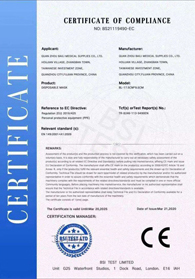
CE Marked (Optional)

RoHS Compliant
These certifications underscore our dedication to consistent quality management, product safety, and environmental responsibility throughout our manufacturing operations. Our advanced Japanese CNC machining centers, for example, allow us to produce high-precision components that meet stringent international requirements.
Hebei Yuanchang: Our Manufacturing Prowess
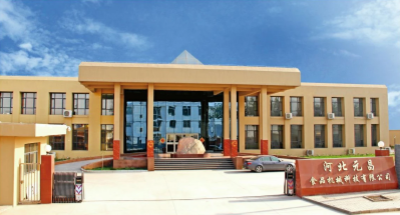
With over 40 years of experience since 1986, Hebei Yuanchang Food Mechanism & Technology Co., Ltd. has evolved into a formidable industrial manufacturing entity. Our 14,000 square meter facility is home to a dedicated team of 80-100 skilled professionals, integrating R&D, production, and sales.
Our in-house machining workshop is the heart of our precision manufacturing. It houses more than 20 sets of advanced processing machinery, including high-precision grinders and boring machines. A significant investment was made in 2012 with the acquisition of 8 Japanese Mazak CNC machining centers. This capability allows us to produce highly complex, non-standard components with exceptional accuracy, a critical factor for robust industrial equipment like ball mills.
Our expertise in machinery, originally focused on food processing, has provided us with a deep understanding of material science, wear resistance, and precision engineering – all directly transferable to the demands of cement grinding equipment. Coupled with our traceable after-sales management system, this self-sufficiency in producing high-precision parts ensures reliable equipment and worry-free service for our international clients.

Client Success Stories: Testimonials
Hear from our partners about their experience with Hebei Yuanchang's ball mills.

Operations Manager, USA
"We were looking to upgrade our clinker grinding capacity. The ball mill from Yuanchang has exceeded expectations. The fineness consistency is remarkable, leading to a more stable output quality. Their team was very helpful during the selection and installation phase."

Procurement Director, Mexico
"The energy efficiency of the Yuanchang ball mill is a significant advantage for us. It's running smoothly, and the reduced power consumption is directly impacting our bottom line. The quality of construction is evident, and spare parts are readily available when needed."

Plant Manager, India
"We needed a reliable solution for grinding raw cement materials. Yuanchang delivered a mill that handles the abrasive load with ease. The installation process was well-managed by their technical team, and the output rate has been consistently high."
Buyer FAQs: Clarifying Your Ball Mill Investment
We've compiled answers to common questions regarding our ball mills for cement grinding.
With proper maintenance and operation, our ball mills are designed for a service life of 15-20 years or more. The robust construction and quality materials are key factors in achieving this longevity.
Q: How much energy does a ball mill consume?Energy consumption is highly dependent on the mill's size, the material being ground, the desired fineness, and the efficiency of the grinding media load. However, our designs focus on optimizing energy transfer to minimize consumption per tonne of product. We can provide estimated energy usage based on your specific application.
Q: What is the role of grinding media in cement milling?Grinding media (typically steel balls) are the workhorses inside the mill. As the mill rotates, the media cascade, impacting and abrading the cement materials to reduce their particle size. The size, density, and quantity of media are critical for efficient grinding. Choosing the right media is as important as the mill itself.
Q: Can your ball mills be integrated with existing cement production lines?Yes, our ball mills are designed for modular integration. We offer various feed and discharge configurations to interface with your existing crushing, conveying, and dust collection systems. Our engineers can consult with you to ensure seamless integration.
Q: What is the lead time for a custom-configured ball mill?Lead times can vary based on the complexity of customization and our current production schedule, typically ranging from 3 to 6 months. We provide detailed timelines upon order confirmation.
Optimize Your Cement Grinding Process Today
Ready to enhance your cement production efficiency, reduce costs, and achieve superior product quality? Partner with Hebei Yuanchang for reliable, high-performance ball mill solutions.
We are committed to providing tailored solutions and exceptional service.