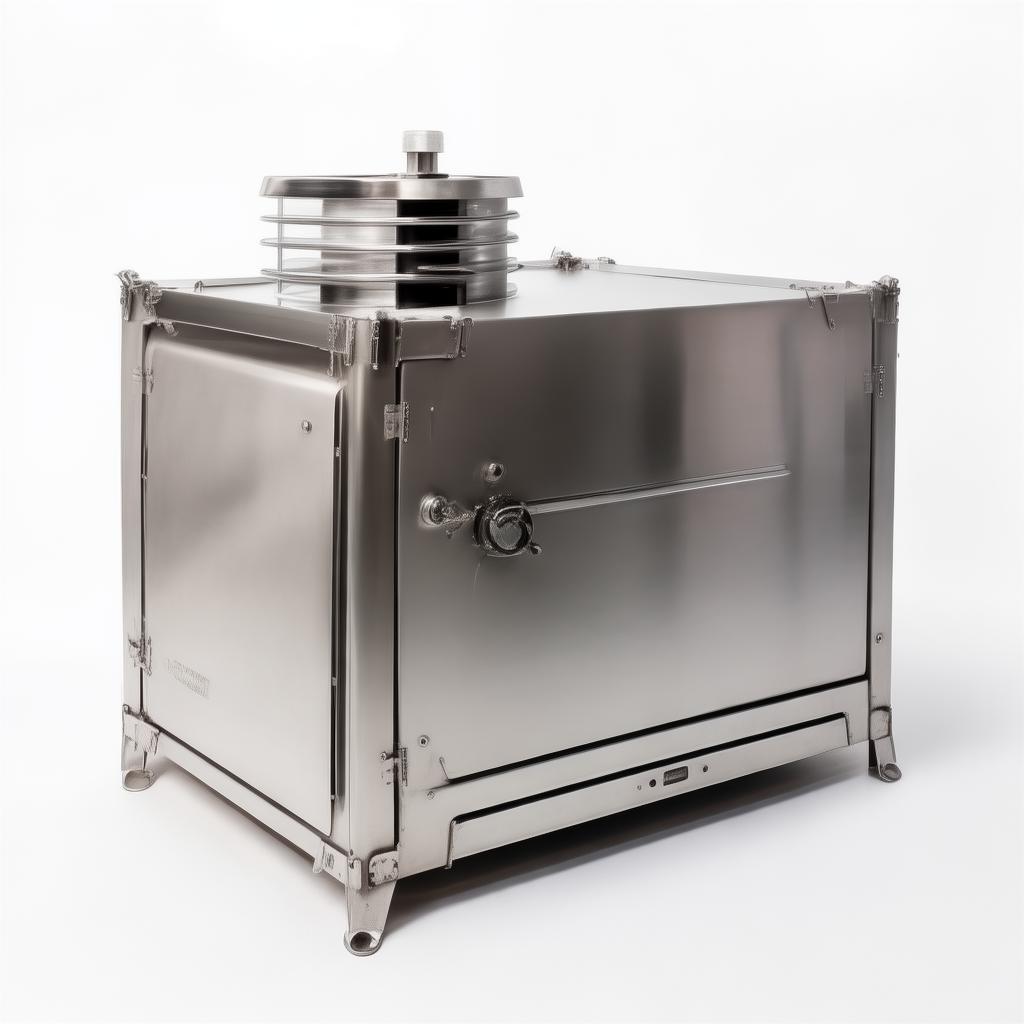
Cement Grinding Mill
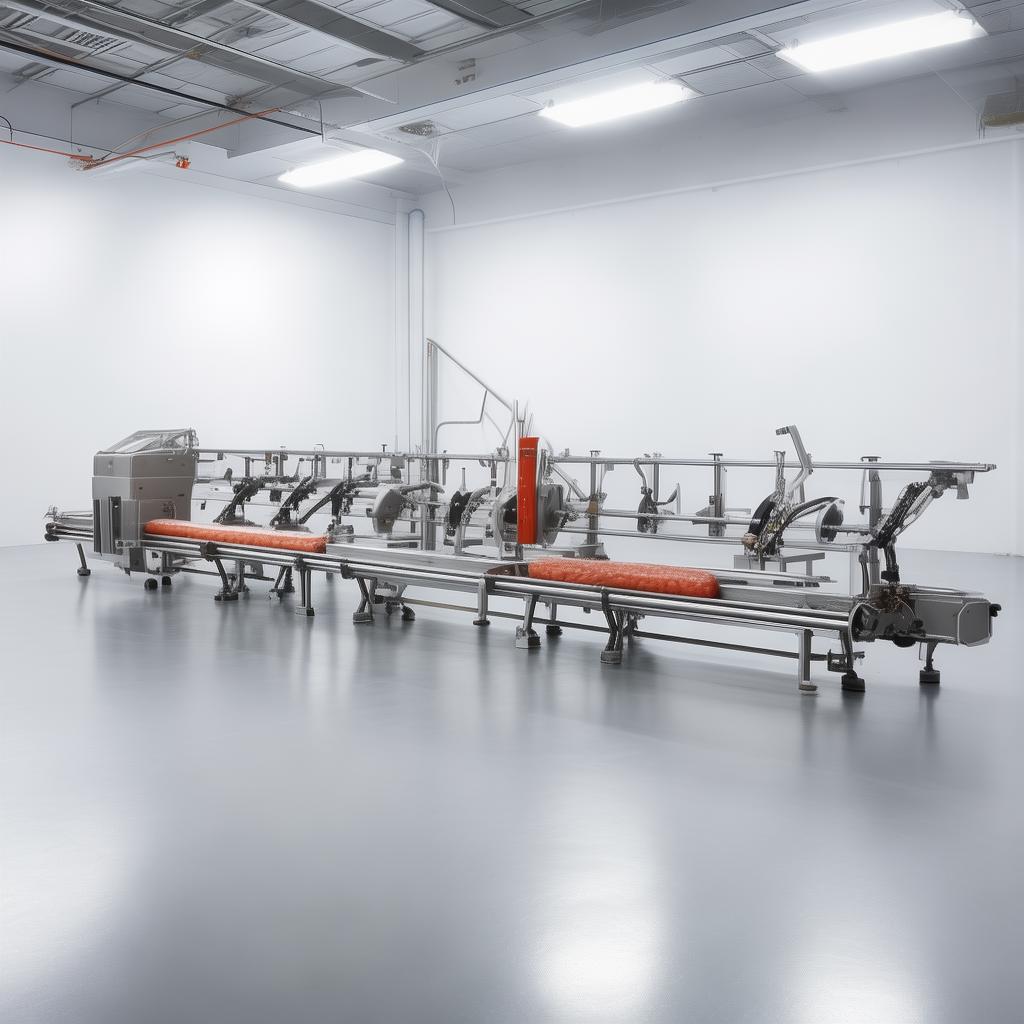
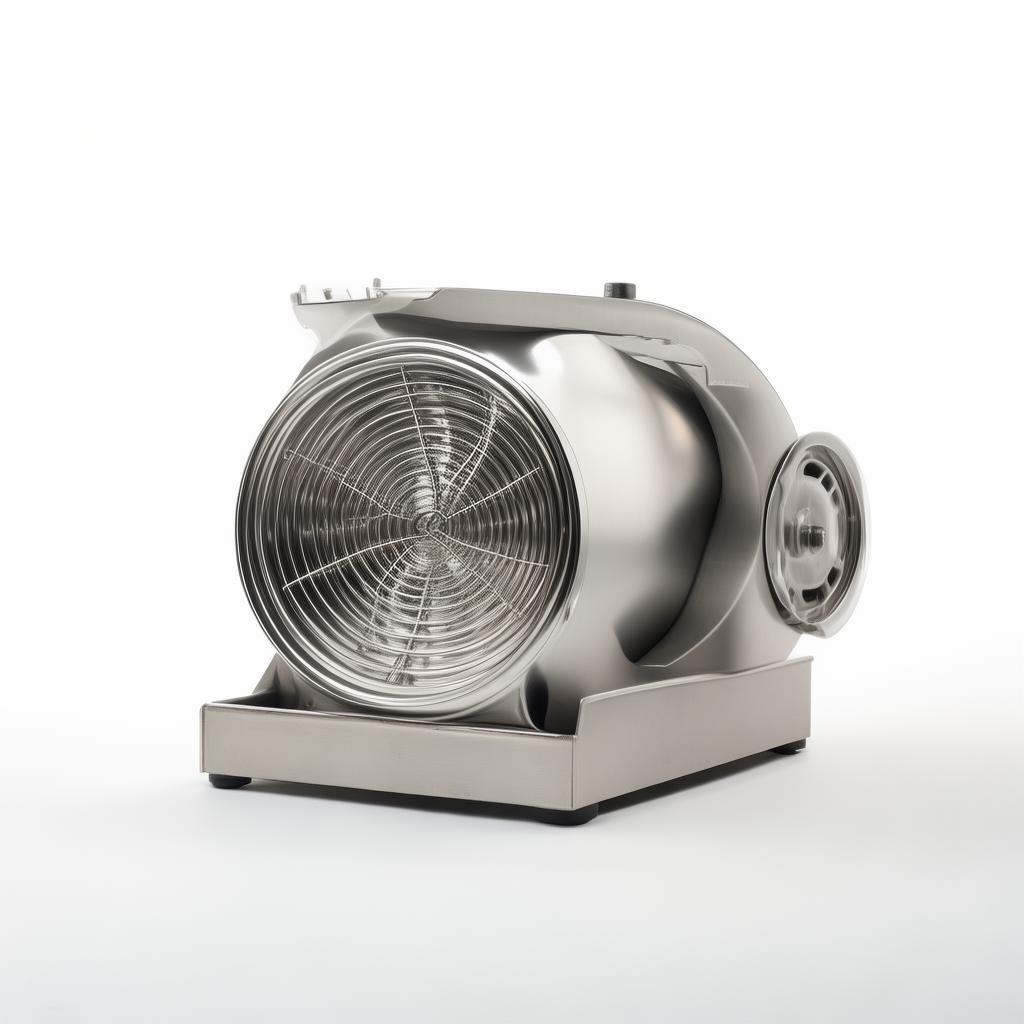
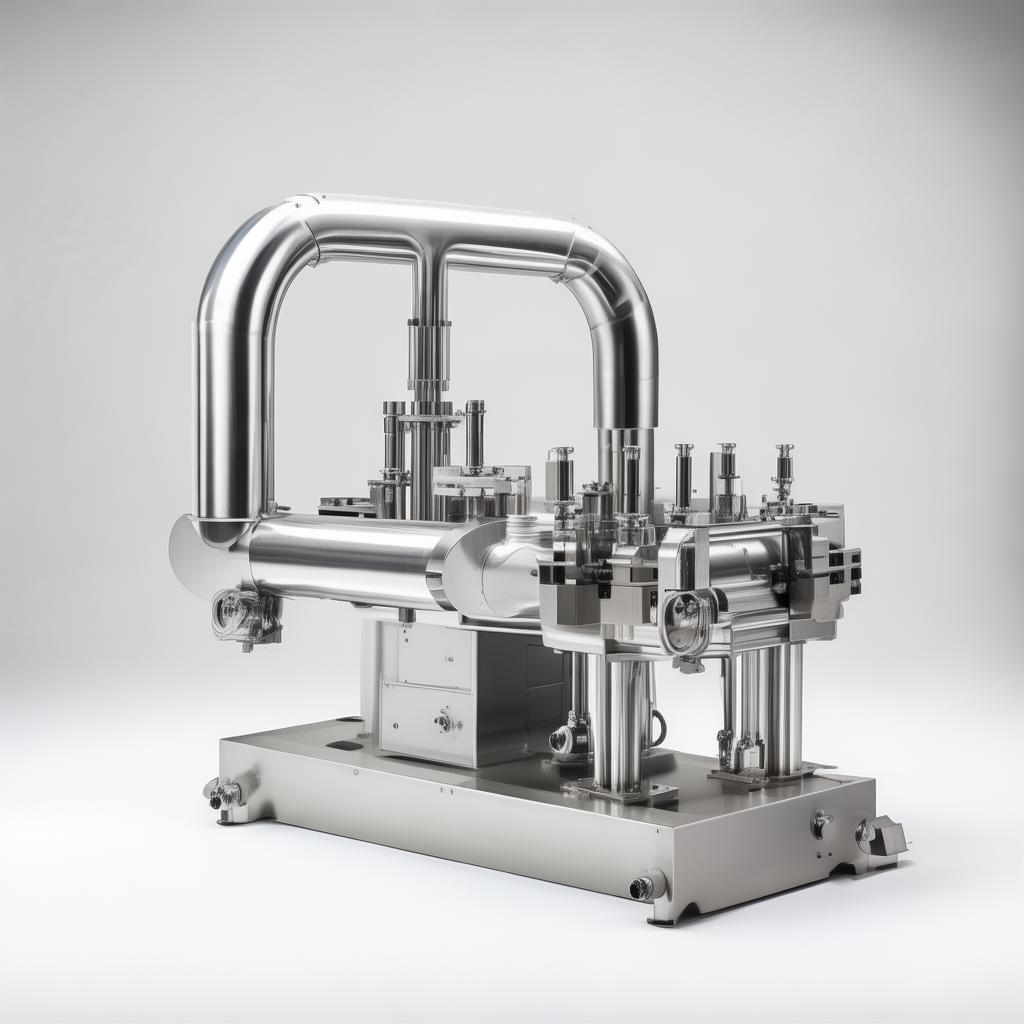
Precision Cement Grinding Mills: Engineered for Optimal Particle Size & Efficiency
Unlock Superior Material Performance and Production Through Advanced Grinding Technology

By Johnathan Lee
Senior Industrial Process Engineer
Introduction to Cement Grinding Mills: The Cornerstone of Material Processing
In the complex world of industrial manufacturing, few processes are as fundamental yet critically important as the precise reduction of particle size. For cement production, this means transforming raw clinker and gypsum into the finely powdered material that forms the basis of concrete. A high-performance cement grinding mill isn't just another piece of machinery; it's the engine that dictates the quality, consistency, and ultimate performance of your finished product. Achieving optimal fineness, ensuring uniform particle distribution, and maximizing throughput are paramount to success in this competitive sector. Without the right grinding technology, you risk producing cement that doesn't meet stringent industry standards, leading to compromised structural integrity in construction projects and significant reputational damage for your enterprise.
The global demand for construction materials continues to be a significant economic driver. The meat processing equipment market, for instance, highlights the broader trend of industrial machinery essential for transforming raw materials into usable products, with projections indicating substantial growth. Similarly, the cement industry relies on efficient, robust grinding solutions to meet the needs of infrastructure development worldwide. This isn't just about volume; it's about precision. The fineness of cement directly impacts its hydration rate, setting time, strength development, and durability. Our focus here is on the technology that enables this precision: the cement grinding mill.
We understand that selecting a cement grinding mill is a capital-intensive decision. It requires a deep dive into technical specifications, operational efficiency, long-term reliability, and, crucially, the supplier's commitment to quality and service. This page is designed to provide you with a comprehensive overview, not just of our advanced grinding mill solutions, but also of the intricate considerations involved in making an informed purchase. We aim to demystify the technology, highlight the critical performance indicators, and demonstrate why Hebei Yuanchang Food Mechanism & Technology Co., Ltd. stands as a trusted partner for industrial grinding needs.
From ensuring the correct Blaine fineness for specific concrete applications to minimizing energy consumption per ton of product, every aspect of a grinding mill's design and operation has downstream consequences. Market reports, like those from Mordor Intelligence indicating a growing meat processing equipment market, underscore the universal need for specialized machinery that drives efficiency and quality. The principles of precise particle reduction, hygiene, and operational uptime are common threads across diverse industrial sectors, and our expertise in mechanical engineering translates directly to delivering superior grinding solutions for cement. We're not just selling machines; we're providing pathways to enhanced production quality and reduced operational costs.
The complexity of cement grinding extends beyond the mill itself. It involves the entire process flow, from raw material handling and feed control to the efficient separation and collection of the finished product. Factors like mill load, ball charge, liner design, and airflow all interact dynamically. Our engineers have spent decades perfecting these interactions, not just in theory but through hands-on experience with large-scale production facilities. This practical wisdom is embedded in every machine we design and manufacture. We recognize that while the core function is grinding, the real value lies in the integrated performance, the reliability, and the support that backs it up.
Consider the global processed meat market's growth, projected by Fortune Business Insights to reach USD 1,253.77 billion by 2034. This vast market relies on precise machinery for forming, filling, and ripening. While seemingly different, the underlying demand for high-precision, reliable equipment that consistently delivers desired product characteristics is a shared principle. Our legacy in food processing machinery has honed our skills in precision engineering, material science, and robust construction – qualities that are equally vital for demanding industrial applications like cement grinding. This cross-pollination of expertise allows us to approach challenges from unique angles, ultimately benefiting our clients in the cement industry.
Furthermore, the operational landscape for cement producers is constantly evolving. Environmental regulations, energy efficiency mandates, and the pursuit of higher-strength concretes all place new demands on grinding technology. A modern cement grinding mill must not only be powerful and efficient but also adaptable and compliant. Our machines are designed with these future-forward considerations in mind, incorporating advanced control systems, optimized wear parts, and energy-saving configurations. We aim to provide solutions that are not just state-of-the-art today but are built for the challenges of tomorrow.
Overcoming Industry Challenges in Cement Production
The cement industry operates under intense pressure to deliver high-quality products consistently while managing rising energy costs and stringent environmental regulations. For operations managers and procurement directors, these challenges translate into a constant search for efficiency and reliability in their core processing equipment.
- Energy Consumption: Grinding cement clinker is an energy-intensive process. Inefficient mills can significantly inflate operational expenditures, impacting profitability. The search for mills that offer lower kWh/ton is a perpetual driver for upgrades.
- Particle Size Distribution (PSD): Achieving a specific and uniform PSD is critical. Inconsistent grind can lead to variability in concrete strength, setting times, and overall performance. This impacts the end-user's project success and your brand reputation.
- Wear and Tear: The abrasive nature of cement clinker and gypsum leads to rapid wear on mill components like liners, balls, and shafts. High replacement costs and frequent downtime for maintenance can cripple production schedules.
- Throughput and Capacity: Meeting market demand requires mills capable of high throughput without sacrificing quality. Bottlenecks in the grinding stage can limit overall plant output.
- Environmental Compliance: Dust emissions and noise pollution are significant concerns. Modern grinding solutions must incorporate effective dust collection systems and operate at acceptable noise levels.
- Material Variability: Raw materials can vary in hardness, moisture content, and chemical composition, affecting grinding efficiency. A robust mill needs to handle these variations without significant performance degradation.
We've seen firsthand how these challenges can affect operations. A minor fluctuation in feed material moisture can dramatically increase energy draw if the mill isn't designed to compensate. This is where our engineering expertise truly comes into play – designing machines that are not just powerful but intelligent and adaptable.
Our Cement Grinding Mill: Engineered Excellence for Industrial Demands
Hebei Yuanchang Food Mechanism & Technology Co., Ltd. brings decades of precision engineering and manufacturing experience to bear on the critical task of cement grinding. While our roots are in food processing, the fundamental principles of designing robust, high-performance machinery that handles abrasive materials and delivers consistent results are directly transferable. Our cement grinding mills are built on a foundation of durability, efficiency, and precision, designed to meet and exceed the demanding requirements of the modern cement industry.
We specialize in building machinery that is not only effective but also economically viable over its entire lifecycle. This means focusing on components that offer extended wear life, optimized energy usage, and simplified maintenance. Our commitment to quality starts with raw material selection and extends through every stage of manufacturing, including our in-house CNC machining capabilities. This allows us to produce high-precision components that are essential for the smooth, efficient operation of your grinding process.
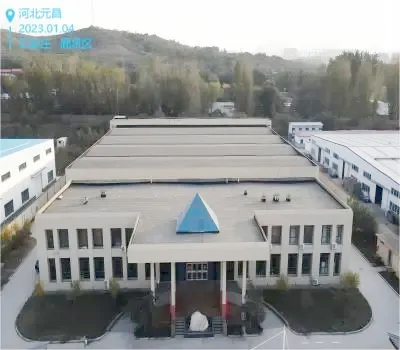
Our approach emphasizes a holistic view of the grinding process. We consider not just the mill's internal mechanics but also its integration into your overall production line. This includes aspects like feed material preparation, dust collection, and the efficient separation of finished cement. By optimizing these interconnected systems, we help our clients achieve superior overall plant performance, reduced operational costs, and a more consistent, higher-quality end product.
The expertise gained from producing highly specialized food machinery – where hygiene, precision, and reliability are non-negotiable – informs our design philosophy for industrial grinding equipment. This unique blend of experience allows us to offer solutions that are both robust and finely tuned. Whether you're processing Portland cement, blended cements, or specialized cementitious materials, our mills are engineered to deliver exceptional results.
Key Features & Performance Advantages
Our cement grinding mills are engineered with a focus on delivering tangible benefits to your operation. We combine robust construction with intelligent design to ensure high performance, longevity, and operational ease.
Optimized Grinding Efficiency
Advanced internal classification systems and optimized ball charge configurations maximize grinding efficiency, leading to lower energy consumption per ton of finished cement. We target reduced kWh/ton figures.
Extended Wear Life
Utilizing high-grade wear-resistant materials for liners, grinding media, and critical components ensures a longer service life, reducing downtime and replacement costs significantly. We select materials based on specific clinker abrasiveness.
Precise Particle Size Control
Sophisticated classifier designs and adjustable operating parameters allow for fine-tuning of the particle size distribution (PSD) to meet stringent specifications like Blaine fineness. Achieve consistent results batch after batch.
Robust Construction
Built with heavy-duty steel and reinforced components, our mills are designed to withstand the continuous, demanding operation inherent in cement production environments. They are built for the long haul.
Enhanced Dust Control
Integrated sealing mechanisms and compatibility with advanced dust collection systems minimize fugitive emissions, ensuring a safer working environment and compliance with environmental regulations. Effective dust suppression is a priority.
Simplified Maintenance Access
Thoughtful design features provide easier access to internal components for inspection, maintenance, and wear part replacement, leading to reduced labor time and faster turnaround. Quick access panels are a standard feature.
Technical Specifications for a Range of Models
We offer a range of cement grinding mill models to suit various production capacities and requirements. Below is a representative sample of specifications. For detailed datasheets for your specific application, please contact our sales engineers.
| Parameter | Model YC-CGM-1000 | Model YC-CGM-1500 | Model YC-CGM-2000 |
|---|---|---|---|
| Capacity (Ton/Hour) | 5 - 10 | 10 - 20 | 20 - 35 |
| Motor Power (kW) | 75 - 110 | 132 - 200 | 250 - 355 |
| Ball Diameter Range (mm) | 40 - 80 | 60 - 100 | 80 - 120 |
| Overall Dimensions (L x W x H) | ~ 8m x 4m x 5m | ~ 10m x 5m x 6m | ~ 12m x 6m x 7m |
| Primary Material Feed Size (Max) | 50 mm | 70 mm | 90 mm |
| Liner Material Options | High-Chrome Alloy / Ceramic | High-Chrome Alloy / Ceramic | High-Chrome Alloy / Ceramic |
grinding mill cement ball mill for cement grinding concrete specimen grinding machine
Specifications are subject to change based on specific application requirements and continuous product development.
Beyond Cement: Diverse Applications for Our Grinding Mills
While engineered for cement production, the robust design and precision grinding capabilities of our mills make them versatile enough for a wide array of industrial materials. Our experience in handling abrasive and demanding substances means these machines can be adapted for:
- Limestone Grinding: For various industrial applications, including agriculture (soil amendment), chemical production, and filler materials.
- Coal Pulverizing: Preparing coal for combustion in power plants and industrial furnaces, optimizing burn efficiency.
- Mineral Processing: Grinding ores, industrial minerals like barite, bentonite, and kaolin for use in paints, plastics, ceramics, and drilling fluids.
- Aggregates Production: Fine grinding of certain aggregates for specialized construction materials or industrial fillers.
- Slag Grinding: Processing ground granulated blast furnace slag (GGBFS) for use in blended cements and other construction applications.
The core technology—a high-efficiency ball mill with integrated classification—is fundamentally adaptable. It's about the precision of particle size reduction and the reliability of the machinery. For any bulk material that requires controlled comminution, our grinding mills are a strong contender.
Consider the market for reconstituted meat products, which is experiencing remarkable growth (as seen in FMI reports projecting 18.0% CAGR). This growth relies heavily on precise molding and pretreatment equipment. Our background in food processing has given us unparalleled expertise in precise material handling and consistent output, principles that are vital even when dealing with less delicate materials like cement clinker.
Our Manufacturing Edge: Precision & Experience
Hebei Yuanchang Food Mechanism & Technology Co., Ltd. isn't just an assembler of parts; we are a vertically integrated manufacturer with a deep commitment to quality control at every step. With over 40 years of experience since 1986, we've built a reputation for robust, reliable machinery.
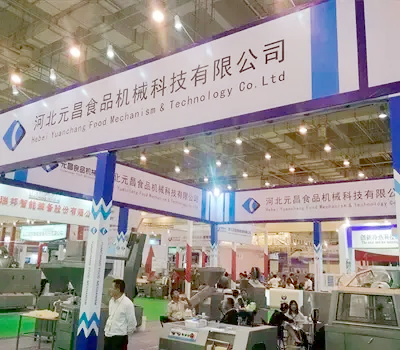
Our facility spans approximately 14,000 square meters, housing a dedicated team of 80-100 skilled professionals. Crucially, we maintain an in-house machining workshop equipped with more than 20 sets of advanced processing machinery. This includes lathes, milling machines, high-precision grinding machines, boring machines, and wire cutting equipment. The investment in over 8 sets of Japanese Mazak CNC machining centers since 2012 is a testament to our dedication to producing high-standard, high-precision components.
This capability allows us to independently produce parts that demand large volumes, exceptional precision, and non-standard specifications – critical for components in a high-wear environment like a cement grinding mill. It means we are not reliant on external suppliers for critical precision parts, giving us greater control over quality, lead times, and cost. This translates directly into a more reliable and cost-effective product for you.
Our experience extends across complete production lines, meaning we understand how each component interacts and affects the overall system. This holistic perspective is invaluable when designing and manufacturing equipment that must perform flawlessly under continuous load.
Precision Machining
CNC capabilities ensure tight tolerances for critical components, leading to smoother operation and longer lifespan.
Quality Control
Rigorous quality checks at every stage, from material sourcing to final assembly.
Experienced Workforce
A dedicated team with decades of collective experience in mechanical engineering and manufacturing.
Installation and Logistics Considerations
Bringing a large industrial machine like a cement grinding mill into operation involves more than just bolting it down. We work with our clients to ensure a smooth transition from factory to full production.
- Foundation Requirements: Cement grinding mills, especially larger models, require robust, engineered foundations to handle the static and dynamic loads. We provide detailed foundation drawings based on the specific mill model and site conditions. Proper vibration isolation is key.
- Power Supply: Adequate and stable power supply is critical for optimal mill performance. We specify the precise electrical requirements, including voltage, phase, and amperage, along with recommended motor control systems (e.g., VFDs for energy saving and controlled startup).
- Material Handling: Efficient feeding of raw materials (clinker, gypsum) into the mill and conveying of the finished cement to storage or further processing requires a well-designed material handling system. We can advise on optimal integration with your existing or planned infrastructure.
- Dust Collection System: Integrating a high-efficiency dust collection system is essential for environmental compliance and operational safety. We ensure our mills are designed for seamless connection to your chosen dust suppression technology.
- Shipping and On-site Assembly: Our export department manages the complexities of international shipping, including proper crating, container loading optimization, and documentation. We can provide on-site supervision for installation and commissioning upon request. Consider container space optimization to reduce shipping costs – a common procurement challenge.
- Commissioning and Testing: Post-installation, thorough commissioning is vital. This involves system checks, initial run-ins with no load, followed by gradual loading to verify performance parameters and ensure everything operates within design specifications.
We understand that logistics can be a major headache for international buyers. Our experienced export team works diligently to ensure your equipment arrives safely and efficiently, with all necessary documentation in order.
Reliable Maintenance and After-Sales Support
A cement grinding mill represents a significant investment. To ensure its long-term performance and maximize your return, robust after-sales support and a proactive maintenance strategy are crucial.
- Preventative Maintenance Schedules: We provide comprehensive maintenance manuals outlining recommended inspection frequencies, lubrication points, and wear part replacement intervals. Adhering to these schedules is key to avoiding unexpected failures.
- Wear Part Availability: Critical wear components, such as liners and grinding media, are subject to natural wear. We maintain a stock of common replacement parts and can manufacture custom parts efficiently thanks to our in-house CNC capabilities. Fast access to spares minimizes costly downtime.
- Technical Support: Our team of experienced engineers is available to answer technical queries, troubleshoot operational issues, and provide guidance on optimizing mill performance. Whether it's adjusting ball charge or diagnosing a bearing issue, we're here to help.
- On-site Services: For major overhauls or complex troubleshooting, we can dispatch experienced technicians to your site. This service is invaluable for ensuring repairs are carried out correctly and efficiently.
- Training: We offer operator and maintenance training programs to ensure your staff has the knowledge to run and maintain the grinding mill effectively and safely. Well-trained personnel are the first line of defense against operational issues.
Our commitment to our clients doesn't end when the machine is delivered. We view ourselves as long-term partners in your production success. Our traceable after-sales management system ensures we can always provide support for the components and machinery we deliver.
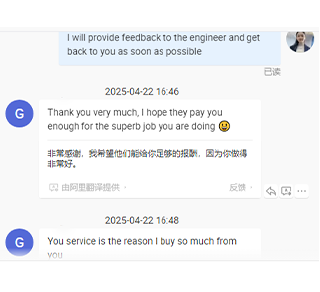
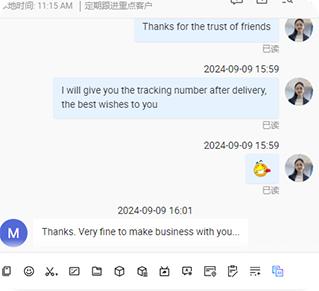

We pride ourselves on being responsive and knowledgeable. Getting quick answers to technical questions or securing necessary spare parts is critical for minimizing production disruptions.
Commitment to Quality: Certifications and Standards
Quality and safety are non-negotiable in the industrial manufacturing sector. Hebei Yuanchang Food Mechanism & Technology Co., Ltd. adheres to international standards to ensure our equipment meets rigorous benchmarks.

ISO 9001 Certified
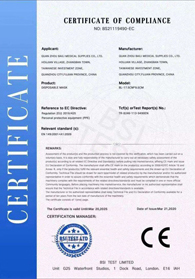
CE Compliant

RoHS Compliant
Our manufacturing processes are certified under ISO 9001, ensuring a systematic approach to quality management. For markets requiring it, our equipment can be manufactured to meet CE standards, signifying conformity with health, safety, and environmental protection requirements for products sold within the European Economic Area. Compliance with RoHS directives, particularly for electrical components, is also a standard practice where applicable.
We understand that different regions and industries have specific regulatory requirements. We work closely with our clients to ensure that the equipment supplied meets all necessary certifications and standards for their target market. This includes providing documentation and support for your own compliance efforts.
Procurement Guidance: What to Look For
Selecting the right cement grinding mill is a crucial investment. Buyers should consider several key factors beyond just the initial price tag to ensure long-term operational success and ROI.
- Supplier Reputation & Experience: Look for manufacturers with a proven track record in industrial machinery, particularly those with experience in handling abrasive materials. Longstanding companies like ours often have embedded knowledge that translates to better-designed, more reliable equipment.
- Technical Support & After-Sales Service: How accessible are they? Can they provide spare parts quickly? Do they offer installation and maintenance support? A machine is only as good as the support behind it.
- Material Quality & Construction: The quality of steel, welding, bearings, and wear parts directly impacts the mill's lifespan and reliability. Ask about the materials used for liners and grinding media.
- Energy Efficiency: As energy costs continue to rise, mills with optimized designs and efficient motors offer significant long-term savings. Look for kWh/ton figures or consult with the supplier on energy-saving features.
- Customization Capabilities: Does the manufacturer have the in-house engineering and manufacturing flexibility to adapt the mill to your specific site conditions, material properties, or desired output characteristics?
- Total Cost of Ownership (TCO): Don't just compare initial purchase prices. Factor in installation, energy consumption, maintenance, spare parts, and expected lifespan to calculate the true TCO.
Procurement decisions in this sector are complex. We advise our clients to involve their operations and maintenance teams early in the evaluation process. Their practical insights into uptime requirements and maintenance realities are invaluable.
We often see buyers focusing too heavily on the initial capital outlay. While cost is a factor, neglecting long-term operational costs and reliability can lead to significantly higher expenses down the line. Consider it an investment in consistent output and reduced risk.
What Our Clients Say
Real-world performance and customer satisfaction are our best endorsements. Here’s what some of our clients have experienced:
"The YC-CGM-1500 has been a workhorse for us. We were concerned about throughput initially, but this mill consistently exceeds our rated capacity while maintaining excellent fineness. The support from their export team was also top-notch, handling all the shipping complexities smoothly."

David Chen
Operations Manager, Apex Cement Co.
"We opted for Hebei Yuanchang due to their in-house manufacturing capabilities and perceived quality control. The mill arrived on schedule, and installation was straightforward with their guidance. We've seen a noticeable reduction in our energy consumption per ton compared to our older equipment. Very satisfied with the precision and reliability."

Sarah Miller
Procurement Director, Global Building Materials
"The wear life on the liners has been impressive. We anticipated more frequent replacements, but the high-chrome alloy components are holding up exceptionally well against our abrasive clinker. Their technical support team was quick to respond when we had a minor query during the startup phase."

Rajesh Patel
Plant Engineer, Indus Cement Works
Frequently Asked Questions
Q: What is the typical lifespan of your cement grinding mill?
A: With proper operation and regular maintenance, our mills are designed for a service life of 15-20 years or more. The lifespan heavily depends on the wear rate of the grinding media and liners, which are consumables.
Q: How is the energy efficiency of your mills measured and improved?
A: Energy efficiency is primarily measured in kWh per ton of finished product. We achieve high efficiency through optimized mill geometry, effective classification, efficient motor selection, and often by integrating Variable Frequency Drives (VFDs) that allow precise speed control to match load conditions.
Q: What is the lead time for a new cement grinding mill?
A: Lead times can vary based on model complexity and current production schedules, typically ranging from 3 to 6 months from order confirmation to shipment. We provide a firm estimated delivery schedule at the time of quotation.
Q: Do you offer OEM/ODM services for grinding mills?
A: Yes, our extensive manufacturing capabilities and in-house design team allow us to undertake OEM and ODM projects. We can adapt our designs or develop entirely new solutions to meet specific client requirements, branding, or performance targets.
Q: What type of grinding media is recommended?
A: For cement grinding, high-chrome steel balls are most common, with diameters typically ranging from 40mm to 120mm depending on the mill size and desired output. Ceramic media might be considered for specific applications or where contamination is a concern, though less common for bulk cement.
Ready to Optimize Your Cement Grinding Process?
Don't let inefficient grinding hold back your production. Discover how our precision-engineered cement grinding mills can enhance your product quality, reduce operational costs, and boost your overall efficiency.