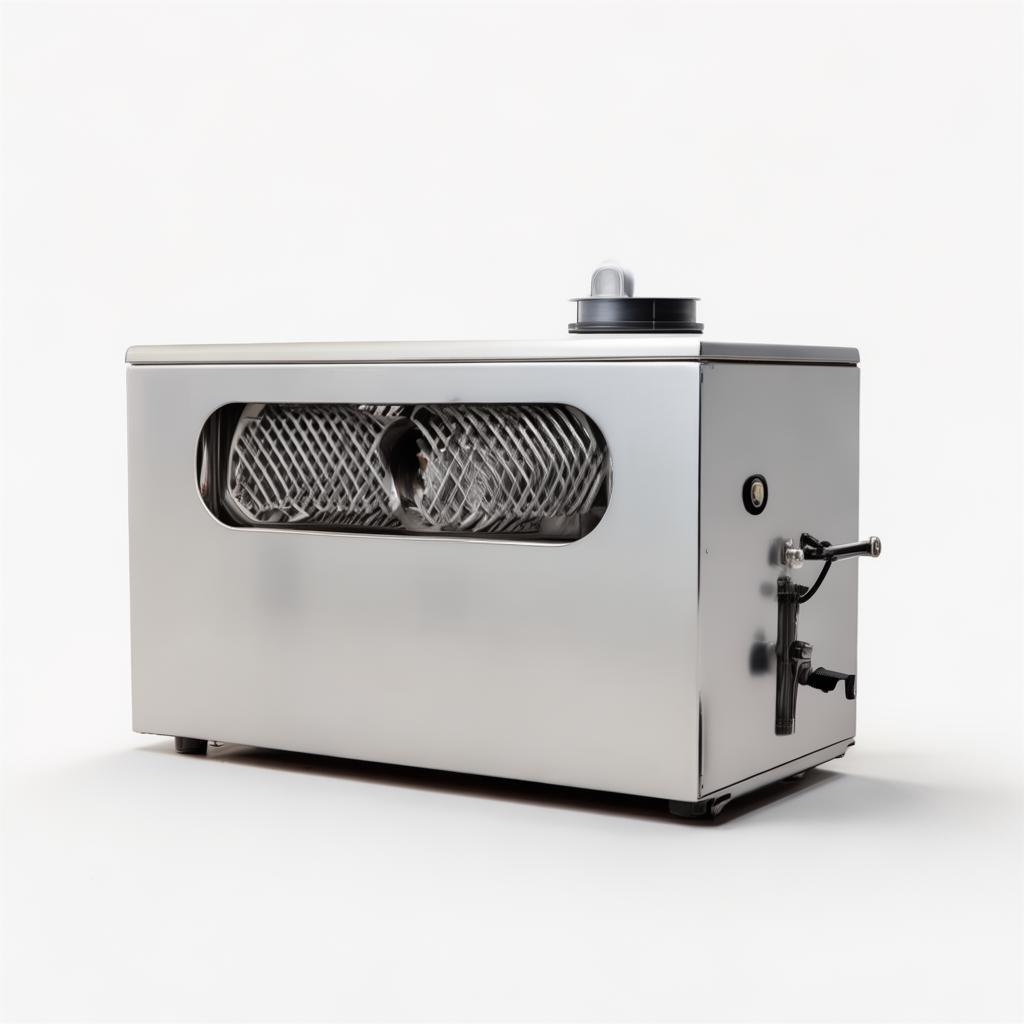
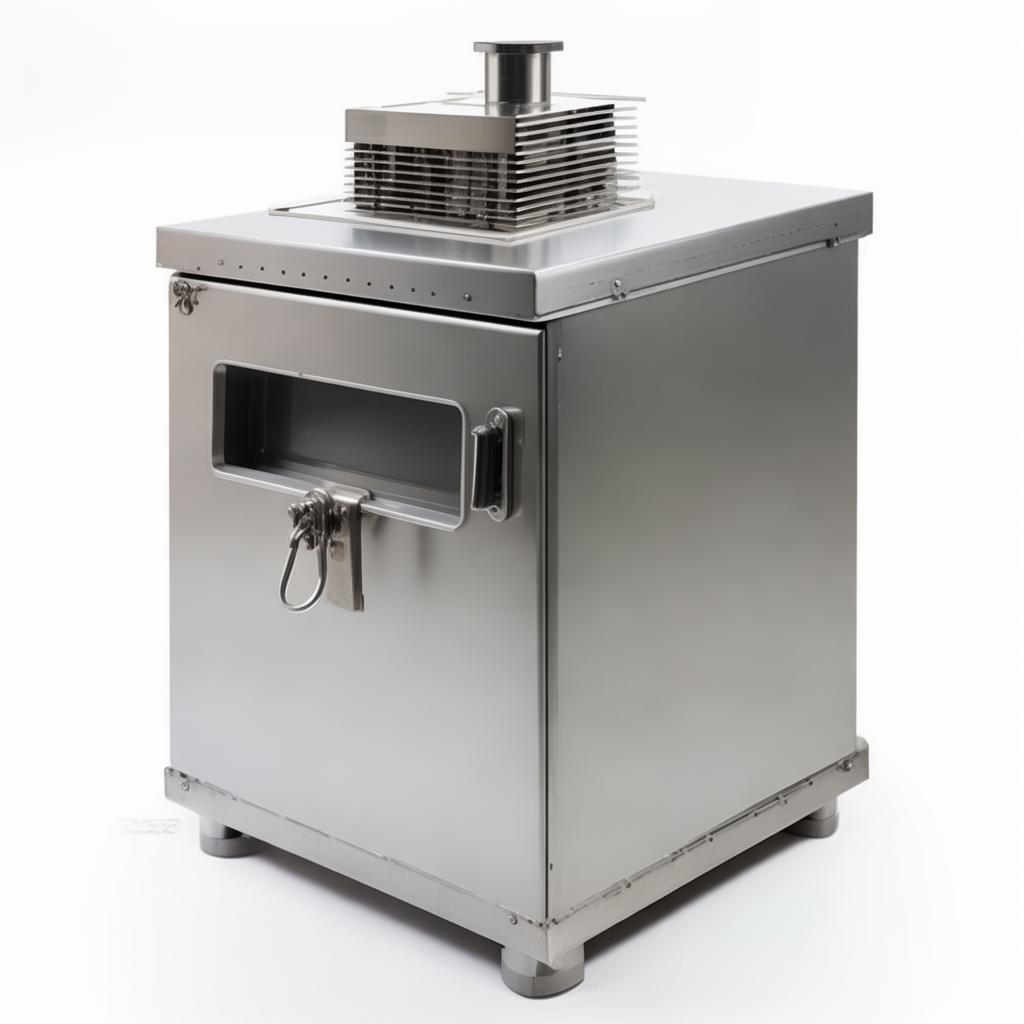
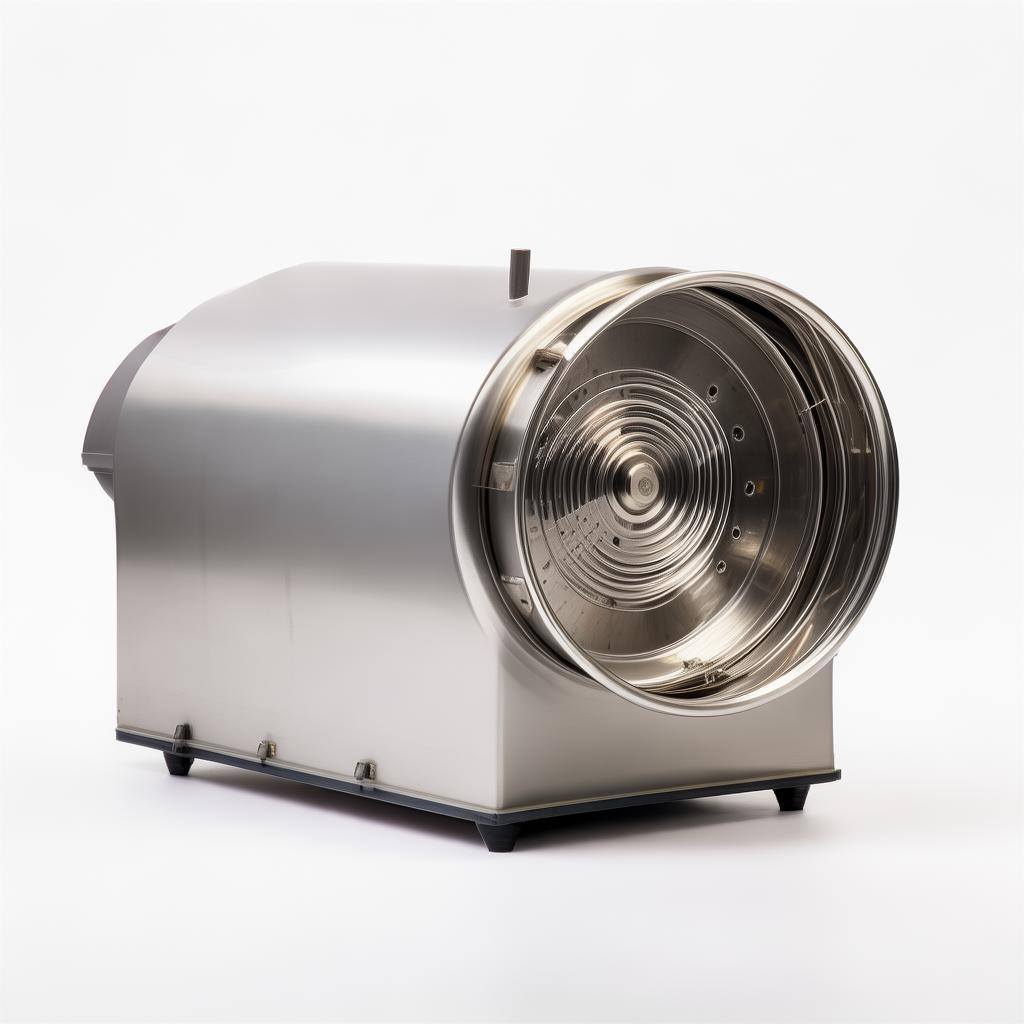
Pin Mill Grinder
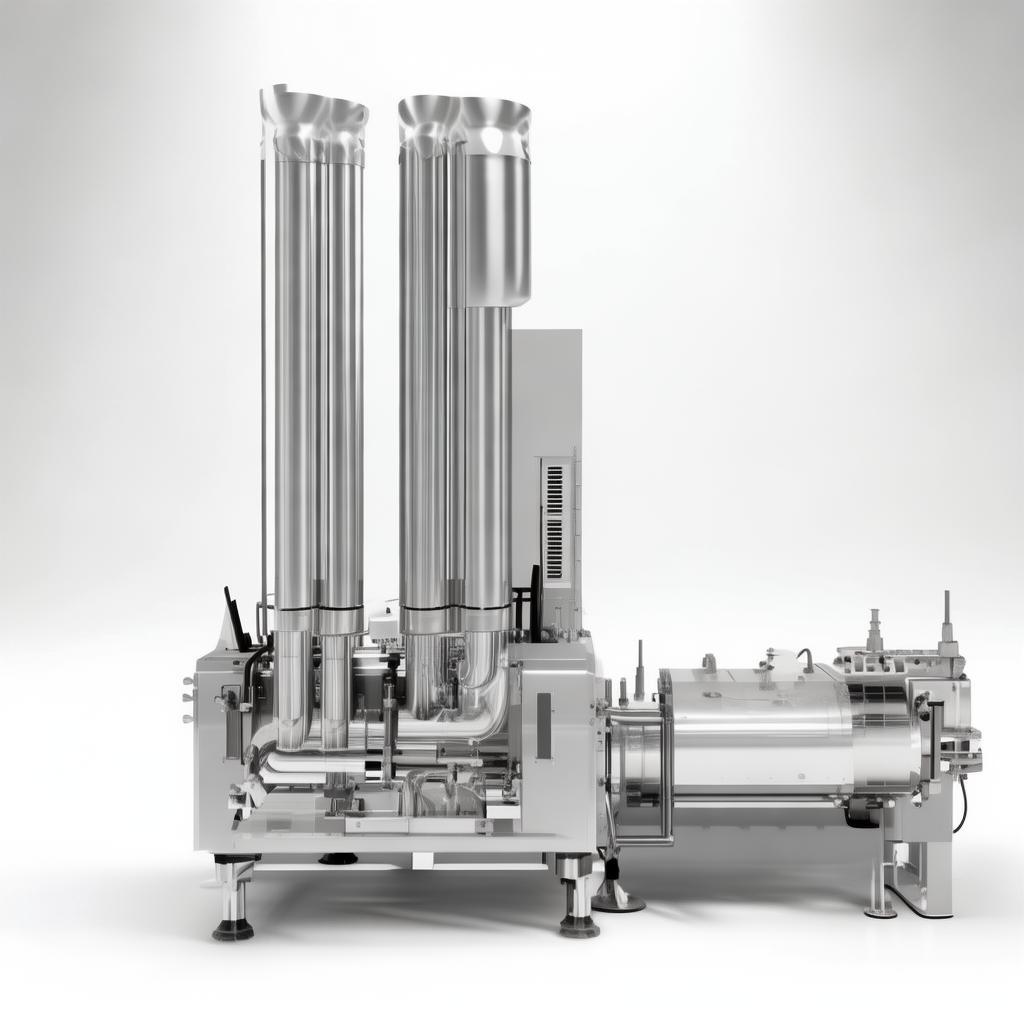
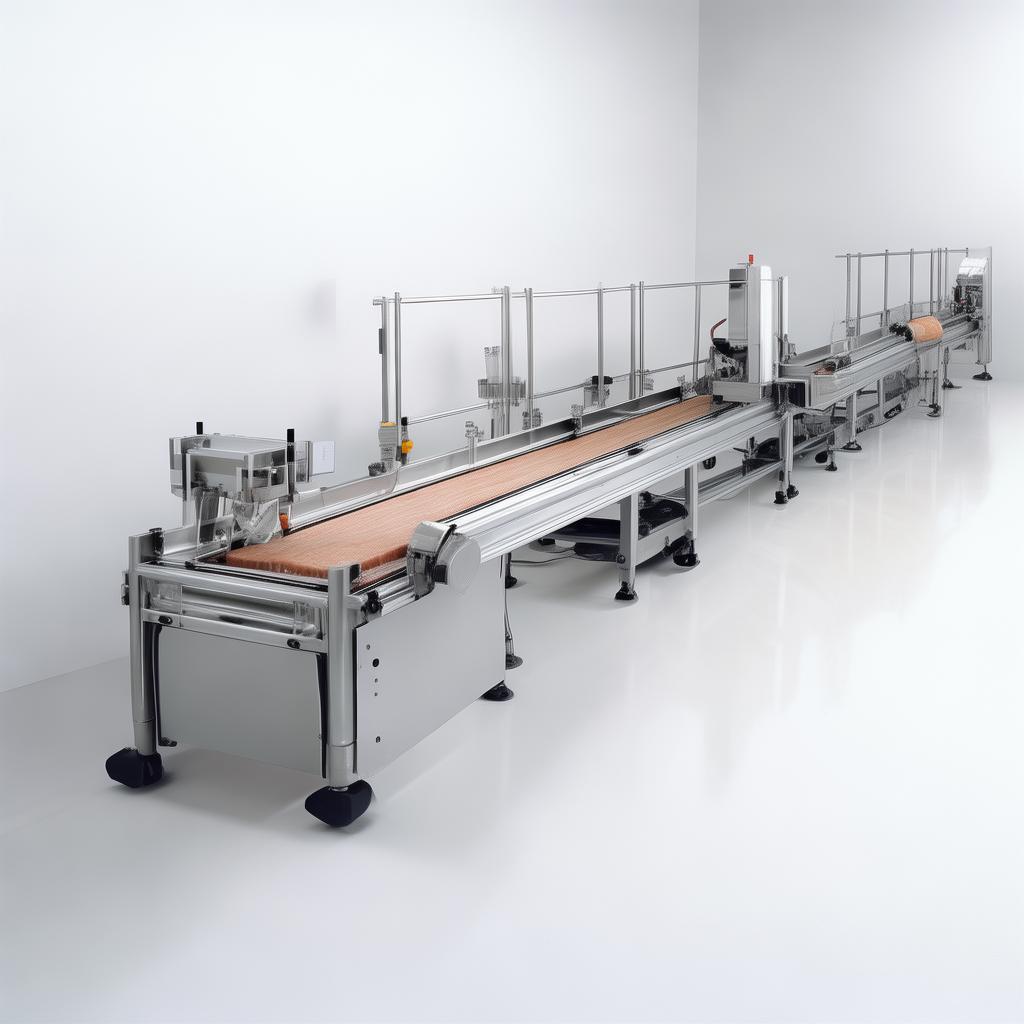
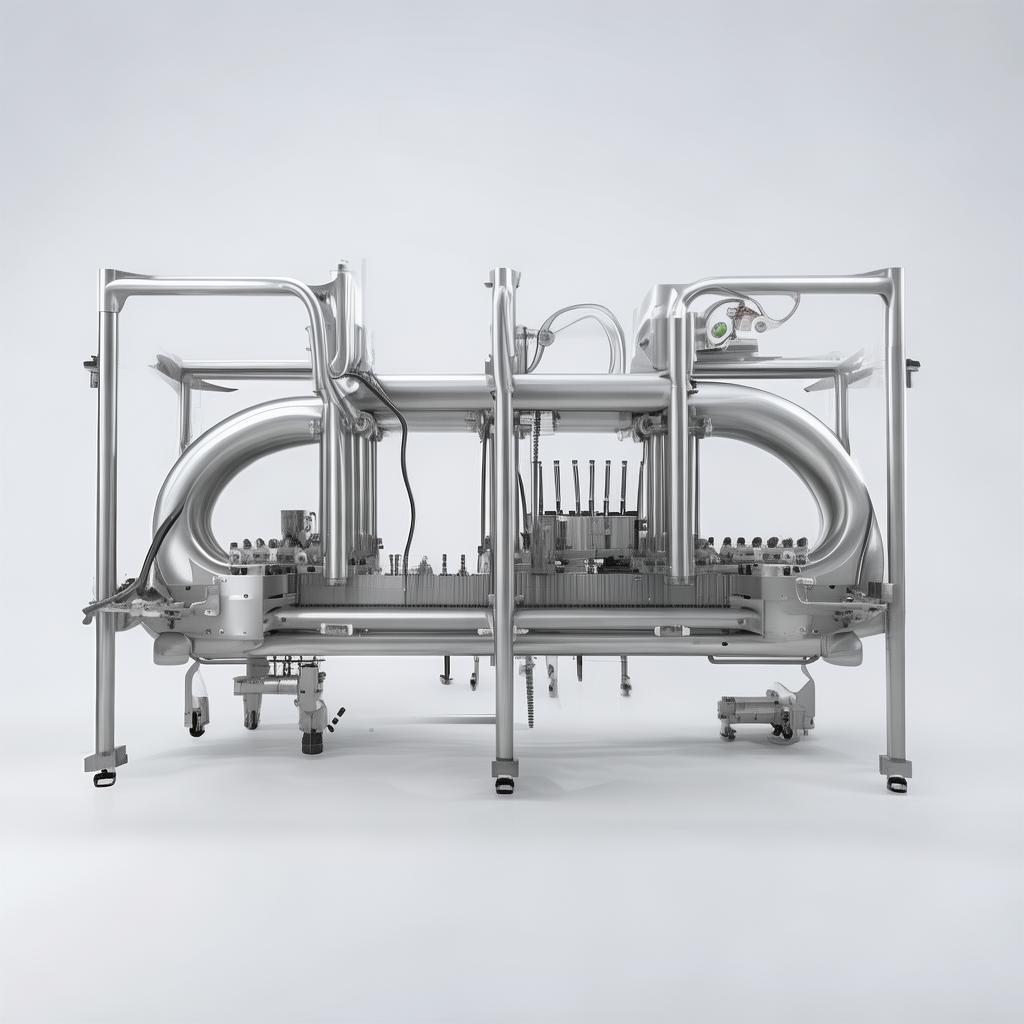
Pin Mill Grinders: Precision Particle Size Reduction for Demanding Industrial Applications
Unlock Consistent Quality and Enhanced Processing Efficiency with Advanced Grinding Technology.
 By Dr. Evelyn Reed, Lead Process Engineer | October 26, 2023
Introduction to Pin Mill Grinders
In the realm of industrial processing, achieving precise particle size reduction is not merely a desirable outcome; it’s a fundamental requirement for product quality, downstream efficiency, and overall cost-effectiveness. For countless manufacturers, particularly within sectors like food processing, chemicals, pharmaceuticals, and minerals, the ability to consistently mill materials to specific fineness is paramount. This is where the pin mill grinder emerges as a robust and highly effective solution. It’s a piece of equipment designed for impactful size reduction, transforming larger particles into finer powders through a high-energy impact grinding mechanism.
The global meat processing equipment market, for instance, is projected to reach USD 17.39 billion by 2034, with key segments including grinding machines driving growth. This underlines the constant demand for efficient and reliable grinding technologies. Our experience at Hebei Yuanchang Food Mechanism & Technology Co., Ltd. consistently shows that businesses seeking to optimize their grinding operations often gravitate towards pin mills due to their inherent design advantages for certain material types and desired particle profiles. They offer a unique blend of mechanical simplicity and powerful performance, making them suitable for a wide array of both hard and soft, fibrous and brittle materials.
Understanding the nuances of pin mill grinding means appreciating the interplay between rotor speed, pin configuration, feed rate, and material characteristics. It’s a dynamic process where fine-tuning these parameters can unlock optimal results. Unlike other grinding technologies, the pin mill primarily relies on the kinetic energy of rotating pins striking the material. This method is particularly effective for achieving finer particle sizes with minimal heat generation, a critical factor when dealing with heat-sensitive substances. We’ve seen firsthand how this can prevent product degradation and preserve valuable volatile compounds, a common concern in the food and spice industries.
The need for advanced processing machinery is further evidenced by the broader food processing equipment market, which is expected to reach USD 19.66 billion by 2033. Within this landscape, specialized equipment like pin mills play a vital role in preparing raw ingredients for further processing, enhancing texture, and ensuring uniformity in final products. For a procurement manager or an operations director, selecting the right grinding technology involves a deep dive into application requirements, desired throughput, and long-term operational costs. The pin mill, with its relatively straightforward design and maintenance, often presents a compelling total cost of ownership proposition.
Furthermore, the push for automation and efficiency in manufacturing operations globally necessitates equipment that is not only powerful but also reliable and easy to integrate into existing production lines. Pin mills, when engineered with robust construction and thoughtful design, meet these demands. They are capable of handling high throughputs and can be configured to achieve particle sizes down to the micron range. The versatility of this equipment is a significant draw, allowing businesses to adapt their processing capabilities as market demands evolve. For example, the reconstituted meat market is projected to grow substantially, heavily relying on molding and pretreatment equipment, which often begins with precise particle size control achieved by advanced grinders.
Our 40 years of experience since 1986, coupled with our extensive in-house machining capabilities, including Japanese Mazak CNC centers, allows us to engineer pin mill grinders that meet the highest standards of precision and durability. We don’t just manufacture equipment; we provide solutions honed by decades of practical application and continuous improvement. This commitment to quality ensures that our clients receive machinery that performs reliably, day in and day out, minimizing downtime and maximizing their return on investment. We understand that a grinder is not just a machine; it's a critical component of a larger operational ecosystem.
Addressing Key Processing Challenges
Many manufacturers grapple with inconsistent particle sizes, leading to downstream processing issues and variable product quality. This can manifest as clumping in powders, uneven texture in formulated products, or inefficient extraction in chemical processes.
- Inconsistent Grinding: Traditional methods often result in a wide particle size distribution (PSD), making it difficult to meet stringent product specifications.
- Heat Generation: Friction in some grinding processes can degrade heat-sensitive materials, altering flavor, color, or efficacy.
- Dust & Fines Control: Over-grinding or inefficient containment can lead to excessive dust, posing health hazards and material loss.
- Material Build-up: Sticky or fibrous materials can clog grinding chambers, leading to frequent stoppages for cleaning and maintenance.
- Low Throughput: Inefficient machines limit production capacity, directly impacting scalability and profitability.
The meat processing equipment market is expanding, with significant growth driven by the demand for processed and convenience meats. This necessitates equipment that can handle large volumes efficiently while maintaining hygiene and product integrity. A pin mill grinder directly addresses many of these pain points by offering controlled, high-energy grinding that can achieve fine particle sizes with reduced heat buildup and optimized material flow.
Why Choose a Pin Mill Grinder?
The advantages of a well-designed pin mill grinder are substantial for operations demanding precise particle size control:
- Fine Particle Size: Capable of achieving D50 values in the low micron range, ideal for powders, pigments, and formulated products.
- High Throughput: Efficient impact mechanism allows for processing large volumes of material rapidly.
- Low Heat Generation: Minimal friction means less thermal degradation, preserving product integrity for sensitive ingredients.
- Versatile Material Handling: Effective for a broad spectrum of materials, including brittle, fibrous, and moderately sticky substances.
- Robust Construction: Built for demanding industrial environments, ensuring longevity and reliability. Our in-house machining capabilities, including precision grinding machines and CNC centers, guarantee the quality of every component.
- Ease of Maintenance: Designed for straightforward access to grinding elements and cleaning, minimizing downtime.
- Cost-Effectiveness: Offers a competitive balance of performance, durability, and initial investment, especially when considering total cost of ownership over its lifespan.
As the global meat processing equipment market continues its strong growth trajectory (projected to reach USD 17.39 billion by 2034), the demand for versatile grinding solutions like pin mills will only increase. They are crucial for creating consistent textures in sausages, patés, and other formed meat products. Similarly, in the mineral processing sector, achieving specific particle sizes is vital for downstream extraction processes.
The Mechanics of Pin Mill Grinding
At its core, a pin mill operates on the principle of high-speed impact and attrition. The grinding chamber is equipped with two counter-rotating discs, each fitted with rows of pins. These pins are strategically arranged to create a turbulent zone where incoming material is subjected to intense mechanical forces.
Material is fed into the center of the rotating discs. As the discs spin at high RPMs, the pins on each disc collide with the material particles. This impact causes the particles to shatter and break down. The chaotic motion within the chamber ensures that particles are repeatedly struck by pins from multiple angles, further reducing their size. The particle size achieved is largely determined by the speed of the discs, the density and arrangement of the pins, and the residence time of the material within the grinding zone.
Screening mechanisms, often integrated as a perforated screen around the periphery of the grinding chamber, control the final particle size. Only particles small enough to pass through the screen’s apertures exit the mill. Larger particles remain in the chamber, continuing to be impacted until they reach the desired fineness. This continuous impact and screening process allows for efficient and consistent size reduction.
The effectiveness of a pin mill is heavily influenced by material properties. For instance, brittle materials like sugar or certain minerals fracture readily. Fibrous materials may require higher impact energies or specific pin configurations. Our engineering team at Hebei Yuanchang meticulously analyzes these material characteristics to recommend the optimal pin design and operating parameters for your specific application. We have over 20 sets of processing machinery in our in-house workshop to ensure every component meets exact specifications.
Technical Specifications & Customization
While standard configurations are available, the true value of a pin mill often lies in its adaptability. We specialize in tailoring these machines to your precise needs.
| Feature | Standard Offering | Customization Options |
|---|---|---|
| Motor Power | 7.5 kW - 37 kW | Higher HP motors for increased throughput; Variable Frequency Drive (VFD) for speed control. |
| Disc Diameter | 300 mm - 1000 mm | Larger diameters for higher capacity; specific designs for optimal material flow. |
| Pin Configuration | Standard arrays (e.g., staggered, concentric) | Custom pin shapes, materials (e.g., hardened steel, carbide-tipped), and densities for specific material properties. |
| Screen Material & Aperture | Stainless Steel, various hole sizes | Perforated plates, wedge wire screens, different materials (e.g., wear-resistant alloys) for specific applications and particle shapes. |
| Construction Material | Carbon Steel, Stainless Steel (SS304/316) | Food-grade SS, wear-resistant alloys, specialized coatings for corrosive environments. |
| Feeding Mechanism | Gravity feed, screw feeder | Loss-in-weight feeders, vibratory feeders for precise control of sticky or difficult materials. |
grain mill grinder hammer mill grinder grinder hammer mill
Our extensive experience, supported by our in-house CNC machining capabilities, ensures that we can produce high-precision components essential for optimal pin mill performance. Whether you need a unit compliant with FDA standards for food processing or constructed from specialized alloys for chemical applications, we have the expertise to deliver. The meat processing equipment market, for example, demands hygiene and precision, often requiring SS316L construction and easy-clean designs.
Versatile Applications Across Industries
The pin mill's adaptability makes it a cornerstone in various industrial sectors:
Food & Beverage
Grinding spices, sugar, coffee beans, herbs, cocoa beans, grains, dried fruits, and ingredients for processed meats. Ensuring uniform texture and particle size is critical for flavor development and product consistency. The demand for processed meat products globally is substantial, driving the need for efficient preprocessing equipment. The processed meat market is projected to grow significantly, with efficient grinding playing a key role.
Chemicals & Pharmaceuticals
Milling APIs (Active Pharmaceutical Ingredients), intermediates, pigments, dyes, resins, and catalysts. Precise particle size control is vital for bioavailability, reaction rates, and product performance. We adhere to strict manufacturing standards to ensure compliance.
Minerals & Ceramics
Grinding limestone, gypsum, clay, quartz, feldspar, and other non-metallic minerals for construction materials, ceramics, and industrial fillers. Achieving specific fineness impacts binding properties and material strength.
Plastics & Polymers
Size reduction of plastic pellets, PVC, nylon, and other polymers for recycling or compounding purposes. Consistent particle size is crucial for extrusion and molding processes.
The versatility is remarkable. Whether you are aiming for a fine powder for a pharmaceutical formulation or a specific grit size for a ceramic glaze, the pin mill can be engineered to meet the challenge. Our team has decades of hands-on experience guiding clients to the optimal configuration.
Our Manufacturing Prowess
At Hebei Yuanchang Food Mechanism & Technology Co., Ltd., our 40-year legacy since 1986 is built on a foundation of deep engineering expertise and a relentless commitment to quality. We operate from a facility spanning approximately 14,000 square meters, employing a dedicated team of 80-100 professionals. Our integrated approach—encompassing R&D, production, and sales—allows us complete control over the manufacturing process, ensuring that every piece of equipment leaving our factory meets rigorous standards.
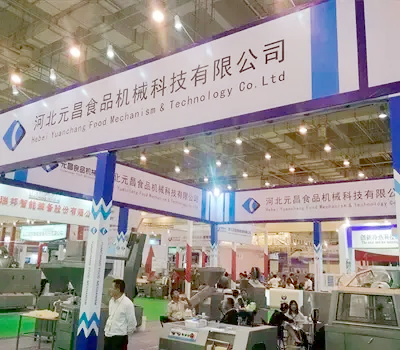
Our in-house machining workshop is equipped with over 20 sets of advanced processing machinery, including lathes, milling machines, high-precision grinding machines, boring machines, and wire cutting equipment. A significant investment was made in 2012 with the addition of 8 sets of Japanese Mazak CNC machining centers. This capability is crucial, enabling us to manufacture high-standard, non-standard, and large-volume components with exceptional precision. This isn't just about having advanced tools; it's about the skill and experience of our technicians who leverage these tools to create truly superior machinery.
Furthermore, our commitment extends beyond initial production. We maintain a traceable after-sales management system, ensuring that we can independently produce high-precision replacement parts. This capability is paramount for worry-free after-sales service and supports the long-term operational viability of our equipment. For international clients, understanding a supplier's manufacturing depth and after-sales support infrastructure is as critical as the equipment's specifications. We provide the assurance that comes from working directly with a highly capable manufacturer.
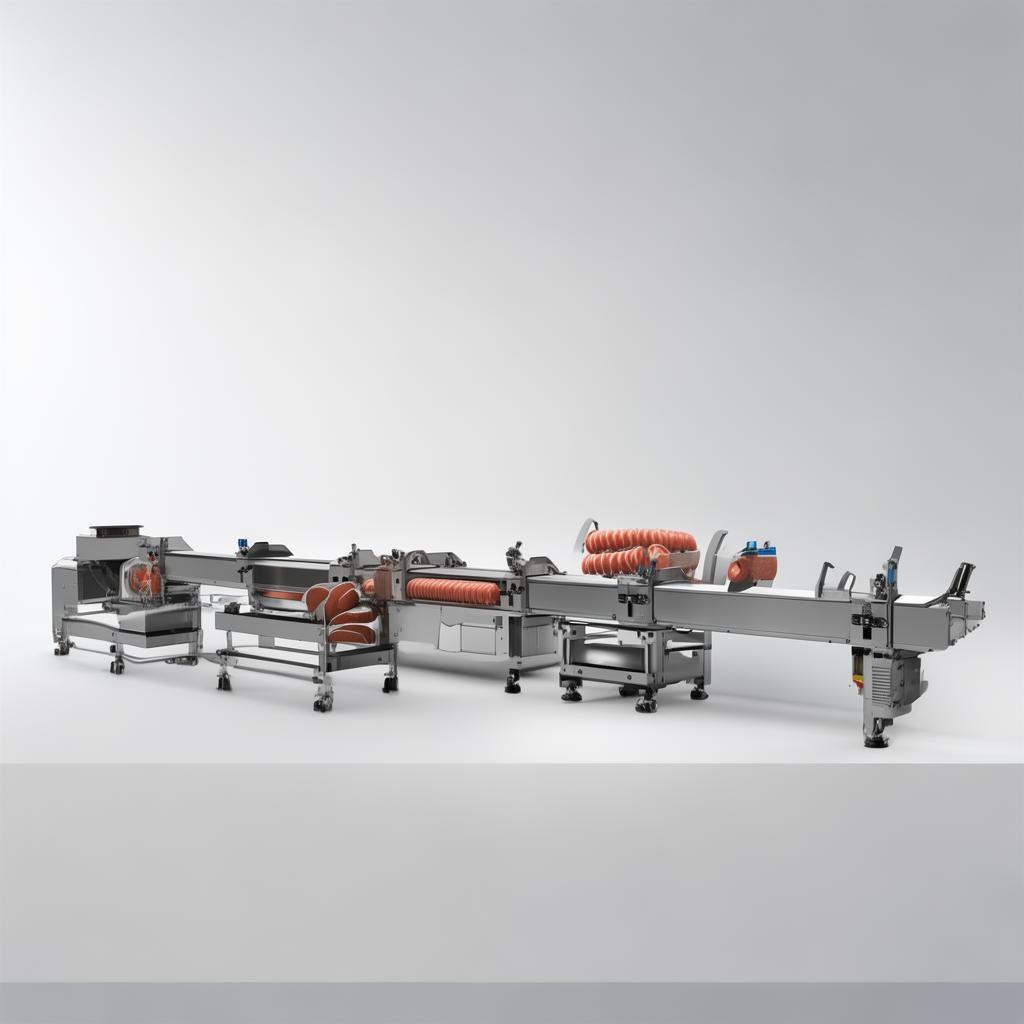
We are proud to be a key player in the meat and poultry processing equipment market, contributing advanced solutions for pretreatment, molding, and ripening. Our expertise in machinery like pin mill grinders directly supports the efficiency and quality demanded by this growing global sector.
Procurement & Partnership Guidance
When selecting a pin mill grinder, consider these critical factors to ensure you secure the right equipment and a reliable supplier:
- Material Analysis: Provide detailed information on the material you intend to grind – its hardness, moisture content, particle size, stickiness, and any abrasive properties. This is the bedrock of proper machine selection.
- Desired Particle Size Distribution (PSD): Be specific about your target fineness (e.g., D50, D90 values). This dictates the required milling intensity and screen aperture.
- Throughput Requirements: Clearly define your desired processing capacity (e.g., kg/hour or tons/day). This influences the size and power of the grinder.
- Operational Environment: Consider factors like temperature, humidity, hazardous area classification (ATEX/Ex), and hygiene requirements (e.g., FDA, EHEDG).
- Integration: How will the grinder fit into your existing workflow? Discuss feeding and discharge mechanisms, dust collection integration, and overall footprint.
- Supplier Expertise & Support: Look for manufacturers with a proven track record, robust engineering capabilities, transparent pricing, and responsive after-sales service. Experience in your specific industry is a significant advantage. We offer direct access to our engineers and a commitment to long-term partnership.
We understand the procurement cycle. Our goal is to make the decision-making process as transparent and informed as possible. We offer thorough consultations and can provide material testing and simulations to validate performance before you commit.
Procurement Insight: Don't underestimate the importance of lead times. For custom-engineered equipment, production schedules can be extensive. Planning ahead is essential to avoid project delays.
The global market for meat processing equipment is robust, with demand driven by convenience foods and stricter hygiene standards. For businesses in this sector, investing in reliable pretreatment equipment like our pin mill grinders is a strategic move. As noted, the meat processing equipment market is expected to grow, highlighting the importance of efficient technology.
Frequently Asked Questions (FAQs)
Q1: What is the typical particle size output of a pin mill grinder?
Pin mills are capable of achieving very fine particle sizes, often down to 50-100 microns (D50), and with specialized configurations, even finer. The exact output depends heavily on the material properties, screen size, and rotor speed.
Q2: Can a pin mill handle sticky or oily materials?
Yes, but it requires careful consideration. For moderately sticky materials, specialized pin designs and higher rotational speeds can help. For very sticky or oily substances, alternative grinding technologies might be more suitable, or advanced feeding and discharge mechanisms are necessary. Our team can assess your material and recommend the best approach.
Q3: How much heat is generated during pin milling?
Compared to some other grinding methods like hammer mills, pin mills generally generate less heat. The impact mechanism is efficient, and the material doesn't spend as much time undergoing high-friction shear. However, for extremely heat-sensitive materials, monitoring and potentially adding cooling systems might be advisable.
Q4: What is the expected lifespan of the pins?
The lifespan of the pins is highly dependent on the abrasiveness of the material being ground, the operating parameters, and the material of the pins themselves. For abrasive materials, pins made from hardened alloy steels or carbide-tipped options offer significantly longer service life. Regular inspection and replacement are standard maintenance practices.
Q5: Do you offer OEM/ODM services for pin mill grinders?
Absolutely. With our advanced manufacturing capabilities, including Japanese Mazak CNC machining centers, we are well-equipped to undertake OEM and ODM projects. We can produce custom-designed pin mills or components to your exact specifications, integrating your branding and specific functional requirements.
What Our Clients Say
"We needed to achieve a very specific particle size for our spice blends, and the pin mill from Yuanchang exceeded our expectations. The consistency is remarkable, and their technical support during the selection process was invaluable."
 Mark Jenkins, Production Manager, Global Spices Inc. (USA)
"Our previous grinder struggled with fibrous materials. The custom-configured pin mill we received from Hebei Yuanchang handles it with ease, significantly reducing downtime. The build quality is solid, and we appreciate the ease of maintenance."
 Sophia Rodriguez, Operations Director, BioNutrient Labs (Canada)
"We integrated their pin mill into our mineral processing line for a specialized aggregate. The team's understanding of material science and their precision manufacturing ensured we met our tight project deadlines. Their responsiveness to our inquiries was top-notch."
 David Kim, Lead Engineer, TerraMinerals Corp. (Australia)
"As a food processing plant, hygiene is paramount. The stainless steel pin mill delivered by Yuanchang is designed for easy cleaning and meets our strict food safety standards. The consistent grind quality has improved our product texture significantly."
 Anna Chen, Quality Assurance Manager, Premium Meats Ltd. (UK)
Ready to Optimize Your Particle Size Reduction?
Let our 40 years of manufacturing expertise work for you. We offer customized pin mill solutions designed for efficiency, durability, and precision.
Contact us: +86 15830991513 | ycmeatmech@gmail.com