Elevator Control Systems
Elevator Control Systems: Precision Engineering for Modern Vertical Transportation
Optimizing Performance, Safety, and Efficiency for Commercial and Residential Buildings
 By Dr. Evelyn Reed, Senior Industrial Consultant
|
Updated: October 26, 2023
By Dr. Evelyn Reed, Senior Industrial Consultant
|
Updated: October 26, 2023
Navigating the Complexities of Vertical Transport: The Heart of Every Elevator
In the intricate world of building infrastructure, few components are as critical yet often overlooked as the elevator control system. These sophisticated brains orchestrate the movement of countless passengers daily, ensuring seamless, safe, and efficient vertical transit. For architects, building owners, facility managers, and especially procurement specialists, understanding the nuances of elevator control systems isn't just about selecting hardware; it's about investing in the operational integrity, long-term reliability, and passenger experience of a property. The sheer volume of vertical transportation requirements in modern high-rises, bustling commercial centers, and even compact residential blocks necessitates control systems that are not merely functional but intelligently adaptive.
From the moment a user presses a call button to the precise leveling at the designated floor, a complex series of calculations and commands is executed. This involves real-time processing of data from sensors, car position indicators, door interlocks, and load sensors, all managed by the central controller. The evolution from rudimentary relay logic to advanced microprocessors and even AI-driven predictive algorithms has been transformative. Today’s systems are designed to handle fluctuating traffic patterns, minimize wait times, optimize energy consumption, and, paramountly, uphold the strictest safety standards. The choice of an elevator control system can significantly impact not only the immediate operational performance but also the total cost of ownership, including maintenance, energy bills, and potential downtime.
Consider the daily rhythm of a major office building. Thousands of employees and visitors need to move between floors. Rush hour can see hundreds of people waiting for elevators simultaneously. A well-designed control system, often incorporating advanced destination dispatch algorithms, can group passengers going to similar floors, drastically reducing the number of stops and overall travel time. Conversely, an outdated or poorly configured system can lead to frustrating delays, increased energy waste as cars make unnecessary trips, and accelerated wear and tear on mechanical components. This is where expertise in selecting and integrating the right control technology becomes indispensable.
Furthermore, the integration of elevator systems with broader building management systems (BMS) is becoming standard practice. This allows for centralized monitoring, remote diagnostics, and sophisticated energy management strategies. For international buyers, sourcing these critical components requires not only an understanding of technical specifications but also familiarity with global certifications, import regulations, and the logistical challenges of shipping complex electronic equipment. Our aim is to demystify this critical aspect of vertical transportation, offering insights that empower informed decision-making for both new installations and system upgrades.
The market for elevator control systems is diverse, ranging from standard solutions for low-rise buildings to highly customized, high-speed systems for supertall structures. Key considerations for any buyer, regardless of project scale, include:
- Reliability: The absolute priority. System failures can have significant consequences for building operations and safety.
- Performance: How well does it manage traffic, minimize wait times, and ensure smooth acceleration/deceleration?
- Safety Compliance: Adherence to international standards like EN 81, ASME A17.1, and local building codes is non-negotiable.
- Energy Efficiency: Modern systems offer features to reduce power consumption during peak and off-peak hours.
- Maintainability: Ease of diagnostics, access to spare parts, and remote monitoring capabilities.
- Scalability: Can the system adapt to future changes in building usage or traffic demands?
In the following sections, we will delve deeper into the technical architecture, operational advantages, and the strategic considerations essential for sourcing superior elevator control systems from reliable global manufacturers. This comprehensive overview is designed to equip you with the knowledge needed to make the most judicious investment for your vertical transport needs.
The Core Challenges in Elevator System Procurement
Sourcing elevator control systems internationally presents a unique set of challenges that procurement managers must navigate effectively. It’s not just about comparing price sheets; it's about assessing risk, ensuring compliance, and guaranteeing long-term performance.
Technical Specification Mismatch
Ensuring the system's capabilities precisely align with building requirements, traffic analysis, and elevator machinery (e.g., motor type, speed, capacity) can be complex across different manufacturers and regional standards.
Regulatory Compliance & Certification
Different markets have varying safety and electrical standards (e.g., UL, CE, CCC). Verifying that a system meets the specific requirements of the installation country is crucial and often requires meticulous documentation.
Integration Complexity
Integrating a new control system with existing elevator hardware, building management systems (BMS), fire alarm panels, and access control requires deep technical understanding and interoperability assurance.
Supply Chain & Logistics
Shipping sensitive electronic components globally involves risks of damage, delays, customs issues, and significant costs. Ensuring proper packaging, insurance, and efficient freight forwarding is paramount.
Addressing these points proactively is key to a successful international procurement strategy.
The Architecture of Advanced Elevator Control Systems
At its core, an elevator control system is a sophisticated automation platform. Modern systems leverage digital signal processing and robust software to manage elevator functions. We can broadly categorize these into a few key functional areas:
1. The Main Controller (Elevator PLC/Microprocessor)
This is the central brain. It receives inputs from car operating panels (COP), hall call buttons, door sensors, position encoders, safety circuits, and load sensors. Based on programmed logic and real-time data, it sends commands to the motor controller (for movement), door operator, and indicators. Advanced controllers use powerful microprocessors capable of complex calculations for optimal call handling and fault diagnostics.
Our in-house machining workshop, equipped with over 20 sets of processing machinery and Japanese Mazak CNC machining centers since 2012, allows us to produce high-standard components. This ensures that the precision parts integrated into our systems meet rigorous demands for volume, accuracy, and non-standard specifications, directly contributing to the reliability of the main controller and associated hardware.
2. Drive and Motor Control
This component dictates the elevator's movement. Variable Voltage Variable Frequency (VVVF) drives, or more commonly, Variable Voltage Variable Frequency (VVVF) drives, are standard for modern traction elevators. They precisely control the motor's speed, torque, and direction, enabling smooth acceleration, deceleration, and accurate floor leveling. Regenerative drives can also feed energy back into the building's power grid during braking, enhancing energy efficiency.
For OEM/ODM partners, selecting the correct drive system is paramount. It must be compatible with the motor type (synchronous or asynchronous), load capacity, and desired speed, all while adhering to regional electrical codes. We can provide detailed technical consultations to ensure perfect integration.
3. User Interface Components
This includes the Car Operating Panel (COP) inside the elevator car, featuring floor selection buttons, door open/close buttons, and emergency controls, as well as the Hall Call Buttons (HCB) on each landing. Modern COPs often incorporate digital displays showing position, direction, and travel time. Touchscreen interfaces are becoming more common, offering greater functionality and a premium feel.
The design and material quality of these components directly influence passenger perception. Robust, vandal-resistant designs are crucial for high-traffic areas.
4. Safety Circuits and Interlocks
These are the fail-safe mechanisms. They include door interlocks (ensuring doors cannot open when the car is not at a floor), safety gear activation (in case of overspeed), emergency brakes, and communication systems for passenger assistance. Redundancy is a key principle here; critical safety functions often have backup systems.
Compliance with EN 81-1/2 and ASME A17.1 standards is fundamental. Our systems are designed with these safety layers meticulously integrated and tested.
Operational Advantages: Why Smart Control Systems Matter
Investing in a sophisticated elevator control system translates directly into tangible operational benefits. Beyond simply moving people, these systems enhance efficiency, reduce costs, and improve the overall building environment. We’ve seen firsthand how the right technology can transform a building’s vertical transport.
- Optimized Traffic Flow: Algorithms like destination dispatch intelligently route cars to minimize wait times and reduce unnecessary stops, significantly improving passenger throughput during peak hours. This isn't just about convenience; it boosts productivity in office environments.
- Enhanced Energy Efficiency: Modern VVVF drives and intelligent dispatch systems reduce energy consumption by optimizing motor speed and minimizing idle time. Some systems can even regenerate power back to the grid. This contributes to lower operational expenses and a greener building profile.
- Reduced Wear and Tear: Smooth acceleration and deceleration, along with precise leveling, put less stress on mechanical components like motors, ropes, and guide rails, extending their lifespan and reducing maintenance frequency.
- Proactive Maintenance and Diagnostics: Many advanced systems offer remote monitoring capabilities, allowing technicians to diagnose potential issues before they cause a breakdown. This predictive maintenance approach minimizes unexpected downtime and costly emergency repairs. Our traceable after-sales management system ensures support even for complex remote diagnostics.
- Improved Passenger Experience: Shorter wait times, smoother rides, and clear communication about elevator status create a more pleasant and reliable user experience, which is invaluable for commercial properties and high-end residences.
- Scalability for Future Needs: The right system can be programmed or upgraded to handle increased traffic as building usage changes, or to incorporate new features and integrations, protecting your investment.
For wholesale export buyers and distributors, offering systems with these demonstrable advantages provides a significant competitive edge in their respective markets. It's about providing solutions, not just components.
Technical Specifications: Key Data for Informed Decisions
When evaluating elevator control systems, specific technical parameters are critical. These specifications dictate compatibility, performance, and safety. Below is a sample table outlining typical data points you should look for.
| Parameter | Specification Range/Notes | Importance |
|---|---|---|
| Input Voltage | 208-240V AC, 380-480V AC (3-Phase) | Critical: Must match local power grid. |
| Output Frequency | 0-60 Hz (Adjustable) | Determines motor speed and elevator performance. |
| Number of Floors Supported | Up to 32, 64, 128 (Modular options available) | Essential: Must match building’s vertical span. |
| Maximum Speed Control | Up to 4 m/s (or as per elevator specs) | Crucial for high-rise performance. |
| Communication Protocols | Modbus RTU, CANopen, Ethernet/IP (Optional) | Important for BMS integration. |
| Safety Certifications | CE, UL, RoHS, ISO 9001 | Mandatory: Varies by region. |
| Operating Temperature | -10°C to +50°C (Standard) | Consider extreme climates. |
elevator intercom systems pallet elevator lift elevator and lowerator
Always request the full datasheets and confirm compliance with your specific project requirements. For wholesale inquiries, understanding these specs is key to advising your clients.
Applications Across Diverse Environments
The versatility of modern elevator control systems allows them to be deployed across a vast range of applications:
- Commercial Buildings: High-traffic office towers, retail complexes, and convention centers benefit from advanced dispatch systems to manage passenger flow efficiently.
- Residential Buildings: From multi-unit apartment blocks to luxury condominiums, reliable and user-friendly controls are essential for daily living.
- Hospitals & Healthcare Facilities: Specialized controls are often required for ambulance access, bed elevators, and high-reliability requirements, ensuring uninterrupted critical transport.
- Hotels: Efficient management of guest and service traffic is paramount for customer satisfaction and operational smoothness.
- Industrial Sites & Warehouses: Robust systems designed for heavy-duty use and specific material handling needs.
- Public Transport Hubs: Airports, train stations, and metro systems require high-capacity, durable, and reliable systems to serve large passenger volumes.
Our experience in manufacturing high-precision components allows us to support the demanding requirements of these varied applications, ensuring that each system is tailored for its specific operational environment.
Installation and Maintenance Considerations
Proper installation is as critical as the system itself. Incorrect wiring, configuration, or calibration can lead to performance issues, safety hazards, and voided warranties. We strongly advise engaging certified elevator technicians for all installations. Key considerations include:
- Qualified Technicians: Always use personnel familiar with the specific control system and local safety regulations.
- Electrical Compatibility: Verify power supply voltage, phase, and grounding are correct.
- Wiring Integrity: Ensure all connections are secure and shielded appropriately to prevent interference.
- Sensor Calibration: Accurate calibration of position sensors, load cells, and door sensors is vital for smooth operation and safety.
- System Programming: Correct input of building layout, traffic patterns, and safety parameters is essential.
Regarding maintenance, a proactive approach is always more cost-effective. Regular inspections, lubrication, and cleaning, coupled with software updates and diagnostics as recommended by the manufacturer, can prevent minor issues from escalating into major failures. Our traceable after-sales management system supports long-term serviceability.
A practical warning: Never attempt to bypass safety interlocks or modify safety circuits without expert knowledge and authorization. It's a critical safety failure risk.
Logistics and Global Supply Chain Insights
For international buyers, understanding the logistics of shipping elevator control systems is a significant part of the procurement process. These are sensitive electronic components, requiring careful handling and compliance with international shipping regulations.
Packaging and Protection
Control cabinets and sensitive electronic boards require robust packaging. This typically involves anti-static wrapping, protective foam inserts, and sturdy, often custom-built, wooden crates to withstand transit shocks and environmental variations.
Shipping Methods
Depending on volume and urgency, we utilize sea freight (most economical for large orders, like full container loads) or air freight (for smaller, time-sensitive shipments). Our team coordinates with reliable freight forwarders experienced in handling industrial electronics.
Customs and Documentation
Accurate customs declarations, including HS codes, invoices, and packing lists, are crucial for smooth clearance. We provide all necessary documentation to facilitate import into your country. Understanding your local import duties and taxes is also essential.
Lead Times
Lead times typically range from 4 to 8 weeks, depending on customization and current production schedules. We always provide realistic delivery timelines upfront.
Efficient logistics management is a cornerstone of our export operations, ensuring your critical components arrive on time and in perfect condition.
Supplier Evaluation: What to Look For
When selecting an international supplier for elevator control systems, several factors beyond price demand careful consideration:
- Manufacturing Capabilities: Does the supplier have in-house R&D, a well-equipped production facility, and robust quality control processes? Our 14,000 sq meter facility and advanced machinery speak to our commitment to quality.
- Technical Expertise: Do they have experienced engineers who can offer technical support and customization? Our 40 years of experience since 1986 means we've seen and solved a wide array of challenges.
- Certifications & Compliance: Are their products certified to international standards relevant to your target market? Look for ISO 9001, CE, UL, and specific safety certifications.
- After-Sales Support: What kind of warranty and technical support is offered? A traceable management system and clear communication channels are vital.
- Export Experience: Have they successfully supplied to your region before? Familiarity with international logistics and customs procedures is a plus.
Choosing a reliable partner is an investment in the longevity and safety of your building's vertical transport infrastructure.
Commitment to Quality: Our Manufacturing Strength
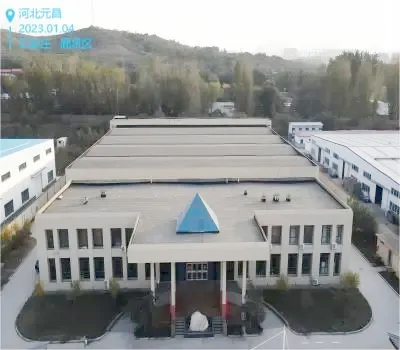
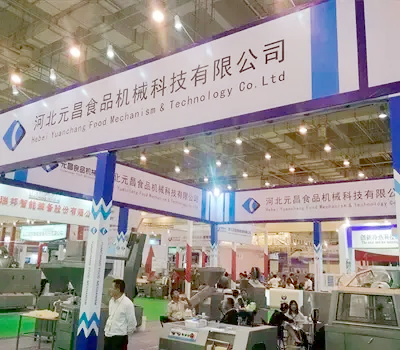
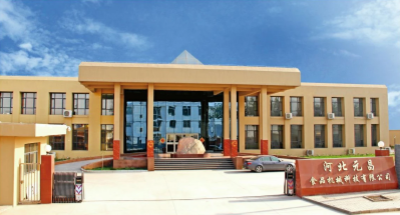
At Hebei Yuanchang Food Mechanism & Technology Co., Ltd., our 40-year legacy (since 1986) in precision manufacturing has equipped us with the deep understanding and technical prowess required for producing high-reliability industrial components, including sophisticated control systems for vertical transport. Our facility spans 14,000 square meters and houses a team of 80-100 dedicated professionals.
Our in-house machining workshop is a testament to our commitment to excellence. With over 20 sets of advanced processing machinery – including lathes, milling machines, high-precision grinding machines, boring machines, plate shears, bending machines, and wire cutting equipment – we possess the capability to produce a wide range of critical components. Since 2012, the integration of 8 sets of Japanese Mazak CNC machining centers has elevated our precision manufacturing capabilities significantly. This allows us to undertake the production of high-standard components that demand large volumes, exceptional precision, and non-standard specifications, ensuring every part meets stringent quality benchmarks.
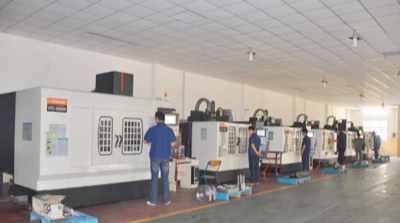
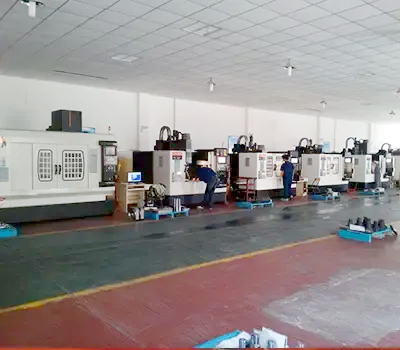
This comprehensive in-house production capability, combined with our traceable after-sales management system, ensures we can independently produce high-precision parts. This translates directly into worry-free after-sales service and superior product reliability for our international clients.
Certifications and Compliance
Adherence to international standards is not just a requirement; it's a commitment to safety and quality. Our elevator control systems are designed and manufactured to meet rigorous global benchmarks. We can provide documentation for:

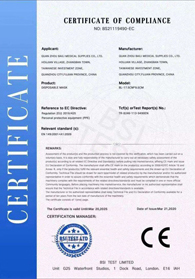
We are continuously working to expand our certifications to better serve diverse international markets. Please inquire about specific regional compliance needs.
Hear From Our Global Partners

Marcus Bellwether
Procurement Manager, Chicago, USA
"We've sourced elevator control systems from Yuanchang for several mid-rise projects. Their technical team was incredibly helpful in selecting the right configurations for our specific building needs. The quality is consistently high, and their export logistics are very dependable. Significantly reduced our installation time compared to previous suppliers."

Anya Sharma
Operations Director, Mumbai, India
"The systems from Yuanchang have been a game-changer for our elevator installations in new residential developments. Their VVVF drives offer smooth operation, and the fault diagnosis features have greatly simplified our maintenance routines. Excellent value for money, and the support team is responsive."

Karl Schmidt
Technical Buyer, Hamburg, Germany
"We approached Yuanchang with a request for custom control logic for a specialized industrial elevator. They not only met our complex technical specifications but delivered within the agreed timeframe. Their precision manufacturing truly stands out, and the integration was seamless. Highly recommend for demanding projects."
Ready to Optimize Your Vertical Transport?
Partner with an experienced manufacturer dedicated to precision, reliability, and global service.
Get In Touch
Contact Us Directly
Phone: +86 15830991513
Email: ycmeatmech@gmail.com
Address: Shijiazhuang, Hebei Province, China
Website: www.ycmeatmech.com
Send Us a Message
Hebei Yuanchang Food Mechanism & Technology Co., Ltd. | All rights reserved.