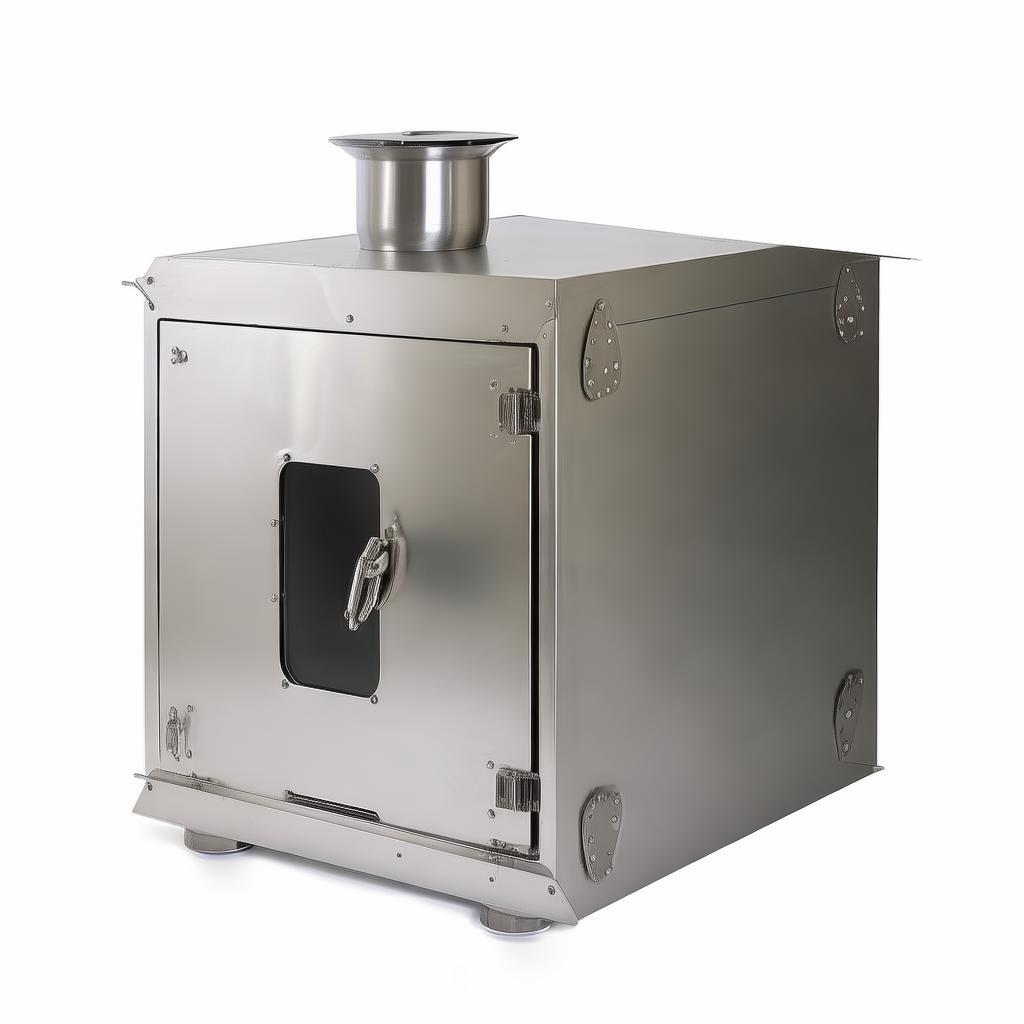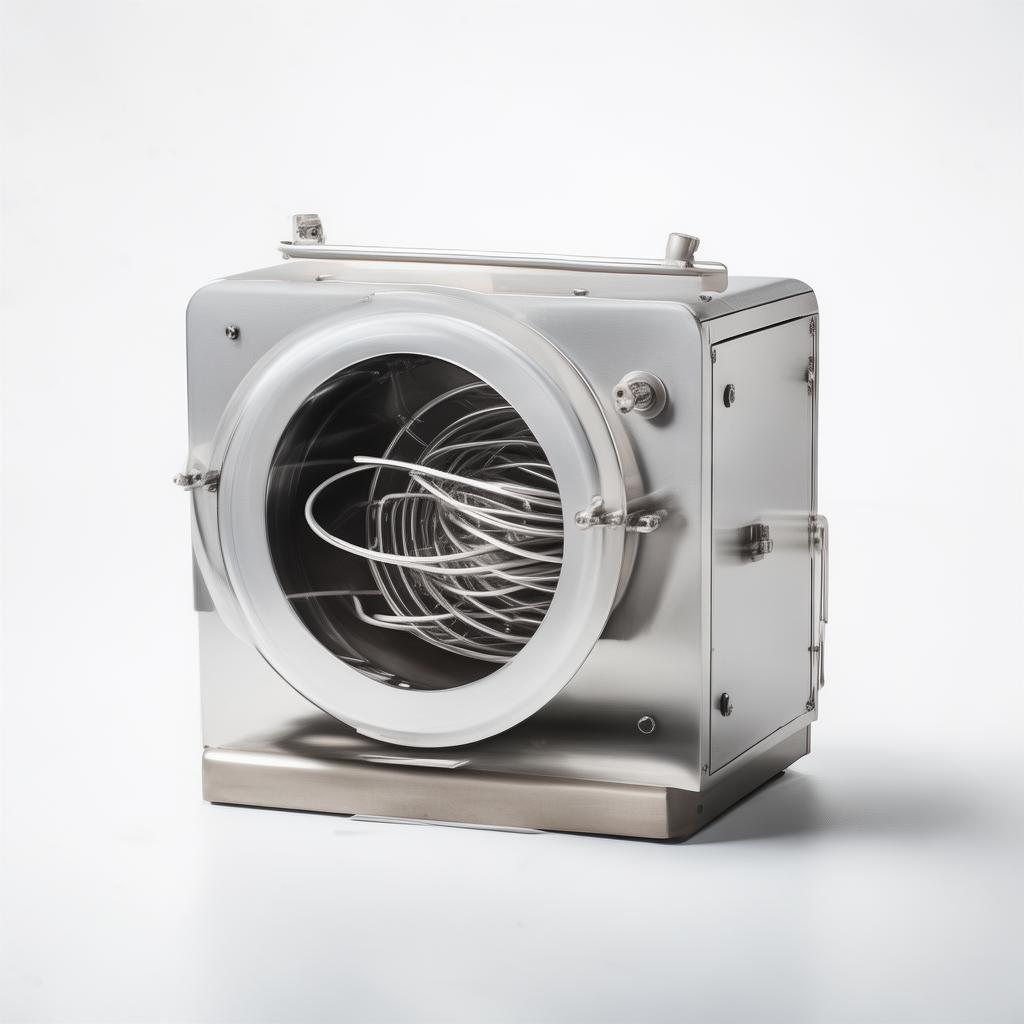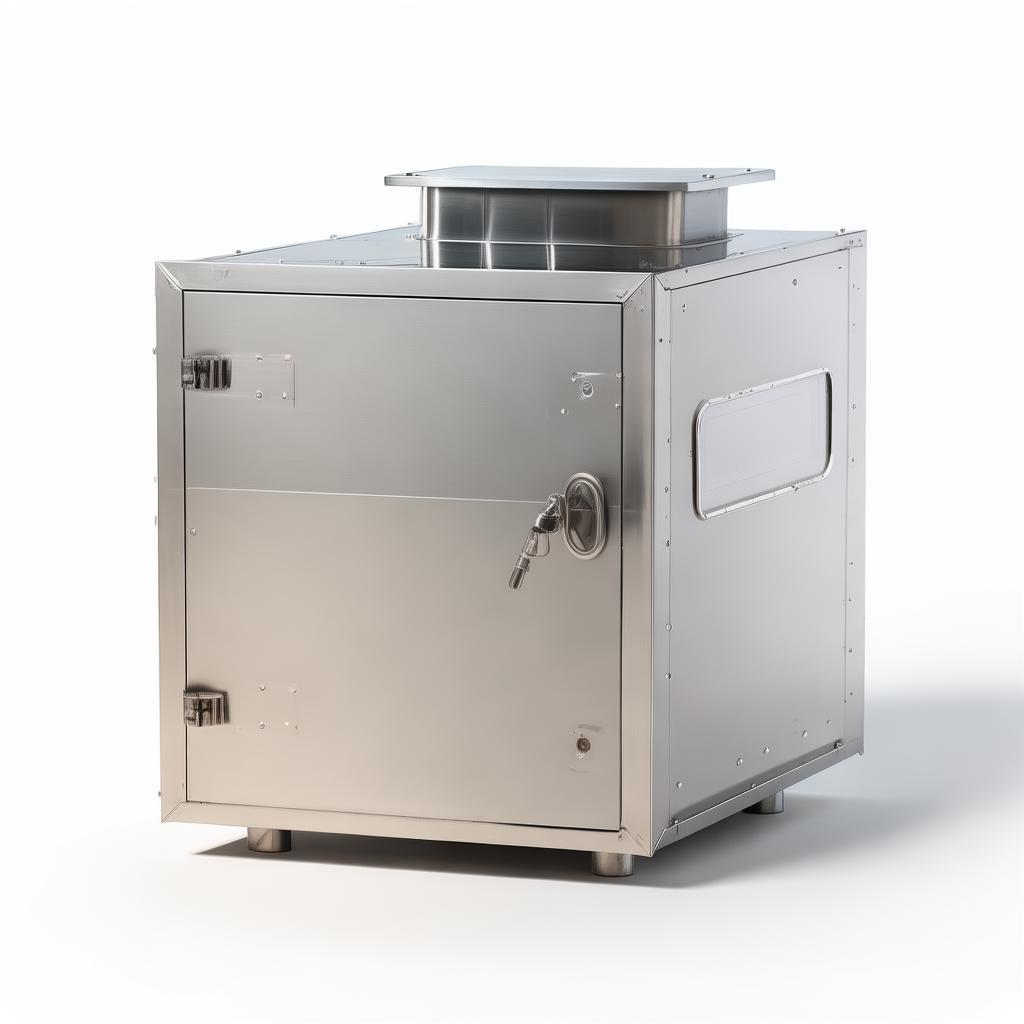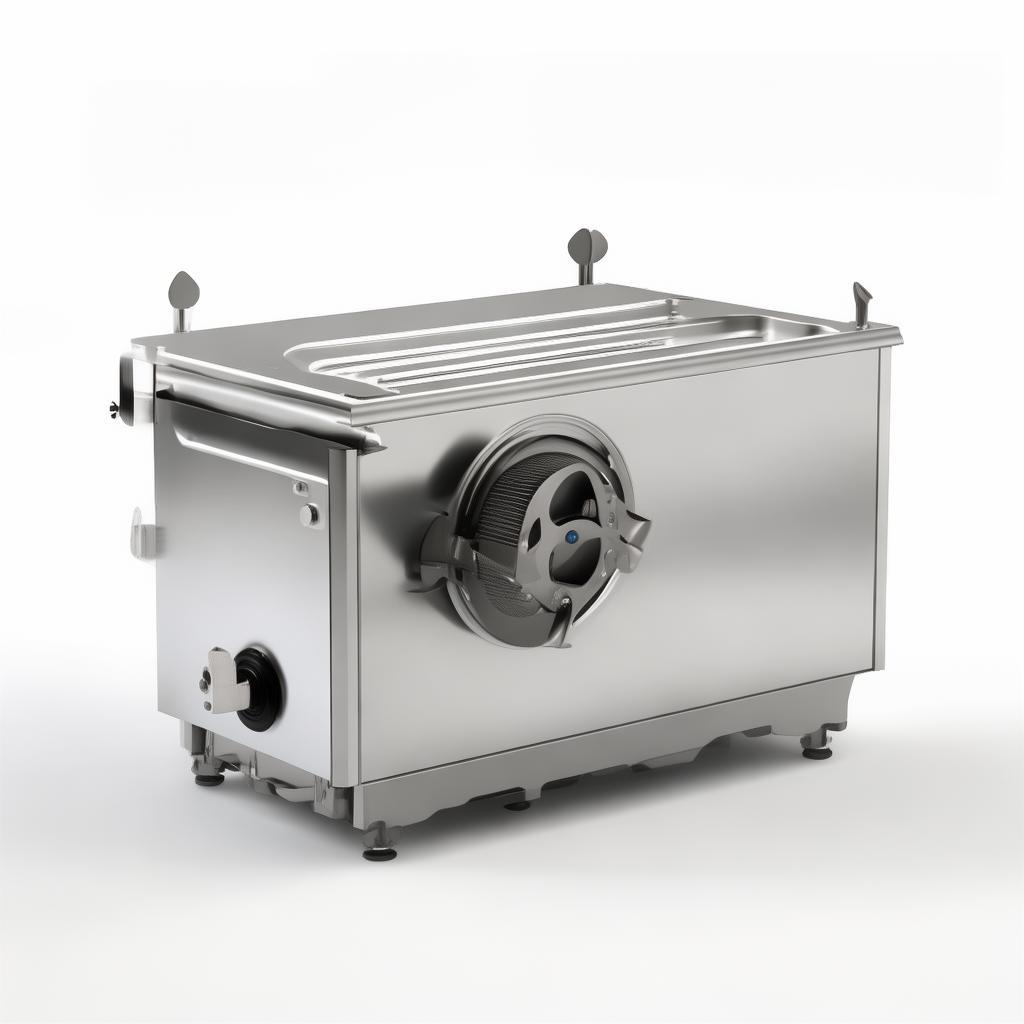
Vacuum Plate Lifter
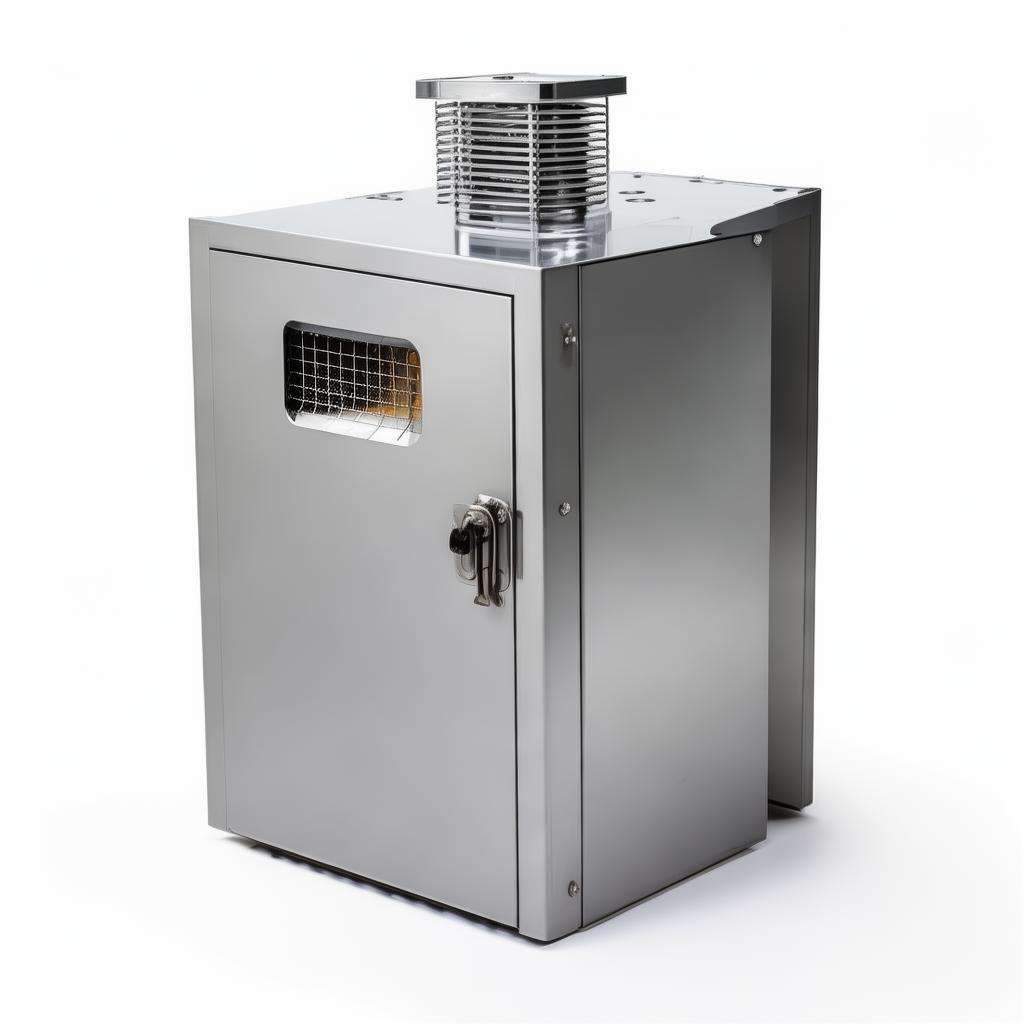
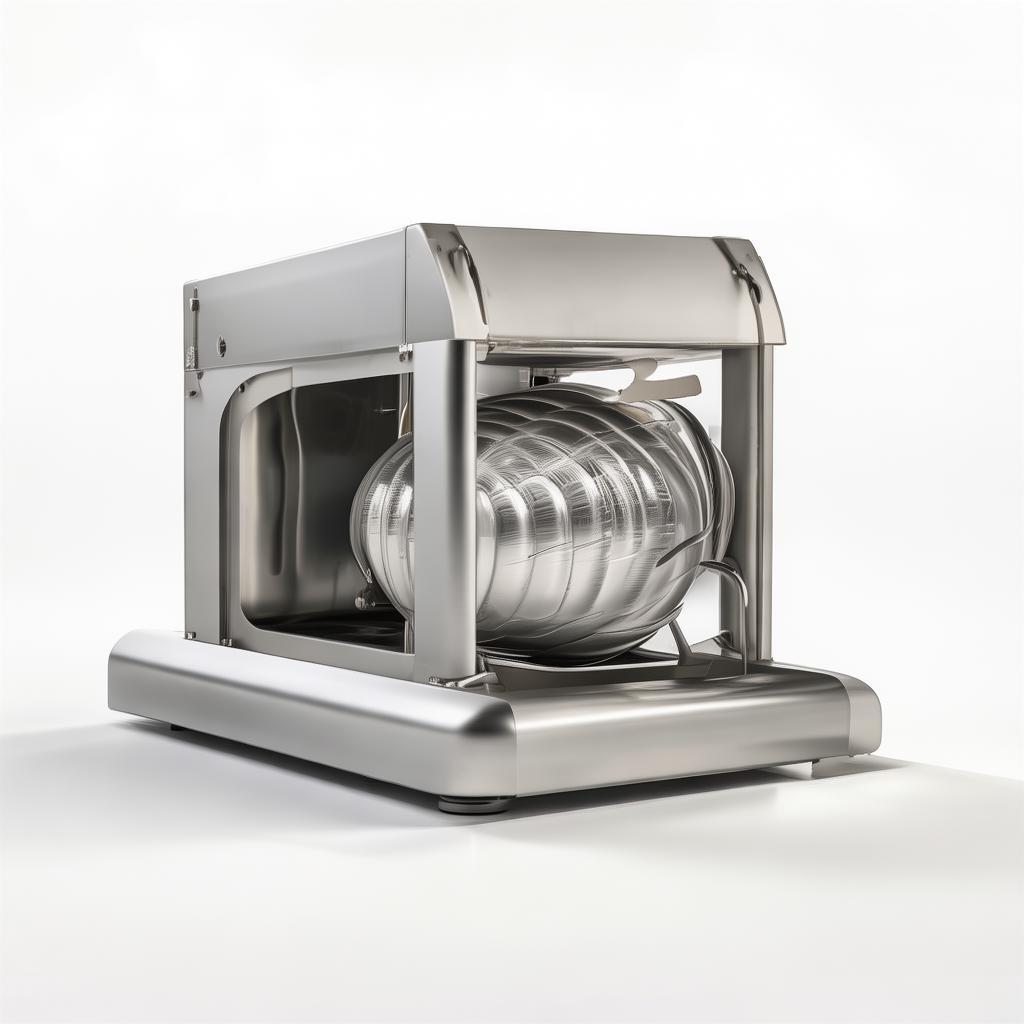
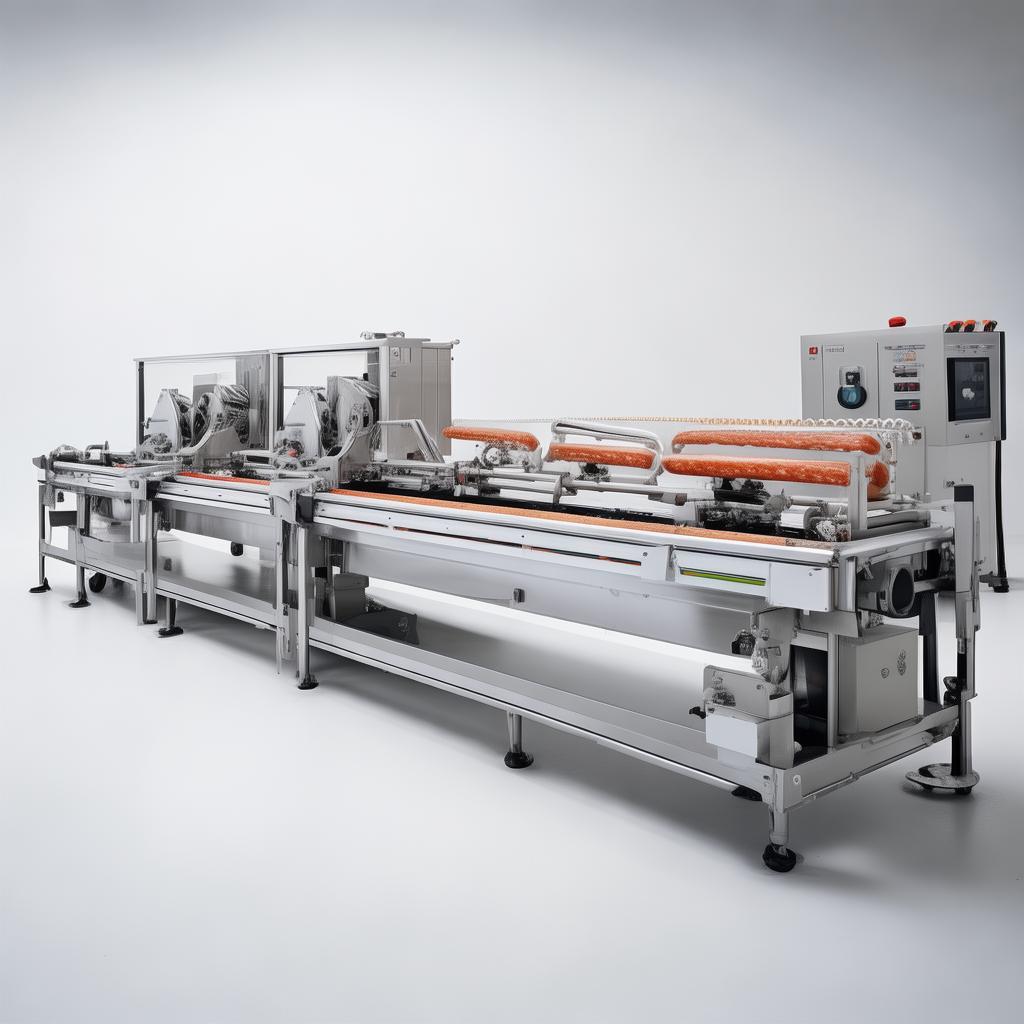
Vacuum Plate Lifters: Streamlining Material Handling with Precision and Safety
Engineered for Efficiency in Industrial and Manufacturing Environments
Understanding the Demands of Modern Material Handling
In the fast-paced world of international trade and industrial manufacturing, the efficient and safe movement of materials is paramount. For businesses dealing with large, flat, or irregular components – think stone slabs, glass panels, metal sheets, or even pre-fabricated building elements – the challenge isn't just about moving them, but doing so without incurring damage, risking worker injury, or creating workflow bottlenecks. Traditional manual handling methods, while sometimes unavoidable, are often slow, labor-intensive, and carry inherent risks. This is where advanced material handling solutions, specifically vacuum plate lifters, come into play, offering a blend of power, precision, and enhanced safety that manual methods simply cannot match.
Procurement managers and operations directors are constantly on the lookout for equipment that not only improves productivity but also demonstrably reduces operational costs and safety incidents. The investment in a vacuum plate lifter isn't just about acquiring a piece of machinery; it's about integrating a solution that directly impacts your bottom line by minimizing material waste, reducing reliance on large crews, and speeding up turnaround times for critical projects. We've seen firsthand how the right lifting technology can transform a company's capabilities, allowing them to take on larger, more complex contracts with greater confidence.
The global meat processing equipment market, for instance, saw a valuation of USD 11.28 billion in 2024, with a projected reach of USD 15.04 billion by 2030. This significant market size highlights the critical role of specialized machinery in industrial processes. While our focus here is on vacuum plate lifters, the underlying principle of investing in sophisticated equipment for efficiency and safety is universal across manufacturing sectors. Companies like ours, with decades of experience, understand the operational nuances that drive these investments. The demand for processed meats, valued at over USD 750 billion globally, underscores the need for reliable, high-capacity material handling, a need that extends to the handling of the raw materials and components used in these very processes.
Consider the broader food processing machinery market, which includes specialized equipment for various segments, with meat processing being a significant contributor. The need for hygiene, precision, and speed is non-negotiable. Similarly, when handling delicate or heavy materials like glass, polished stone, or sensitive electronic components, the margin for error is slim to none. A vacuum plate lifter, when properly specified and deployed, acts as an extension of the skilled operator, providing a secure grip and controlled movement that safeguards valuable inventory and the workforce. It's about eliminating the guesswork and inherent risks associated with precarious manual lifts or less sophisticated mechanical aids.
The journey from raw material to finished product, or from incoming shipment to inventory, often involves steps where vacuum lifting technology shines. Whether it's unloading large format tiles at a construction site, positioning heavy glass panes during manufacturing, or moving metal sheets in a fabrication shop, the efficiency gains are substantial. Reports indicate the global meat processing equipment market is expected to reach USD 19.66 billion by 2033. This growth signifies a broader trend towards automation and specialized equipment across industries. For us, it's about providing that specialized equipment that solves tangible problems. The operational insights we've gathered over 40 years confirm that investing in the right lifting solutions is a strategic move, not merely an operational expense.
We understand that choosing the right vacuum plate lifter involves more than just looking at a spec sheet. It requires understanding your specific operational environment, the types of materials you handle, the weight capacities required, and the logistical constraints of your facility. Our commitment is to provide not just equipment, but comprehensive solutions tailored to your unique needs. This includes offering expert advice on selection, installation, and ongoing support, ensuring your investment delivers maximum return and operational excellence.

The Core Challenges in Handling Large, Flat Materials
Handling large, flat, and often heavy materials presents a unique set of operational hurdles. The sheer surface area can make manual manipulation awkward and unstable. For materials like polished stone or glass, the risk of surface damage from friction, impact, or improper handling is a constant concern, leading to costly replacements and project delays. Even seemingly robust materials like steel plates can warp or scratch if not handled with care.
Worker safety is another critical consideration. Repetitive strain injuries (RSIs), back injuries from awkward lifting, and the potential for dropped loads are significant risks that impact insurance premiums, worker morale, and overall operational efficiency. Over-reliance on manual labor also means dependency on the availability of skilled personnel and can lead to slower workflow, especially during peak demand.
From a procurement standpoint, ensuring consistent quality and reliable supply chains for these materials is crucial. When the handling process itself becomes a weak link, it jeopardizes the entire operation. Imagine a scenario where a single damaged slab of marble can halt a high-profile construction project for days. This is the kind of risk that intelligent material handling solutions are designed to mitigate.
The market for processed meat, which reached USD 1.33 trillion by 2035, demonstrates a global demand for efficiency and standardization in manufacturing. This drive for efficiency is mirrored in other industries where bulk materials need to be moved. The adoption of automation and specialized machinery is key to meeting these demands. A vacuum plate lifter fits squarely into this paradigm, offering a sophisticated, yet straightforward, method for addressing the inherent challenges of handling flat materials.
These challenges are amplified in international trade, where goods might be handled multiple times in different environments and by various teams. Ensuring that materials arrive at their destination in pristine condition, and that the handling process at every stage is efficient and safe, requires robust equipment. This is where investing in quality vacuum lifters becomes not just a operational benefit, but a strategic advantage in global commerce.
Introducing the Vacuum Plate Lifter: Precision Grip, Enhanced Safety
A vacuum plate lifter is an industrial lifting device that utilizes vacuum technology to securely grip and transport flat, non-porous materials. At its heart, the system comprises a vacuum pump, a reservoir for maintaining vacuum integrity, and a series of suction cups mounted on a frame or beam. When the suction cups are placed onto the surface of the material, the vacuum pump creates a pressure differential, effectively "sticking" the lifter to the load.
The power of this technology lies in its ability to distribute the lifting force over a wide area via multiple suction cups. This distribution minimizes pressure points, reducing the risk of surface damage. Furthermore, the vacuum seal acts as a buffer, absorbing minor vibrations and shocks during transit. Most modern vacuum lifters also incorporate safety features such as vacuum monitoring systems, audible and visual alarms, and self-retaining vacuum capabilities, ensuring that the load remains secured even in the event of a temporary power interruption.
Our expertise, honed over 40 years in manufacturing, allows us to engineer vacuum plate lifters that are not only robust and reliable but also precisely calibrated for a wide range of industrial applications. We understand the critical nature of each component, from the quality of the vacuum seals to the load-bearing capacity of the frame and the responsiveness of the control systems. This technical depth ensures that our clients receive equipment that performs consistently under demanding conditions.
The integration of advanced features is key. For example, some of our lifters can be equipped with powered rotation and tilt functions, allowing for a single operator to maneuver heavy materials through complex angles, significantly reducing the need for additional rigging or manual intervention. This level of automation is crucial for optimizing workflows in environments where space is tight or where precision placement is essential.
When you consider the vastness of the food processing equipment market, projected to reach USD 19.11 billion by 2035, it’s clear that specialized tools are the backbone of efficient industry. Vacuum plate lifters are a prime example of such a tool, bringing a specialized solution to the ubiquitous challenge of moving flat, heavy items.
Key Advantages of Vacuum Plate Lifters:
- Enhanced Safety: Secure vacuum grip minimizes drop risks; integrated alarms and fail-safes provide additional protection.
- Material Protection: Even pressure distribution via suction cups reduces surface scratches, chips, and breakage.
- Increased Efficiency: Faster handling cycles; reduced need for manual labor and complex rigging.
- Reduced Labor Costs: Fewer personnel required for material movement, leading to significant operational savings.
- Versatility: Capable of handling a wide range of non-porous materials, from glass and stone to metal and composite panels.
- Ergonomic Design: Minimizes physical strain on operators, reducing the risk of workplace injuries.
Technical Specifications & Customization Options
Selecting the right vacuum plate lifter hinges on a clear understanding of the technical specifications and the availability of customization to meet specific operational demands. At Hebei Yuanchang Food Mechanism & Technology Co., Ltd., our advanced machining capabilities, including Japanese Mazak CNC machining centers, allow us to produce high-standard, non-standard components with exceptional precision. This is crucial for delivering vacuum lifters that are perfectly tailored to your needs.
Key specifications to consider include:
| Specification | Details | Considerations |
|---|---|---|
| Load Capacity | Typically ranges from 100kg to over 2000kg, depending on model and configuration. | Must exceed the maximum weight of materials to be handled, with a safety margin. |
| Suction Cup Type & Size | Various types (flat, bellows) and diameters available. Number of cups is configurable. | Critical for grip security. Depends on material surface texture, porosity, and weight. |
| Power Source | Electric (mains or battery), pneumatic, or hydraulic. | Consider site power availability and mobility requirements. Battery-powered offer maximum flexibility. |
| Control System | Manual controls, remote operation, or integration with crane/hoist controls. | Impacts operator ergonomics, required skill level, and workflow integration. |
| Rotation & Tilt | Manual or powered 90/180-degree rotation, 0-90 degree tilt. | Essential for efficient placement and maneuvering in tight spaces. |
| Safety Features | Vacuum gauges, alarms (audible/visual), reserve vacuum tanks, fall-back mechanisms. | Non-negotiable for compliance and risk reduction. Look for adherence to relevant safety standards. |
sheet vacuum lifter vacuum lift system vacuum sack lifter
Our OEM/ODM capabilities mean we can modify existing designs or develop entirely new solutions to fit unique operational needs. Whether you require a specialized frame size to navigate narrow aisles, specific suction cup materials for high-temperature applications, or advanced control integration for automated production lines, our engineering team is equipped to deliver. This level of customization is what sets us apart, ensuring you receive not just a product, but a perfectly engineered solution.
The global meat processing equipment market is robust, with segments like filling and molding equipment crucial for product consistency. Our approach to vacuum lifters mirrors this: meticulous engineering for specific tasks. The investment in advanced machining, like our 20+ processing machines and Japanese CNC centers, allows us to achieve the high-precision, non-standard specifications that many industries require.
Talk to our engineers today about your specific material handling requirements. We can guide you through the technical specifications and customization options to ensure you select or develop the ideal vacuum plate lifter for your operation.
Applications Across Diverse Industries
The versatility of vacuum plate lifters makes them indispensable across a wide spectrum of industrial and commercial applications. Their ability to safely and efficiently handle large, flat surfaces makes them a go-to solution for businesses in various sectors.
Common Application Scenarios:
- Construction & Stone Fabrication: Lifting and positioning granite, marble, quartz slabs for countertops, flooring, and architectural features. Essential for site-to-site movement and precise installation.
- Glass Manufacturing & Installation: Handling large glass panes for windows, facades, automotive, and electronics production. Critical for maintaining surface integrity and preventing breakage.
- Metal Fabrication: Moving sheet metal, steel plates, and large panels in workshops and assembly lines. Reduces risks associated with sharp edges and heavy loads.
- Automotive Industry: Positioning car bodies, doors, and large components during assembly. Improves efficiency and worker ergonomics.
- Aerospace Manufacturing: Handling composite panels and structural components with high precision and care.
- Precast Concrete: Moving large concrete slabs and panels in manufacturing yards.
- Solar Panel Installation: Safely maneuvering large solar panels during installation on rooftops or large-scale farms.
- Logistics & Warehousing: Loading and unloading flat-packed goods, large appliance panels, or other oversized items.
The expansion of the processed meat market, reaching USD 1.33 trillion by 2035, highlights the global need for efficient handling and processing of bulk materials. Our vacuum plate lifters serve a similar purpose in their respective industries: enabling the streamlined and safe movement of large-format items, thus boosting productivity and reducing operational friction.
The choice of application often dictates specific features. For instance, outdoor construction sites might require weather-resistant designs and robust battery systems, while cleanroom environments in electronics manufacturing demand specialized materials and high-purity vacuum systems. Our team's experience ensures we can recommend or engineer solutions that precisely match these diverse application requirements.
Procurement & Supplier Evaluation: What to Look For
When procuring industrial equipment like vacuum plate lifters, a strategic approach to supplier evaluation is critical. The "cheapest" option isn't always the best; long-term reliability, safety compliance, and after-sales support often outweigh initial cost savings.
Here are key factors to consider when evaluating a supplier:
Supplier Checklist:
- Manufacturing Experience & Capability: Look for suppliers with a proven track record and in-house manufacturing facilities. Companies with extensive machining capabilities, like our 40 years of experience and modern CNC centers, can ensure higher quality and customization.
- Technical Expertise: Do they understand your application? Can they offer engineering support and custom solutions? An experienced engineering team is vital for complex requirements.
- Safety Standards & Certifications: Ensure the equipment meets relevant international safety standards (e.g., CE marking where applicable). A reputable supplier will be transparent about their compliance.
- Quality of Materials & Construction: Inspect (or request detailed specifications/photos of) the materials used for the frame, vacuum pump, and suction cups. Durability is key for industrial environments.
- After-Sales Support & Warranty: What is the warranty period? What support is available for maintenance, spare parts, and troubleshooting? A traceable after-sales management system is a strong indicator of commitment.
- Lead Times & Logistics: Can they meet your project timelines? How do they handle international shipping and customs? Reliable logistics are crucial for international trade.
- References & Testimonials: Seek out verifiable customer reviews or ask for references from similar industries.
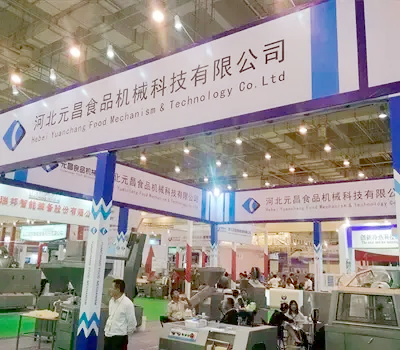
Hebei Yuanchang Food Mechanism & Technology Co., Ltd. offers a distinct advantage with our integrated R&D, production, and sales model, backed by 40 years of experience since 1986. Our in-house machining workshop, equipped with over 20 sets of processing machinery including advanced CNC centers, ensures we can produce high-precision parts independently. This not only guarantees the quality of our vacuum plate lifters but also ensures a reliable supply of spare parts and responsive after-sales service for our international clients.
We understand the intricacies of cross-border commerce, from packaging for container loading to navigating international logistics. Our goal is to make the procurement process as seamless and secure as the operation of our equipment.
Installation, Operation, and Maintenance Insights
Proper installation, safe operation, and regular maintenance are fundamental to maximizing the lifespan and performance of any industrial equipment, including vacuum plate lifters. While generally straightforward, these aspects require attention to detail.
Installation: Most vacuum plate lifters are designed to be integrated with existing overhead cranes, hoists, or other lifting machinery. The primary installation steps involve connecting the lifter to the lifting apparatus and ensuring all electrical or pneumatic connections are secure and correctly made according to the manual. For battery-powered units, initial charging is essential. A thorough pre-operation check, including testing the vacuum system and safety alarms, should always be performed by qualified personnel before the first use.
Operation: The operation typically involves positioning the vacuum lifter over the load, activating the vacuum to secure the grip, and then lifting the load. Releasing the vacuum is usually done via a control lever or button. Key operational considerations include:
- Always ensure the material surface is clean and free from debris to achieve a strong vacuum seal.
- Verify the load capacity of the lifter and the lifting equipment it's attached to.
- Pay close attention to vacuum level indicators and listen for any unusual sounds from the pump.
- Never exceed the recommended lifting or tilting angles.
- Ensure all personnel maintain a safe distance during operation.
Maintenance: Regular maintenance is key to preventing downtime and ensuring safety. This includes:
- Daily: Visual inspection of suction cups for wear or damage, checking vacuum lines for leaks, and testing alarm systems.
- Weekly: Cleaning suction cups and frame, checking fluid levels in the vacuum reservoir (if applicable), and inspecting electrical connections.
- Monthly/Annually: More thorough checks of the vacuum pump, filter replacement (if applicable), and calibration of sensors. Consult the manufacturer's manual for a detailed maintenance schedule.
Our commitment to quality extends to providing comprehensive documentation and support to ensure our clients can operate and maintain their equipment effectively. We offer spare parts and technical assistance to minimize any potential operational disruptions.
Why Choose Hebei Yuanchang for Your Vacuum Plate Lifter Needs?
For over 40 years, Hebei Yuanchang Food Mechanism & Technology Co., Ltd. has been a trusted name in industrial equipment manufacturing. While our roots are in meat processing machinery, our advanced engineering and precision machining capabilities allow us to excel in producing a wide array of specialized equipment, including robust vacuum plate lifters designed for demanding international markets.
Our integrated approach, from R&D to production and sales, coupled with our extensive experience, ensures that we deliver solutions that are not only technically superior but also commercially viable and operationally sound. We pride ourselves on:
Our Commitment to You:
- Decades of Expertise: Since 1986, we have built an unparalleled understanding of manufacturing processes and equipment reliability.
- Advanced Manufacturing: Our facility boasts over 20 sets of processing machinery, including Japanese Mazak CNC centers for high-precision component production.
- Quality Assurance: We control the entire production chain, ensuring every part meets stringent quality and precision standards.
- Customization Capabilities: We excel at OEM/ODM projects, tailoring equipment to your exact specifications.
- Global Reach: Experienced in international trade, providing reliable shipping and logistics support.
- Traceable After-Sales Service: Our system ensures you have access to spare parts and expert support whenever you need it.
We understand the procurement decision workflow. It's about balancing cost, performance, safety, and long-term value. Our goal is to be your trusted partner, providing solutions that enhance your operational efficiency and safety profile.
Customer Success Stories
Don't just take our word for it. Our clients across various industries have experienced significant improvements by integrating our vacuum plate lifters into their operations.
 Maria Sanchez, Procurement Manager, USA
"We switched to Yuanchang's vacuum lifters for our granite slab handling, and the difference is night and day. Damage claims have dropped by over 90%, and our installation teams can now work much faster and safer. The support we received during selection was invaluable."
Project: Large-format stone fabrication and installation. David Chen, Operations Director, Canada
"Handling large glass panels for our custom builds was always a high-risk operation. Yuanchang's custom-designed vacuum lifter has completely eliminated the stress. Its precision maneuvering has saved us considerable time and reduced the manpower needed on site."
Project: Custom architectural glass installation. Ahmed Khan, Plant Manager, UAE
"We needed a robust solution for moving steel sheets in our fabrication workshop. The vacuum lifter from Yuanchang is incredibly durable and has significantly improved our workflow efficiency. The after-sales support has been prompt and professional."
Project: Steel fabrication workshop operations.Frequently Asked Questions
A: Vacuum plate lifters are designed for non-porous materials with a smooth surface. This includes glass, polished stone (granite, marble), metal sheets, solid surface materials, and some plastics. The surface must be able to hold a vacuum seal.
A: Reputable vacuum lifters incorporate safety features like reserve vacuum tanks and audible/visual alarms to alert operators of low vacuum. Many also have fail-safe mechanisms that prevent accidental release. Always consult the specific model's safety features.
A: Routine maintenance typically involves daily checks of suction cups and vacuum lines, and periodic servicing of the vacuum pump and filters. We provide detailed maintenance schedules with our equipment.
A: Yes, customization is one of our core strengths. We offer OEM/ODM services and can modify existing designs or engineer new solutions to meet specific load capacities, dimensions, or operational requirements.
A: Lead times vary depending on the complexity of the model and customization. Standard configurations may be available relatively quickly, while highly specialized units can take several weeks. Please contact us for an accurate quote and estimated delivery schedule.
Ready to Optimize Your Material Handling?
Investing in a vacuum plate lifter is a strategic decision that can yield significant returns in safety, efficiency, and cost reduction. At Hebei Yuanchang Food Mechanism & Technology Co., Ltd., we combine 40 years of manufacturing expertise with advanced engineering to deliver solutions that power industrial operations worldwide.
Don't let outdated material handling practices hold your business back. Experience the difference that precision-engineered equipment and dedicated support can make.
Let's discuss your project requirements.
Contact Us
Hebei Yuanchang Food Mechanism & Technology Co., Ltd.
We are dedicated to providing high-quality industrial equipment and exceptional customer service. Reach out to our team for inquiries, custom solutions, or support.
Phone: +86 15830991513
Email: ycmeatmech@gmail.com
Address: Shijiazhuang, Hebei Province, China
Send Us a Message
Connect with Our Experts

Dr. Evelyn Reed
Senior Industrial Engineer

Mark Peterson
Export & Logistics Specialist

Sophia Lee
Procurement & Compliance Advisor
See Our Capabilities in Action
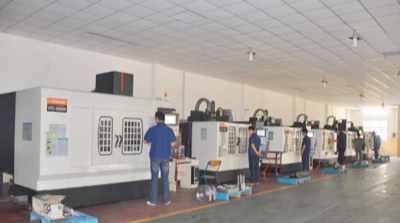
Precision Machining Workshop

Japanese CNC Machining Centers

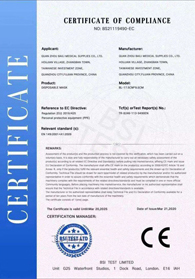
Certified for Quality and Safety
Real-time Support
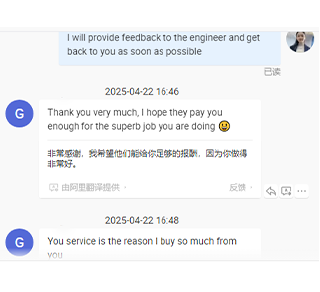


Our team is ready to provide instant support and answer your technical queries.