Cleanroom Vacuums
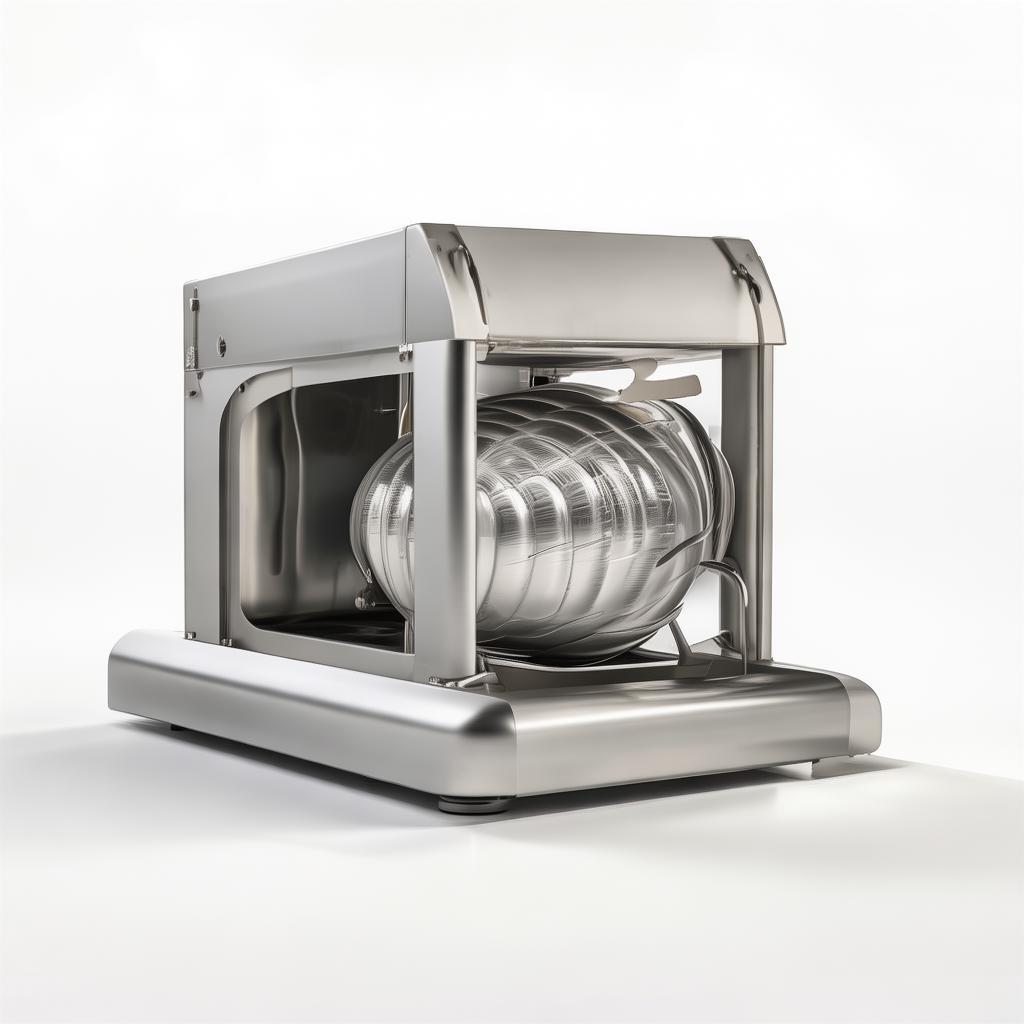
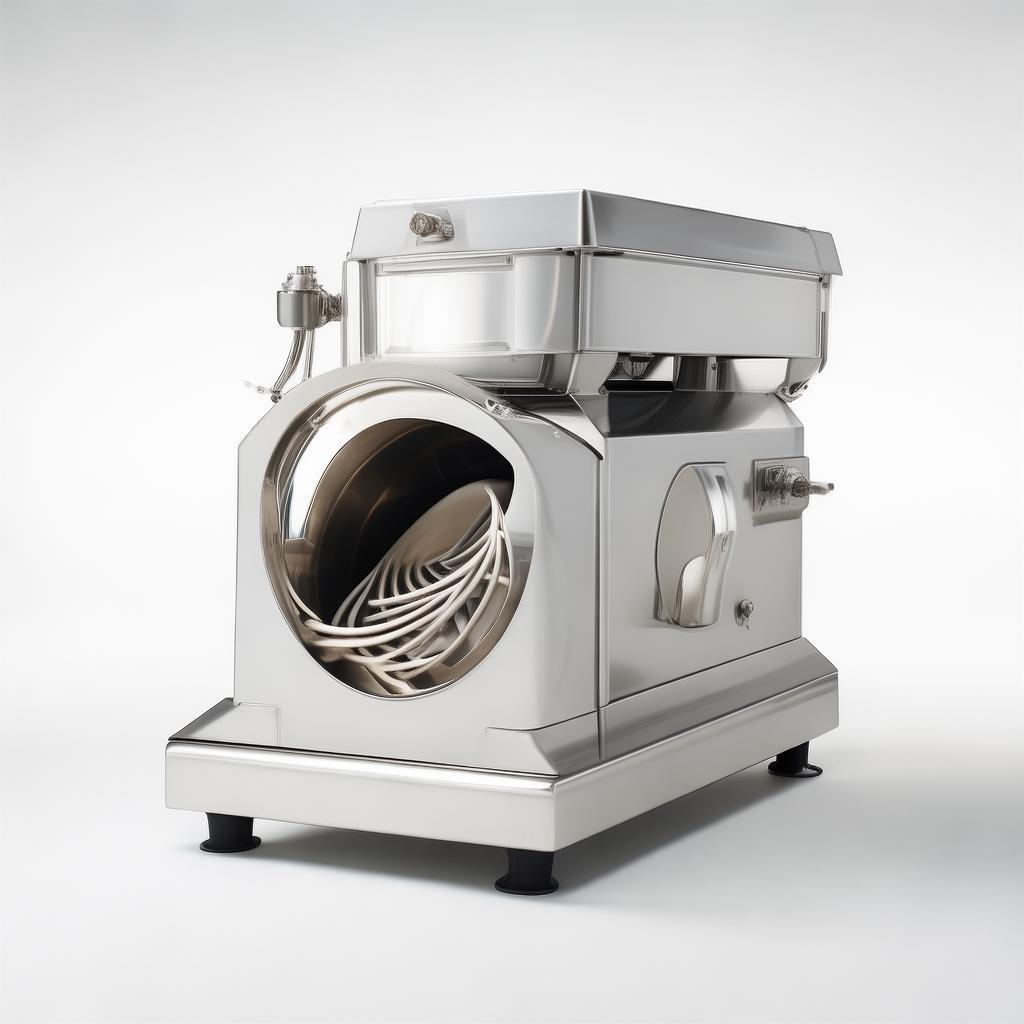
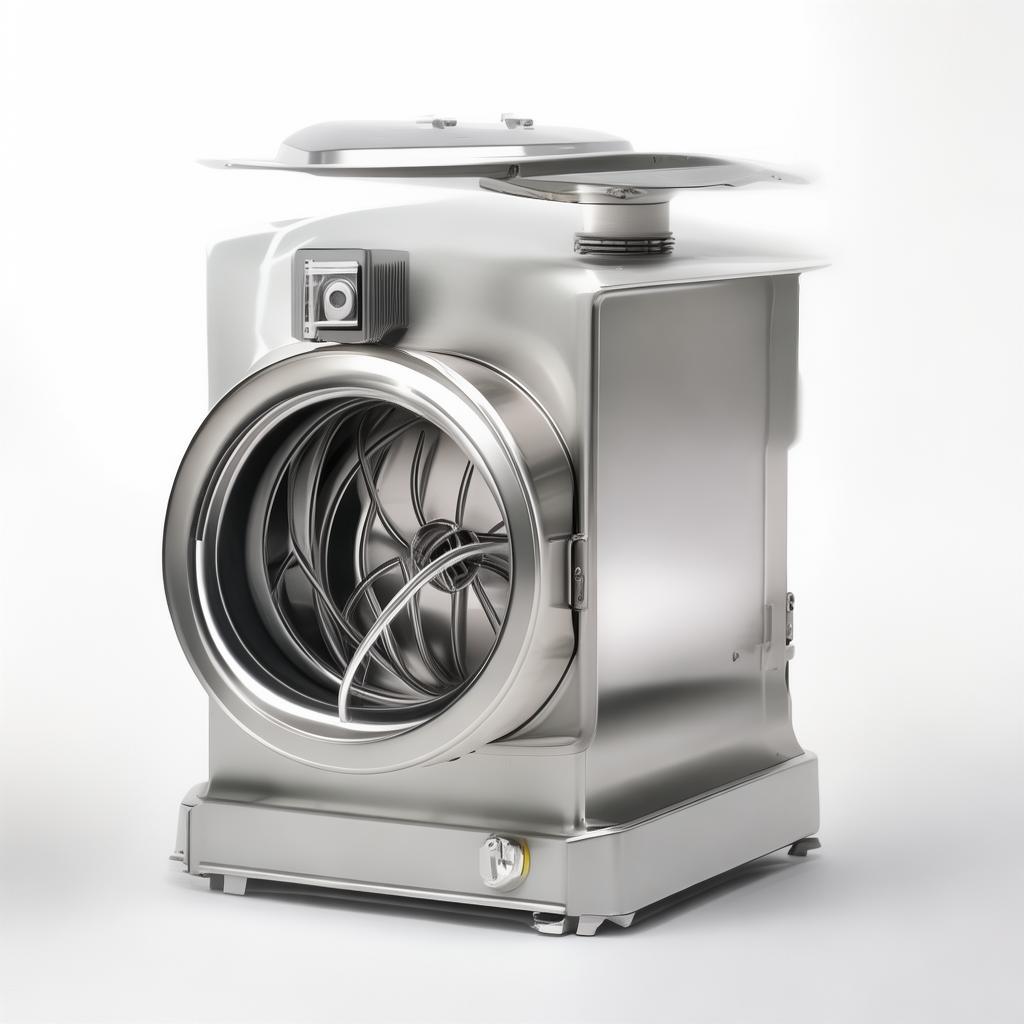
Precision Containment: Advanced Cleanroom Vacuum Solutions for Critical Environments
Maintaining the highest standards of cleanliness is non-negotiable. Discover why our industrial cleanroom vacuums are engineered for unmatched performance and reliability.



In This Section:
- The Critical Role of Cleanroom Vacuums
- Common Challenges in Cleanroom Contamination Control
- Engineered for Purity: Our Cleanroom Vacuum Advantage
- Key Technical Specifications & Features
- Where Purity Matters: Application Scenarios
- Procurement Essentials: What Buyers Need to Know
- Behind the Purity: Our Manufacturing Prowess
- What Our Clients Say
- Frequently Asked Questions
- Ready to Elevate Your Cleanroom Standards?
The Critical Role of Cleanroom Vacuums in Today's Industries
In environments where microscopic particles can compromise product integrity, research outcomes, or patient safety, the control of airborne and surface contamination isn't just a best practice—it's a fundamental requirement. Industries ranging from semiconductor manufacturing and pharmaceutical development to aerospace engineering and advanced biotechnology rely on meticulously controlled environments. Within these sterile zones, every tool, every process, and indeed every piece of equipment plays a vital role in maintaining the mandated cleanliness levels. This is precisely where specialized cleanroom vacuum systems become indispensable.
Unlike standard industrial vacuums, cleanroom vacuums are not merely about suction power. They are sophisticated pieces of engineering designed from the ground up to prevent the reintroduction of contaminants into the very environment they are tasked with cleaning. This means employing advanced filtration technologies, constructing units from non-shedding, easily decontaminable materials, and ensuring a sealed system that captures even the finest particulate matter. The consequences of using inadequate equipment can be severe, leading to costly product recalls, failed experimental batches, extended validation periods, and significant reputational damage.
Consider the pharmaceutical sector, where even a single errant particle could contaminate a batch of life-saving medication, necessitating a complete disposal of millions of dollars worth of product. Or the semiconductor industry, where nanoscale manufacturing processes are rendered useless by microscopic dust or fibers. The challenge intensifies with the increasing complexity and miniaturization of components across various high-tech fields. The drive for higher yields, greater precision, and unwavering product quality necessitates a proactive and rigorous approach to contamination control at every stage.
The global market for meat processing equipment, for instance, highlights the broader trend toward enhanced hygiene and efficiency in sensitive production lines. While seemingly disparate, the principles of contamination control in cleanrooms echo the demands for sterile and precise processing in food manufacturing. Reports indicate the meat processing equipment market is projected to reach substantial figures, driven by automation, hygiene standards, and demand for processed goods. This underscores a universal industrial imperative: the cleaner the process, the better the output. Our cleanroom vacuums embody this imperative, offering a robust solution for industries where cleanliness is paramount.
For procurement managers and operations directors, selecting the right cleanroom vacuum is a strategic decision. It involves balancing performance requirements with regulatory compliance, operational efficiency, and long-term cost-effectiveness. It’s about investing in equipment that not only meets current ISO Class standards but also contributes to a proactive contamination prevention strategy. This means looking beyond basic filtration and considering the entire lifecycle of the vacuum: its material composition, ease of cleaning and sterilization, durability in harsh cleanroom protocols, and the reliability of its filtration system. We understand these intricate requirements and have engineered our cleanroom vacuums to address them directly.
The need for specialized containment solutions extends across a wide spectrum of industries. For example, in food processing, the focus is on preventing cross-contamination and ensuring food safety standards are met. While our core expertise lies in industrial manufacturing, the principles of stringent containment and particulate control are universal. The insights gathered from decades of experience in producing high-precision machinery, as detailed in our company profile, inform our approach to every product. This deep manufacturing understanding, honed since 1986, allows us to deliver equipment that is not just functional but fundamentally reliable and built to exact specifications, ensuring that your cleanroom operations remain unimpeded by preventable contamination issues.
Our commitment is to provide solutions that empower your operations to achieve and maintain the highest levels of environmental integrity. This involves not just superior hardware but also a deep understanding of the operational challenges faced by cleanroom managers, engineers, and procurement specialists. We recognize that a cleanroom vacuum is not an isolated purchase; it's an integrated component of a larger, critical system. Therefore, our product development and manufacturing processes are aligned with the goal of providing seamless integration, straightforward maintenance, and long-term operational assurance.

Common Challenges in Cleanroom Contamination Control
Maintaining a controlled environment presents persistent hurdles. Standard cleaning tools often fall short, introducing more problems than they solve.
- Particle Re-entrainment: Conventional vacuums exhaust fine particles back into the air, negating the efforts to maintain a clean environment. This is a primary concern, especially in ISO Class 5 or higher areas.
- Material Shedding: Many cleaning tools and equipment are made from materials that shed fibers or particles, directly contaminating surfaces and the air.
- Filtration Inadequacy: Standard filters are not designed to capture sub-micron particles crucial for sensitive applications. HEPA or ULPA filters are often a non-negotiable requirement.
- Cross-Contamination Risks: If vacuums are used across different zones or for different purposes without proper decontamination, they can become vectors for spreading contaminants.
- Difficult Decontamination: Many units are hard to clean and sterilize, hindering their use in GMP (Good Manufacturing Practice) or sterile environments. Smooth, non-porous surfaces are key.
- Operational Downtime: Inefficient cleaning or equipment failure leads to extended shutdown periods, impacting production schedules and revenue.
- Regulatory Non-Compliance: Failing to meet stringent cleanroom standards (e.g., ISO 14644, GMP guidelines) can result in audits, fines, and production halts.
- Operator Safety: In some hazardous environments (e.g., handling fine powders), inadequate containment can pose risks to personnel.
Addressing these issues requires a specialized approach, moving beyond simple suction to embrace integrated solutions for particle capture and containment.
Engineered for Purity: Our Cleanroom Vacuum Advantage
Our cleanroom vacuums are purpose-built to overcome the inherent challenges of maintaining ultra-clean environments. We focus on a holistic design philosophy that prioritizes containment, filtration, material science, and operational resilience.
Superior Filtration Systems
Equipped with multi-stage filtration, including certified HEPA (High-Efficiency Particulate Air) or optional ULPA (Ultra-Low Penetration Air) filters, our vacuums capture 99.995% (HEPA) or 99.9995% (ULPA) of particles as small as 0.12 to 0.3 microns. This ensures that virtually no contaminants are exhausted back into the environment.
Non-Shedding Construction
All exterior and interior components are constructed from durable, non-shedding materials such as high-grade stainless steel or specific polymers known for their low particle generation and excellent chemical resistance.
Sealed System Design
Our units feature a fully sealed system, from the intake hose and wand to the collection bag and exhaust. This prevents leaks and ensures that all captured debris remains contained within the vacuum.
Easy Decontamination & Sterilization
Smooth, crevice-free designs and chemically resistant materials allow for easy wiping, disinfection, and sterilization processes required in GMP and sterile manufacturing settings.
Ergonomic and Robust
Designed for continuous use in demanding industrial environments, our vacuums are built to be both user-friendly and exceptionally durable, minimizing maintenance and downtime.
Versatile Configurations
Available in various sizes and power configurations, with options for wet/dry use, explosion-proof models, and specialized attachments to suit a wide array of cleanroom applications and specific particle types.
By integrating these features, our cleanroom vacuums provide a robust, reliable, and compliant solution for your most demanding containment needs.
Key Technical Specifications & Features
Our range of cleanroom vacuums offers precise control over particulate matter. Below is a representative overview; specific models may vary.
| Feature | Standard Specification | Optional / High-End |
|---|---|---|
| Filtration Efficiency | HEPA Filter (99.995% @ 0.3 microns) | ULPA Filter (99.9995% @ 0.12 microns) |
| Construction Material | 304 Stainless Steel or High-Density Polyethylene (HDPE) | 316L Stainless Steel, Electropolished Surfaces |
| Bag Type | Sealed Multi-Layer Disposable Bags | Double-bagging system for ultimate containment |
| Motor Type | Industrial Bypass Motor | Brushless DC Motor (longer life, higher efficiency) |
| Power Options | 120V/60Hz or 230V/50Hz | Higher voltage/wattage, Intrinsically Safe (IS) or Explosion Proof (XP) models |
| Waterlift / Suction | Approx. 90-110 inches | 120+ inches for heavy debris |
| Capacity | 2-5 Gallons (Dry) | Larger tanks, Wet/Dry capability |
| Cord Length | 25-35 ft. (Heavy Duty) | Optional longer or retractable cords |
| Certifications | Meets relevant ISO Class standards | CE, ETL, ATEX (for specific models) |
Beyond these specifications, our units are designed with ease of use in mind. Features like intuitive controls, lightweight yet robust construction, and a range of specialized attachments (crevice tools, brush heads, electrostatic discharge (ESD) wands) ensure optimal performance for any task.
Where Purity Matters: Application Scenarios
Our cleanroom vacuums are engineered for versatility, serving a multitude of critical environments where particulate control is paramount.
Semiconductor Manufacturing
Controlling dust and debris in wafer fabrication, cleanroom assembly, and packaging stages to prevent micro-contamination that can lead to device failure.
Pharmaceutical & Biopharmaceutical
Maintaining sterile conditions in API manufacturing, formulation, filling, and packaging to comply with stringent GMP and FDA regulations. Ideal for cleaning down surfaces and equipment.
Medical Device Manufacturing
Ensuring particulate-free assembly and packaging of sensitive medical components, implants, and diagnostic equipment.
Aerospace & Defense
Preventing contamination in the assembly of precision instruments, optical systems, and sensitive electronic components where even minute particles can affect performance.
Laboratory & Research Facilities
Maintaining controlled environments for sensitive experiments, microscopy, and sample preparation to ensure accurate and reproducible results.
Food & Beverage (High-Care Areas)
Used in specialized areas where extreme cleanliness is required to prevent microbial contamination of products, though specific food-grade certifications may be needed for direct contact.
Our equipment serves as a critical line of defense, helping clients achieve and maintain the ISO classification required for their operations, safeguarding product quality and operational integrity.
Procurement Essentials: What Buyers Need to Know
Selecting the right cleanroom vacuum involves more than just picking a model. As experienced suppliers, we guide you through critical considerations to ensure a smart investment that aligns with your operational and compliance needs.
Define Your Cleanroom Class
Understanding your ISO classification (e.g., ISO 5, ISO 7, ISO 8) is paramount. This dictates the required filtration efficiency (HEPA vs. ULPA) and the overall containment strategy. An ISO 5 environment demands a higher level of containment than an ISO 8.
Material Compatibility
Consider the chemicals or solvents used in your facility. Ensure the vacuum's materials (hoses, seals, housing) are resistant to degradation and do not shed particles when exposed. Stainless steel (316L often preferred) and specific polymers are common choices.
Filtration Verification
Always ask for independent filter certification (e.g., DOP or MPPS testing reports). For critical applications, ULPA filters offer superior protection, but HEPA is often sufficient.
Maintenance & Decontamination
Factor in the ease of filter replacement, equipment cleaning, and potential sterilization methods. Smooth, rounded edges and fewer seams simplify these critical processes. A robust after-sales service plan is also a good indicator of manufacturer support.
Intended Use (Dry/Wet/Hazardous)
Are you cleaning dry dust, or might you encounter liquids or semi-liquids? Do you need protection against combustible dust or explosive atmospheres? Specify these needs to ensure you get an appropriately rated model (e.g., ATEX, XP).
Supplier Reliability & Support
Look for manufacturers with a proven track record in cleanroom technology. Inquire about warranty, availability of spare parts (especially filters), and technical support. Our 40 years of manufacturing experience since 1986 ensures we understand precision engineering and long-term reliability.
Making an informed procurement decision here avoids costly errors down the line and ensures your cleanroom operations remain compliant and efficient.
Behind the Purity: Our Manufacturing Prowess
At Hebei Yuanchang Food Mechanism & Technology Co., Ltd., our foundation in precision manufacturing for demanding industries directly translates to the quality and reliability of our cleanroom vacuum solutions. We don't just assemble; we engineer and produce.
Decades of Precision Engineering
With over 40 years of experience since 1986, our expertise in metal fabrication, machining, and assembly is deeply ingrained. This historical depth means we understand the nuances of creating durable, high-performance equipment.
Advanced Machining Capabilities
Our facility houses over 20 sets of processing machinery, including CNC machining centers from Japan. This allows for the production of high-standard components with exceptional precision and consistency, critical for sealed systems.
In-House Quality Control
clean room vacuums cleanroom vacuum cleaners cleanroom vacuum cleaner
We maintain stringent quality control throughout our manufacturing process. From raw material inspection to final product testing, including rigorous checks on filtration integrity and sealing, we ensure every unit meets our high standards.
Traceable After-Sales Service
Our commitment extends beyond the sale. Our traceable management system and ability to independently produce high-precision parts ensure reliable after-sales support, minimizing your operational risk.

This manufacturing discipline, honed over four decades, is the bedrock upon which our cleanroom vacuum solutions are built, offering you unparalleled confidence in their performance and longevity.
What Our Clients Say

Senior Research Scientist, BioGenetics Lab
"The HEPA-filtered vacuum has been a game-changer for our cell culture suites. We've seen a noticeable reduction in airborne particulates, which has significantly improved our experimental success rates. The unit is easy to maneuver and decontaminate between sterile procedures."

Operations Manager, MicroElectronics Inc.
"We operate in an ISO 7 cleanroom, and particle control is critical. These vacuums with ULPA filtration are excellent. They capture fine dust from our assembly lines without expelling anything back into the environment. The stainless steel construction holds up well to our cleaning protocols."

Procurement Specialist, PharmaSolutions Corp.
"After evaluating several options, we chose these cleanroom vacuums for their robust build and the verifiable HEPA filtration. The sealed collection system is crucial for handling sensitive pharmaceutical powders. The ordering process was straightforward, and delivery was prompt."

Facility Engineer, Precision Optics Ltd.
"We needed a vacuum that wouldn't introduce any fibers or particles during cleaning of our optical assembly areas. These units deliver. The non-shedding materials and efficient filtration are exactly what our stringent protocols require. The support team was also very helpful in selecting the right model."
Frequently Asked Questions
Q: What is the difference between HEPA and ULPA filtration?
A: HEPA (High-Efficiency Particulate Air) filters capture at least 99.97% of airborne particles 0.3 micrometers (microns) in diameter. ULPA (Ultra-Low Penetration Air) filters are more efficient, capturing at least 99.9995% of particles 0.12 microns in diameter. For extremely sensitive environments like semiconductor cleanrooms (ISO Class 1-5), ULPA filtration is often preferred.
Q: Can these vacuums be used for wet pickup?
A: While many models are designed for dry use only to protect the filtration system, we offer specialized wet/dry cleanroom vacuum units. Please specify your requirements so we can recommend the appropriate model. It's crucial to prevent liquid from reaching the motor and filters in dry-only units.
Q: How often do filters need to be replaced?
A: Filter lifespan depends heavily on usage frequency, the volume and type of particulate being captured, and environmental conditions. For optimal performance and to maintain cleanroom integrity, we recommend a regular inspection schedule and replacement as per manufacturer guidelines or when airflow noticeably decreases. We can provide recommended replacement intervals based on typical usage.
Q: Are your cleanroom vacuums suitable for GMP environments?
A: Yes, many of our models are designed with GMP requirements in mind. Their non-shedding construction, ease of decontamination, sealed systems, and certified filtration make them suitable for pharmaceutical and biotech applications where strict hygiene and containment are mandatory.
Need Expert Advice? Chat with Us.
Our technical sales team is ready to help you select the perfect cleanroom vacuum solution for your specific needs.


Elevate Your Cleanroom Standards Today
Don't compromise on cleanliness. Invest in precision, reliability, and peace of mind.
Contact us directly: +86 15830991513 | ycmeatmech@gmail.com