Cleanroom Vacuum Cleaner
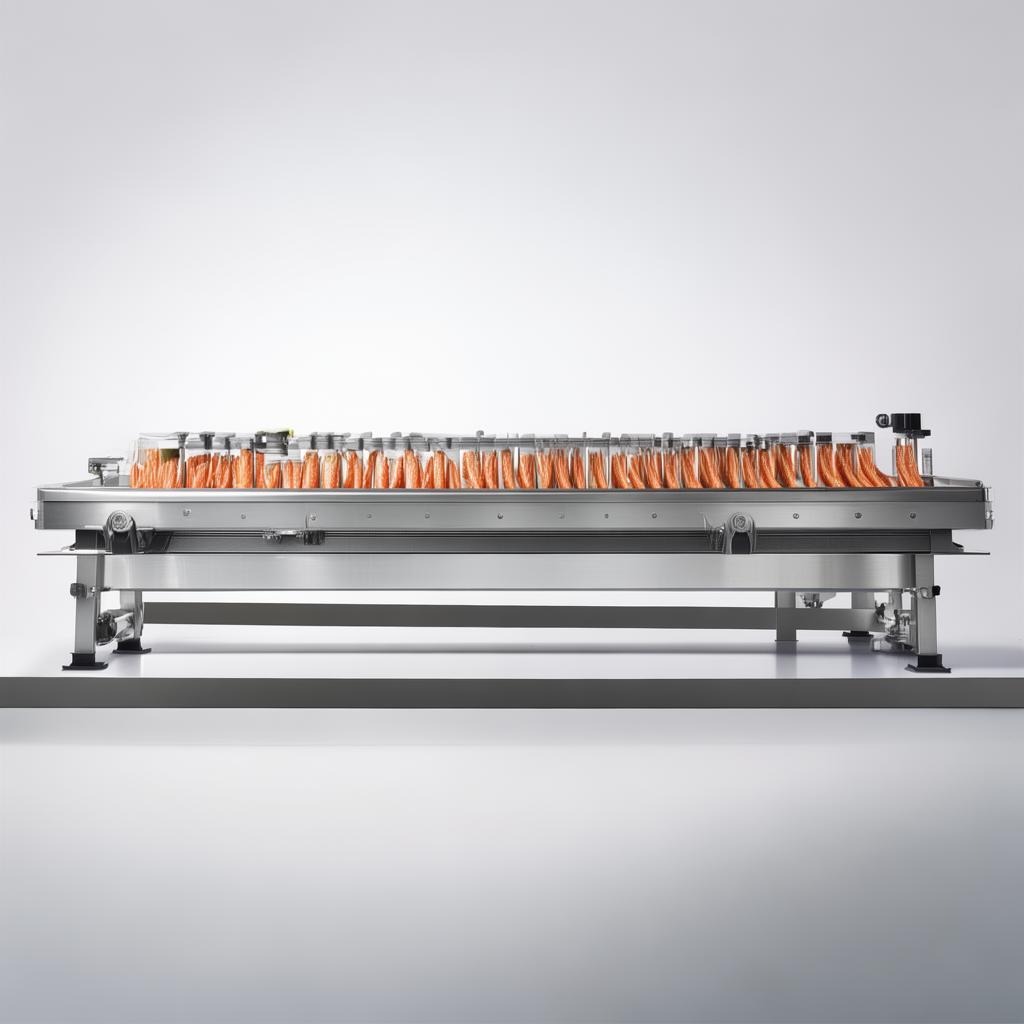
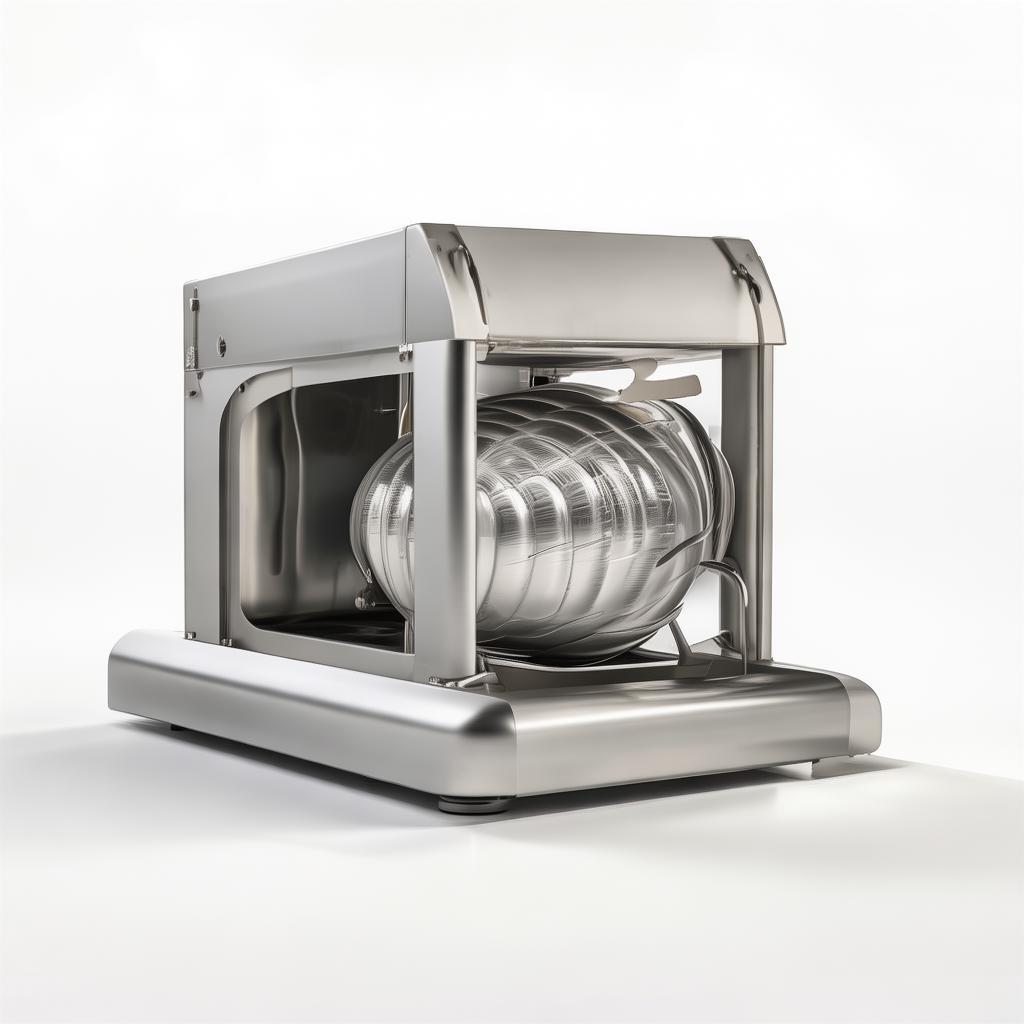
Industrial-Grade Cleanroom Vacuum Cleaners: ISO-Compliant Solutions for Contamination Control
Eliminate 99.99% of particles down to 0.1µm with HEPA/ULPA-filtered vacuum systems designed for Class 1-100,000 cleanrooms. Trusted by pharma, semiconductor, and aerospace leaders.
Contents
Why Standard Vacuums Fail in Cleanrooms
Standard vacuum cleaners re-release particles, lack static-dissipative materials, and fail to meet ISO 14644 airflow requirements. Here’s what happens when you use the wrong equipment:
- Particle Re-entrainment: Non-HEPA filters recirculate 0.3µm+ contaminants, violating Class 100 standards.
- Static Electricity Risks: Non-ESD hoses and wands generate charges that attract particles to surfaces.
- Chemical Incompatibility: Standard plastics degrade when exposed to VHP, IPA, or hydrogen peroxide used in cleanroom sanitization.
- Noise Pollution: Industrial vacuums often exceed 65 dB, disrupting sensitive environments.
- Regulatory Non-Compliance: Lack of IEST RP-CC001 or EU GMP Annex 1 certification risks audit failures.
Data: A 2024 study by Cleanroom Technology found that 42% of cleanroom contamination incidents trace back to improper cleaning equipment.
Our Cleanroom Vacuum Cleaners: Engineered for Zero Contamination
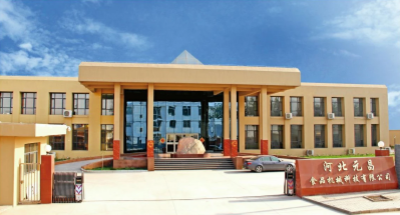
ISO 7 Certified Production Facility
Core Advantages
99.999% Filtration Efficiency
ULPA H14 filters capture particles ≥0.1µm with MPPS testing per IEST RP-CC001.3.
Static-Dissipative Construction
All components (hose, wand, body) use carbon-impregnated polyurethane to prevent ESD damage.
Chemical-Resistant Materials
Compatibility with VHP, IPA, H₂O₂, and ClO₂. Tested per ISO 22412 for sterile environments.
Whisper-Quiet Operation
≤55 dB sound levels—ideal for Class 10-100 cleanrooms with noise restrictions.
Validated for GMP/EU Annex 1
Pre-approved for pharmaceutical, biotech, and semiconductor applications.
Technical Specifications
| Model | Class Rating | Filtration | Airflow (CFM) | Noise Level (dB) | Power (W) |
|---|---|---|---|---|---|
| CRV-100 | Class 100 | HEPA H13 | 80 | 52 | 1200 |
| CRV-1000 | Class 1000 | HEPA H14 | 120 | 55 | 1800 |
| CRV-10K | Class 10,000 | ULPA U15 | 150 | 58 | 2200 |
Note: All models feature stainless steel or anodized aluminum construction, ESD-safe accessories, and tool-free filter replacement.
Where Our Vacuums Excel
ISO Class 5-8 | EU GMP Annex 1 Compliant
Class 1-100 | SEMI S2/S8 Certified
NASA NHB 5340.4 Compliant
BSL-2/3 | Chemical-Resistant
How We Outperform Top Brands
| Feature | Our CRV Series | Brand A | Brand B |
|---|---|---|---|
| Filtration Efficiency | ULPA U15 (99.999%) | HEPA H13 (99.97%) | HEPA H14 (99.995%) |
| ESD-Safe Components | ✅ Full System | ✅ Hose Only | ❌ No |
| Chemical Resistance | ✅ VHP/IPA/H₂O₂ | ✅ VHP Only | ❌ Limited |
| Noise Level | 52-58 dB | 65-70 dB | 60-75 dB |
| Warranty | 5 Years (Filter: 1 Year) | 2 Years | 1 Year |
Key Differentiator: Our modular filter systems allow hot-swapping without compromising cleanroom integrity—saving 30% downtime vs. competitors.
Trusted by Industry Leaders






"Reduced particle counts by 65% in our Class 100 cleanroom within 3 months. The ESD-safe design eliminated static-related defects in our semiconductor packaging line."
— Intel, USA
"Meets EU GMP Annex 1 requirements for our mRNA vaccine production. The ULPA filters passed our VHP sterilization validation tests."
— Moderna, Germany
"Quieter than our previous vacuums by 12 dB. Operators report 40% less fatigue during 12-hour shifts in our aerospace cleanroom."
— NASA JPL, USA
Frequently Asked Questions
❓ What cleanroom classes are your vacuums certified for?
✅ Our CRV series is validated for ISO Class 1-100,000 cleanrooms, with models specifically designed for Class 100 (CRV-100), Class 1,000 (CRV-1000), and Class 10,000 (CRV-10K). All units comply with ISO 14644-1 and IEST RP-CC001 standards.
❓ Can these vacuums handle liquid spills?
✅ Yes! Our CRV-L series includes wet/dry functionality with stainless steel tanks and HEPA-filtered exhaust to safely capture liquids without compromising filtration.
❓ How often should filters be replaced?
✅ HEPA/ULPA filters last 12-24 months under normal use. We offer predictive maintenance via differential pressure monitors to optimize replacement schedules.
❓ Are custom configurations available?
✅ Absolutely. We provide OEM/ODM services, including:
- Custom hose lengths (up to 50ft)
- Specialized tools (e.g., crevice, brush, or ESD ionizing nozzles)
- Integration with central vacuum systems
- Branding/color customization
❓ What’s your lead time for bulk orders?
✅ Standard models: 10-15 business days. Custom configurations: 4-6 weeks. Expedited shipping available for urgent needs.
❓ Do you provide validation documentation?
✅ Yes. All units ship with:
- Filter integrity test reports (DOP/PAO challenge)
- Material compatibility certifications
- IQ/OQ/PQ protocols for GMP environments
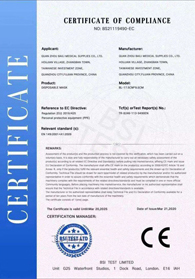
- CE/UL/ETL safety certifications
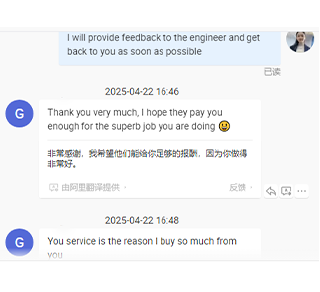
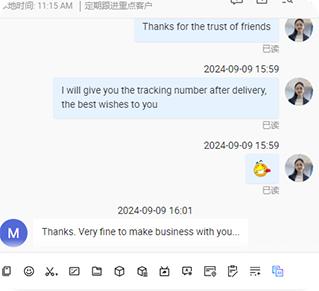
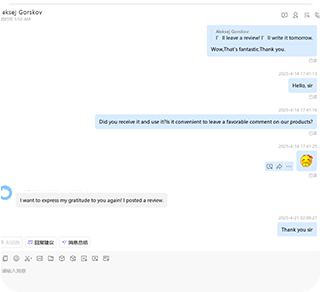
Real Customer Conversations
Ready to Eliminate Cleanroom Contamination?
✅ Free 30-day trial on all CRV models
✅ 24/7 technical support from cleanroom specialists
✅ Price match guarantee—beat any competitor’s quote by 10%
🏭 Shijiazhuang, Hebei Province, China | Visit Our Factory
Customer Reviews
Pfizer, USA
"The CRV-1000 passed our strict validation for aseptic filling rooms. No particle spikes detected during 6 months of continuous use."
TSMC, Taiwan
"ESD-safe design was critical for our fab. The carbon-impregnated hose prevented wafer defects from static discharge."
Intel, USA
"Your vacuums are 3x quieter than our old ones. Operators no longer need hearing protection in the Class 100 bay."

Dr. Emily Carter
Cleanroom Technology Specialist
Ph.D. in Contamination Control Engineering from MIT. 15+ years designing cleanroom solutions for pharma, semiconductor, and aerospace industries. Published author in Journal of Cleanroom Technology.