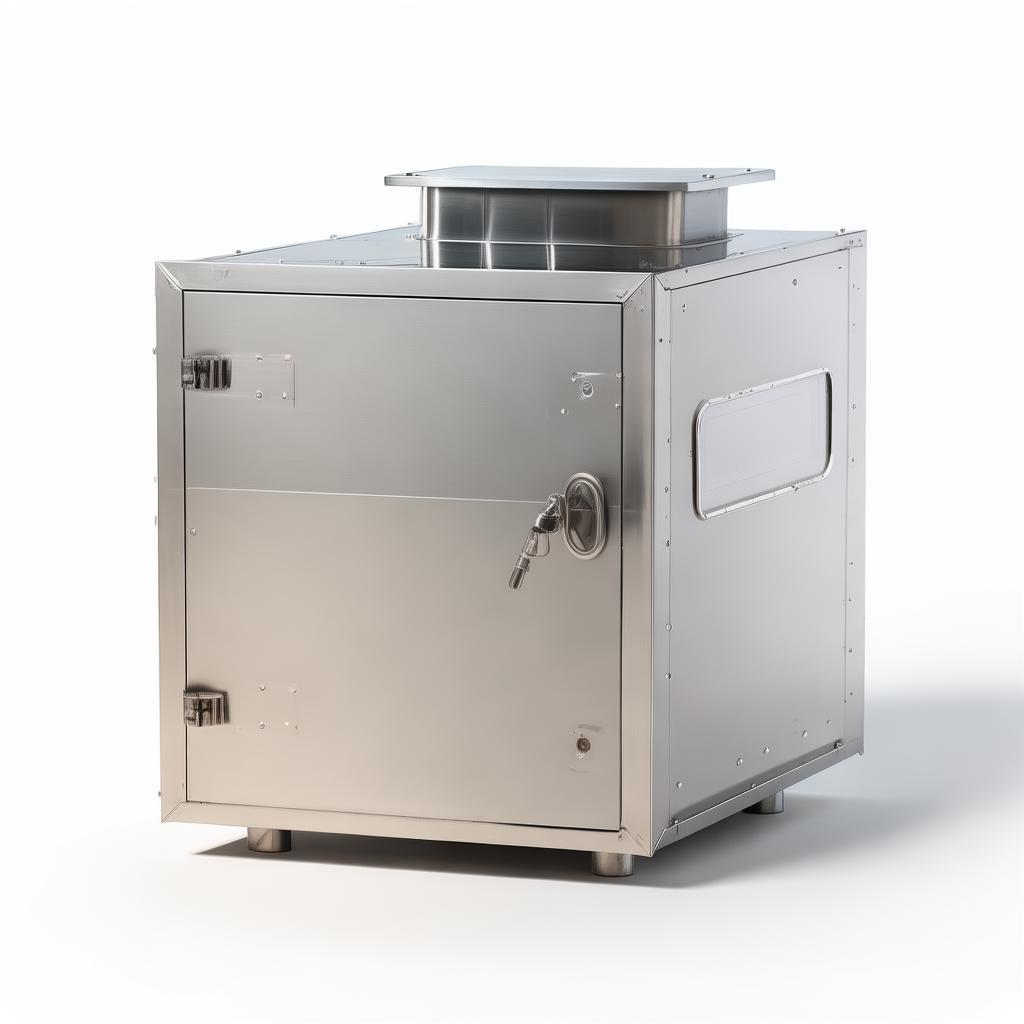
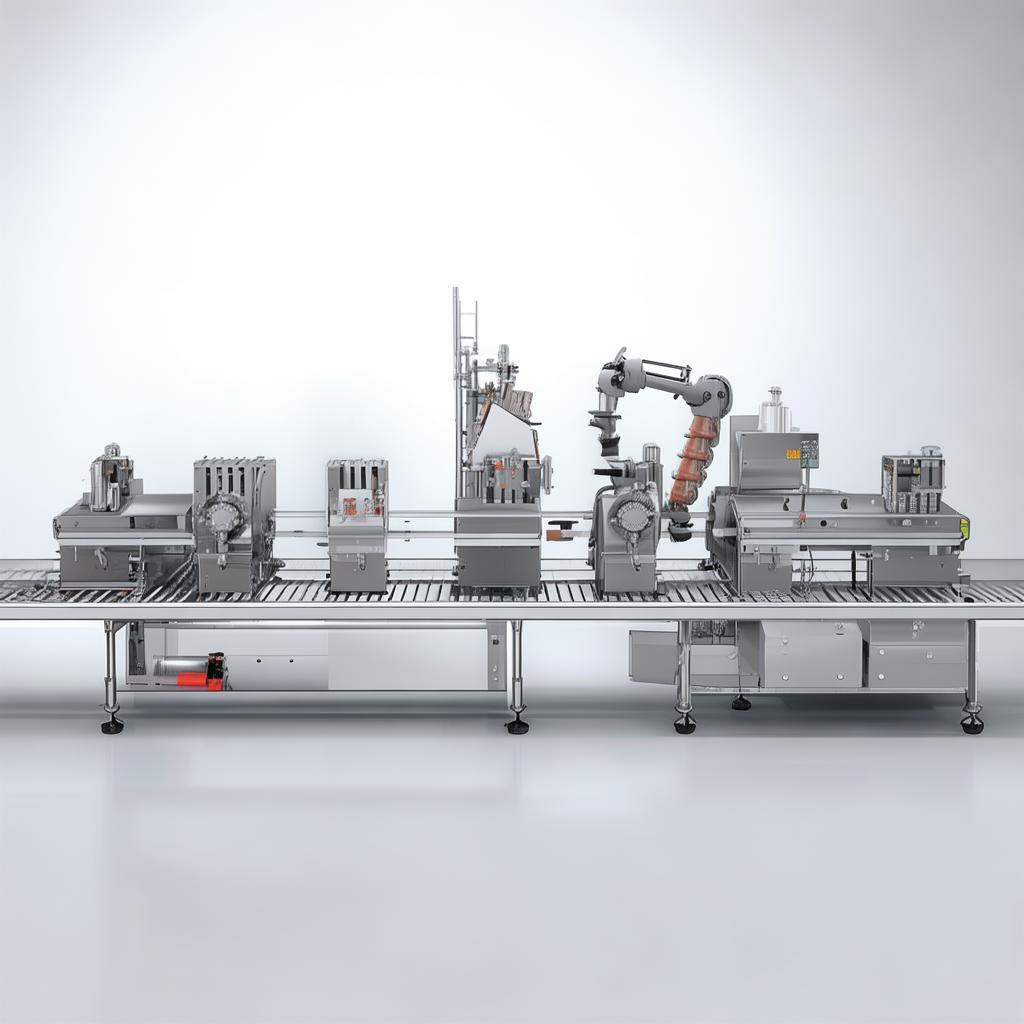
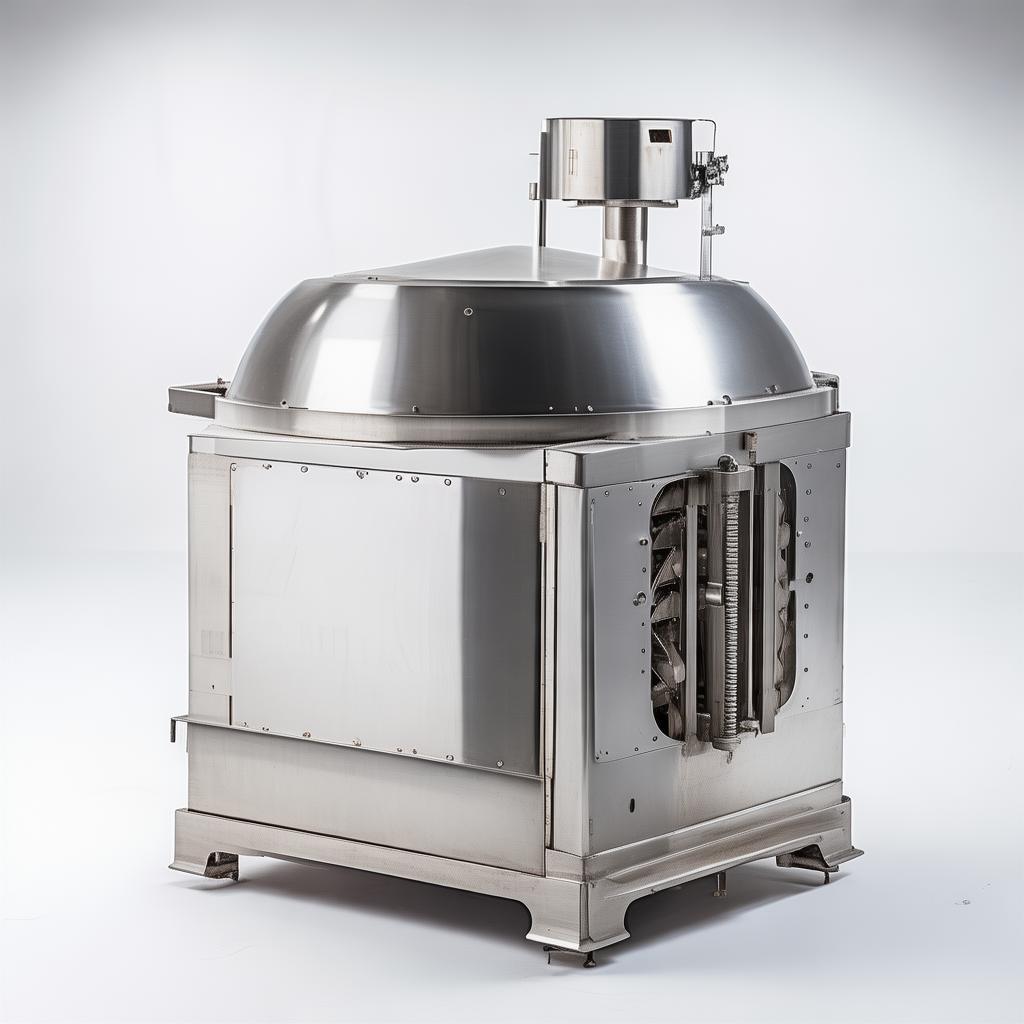
Clean Room Vacuums
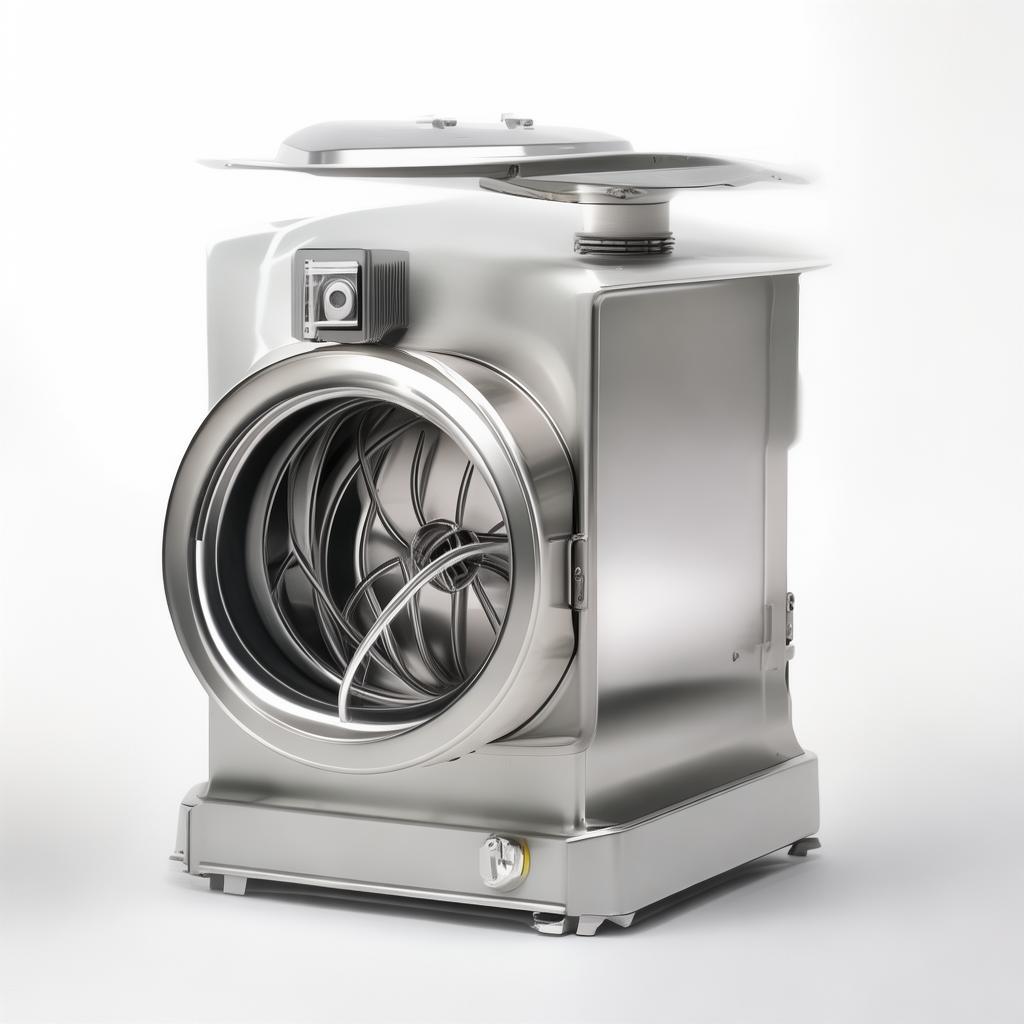
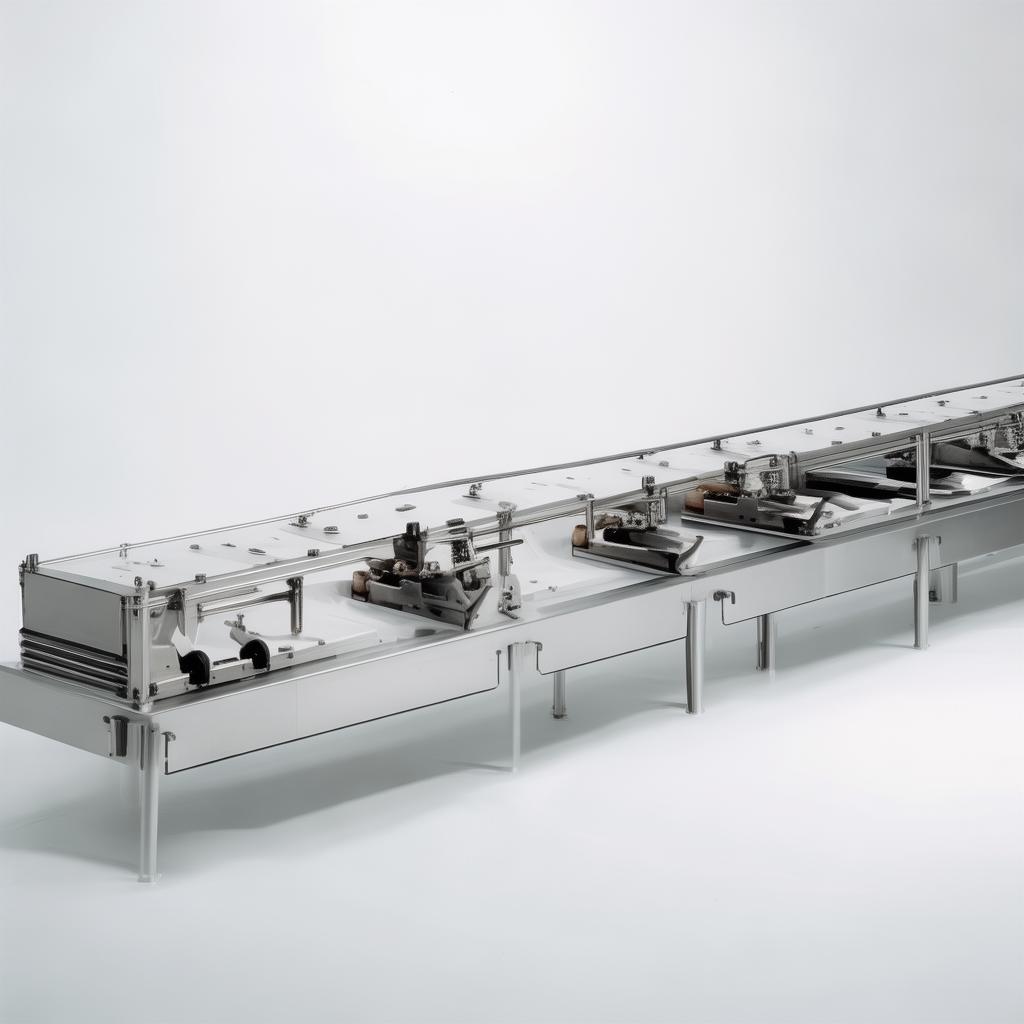
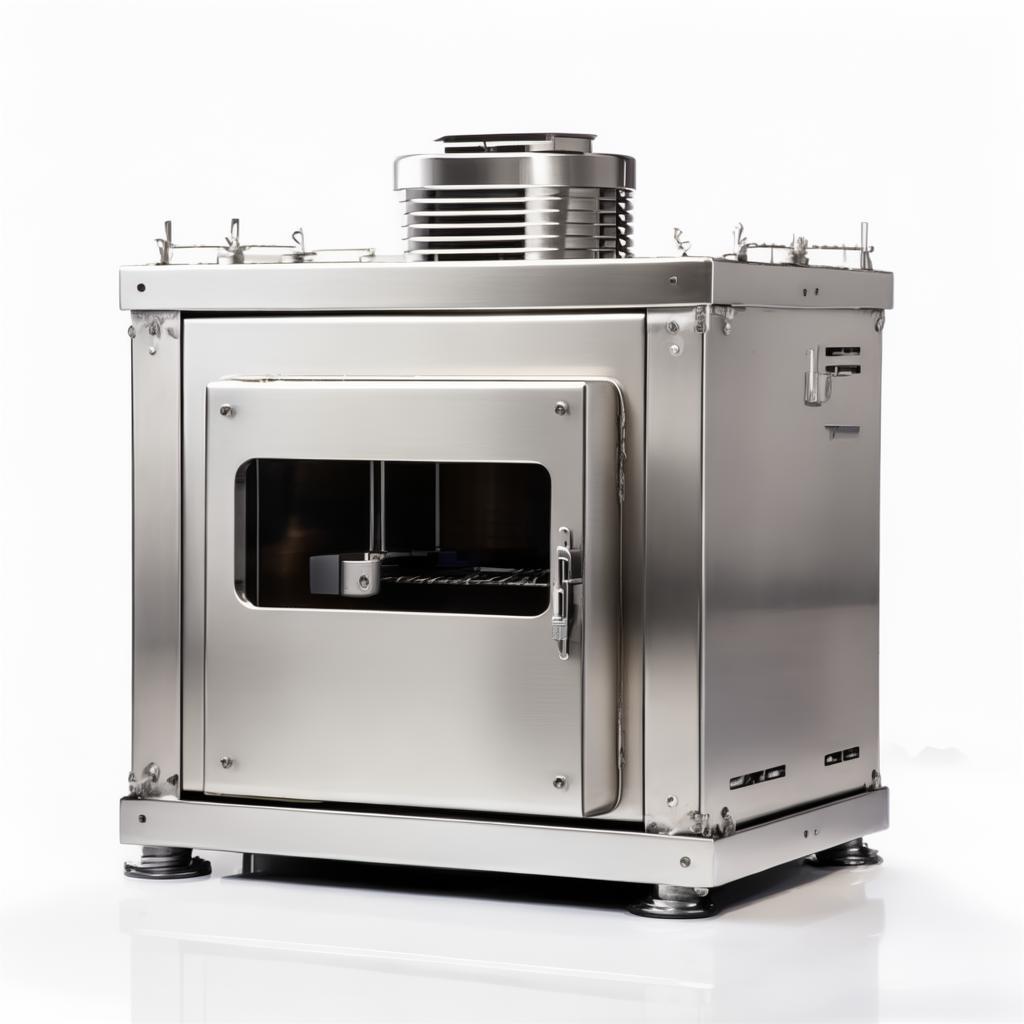
High-Efficiency Cleanroom Vacuum Systems: Precision Cleaning for Critical Environments
Ensuring Purity and Compliance with Advanced Vacuum Technology

Authored by: Dr. Evelyn Reed
Senior Process Engineer & Contamination Control Specialist
Table of Contents
- Understanding Cleanroom Contamination Challenges
- The Role of Specialized Cleanroom Vacuums
- Key Features of High-Performance Cleanroom Vacuums
- Critical Application Areas
- Technical Specifications & Filtration
- Selecting the Right Supplier: What to Look For
- Our Manufacturing Excellence
- Compliance and Certifications
- Installation, Operation, and Maintenance Insights
- What Our Clients Say
- Frequently Asked Questions
- Ready to Elevate Your Cleanroom Standards?
Understanding Cleanroom Contamination Challenges
Maintaining a pristine cleanroom environment is far more than just a cosmetic requirement; it's a critical operational necessity. Across industries like pharmaceuticals, microelectronics, biotechnology, and aerospace, even microscopic particulate matter can derail production, compromise product integrity, and lead to costly recalls or failures. Standard cleaning equipment, common in general industrial settings, often exacerbates the problem in sensitive zones. These tools can become vectors for cross-contamination, reintroducing particles or even introducing new contaminants into an environment meticulously controlled to be particle-free.
The sheer volume of airborne and settled particles generated by personnel, processes, and equipment within a cleanroom is staggering. Static electricity can cause fine dust to cling to surfaces, while air currents can easily disperse settled particles. Traditional vacuum cleaners, with their open exhaust systems and less sophisticated filtration, often simply recirculate fine particles back into the air, creating a frustrating cycle of cleaning and re-contamination. This is particularly problematic for ISO Class 5 through ISO Class 8 environments, where particle counts are strictly regulated.
Procurement teams and facility managers tasked with maintaining these spaces face a constant battle. They need solutions that not only remove debris effectively but do so without adding to the particle load or introducing chemical residues. The pressure to meet stringent regulatory standards – whether FDA, SEMI, or ISO – means that the choice of cleaning equipment is a high-stakes decision. A seemingly minor oversight in selecting the right vacuum can have significant downstream consequences, impacting batch yields, research validity, and compliance audit outcomes.
Consider the pharmaceutical sector: a single contaminated batch of medication can lead to widespread health risks and massive financial penalties. In semiconductor manufacturing, even a few stray particles can render an entire wafer useless, costing millions in lost product and wasted resources. The operational realities demand equipment that performs with unparalleled precision and reliability, designed from the ground up for environments where purity is paramount. This is where specialized cleanroom vacuum technology becomes indispensable, moving beyond basic dirt removal to actively manage particulate contamination.
We’ve seen facilities struggle with standard vacuums that shed internal components or blow fine dust out of their exhaust. This isn’t just inefficient; it’s a direct contravention of cleanroom protocols.
The Role of Specialized Cleanroom Vacuums
Specialized cleanroom vacuums are engineered to address the unique challenges of maintaining ultra-clean environments. Unlike their industrial counterparts, these units incorporate a multi-stage filtration system designed to capture even the smallest particles, down to 0.1 or 0.3 microns, and prevent their re-emission. The primary goal is to achieve a net reduction in airborne and settled contaminants, actively contributing to the controlled atmosphere rather than passively allowing it to be compromised.
These vacuums are constructed using materials that minimize particle shedding and static discharge, crucial for sensitive electronics and biological applications. All components, from the housing to the hoses and nozzles, are selected and manufactured with cleanliness and non-contamination in mind. The exhaust air is typically filtered multiple times, often culminating in a HEPA (High-Efficiency Particulate Air) or even ULPA (Ultra-Low Penetration Air) filter, ensuring that only sterile air is returned to the cleanroom.
Furthermore, their design often includes features that facilitate easy decontamination and sterilization, a vital consideration for GMP (Good Manufacturing Practice) environments. Bagged collection systems are common, designed to seal contaminants securely for disposal without creating airborne dust clouds during bag changes. Some models offer dry vacuuming capabilities, while others are designed for wet/dry operation, offering versatility for different cleaning needs within a controlled space.
The selection of a cleanroom vacuum isn't a one-size-fits-all decision. Factors such as the specific ISO class of the cleanroom, the type of contaminants to be removed (e.g., powders, biological matter, fine dust), the required mobility, and the facility's sterilization protocols all play a significant role. A pharmaceutical cleanroom may require different features than a semiconductor fabrication facility, even if both are rated to the same ISO class.
By investing in appropriately specified cleanroom vacuums, organizations can significantly improve their contamination control strategies. This translates into more stable production processes, reduced risk of product failure, easier compliance with regulatory bodies, and ultimately, a more cost-effective operation by minimizing waste and rework. It's an essential tool in the arsenal of any facility that demands the highest standards of environmental purity.
Key Features of High-Performance Cleanroom Vacuums
When evaluating cleanroom vacuum options, several core features distinguish superior units from standard industrial models. These are not just 'nice-to-haves' but essential components for effective contamination control:
- Multi-Stage Filtration: The cornerstone of cleanroom vacuum technology. This typically includes an initial pre-filter, a motor filter, and a final HEPA or ULPA exhaust filter. Each stage captures progressively smaller particles, preventing exhaust contamination. Look for efficiency ratings like 99.97% at 0.3 microns (HEPA) or even higher for ULPA.
- Sealed System Design: Crucial for preventing leaks of filtered or unfiltered air. The entire vacuum system, from the intake nozzle to the exhaust port, must be hermetically sealed to ensure all captured particulate matter remains contained. This requires high-quality gaskets and robust construction.
- Non-Shedding Materials: All components, including the casing, hoses, and attachments, should be made from materials that do not off-gas or shed particles themselves. Stainless steel, durable plastics like polypropylene, and specialized non-shedding composites are common.
- Antistatic Construction: Essential for electronics cleanrooms to prevent electrostatic discharge (ESD) which can damage sensitive components. Antistatic hoses and accessories help dissipate static electricity safely.
- Durable, Easy-to-Decontaminate Construction: Surfaces should be smooth, non-porous, and resistant to common cleaning agents and disinfectants used in cleanroom protocols. Stainless steel construction is often preferred for its longevity and ease of sanitization.
- Bagged Collection System: Many units use specialized disposable filter bags that seal the collected debris. This ensures safe and simple disposal without exposing personnel or the environment to contaminants during bag changes. Bag-full indicators are a useful addition.
- Low Noise Operation: While not directly related to contamination, quieter operation improves the working environment for personnel.
- Ergonomic Design and Maneuverability: For efficient operation, vacuums should be lightweight, easy to move (often with robust casters), and come with a range of attachments for accessing various surfaces and tight spaces.
Consider the 'carry-over' effect: a standard vacuum might pick up dirt, but its exhaust will redistribute it. A cleanroom vacuum is designed for net removal.
Critical Application Areas
The need for precision cleaning extends across a wide spectrum of highly regulated industries. Our cleanroom vacuum systems are trusted in diverse environments where particulate control is non-negotiable:
Pharmaceutical Manufacturing
Maintaining sterile environments for API production, sterile filling lines, and packaging. Preventing cross-contamination between batches is paramount.
Semiconductor & Microelectronics
Essential for wafer fabrication, cleanroom assembly areas, and testing labs where even sub-micron particles can cause device failure.
Biotechnology & Life Sciences
Used in research labs, cell culture facilities, and diagnostic areas to ensure the integrity of experiments and sensitive biological materials.
Aerospace & Defense
Critical for assembly and testing of sensitive components, precision optics, and clean environments for manufacturing high-reliability parts.
Medical Device Manufacturing
Ensuring sterility and preventing particulate contamination in the production of implants, surgical tools, and diagnostic equipment.
Food & Beverage Processing (High-Purity Zones)
Specific areas requiring stringent particulate control, such as clean zones for sterile packaging or ingredient handling.
Technical Specifications & Filtration
Our range of cleanroom vacuum systems is designed to meet rigorous specifications. While exact models vary, common technical parameters include:
| Feature | Specification Range | Importance |
|---|---|---|
| Filtration Type | Multi-stage: Pre-filter, Motor Filter, HEPA/ULPA Exhaust | Captures particles from coarse debris down to sub-micron levels. |
| HEPA Filter Efficiency | ≥ 99.97% at 0.3 microns (HEPA) ≥ 99.999% at 0.1-0.2 microns (ULPA) |
Ensures minimal particle escape. ULPA for higher cleanroom classes. |
| Construction Material | Stainless Steel (304/316L), ESD-safe polymers | Durability, chemical resistance, non-shedding, static control. |
| Sealing | Hermetically sealed system | Prevents air leaks and contamination bypass. |
| Collection System | Disposable multi-layer filter bags | Secure containment and easy, clean disposal. |
| Power Options | 110V/220V, single or three-phase; ATEX certified models available | Versatility for different electrical requirements and hazardous areas. |
| Noise Level | Typically 60-75 dB | Contributes to a better working environment. |
cleanroom vacuums clean room vacuum cleaners clean room vacuum cleaner
The filtration system is the heart of a cleanroom vacuum. Understanding micron ratings and filter certifications (like IEST standards) is crucial for selecting a unit that aligns with your cleanroom's ISO classification. A poorly filtered vacuum can be worse than no vacuum at all, actively contributing to airborne particle counts.
Selecting the Right Supplier: What to Look For
Procuring cleanroom vacuum systems isn't just about comparing price tags. As an experienced supplier, we understand the critical importance of partnering with a manufacturer that demonstrates robust capabilities and a commitment to quality. Here’s what we advise buyers to consider:
- Manufacturing Depth: Does the supplier have significant in-house manufacturing capabilities? This includes machining for critical components, assembly, and rigorous quality control processes. For instance, our facility boasts over 20 sets of precision processing machinery, including advanced Japanese Mazak CNC centers, allowing us to control the quality of high-precision parts independently. This level of control is vital for consistency.
- Experience & Longevity: How long has the company been in operation, and specifically, how long have they been producing specialized equipment? With 40 years of experience since 1986, our team has accumulated deep practical knowledge in complete production lines, a testament to our enduring commitment and expertise.
- Quality Management Systems: Is the supplier certified to international standards like ISO 9001? This indicates a structured approach to quality assurance throughout the design, production, and delivery phases.
- Technical Support & Customization: Can they offer expert advice on selecting the right model for your specific application? Do they have the capability to customize units or develop OEM/ODM solutions if standard offerings don't precisely meet your needs? Our engineering team can assist in tailoring solutions.
- After-Sales Service & Spares: What is their system for spare parts availability and technical support post-purchase? A traceable after-sales management system, like ours, ensures you can always access necessary parts and service, minimizing downtime.
- Global Reach & Logistics: Do they have experience exporting to your region? Understanding international shipping, customs, and packaging requirements is crucial for a smooth procurement process. We regularly manage international shipments, ensuring products arrive safely and efficiently.
Don't underestimate the value of a supplier with a proven track record in manufacturing precision components. It directly correlates to the reliability of the final product.
Our Manufacturing Excellence
At Hebei Yuanchang, our commitment to quality is embedded in our manufacturing DNA. We operate from a substantial 14,000-square-meter facility, staffed by a dedicated team of 80-100 skilled professionals. This infrastructure allows us to integrate Research & Development, precision production, and direct sales seamlessly.
Our in-house machining workshop is the backbone of our precision manufacturing. It’s equipped with over 20 sets of advanced processing machinery. This includes traditional but essential equipment like lathes, milling machines, high-precision grinding machines, boring machines, plate shears, bending machines, and wire cutting equipment. This comprehensive setup ensures we have complete control over the fabrication of critical components.
The strategic investment in 8 Japanese Mazak CNC machining centers in 2012 marked a significant leap in our capabilities. These state-of-the-art machines empower us to undertake the production of components requiring extremely high standards, large volumes, exceptional precision, and custom, non-standard specifications. This allows us to produce critical parts for our cleanroom vacuum systems with unparalleled accuracy.
Coupled with our robust and traceable after-sales management system, our independent production of high-precision parts guarantees that every unit leaving our facility meets stringent quality benchmarks. This self-sufficiency not only ensures superior product quality but also translates to worry-free after-sales service and readily available spare parts for our global clientele. We don’t just assemble; we engineer and manufacture with meticulous attention to detail.
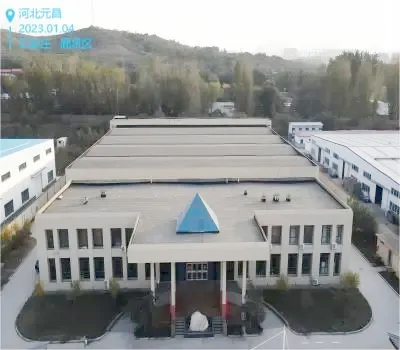
Our advanced machining capabilities ensure precision for every component.
Compliance and Certifications
Adherence to international standards is not optional in cleanroom operations; it's a fundamental requirement. Our cleanroom vacuum systems are designed and manufactured with compliance in mind, often meeting or exceeding standards relevant to various industries:
- ISO 14644-1 Compliance: Our systems are engineered to support the maintenance of cleanrooms classified under ISO standards, ensuring they contribute positively to particulate control objectives.
- HEPA/ULPA Filter Certifications: Filters used are typically tested and certified according to industry standards (e.g., IEST RP-CC001) to guarantee their stated efficiency ratings.
- CE Marking: For products destined for the European market, CE marking indicates conformity with health, safety, and environmental protection standards.
- RoHS Compliance: Restriction of Hazardous Substances directive compliance ensures that our products do not contain specific hazardous materials beyond defined limits, relevant for electronics manufacturing.
- Optional ATEX Certification: For environments where explosive atmospheres may be present (e.g., certain chemical processing), ATEX-certified models are available.

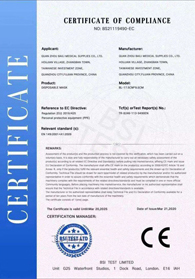

When discussing requirements with potential suppliers, always inquire about the specific certifications and test reports relevant to your industry and regulatory environment. This due diligence is critical.
Installation, Operation, and Maintenance Insights
Proper operation and maintenance are key to maximizing the lifespan and effectiveness of your cleanroom vacuum system. While designed for simplicity, a few practical considerations can make a significant difference.
Installation: Most of our cleanroom vacuums are plug-and-play, requiring no complex installation. Ensure the unit is placed on a stable surface, away from direct airflow disruptions if possible, and connected to an appropriate power source. For ATEX models, adherence to specific grounding and installation protocols is mandatory and should be performed by qualified personnel.
Operation:
- Always use the correct attachments for the task.
- Avoid vacuuming liquids unless the unit is specifically designed for wet pickup to prevent motor damage and filter saturation.
- Monitor the filter bag indicator. Replacing bags promptly prevents motor strain and maintains suction power.
- Operate within specified temperature and humidity ranges.
Maintenance: Regular maintenance is critical. This typically involves:
- Filter Replacement: HEPA/ULPA filters have a finite lifespan. Schedule replacements based on usage and environment (e.g., annually or when pressure drop indicates reduced efficiency). Always use genuine replacement filters to maintain performance and certification.
- Bag Changes: Change filter bags as soon as they are full or when contamination is suspected. Dispose of used bags in accordance with your facility's contamination control procedures.
- Hose & Accessory Inspection: Periodically check hoses, wands, and nozzles for wear, cracks, or blockages. Ensure all seals are intact.
- Exterior Cleaning: Wipe down the vacuum housing with approved cleanroom disinfectants to maintain external cleanliness.
Logistics Note: When ordering replacement filters or bags, consider ordering in sufficient quantities to cover your planned maintenance intervals. This avoids supply chain disruptions and ensures your cleanroom remains operational without interruption. We can help you establish a predictable replacement schedule.
What Our Clients Say
"We switched to Yuanchang's HEPA vacuums for our pharmaceutical compounding suite, and the difference is palpable. Our particle counts are consistently lower, and the units are robust. The ease of bag replacement is a major plus for our sterile procedures."

Chief Pharmacist, BioMed Solutions
"For our microelectronics assembly, ESD control is critical. Yuanchang's antistatic cleanroom vacuums are perfect. They handle fine dust effectively without any risk of static discharge. Their export process was smooth, and the support from their technical team was excellent."

Operations Manager, SiliconFab Inc.
"We needed a reliable vacuum for our ISO 7 cleanroom used in medical device manufacturing. Yuanchang provided a solution with excellent ULPA filtration. The build quality is impressive, and the unit has significantly improved our cleaning efficiency and compliance documentation."

Quality Assurance Lead, MedTech Innovations
Frequently Asked Questions
- Q: What is the difference between HEPA and ULPA filtration?
- A: HEPA filters capture at least 99.97% of particles 0.3 microns in size. ULPA filters are even more efficient, capturing at least 99.999% of particles 0.1-0.2 microns in size. ULPA filtration is typically required for higher-class cleanrooms (e.g., ISO Class 3-5).
- Q: Can your vacuums be used for wet pickup?
- A: Only specific models are designed for wet/dry operation. Using a dry-only vacuum for liquids will damage the motor and filters. Please specify your needs when inquiring.
- Q: How often should I replace the HEPA/ULPA filter?
- A: Filter life depends on usage frequency, the type and volume of contaminants, and the cleanliness of the environment. Manufacturers typically provide guidelines, but monitoring suction power and planned replacement schedules (e.g., annually) are best practices.
- Q: Do you offer OEM/ODM services for cleanroom vacuums?
- A: Yes, with our advanced manufacturing capabilities and extensive experience, we can certainly discuss OEM and ODM opportunities. Please contact our sales team to explore how we can develop custom solutions for your brand or specific application needs.
- Q: What is the typical lead time for international orders?
- A: Lead times vary based on order volume and customization. Standard models can typically ship within 2-4 weeks. For custom orders or larger quantities, lead times may extend, and we will provide a detailed estimate during the quotation process.
Elevate Your Cleanroom Standards Today
Don't let suboptimal cleaning compromise your critical environment. Partner with Hebei Yuanchang for precision-engineered cleanroom vacuum solutions that deliver unparalleled purity and reliability.
Contact Us:
Phone: +86 15830991513
E-mail: ycmeatmech@gmail.com
Address: Shijiazhuang, Hebei Province, China