What Does A Meat Tenderizer Do
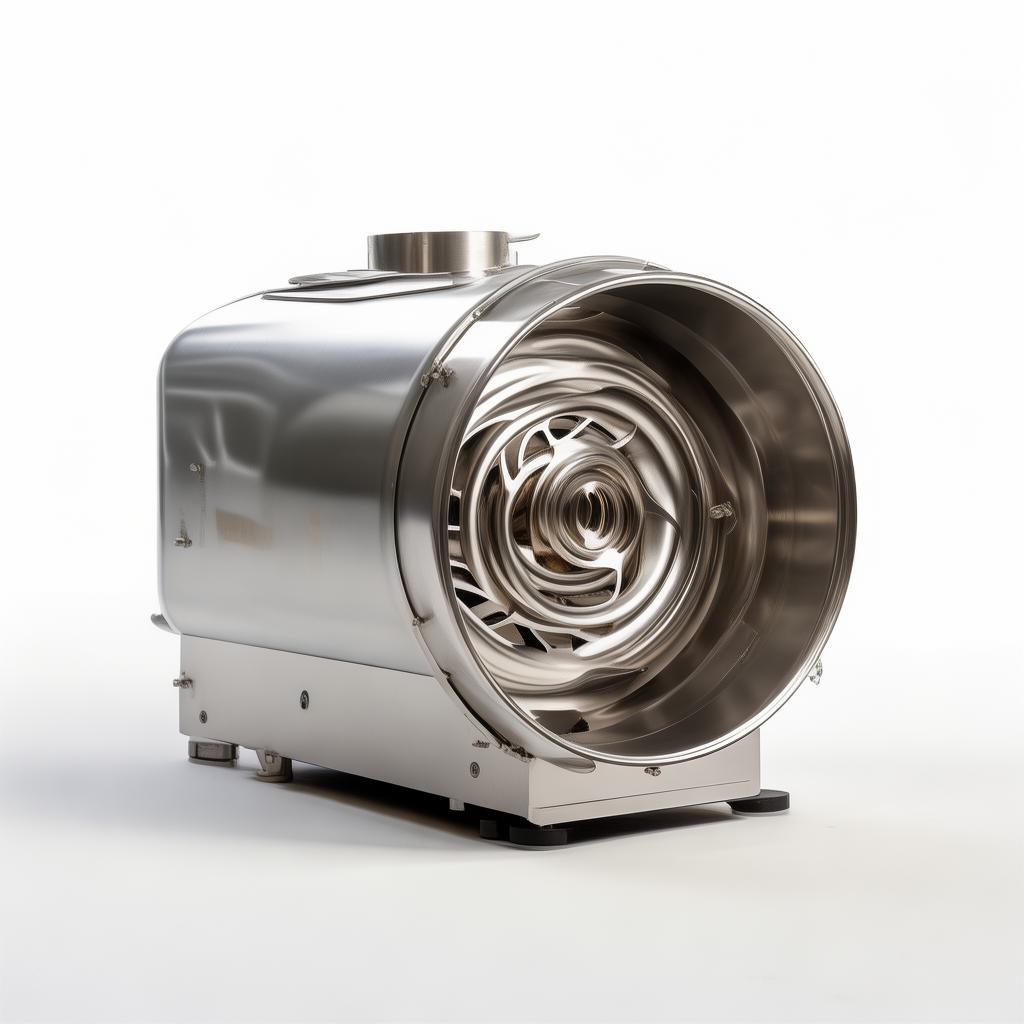
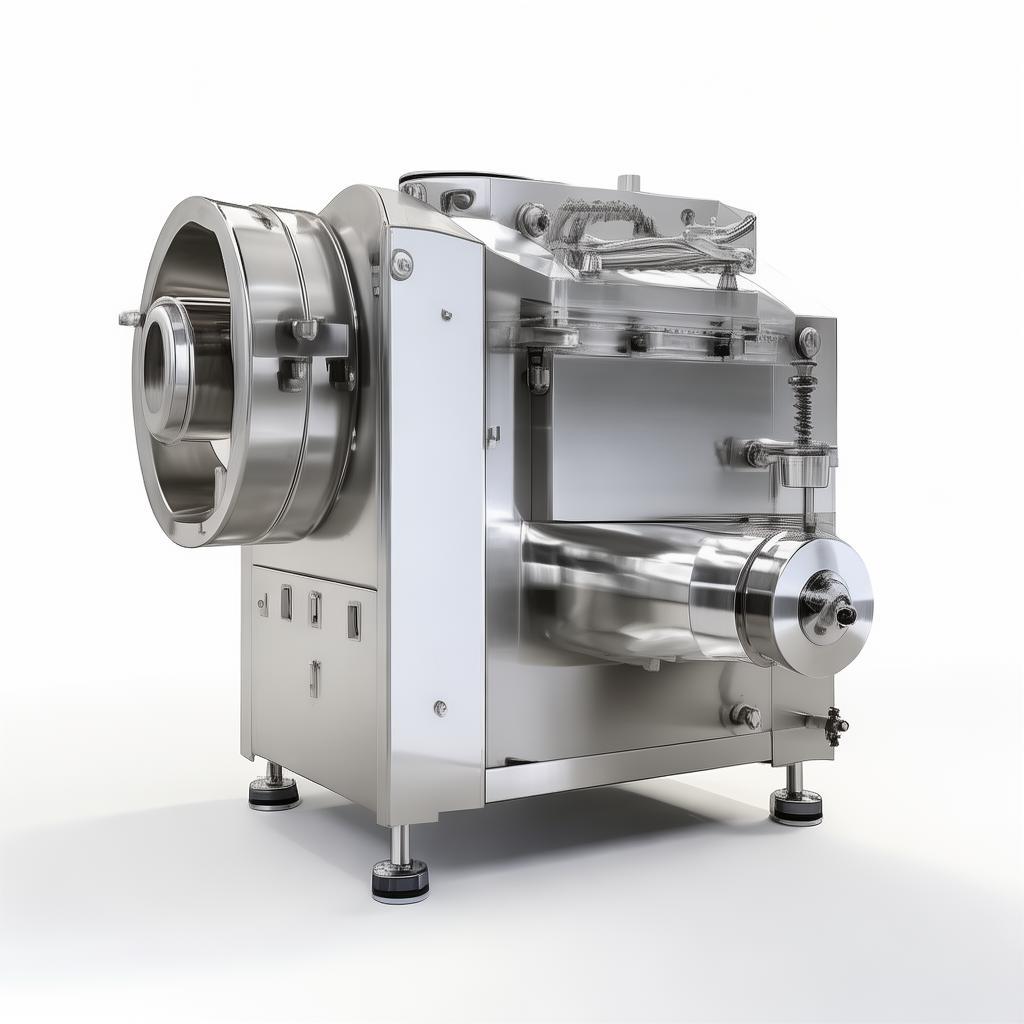
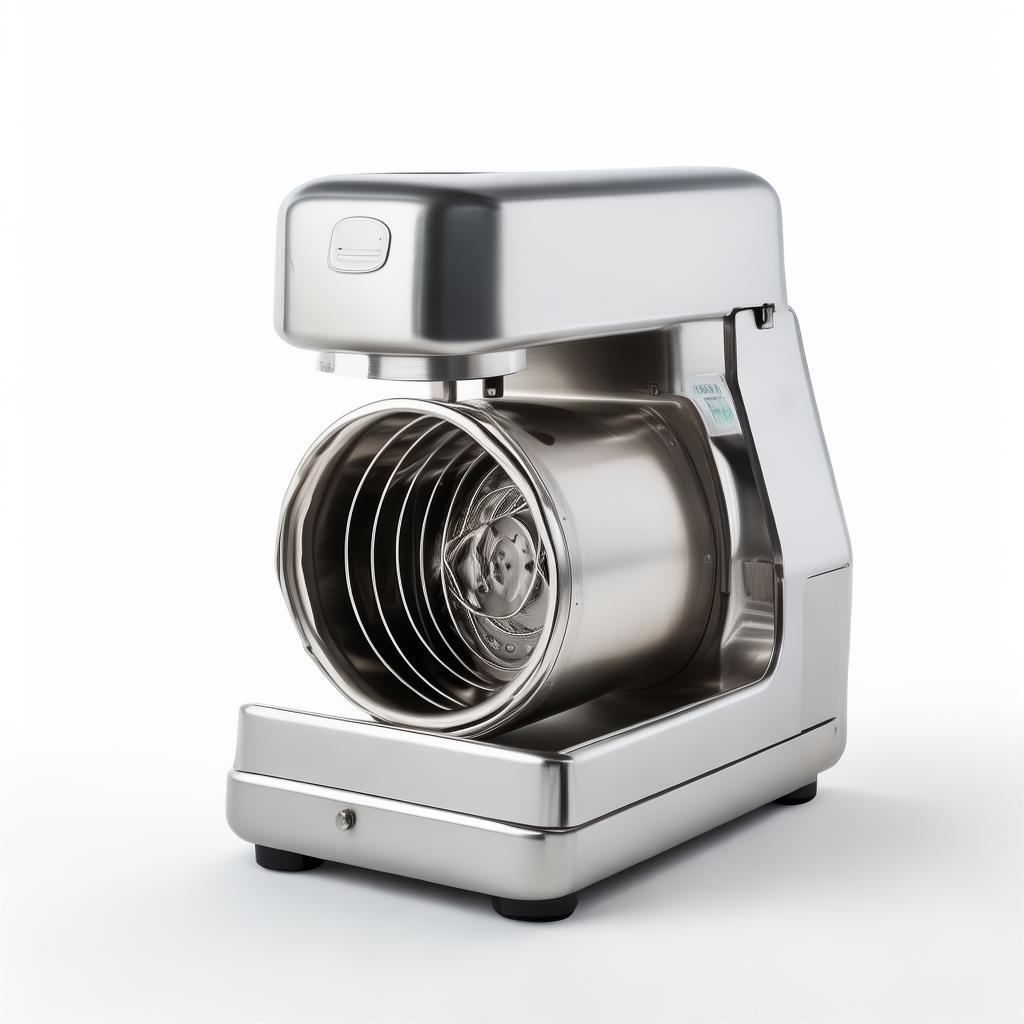
What Does a Meat Tenderizer Do? A Deep Dive for Procurement Professionals
Understanding the role and impact of meat tenderizing equipment is crucial for optimizing production, enhancing product quality, and driving profitability in the global meat processing industry. This isn't just about making meat softer; it's about unlocking texture, improving marination, and creating value-added products that meet consumer demand. At Hebei Yuanchang, with our 40 years of experience, we've seen firsthand how the right equipment translates into tangible operational advantages. Let's explore what a meat tenderizer truly accomplishes, from mechanical principles to market impact.
 Authored by: Li Wei, Export Manager at Hebei Yuanchang Food Mechanism & Technology Co., Ltd.
The Core Function: Beyond Just Softening Meat
At its most fundamental level, a meat tenderizer is designed to break down the tough connective tissues and muscle fibers within meat. This physical manipulation makes the meat more palatable by improving its texture and mouthfeel. However, the impact goes far deeper than simple softening. Properly tenderized meat absorbs marinades and seasonings more effectively, leading to enhanced flavor profiles. It also cooks more evenly and can reduce cooking times, contributing to operational efficiencies on the production floor.
Think about the supply chain: from the farm to the consumer's plate. Every step aims to deliver a quality product. For processors, achieving consistent tenderness is a key differentiator. A well-designed tenderizing system, whether it's mechanical (like drum tenderizers or needle tenderizers) or enzymatic (though we focus on mechanical), plays a vital role in meeting those quality expectations. It’s an essential piece of equipment for many meat processing lines, particularly for cuts that are naturally leaner or tougher.
The global meat processing equipment market itself is a significant sector, valued at billions of dollars. Reports indicate a robust growth trajectory, projected to reach over USD 17 billion by 2034, with tenderizing equipment being a key component. This growth is fueled by the rising demand for processed meats, the need for automation to improve hygiene and efficiency, and stringent food safety standards. As procurement managers, understanding these market dynamics helps justify investments in equipment that directly impacts product quality and market competitiveness.
【Meat Processing Equipment Market Size, Share & Industry Analysis - https://www.fortunebusinessinsights.com/meat-processing-equipment-market-115455 - The global meat processing equipment market was valued at USD 11.29 billion in 2025 and is projected to reach USD 17.39 billion by 2034 at a CAGR of 5.0%. Key segments include filling & stuffing equipment, massaging & tumbling (for ripening/tenderizing), cutting, grinding, and smoking machines. Growth is driven by rising demand for processed meat, automation adoption for hygiene and labor efficiency, strict food safety standards, and strong expansion in Asia-Pacific. Filling and molding equipment are critical for sausages and formed products, while massaging equipment enhances ripening and texture.】
Different Types of Meat Tenderizing Mechanisms and Their Applications
When we talk about meat tenderizers, it’s important to distinguish between the methods employed. At Hebei Yuanchang, our focus is on mechanical solutions that offer reliable, high-volume processing capabilities.
1. Mechanical Tenderizing (Our Focus)
This category encompasses machinery designed to physically alter the meat structure. The primary goal here is to disrupt the muscle fibers and connective tissues without pulping the meat.
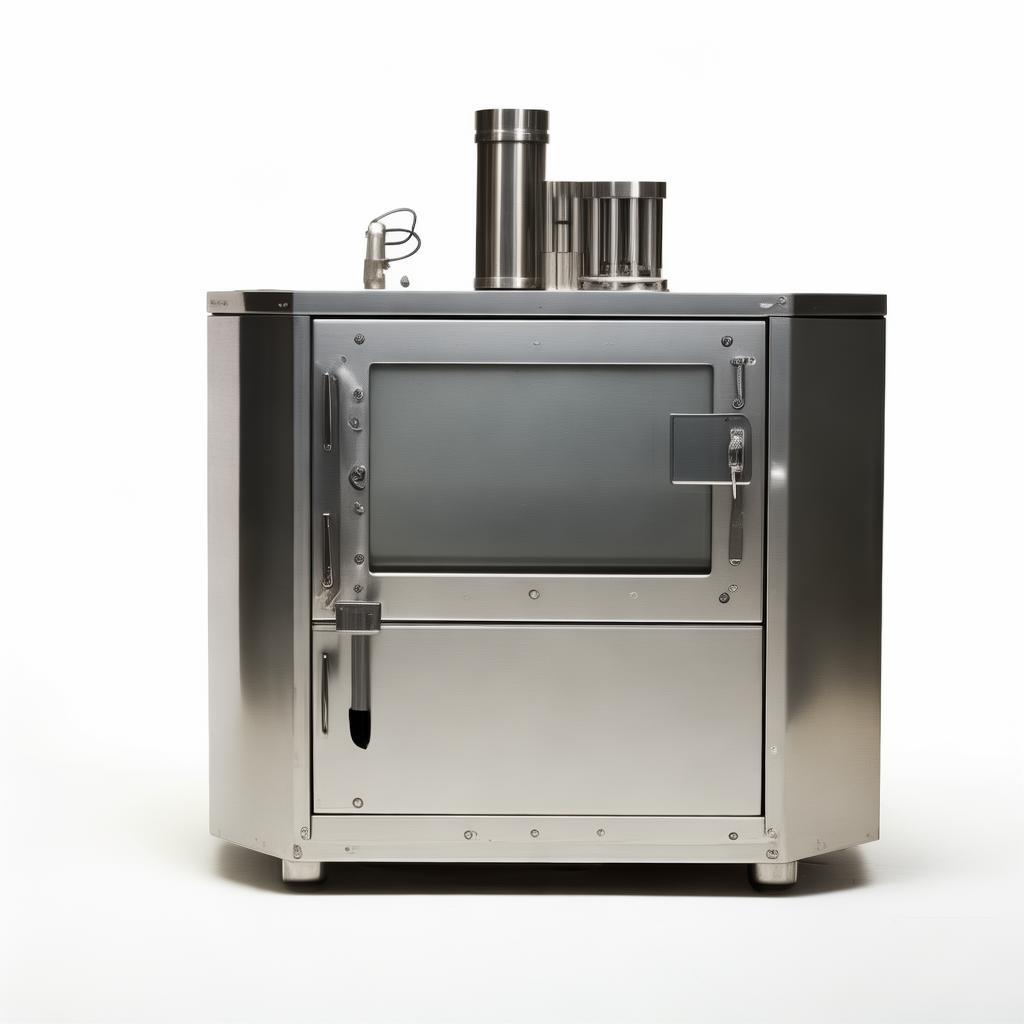
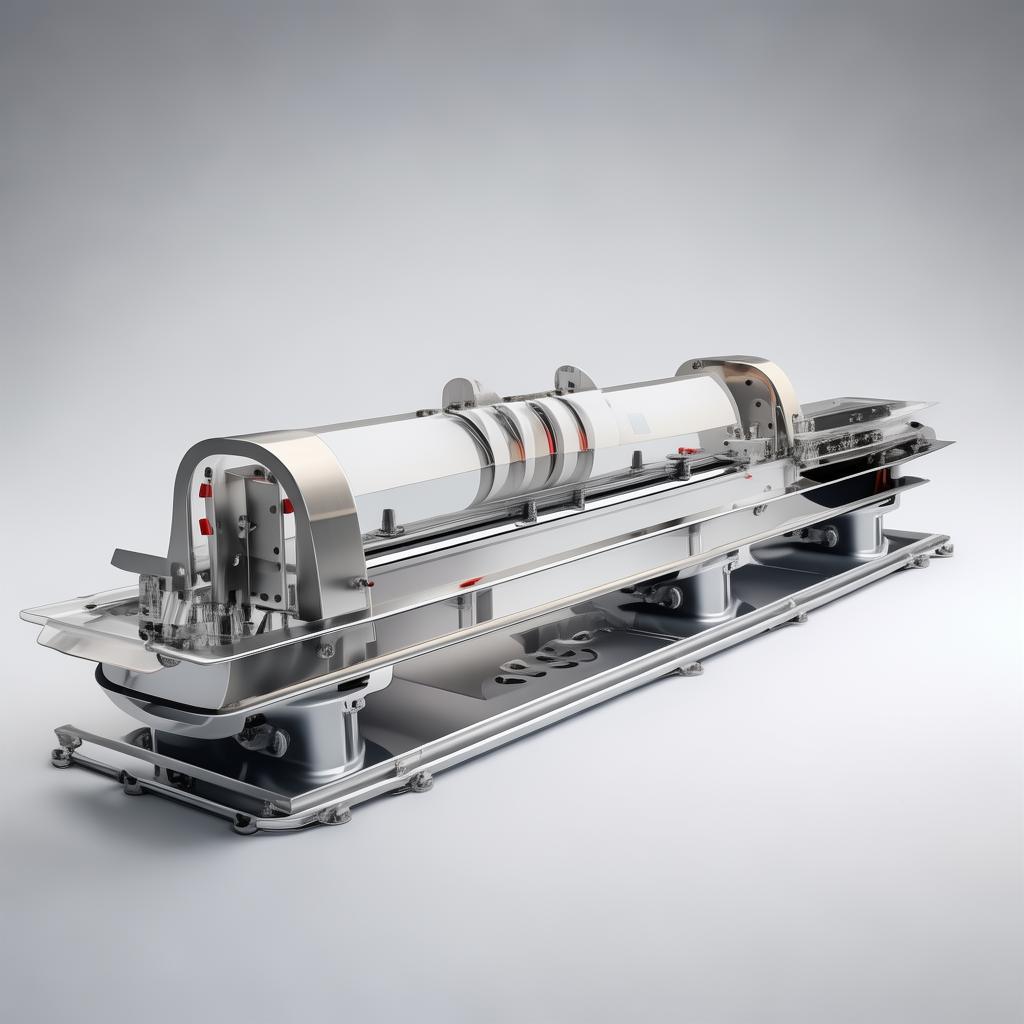
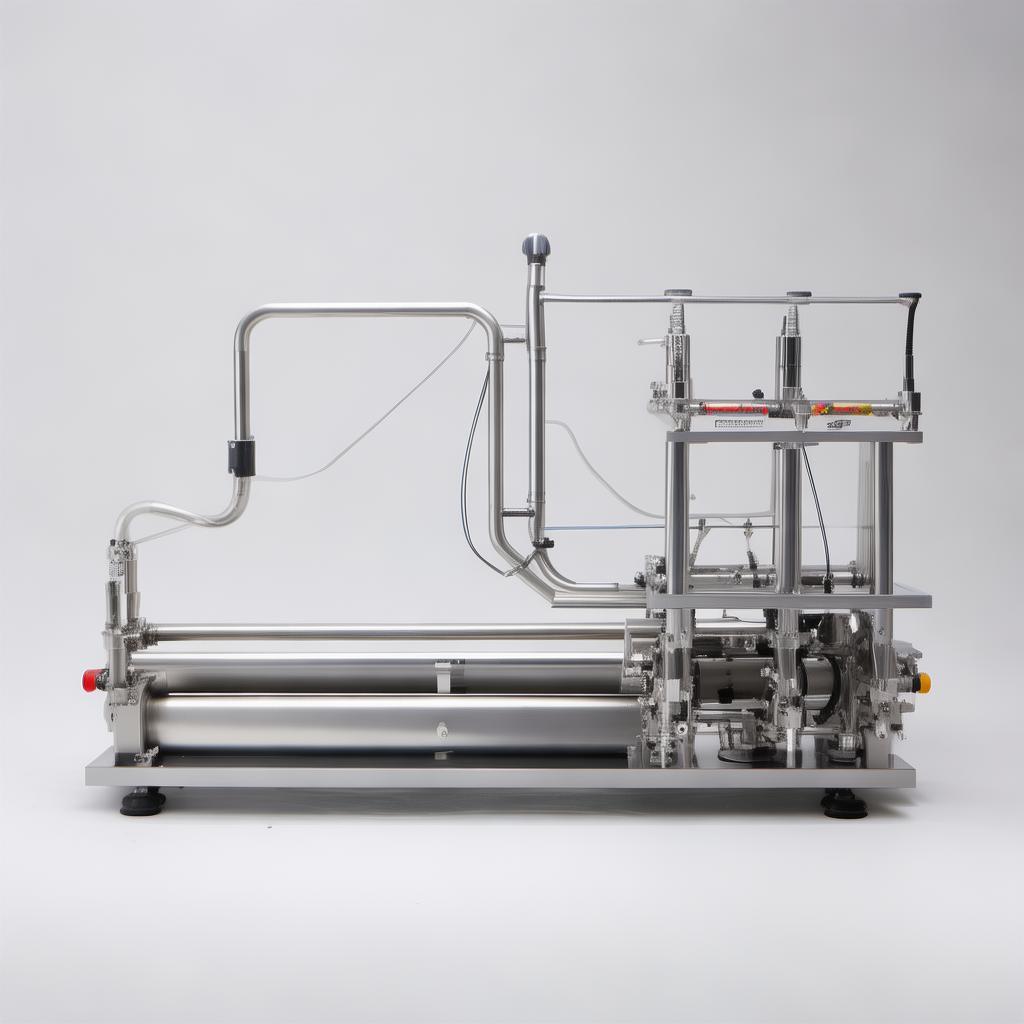
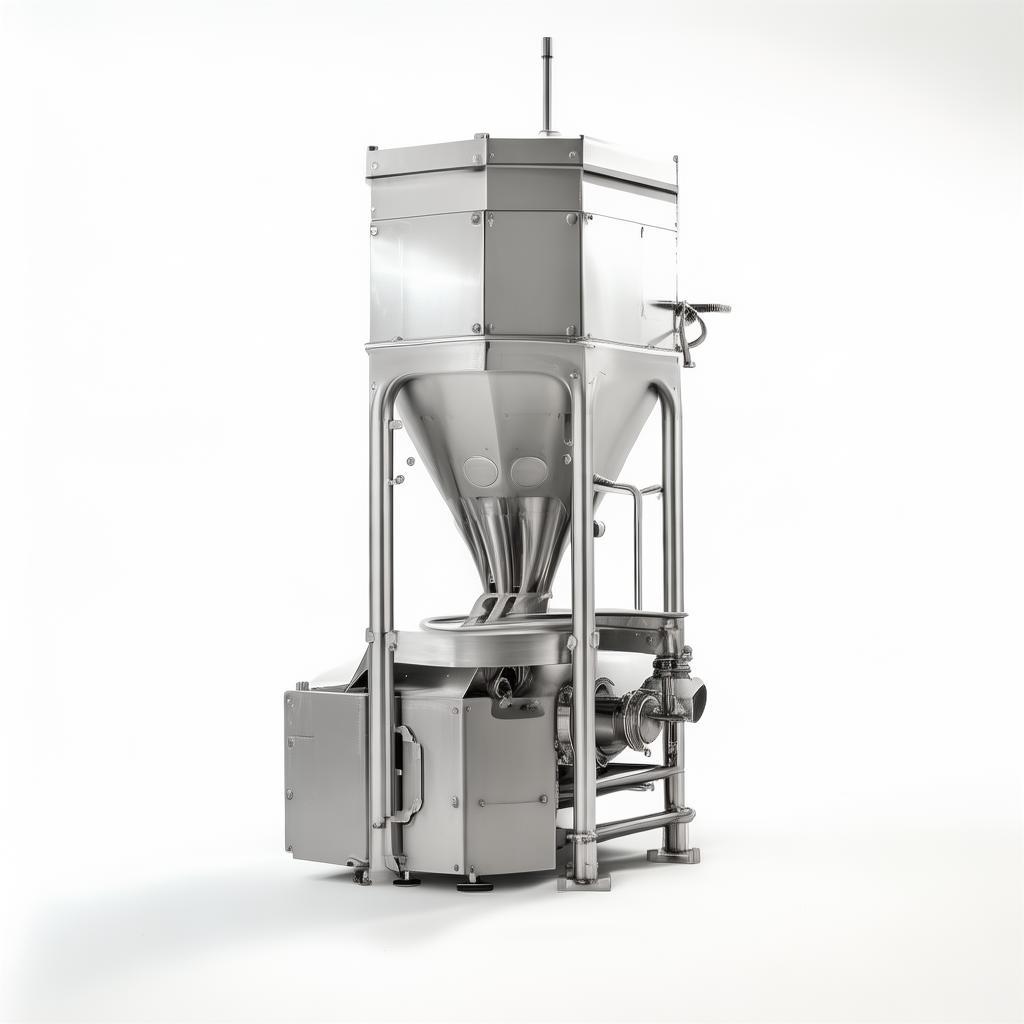
- Drum Tenderizers: These machines typically feature rotating drums with blades or spikes that pierce the meat. The process breaks down the muscle structure, increasing surface area for better marinade penetration and improving tenderness. They are ideal for larger cuts of meat like steaks and roasts, as well as poultry. We often see these integrated into pretreatment lines for various value-added meat products.
- Needle/Blade Tenderizers: Similar in principle, these machines use a series of needles or blades that penetrate the meat. They are highly effective for creating a consistent texture and are often used for products that will be further processed, like cured meats or formed products. The precision of these systems is key; over-processing can lead to mushiness, which is why the quality of the blades and the control over the process are paramount.
2. Enzymatic Tenderizing
While not a mechanical process, it’s worth noting that enzymes like papain (from papaya) or bromelain (from pineapple) can be applied to meat to break down proteins. This is often done through marinades or injections. However, it requires careful control to avoid over-tenderizing, which can result in a paste-like texture. From a manufacturing standpoint, mechanical tenderizing offers greater control and predictability for high-volume operations.
The choice between these methods depends heavily on the final product and the desired outcome. For processors aiming for consistent texture and efficient marinade uptake in products like sausages, formed patties, or even certain jerky cuts, mechanical tenderizing is often the preferred route.
Key Benefits: Why Invest in a Meat Tenderizer?
For any processing plant manager or procurement officer, the return on investment (ROI) is always a primary consideration. A quality meat tenderizer offers several tangible benefits that contribute directly to the bottom line.
Improved Product Quality
This is the most direct benefit. Tender meat leads to better consumer satisfaction, repeat purchases, and a stronger brand reputation. It's the foundation of premium product offerings.
Enhanced Marinade & Seasoning Absorption
The increased surface area created by tenderizing allows marinades, brines, and seasonings to penetrate deeper into the meat. This leads to more flavorful products and can reduce the amount of seasoning required.
Reduced Cooking Times & Energy Savings
Tenderized meat generally cooks faster and more evenly. This translates to reduced energy consumption in ovens or grills, and increased throughput in continuous cooking lines.
Increased Yield & Reduced Waste
By making tougher cuts more desirable, tenderizers can increase the usable yield from raw materials, turning potentially less profitable items into premium products. This minimizes waste and maximizes raw material value.
In the competitive landscape of meat processing, these advantages are not minor; they are essential for maintaining a leading edge. Market reports consistently highlight automation and efficiency as key drivers for growth.
【Meat Processing Equipment Market Size, Share Report, 2030 - https://www.grandviewresearch.com/industry-analysis/meat-processing-equipment-market - The global meat processing equipment market was estimated at USD 11.28 billion in 2024 and is projected to reach USD 15.04 billion by 2030. Segments cover tenderizing, filling, grinding, slicing, and massaging equipment essential for pretreatment, molding, and ripening processes. Rising consumption of ready-to-eat meats, automation for labor shortages and hygiene, and infrastructure investments in emerging markets drive demand. Filling & stuffing machines and massaging systems for ripening are high-growth areas supporting consistent product quality and food safety compliance.】
Technical Considerations for Procurement
When evaluating a meat tenderizer for your facility, especially for international B2B trade, several technical and operational factors are paramount. It’s not just about the price tag; it’s about long-term reliability, maintenance, and integration into your existing workflow.
Material Selection and Durability
For food-grade machinery, the materials are critical. Stainless steel (e.g., SUS304) is the industry standard for its corrosion resistance and ease of cleaning. Blades should be made of hardened, high-carbon stainless steel for longevity and consistent performance. At Hebei Yuanchang, our in-house machining capabilities, including Japanese Mazak CNC centers, allow us to produce high-precision components that meet stringent standards for wear resistance and dimensional accuracy.
Hygiene and Cleanability (HACCP Compliance)
Food safety regulations are non-negotiable. Equipment design must facilitate thorough cleaning and sanitation. Look for smooth surfaces, minimal crevices where bacteria can accumulate, and easy access to all parts. Our machines are designed with HACCP principles in mind, ensuring that cleaning procedures are straightforward and effective. This is a crucial consideration for any importer or plant manager concerned with compliance and reducing cross-contamination risks.
Capacity and Throughput
Understand your production volume needs. Tenderizers come in various sizes, from smaller units for artisanal producers to large-scale industrial machines capable of processing tons per hour. A machine that is too small will bottleneck your line, while one that is excessively large might be an inefficient investment. We offer a range of capacities to suit diverse operational scales.
what is a meat tenderizer and what does it do what a meat tenderizer how does a meat tenderizer work
Maintenance and Serviceability
Downtime is costly. Consider the ease of maintenance and the availability of spare parts. Our traceable after-sales management system and our capability to independently produce high-precision parts mean that support is reliable and timely, minimizing disruptions to your operations. This is a significant advantage when sourcing from an experienced manufacturer like ourselves.
Power Requirements and Footprint
Ensure the equipment's power specifications (voltage, phase) are compatible with your facility's infrastructure. Also, consider the physical footprint and how it will integrate into your existing plant layout. Efficient space utilization is key in many modern processing facilities.
Integration into Your Production Line
A meat tenderizer rarely operates in isolation. It's a link in a chain. For optimal results, it needs to be properly integrated with upstream and downstream equipment.
Consider its placement relative to cutting or portioning machines. Meat should ideally be at a consistent temperature and size when entering the tenderizer for uniform results. Downstream, the output from the tenderizer might feed directly into a massager (for ripening/tumbling), a filler, or a molding machine. The smooth transition between these processes is crucial for maintaining product integrity and efficiency.
Our expertise extends to complete production lines, from meat pretreatment to filling and molding. We can advise on the optimal configuration for your specific needs, ensuring that the tenderizer functions as part of a cohesive, high-performance system. This holistic approach is what distinguishes true industry partners from mere equipment suppliers.
The market for meat processing equipment, including tenderizing, is growing robustly. With projections for the global market to reach upwards of USD 19 billion by 2033, investments in efficient, high-quality machinery are becoming increasingly strategic.
【Meat Processing Equipment Market Size & Forecast 2033 - https://www.skyquestt.com/report/meat-processing-equipment-market - The meat processing equipment market was valued at USD 12.04 billion in 2024 and is poised to reach USD 19.66 billion by 2033 at a CAGR of 5.6%. It includes tenderizing, filling, grinding, smoking, and massaging equipment for pretreatment, molding, and ripening. Growth stems from processed meat demand, labor shortages, technological advancements in automation, and hygiene standards. Asia-Pacific leads due to rising meat consumption and industrialization of processing facilities.】
Choosing the Right Supplier: Hebei Yuanchang Advantage
Selecting an international supplier for critical manufacturing equipment involves more than just comparing specifications. It requires trust, proven capability, and a commitment to after-sales support. Here’s why Hebei Yuanchang stands out:
- 40 Years of Experience (Since 1986): Our longevity in the industry is a testament to our quality and customer satisfaction. We’ve evolved with the market and understand the nuances of meat processing.
- Integrated R&D, Production, and Sales: This allows us to control quality at every stage and respond quickly to market demands or custom requirements.
- Advanced In-House Machining: With over 20 sets of processing machinery and 8 Japanese Mazak CNC machining centers, we produce high-precision components, ensuring superior performance and durability of our equipment. This capability is rare and ensures we can meet non-standard specifications.
- Traceable After-Sales Management: Our system ensures you receive timely support and access to high-quality spare parts, providing peace of mind long after your purchase.
- Comprehensive Product Range: We offer solutions for pretreatment, filling, molding, and ripening – essentially, complete processing lines.
We understand that investing in equipment is a significant decision. We aim to be a strategic partner, providing not just machines, but solutions that enhance your operational efficiency and product quality.
Frequently Asked Questions (FAQs)
Q1: What is the primary purpose of a meat tenderizer in food processing?
Its main function is to mechanically break down tough connective tissues and muscle fibers in meat. This results in a softer texture, improved palatability, and better absorption of marinades and seasonings.
Q2: How does mechanical tenderizing differ from enzymatic tenderizing?
Mechanical tenderizing uses physical force (blades, spikes) to break down fibers. Enzymatic tenderizing uses natural enzymes (like papain) to break down proteins. Mechanical methods offer more precise control for industrial processing.
Q3: Can a tenderizer damage the meat structure too much?
Yes, improper use or poorly designed machines can over-process meat, leading to a mushy texture. This is why selecting equipment with adjustable settings and reliable performance, like those from Hebei Yuanchang, is crucial.
Q4: What types of meat are best suited for tenderizing?
Tougher cuts of beef, pork, lamb, and poultry benefit most. It's particularly useful for cuts that might otherwise be difficult to sell at a premium price.
Q5: How do I ensure hygiene when using a tenderizer?
Regular, thorough cleaning of the machine is essential. Look for equipment designed with easy-to-clean surfaces and access points. Following HACCP principles and your plant’s sanitation protocols is paramount.
Real-World Impact: What Our Clients Say
Hearing directly from our clients provides valuable insight into the practical benefits of our meat processing equipment.
 Maria Rodriguez, Production Manager, USA
"We integrated Hebei Yuanchang's drum tenderizer into our steak line about a year ago. The difference in texture is remarkable, and our customers have noticed. Marinade penetration is significantly better, which has allowed us to develop new, more flavorful products. The machine’s been running flawlessly."
 David Chen, Procurement Director, Canada
"Sourcing equipment internationally can be risky, but Hebei Yuanchang made it smooth. Their tenderizer was delivered on schedule, and the quality exceeded our expectations. The stainless steel construction is top-notch, and cleaning is straightforward. Their support team was responsive."
 Aisha Khan, Operations Manager, UK
"We needed to improve the texture of our pre-portioned chicken breasts without enzyme treatments. The needle tenderizer from Yuanchang has been a game-changer. It significantly reduces cooking time in our ovens, improving our line's overall throughput. Maintenance is also simpler than anticipated."
Ready to Enhance Your Meat Processing Operations?
Discover how Hebei Yuanchang's high-quality meat tenderizers and comprehensive processing solutions can elevate your product quality, boost efficiency, and increase your profitability.