What A Meat Tenderizer
Understanding Meat Tenderizers: Beyond the Basic Pounder
 By: David Chen, Senior Export Manager at Hebei Yuanchang Food Mechanism & Technology Co., Ltd.
Published: October 26, 2023
What Exactly is a Meat Tenderizer?
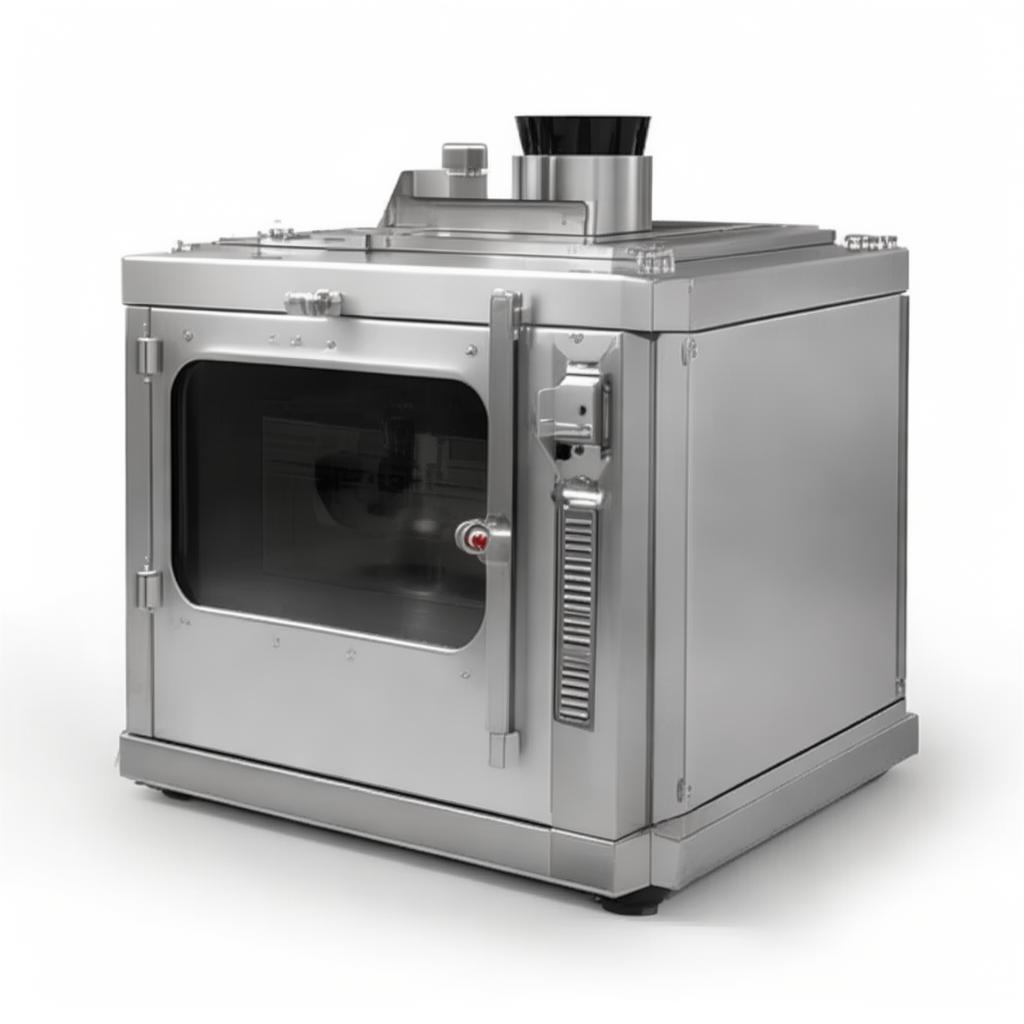
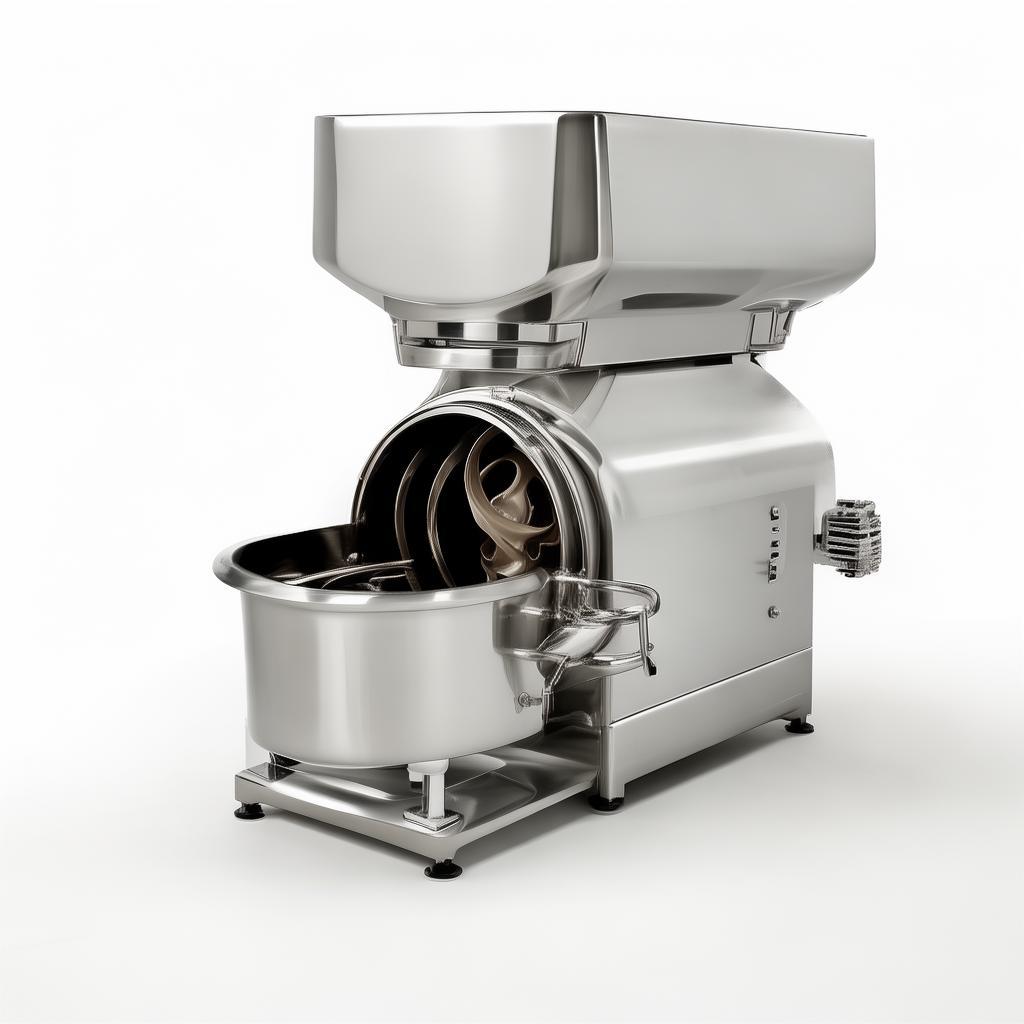
When most people hear "meat tenderizer," they picture a small, handheld mallet with a spiked or flat side, used in home kitchens to break down tough cuts of steak or pork chops. While this is the most familiar form, in the context of industrial meat processing, the term encompasses a much broader range of sophisticated machinery designed to achieve the same fundamental goal: to improve meat texture, palatability, and, crucially for manufacturers, processing efficiency. We're talking about equipment that handles bulk quantities, operates under strict hygiene standards, and contributes significantly to the final product's quality and marketability.
At its core, a meat tenderizer, whether a simple hand tool or a complex industrial system, works by disrupting the muscle fibers and connective tissues within the meat. This mechanical action makes the meat softer and easier to chew. In a commercial setting, this isn't just about creating a more enjoyable eating experience; it's about meeting production targets, achieving specific product textures for items like sausages, patties, and marinades, and optimizing the yield and consistency of processed meat products. The global meat processing equipment market, valued at over USD 11 billion and projected to reach upwards of USD 17 billion by 2034 according to Fortune Business Insights, underscores the scale and importance of these technologies.
Think about the sheer variety of meat products available: from delicate, melt-in-your-mouth jerky to perfectly formed burger patties, and from tender sausages to succulent roasted whole cuts. Achieving that desired texture often hinges on effective pretreatment, and this is where the role of a robust meat tenderizing system becomes indispensable. It's an integral part of the pretreatment of meat products stage, preparing the raw material for subsequent processes like grinding, chopping, mixing, and forming. Without proper tenderization, many processed meat products would be unacceptably tough, dry, or simply fail to achieve the expected mouthfeel, impacting consumer satisfaction and brand reputation.
Furthermore, industrial tenderizers offer benefits far beyond simple softening. They can increase the surface area of the meat, which aids in faster and more uniform marination or curing. This is a critical factor for manufacturers dealing with large volumes and tight production schedules. The ability of equipment to handle different cuts, from beef and pork to poultry, and even specific applications like pet food processing, highlights the versatility required in modern meat plants. The technology ensures that raw materials, which might otherwise be relegated to lower-value uses due to toughness, can be transformed into premium products, thereby maximizing profitability.
The investment in quality tenderizing equipment is also a strategic move for ensuring food safety and compliance. Modern machines are designed with sanitary principles in mind, using materials like food-grade stainless steel and incorporating features that facilitate easy cleaning and prevent microbial growth. This is crucial, especially given the increasing stringency of regulations worldwide and the growing consumer awareness regarding food hygiene. As cited by Grand View Research, the market for meat processing equipment, including tenderizers, is driven by factors like rising consumption of ready-to-eat meats and stringent food safety standards, making this equipment not just a production tool but a compliance enabler.
The choice of tenderizer also impacts subsequent processing steps. For instance, in the production of ground meat or sausages, the pre-tenderized meat might grind more uniformly, leading to a finer texture and better emulsification. For formed products like patties, tenderization can improve binding properties and reduce shrinkage during cooking. This interconnectedness within the processing line means that the selection of a tenderizer isn't an isolated decision; it influences the performance and output of other critical machinery. It's a foundational step that sets the stage for high-quality finished goods.
Our experience at Hebei Yuanchang, with over 40 years in developing and manufacturing meat processing equipment, has shown us firsthand how critical effective tenderization is. We've seen processors struggle with inconsistent textures, processing bottlenecks, and wasted raw material until they implemented appropriate mechanical tenderizing solutions. It's not just about brute force; it's about applying controlled mechanical action that respects the integrity of the meat while achieving the desired physical changes. This requires a deep understanding of both mechanical engineering and meat science, a combination we've honed over decades.
Considering the market trends, with a CAGR around 5-7% projected for the meat processing equipment sector by various reports like those from SkyQuest and IMARC Group, investing in advanced tenderizing technology is a forward-thinking decision. It aligns with the growing demand for processed and convenience meats, driven by urbanization and evolving consumer lifestyles. The right equipment ensures that manufacturers can meet this demand efficiently, consistently, and profitably.
The Spectrum of Meat Tenderization Technologies
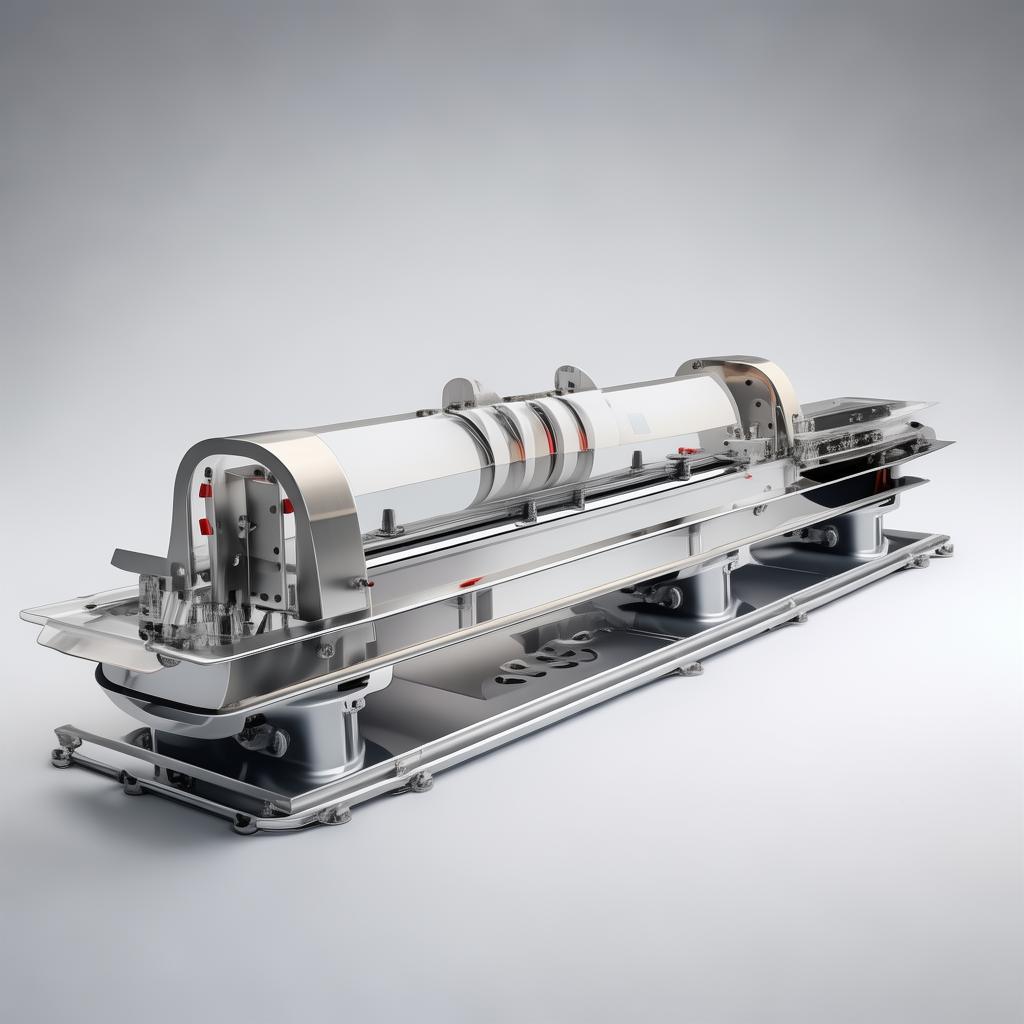
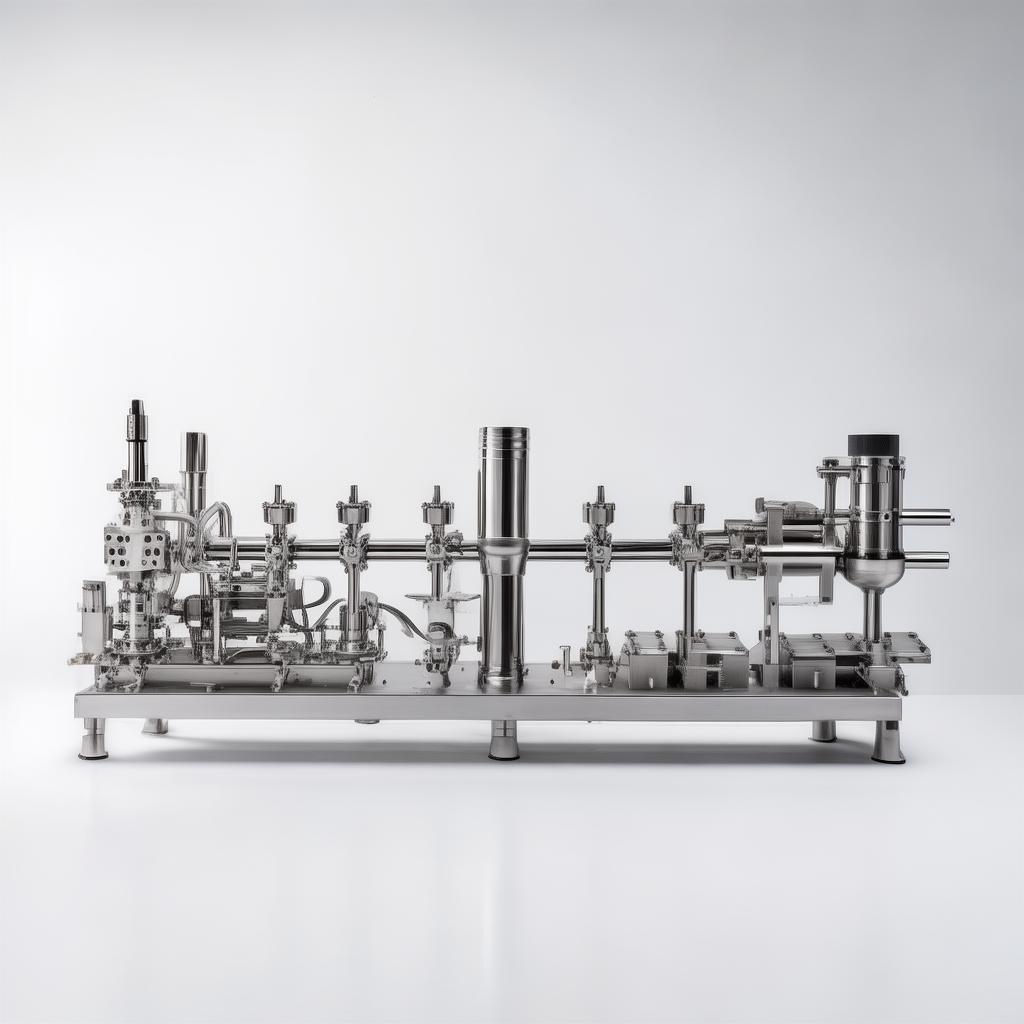
In the industrial landscape, "meat tenderizer" is a broad category. While the familiar mallet is for home use, commercial operations leverage sophisticated machinery. These can be broadly categorized by their operating principles, each suited for different applications and scales:
-
Mechanical Tenderizers:
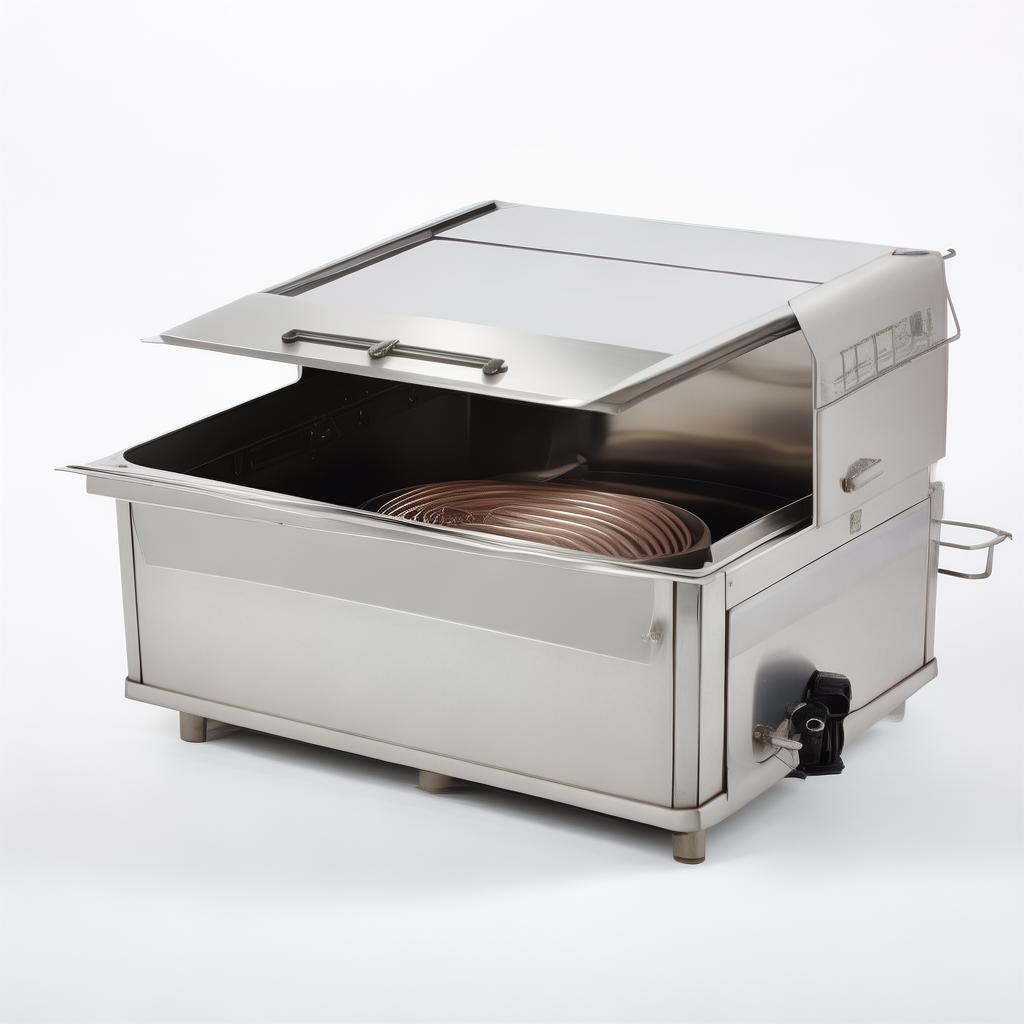
- Needle Tenderizers (Stabbers): These machines use multiple rotating needles or blades to pierce the meat. This creates channels for marinades and significantly breaks down muscle fibers. They are excellent for whole cuts or large primal pieces and are a staple in many beef and pork processing facilities. The depth and density of penetration can often be adjusted.
- Blade Tenderizers (Slice-Type): Similar to needle tenderizers but employing larger, wider blades that slice through the meat. They offer a more aggressive tenderization and are effective for larger cuts and can even process partially frozen meat in some designs.
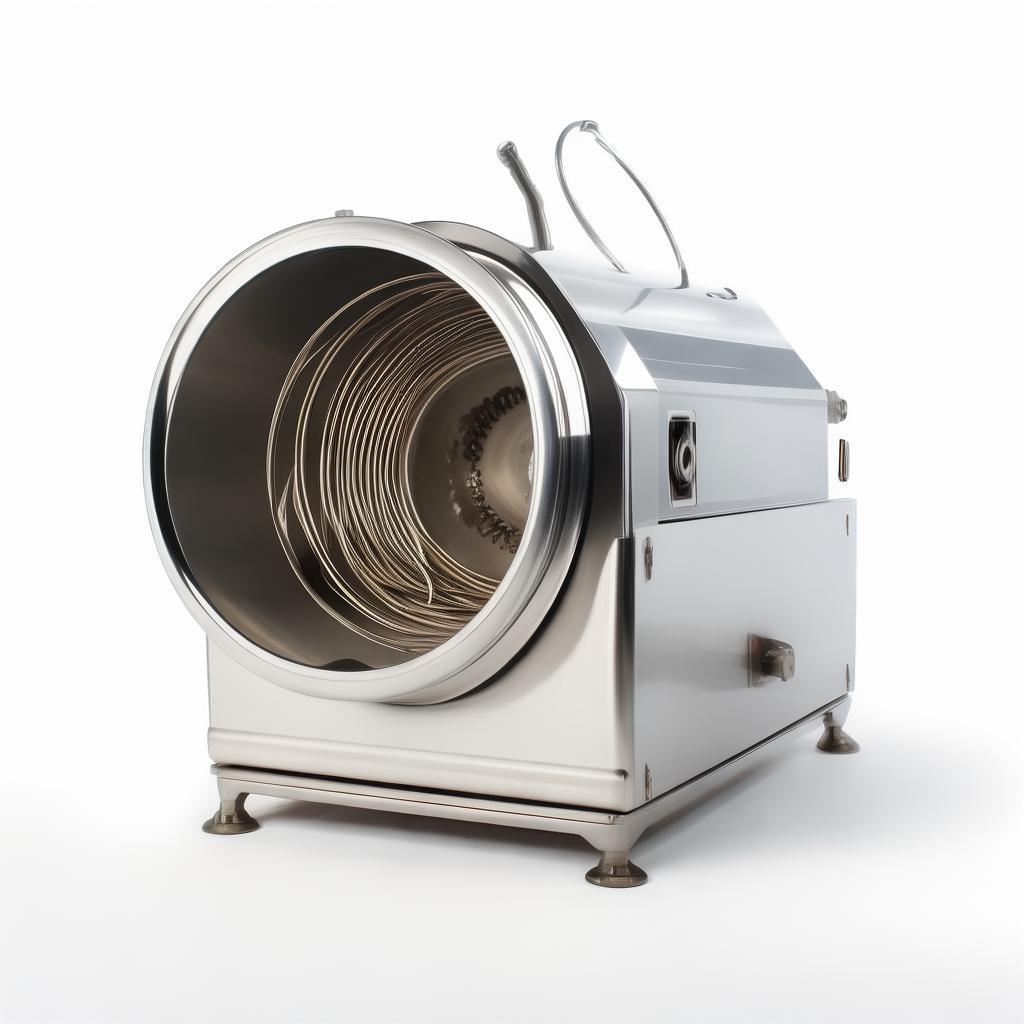
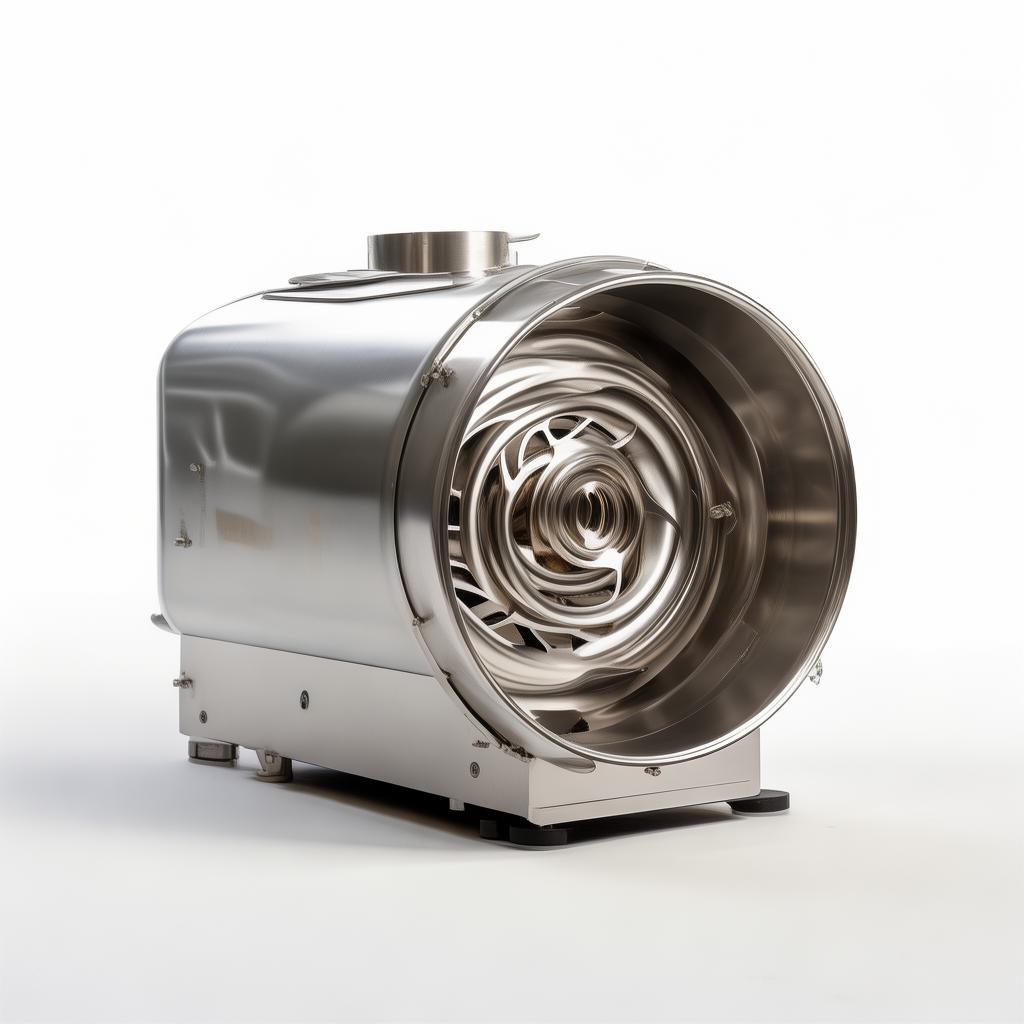
- Tumbling/Massaging Machines: These are more commonly associated with ripening process for meat products and marination. Meat is tumbled or massaged in a large rotating drum, often with a vacuum. While not strictly for breaking down tough connective tissue in the same way as needle or blade tenderizers, the gentle tumbling action can contribute to a more tender end product by working marinades into the fibers and promoting some relaxation of muscle structure. They are crucial for items like cured hams, jerky, and marinated chicken products. Reports often group these under "massaging equipment" in market analyses.
- Meat Mallets/Pounders (Industrial Scale): While we manufacture smaller manual versions, industrial facilities may use heavy-duty, automated mallet-style machines for specific applications where a more aggressive, blunt force tenderization is desired for smaller cuts or ground meat preparations.
- Enzymatic/Chemical Tenderizers: While less common as standalone machinery in large-scale production (more often applied via marinades or brines), it's worth noting that papain (from papaya) and bromelain (from pineapple) are natural enzymes that break down proteins. These are usually applied externally rather than through a mechanical device, though some injectors might be used. This category is distinct from the mechanical equipment we specialize in.
- Other Pretreatments: Though not strictly "tenderizers," related equipment like high-speed grinders and emulsifiers perform significant breakdown of meat structure, contributing to the final texture. Our focus, however, is on dedicated tenderizing and massaging systems.
Each type has its own operational nuances, maintenance requirements, and suitability for different raw materials and end products. For instance, needle tenderizers are fantastic for ensuring marinades penetrate deeply into dense muscle, enhancing flavor and tenderness for products like steak or large roasts. Tumbling machines are indispensable for achieving uniform color and texture in cured products and for tenderizing smaller pieces used in convenience meals.
The global demand for processed meat, valued at hundreds of billions of dollars and growing, necessitates equipment that can handle these diverse needs. This market growth, as highlighted by reports like those from Fortune Business Insights, is directly linked to the increasing need for efficient and effective meat processing solutions, including advanced tenderizing technologies.
Mechanisms of Action: Breaking Down Connective Tissue
Understanding how these machines work is key to appreciating their value. It's all about manipulating the meat's structure at a microscopic level. The primary targets are:
- Muscle Fibers: These are the long, stringy components of meat. Tenderization methods aim to cut, break, or weaken these fibers, making them shorter and less resistant to chewing. Needle and blade tenderizers achieve this through direct physical disruption.
- Connective Tissues: Primarily collagen, these tissues surround muscle fibers and muscle groups, providing structure. Collagen can be tough and leathery. Gentle mechanical action, especially in tumbling, can help break down some of these structures or allow them to be more easily incorporated into the final product. Aggressive mechanical methods can also physically sever these tissues.
- Fat Distribution: While not directly targeted for breakdown, the mechanical action can help redistribute intramuscular fat (marbling), which contributes to moisture and flavor, making the meat more palatable.
For needle and blade tenderizers, the process is straightforward physical trauma. The sharp elements pierce or slice through the meat, severing muscle fibers and connective tissue strands. This mechanical stress literally shortens and weakens these components. The resulting smaller pieces are inherently more tender. The depth and density of these perforations are controllable parameters, allowing operators to tailor the treatment to specific meat types and desired outcomes. For instance, a leaner cut might require deeper penetration than a well-marbled one.
Tumbling or massaging machines operate differently. They use a combination of gentle rolling action and sometimes specific speed/vacuum cycles to work the meat. For whole cuts like ham, this motion helps to relax muscle fibers, allowing marinades to penetrate deeply and evenly. It can also help to redistribute natural juices and fats, leading to a more succulent and tender result after cooking. It’s a less aggressive but equally effective method for achieving tenderness and uniformity, particularly crucial for products requiring curing or extensive marination. Many market reports refer to this as "massaging equipment," often grouped with filling and stuffing machines as key components in meat processing lines.
The choice between these methods depends heavily on the raw material and the final product. For a restaurant aiming to tenderize whole beef loins, a needle tenderizer might be ideal. For a large-scale sausage producer, the mechanical breakdown that occurs during grinding, often following a pretreatment stage, is critical. For cured ham production, a massaging tumbler is essential. At Hebei Yuanchang, we understand these distinctions and engineer our equipment accordingly. Our pretreatment of meat products machinery is designed for maximum efficiency and effectiveness based on the specific application.
This mechanical intervention is often more efficient and controllable than relying solely on enzymes, especially at scale. While enzymatic tenderizers can work well, they require precise control of temperature and time to avoid over-processing, which can lead to a mushy texture. Mechanical methods, while physical, offer a more predictable and often faster path to the desired texture, fitting seamlessly into high-throughput production lines.
Industrial Applications and Use Cases
The utility of industrial meat tenderizers extends across a vast array of processing scenarios. Their ability to modify meat texture makes them indispensable for manufacturers aiming for consistent, high-quality outputs. Key applications include:
| Product Type | Tenderizer Role | Key Benefits |
|---|---|---|
| Sausages & Frankfurters | Pre-grinding mechanical breakdown, improved water/fat binding for emulsified products. | Enhanced texture, better emulsification, increased yield. |
| Burger Patties & Formed Products | Tenderizes meat before grinding/forming, improves binding, reduces cooking shrinkage. | Softer bite, consistent shape retention, improved juiciness. |
| Marinated Meats (Chicken, Beef, Pork) | Creates channels for marinade penetration (needle tenderizers), aids flavor infusion. | Deeper flavor, faster marination times, consistent taste profile. |
| Cured Products (Ham, Bacon) | Tumbling/massaging aids cure penetration, develops texture, and color uniformity. | Even curing, desirable texture, enhanced appearance. |
| Jerky & Dried Meats | Prepares meat for slicing and drying, ensures tenderness in the final product. | Chewable texture, prevents excessive toughness. |
| Pet Food Processing | Prepares raw meat for grinding and extrusion, ensuring desired texture in kibble or wet food. | Uniform texture, improved digestibility. |
what does a meat tenderizer do definition of meat tenderizer what is a meat tenderizer and what does it do
The global meat processing equipment market is experiencing robust growth, projected to reach figures around USD 15-19 billion by 2034, with segments like filling, stuffing, and massaging equipment (which includes tenderizing functionalities) showing strong expansion. This demand is fueled by rising global meat consumption, particularly in emerging markets, and the growing popularity of processed and convenience food options. Reports from Mordor Intelligence and Precision Business Insights consistently highlight these trends.
For instance, in the production of formed products like burger patties, proper tenderization prior to grinding ensures that the meat breaks down uniformly. This leads to patties that are less prone to shrinking or falling apart during cooking and offer a more consistent, pleasant bite. Similarly, for marinated chicken breast or pork loin destined for retail, using a needle tenderizer guarantees that the marinade penetrates deeply, infusing flavor and initiating the tenderization process before cooking, significantly enhancing the end product's appeal.
Our machinery is designed to integrate seamlessly into existing production lines. Whether you're operating a small-scale artisanal butcher shop or a large industrial meat processing plant, there's a solution. We understand that OEM/ODM factories and large-scale producers require equipment that not only performs but also offers reliability, ease of operation, and minimal downtime. Our experience with complete production lines means we consider how tenderization impacts every subsequent step, from grinding to packaging.
Beyond taste and texture, tenderization plays a role in yield optimization. By creating pathways for marinades or brines, it allows for greater moisture and flavor absorption. In some processes, this can lead to increased finished product weight. It also helps to utilize tougher, less expensive cuts of meat, transforming them into desirable products and improving overall raw material profitability. This is a critical consideration for procurement managers focused on ROI.
Procurement Insights: What Buyers Need to Know
When sourcing industrial meat tenderizers, buyers face a critical decision that impacts product quality, production efficiency, and long-term profitability. It's not just about the machine's sticker price; several operational and technical factors demand careful consideration:
- Application Specificity: Does the tenderizer match your primary product lines? A needle tenderizer for whole cuts is different from a massaging tumbler for cured meats. Ensure the machine is engineered for your specific needs.
- Throughput & Capacity: How much meat do you process per hour or shift? The machine's capacity must align with your production targets. Over-specifying can lead to unnecessary capital expenditure, while under-specifying creates bottlenecks.
- Material Quality & Construction: Look for food-grade stainless steel (e.g., 304 or 316) for all contact parts. Robust construction is essential for durability in demanding industrial environments. Check welding quality and the seals on rotating components.
- Hygiene & Ease of Cleaning: This cannot be stressed enough. The machine must be designed for easy disassembly and thorough cleaning to prevent cross-contamination and comply with food safety regulations (e.g., HACCP, GMP). Open designs and minimal crevices are advantageous.
- Control Systems & Adjustability: Can you adjust penetration depth, speed, cycle times, or vacuum levels? The ability to fine-tune parameters is crucial for optimizing results across different meat types and achieving desired textures. Modern PLC controls offer greater precision.
- After-Sales Support & Spare Parts: What is the manufacturer's reputation for support? Availability of spare parts and timely service are critical for minimizing costly downtime. This is where an experienced manufacturer with strong after-sales management like Hebei Yuanchang stands out.
- Power Requirements & Utilities: Ensure the machine's power specifications are compatible with your facility's infrastructure and that it integrates with your existing utility systems (compressed air, water, etc.).
- Certifications: Does the equipment meet relevant international standards (e.g., CE marking for European markets)? While not always mandatory, these indicate a commitment to safety and quality.
From a procurement perspective, consider the total cost of ownership, not just the initial purchase price. This includes energy consumption, maintenance, cleaning supplies, and potential downtime. Investing in a slightly higher-quality, more reliable machine upfront can often lead to significant savings over its lifespan. This aligns with the growing trend toward automation for labor efficiency and consistent quality cited in industry analyses.
When evaluating suppliers, look for demonstrated experience in the meat processing industry. A supplier who understands your challenges and can offer informed advice is invaluable. Ask about their manufacturing capabilities, such as their in-house machining for critical components. At Hebei Yuanchang, our over 40 years of experience, coupled with our advanced CNC machining capabilities and commitment to high-precision parts, ensures we deliver equipment built for reliability and performance.
We recommend requesting detailed specifications, brochures, and case studies. If possible, arrange a factory visit or a video demonstration of the equipment in operation. Don't hesitate to ask detailed questions about maintenance procedures and typical wear parts. A transparent supplier will readily provide this information.
Considering the significant role of these machines, consulting with an experienced manufacturer like us can prevent costly mistakes and ensure you select a solution that truly enhances your operation.
The Hebei Yuanchang Advantage
For over four decades, Hebei Yuanchang Food Mechanism & Technology Co., Ltd. has been a cornerstone in the development and manufacturing of advanced meat processing equipment. Our legacy, built since 1986, is founded on a deep commitment to quality, innovation, and customer satisfaction. We don't just build machines; we engineer solutions that optimize your entire processing workflow.
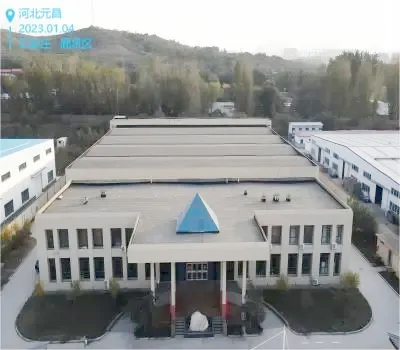
Our extensive experience in complete production lines means we understand the interconnectedness of each processing step. Whether it's pretreatment, filling, molding, or ripening, our equipment is designed to work in harmony, ensuring maximum efficiency and consistent product quality. We pride ourselves on our robust engineering capabilities, supported by an in-house machining workshop featuring over 20 sets of precision processing machinery.
A key differentiator is our investment in cutting-edge technology. Since 2012, we've integrated 8 sets of Japanese Mazak CNC machining centers. This allows us to produce high-standard components with exceptional precision, catering to large volumes and non-standard specifications that many competitors cannot match. This capability is crucial for delivering equipment that not only meets but exceeds demanding international quality standards.
Why Partner with Hebei Yuanchang?
- 40 Years of Expertise: Deep industry knowledge and practical experience.
- Advanced Manufacturing: State-of-the-art CNC capabilities for unparalleled precision.
- Integrated Solutions: Equipment designed for seamless operation within complete production lines.
- Traceable Quality: Independent production of high-precision parts ensures reliability and worry-free after-sales service.
- Commitment to Innovation: Continuously developing technology to meet evolving market demands.
- Global Reach: Experienced in exporting to markets worldwide, understanding international logistics and compliance.
Our range of products covers essential stages in meat processing, including pretreatment, filling, molding, and ripening auxiliary items. We understand that reliable equipment is paramount. Our traceable after-sales management system means we stand behind every piece of machinery we deliver, ensuring that your investment continues to perform optimally throughout its lifecycle.
When you choose Hebei Yuanchang, you are partnering with a manufacturer that combines decades of traditional engineering wisdom with modern technological advancements. We are dedicated to providing our global B2B partners with the robust, efficient, and high-quality equipment necessary to succeed in today's competitive food processing landscape.
We have a dedicated team of 80-100 employees, operating across approximately 14,000 square meters, ensuring we have the capacity and expertise to meet diverse client needs. Our focus on R&D, production, and sales integration allows us to offer comprehensive solutions.
Our commitment is to deliver value through superior engineering and reliable performance. This is the foundation of our 40-year success.
Frequently Asked Questions
Q: What is the primary function of a meat tenderizer in industrial processing?
A: In industrial settings, meat tenderizers primarily break down tough muscle fibers and connective tissues to improve meat texture, palatability, and mouthfeel. They also enhance marinade penetration and can aid in binding for formed products.
Q: Are needle tenderizers suitable for all types of meat?
A: Needle tenderizers are highly versatile and effective for most red meats (beef, pork), poultry, and even some fish. The depth and density of needles can be adjusted to accommodate different meat densities and desired outcomes.
Q: How does a massaging/tumbling machine differ from a needle tenderizer?
A: Needle tenderizers use sharp needles to pierce and cut fibers for immediate tenderization and marinade injection. Massaging/tumbling machines use gentle mechanical action to relax muscle fibers, work in marinades evenly, and develop texture, commonly used for cured products.
Q: What are the key considerations when selecting an industrial tenderizer?
A: Key factors include the specific application, required throughput, material construction (food-grade stainless steel), ease of cleaning and maintenance, availability of spare parts, and the manufacturer's after-sales support.
Q: Can tenderizers help improve food safety?
A: While tenderizers are mechanical devices, their design for easy cleaning and use of sanitary materials helps prevent bacterial growth and cross-contamination, contributing to overall food safety protocols in a processing plant. Compliance with standards like CE is also a factor.
What Our Clients Say
"We integrated Yuanchang's needle tenderizer into our beef jerky line. The marinade penetration is phenomenal, leading to more flavorful and tender jerky. Production speed increased significantly. It's a robust machine that handles our daily volume without issue."

Sarah Miller
Operations Manager, American Jerky Co.
"As a contract food manufacturer, consistency is key. Yuanchang's patty forming equipment, including their pretreatment tenderizers, ensures uniform texture and binding in every batch. Their after-sales support is prompt and knowledgeable, which is crucial for our tight schedules."

Mark Jenkins
Procurement Director, Global Food Solutions
"We were looking for a reliable massaging tumbler for our premium ham products. The Yuanchang machine exceeded our expectations. It provides even cure distribution and develops the perfect texture. The stainless steel construction is top-notch."

Carlos Rodriguez
Plant Manager, Heritage Meats Inc.
Have Specific Questions? Let's Chat.
Our technical experts are ready to discuss your unique processing challenges and recommend the best solution.



Optimize Your Meat Processing Today
Ready to enhance texture, efficiency, and product quality? Let Hebei Yuanchang Food Mechanism & Technology Co., Ltd. be your trusted partner.