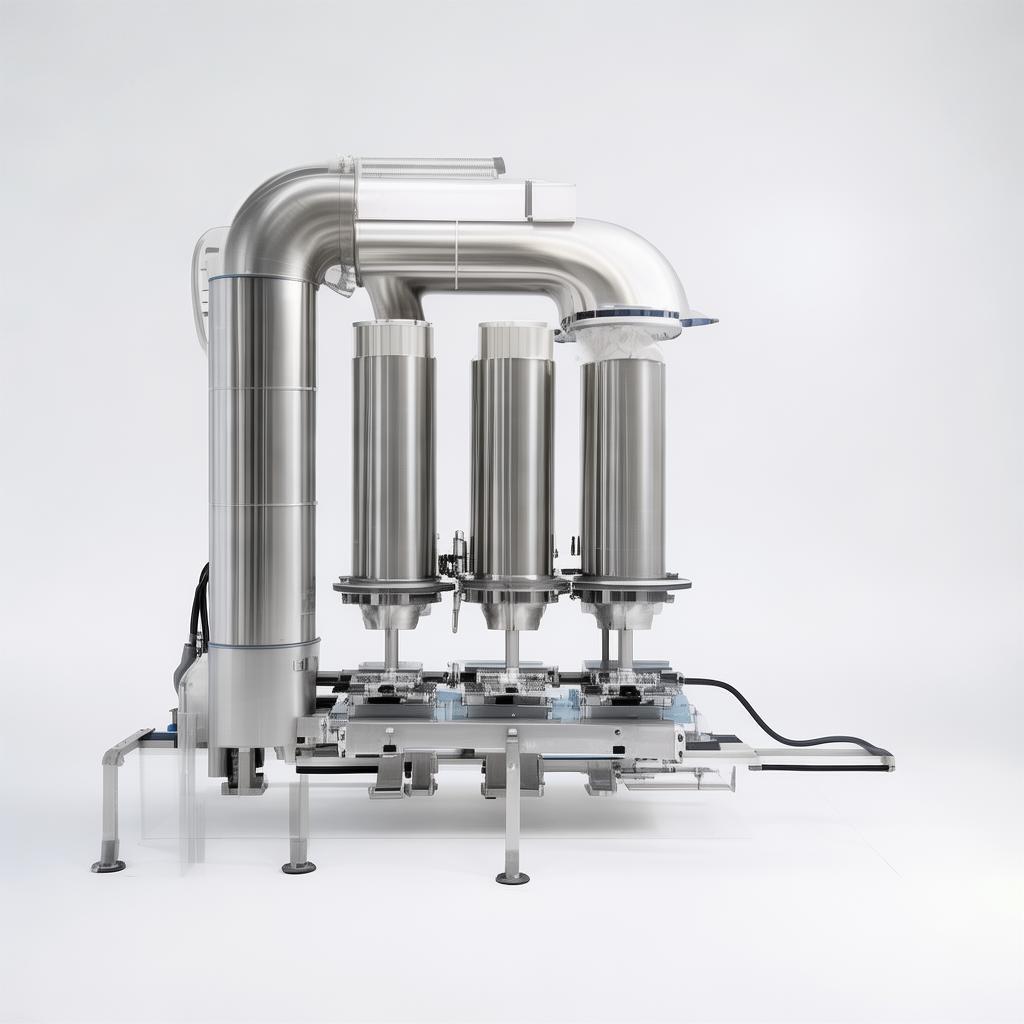
Water Cutting Machine For Food
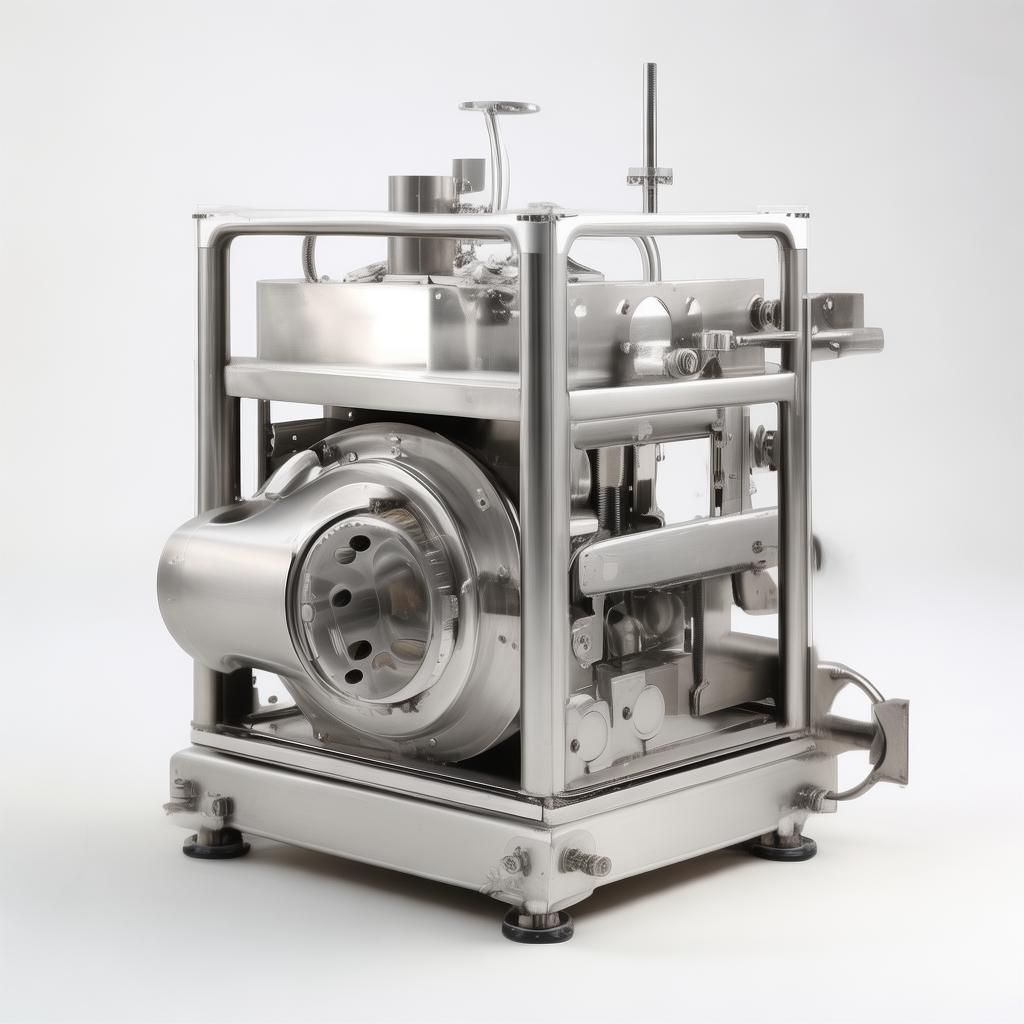
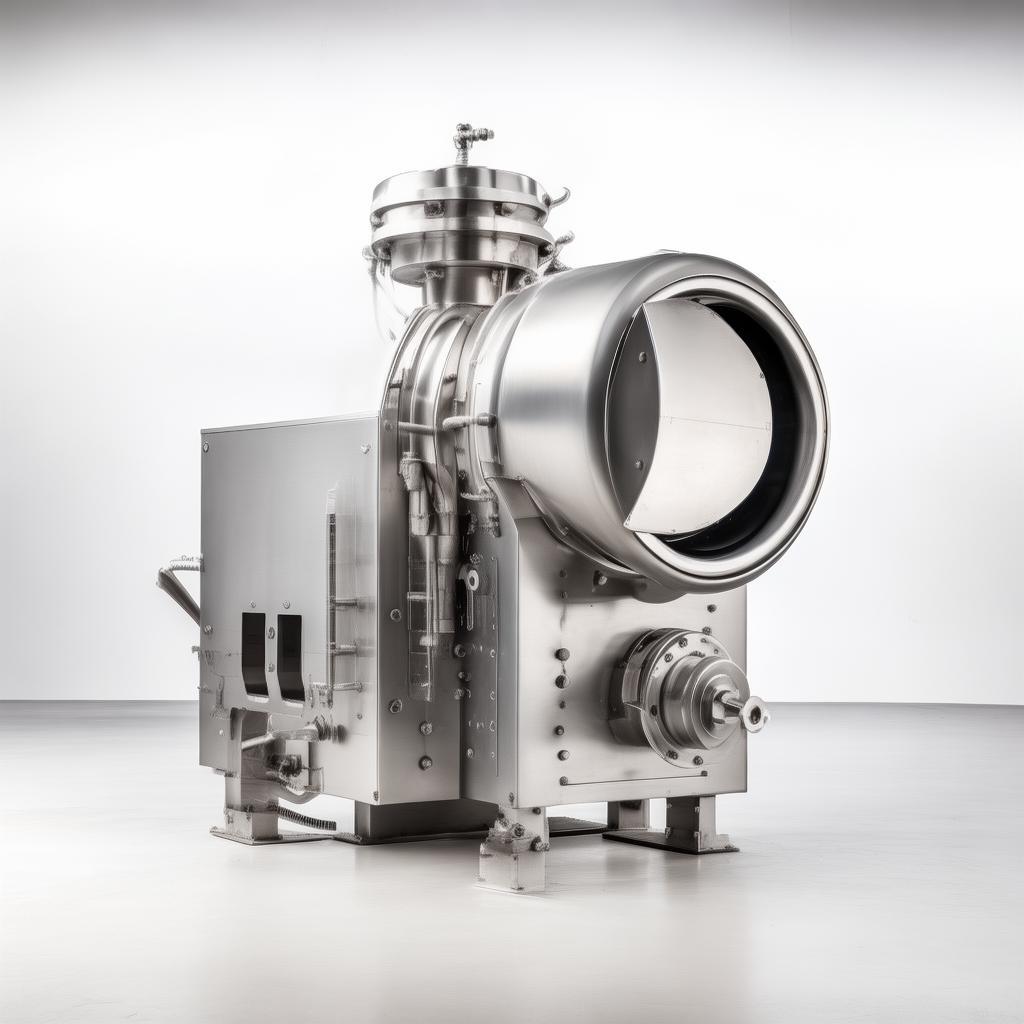
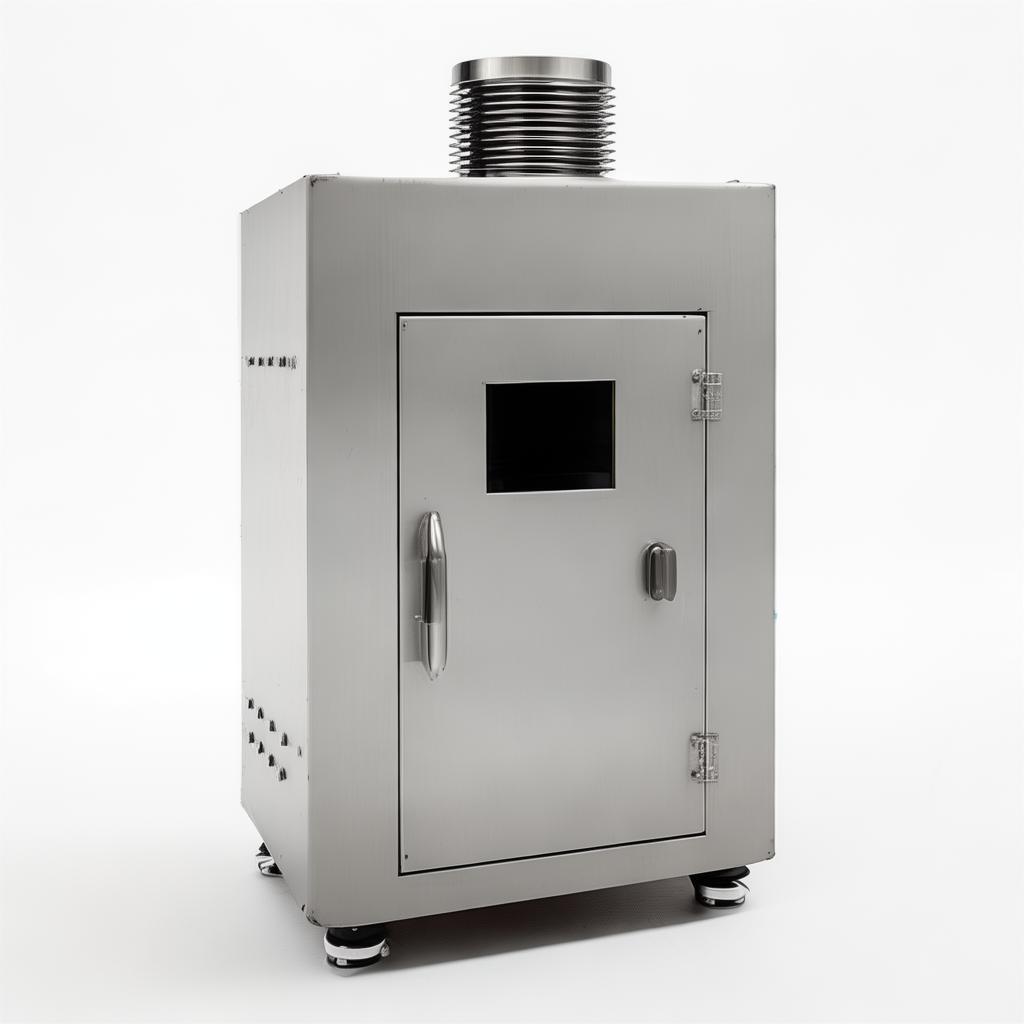
Precision Water Cutting Machines for Food Processing: Enhancing Efficiency and Product Quality
By Li Wei, Export Director at Hebei Yuanchang Food Mechanism & Technology Co., Ltd.

With over 40 years of experience in meat processing equipment and a deep understanding of international trade, Li Wei brings unparalleled expertise to optimizing food production lines for global clients.

Table of Contents
- Introduction: The Evolution of Food Cutting
- Addressing Industry Pain Points with Precision Cutting
- Understanding the Water Cutting Technology
- Key Advantages of Our Water Jet Cutters
- Versatile Applications Across Food Sectors
- Technical Specifications & Customization
- Material Considerations for Optimal Cutting
- Installation, Operation, and Maintenance Insights
- Choosing the Right Supplier: Our Factory Strength
- Quality Assurance and Certifications
- What Our Clients Say
- Procurement & Logistics Made Easy
- Frequently Asked Questions
- Ready to Transform Your Food Production?
Introduction: The Evolution of Food Cutting
In the dynamic landscape of global food manufacturing, precision, consistency, and hygiene are paramount. As consumer demand for diverse, perfectly shaped, and safely processed food items continues to rise, traditional cutting methods often fall short. The global meat processing equipment market, valued at over USD 11 billion in 2025 and projected to exceed USD 17 billion by 2034 (Fortune Business Insights), underscores the massive scale and evolving needs of this sector. This growth is fueled by a growing appetite for processed meats, the necessity for automation to meet hygiene standards and labor efficiency, and the expansion of processing capabilities in regions like Asia-Pacific.
For decades, the industry has relied on blades, knives, and specialized dies to portion and shape a vast array of food products. While these methods have served their purpose, they present inherent challenges: blade wear leading to inconsistent cuts, potential for bacterial contamination on intricate surfaces, material deformation, and significant downtime for cleaning and sharpening. The pressure to innovate, particularly with the rise of convenience foods and reconstituted meat products (a market segment projected to grow from USD 6.9 billion in 2025 to USD 36.1 billion by 2035 at an 18.0% CAGR), necessitates a more advanced approach.
This is where the sophistication of water cutting technology, often referred to as waterjet cutting, enters the food processing arena. Far from being a novelty, this high-pressure water stream technology offers a non-contact, hygienic, and incredibly precise method for cutting a wide spectrum of food items. Imagine perfectly uniform slices of cheese, intricately shaped deli meats, uniformly portioned baked goods, or precisely cut confectionery. This is the reality that advanced waterjet systems bring to the production line. Unlike mechanical blades, a waterjet utilizes a focused stream of water, sometimes infused with an abrasive (though for most food applications, pure waterjet is preferred for hygiene), to slice through products with minimal force, preserving texture and integrity.
The demand for sophisticated shaping and portioning equipment is directly linked to the expansion of processed meat markets, which are forecasted to reach nearly USD 2 trillion by 2035 (Expert Market Research). This growth necessitates machinery that can deliver both high volume and exceptional quality. Specifically, equipment for pretreatment, molding, and ripening—including filling, tenderizing, and massaging systems—are critical. Waterjet cutting machines fit perfectly into this ecosystem by offering a superior solution for the cutting and shaping phase, thereby enhancing the efficiency of subsequent processes and the overall quality of the final product. It's not just about cutting; it's about achieving repeatable, sanitary, and cost-effective production, aligning perfectly with the industry's trajectory towards automation and stringent quality control.
Addressing Industry Pain Points with Precision Cutting
Food manufacturers today face a complex web of operational demands. The pressure to maintain product consistency while increasing throughput is immense. Traditional cutting methods often introduce variables that impact quality and cost. For instance,:
- Inconsistent Portions & Shapes: Blade wear, vibration, and operator variability can lead to uneven cuts, affecting product presentation and weight control. This directly impacts profitability through material waste and customer satisfaction.
- Hygiene Concerns: Mechanical blades require constant cleaning and sterilization. Grooves and nicks can harbor bacteria, posing a significant risk in food safety-sensitive environments. A non-contact cutting method inherently reduces cross-contamination potential.
- Product Degradation: The force exerted by blades can sometimes crush or deform delicate food products, affecting texture and appearance. This is particularly problematic for softer items like cheeses, baked goods, or delicate meats.
- Maintenance & Downtime: Blades dull and break. Sharpening and replacement consume valuable production time and incur ongoing costs. The Food Processing Equipment Market expects significant growth, driving demand for efficient machinery.
- Material Limitations: Certain food products, especially those with sticky textures or varied densities, can be challenging to cut cleanly with conventional tools, leading to product loss or additional processing steps.
Our waterjet cutting machines are engineered specifically to overcome these hurdles. By utilizing a high-velocity stream of pure water, we achieve:
- Unmatched Precision & Repeatability: Achieve exact dimensions and intricate shapes with every cut, every time. This level of control is critical for standardized products and premium offerings.
- Superior Hygiene: The non-contact nature of waterjet cutting minimizes the risk of contamination. The cutting head is easily cleaned, and there are no crevices for bacteria to hide. This aligns with the industry's increasing focus on stringent food safety standards.
- Product Integrity: The gentle action of the water stream cuts through products cleanly without crushing or deforming them, preserving their natural texture and appearance.
- Reduced Operational Costs: Eliminate the expense and downtime associated with blade sharpening and replacement. Our machines are designed for continuous operation with minimal wear on critical components.
- Versatile Material Handling: Effectively cut a broad range of food products, from frozen meats to delicate pastries and sticky confectionery, with consistent results.
This technological advantage translates directly into a more efficient, safer, and profitable production process. In an industry where operational excellence is key, precision cutting is no longer a luxury but a necessity for staying competitive.
Understanding the Water Cutting Technology
At its core, waterjet cutting is remarkably simple yet incredibly effective. We harness the power of water, pressurized to extreme levels, to achieve a clean and precise cut through virtually any food product. Here’s a breakdown of the process:
- High-Pressure Pump: The process begins with a specialized high-pressure pump. This pump takes standard shop water and pressurizes it to an astonishing level – typically between 30,000 to 60,000 PSI (pounds per square inch), sometimes even higher depending on the application. This intense pressure is the driving force behind the cutting action.
- Cutting Head & Orifice: The super-high-pressure water is then directed through a precisely engineered cutting head. Inside this head is a tiny orifice, often made from materials like diamond or synthetic sapphire, measuring mere tenths of a millimeter in diameter. As the water passes through this minuscule opening, its velocity increases dramatically, forming a coherent, extremely thin stream.
- Focused Stream: This forms a high-velocity jet of water, essentially a microscopic blade moving at supersonic speeds. For food applications, we typically use pure waterjet technology, meaning no abrasive material is added. This is crucial for maintaining the highest levels of hygiene and preventing any contamination.
- The Cutting Action: When this focused water stream strikes the food product, the sheer kinetic energy erodes and separates the material. It's a process of erosion rather than abrasion, which explains its ability to cut cleanly without causing significant heat or mechanical stress to the food. The precision comes from the fine control over the water stream's path and the extremely narrow kerf (width of the cut).
- Motion Control System: The cutting head is mounted on a precise motion control system, often powered by servo motors and guided by CAD designs. This allows for intricate patterns, complex shapes, and perfectly uniform dimensions to be achieved with unparalleled accuracy. The CNC (Computer Numerical Control) system dictates the exact path the cutting head follows, ensuring repeatability across thousands of cuts.
The beauty of this method lies in its minimal impact on the food itself. There’s no blade to chip or break, no heat generated that could cook or alter the product, and no physical contact to deform or crush. This makes it ideal for a wide range of food items, from dense frozen blocks to delicate pastries and sticky cheeses.

High-Pressure Pump

Precision Cutting Head

CNC Automation
Key Advantages of Our Water Jet Cutters
When you partner with Hebei Yuanchang, you're not just acquiring a machine; you're investing in a solution designed for superior performance, reliability, and ROI. Our waterjet cutting machines offer a compelling set of advantages:
Unrivaled Precision & Consistency
Achieve exact dimensions and complex shapes with tolerances as tight as ±0.1mm. This consistency is vital for product branding, portion control, and meeting customer specifications. Think perfectly uniform cheese slices or precisely cut jerky strips, every single batch.
Enhanced Food Safety & Hygiene
The non-contact nature of waterjet cutting minimizes contamination risks. The absence of blades means no material fragmentation or wear particles entering the food. Our machines are designed for easy cleaning, a critical factor given the stringent regulations in markets like the USA. Compliance is not an option, it's a necessity.
Preservation of Product Quality
Without mechanical pressure, delicate textures are maintained. Foods are cut cleanly without crushing, tearing, or deforming, preserving their aesthetic appeal and structural integrity. This is especially beneficial for products like cakes, pastries, and certain meat products.
Versatility & Adaptability
Our machines can handle a vast array of food types and densities, from frozen solid to soft and sticky. Programming allows for quick changes in cut patterns and sizes, enabling you to adapt to market trends or custom orders with ease.
Reduced Operational & Maintenance Costs
Eliminate ongoing expenses and downtime associated with blade sharpening, replacement, and maintenance. The primary wear components are the orifice and nozzle, which are easily replaceable and cost-effective. This directly impacts your total cost of ownership.
Material Efficiency
The narrow kerf width of the waterjet allows for tighter nesting of parts, maximizing yield from raw materials. This reduces waste and increases the overall profitability of your production runs.
Versatile Applications Across Food Sectors
The precision and adaptability of our waterjet cutting machines make them suitable for a remarkably wide range of food products and processing needs. Beyond traditional meat processing, they offer innovative solutions for:

Dairy Products
Uniform slices of cheese, perfectly shaped blocks, and portioned butter.

Bakery & Confectionery
Intricate shapes for cakes, pastries, brownies, and perfectly portioned cookies or bars.

Meat & Poultry
Precise portioning of deli meats, jerky, steaks, and custom shapes for formed products.

Seafood
Uniform cuts of fish fillets, portioned shrimp, and other aquatic delicacies.

Fruits & Vegetables
Precise dicing, slicing, and shaping of produce for salads, garnishes, or prepared meals.

Prepared Foods
Portioning of ready-to-eat meals, pizzas, quiches, and other convenience food items.
The ability to program complex cutting paths opens up possibilities for unique product presentations and efficient processing of novel food formulations. Whether you are a large-scale industrial producer or a specialized food manufacturer, our waterjet technology can be tailored to meet your specific operational needs and product development goals.
Technical Specifications & Customization
At Hebei Yuanchang, we understand that "one size fits all" rarely applies in industrial manufacturing. Our waterjet cutting machines are designed with flexibility and robust performance in mind. While standard models offer excellent capabilities, we specialize in tailoring solutions to your unique production environment.
| Specification | Standard Model (Example) | Customization Options |
|---|---|---|
| Cutting Area (X/Y Travel) | 1500mm x 2000mm | Customizable to any required size |
| Z-Axis Travel | 200mm | Up to 500mm or more |
| Water Pressure | Up to 45,000 PSI (3000 Bar) | Higher pressure options available |
| Cutting Head Configuration | Single Head (Pure Waterjet) | Multi-head options, specialized nozzles |
| Control System | Industrial PC with CAD/CAM Software | Integration with existing MES/SCADA systems |
| Material Compatibility | Wide range including meats, cheeses, dough, fruits, vegetables | Specific configurations for challenging materials |
| Power Requirements | Standard 380V/50Hz/3Phase | Adaptable to specific regional power standards |
| Footprint | Approx. 3m x 4m | Compact or extended layouts available |
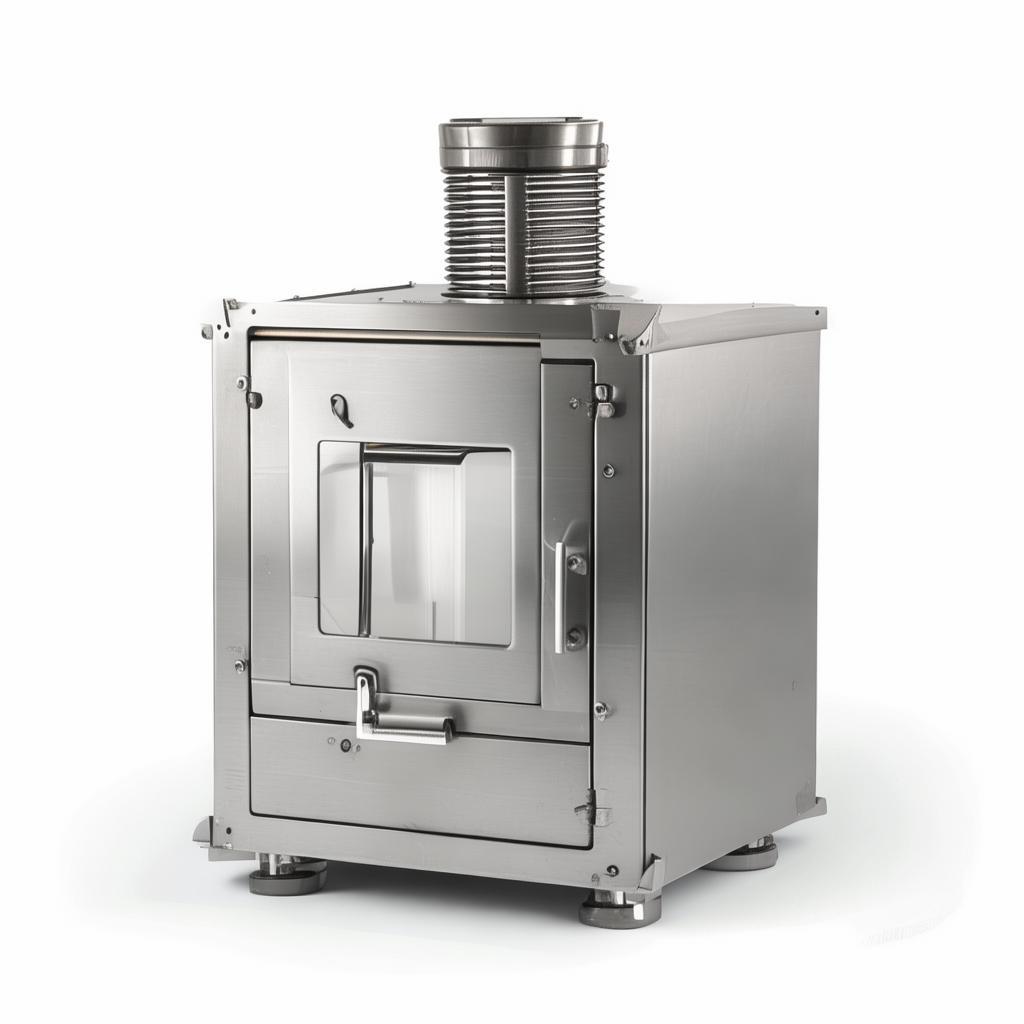
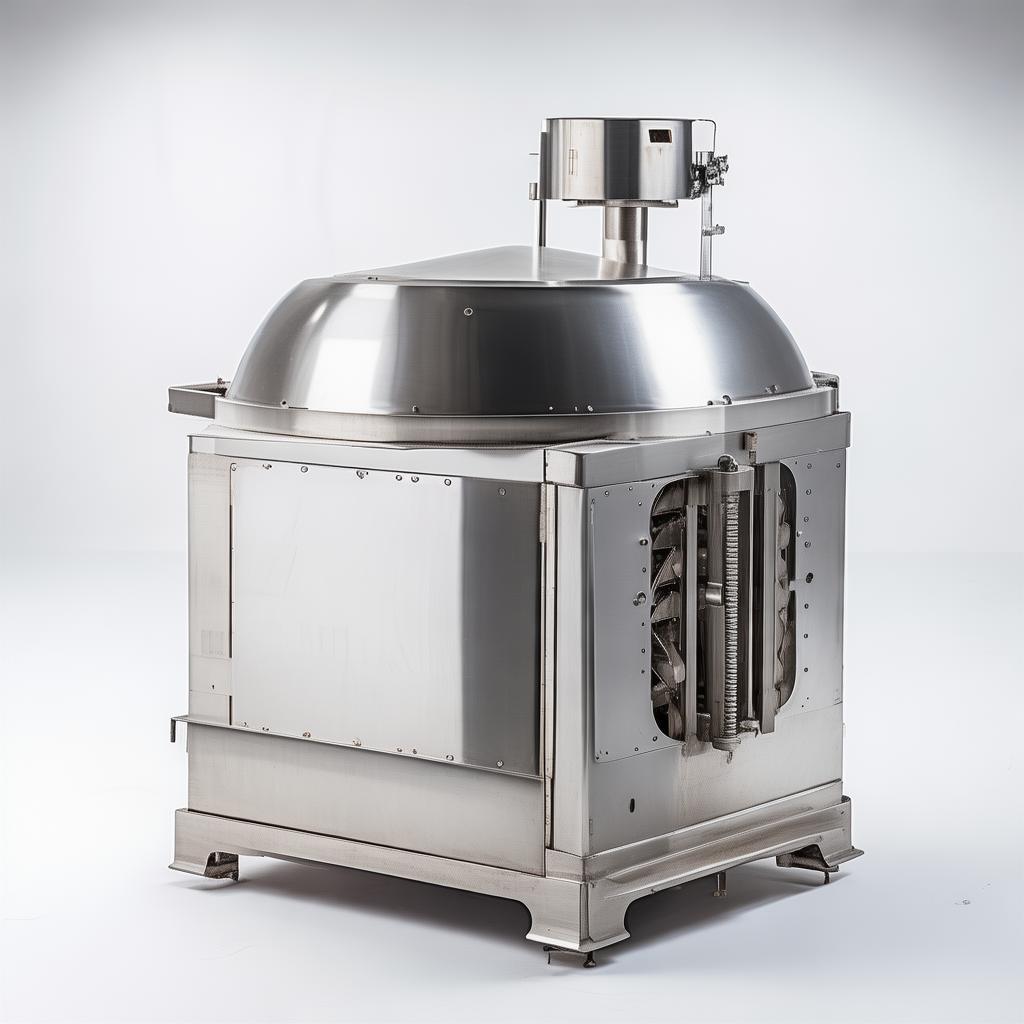
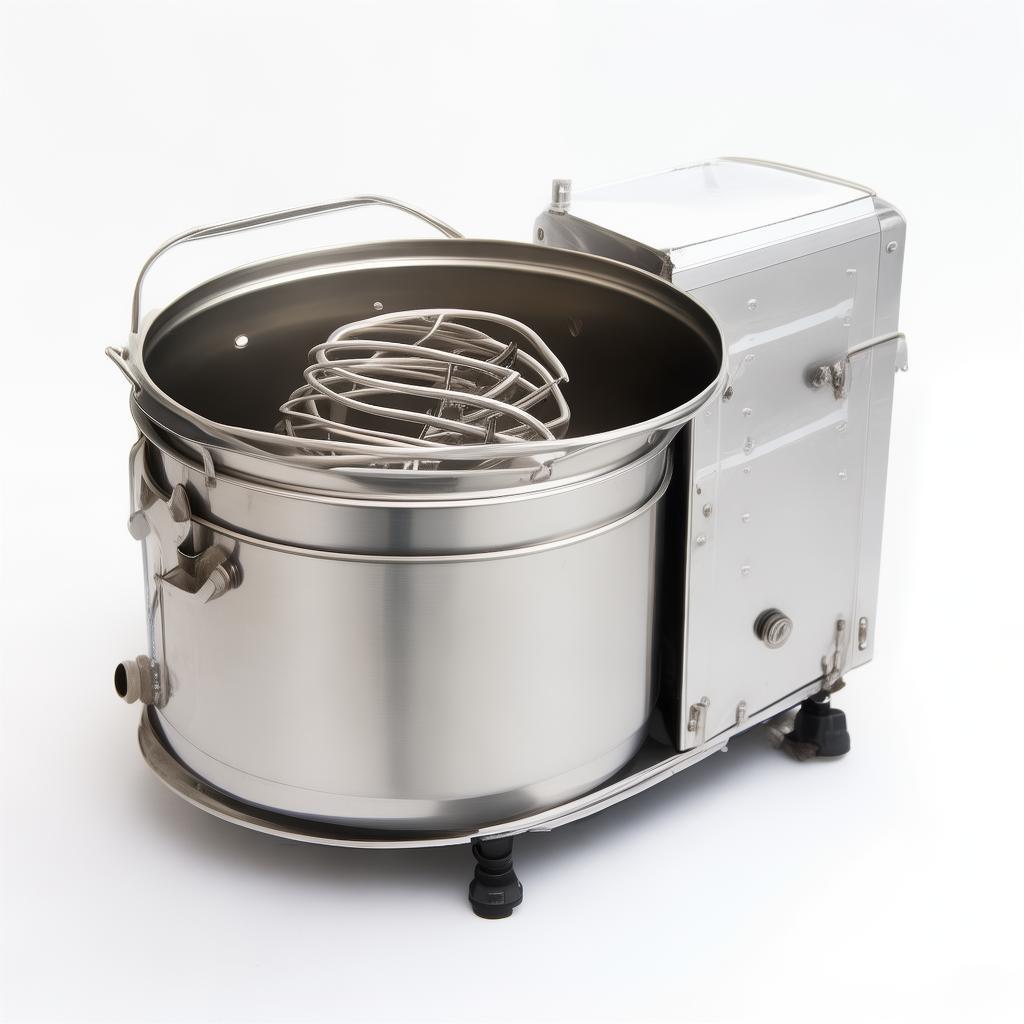
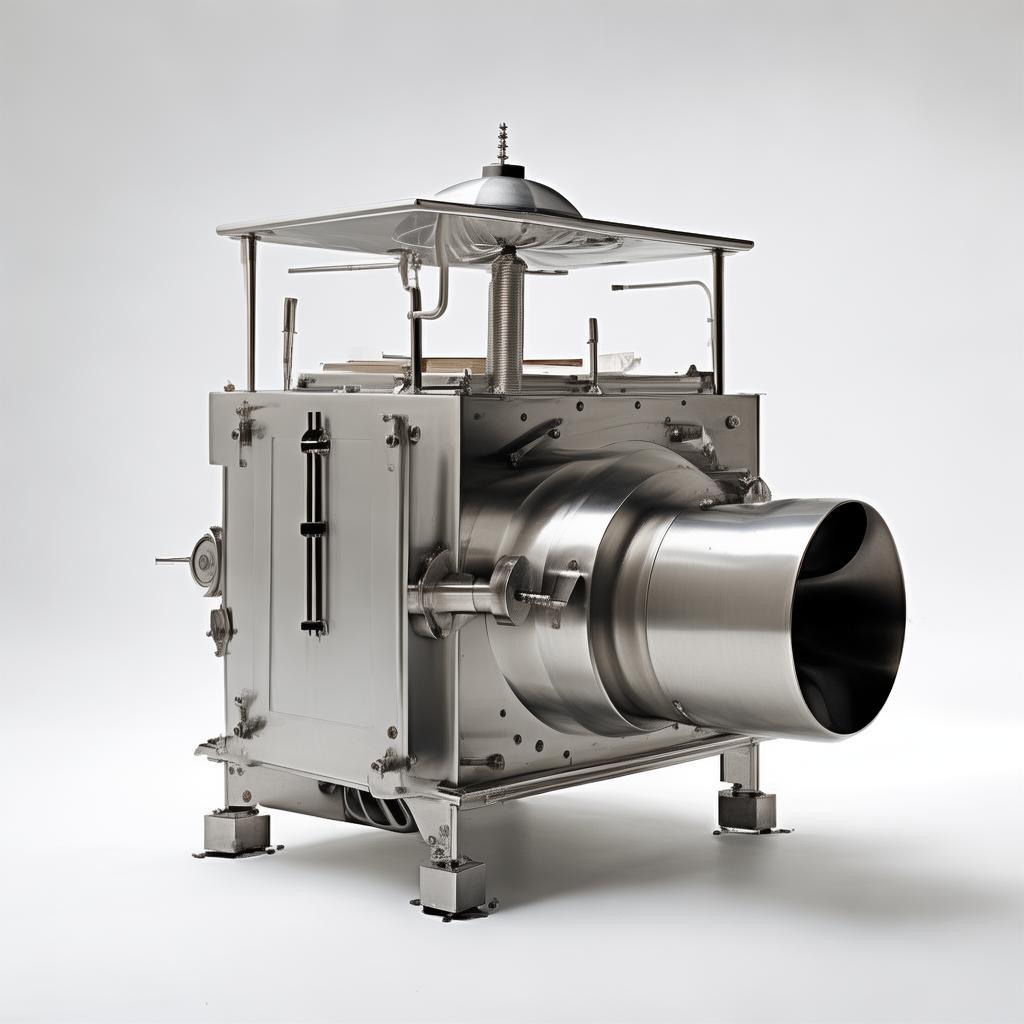
machine for cutting food Waterjet cutting machine for food industry cutting food machine
Our engineering team works closely with clients to understand their specific cutting requirements, including the types of food products, desired throughput, available space, and integration needs. We leverage our extensive experience in CNC machining, including Japanese Mazak CNC centers, to produce high-precision components for our machines, ensuring longevity and reliability.
Customization is our strength. Whether you need a larger bed size for bulk processing, a specialized cutting head for delicate products, or integration with your automated upstream and downstream equipment, we have the expertise to deliver. We can also advise on optimal cutting parameters and nozzle selections for your specific food items.
Don't hesitate to discuss your unique needs with our technical team. We are here to engineer the perfect solution for your operation.
Material Considerations for Optimal Cutting
While waterjet cutting is remarkably versatile, understanding the properties of the food material is key to achieving optimal results. Different food items require adjustments in water pressure, flow rate, and traverse speed. Our expertise helps you navigate these variables:
- Density & Hardness: Denser or harder materials, like frozen meats or hard cheeses, generally require higher water pressure and potentially slower cutting speeds to ensure complete severance without material deformation. Softer items like cake or mousse can be cut effectively at lower pressures and higher speeds to prevent excessive waste.
- Moisture Content: The water content of a food product can influence how it responds to the jet. For highly absorbent materials, slight adjustments may be needed to prevent unwanted water saturation.
- Fat/Oil Content: High fat content can sometimes lead to smoother cutting, as the fat acts as a lubricant. However, very high fat percentages might require specific considerations for nozzle selection and pressure to avoid clogging.
- Stickiness/Adhesion: Sticky products, like caramel or certain doughs, can be challenging. While waterjet cutting is far superior to mechanical methods for these, sometimes specific nozzle designs or slight variations in water flow can further enhance the separation and prevent sticking to the cutting head.
- Temperature: The temperature of the food product significantly impacts its cutting characteristics. Frozen products are harder and more brittle, while chilled or room-temperature products are softer. Our machines can effectively cut products across a wide temperature range, but precise parameter settings are crucial for consistency. For instance, cutting fully frozen meat requires a different approach than cutting chilled chicken.
Practical Tip for Procurement: When discussing your needs, be prepared to provide details on the specific products you intend to cut, their typical temperature ranges, and any known challenges with current cutting methods. This information allows our team to propose the most effective machine configuration and cutting parameters.
Our team has extensive experience working with food technologists and production engineers to fine-tune cutting parameters for a vast array of ingredients. We can provide sample cutting trials or detailed parameter guides to ensure you achieve optimal results from day one.
Installation, Operation, and Maintenance Insights
Implementing new machinery requires careful planning. Our waterjet cutting systems are designed for operational efficiency, but proper installation and routine maintenance are key to maximizing their lifespan and performance. We provide comprehensive support:
Installation Considerations
Our machines typically require a stable, level floor and access to sufficient electrical power and a reliable water supply. Given the high pressures involved, a robust water filtration system is essential to protect the pump and cutting head from impurities. Drainage for the water used during cutting is also a critical factor. We provide detailed installation guides, and our technicians are available for on-site setup and commissioning to ensure everything is connected correctly and operating within specifications. Allow for adequate ventilation and clearance around the machine for operation and maintenance access.
Operational Simplicity
Operation is managed via an intuitive CNC interface. Operators can load cutting programs directly from CAD files or utilize pre-set parameters for common food items. The system is designed for ease of use, minimizing the learning curve. Safety features, such as enclosed cutting areas and emergency stop buttons, are integrated to protect operators.
Routine Maintenance for Longevity
While waterjet systems are known for their low maintenance compared to blade-based machinery, regular attention is vital:
- Water Filtration: Regularly check and replace filters to maintain water quality and protect the pump. This is perhaps the most critical ongoing task.
- Cutting Head Inspection: Periodically inspect the orifice and nozzle for wear. These are consumable parts and are designed for easy replacement. A worn orifice will lead to a less precise cut.
- Pump Maintenance: The high-pressure pump requires periodic servicing as per the manufacturer's recommendations. This typically involves checking seals and fluid levels.
- Cleaning: Maintain general cleanliness of the machine and surrounding work area. Promptly clean up any food debris to prevent bacterial growth.
Our comprehensive service manuals and available technical support ensure that your team can perform routine maintenance efficiently, minimizing unexpected downtime. We believe in empowering our clients with the knowledge to keep their operations running smoothly.
Pro-tip: Consider scheduling preventative maintenance checks with our service team every 6-12 months, especially for high-volume operations, to catch potential issues before they impact production.
Choosing the Right Supplier: Our Factory Strength
When investing in industrial machinery, particularly for international procurement, selecting a reliable supplier is as crucial as the machine itself. Hebei Yuanchang Food Mechanism & Technology Co., Ltd. brings a unique blend of experience, technical capability, and commitment to customer satisfaction that sets us apart.
With a legacy spanning over 40 years since 1986, we have cultivated deep expertise in the design, manufacturing, and export of food processing equipment. Our ~14,000 square meter facility houses a dedicated team of 80-100 professionals, including skilled engineers and experienced production staff. We don't just assemble; we engineer and manufacture.
Our in-house machining workshop is the backbone of our quality control. Equipped with over 20 sets of advanced processing machinery—lathes, milling machines, high-precision grinders, boring machines, and more—we possess the capability to produce complex, high-tolerance components internally. This self-sufficiency is significantly amplified by our investment in 8 sets of Japanese Mazak CNC machining centers since 2012. This allows us to undertake the production of critical, non-standard, and high-precision parts that larger global manufacturers often outsource.

This vertical integration means:
- Uncompromised Quality: We control every step of component manufacturing, ensuring adherence to strict quality standards.
- Faster Turnaround: In-house production reduces lead times and allows for quicker responses to design modifications or urgent orders.
- Cost Efficiency: Direct manufacturing eliminates intermediary markups, providing competitive pricing without sacrificing quality.
- Traceable After-Sales Service: Because we produce our own high-precision parts, we can guarantee their quality and availability, facilitating efficient and reliable after-sales support.
We are not just a supplier; we are a manufacturing partner dedicated to helping your food processing operations achieve peak performance and efficiency through advanced, reliable machinery. Our extensive experience covers entire production lines, from pretreatment to auxiliary items, giving us a holistic understanding of your operational needs.
Quality Assurance and Certifications
For international buyers, understanding a supplier's commitment to quality and compliance is paramount. At Hebei Yuanchang, quality is not an afterthought; it's integrated into every stage of our manufacturing process. We adhere to international standards and possess relevant certifications to ensure our equipment meets global requirements.
ISO 9001 Certified Quality Management System
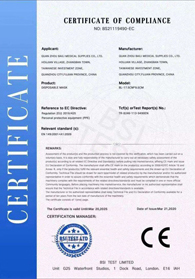
CE Marking for European Conformity

FDA Compliant Materials (where applicable)
RoHS Compliant Components
Our commitment to quality assurance means that every machine leaving our facility has undergone rigorous testing and inspection. We use high-grade, food-safe materials and components, ensuring that our equipment not only performs exceptionally but also adheres to the strictest international health and safety regulations. For specific export markets, we can provide further documentation and support to ensure compliance with local standards and customs requirements.
We understand the importance of trust in international B2B relationships. Our certifications and quality control processes are designed to provide you with complete peace of mind.
What Our Clients Say
Real feedback from businesses like yours highlights the practical benefits of integrating our waterjet cutting solutions.

Gourmet Deli Co., USA
"We were struggling with inconsistent slicing of our premium ham. The blade wear was noticeable daily, requiring constant adjustments. Switching to Yuanchang's waterjet cutter was a game-changer. The slices are perfectly uniform, presentation is flawless, and our waste has reduced significantly. The hygiene aspect is also a massive plus for our HACCP plan."

Artisan Cheese Makers Ltd., Canada
"Cutting intricate shapes into our specialty cheeses was a bottleneck. Traditional methods were too slow and often damaged the product. Yuanchang's waterjet system allows us to produce complex designs consistently and efficiently. We've expanded our product line thanks to the machine's versatility. Their support during installation was excellent."

Sweet Delights Bakery, Australia
"We needed a hygienic way to portion our cakes and brownies without squashing them. This waterjet cutter is perfect. The non-contact cutting preserves the delicate texture, and the precision ensures every portion is exact for consistent pricing and customer satisfaction. The machine is surprisingly easy to operate and clean."
See how our technology can deliver similar results for your business.
Procurement & Logistics Made Easy
Navigating international procurement can seem daunting, but Hebei Yuanchang simplifies the process. We have extensive experience exporting machinery worldwide, ensuring a smooth transaction from inquiry to delivery.
Inquiry & Quotation
Your journey begins with a detailed inquiry. Provide us with your specific application requirements, preferred machine specifications, and target delivery region. We will promptly provide a comprehensive quotation including machine cost, FOB (Free On Board) price, and estimated lead time. Our sales team is responsive and understands the need for clear, detailed proposals.
Payment Terms
We offer flexible payment terms, typically involving an initial deposit to commence production, with the balance due before shipment. We are open to discussing terms that align with your company's financial policies.
Production & Quality Control
During production, we maintain transparent communication. You’ll be updated on the manufacturing progress. Before dispatch, each machine undergoes rigorous internal testing and quality checks. We can also arrange for third-party inspection at your request.
Logistics & Shipping
We have established relationships with reliable freight forwarders. We will coordinate with them to arrange optimal shipping solutions, whether by sea freight (standard for industrial equipment) or air freight for urgent needs. Our team will prepare all necessary export documentation, including commercial invoices, packing lists, bills of lading, and certificates of origin, ensuring smooth customs clearance at your destination port.
Container Optimization: We design our packaging to maximize space efficiency within standard shipping containers, helping to reduce freight costs. Machines are typically crated or palletized for protection during transit.
Import Duties & Taxes
Please note that import duties, taxes, and any associated brokerage fees are the responsibility of the buyer. We can provide HS codes and product details to assist you in estimating these costs with your local customs authorities.
Our goal is to make your international procurement experience as straightforward and risk-free as possible. Let us handle the complexities of manufacturing and export while you focus on integrating this powerful technology into your operations.
Frequently Asked Questions
- Q: Is waterjet cutting truly hygienic for food processing?
- A: Yes. It's a non-contact cutting method, which significantly reduces contamination risks compared to blades. We use pure water, ensuring no added materials. The cutting head is also designed for easy cleaning and sanitization.
- Q: What is the typical lifespan of a waterjet cutting machine for food?
- A: With proper maintenance, our industrial-grade waterjet cutting machines are built for longevity, often lasting 10-15 years or more. Key components like the pump and cutting head require periodic servicing or replacement, but the core structure is robust.
- Q: Can these machines cut frozen food products?
- A: Absolutely. Waterjet cutting is highly effective for frozen products. The high-pressure water stream can slice through frozen meat, vegetables, or dough cleanly. We adjust cutting parameters based on the product's temperature and density.
- Q: What kind of water quality is required?
- A: We highly recommend using filtered or deionized water. Impurities like sediment or minerals can damage the high-pressure pump and the fine orifice in the cutting head. We can advise on suitable filtration systems.
- Q: What is the required operator skill level?
- A: Our machines are designed with user-friendly CNC interfaces. While some basic training is provided, the operational skill level required is generally moderate, focusing on loading programs and monitoring the process. Complex programming is handled offline.
- Q: Can I get a custom-sized machine?
- A: Yes. Customization is a core part of our service. We can build machines with larger or smaller cutting areas to fit your specific production needs and factory footprint.
- Q: What is the typical lead time for a machine?
- A: Lead times can vary depending on the complexity of the order and our current production schedule, but generally range from 6 to 12 weeks from order confirmation and deposit. We provide an accurate estimate with your quotation.
Ready to Transform Your Food Production?
Discover how Hebei Yuanchang's precision water cutting machines can elevate your product quality, improve hygiene, and boost operational efficiency.