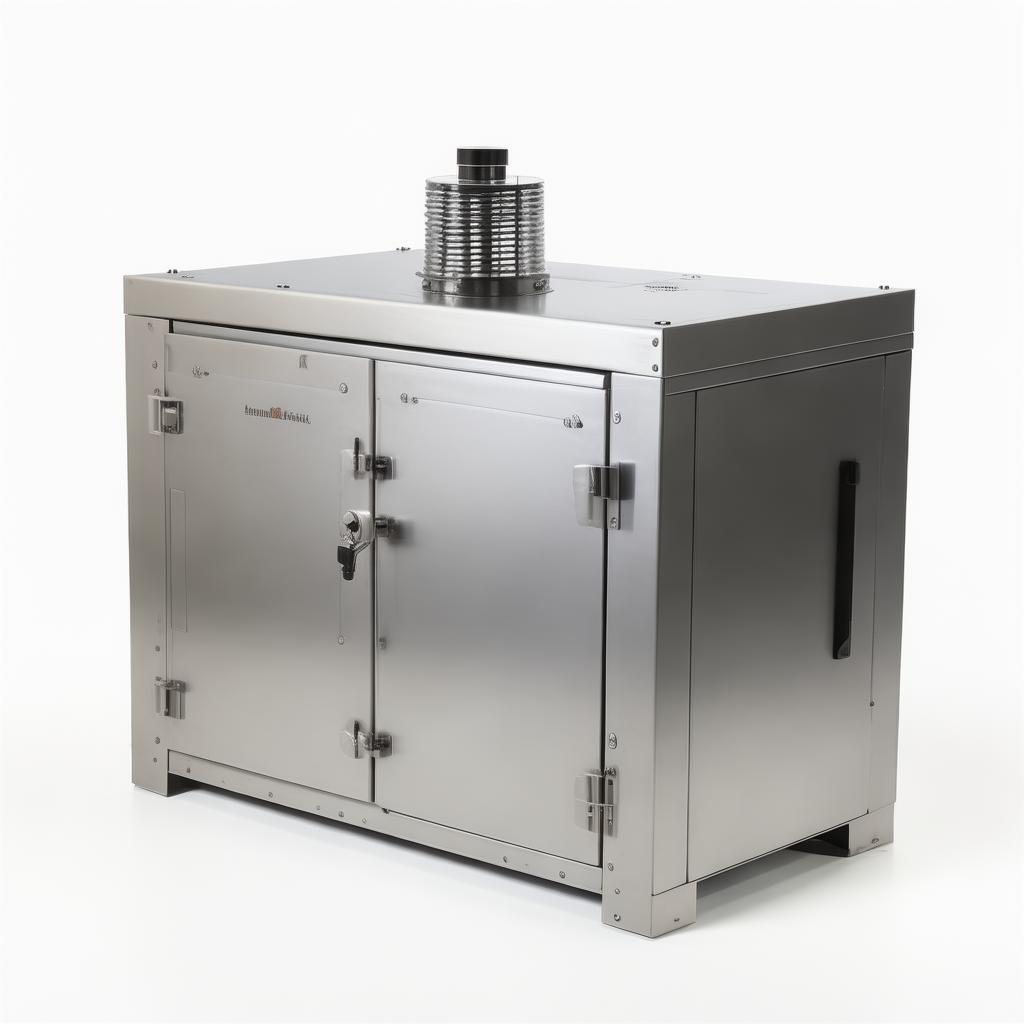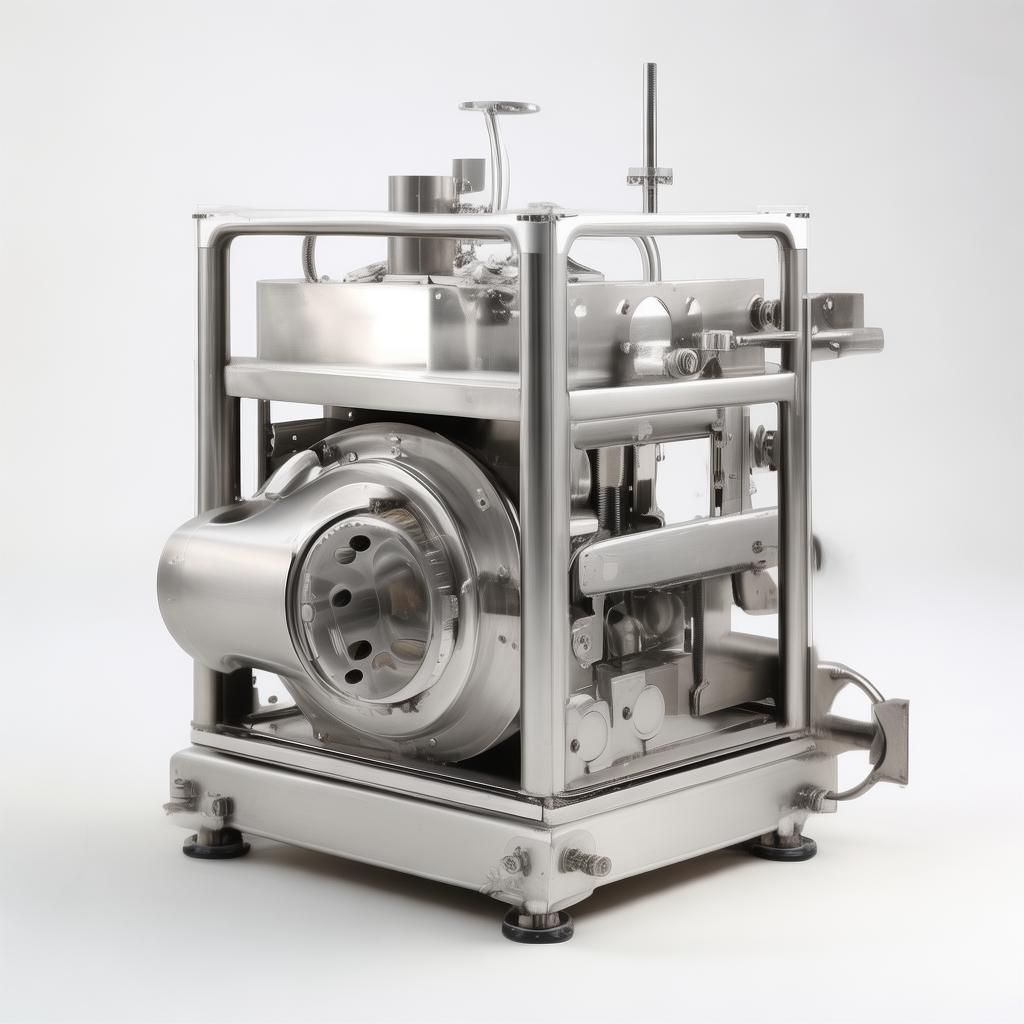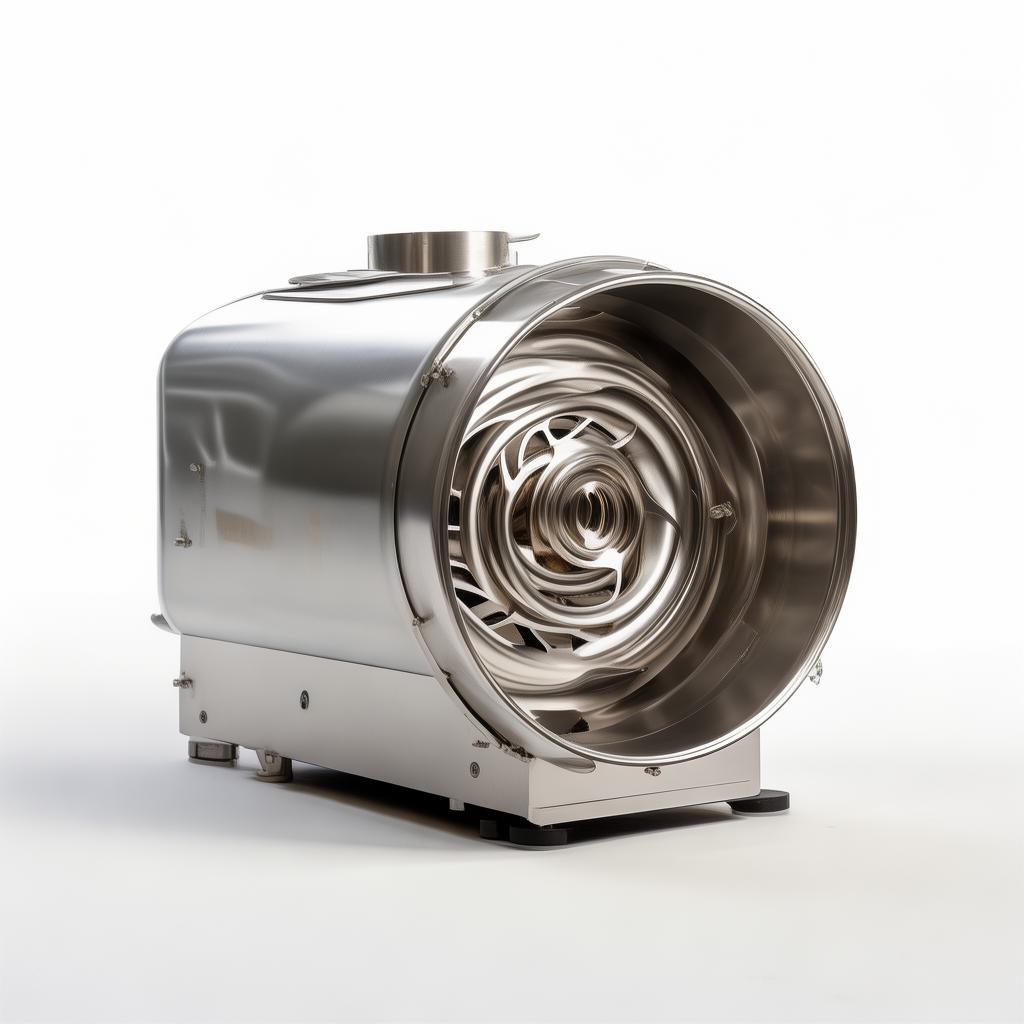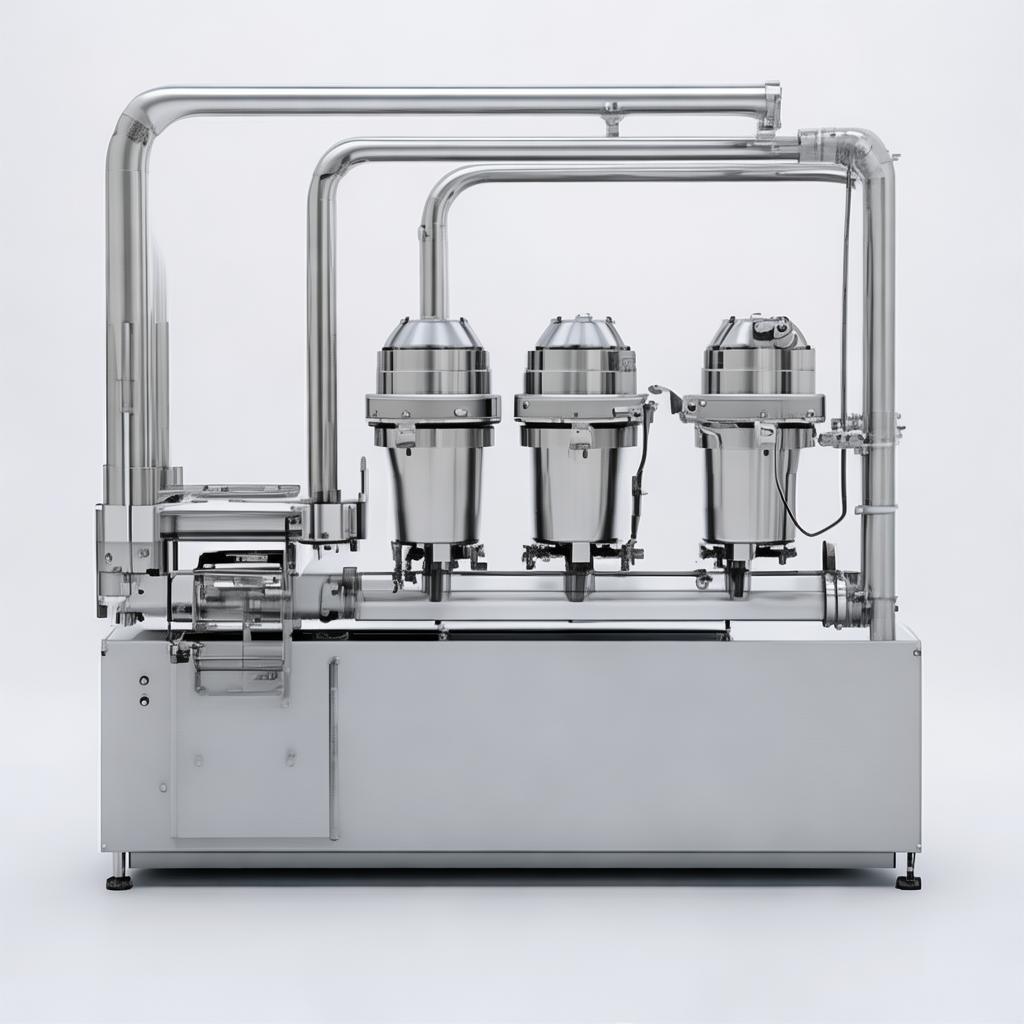
Vibrating Hopper Feeder

Hebei Yuanchang Food Mechanism & Technology Co., Ltd.
Your Partner in Advanced Food Processing Solutions
Phone: +86 15830991513 | E-mail: ycmeatmech@gmail.com
Vibrating Hopper Feeders: Precision, Reliability, and Efficiency for Your Production Line
Mastering Material Flow for Enhanced Meat Processing and Beyond
Introduction: The Unsung Heroes of Material Handling
In the demanding world of industrial manufacturing, especially within the rigorous standards of the meat processing sector, the consistent and controlled movement of raw materials, ingredients, and semi-finished products is paramount. Think about the intricate dance of spices in a sausage mix, the precise dosing of a marinade, or the steady supply of ground meat to a forming machine. Any bottleneck, any inconsistency, can ripple through your entire operation, impacting product quality, throughput, and ultimately, profitability. This is where the vibrating hopper feeder, often overlooked but critically important, steps in. It's not just a piece of equipment; it's a foundational element that ensures your production lines run smoothly, efficiently, and predictably.
At Hebei Yuanchang, with nearly four decades of hands-on experience since 1986, we've seen firsthand how the right material handling solutions can transform operations. We understand that reliability isn't just a buzzword; it's the bedrock of successful food production. Our vibrating hopper feeders are engineered with this principle at their core. They are designed to overcome common challenges like material bridging, clogging, and inconsistent flow rates that plague many processing lines. Whether you're dealing with sticky marinades, granular spices, or bulk meat products, our feeders provide a steady, metered stream, directly feeding downstream equipment like mixers, fillers, formers, or packaging machines. This prevents over or under-filling, ensures accurate product composition, and significantly reduces manual intervention and potential contamination risks.
The global processed meat market is a behemoth, projected to reach well over USD 1 trillion by 2034 according to Fortune Business Insights. This expansion is fueled by consumer demand for convenience, variety, and consistent quality. To meet these demands, manufacturers must invest in efficient, scalable, and hygienic processing systems. Our vibrating hopper feeders play a crucial role in this ecosystem. They are integral to the pretreatment and molding processes, ensuring that ingredients are delivered precisely when and where they are needed. The technology behind these feeders, while seemingly simple, requires a deep understanding of material science, vibration dynamics, and the specific challenges of food processing. We leverage our in-house machining capabilities, including advanced Japanese Mazak CNC centers, to produce high-precision components that guarantee the accuracy and longevity of our equipment. This is not about quick fixes; it’s about providing robust, long-term solutions that enhance your operational efficiency and product integrity.
Consider the operational impact: a well-calibrated vibrating hopper feeder can dramatically reduce downtime associated with material supply issues. This translates directly into more consistent production runs, higher yields, and reduced labor costs associated with manual material loading and adjustment. In an industry where hygiene is non-negotiable, our designs prioritize ease of cleaning and material containment, minimizing the risk of cross-contamination and ensuring compliance with stringent food safety regulations. The benefits extend beyond mere conveyance; they are about optimizing every step of your value chain. The market research from Grand View Research highlights the growth in filling and stuffing machines as critical components in sausage and formed product manufacturing. Our vibrating hopper feeders are precisely engineered to integrate seamlessly with such machinery, providing the uniform flow essential for high-quality output.
As we delve deeper into the specifics of vibrating hopper feeders, you'll see how our commitment to quality, coupled with decades of manufacturing experience, positions Hebei Yuanchang as a trusted partner. We don't just sell equipment; we offer solutions built on a foundation of technical expertise and a genuine understanding of your production challenges. From the initial consultation to after-sales support, our focus is on helping you achieve your operational goals. Whether you are looking to upgrade existing lines, establish new processing facilities, or simply improve the reliability of your material flow, a robust vibrating hopper feeder system is a critical investment. This introductory section aims to highlight the fundamental importance of this equipment, setting the stage for a detailed exploration of its features, benefits, and applications. We aim to demystify the technology and showcase its tangible impact on your business, fostering a deeper understanding of how precision material handling drives success in today's competitive food processing landscape.
Common Material Handling Headaches: Are You Experiencing These?
- Inconsistent Feed Rates: Material flow that speeds up or slows down unpredictably, leading to underfilled or overfilled product batches and variations in product weight and consistency. This is a constant headache for quality control.
- Material Bridging & Clogging: Sticky, wet, or cohesive materials forming bridges in the hopper or feeder, stopping the flow altogether and requiring costly manual intervention, leading to production stoppages and potential contamination.
- Product Damage: Aggressive handling or poorly designed feeding mechanisms can shear, mash, or otherwise degrade delicate products, impacting texture and appearance.
- Labor Inefficiency: Operators spending excessive time monitoring and adjusting material flow, manually breaking up clods, or refilling hoppers, diverting them from more critical tasks.
- Cross-Contamination Risks: Open hoppers or difficult-to-clean designs that can lead to dust, airborne contaminants, or difficulty in thorough sanitation between product runs.
- Poor Downstream Equipment Performance: Inconsistent material supply starves or floods subsequent machines, causing operational issues, increased wear, and reduced overall line efficiency.
- Downtime & Lost Production: Unplanned stoppages due to feeder malfunctions or material flow problems directly impact your ability to meet production targets and delivery schedules.
- Inaccurate Dosing: Difficulty in precisely controlling the amount of material fed into mixers, tumblers, or forming equipment, leading to variations in product formulation and quality.
- Increased Waste: Inconsistent feeding can lead to off-spec products that must be discarded, increasing material costs and reducing overall yield.
- Safety Hazards: Manual intervention in hoppers or around moving feeder parts can expose workers to unnecessary risks.
Our Vibrating Hopper Feeders: Engineered for Your Success
Hebei Yuanchang's vibrating hopper feeders are designed to systematically address these challenges, offering a reliable and efficient solution for your material handling needs. We've integrated decades of practical manufacturing experience into every unit.
Predictable Material Flow
Utilizing controlled vibration frequency and amplitude, our feeders ensure a steady, uniform discharge, preventing surges and interruptions. This consistency is vital for downstream processing accuracy.
Superior Material Handling
Designed to handle a wide range of materials, from sticky pastes to dry granules, our feeders minimize bridging and clogging. Special hopper geometries and vibration patterns are employed based on material characteristics.
Enhanced Product Integrity
Gentle vibration and precisely engineered discharge chutes protect product structure, preserving texture and appearance, crucial for premium meat products and formed items.
Increased Operational Efficiency
Automated, continuous feeding reduces the need for manual oversight, freeing up labor for more value-added tasks and minimizing production bottlenecks.
Hygienic Design & Easy Cleaning
Our feeders feature smooth surfaces, minimal crevices, and often, quick-release components, facilitating thorough cleaning and sanitization to meet stringent food safety standards (e.g., compliance with NSF guidelines is considered in design).
Robust Construction
Built with high-quality materials (e.g., food-grade stainless steel options) and durable components, our machines are designed for long service life in demanding industrial environments.
Technical Deep Dive: How We Engineer Reliability
Understanding the technical nuances of our vibrating hopper feeders is key to appreciating their performance. We combine proven mechanical principles with modern engineering.
Vibration Mechanism & Control
Our feeders utilize precisely balanced eccentric weights or electromagnetic actuators to generate consistent vibration. The key is tuning this vibration. We offer variable frequency drives (VFDs) on many models, allowing operators to fine-tune the vibration amplitude and frequency to match specific product characteristics and desired flow rates. This level of control is crucial; too much vibration can damage delicate products, while too little won't overcome material cohesion.
For meat processing, especially with products like ground meat or sausage emulsions, achieving the right vibration profile is critical to avoid de-aeration issues or excessive compacting. Our engineers have developed proprietary algorithms and testing protocols to determine optimal settings for various material viscosities and particle sizes. We consider factors like material density and moisture content when recommending specific models or settings.
Hopper Design & Material Options
The hopper itself is more than just a storage container. Its geometry—angles, curves, and volume—is designed to promote material self-clearing and prevent dead spots where product can accumulate. For particularly sticky or challenging materials, we incorporate features like steeper wall angles, vibration-dampened liners, or even internal agitators (in specialized models) to ensure a continuous supply to the vibrating pan.
Material selection is paramount for food-grade applications. Standard construction often involves high-grade stainless steel (e.g., SS304 or SS316) for hoppers and contact surfaces, ensuring corrosion resistance and ease of sanitation. For non-food applications or specific industrial needs, we can discuss alternative materials like coated carbon steel or specialized polymers, always considering operational demands and regulatory compliance.
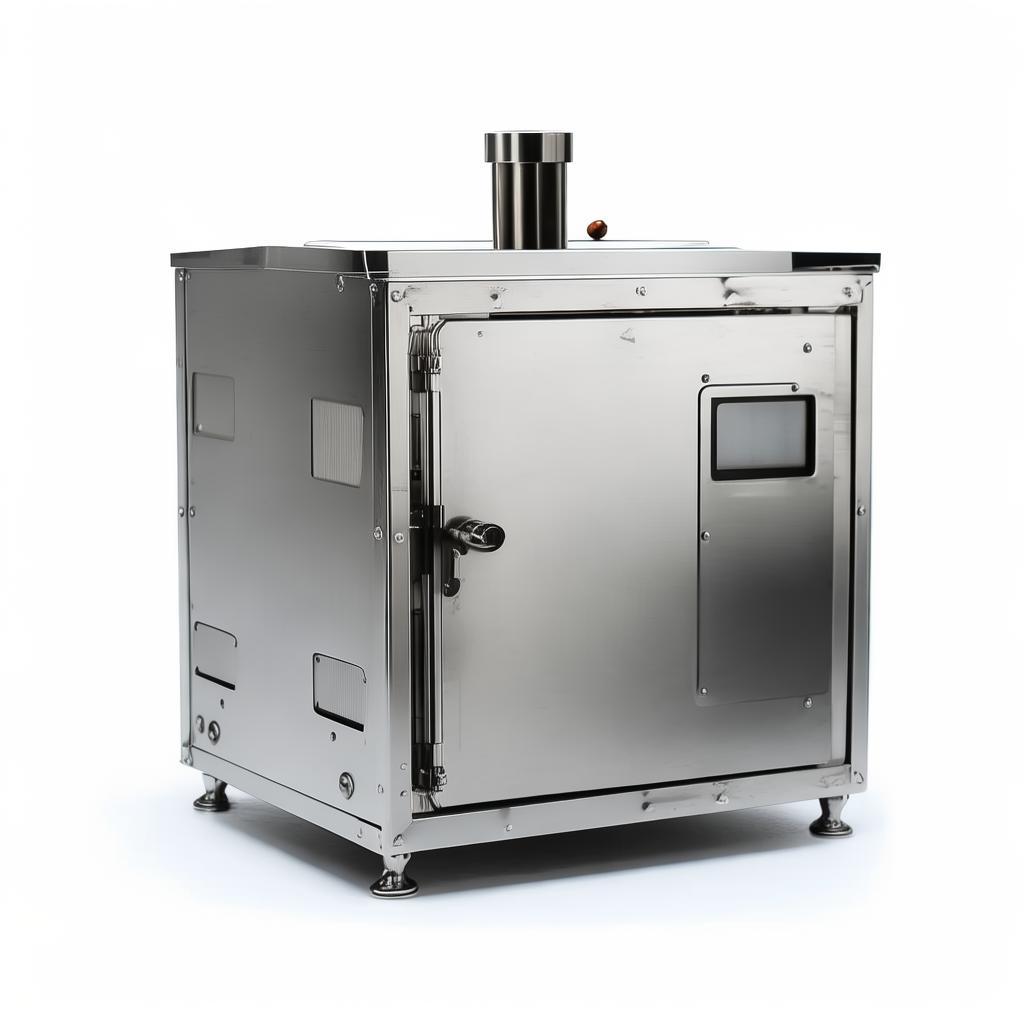
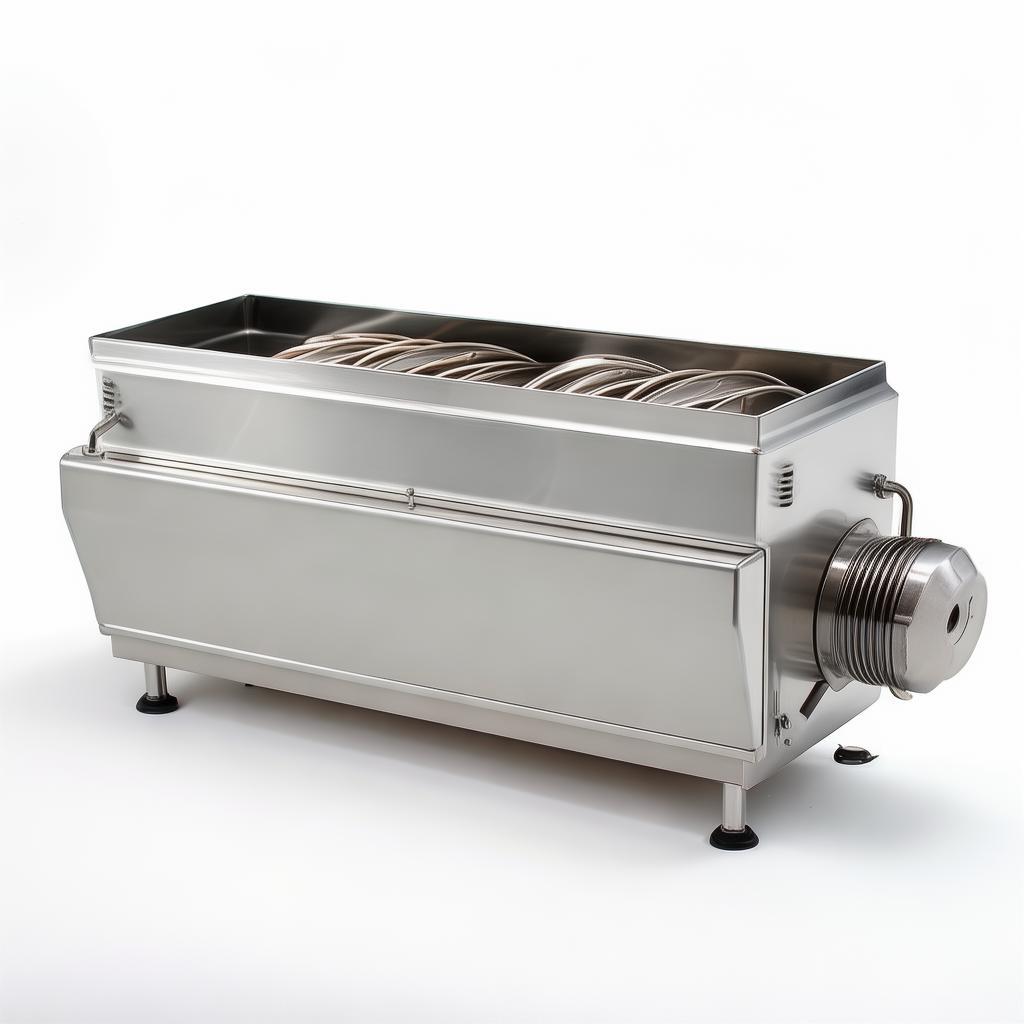
Precision engineering for reliable material flow.
Customization Capabilities
Given our extensive in-house machining capabilities, including over 20 sets of processing machinery and Japanese Mazak CNC centers, we excel at customizing vibrating hopper feeders to meet unique project specifications. Whether it's a specific hopper volume, discharge rate, integration point with existing equipment, or specialized material contact surfaces, our engineering team can adapt designs.
Request Custom SpecsTechnical Specification Overview
While specific dimensions and capacities vary based on the model and customization, here's a typical range of specifications you can expect from our vibrating hopper feeder line. We encourage you to consult directly with our sales engineers for precise details tailored to your application.
| Parameter | Typical Range / Specification | Notes |
|---|---|---|
| Hopper Capacity | 50 L to 5,000 L (or custom) | Volume based on material density and handling requirements. |
| Discharge Rate | Adjustable, 0.5 - 50 tons/hour (typical) | Highly dependent on material properties and vibration settings. |
| Vibration Motor Power | 0.5 kW to 5.5 kW | Selected based on hopper size and material weight. |
| Control System | Manual, VFD (Variable Frequency Drive), PLC integration | VFD allows precise flow rate adjustment. PLC integration for automated lines. |
| Material Contact Parts | SS304 / SS316 Stainless Steel (standard) | Food-grade compliance. Other materials available upon request. |
| Power Supply | 380V/50Hz/3Phase (standard, customizable) | Voltage and frequency adaptable to regional standards. |
| Overall Dimensions | Varies by model | Compact designs available for space-constrained facilities. |
| Certifications (Optional) | CE, ISO 9001 | Demonstrates adherence to international quality and safety standards. |
vibrating hopper hopper vibration system vibration bowl feeder
Versatile Applications Across Industries
While our expertise is deeply rooted in meat processing, the robust design and adaptability of our vibrating hopper feeders make them suitable for a wide array of industries that require controlled material handling.
Meat Processing
Supplying ground meat, seasoned blends, marinades, and formed product dough to fillers, formers, and extruders. Essential for consistent sausage production and burger patty lines.
Poultry & Seafood Processing
Feeding fish fillets, shrimp, or diced poultry to processing equipment, ensuring uniform presentation and handling.
Pet Food Manufacturing
Consistent supply of kibble ingredients, meat pastes, or additives to mixing and extrusion lines.
Agricultural Products
Handling grains, seeds, fertilizers, and other granular or powdered agricultural inputs.
Chemical & Pharmaceutical
Dosing powders, granules, or small pellets in controlled manufacturing environments (requires specific material compatibility and certifications).
General Manufacturing
Feeding bulk materials, small parts, or waste streams in various industrial processes where precise and continuous flow is needed.
Procurement Guide: What to Consider When Buying
Selecting the right vibrating hopper feeder is a critical procurement decision. It’s not just about the unit price; it’s about long-term operational value, reliability, and integration. Here’s a practical checklist for purchasing managers and engineers:
1. Material Characteristics
Key Question: What exactly are you feeding? Is it sticky, dry, granular, viscous, fragile, or abrasive? This dictates hopper design, vibration intensity, and material contact surfaces.
Expert Tip: Always provide sample material or detailed physical properties (density, particle size, moisture content, temperature) to the supplier. This prevents costly mismatches.
2. Required Throughput & Accuracy
Key Question: What flow rate (e.g., kg/hour or tons/hour) do you need? How precise does this feed need to be for your downstream process?
Expert Tip: Factor in peak demand and typical operational rates. Ensure the feeder can handle surge loads and is controllable for precise dosing applications.
3. Integration with Existing Equipment
Key Question: Where will this feeder be installed? What machines will it supply? What are the physical space constraints?
Expert Tip: Obtain exact dimensions and connection interfaces of your existing equipment. A good supplier will offer custom discharge heights, widths, or flange designs.
4. Hygiene and Cleaning Requirements
Key Question: What are your industry's sanitation standards (e.g., FDA, USDA)? How often will you need to clean the unit?
Expert Tip: Look for designs with smooth surfaces, minimal dead zones, and easy access for cleaning. Consider food-grade stainless steel and quick-release mechanisms.
5. Supplier Reliability & Support
Key Question: Does the supplier have a proven track record in your industry? What is their lead time? What kind of after-sales support do they offer?
Expert Tip: Choose manufacturers with in-house fabrication and strong engineering teams. 40 years of experience, like ours at Hebei Yuanchang, signifies deep operational knowledge and stable production. Ask about warranty terms and spare parts availability.
6. Automation & Control Integration
Key Question: Does your line require integration with a PLC or SCADA system? Do you need variable speed control?
Expert Tip: Specify if you need VFD control for precise flow adjustment or digital/analog I/O for seamless integration into your plant's automation network.
What Our Clients Say
Real feedback from businesses that have integrated our vibrating hopper feeders into their operations.

Maria Rodriguez
Operations Manager, TexMex Foods Inc.
"We were struggling with consistent spice blends for our jerky. The Yuanchang feeder eliminated the clumping and ensured every batch had the perfect flavor profile. Downtime for manual adjustments is practically zero now. The SS316 construction is ideal for our washdown environment."

David Chen
Procurement Director, Golden Harvest Pet Foods
"The automated feed from our new vibrating hopper has significantly improved the efficiency of our kibble extrusion line. We're seeing more consistent product density and fewer line jams. Hebei Yuanchang provided excellent support in selecting the right model for our specific pellets."

John Evans
Plant Engineer, Premium Meats Co.
"We needed a reliable solution to feed marinated chicken chunks to our forming machine without tearing the meat. The gentle vibration of the Yuanchang feeder is perfect. It’s robust, easy to clean, and the lead time was surprisingly good given the custom discharge chute we required. A solid investment."
Commitment to Quality: Certifications and Standards
At Hebei Yuanchang, quality is not an afterthought; it's integrated into our design and manufacturing processes. We adhere to international standards to ensure our equipment meets the highest benchmarks for performance, safety, and reliability.

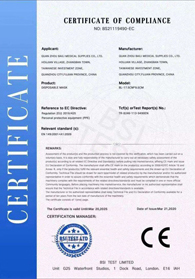
Our manufacturing facility operates under strict quality management systems, often aligning with ISO 9001 principles. For export to European markets, CE marking is available on applicable models, ensuring compliance with EU safety directives. We also prioritize the use of food-grade materials where required, often conforming to standards similar to those set by the FDA or EU regulations for food contact surfaces.
Our Manufacturing Strength: From Concept to Delivery
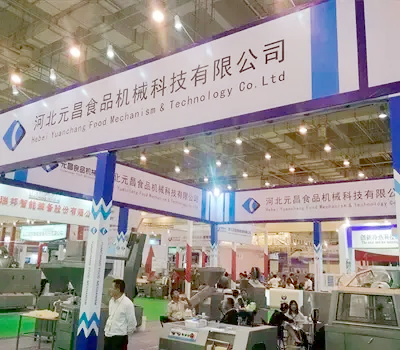
With 40 years of experience since 1986, Hebei Yuanchang Food Mechanism & Technology Co., Ltd. has developed a robust manufacturing infrastructure that ensures precision, quality, and customization.
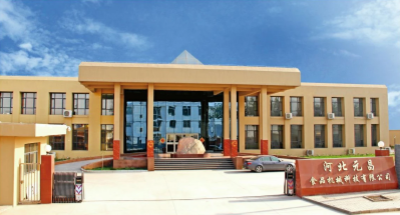
Our extensive in-house machining workshop is equipped with over 20 sets of advanced processing machinery.
Core Capabilities:
- Comprehensive Machining: Lathes, milling machines, high-precision grinding machines, boring machines, plate shears, bending machines, and wire cutting equipment.
- High-Precision CNC Machining: Introduction of 8 sets of Japanese Mazak CNC machining centers allows us to produce highly complex, non-standard components with exceptional precision and in large volumes.
- Independent Part Production: This capability ensures we can maintain consistent quality for critical components and offer traceable after-sales service.
- Quality Control: Rigorous inspection at every stage of production.
- Scalability: Our facility spans approximately 14,000 square meters with a dedicated team of 80-100 employees, enabling us to handle projects of varying scales.
Our ability to control the entire manufacturing process, from raw material processing to final assembly, allows us to guarantee the quality and performance of every vibrating hopper feeder we deliver.
Frequently Asked Questions
Q: How do I select the right size vibrating hopper feeder?
A: Sizing depends primarily on the volume of material you need to store and the required discharge rate. It's best to consult our technical team. Provide details on your material bulk density and the capacity of your downstream equipment. We can help calculate the optimal hopper volume and flow rate.
Q: Can your feeders handle very sticky materials like processed cheese or meat pastes?
A: Yes, we have specific designs and material treatments for sticky products. This might include specialized hopper wall coatings, steeper hopper angles, or optimized vibration patterns to prevent bridging. We often recommend conducting trials with your material.
Q: What is the typical lead time for a vibrating hopper feeder?
A: Standard models often have a lead time of 4-8 weeks. Customized units may require longer, depending on the complexity of the modifications and component sourcing. Our sales team will provide an accurate estimate upon order confirmation.
Q: Do you offer installation and training services?
A: While installation is typically handled by the client's team or a local contractor, we provide comprehensive installation manuals and remote technical support. On-site training can be arranged upon request for an additional fee, especially for complex integrated systems.
Q: What kind of maintenance is required?
A: Maintenance is generally minimal. Regular checks of vibration motor bearings, belt tension (if applicable), and cleaning of contact surfaces are key. We provide detailed maintenance schedules in our user manuals.
Ready to Optimize Your Material Flow?
Let our experts help you find the perfect vibrating hopper feeder solution for your operational needs. With 40 years of experience, we deliver reliability and efficiency.