Vacuum Vacuum Lifter Sheet Metal
Vacuum Sheet Lifters: Precision Handling for Industrial Sheet Metal
 By: Alex Chen, Senior Export Manager
Published: October 26, 2023
Updated: October 26, 2023
By: Alex Chen, Senior Export Manager
Published: October 26, 2023
Updated: October 26, 2023
Navigating the Challenges of Sheet Metal Handling
Moving large, heavy, or awkwardly shaped sheet metal panels isn't just a matter of brute force. In industrial settings, particularly in manufacturing, fabrication shops, and construction sites, the safe, efficient, and precise handling of sheet metal is paramount. It directly impacts production timelines, worker safety, material integrity, and ultimately, the bottom line. Traditional methods, often relying on manual labor, forklifts with specialized attachments, or magnetic lifters that can be problematic with non-ferrous materials or coated surfaces, frequently fall short.
The inherent risks associated with sheet metal handling are significant. Dropped loads can cause catastrophic damage to materials, machinery, and facilities. Musculoskeletal injuries due to improper lifting or strain are a constant concern for operations managers and safety officers. Furthermore, static cling, surface imperfections, and the sheer weight of larger sheets can make manual maneuvering a slow and error-prone process. This is where the sophistication of vacuum sheet lifter technology becomes not just an advantage, but a necessity for modern, competitive businesses.
At Hebei Yuanchang, we've seen firsthand how investing in the right lifting solutions can transform operations. We've spent decades refining our manufacturing processes, understanding the critical interplay between material science, mechanical engineering, and practical application. For businesses dealing with everything from thin gauge steel for automotive parts to thicker stainless steel for architectural cladding, the demand for reliable, versatile, and safe handling equipment is universal.
The global market for meat processing equipment, which shares many principles of precision engineering and material handling with other industrial sectors, highlights a similar trend towards automation and efficiency. Reports suggest this market is valued in the tens of billions, with consistent growth driven by demand for processed goods, hygiene, and labor efficiency. 【Meat Processing Equipment Market Size, Share & Industry Analysis - https://www.fortunebusinessinsights.com/meat-processing-equipment-market-115455 - The global meat processing equipment market was valued at USD 11.29 billion in 2025 and is projected to reach USD 17.39 billion by 2034 at a CAGR of 5.0%.】 While seemingly unrelated, this demonstrates a broad industrial shift: manufacturers are prioritizing solutions that enhance precision, reduce manual intervention, and ensure consistent quality. Vacuum lifters for sheet metal are a direct application of this overarching trend.
Consider the procurement decision-making workflow. A purchasing manager isn't just looking at a price tag. They're evaluating total cost of ownership, risk mitigation, integration with existing systems, supplier reliability, and long-term operational benefits. A robust vacuum sheet lifter, while an upfront investment, can rapidly demonstrate ROI through reduced material damage, decreased downtime, and improved workforce safety metrics. This often leads to fewer insurance claims and better compliance with OSHA or similar regulatory bodies.
Furthermore, the versatility of vacuum lifters makes them a valuable asset across various industries. Whether you're in HVAC manufacturing, shipbuilding, appliance production, aerospace, or even custom metal fabrication, the need to efficiently grip and move flat or slightly curved surfaces is common. Traditional methods often require different tools or setups for different material types or sizes, leading to inventory costs and operational complexity. A well-specified vacuum lifter can often adapt, reducing the need for specialized equipment.
The challenge for many businesses is identifying the *right* vacuum lifter. It's not a one-size-fits-all scenario. Factors like the weight and size of the sheets, surface porosity, temperature of the material, presence of coatings (paint, plastic film), and the operational environment (indoor, outdoor, dusty) all play a critical role in selecting a system that will perform reliably day in and day out. This is where experienced guidance and a deep understanding of the technology are essential, which is precisely what we aim to provide.
Our 40 years of experience in manufacturing, since 1986, has instilled in us a profound understanding of mechanical systems and their real-world applications. We don't just build machines; we engineer solutions. This deep-seated expertise allows us to guide clients through the complexities of choosing the optimal vacuum lifter configuration, ensuring it integrates seamlessly into their workflow and delivers tangible operational improvements.
Why Choose Vacuum Technology for Sheet Metal?
Vacuum lifting technology relies on a simple yet powerful principle: creating a pressure difference. A vacuum pump generates negative pressure within a sealed cup or pad, which then adheres firmly to a smooth, non-porous surface. This creates a secure grip without altering the material itself. For sheet metal, this is often the ideal scenario.
Unlike magnetic lifters, vacuum systems work effectively on non-ferrous metals like aluminum, copper, and brass, as well as stainless steel that might be passivated or coated. They also won't damage delicate finishes or coatings that magnetic fields could potentially affect. This broad applicability is a significant advantage for job shops or manufacturers working with a diverse range of materials.
The operational advantages are numerous:
- Reduced Material Damage: Gentle yet firm hold minimizes scratches, dents, or surface imperfections that can arise from mechanical clamps or magnetic forces. This is critical for high-value materials or those destined for visible applications.
- Enhanced Worker Safety: Eliminates the need for manual lifting or awkward maneuvering, significantly reducing the risk of back injuries, crushed fingers, or dropped loads. Safety should always be the primary consideration in any procurement decision.
- Increased Productivity: Faster, more controlled lifting and placement cycles translate directly into quicker turnaround times and higher throughput. One operator can often handle large sheets that previously required multiple people.
- Versatility: Adaptable to various sheet sizes, weights, and even slightly irregular surfaces with the right pad configuration. This makes them a flexible tool in a dynamic manufacturing environment.
- Precision Placement: Many vacuum lifter systems offer fine control over lifting, tilting, and rotating, allowing for accurate positioning of sheets during assembly or fabrication processes.
The core technology is robust and well-understood across many heavy industries. For instance, the adoption of automation and specialized equipment in the meat processing sector, valued at billions annually, reflects a similar drive for precision and efficiency. 【Meat Processing Equipment Market Size, Share Report, 2030 - https://www.grandviewresearch.com/industry-analysis/meat-processing-equipment-market - The global meat processing equipment market was estimated at USD 11.28 billion in 2024 and is projected to reach USD 15.04 billion by 2030.】 This trend toward specialized handling and processing machinery underscores the value placed on optimizing workflows through engineered solutions.
Understanding the Components and Operation
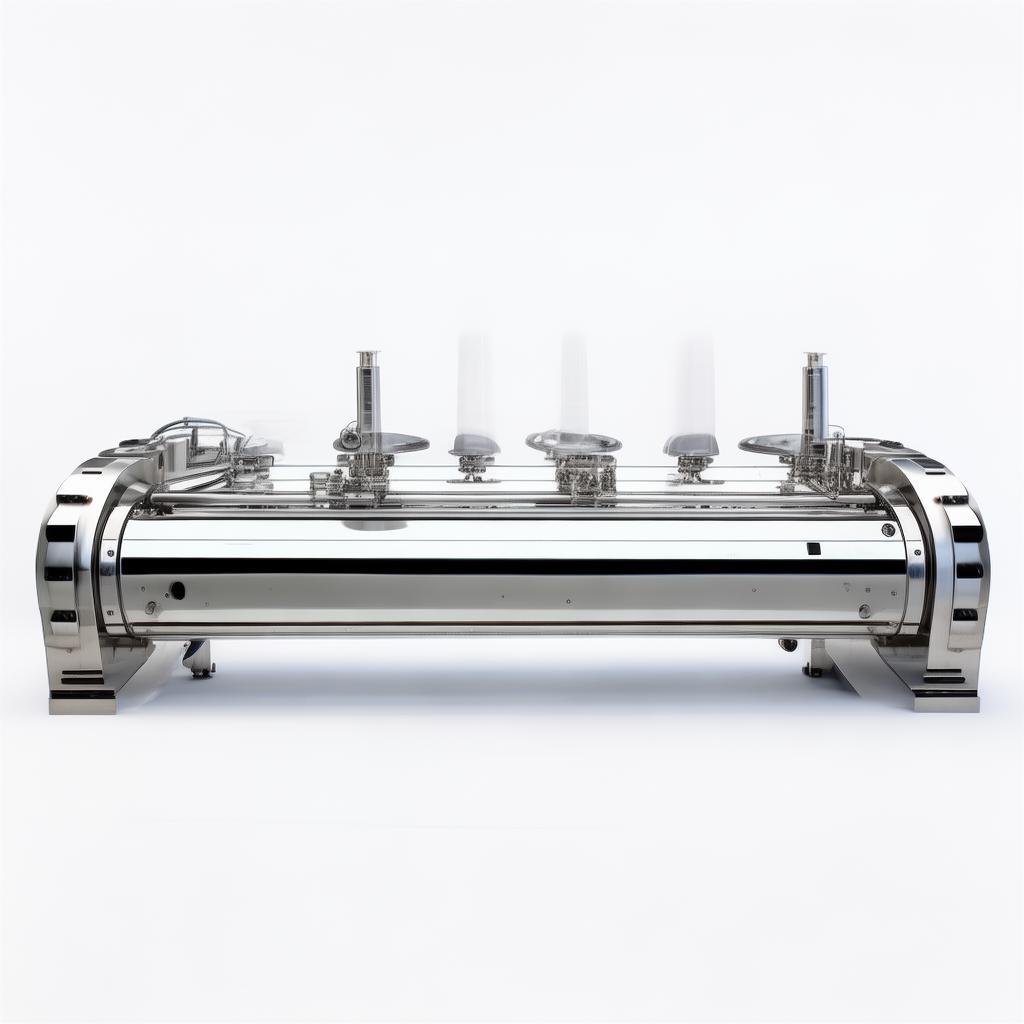
A typical industrial vacuum sheet lifter system comprises several key components, each crucial for its reliable operation:
Vacuum Pump/Generator
This is the heart of the system, creating the negative pressure. Options include electric-powered rotary vane pumps (common for continuous use), venturi or compressed air generators (lighter, portable, but consume air), or even manual pumps for smaller, less frequent tasks.
Vacuum Pad/Cup
The interface with the sheet metal. Made from durable rubber or synthetic materials, designed to create a seal. Pad shape, size, and material are critical for different surfaces and weights. We offer a range of options from standard flat pads to specialized contoured or vented designs.
Frame and Suspension System
The structure that holds the pads and connects to the lifting device (crane, forklift, jib). This includes the boom, crossbars, and articulation points that allow for maneuvering and precise placement. Robust engineering here is non-negotiable for heavy loads.
Safety Features
Crucial for any industrial lifting equipment. This includes vacuum reserve tanks (to maintain grip during brief power interruptions), audible and visual vacuum loss alarms, and check valves. We engineer our systems with multiple layers of safety redundancy.
The operational cycle typically involves: positioning the lifter over the sheet, activating the vacuum pump to create suction, confirming adequate vacuum level via indicators, lifting the sheet, transporting it, and then releasing the vacuum to set it down. This process is designed for efficiency and control.
Key Specifications and Considerations for Procurement
When evaluating vacuum sheet lifters, several technical specifications are critical for ensuring you select a unit that meets your operational demands safely and efficiently. Don't overlook these details; they are the difference between a reliable workhorse and a source of constant headaches.
| Specification | Description | Importance for Sheet Metal |
|---|---|---|
| Lifting Capacity | Maximum weight the lifter can safely handle. | Must exceed the weight of your largest typical sheet, with a safety margin. Account for material density (e.g., steel vs. aluminum). |
| Number & Type of Pads | Quantity, size, material, and configuration of vacuum pads. | Crucial for surface compatibility, load distribution, and accommodating different sheet dimensions. Consider smooth, pitted, or coated surfaces. |
| Power Source | Electric (AC/DC), compressed air, battery. | Impacts mobility, installation complexity, and operational cost. Electric is common for stationary cranes, air for mobile forklifts. |
| Articulation/Maneuverability | Ability to tilt, rotate, and swivel. | Essential for precise placement into machinery, stacking, or loading. A 90° or 180° tilt is often required. |
| Safety Features | Vacuum reserve, alarms, check valves, emergency release. | Non-negotiable. Ensure compliance with industry safety standards (e.g., ASME B30.20 in the US). |
| Duty Cycle & Environment | Continuous vs. intermittent use, operating temperature range, dust/moisture resistance. | Matches the lifter's design to your specific operational intensity and workplace conditions. |
sheet metal vacuum lifter vacuum lifter for sheet metal sheet vacuum lifter
For example, handling polished stainless steel requires pads that won't scratch, while dealing with oiled sheets necessitates materials resistant to contamination or specialized venting. The ambient temperature can also affect the seal's integrity. Our team can guide you through selecting the optimal pad material and configuration based on your material types and processing environment.
The complexity of material handling is a common thread across industries. Even in sectors like food processing, where hygiene is paramount, specialized equipment like massaging machines are used to enhance product quality through controlled processes. 【Meat Processing Equipment Market Size, Share Report, 2030 - https://www.grandviewresearch.com/industry-analysis/meat-processing-equipment-market】 This parallels our focus on precision and controlled handling in sheet metal fabrication, where the right equipment ensures consistent outcomes and material integrity.
Applications Across Industries
The utility of vacuum sheet lifters extends far beyond a single manufacturing niche. Their ability to safely and efficiently grip flat surfaces makes them indispensable in numerous sectors:
- Automotive Manufacturing: Handling body panels, doors, hoods, and chassis components. Precision is key here to avoid cosmetic defects.
- Aerospace: Moving aircraft skin panels, structural components, and composite materials where surface integrity is critical.
- Construction & Architecture: Lifting metal roofing, facade panels, large glass sheets (with appropriate pads), and structural steel components.
- Appliance Manufacturing: Handling refrigerator doors, washing machine casings, and other formed metal parts.
- Signage and Display Production: Positioning large metal sheets for cutting, engraving, or assembly.
- HVAC Manufacturing: Moving sheet metal for ductwork, air handlers, and industrial ventilation systems.
- General Fabrication Shops: Versatile for loading/unloading CNC machines, laser cutters, press brakes, and preparing material for welding or assembly.
The adaptability is a major selling point. A single vacuum lifter can often replace multiple specialized tools, streamlining inventory and training. The global market for food processing equipment also sees a strong trend towards automation and specialized machinery for tasks like forming and ripening, indicating a universal drive for efficiency and precision across manufacturing disciplines. 【Meat Processing Equipment Market Size & Forecast 2033 - https://www.skyquestt.com/report/meat-processing-equipment-market】
Installation, Operation, and Maintenance Insights
Proper installation and regular maintenance are essential for ensuring the longevity and safe operation of your vacuum sheet lifter. While designed for robust industrial environments, neglecting these aspects can lead to premature wear or, worse, safety incidents.
Installation Considerations:
- Attachment to Lifting Device: The lifter must be securely attached to your existing crane, forklift, or jib. Ensure compatibility of the lifting point and that the combined weight (lifter + load) stays within the capacity of the primary lifting device.
- Power Supply: For electric models, ensure a stable power source is available. For air-powered units, verify adequate compressed air supply with appropriate filtration and pressure regulation.
- Clearance: Ensure sufficient overhead and side clearance for the lifter and the load it will be carrying.
Operational Best Practices:
- Surface Inspection: Always check the sheet surface for debris, sharp edges, or contaminants that could compromise the seal or damage the pad.
- Vacuum Check: Before lifting, always verify that the vacuum level indicator shows adequate suction. Listen for leaks.
- Controlled Movements: Avoid sudden starts, stops, or jerky movements. Smooth, controlled operations are key to maintaining load stability.
- Load Limits: Never exceed the rated lifting capacity of the vacuum lifter.
Maintenance Schedule:
- Daily: Visual inspection of pads for wear or damage, check for leaks, verify alarm systems function.
- Weekly: Clean vacuum pads and filters. Check all connections and hoses for wear or damage. Lubricate moving parts if applicable.
- Monthly/Quarterly: Depending on usage, check pump performance, vacuum reserve levels, and electrical connections. Consult your user manual for specific intervals.
Our manufacturing facility in Shijiazhuang is equipped with over 20 sets of precision machining equipment, including Japanese Mazak CNC centers. This allows us to produce high-standard, non-standard components with exceptional accuracy, ensuring the durability and reliability of our vacuum lifters and providing you with worry-free after-sales service.
Our Factory Capabilities and Commitment to Quality
Hebei Yuanchang Food Mechanism & Technology Co., Ltd. might sound like it's solely focused on food machinery, but our foundational expertise in precision engineering, material handling, and robust electromechanical systems translates directly to other demanding industrial applications, including vacuum lifting equipment. With 40 years of experience since 1986, we've built a reputation for quality and reliability.
Our 14,000 square meter facility and dedicated team of 80-100 professionals integrate R&D, production, and sales. We possess an in-house machining workshop with more than 20 advanced processing machines. This capability is augmented by 8 Japanese Mazak CNC machining centers, enabling us to manufacture high-precision, non-standard components vital for the intricate workings of industrial equipment like vacuum lifters.
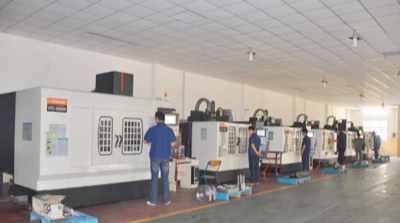
We understand the procurement manager's need for assurance. Our commitment to quality is evidenced by:
- ISO Certification: We adhere to stringent quality management systems (e.g., ISO 9001), ensuring consistent product quality and continuous improvement.
- Component Traceability: Our systems allow for full traceability of components, from raw material to finished product, ensuring accountability and reliability.
- Rigorous Testing: Every piece of equipment undergoes comprehensive testing before shipment to guarantee it meets performance and safety specifications.
- Experienced Engineering Team: Our engineers are adept at designing for specific load requirements, environmental conditions, and operational workflows.
- Global Export Experience: We have extensive experience shipping industrial equipment worldwide, understanding international logistics and compliance requirements.
While our name might suggest a specialization, our core competencies in mechanical engineering and precision manufacturing are transferable. The principles of material handling, controlled motion, and robust construction are universal. For example, the precise temperature control in meat ripening processes mirrors the need for precise handling in metal fabrication. 【Meat Processing Equipment Market Size & Industry Analysis - https://www.fortunebusinessinsights.com/meat-processing-equipment-market-115455】
Logistics and International Shipping
As an established exporter, Hebei Yuanchang understands the complexities of international logistics. We work diligently to ensure your vacuum sheet lifter arrives safely, on time, and with all necessary documentation for seamless customs clearance.
Our standard shipping procedure includes:
- Robust Packaging: Equipment is securely crated or palletized, often with protective wrapping, to withstand the rigors of ocean or air freight. We utilize materials and methods proven to protect heavy industrial machinery.
- Container Optimization: We plan loading to maximize space efficiency, reducing shipping costs where possible.
- Documentation: We provide all necessary export documents, including commercial invoices, packing lists, certificates of origin, and any specific certifications required by the destination country.
- Shipping Options: We work with reliable freight forwarders and can arrange shipments via sea (FCL/LCL) or air cargo, depending on your urgency and budget.
- Customs Support: We are experienced in navigating international trade regulations and can assist with any questions related to import duties or procedures.
Typical lead times from order confirmation to shipment can range from 4-8 weeks, depending on the complexity of the custom configuration and our current production schedule. We will provide a clear estimated delivery timeline upon order placement.
Procurement Guidance: What Buyers Need to Know
Purchasing industrial equipment is a significant decision. For vacuum sheet lifters, a thorough evaluation process is crucial. Here’s what procurement professionals should focus on:
- Define Your Needs Clearly: What are the exact dimensions, weights, and types of sheet metal you handle most frequently? What is the nature of your work environment?
- Prioritize Safety Features: Never compromise on safety. Ensure the lifter meets relevant industry standards and includes essential redundancies like vacuum reserve and alarms.
- Evaluate Supplier Reliability: Look for manufacturers with a proven track record, strong engineering capabilities, and transparent after-sales support. Decades of experience, like ours, speak volumes.
- Request Detailed Specifications: Don't accept vague claims. Insist on precise data sheets, certifications, and performance curves.
- Consider Total Cost of Ownership (TCO): Factor in not just the initial purchase price, but also maintenance, spare parts availability, potential downtime, and energy consumption. A cheaper unit may cost more in the long run.
- Ask About OEM/ODM Capabilities: If standard models don't quite fit, inquire about custom design services. Our ability to produce high-precision, non-standard components means we can tailor solutions.
The global processed meat market's growth, estimated to reach over USD 1.2 trillion by 2034, highlights a massive demand for efficient processing equipment. 【Processed Meat Market Size, Share & Growth Report - https://www.fortunebusinessinsights.com/industry-reports/processed-meat-market】 This underlines how crucial specialized, reliable machinery is for achieving large-scale operational success. Vacuum lifters are no different; they are critical tools for efficient and safe material throughput in metal fabrication.
Common Procurement Pitfall: Over-specifying or under-specifying. Choosing a lifter that's too powerful for your needs increases cost unnecessarily, while one that’s undersized creates a significant safety hazard and operational bottleneck. Accurate assessment upfront is key.
Frequently Asked Questions (FAQ)
Q: Can vacuum lifters handle sheets with minor surface imperfections or textures?
A: It depends on the severity of the imperfection and the pad design. For slightly textured or matte surfaces, specialized pads with increased contact area or slightly softer materials can help create a seal. However, heavily pitted, porous, or extremely irregular surfaces may not be suitable for standard vacuum lifting. We can assess your specific material needs.
Q: What is the lifespan of vacuum pads?
A: Lifespan varies based on usage, material handled, and operating environment. Typically, pads can last from a few months to over a year with proper care and maintenance. Regular inspection and replacement are key to ensuring safety and performance.
Q: Do your vacuum lifters come with CE or other international certifications?
A: Yes, we can provide CE marking and other relevant certifications based on customer requirements and destination country regulations. Our commitment to quality management systems, often aligned with ISO standards, ensures our products meet international safety and performance expectations.
Q: How quickly can you deliver a custom-configured vacuum lifter?
A: Custom configurations require careful engineering and manufacturing. Lead times typically range from 6 to 12 weeks, depending on the complexity and our current production load. We provide detailed timelines upon receiving your specific requirements.
Ready to Enhance Your Sheet Metal Handling?
Don't let inefficient or unsafe material handling slow down your operations. Invest in a vacuum sheet lifter solution from Hebei Yuanchang and experience the benefits of precision, safety, and productivity.
Customer Testimonials
"We were struggling with manual handling of large aluminum sheets for our HVAC components. The vacuum lifter from Yuanchang has been a game-changer. Installation was straightforward, and our crew is significantly safer and faster. Excellent support from their export team."

Operations Manager, AirTech Fabrication (USA)
"The precision of the vacuum lifter for our stainless steel facade panels is impressive. We've reduced material damage by an estimated 90% and sped up our installation process. Dealing with Hebei Yuanchang was professional and efficient, despite the distance."

Procurement Director, Skyline Exteriors (Canada)
"We needed a versatile lifter that could handle various metals and coatings. Yuanchang's team helped us select the right configuration, and it's exceeded expectations. The safety features, especially the vacuum alarms, give us peace of mind."

Plant Manager, Precision Metal Works (Mexico)
Trust & Support