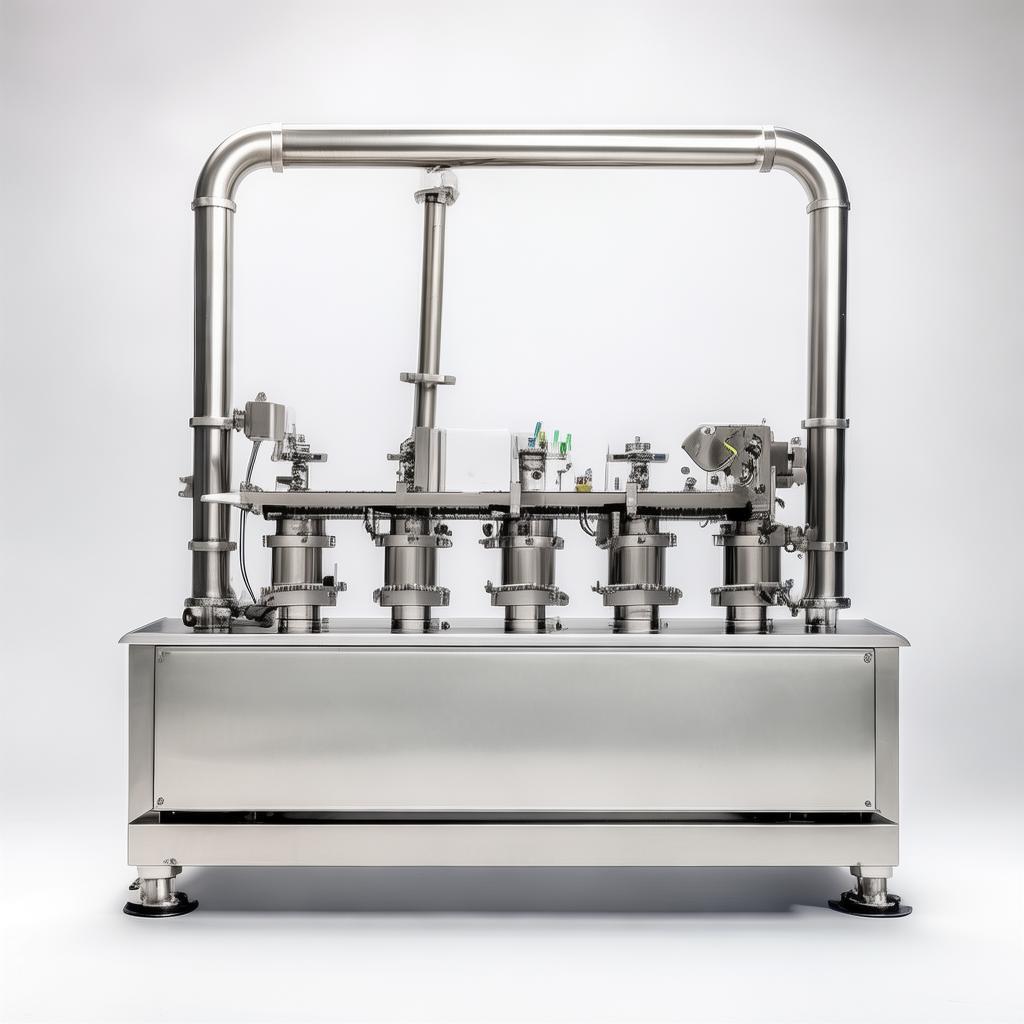
Vacuum Pump Intake Filter
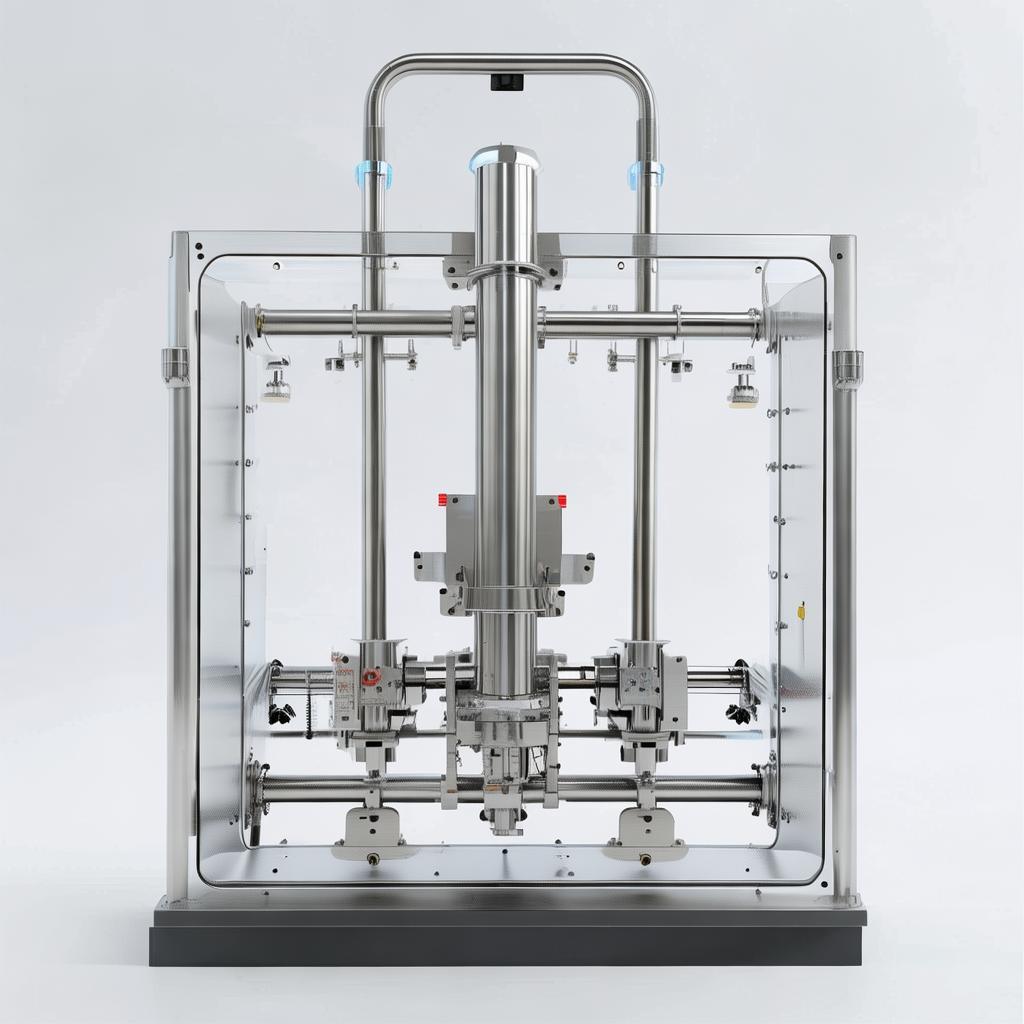
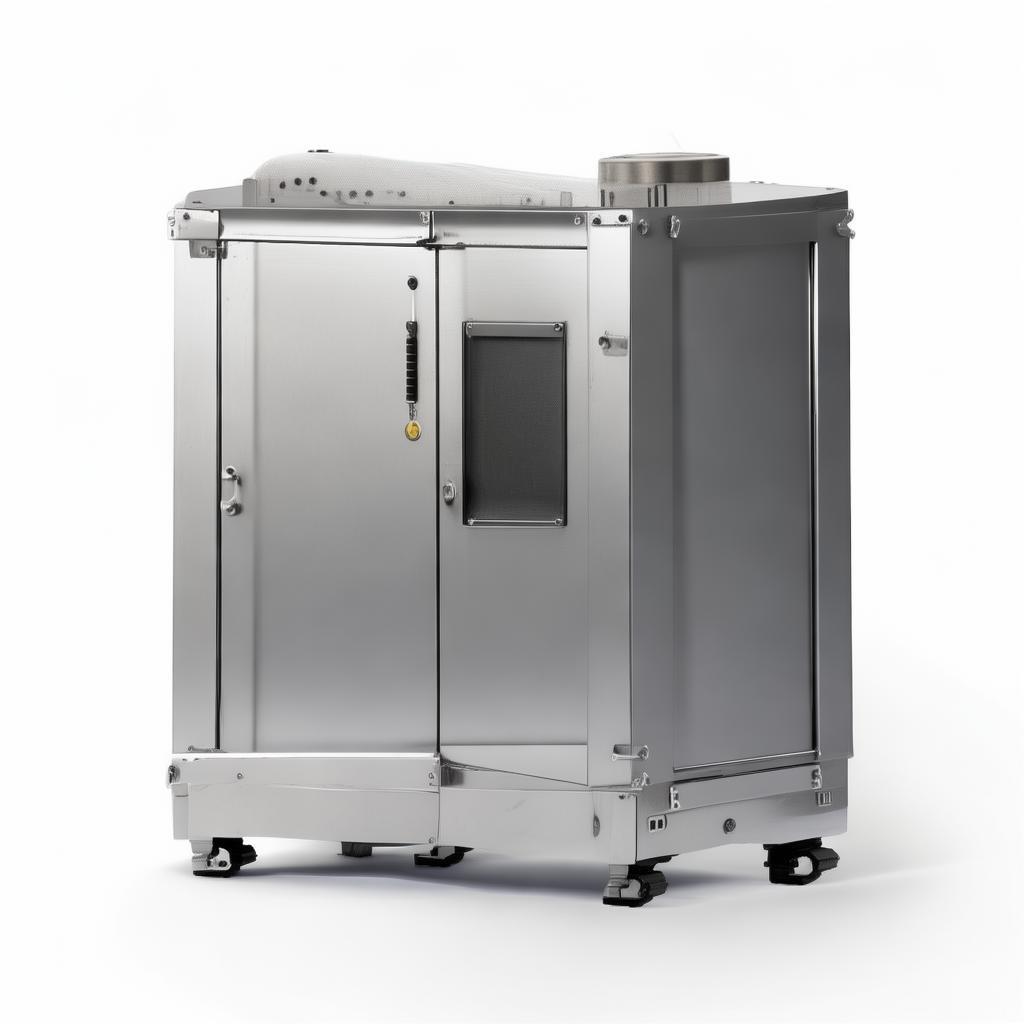
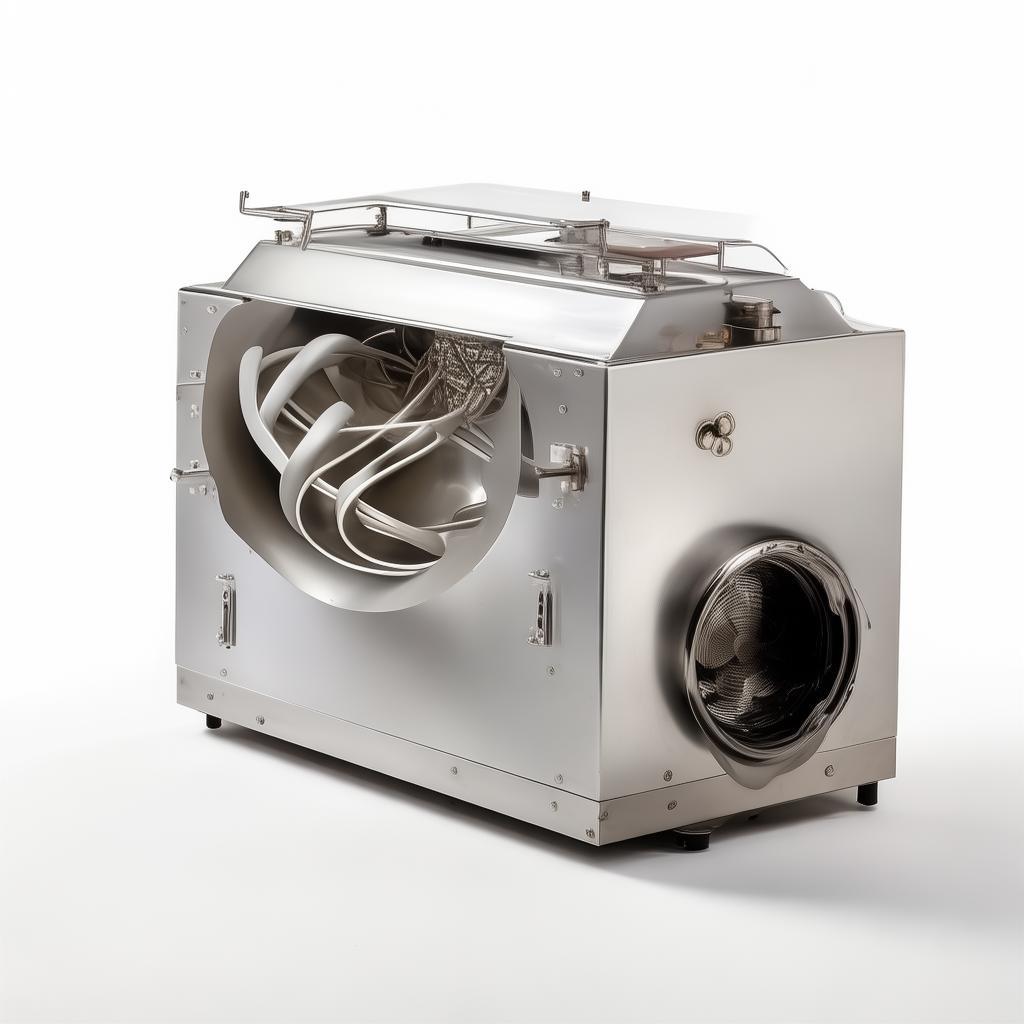
High-Performance Vacuum Pump Intake Filters: Securing Your Process Efficiency
By:  David Chen, Senior Manufacturing Consultant
Published: October 26, 2023
In any industrial process reliant on vacuum technology, the unsung hero is often the vacuum pump intake filter. This seemingly simple component plays a critical role in maintaining system integrity, ensuring optimal performance, and significantly extending the lifespan of your expensive vacuum equipment. For companies involved in manufacturing, processing, and exporting, particularly within sectors like food production, packaging, medical device manufacturing, and electronics assembly, understanding the nuances of these filters isn't just about maintenance; it's about safeguarding operational continuity and, ultimately, profitability.
The global meat processing equipment market, for instance, is projected to reach substantial figures, with segments like filling and molding equipment, as well as ripening processes, seeing significant growth. (【Meat Processing Equipment Market Size, Share & Industry Analysis - https://www.fortunebusinessinsights.com/meat-processing-equipment-market-115455 - Key segments include filling & stuffing equipment, massaging & tumbling (for ripening/tenderizing), cutting, grinding, and smoking machines. Growth is driven by rising demand for processed meat, automation adoption for hygiene and labor efficiency, strict food safety standards, and strong expansion in Asia-Pacific. Filling and molding equipment are critical for sausages and formed products, while massaging equipment enhances ripening and texture.】). In such demanding environments, where fine particles, dust, moisture, or even aggressive chemicals can be present in the air being drawn into a vacuum pump, an inadequate intake filter can lead to catastrophic failures. Think of a food packaging line struggling with particulate contamination from raw ingredients, or a laboratory testing sensitive components where microscopic debris could compromise results. The pump, designed to create a pressure differential, will inevitably ingest whatever is in its path. Without a robust barrier, this foreign matter can damage internal components like vanes, rotors, seals, and even the pump oil, leading to reduced efficiency, increased energy consumption, and costly downtime.
Furthermore, the increasing emphasis on automation and efficiency across industries, as highlighted by market reports indicating a steady CAGR for meat processing equipment (e.g., projected to reach USD 19.11 billion by 2035 at a CAGR of 4.89% according to precedenceresearch.com), means that vacuum systems are often running for longer, harder cycles. This intensifies the need for reliable filtration. A clogged or inefficient filter means the pump has to work harder to achieve the desired vacuum level. This isn't just a minor inconvenience; it translates directly into higher energy bills and accelerated wear on the pump's motor and internal mechanisms. For international buyers and procurement managers, the total cost of ownership is a paramount consideration. Investing in a quality intake filter upfront, even if it represents a slightly higher initial cost, can yield significant savings over the equipment's lifecycle through reduced maintenance, fewer replacements, and optimized energy usage. We've seen firsthand how a well-specified filter can prevent issues ranging from oil degradation in rotary vane pumps to impeller damage in centrifugal pumps.
The selection of the right vacuum pump intake filter depends heavily on the specific application and the type of vacuum pump being used. Different pump technologies—be it rotary vane, diaphragm, piston, scroll, or regenerative blower—have unique sensitivities to contamination. For instance, oil-sealed rotary vane pumps are particularly susceptible to moisture and particulate ingress, which can degrade the lubricating oil and lead to corrosion. Dry pumps, while not relying on oil, can suffer from wear on seals and rotors from abrasive particles. The environment in which the pump operates is also a crucial factor. Are we talking about a cleanroom environment for semiconductor manufacturing, a dusty industrial workshop, a corrosive chemical processing plant, or a humid food processing facility? Each scenario demands a filter with specific filtration media, pore size (micron rating), flow rate capacity, and chemical resistance.
As a company with decades of experience, Hebei Yuanchang Food Mechanism & Technology Co., Ltd., has developed a deep understanding of the operational challenges faced by our clients. While our primary focus is on meat processing equipment, the underlying principles of maintaining robust, efficient industrial machinery are universal. We recognize that a reliable vacuum system is foundational to many of these processes. This is why we offer high-quality intake filters designed to meet the rigorous demands of modern industrial applications, ensuring your vacuum pumps perform at their peak, day in and day out. Our commitment extends beyond just supplying equipment; it's about providing solutions that contribute to the overall success and efficiency of your operations. We understand the procurement cycle for industrial components—the need for clear specifications, reliable supply chains, and competitive pricing.
The market for meat processing equipment itself is expanding significantly, with projections suggesting a global market size reaching USD 19.73 billion by 2034 at a CAGR of 4.8% (Source: zionmarketresearch.com). This growth underscores the increasing reliance on sophisticated machinery, including vacuum systems, for everything from product forming and packaging to preservation. In this context, component reliability is not a luxury; it's a necessity. A small failure in an intake filter can have cascading effects, impacting not only the vacuum pump but also the quality of the end product and the efficiency of the entire line. Therefore, making an informed choice about your intake filtration system is a strategic decision that impacts your bottom line.
Key Takeaway: A high-quality vacuum pump intake filter is an essential, cost-effective investment for ensuring vacuum system reliability, performance, and longevity across a broad spectrum of industrial applications.
Common Challenges in Vacuum Systems We Help Solve
Operators and maintenance teams across various industries grapple with recurring issues related to vacuum pump performance. These aren't just minor nuisances; they often translate into significant operational costs and project delays. Identifying these pain points is the first step toward implementing effective solutions.
- Premature Pump Wear and Failure: Airborne contaminants like dust, metal shavings, or process byproducts bypass inadequate filtration, causing abrasive wear on pump components (vanes, rotors, seals). This leads to reduced vacuum levels and eventual pump breakdown. We've seen pumps fail within months due to this very issue.
- Reduced System Efficiency and Increased Energy Consumption: A pump struggling against a clogged filter or internal damage requires more power to achieve its operational setpoint. This directly impacts your energy bills and overall process throughput.
- Contaminated Pump Oil (for oil-sealed pumps): Moisture and particulates degrade the lubricating oil, reducing its effectiveness, leading to increased friction, overheating, and potential corrosion. This necessitates more frequent and costly oil changes.
- Process Contamination: If the vacuum pump is part of a sealed process (e.g., packaging, material handling), ingress of unfiltered air or exhausted contaminants can compromise the product quality or safety.
- Frequent Filter Replacements: Low-quality filters can clog quickly, requiring constant monitoring and replacement, leading to labor costs and process interruptions.
- Difficulty Sourcing Reliable Replacement Parts: Especially for specialized or international clients, finding consistent, high-quality intake filters that meet precise specifications can be a significant logistical challenge.
- Environmental Concerns: Improperly filtered exhaust can release harmful vapors or particles, leading to regulatory issues or workplace hazards.
The meat processing equipment market is expected to grow significantly, emphasizing efficiency and hygiene. (【Meat Processing Equipment Market Size, Share, Report, 2030 - https://www.grandviewresearch.com/industry-analysis/meat-processing-equipment-market - Segments cover tenderizing, filling, grinding, slicing, and massaging equipment essential for pretreatment, molding, and ripening processes. Rising consumption of ready-to-eat meats, automation for labor shortages and hygiene, and infrastructure investments in emerging markets drive demand.】) This trend highlights the critical need for every component, including intake filters, to perform optimally.
Addressing these issues directly impacts your operational efficiency, cost management, and overall production quality. Our goal is to provide filtration solutions that mitigate these risks.
Our Solution: High-Efficiency Vacuum Pump Intake Filters
We engineer and supply a range of vacuum pump intake filters designed for superior performance and durability in demanding industrial environments. Our filters are not generic consumables; they are precision-engineered components built to protect your vacuum assets and optimize your processes.
At Hebei Yuanchang, our extensive 40-year history in manufacturing, particularly in high-precision food processing machinery, has ingrained in us a deep appreciation for component reliability and material integrity. This experience translates directly into the quality of our filtration products. We understand that an intake filter must effectively capture contaminants without excessively restricting airflow. This balance is key to preventing pump strain and maintaining desired vacuum levels.
Key Advantages of Our Intake Filters:
- Exceptional Filtration Efficiency: Utilizing advanced filter media with precisely controlled pore sizes (e.g., ranging from 1 to 50 microns, depending on the model), our filters capture fine dust, aerosols, and particulates, protecting sensitive pump components.
- Optimized Airflow Dynamics: Designed to minimize pressure drop, our filters allow your vacuum pump to operate at peak efficiency, reducing energy consumption and extending service intervals.
- Robust Construction: Built with high-quality materials (e.g., durable housings made from ABS, PP, or powder-coated steel; specialized filter media like cellulose, polyester, or synthetic blends), our filters withstand vibration, temperature fluctuations, and exposure to various operational environments.
- Extended Service Life: Superior filtration and durable construction mean longer intervals between filter changes, reducing maintenance costs and minimizing downtime.
- Versatile Application: Available in a wide range of sizes and connection types to fit various vacuum pump models and system configurations, from small laboratory pumps to large industrial units.
- Cost-Effective Solution: While prioritizing quality, we also focus on providing competitive pricing, ensuring a strong ROI for our clients. The market for meat processing equipment is vast, and efficiency gains from reliable components contribute directly to profitability (mordorintelligence.com notes the market's growth driven by automation and hygiene standards).
We understand that procurement teams need reliable partners. Our manufacturing facility, covering 14,000 square meters and equipped with over 20 sets of precision machinery, including Japanese Mazak CNC centers, allows us to produce high-standard components with precision and consistency. This capability ensures that our filters meet stringent quality controls, giving you peace of mind.
Key Technical Specifications for Optimal Selection
Selecting the correct vacuum pump intake filter requires attention to several technical parameters. Matching these specifications to your pump's requirements and operating conditions is crucial for optimal performance and protection.
| Parameter | Description | Typical Range/Considerations |
|---|---|---|
| Filtration Rating (Micron) | The size of particles the filter element can effectively capture. | Commonly 1 to 50 microns. Lower micron ratings offer finer filtration but may increase pressure drop. Choose based on pump type and contaminant size. |
| Flow Rate Capacity (CFM/LPM) | The maximum volume of air the filter can handle per unit of time without excessive pressure loss. | Must exceed the pump's maximum intake flow rate. Undersizing can lead to severe pump strain. |
| Connection Size & Type | Thread size (e.g., NPT, BSP) and configuration (e.g., threaded, flanged, barbed). | Must match your vacuum pump's inlet port. Ensure correct threading standard for your region. |
| Operating Temperature Range | The ambient and process temperatures the filter can withstand. | Typical ranges from -10°C to 80°C (14°F to 176°F), but specialized models are available for extreme conditions. |
| Media Material | The material used for the filter element itself. | Options include Cellulose (good general use), Polyester (washable, durable), Synthetic blends (high efficiency, chemical resistance), Fiberglass (high temp). |
| Housing Material | The material of the filter body. | Commonly ABS plastic, Polypropylene (PP), Aluminum, or Steel (powder-coated for corrosion resistance). Crucial for chemical compatibility. |
| Pressure Drop Characteristic | The resistance to flow offered by the filter at a given flow rate. | Lower pressure drop is desirable. Manufacturers provide curves or data for clean and maximum allowable pressure drop. |
vacuum pump filter filter vacuum pump vacuum pump inline filter
Procurement Note: Always verify the full specifications against your vacuum pump's manual or manufacturer's recommendations. We can assist in cross-referencing for specific pump models (e.g., Busch, Edwards, Leybold, Becker).
Where Our Intake Filters Excel: Diverse Industrial Applications
The robust design and high efficiency of our vacuum pump intake filters make them suitable for a wide array of demanding applications. From intricate electronics manufacturing to heavy-duty material handling, they provide essential protection and performance enhancement.
Food & Beverage Processing
Protecting pumps used in vacuum packaging machines (for meats, cheeses, coffee), vacuum fillers, and ingredient handling systems. Prevents ingress of food particles, moisture, and dust that can contaminate products and damage pumps.
Example Entity: Sausage filling, Ripening (massaging)
Medical & Pharmaceutical
Critical for vacuum pumps in sterilization equipment, laboratory instruments, blood collection, respiratory devices, and pharmaceutical packaging. Ensures sterility and prevents contamination of sensitive processes and environments.
Example Entity: Cleanroom applications, Sterilization cycles
Electronics Manufacturing
Used in pick-and-place machines, PCB assembly, vacuum potting, and semiconductor manufacturing. Filters prevent fine dust, solder paste particles, and flux residues from damaging delicate pump components and contaminating sensitive electronics.
Example Entity: SMT processes, Semiconductor fabrication
Industrial Automation & Material Handling
Essential for vacuum lifting equipment, robotic grippers, vacuum conveying systems, and material transfer operations. Protects pumps from dust, wood chips, metal shavings, and other debris common in factory environments.
Example Entity: Vacuum lifting, Pneumatic conveying
Chemical Processing
For applications involving vacuum distillation, filtration, degassing, and solvent recovery where pumps may be exposed to corrosive vapors or fine chemical powders. Requires filters with high chemical resistance.
Example Entity: Solvent recovery, Vacuum distillation
Woodworking & Furniture Manufacturing
Used in CNC routing, vacuum clamping, edge banding, and dust collection systems. Filters prevent fine sawdust and wood particles from entering and damaging vacuum pumps.
Example Entity: CNC routing, Dust extraction
The demand for specialized equipment in these sectors is growing. For instance, the processed meat market is expected to grow significantly, driving the need for reliable pretreatment and molding technologies (fortunebusinessinsights.com). Our filters are engineered to meet these evolving industrial demands.
Procurement Insights: Making the Right Choice for Your Vacuum Pump Intake Filter
As a procurement professional or operations manager, sourcing industrial components requires a strategic approach. Selecting the right vacuum pump intake filter involves more than just picking the cheapest option. It's about ensuring compatibility, performance, reliability, and long-term value.
With 40 years of manufacturing experience, we understand the pressures procurement teams face: budget constraints, lead time demands, quality assurance, and global supply chain complexities. Our aim is to simplify this process for you.
Essential Considerations for Buyers:
- Pump Specification is Paramount: Always consult your vacuum pump's manual for recommended filter types, micron ratings, flow capacities, and connection sizes. Using an incorrect filter can void warranties and damage the pump.
- Understand Your Operating Environment: What contaminants are present? What are the typical operating temperatures and humidity levels? This dictates the required filter media and housing material (e.g., chemical resistance for certain environments).
- Flow Rate vs. Pressure Drop: Ensure the filter's rated flow capacity comfortably exceeds your pump's maximum flow rate. A low-pressure drop is critical for efficiency. High pressure drop means the pump works harder, consuming more energy and experiencing accelerated wear.
- Material Compatibility: If your vacuum system handles any chemicals or solvents, verify that the filter media and housing materials are compatible and won't degrade or react.
- Lead Times and Supplier Reliability: For critical production lines, consistent availability and timely delivery are non-negotiable. Partner with suppliers who have proven track records and robust logistics. We leverage our integrated manufacturing capabilities to ensure reliable supply chains.
- Total Cost of Ownership (TCO): Don't just compare upfront prices. Consider the filter's lifespan, maintenance frequency, impact on pump energy consumption, and the cost of potential pump damage. A slightly more expensive, higher-quality filter often yields significant long-term savings.
- OEM vs. Aftermarket: While OEM filters offer guaranteed compatibility, high-quality aftermarket filters from reputable manufacturers like us can provide equivalent or superior performance at a more competitive price point, especially for established pump models.
Procurement decisions in the industrial sector are increasingly global. The meat processing equipment market's expansion into regions like Asia-Pacific (skyquestt.com) signifies this trend. We are experienced in international trade, ensuring smooth transactions and timely deliveries to clients worldwide.
Talk to an Engineer: If you're unsure about the best filter for your specific application, our technical team is ready to provide expert guidance.
Our Manufacturing Edge: Precision and Experience You Can Trust
At Hebei Yuanchang Food Mechanism & Technology Co., Ltd., our roots in manufacturing run deep. With over 40 years of experience since 1986, we have honed our capabilities in producing high-precision industrial equipment. This legacy of engineering excellence is the foundation upon which we build our vacuum pump intake filters.
Our facility spans approximately 14,000 square meters, employing a dedicated team of 80-100 skilled professionals. We integrate Research & Development, meticulous production, and efficient sales processes. Our in-house machining workshop is equipped with more than 20 sets of advanced processing machinery, including:
- Lathes and Milling Machines
- High-Precision Grinding Machines
- Boring Machines
- Plate Shears and Bending Machines
- Wire Cutting Equipment
In 2012, a significant investment was made in acquiring 8 sets of Japanese Mazak CNC machining centers. This upgrade allows us to produce highly complex, non-standard components with exceptional precision and in large volumes, meeting the stringent requirements of international markets. This is how we ensure our intake filters offer superior build quality and performance.
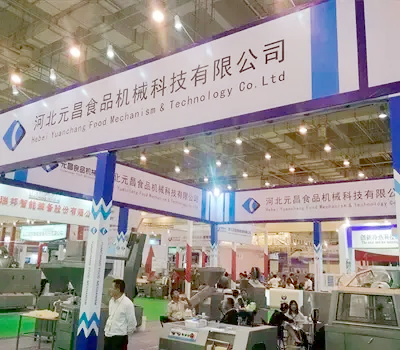
Our state-of-the-art CNC machining capabilities ensure component precision.
Integrated Quality Control
Our commitment to quality extends to every stage of production. From raw material inspection to final product testing, our quality assurance team ensures that each filter meets rigorous standards. Our traceable after-sales management system means we stand behind our products.
The growth in sectors like processed meat (imarcgroup.com predicts USD 29.8 billion by 2034) fuels demand for reliable manufacturing partners capable of producing high-tolerance components consistently. We are that partner.
Commitment to Quality: Certifications and Standards
Quality is not just a goal; it's a fundamental principle embedded in our manufacturing processes. We adhere to international standards to ensure our products meet the expectations of global clients. While specific filter certifications may vary, our manufacturing processes are guided by principles that align with industry benchmarks.


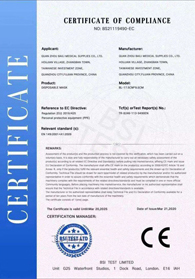
(Illustrative - Actual certifications apply to specific product lines)
Our commitment to quality management systems ensures that every product leaving our facility is manufactured under controlled conditions, with rigorous inspection and testing protocols. This dedication is crucial for industrial components where reliability directly impacts operational continuity and safety. For example, in the food processing industry, hygiene and material safety are paramount, aligning with standards such as RoHS compliance for materials used.
We continuously invest in process improvements and employee training to maintain and enhance our quality standards. This ensures that our clients, whether sourcing meat processing machinery or high-performance vacuum pump accessories, receive products that meet global expectations for durability, performance, and safety.
Client Feedback: Real-World Performance and Satisfaction
We value the feedback from our partners. Here’s what some of our clients have to say about our vacuum pump intake filters and our service.
"We were experiencing frequent oil changes on our rotary vane pumps used in our packaging line. After switching to these intake filters, the oil stays cleaner for much longer. Reduced our maintenance costs significantly."

Operations Manager, Premium Meats Inc. (USA)
"The technical support from Hebei Yuanchang was excellent. They helped us select the correct filter for our dust collection vacuum system. Delivery was prompt, and the filters perform exactly as specified. No more pump overheating."

Procurement Specialist, WoodWorks Co. (Canada)
"We needed filters that could handle a slightly corrosive environment in our chemical processing plant. The filters provided have held up remarkably well, and our vacuum levels have remained consistent. Very satisfied with the durability and filtration efficiency."

Plant Engineer, ChemTech Solutions (USA)
"As an international buyer, sourcing reliable components can be challenging. Hebei Yuanchang made the process smooth. The filters arrived on schedule and were exactly to spec. We've integrated them into our OEM product line."

Procurement Director, Global Packaging Systems (Mexico)
Frequently Asked Questions
- Q: How often should I replace my vacuum pump intake filter?
- A: Replacement frequency depends heavily on the operating environment and the type of contaminants present. In dusty environments, filters may need replacing monthly, while in cleaner settings, they might last 6-12 months. Always monitor the filter's condition and the pump's performance. Check for visible dirt buildup or an increase in vacuum pump noise or heat.
- Q: What is the difference between an intake filter and an exhaust filter?
- A: An intake filter protects the vacuum pump from external contaminants entering through the inlet. An exhaust filter (or oil mist eliminator) is fitted to the pump's outlet to capture oil vapor and fine particles before they are released into the atmosphere, ensuring clean exhaust.
- Q: Can I use a generic filter if I don't have the exact part number?
- A: While some generic filters may fit, it's crucial to match the specifications (micron rating, flow rate, connection size) to your pump's requirements. Using an incorrectly sized or rated filter can lead to poor performance, pump damage, or voided warranties. We recommend consulting your pump manual or our technical team for precise recommendations.
- Q: Do your filters come with a warranty?
- A: Yes, our products are manufactured to high-quality standards and come with a manufacturer's warranty against defects in material and workmanship. Specific warranty terms are available upon request. Our 40 years of manufacturing experience mean we stand behind our products.
- Q: What are OEM and ODM capabilities regarding intake filters?
- A: OEM (Original Equipment Manufacturer) means we can produce filters branded with your company's logo and specifications for inclusion in your equipment. ODM (Original Design Manufacturer) means we can design and manufacture a filter solution tailored to your unique requirements, even if it's a novel application. Our precision machining capabilities are key to offering these services.
Direct Conversations with Our Experts



Illustrating our commitment to responsive and knowledgeable customer support.
Ready to Enhance Your Vacuum System Performance?
Don't let inadequate filtration compromise your operations. Partner with us for reliable, high-performance vacuum pump intake filters backed by 40 years of manufacturing expertise.
Contact us directly at +86 15830991513 or ycmeatmech@gmail.com.