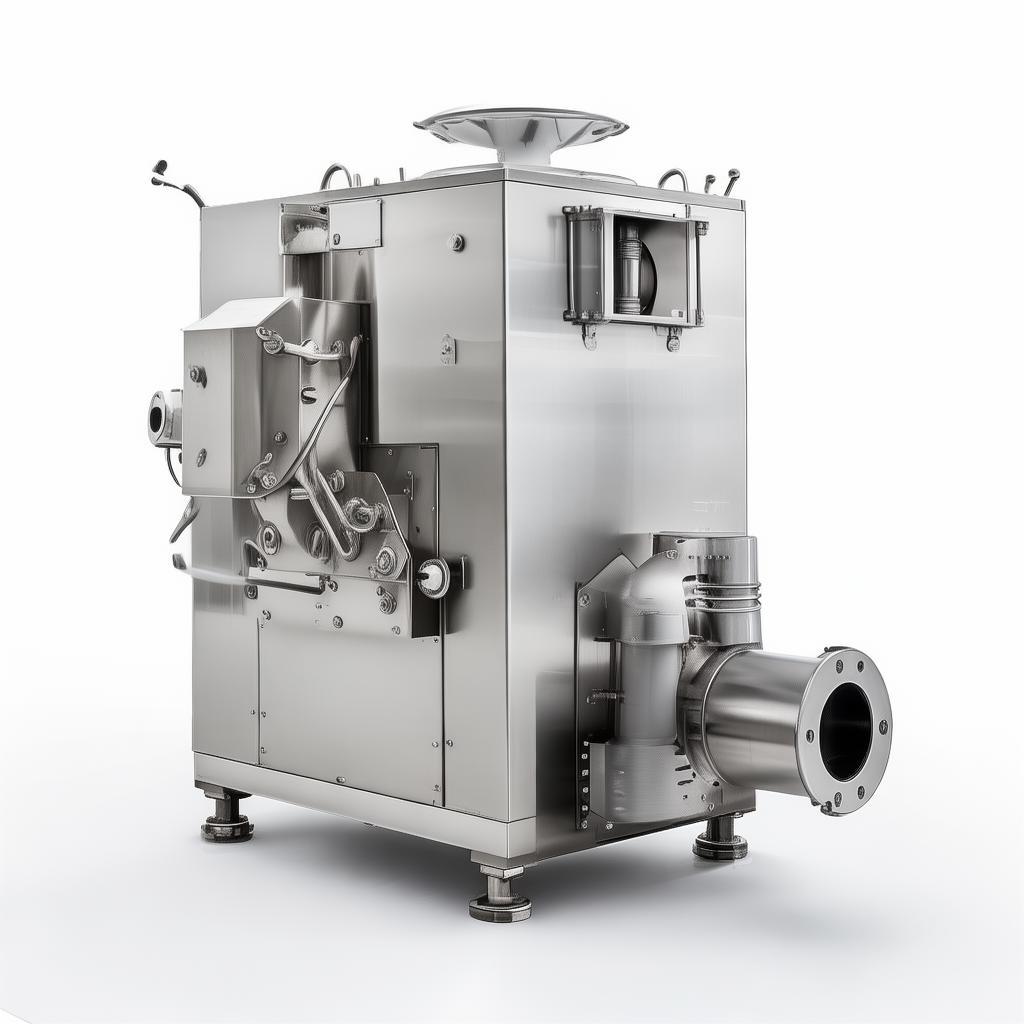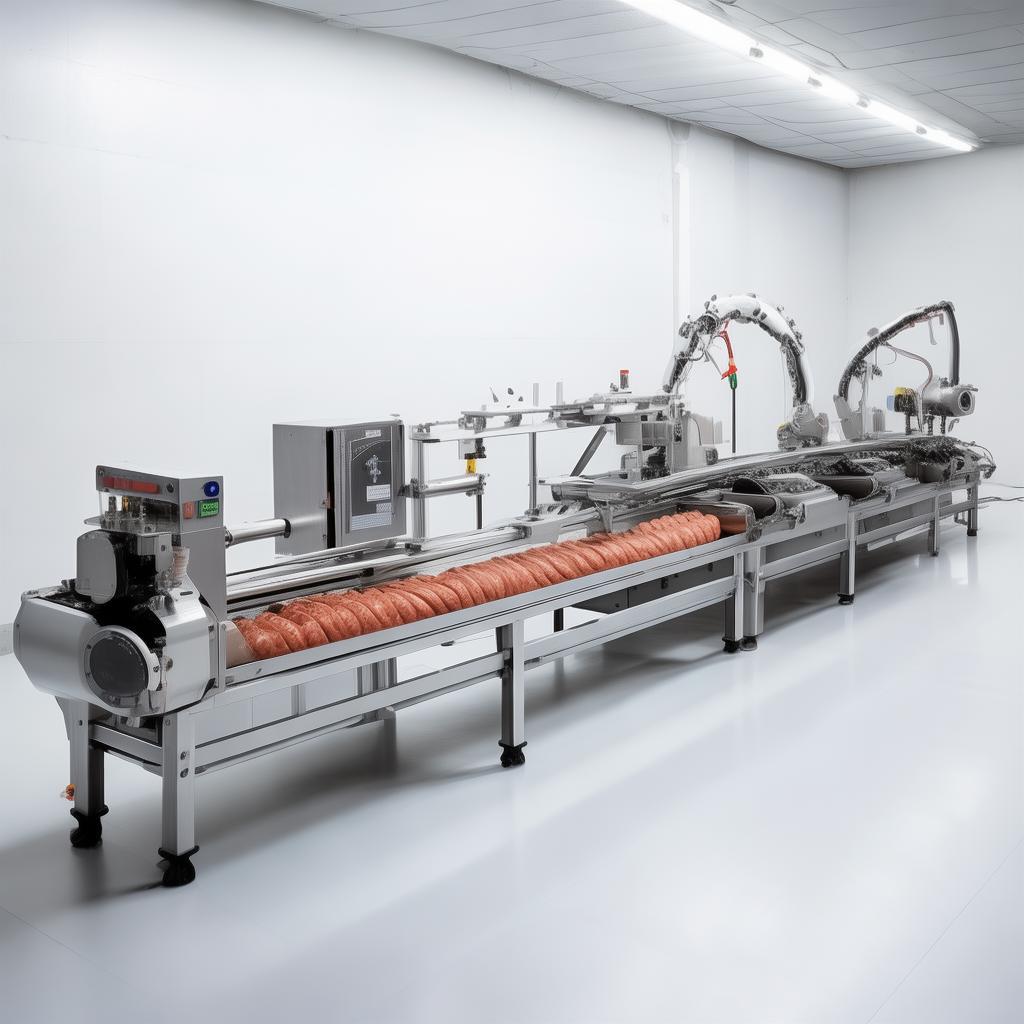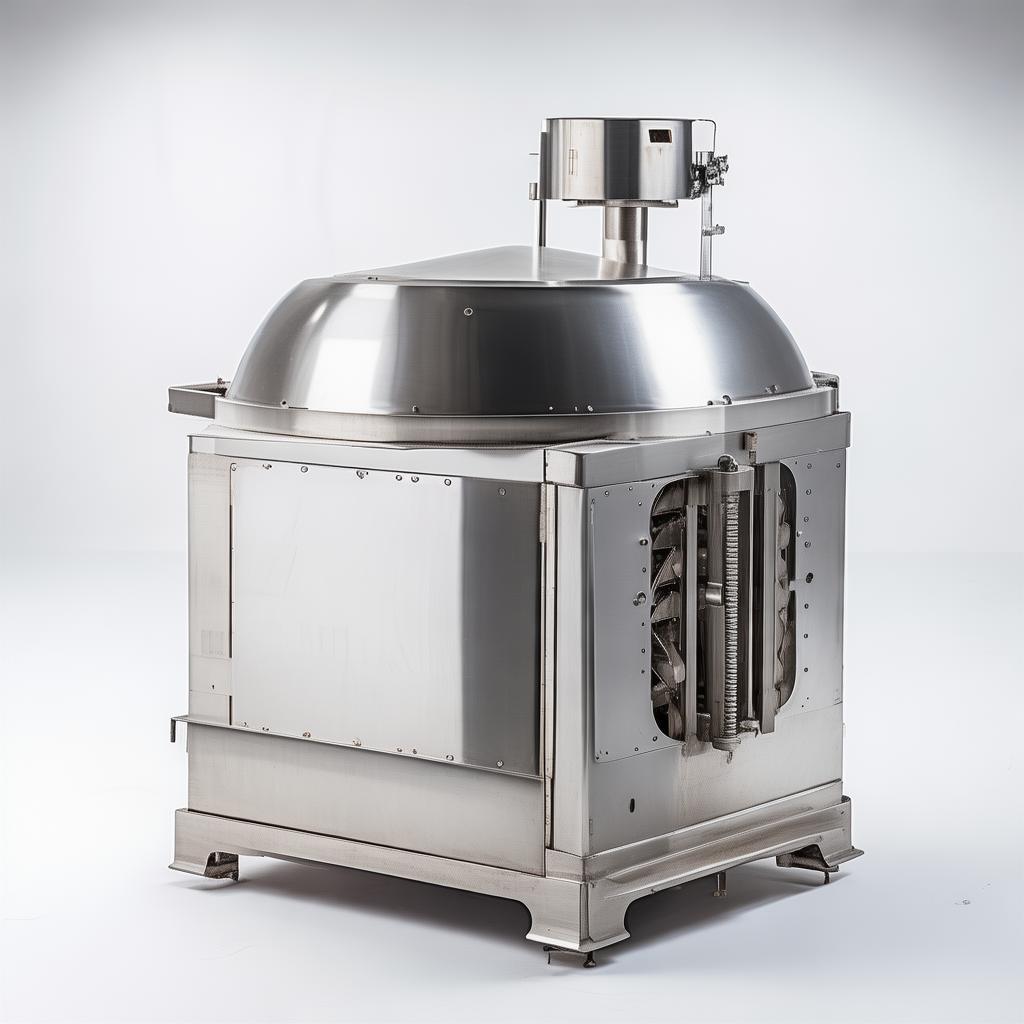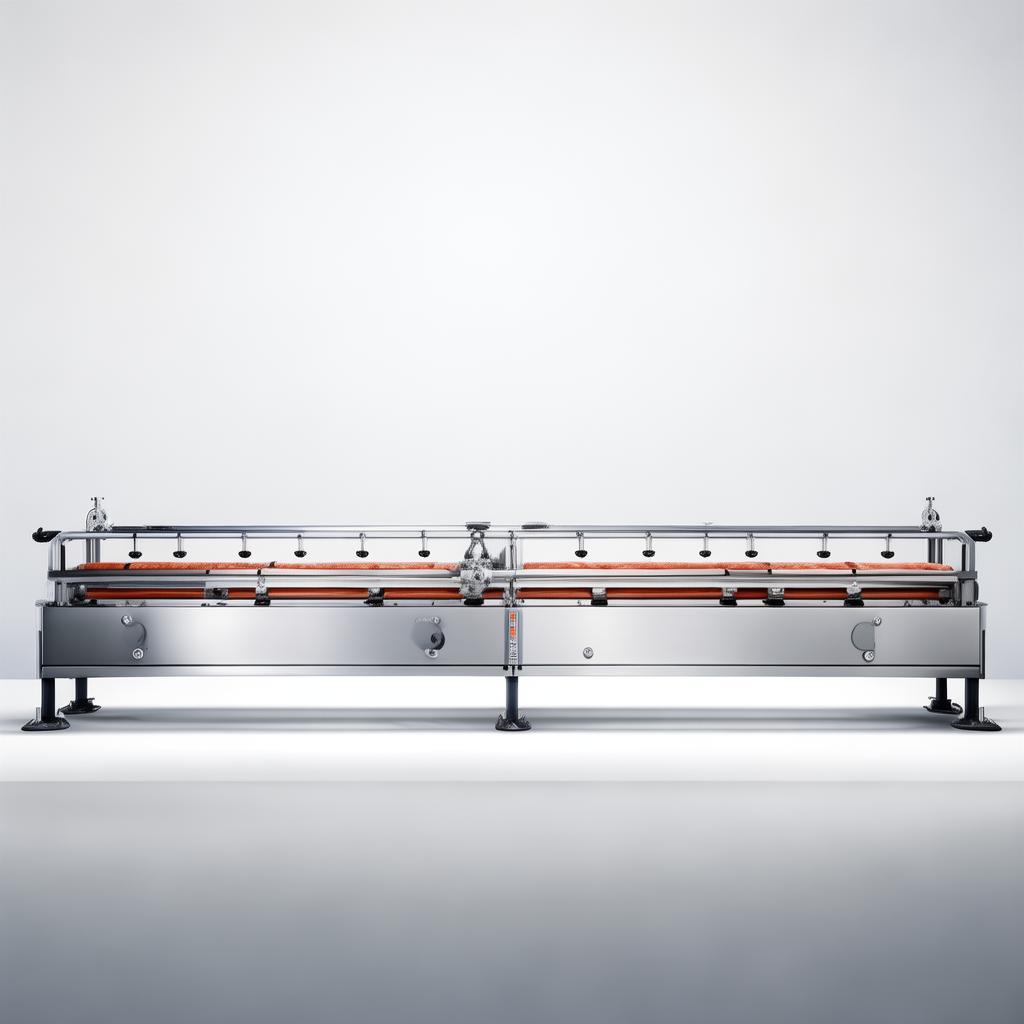
Vacuum Leakage Tester
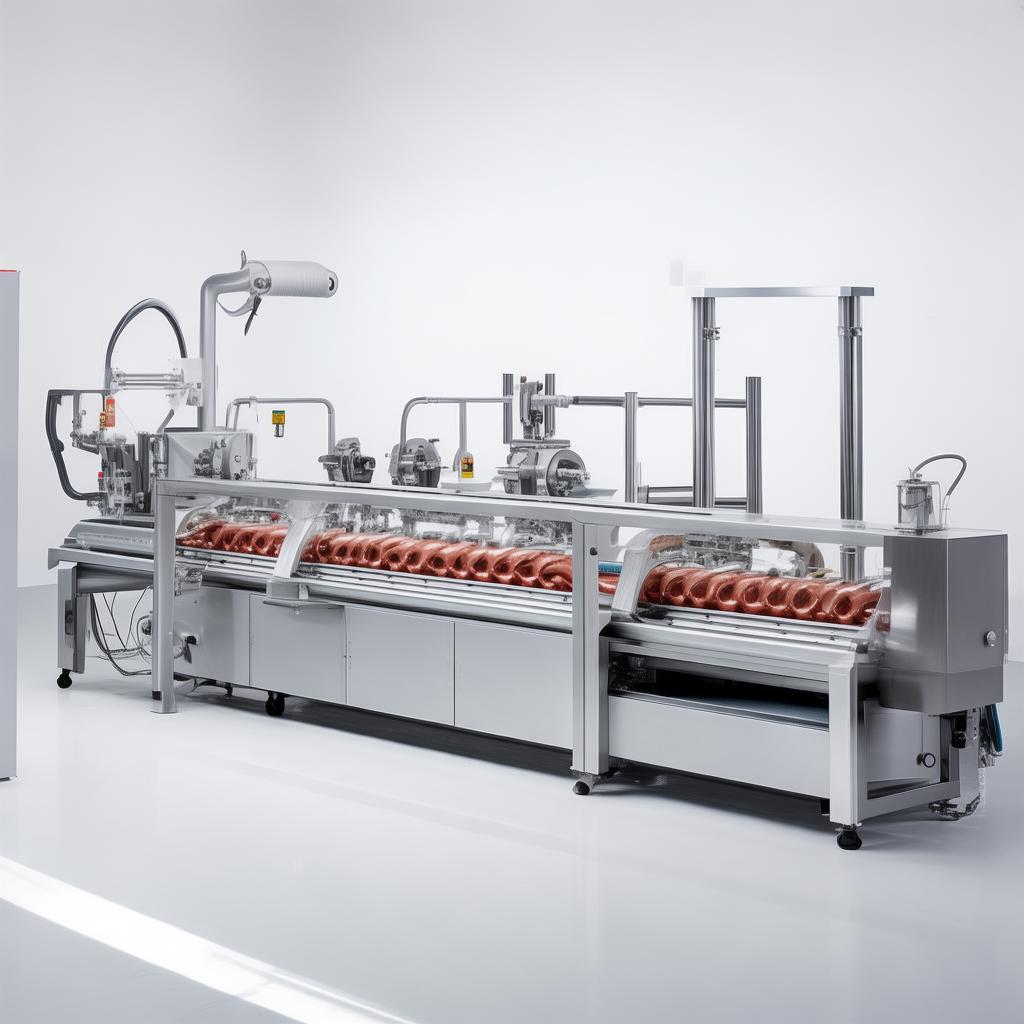
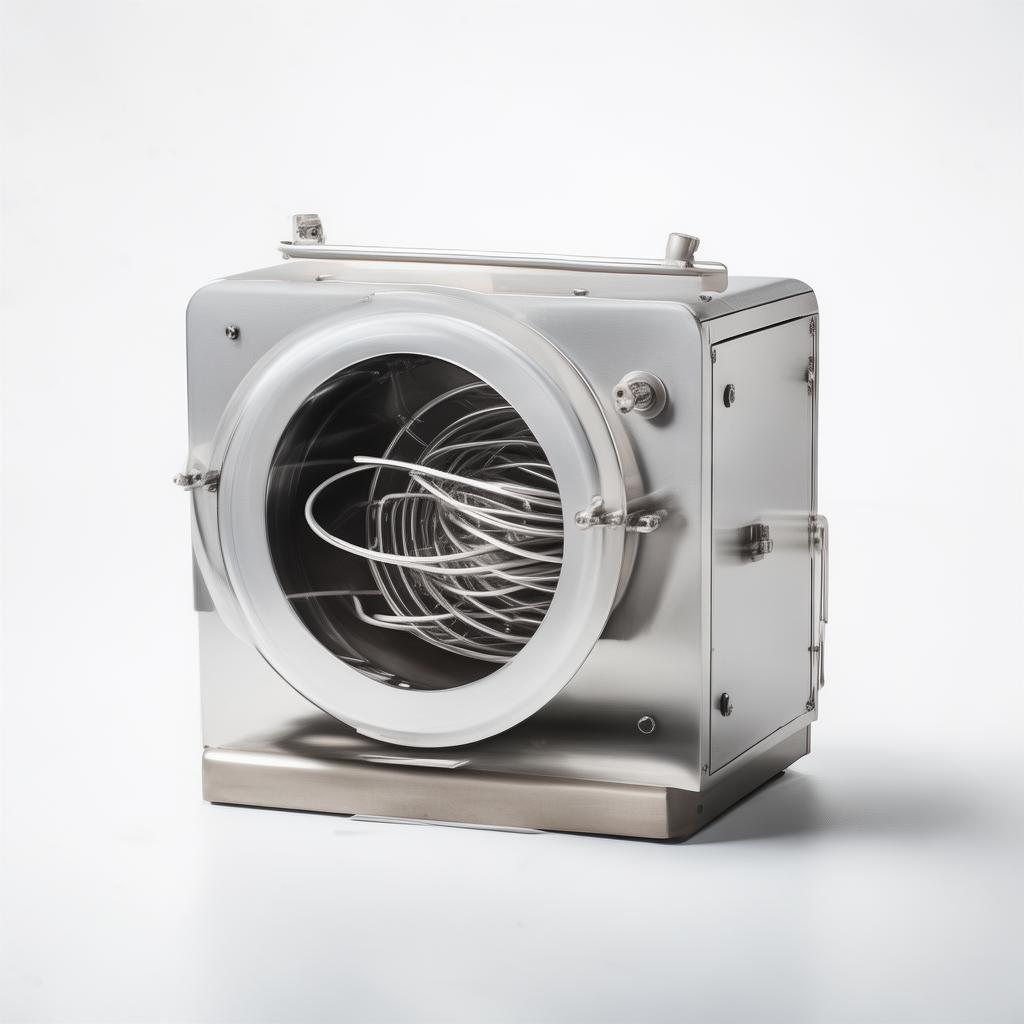
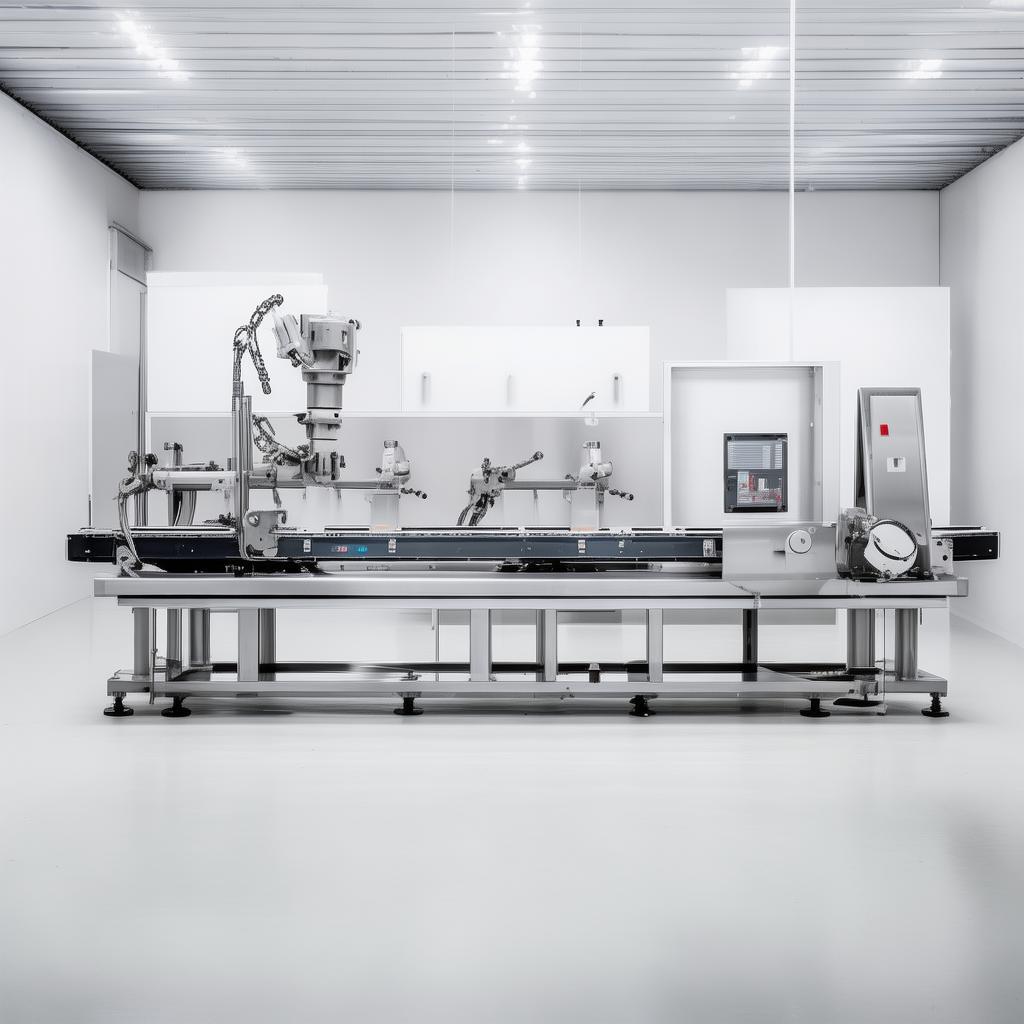
Vacuum Leakage Testers: Ensuring Product Integrity in Demanding Industrial Applications
From Food Packaging to Medical Devices, Precision Leak Detection is Non-Negotiable.
 By Johnathan Chen, Senior Export Manager at Hebei Yuanchang Food Mechanism & Technology Co., Ltd.
|
Last Updated: October 26, 2023
By Johnathan Chen, Senior Export Manager at Hebei Yuanchang Food Mechanism & Technology Co., Ltd.
|
Last Updated: October 26, 2023
Navigating the Criticality of Leak Detection in Modern Manufacturing
In today's competitive global marketplace, the integrity and reliability of manufactured goods are paramount. For a vast array of products, from sealed food packaging that guarantees freshness and safety to sophisticated medical devices requiring absolute containment, the presence of even a microscopic leak can have catastrophic consequences. This is precisely where the importance of a robust vacuum leakage tester comes into sharp focus. It's not just a piece of equipment; it's a fundamental safeguard in quality control, ensuring that products meet stringent standards, prevent costly recalls, and maintain consumer trust. We've seen firsthand across various industries how a failure in product sealing can quickly escalate from a minor inconvenience to a major crisis.
The demand for precise leak detection is driven by multiple factors. Consumers expect perfection, regulatory bodies enforce strict safety protocols, and businesses understand that brand reputation is built on consistent quality. Imagine a batch of vacuum-sealed food products where internal spoilage occurs due to external air ingress – the reputational damage and financial loss can be immense. Or consider a sterile medical packaging that fails its seal; the risk to patient safety is unacceptable. These scenarios underscore why investing in reliable vacuum leakage testing equipment is not an option, but a necessity. It’s about proactive quality assurance, minimizing risk, and ultimately, delivering a product that performs as intended, every single time.
The global meat processing equipment market, for instance, is projected to reach USD 17.39 billion by 2034, growing at a CAGR of 5.0%. Within this, the critical role of packaging integrity cannot be overstated. Our involvement in supplying machinery for meat product filling and molding, as well as ripening processes, has given us deep insights into the upstream and downstream needs of our clients. A key concern for many is ensuring their vacuum-sealed products maintain their shelf life and prevent contamination. This directly translates to a need for reliable vacuum leakage testing that can verify the integrity of their packaging operations. Similarly, the broader food processing equipment market, expected to reach USD 19.66 billion by 2033, thrives on solutions that ensure product safety and quality from processing to the final consumer. The vacuum leakage tester is a crucial link in this chain.
Furthermore, the applications extend far beyond food. In the pharmaceutical and medical device industries, where product sterility and efficacy are non-negotiable, any compromise in sealing can lead to product failure and significant health risks. The precision required here is often at a microscopic level, necessitating highly sensitive and accurate testing methods. Manufacturers of electronic components, automotive parts, and even specialized industrial materials also rely on vacuum leakage testing to confirm the hermetic sealing of their products, protecting them from environmental factors like moisture, dust, and corrosive agents. It's a versatile tool that addresses a universal need for containment and protection.
The challenge for many procurement managers and engineers is identifying the right type of vacuum leakage tester for their specific needs. Factors like the type of product, the packaging material, the required detection sensitivity, throughput demands, and budget all play a role. Understanding the underlying principles of vacuum leak detection—how pressure changes are measured, how different vacuum levels are achieved and maintained, and how external factors might influence readings—is crucial for making an informed decision. We aim to demystify this process, providing clear insights into what makes a vacuum leakage tester effective and how it can be integrated into your production workflow seamlessly.
Key Considerations for Vacuum Leakage Testers:
- Sensitivity: How small a leak can it detect?
- Speed: Can it keep up with your production line?
- Product Compatibility: Works with your specific packaging materials and shapes?
- Ease of Use: Simple operation and minimal training required?
- Integration: Can it be easily integrated with existing automation?
Understanding Vacuum Leakage Testing: The Core Principles
At its heart, a vacuum leakage tester operates by creating a controlled vacuum around a sealed product or within its packaging. The fundamental principle is that if there's a leak, the vacuum will decay over time as ambient air enters the sealed space. The tester measures this decay rate. By establishing a specific negative pressure and monitoring how long it takes for that pressure to change by a predefined threshold, we can infer the presence and severity of a leak.
There are a few primary methodologies employed:
- Vacuum Decay Testing: This is the most common method. The product is placed in a test chamber, and a vacuum is drawn. The chamber is then isolated, and the system monitors the pressure. A rapid pressure rise indicates a leak. This is straightforward and effective for many applications.
- Pressure Rise Testing: Similar to vacuum decay, but it might involve pressurizing the product internally and then monitoring for a pressure drop. For vacuum packaging, vacuum decay is the direct measure.
- High-Sensitivity Helium Leak Detection: For extremely critical applications, such as advanced electronics or specialized aerospace components, a tracer gas like helium might be used. The product is placed in a vacuum chamber, and helium is introduced around it. Highly sensitive mass spectrometers then detect even minute amounts of helium that have permeated through a leak. This is typically more complex and expensive but offers unparalleled sensitivity.
The type of product, its packaging material (e.g., flexible films, rigid containers, blister packs), and the target leak rate will dictate which method and which specific tester are most appropriate. For many food applications, like those involving our meat processing equipment, vacuum decay testing is the workhorse, providing a balance of sensitivity, speed, and cost-effectiveness. We often see clients needing to test the integrity of vacuum-sealed bags for sausages or pre-portioned meat products. Verifying these seals is crucial for extending shelf life and preventing oxidation.
When selecting a tester, consider the vacuum level it can achieve and maintain. A tester capable of reaching deeper vacuum levels can often detect smaller leaks more readily. The resolution of its pressure sensor is also critical – a higher resolution means it can differentiate between very small pressure changes. From an operational standpoint, the cycle time is vital. If your production line runs at 60 units per minute, your leak tester needs to complete its test cycle significantly faster than that to avoid becoming a bottleneck.
Hebei Yuanchang's Vacuum Leakage Testers: Engineered for Reliability
At Hebei Yuanchang, while our primary focus is on high-quality meat processing machinery, we understand the critical ancillary equipment our clients require to ensure their final products are perfect. Our range of vacuum leakage testers is designed with the practical needs of industrial manufacturers in mind, drawing on our 40 years of experience since 1986. We know that equipment needs to be robust, accurate, and easy to integrate into a production workflow.
Our testers leverage advanced vacuum decay technology to provide rapid and reliable detection of leaks in a variety of packaging formats. We engineer them to be:
- Accurate: Utilizing high-precision sensors and sophisticated control algorithms, our testers deliver consistent and repeatable results, minimizing false positives and negatives. This is crucial when dealing with products where even minor defects can lead to rejection.
- Fast: Designed for high-throughput production lines, our testers can complete a full cycle in seconds, ensuring they don't impede your overall output. This efficiency is a direct benefit for operations focused on volume.
- Versatile: Whether you're packaging food products, pharmaceuticals, or other sensitive goods, our testers can be configured to handle a wide range of package sizes, shapes, and materials. We offer customizable chamber sizes to fit specific product lines.
- Durable: Built with industrial-grade components and a robust chassis, our machines are designed for continuous operation in demanding factory environments. We understand that downtime is costly, so reliability is built-in.
- User-Friendly: With intuitive interfaces and straightforward operation, our testers require minimal training, allowing your team to integrate them into production quickly and efficiently.
Our in-house machining workshop, equipped with over 20 sets of processing machinery and advanced Japanese Mazak CNC machining centers, allows us to produce high-precision components in-house. This means we have complete control over the quality of critical parts within our vacuum leakage testers, ensuring superior performance and longevity. This capability is a significant advantage when you consider the need for precise vacuum generation and measurement.
The global meat processing equipment market is valued at over USD 11 billion and is set for steady growth. As automation increases and quality standards tighten, the demand for reliable auxiliary equipment like vacuum leakage testers will only escalate. We are proud to offer solutions that directly support the integrity of the products manufactured by our sophisticated filling and molding machines.
Why Choose Yuanchang for Your Leak Detection Needs?
- 40 Years of Manufacturing Experience: Our deep roots in industrial machinery provide a foundation of quality and reliability.
- In-House Precision Machining: Guarantees the quality and accuracy of critical components.
- Traceable After-Sales Management: Ensures you receive ongoing support and readily available spare parts.
- Commitment to Quality: We adhere to stringent quality control processes throughout manufacturing.
Applications Across Diverse Industries
The versatility of vacuum leakage testers makes them indispensable across a broad spectrum of manufacturing sectors. At Hebei Yuanchang, we primarily serve industries that benefit from robust packaging solutions, but the fundamental technology has wider reach.
Food and Beverage Packaging:
This is a cornerstone application. Vacuum-sealed food products, including meats, cheeses, snacks, and ready-to-eat meals, rely heavily on intact packaging to prevent spoilage, extend shelf life, and maintain food safety. Detecting leaks early prevents product recalls and protects brand reputation. For instance, ensuring that vacuum-packed sausages maintain their vacuum throughout the supply chain is critical for consumer satisfaction. The market for processed meat is projected to reach USD 1.33 trillion by 2035, underscoring the immense volume of products requiring reliable packaging verification.
Pharmaceuticals and Medical Devices:
For sterile packaging of pharmaceuticals, surgical instruments, and diagnostic kits, leak detection is a matter of patient safety. A compromised seal can lead to contamination, rendering the product ineffective or even harmful. The precision required here is often very high, with stringent regulatory compliance (e.g., FDA standards) being paramount. Testers must reliably detect leaks that could allow microbial ingress.
Electronics and Semiconductor Manufacturing:
Sensitive electronic components, integrated circuits, and other sensitive materials are often packaged in sealed environments to protect them from moisture, dust, and static discharge. Vacuum leakage testers ensure that these protective enclosures maintain their integrity, safeguarding the delicate components from environmental damage during storage and transit.
Automotive and Aerospace Components:
Critical automotive parts (like sensors, control units) and aerospace components often require hermetic sealing to prevent ingress of fluids, lubricants, or contaminants that could lead to premature failure. Vacuum testing is a reliable method to verify the seal integrity of these high-value, safety-critical parts.
Industrial Packaging:
Beyond consumer goods, many industrial products require sealed packaging to protect them from harsh environments during shipping and storage. This can include chemicals, specialized powders, or sensitive materials where leakage could pose safety hazards or product degradation.
Technical Specifications at a Glance
To help you evaluate suitability, here are typical specifications you can expect from our industrial-grade vacuum leakage testers. Please note that specific models may vary, and we encourage you to contact us for detailed data sheets.
| Feature | Specification | Notes |
|---|---|---|
| Testing Method | Vacuum Decay / Pressure Rise | Standard industry approach for packaged goods. |
| Vacuum Range | -20 kPa to -95 kPa (Adjustable) | Can be customized based on application requirements. |
| Measurement Accuracy | ±0.5% FS (Full Scale) | Ensures reliable detection. |
| Test Cycle Time | 2 - 10 seconds per cycle | Optimized for high-speed production lines. |
| Pressure Sensor Resolution | 0.1 Pa | High sensitivity for detecting small leaks. |
| Chamber Size (Internal) | Customizable (e.g., 300x200x150 mm) | Designed to accommodate various package dimensions. |
| Materials of Construction | Stainless Steel Chamber, Industrial Grade Components | Ensures durability and hygiene. |
| Power Requirements | 220V/50Hz (or as specified) | Standard industrial power. |
| Interface | HMI Touchscreen Control | Easy setup, operation, and data logging. |
vacuum chamber leak tester vacuum chamber leak test vacuum package leak tester
Installation, Operation & Maintenance: Practical Insights
Integrating a vacuum leakage tester into your operations is usually quite straightforward, but a few practical considerations can make the process smoother and ensure optimal performance over time.
Installation:
Most of our testers are designed as standalone units that can be placed on a workbench or integrated into an existing conveyor system. Ensure a stable, level surface. You’ll need a reliable power source and, depending on the model, potentially a compressed air line for pneumatic controls. Proper ventilation around the unit is also recommended to prevent overheating. For automated lines, integration might involve sensor inputs and outputs to communicate with PLC systems, which our engineers can assist with. Lead times for specialized integration can vary, so planning ahead is key.
Operation:
Operation is typically menu-driven via a touchscreen interface. Key parameters to set include the target vacuum level, the acceptable decay rate (or leak threshold), and the test duration. Once set, the operator simply places the product into the test chamber, closes the lid (or the machine cycles automatically), and initiates the test. The machine performs the vacuum pull, holds, and measures the decay, providing a clear pass/fail indication. Training is usually minimal; most operators can be proficient within an hour.
Maintenance:
Routine maintenance is minimal but important for long-term accuracy. This typically involves:
- Regular Cleaning: Keep the test chamber free of product residue or debris that could affect the seal or sensor readings. A simple wipe-down with a damp cloth (using mild detergent if necessary) is usually sufficient.
- Seal Inspection: Periodically check the integrity of the chamber seal. A worn or damaged seal can cause false readings or prevent proper vacuum. These seals are replaceable parts and usually readily available.
- Calibration: While our testers are designed for stability, we recommend periodic calibration (typically annually) by a qualified technician to ensure continued accuracy. We offer calibration services or can provide guidelines for in-house verification using certified calibration equipment.
Procurement and Supplier Selection: What to Look For
When sourcing a vacuum leakage tester, especially for international procurement, consider these factors to ensure you're partnering with a reliable supplier and getting the right equipment:
- Technical Expertise: Does the supplier understand your application? Can they offer guidance on selecting the appropriate sensitivity and test parameters? At Hebei Yuanchang, our engineers have decades of collective experience.
- Manufacturing Capabilities: A supplier with strong in-house manufacturing, like our facility with advanced CNC machining, has better control over quality and customization.
- Certifications and Compliance: While vacuum testers themselves might not always have specific certifications like CE for export to certain regions, the manufacturing facility and quality management systems (e.g., ISO standards) are important indicators.
- After-Sales Support: What is their policy on spare parts, technical assistance, and warranty? A traceable after-sales management system, like ours, provides peace of mind.
- Customization Options: Can they adapt the tester to your unique packaging or production line? Our ability to produce non-standard specifications is a key differentiator.
- Reputation and Track Record: Look for testimonials, case studies, and how long they've been in business. With 40 years of experience, Hebei Yuanchang has a proven history.
When comparing quotes, ensure you are comparing apples to apples. Understand the exact specifications, included features, warranty, and shipping terms. Don't underestimate the value of clear communication and responsiveness from a supplier, particularly when dealing across borders. We pride ourselves on transparent communication and providing detailed information to our international clients.
Why Trust Hebei Yuanchang for Your Industrial Equipment?
For nearly four decades, Hebei Yuanchang Food Mechanism & Technology Co., Ltd. has been a cornerstone in industrial manufacturing, evolving from basic machinery to sophisticated, high-precision equipment. Our 14,000 square meter facility, staffed by 80-100 dedicated professionals, integrates R&D, production, and sales, focusing heavily on meat processing equipment but understanding the critical needs for related systems like packaging integrity verification.
Our investment in advanced manufacturing technology, including over 20 sets of traditional machinery and 8 Japanese Mazak CNC machining centers (introduced in 2012), empowers us to produce components of exceptional precision and quality. This capability extends to critical parts for our vacuum leakage testers, ensuring they meet the demanding standards of global industries. Our commitment to quality assurance is unwavering, backed by a traceable after-sales management system that provides our clients with long-term support and reliability. We don't just sell machines; we build lasting partnerships grounded in trust and performance.

Our state-of-the-art manufacturing facility in Shijiazhuang, Hebei Province.
Customer Voices: Real-World Experiences

"We integrated the Yuanchang vacuum leakage tester on our high-speed sausage line about six months ago. The difference in our QA process is night and day. We've caught minor seal issues that used to slip through, preventing potential product returns. It's fast, reliable, and the support from their team was excellent during setup."
- Mark Jenkins, Operations Manager, Premium Meats Co. (USA)
"As an importer of specialized food products, packaging integrity is my top priority. The Yuanchang vacuum tester gives us the confidence that the products we receive from our suppliers meet international standards. It's a crucial piece of equipment for our incoming quality control. We appreciate the clear pass/fail indicators and the robust build."
- Sarah Chen, Procurement Specialist, Global Foods Import (Canada)
"We needed a reliable leak detection solution for our medical device packaging. Yuanchang's team understood our requirements for high sensitivity and consistency. The unit they provided has performed flawlessly, integrating well with our existing packaging machinery. The after-sales support has been responsive and professional."
- Dr. Anya Sharma, R&D Engineer, MedTech Innovations (UK)Frequently Asked Questions (FAQ)
Q1: What is the typical lifespan of a vacuum leakage tester?
With proper maintenance, our industrial-grade vacuum leakage testers are designed to last many years, often 10-15 years or more. Key components like vacuum pumps and sensors have long service lives when operated within specifications and subjected to regular cleaning and checks.
Q2: Can your vacuum leakage testers detect extremely small leaks, like those in pharmaceutical packaging?
Yes, our testers offer high sensitivity with precise pressure sensors capable of detecting fine leaks. For ultra-critical applications requiring the absolute highest sensitivity, we can discuss specialized configurations or alternative testing methods. The sensor resolution of 0.1 Pa is a strong indicator of this capability.
Q3: How do I choose the right vacuum level for my product?
The optimal vacuum level depends on the product, packaging material, and the desired shelf life or protection. Generally, a deeper vacuum provides a greater differential pressure, making leaks easier to detect. Our technical team can advise on suitable vacuum ranges based on your specific application and packaging type. For food products, it’s often about achieving a sufficient pull without collapsing delicate packaging.
Q4: What about the cost of these testers?
Pricing varies based on features, chamber size, and automation level. However, considering the cost of product recalls, waste, and damaged reputation, a reliable vacuum leakage tester represents a significant return on investment. We recommend requesting a personalized quote for accurate pricing tailored to your needs. We aim for commercially realistic pricing that reflects the value and longevity of our equipment.
Q5: Can these testers be integrated with our existing packaging lines?
Absolutely. Our testers are designed with integration in mind. They can be equipped with I/O ports for communication with PLCs, enabling automated feeding and rejection systems. We offer customized solutions to ensure seamless integration into your production flow.
Ready to Ensure Uncompromised Product Integrity?
Don't let packaging leaks compromise your product quality, brand reputation, or customer safety. Discover how Hebei Yuanchang's robust and accurate vacuum leakage testers can be a critical component of your quality control process.
Contact us today to discuss your specific leak detection challenges.