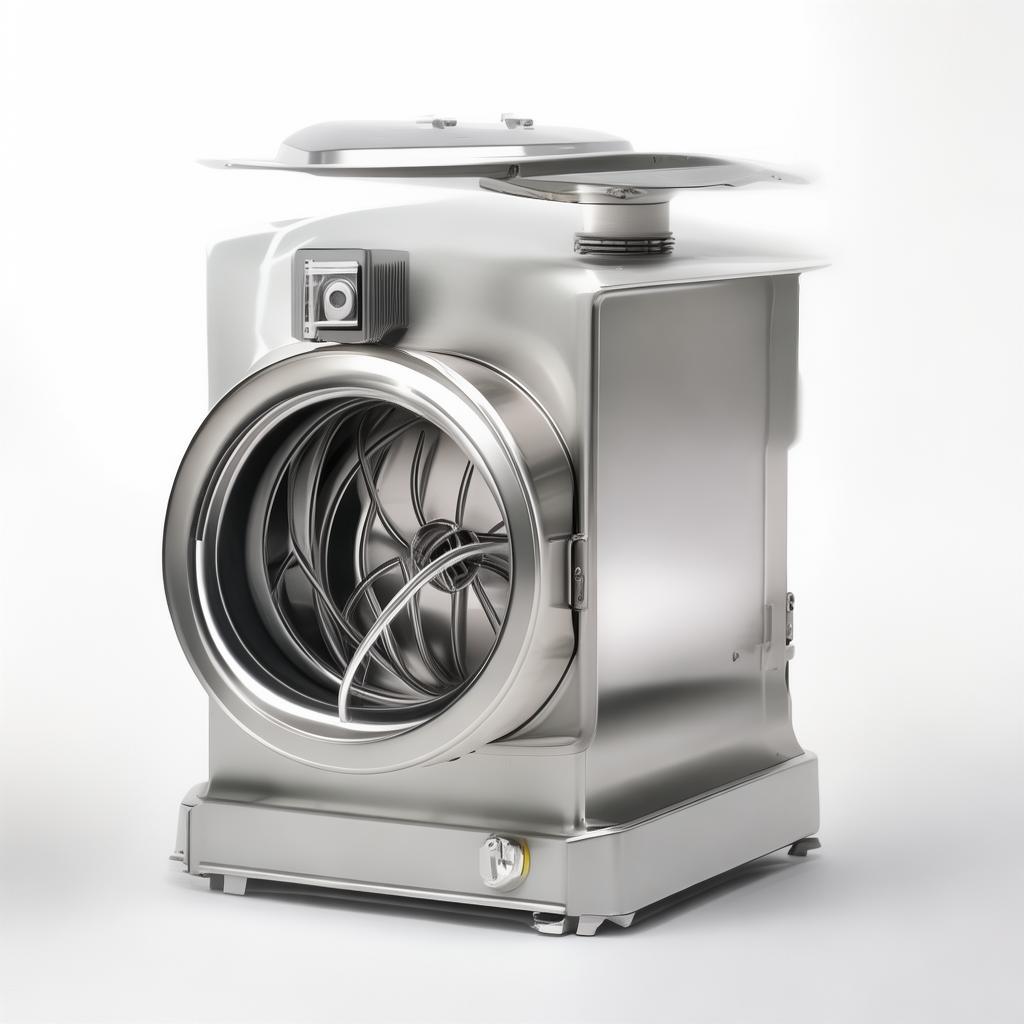
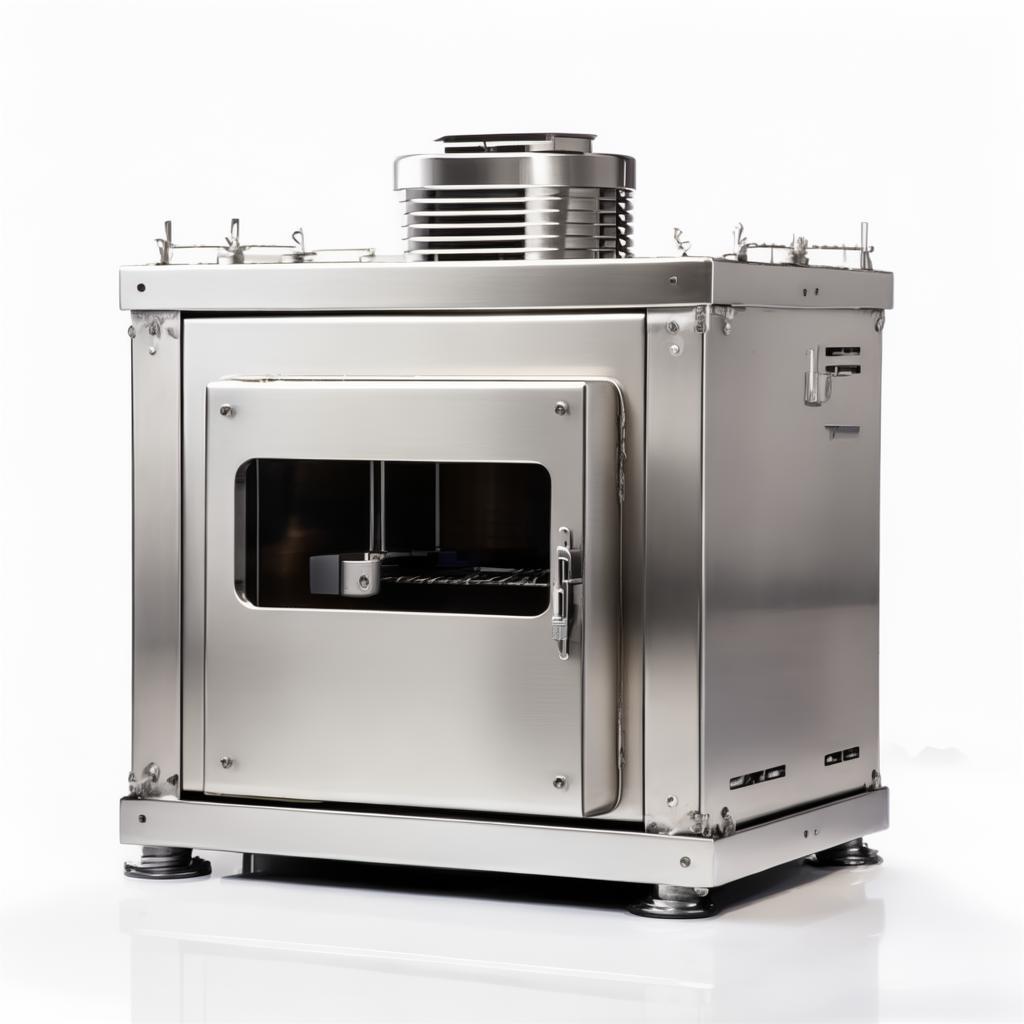
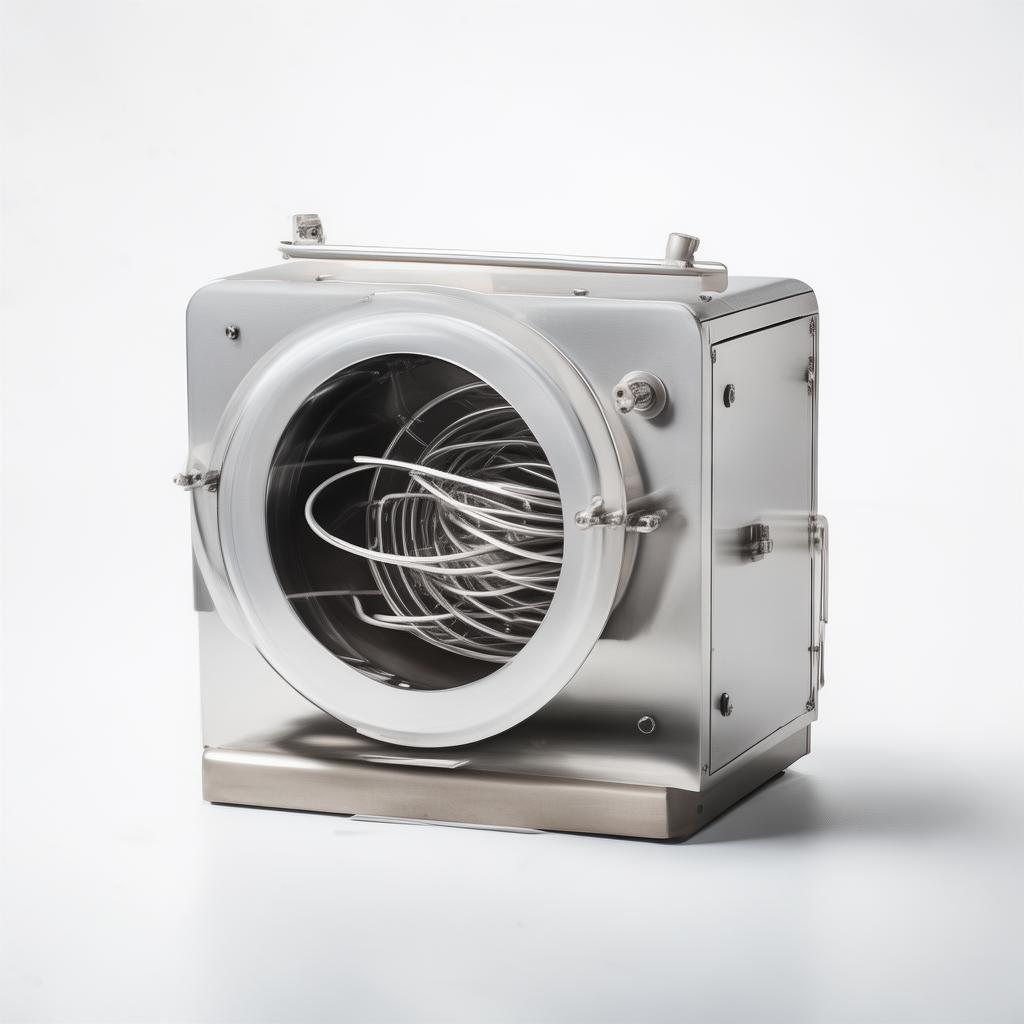
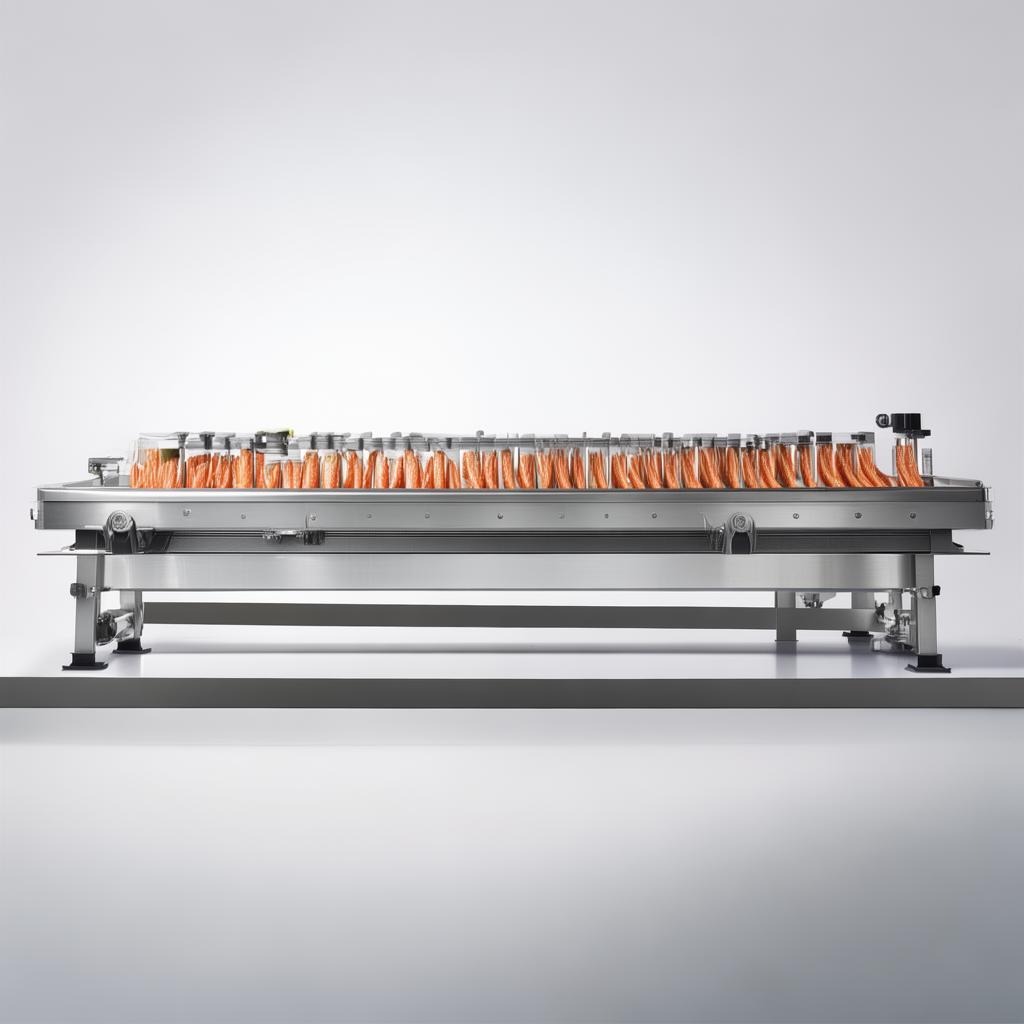
Vacuum Chamber Seal Integrity Tester
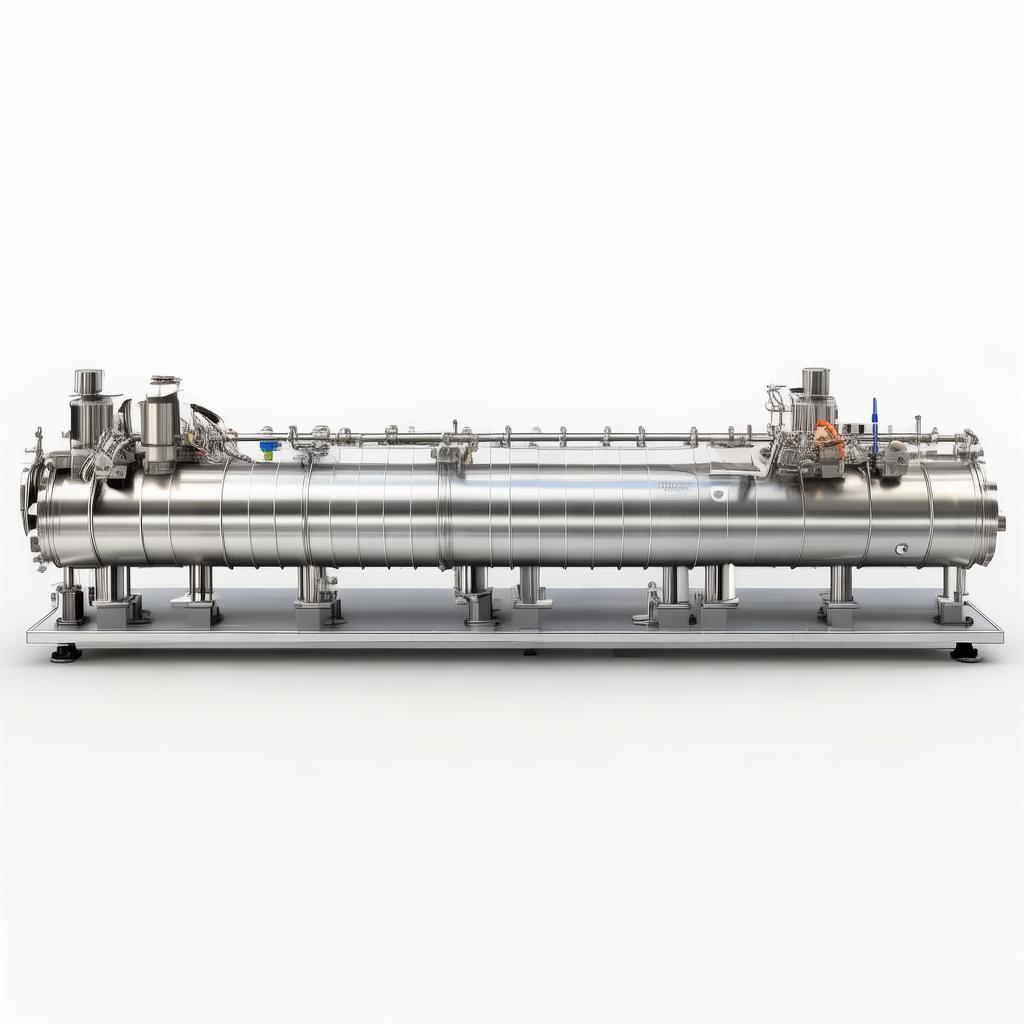
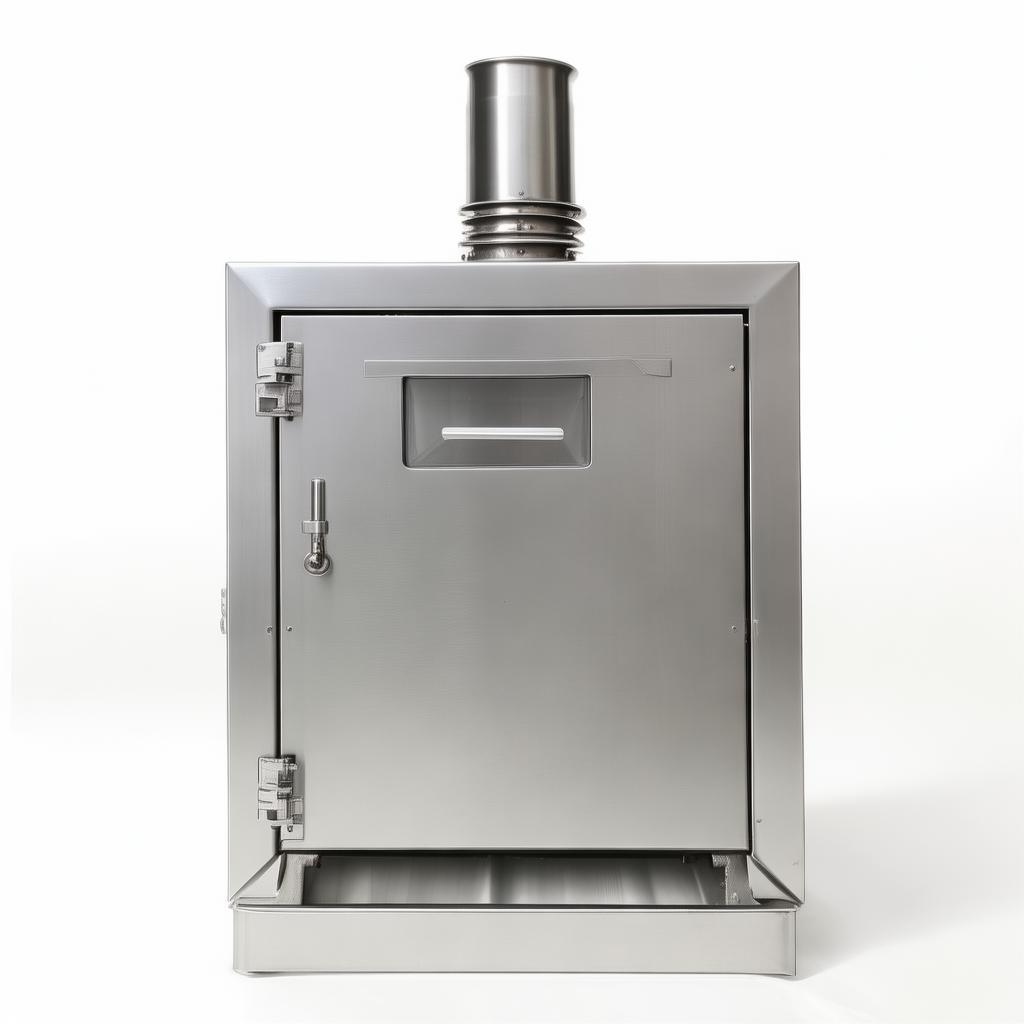
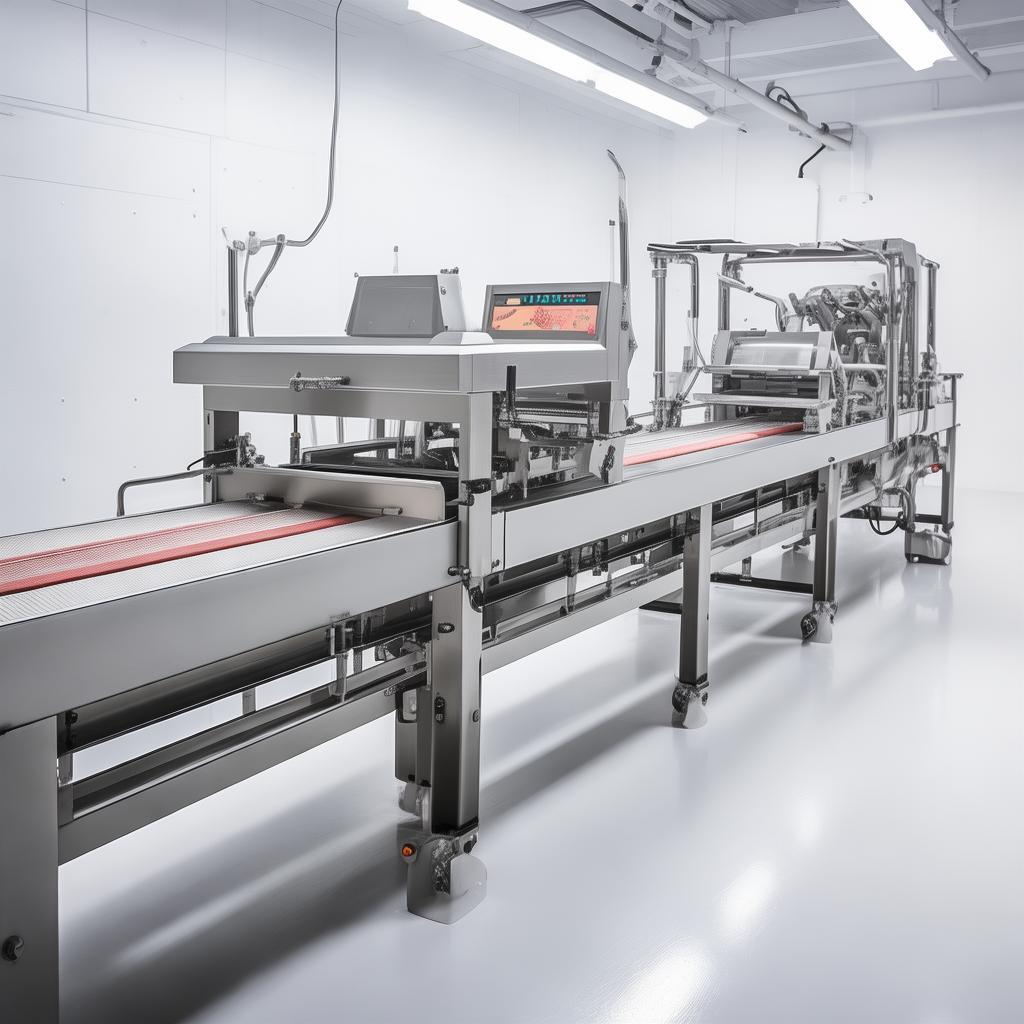
Vacuum Chamber Seal Integrity Testers: Ensuring Product Quality and Shelf-Life Through Advanced Leak Detection
Precision, Reliability, and Compliance in Packaging Validation

Senior Export Manager & Packaging Solutions Specialist
The Critical Need for Seal Integrity in Modern Packaging
In today's competitive global market, the integrity of your product's packaging is not just a matter of presentation; it's a fundamental pillar of quality assurance, regulatory compliance, and consumer trust. For businesses operating within industries where product safety, shelf-life extension, and contamination prevention are paramount – think pharmaceuticals, sensitive electronics, medical devices, and high-value food products – the slightest compromise in packaging seal integrity can lead to catastrophic consequences. Micro-leaks, often invisible to the naked eye, can allow ingress of moisture, oxygen, or microbial contaminants, degrading product quality, reducing efficacy, and ultimately leading to costly recalls, reputational damage, and lost business. This is precisely where a robust vacuum chamber seal integrity tester becomes an indispensable tool for manufacturers and quality control professionals worldwide.
The challenges are multi-faceted. Manufacturers face increasing pressure to optimize production speeds while maintaining stringent quality standards. The complexity of modern packaging materials, including multi-layer films, specialized laminates, and rigid containers, means that seal integrity testing cannot be a one-size-fits-all approach. Furthermore, the global nature of supply chains necessitates that packaging solutions can withstand diverse environmental conditions during transit, from humid tropical climates to arid desert regions. Ensuring that seals remain intact throughout this journey requires a proactive and precise method of detection and validation. This is where the sophistication of leak detection systems, specifically those employing vacuum decay or positive pressure methods within a controlled chamber, truly shines.
Consider the implications for a pharmaceutical company packaging sterile medical implants. A compromised seal could introduce bacteria, leading to post-operative infections – a scenario that is not only medically disastrous but also carries immense legal and financial liabilities. Similarly, for an electronics manufacturer safeguarding sensitive components from moisture and electrostatic discharge, a pinhole leak in a protective bag can render an entire batch of high-value products useless before they even reach the end-user. Even in the food industry, while the stakes might not always be as immediately life-threatening, the economic impact of reduced shelf-life, spoilage, and customer dissatisfaction due to packaging failures is substantial. The global processed meat market, for instance, is projected to reach USD 1,330.45 billion by 2035, highlighting the massive economic reliance on packaging to maintain product freshness and safety.
This is why investing in a reliable leak detection system for packaging is not an optional expenditure, but a strategic imperative. It's about building confidence in your product, ensuring compliance with international standards, and protecting your brand's reputation. The right testing equipment provides tangible proof of packaging performance, empowering you to identify and rectify issues early in the production cycle, before they escalate into major problems. Our focus here is on vacuum chamber testers, a proven technology that offers a highly effective and increasingly popular solution for verifying seal integrity across a wide spectrum of packaging formats.
Understanding the Technology: How Vacuum Chamber Seal Testers Work
At its core, a vacuum chamber seal integrity tester operates on the principle of detecting pressure changes within a sealed environment. The most common methods employed are the vacuum decay test (also known as pressure drop test) and, less commonly in this specific configuration, a positive pressure test. For vacuum chamber systems, the decay method is standard:
- Chamber Setup: A product or package is placed inside a sealed test chamber.
- Evacuation: The chamber is then rapidly evacuated to a specific negative pressure (a vacuum) using an integrated pump.
- Isolation: Once the target vacuum level is reached, the pump is isolated, and the chamber is sealed off from the external environment.
- Monitoring: The system meticulously monitors the internal pressure of the chamber over a defined test period.
- Leak Detection: If the packaging has any leaks, even microscopic ones, the external atmospheric pressure will exert force, causing the internal vacuum within the chamber to decrease (i.e., the pressure will rise). This rise in pressure is precisely what the tester detects.
- Pass/Fail: Based on a pre-set threshold – the maximum allowable pressure rise within the test duration – the system automatically determines if the package seal has passed or failed the integrity test.
This method is highly effective because it amplifies even the smallest leak. A tiny hole that might be undetectable through visual inspection or simple manipulation will inevitably allow air to enter the chamber, causing a measurable pressure differential. The precision of modern instruments, often equipped with highly sensitive pressure transducers and sophisticated control algorithms, allows for the detection of leaks measuring in the single-digit microns.
The beauty of the vacuum chamber approach lies in its versatility and non-destructive nature. It can be applied to a vast array of packaging types:
| Packaging Type | Typical Application | Why Vacuum Testing is Ideal |
|---|---|---|
| Flexible Pouches & Bags | Snacks, coffee, pet food, medical devices, pharmaceuticals | Detects leaks in complex laminates and heat seals. Excellent for volumetric detection. |
| Blister Packs | Pharmaceuticals, electronics, consumer goods | Verifies integrity of the seal between the plastic blister and the backing material (foil, card). |
| Rigid Containers & Trays | Ready meals, dairy products, pharmaceuticals | Tests seals on trays with lidding films or seal integrity of screw caps/closures. |
| Vials and Ampoules | Pharmaceuticals, laboratory samples | Crucial for sterile packaging, ensuring no microbial ingress. |
The ability to test without damaging the packaging is a significant advantage, allowing for 100% inspection of production runs or thorough sampling without discarding valuable product. Furthermore, sophisticated systems can be calibrated to accommodate varying package volumes and materials, offering a level of adaptability crucial for diverse manufacturing environments.
Operational Insight: When selecting a vacuum chamber tester, consider the required throughput. Benchtop models are excellent for lab use or smaller-scale operations, while larger, automated systems are designed for integration into high-speed production lines, offering rapid cycle times and minimal operator intervention. The specific vacuum levels and test durations will be dictated by the packaging material, product type, and relevant industry standards (e.g., ASTM standards for packaging testing).
Key Advantages of Implementing a Vacuum Chamber Seal Integrity Tester
Integrating a vacuum chamber leak detection system into your quality control workflow offers a cascade of benefits that directly impact your bottom line and operational efficiency. It's about proactive risk management and ensuring that every package leaving your facility meets the highest standards.
Enhanced Product Protection & Shelf-Life
By reliably identifying and eliminating packages with compromised seals, you prevent the ingress of atmospheric contaminants like oxygen and moisture. This directly translates to extended product shelf-life, reduced spoilage rates, and maintained product efficacy, especially critical for sensitive items like pharmaceuticals and fine chemicals.
Regulatory Compliance & Standards Adherence
Many industries, particularly pharmaceuticals (e.g., FDA regulations) and medical devices, mandate strict seal integrity testing. Employing a validated packaging leak tester ensures your operations meet stringent regulatory requirements, avoiding potential fines, sanctions, and market access restrictions. Standards like ASTM F2338 outline methodologies for leak testing packaging.
Reduced Product Recalls & Waste
Proactive leak detection at the source significantly minimizes the risk of product recalls due to packaging failures. This saves immense costs associated with product retrieval, disposal, reprocessing, and the associated reputational damage. It also reduces material waste by identifying faulty seal parameters early.
Cost Savings & ROI
While an initial investment, the return on investment (ROI) is substantial. Beyond preventing recall costs, improved quality control leads to fewer customer complaints, reduced product replacement, and more efficient use of packaging materials. The vacuum leak detection system pays for itself by safeguarding product value and brand integrity.
Versatility Across Packaging Types
Modern vacuum chamber testers are designed to accommodate a wide range of packaging materials and formats, from flexible pouches and trays to rigid containers and bottles. This adaptability makes them a valuable asset for manufacturers with diverse product lines.
Non-Destructive Testing
Unlike some older methods, vacuum chamber testing is typically non-destructive. This means you can test a sample and then confidently release it to market, or use the same equipment for 100% verification on critical batches without compromising the product or packaging.
Choosing the Right Vacuum Chamber Seal Integrity Tester: Key Considerations
Selecting the correct vacuum seal tester is critical to ensure it meets your specific production needs, product types, and quality control objectives. Here are essential factors to evaluate:
- Test Method & Sensitivity: While vacuum decay is standard, understand the sensitivity levels offered. Does it meet the minimum leak detection requirements for your industry and product? Look for specifications on leak rates (e.g., scc/min, µm/sec).
- Package Size & Volume: The tester must accommodate the dimensions and volume of your typical packages. Consider the internal dimensions of the chamber and any limitations on maximum sample height or weight.
- Throughput Requirements: How many tests do you need to perform per minute or hour? Benchtop units are suitable for R&D or low-volume QC, while integrated systems with automated loading/unloading are necessary for high-speed production lines.
- Material Compatibility: Ensure the tester is suitable for your specific packaging materials (e.g., PET, HDPE, flexible films, aluminum foil laminates). Some materials might require specific vacuum levels or dwell times.
- Ease of Use & Data Management: An intuitive interface, clear pass/fail indicators, and robust data logging capabilities are vital. Features like databasing, trend analysis, and network connectivity can enhance quality management and compliance reporting.
- Calibration & Maintenance: How often does the unit require calibration? What is the recommended maintenance schedule? Access to reliable service and readily available spare parts is crucial for minimizing downtime.
- Environmental Considerations: Will the tester be used in a cleanroom, a harsh production environment, or a laboratory? Ensure the unit's construction materials and IP rating are appropriate for the intended location.
- Supplier Reputation & Support: Partner with a reputable manufacturer that offers strong technical support, comprehensive training, and responsive after-sales service. Consider their experience in your specific industry.
Procurement Insight: When evaluating suppliers, ask for case studies relevant to your application. Inquire about installation support, validation documentation (IQ/OQ/PQ), and training packages. Understanding lead times for delivery and installation is also a key part of the procurement process, especially for critical production line equipment.
Applications Across Industries
The versatility of vacuum chamber seal integrity testers makes them indispensable across a wide spectrum of manufacturing sectors:
Sterile packaging, blister packs, vials, sachets.
Implants, surgical kits, disposables, diagnostic tools.
Snack pouches, ready meals, coffee bags, liquid packaging.
ESD bags, protective packaging for sensitive components.
Protection against moisture and contaminants for critical parts.
Preserving product integrity and preventing leakage.
Technical Specifications & Customization
Our vacuum chamber seal integrity testers are engineered for precision, reliability, and ease of operation. We offer standard models designed to meet common industry needs, with extensive customization options to tailor solutions to your unique requirements.
| Feature | Standard Specification | Customization Options |
|---|---|---|
| Testing Method | Vacuum Decay (Positive Pressure available on request) | Specific vacuum levels, test durations |
| Chamber Dimensions (Internal) | e.g., 300 x 200 x 150 mm | Customizable to fit specific package sizes/volumes |
| Pressure Range | -500 mbar to -950 mbar (typical) | Wider ranges or specific target vacuums |
| Accuracy | ±1% of reading (typical) | Higher precision transducers available |
| Test Cycle Time | 10-30 seconds (variable) | Optimized for high-throughput production lines |
| Data Output | Digital display, USB port for data logging | Ethernet/IP, OPC UA, LIMS integration |
| Construction | Stainless Steel (SS304/SS316) | Specialized coatings, food-grade finishes |
| Certifications | CE Marked (Standard) | Other regional certifications upon request |
vacuum test chamber vacuum chamber leak tester vacuum chamber leak test
Factory Strength: At Hebei Yuanchang, our in-house machining capabilities, including Japanese Mazak CNC centers, allow us to produce high-precision components and custom chamber designs. This integration ensures quality control from raw material to finished product, enabling us to deliver bespoke solutions efficiently. Our 40 years of experience since 1986 in related manufacturing fields provide us with a deep understanding of mechanical engineering and material science, which we apply to our advanced testing equipment.
Installation, Maintenance, and Logistics
Integrating new equipment into a production environment requires careful planning. Our approach ensures a smooth transition and long-term operational reliability.
Installation
Most of our vacuum chamber testers are designed for straightforward installation. Typically, they require a stable, level surface, a standard electrical power supply, and sometimes a small compressed air line. We provide detailed installation manuals and can offer on-site support or remote guidance for setup and initial calibration.
Logistics Note: For international shipments, units are carefully crated and secured to prevent damage during transit. We work with experienced freight forwarders to ensure efficient and cost-effective delivery to your facility, managing customs documentation to minimize delays.
Maintenance
Routine maintenance is minimal, typically involving regular cleaning of the chamber, inspection of seals, and periodic calibration checks. We provide recommended maintenance schedules and readily available spare parts, including vacuum pump consumables and chamber seals. Our traceable after-sales management system ensures we can quickly identify and supply the correct components for your specific model.
Practical Warning: Neglecting regular calibration can lead to inaccurate test results. Always follow the manufacturer's recommended calibration intervals, especially if your products are subject to strict regulatory oversight.
Why Choose Hebei Yuanchang?
With over 40 years of experience in manufacturing precision equipment, Hebei Yuanchang Food Mechanism & Technology Co., Ltd. brings unparalleled expertise to the field of packaging integrity testing. Our commitment to quality, innovation, and customer satisfaction is the cornerstone of our operations.
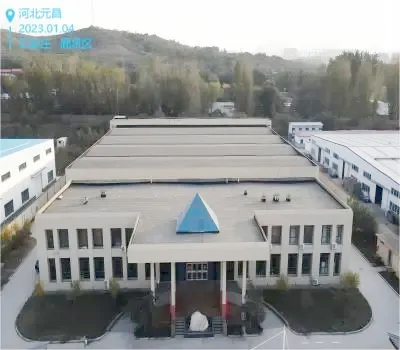 Advanced Machining Workshop
 ISO Certified Quality Management
 Integrated Production Lines
- 40 Years of Expertise: Since 1986, we've honed our skills in precision manufacturing.
- In-House Precision Machining: Over 20 sets of machinery, including Japanese Mazak CNC centers, ensure high-precision component manufacturing.
- Traceable Quality Control: Our independent production of high-precision parts guarantees reliable after-sales service.
- OEM/ODM Capabilities: We specialize in custom solutions tailored to your specific needs.
- Global Reach: Experienced in international trade, we provide comprehensive export services.
We understand that choosing a supplier is about more than just the product; it's about building a trusted partnership. Our team is dedicated to providing you with reliable equipment and exceptional support.
Frequently Asked Questions (FAQ)
- Q: What is the typical lead time for a vacuum chamber seal integrity tester?
- A: Standard models usually have a lead time of 4-6 weeks from order confirmation. For custom-configured units, the lead time may extend to 8-12 weeks, depending on the complexity of the modification and our current production schedule. We always strive to provide accurate timelines upon quotation.
- Q: Can these testers be integrated into an existing production line?
- A: Yes, many of our models are designed for seamless integration. We offer options for automated loading/unloading, communication protocols (e.g., Ethernet/IP, Profibus), and integration with PLC systems. Please discuss your specific line requirements with our technical sales team.
- Q: What is the warranty period for your vacuum chamber testers?
- A: We typically offer a 12-month warranty on parts and labor for our standard equipment, covering manufacturing defects. Extended warranty options and service contracts are available upon request to ensure continued optimal performance.
- Q: How do I calibrate the vacuum chamber tester?
- A: Calibration typically involves verifying the pressure transducer accuracy against a calibrated standard and ensuring the vacuum pump can achieve and hold the target vacuum levels. We provide detailed calibration procedures in the user manual. Certified calibration services can also be arranged.
- Q: Can these testers detect leaks in retort pouches or glass jars?
- A: Yes, vacuum chamber testers are highly effective for a wide range of flexible and rigid packaging, including retort pouches and glass jars with suitable closures. For specific challenging materials or geometries, our engineers can advise on the best configuration or testing parameters.
Don't Let Seal Failures Compromise Your Product Quality
Ensuring the integrity of your packaging is a non-negotiable aspect of delivering quality products to market. A reliable vacuum chamber seal integrity tester provides the critical insights needed to protect your brand, comply with regulations, and satisfy your customers.