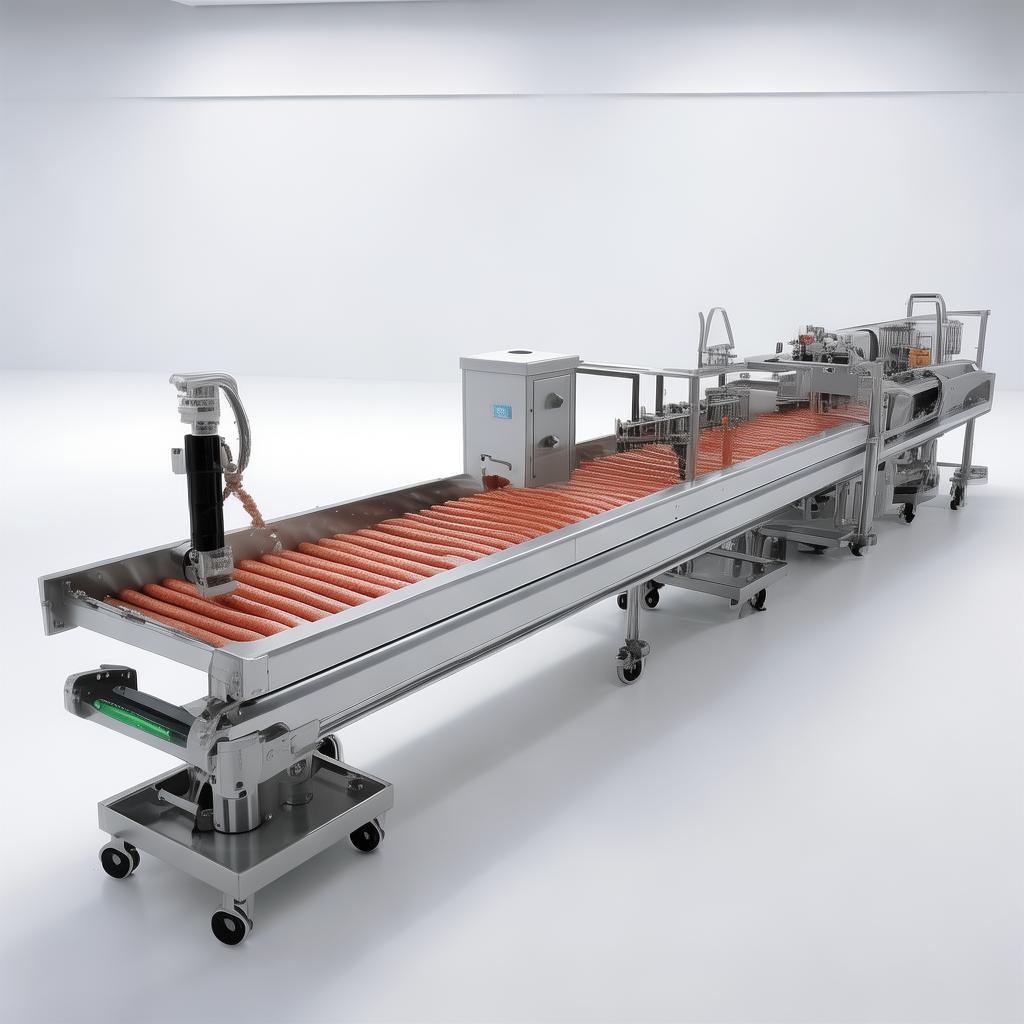
Vacuum Leak Detectors
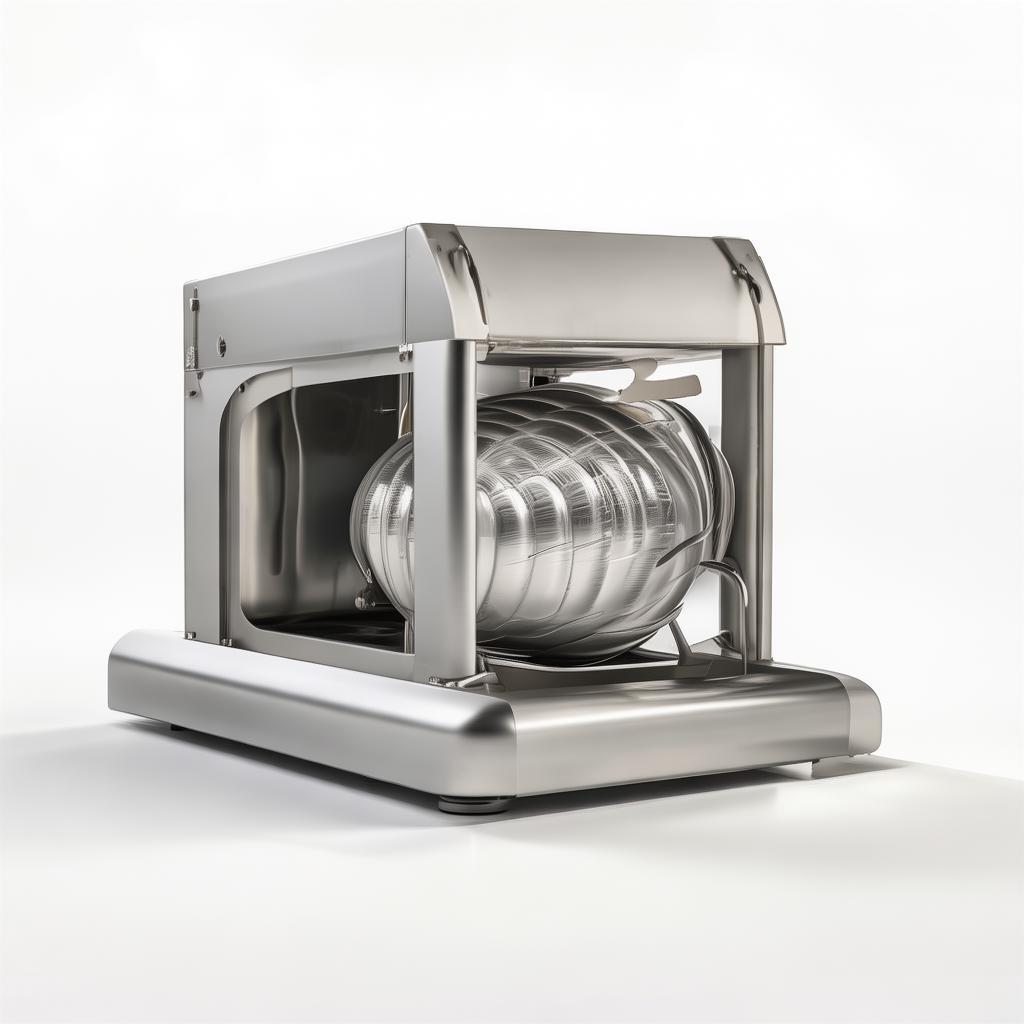
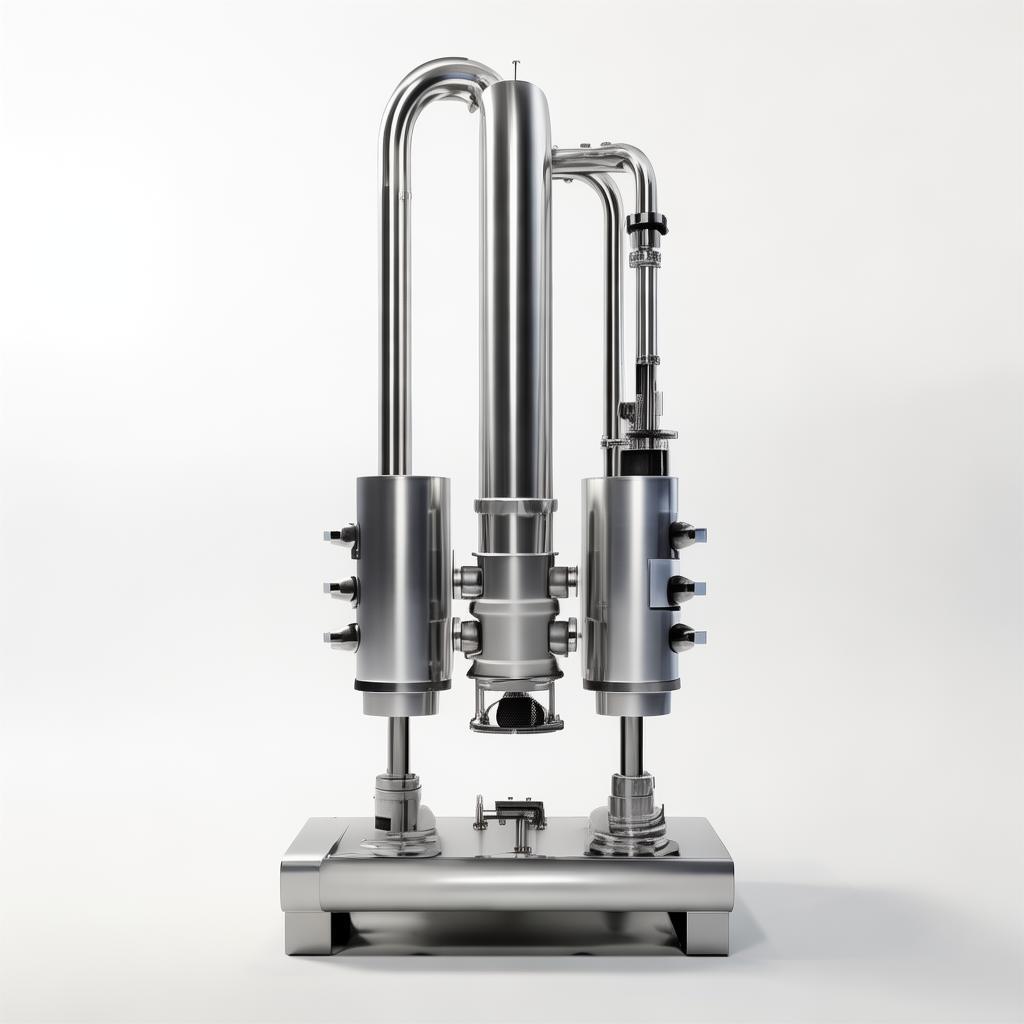
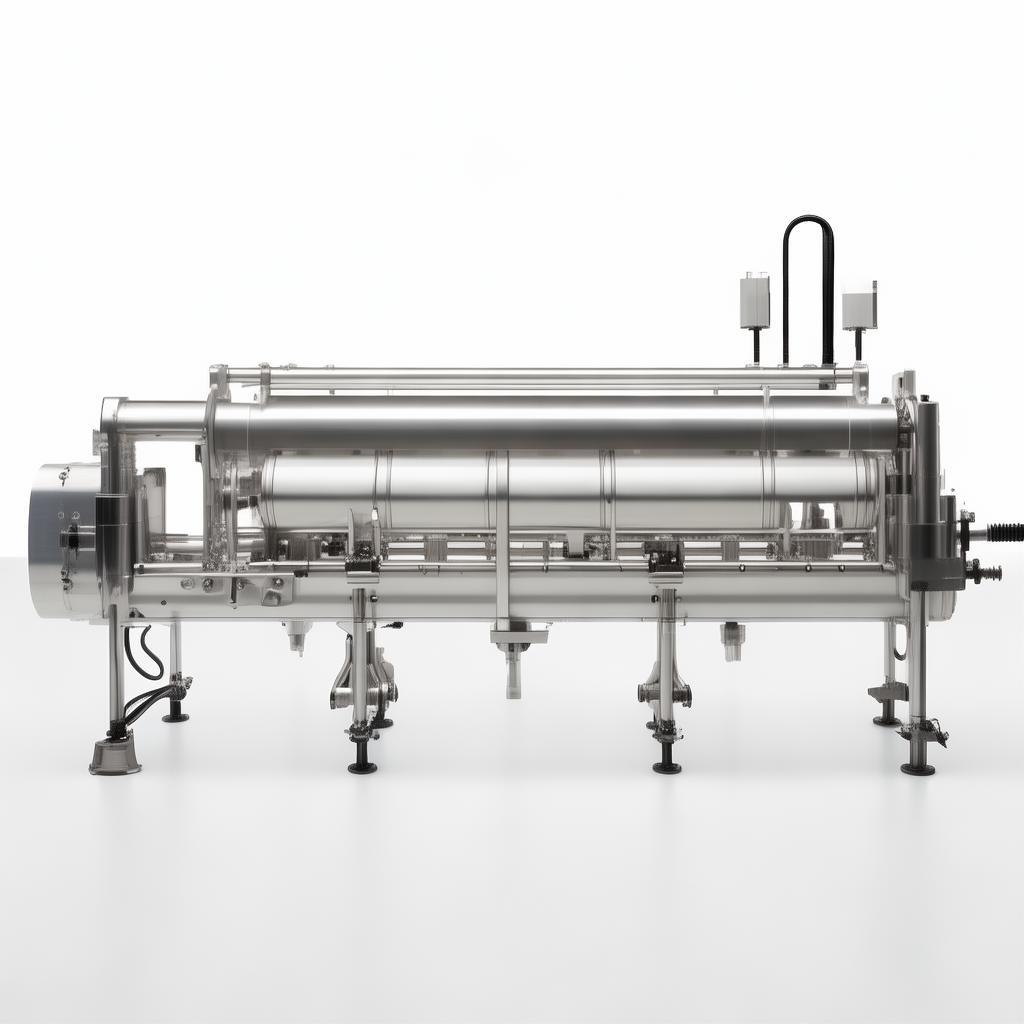
Precision Vacuum Leak Detectors: Ensuring Integrity in Industrial Processes
A Comprehensive Guide for Industrial Procurement and Technical Application

By Dr. Evelyn Reed
Senior Process Engineer & Export Specialist
Hebei Yuanchang Food Mechanism & Technology Co., Ltd.
Understanding the Criticality of Vacuum Leak Detection
In any industrial operation that relies on maintaining a stable vacuum, even the smallest breach can cascade into significant operational inefficiencies, compromised product quality, and costly downtime. For sectors ranging from food processing and packaging to scientific research and advanced manufacturing, the integrity of a vacuum system is not merely a technical detail; it's a fundamental requirement for success. This is precisely where high-performance vacuum leak detectors become indispensable tools. They offer a crucial layer of quality assurance, allowing engineers and operations managers to proactively identify and address minute imperfections before they escalate into major problems.
The demand for reliable vacuum systems is a constant across numerous industries. Consider the food sector, where vacuum packaging extends shelf life and maintains product freshness. A persistent leak in a vacuum packaging machine can lead to spoilage, leading to customer complaints and product recalls. In pharmaceutical manufacturing, precise vacuum conditions are often required for drying sensitive compounds or sterilizing equipment; even minor fluctuations can impact efficacy and safety. Similarly, in the production of electronic components or advanced materials, maintaining a pristine vacuum environment is critical to prevent contamination and ensure the flawless performance of delicate parts.
The challenge lies in the inherent difficulty of spotting these subtle imperfections. Visual inspection often falls short, and systemic failures can be sudden and catastrophic. This is where specialized vacuum leak detection equipment plays a vital role. These devices are designed to pinpoint minute air ingress points, gas migration, or system pressure drops that would otherwise go unnoticed until they cause tangible issues. By providing real-time data and sensitive detection capabilities, they empower teams to implement robust preventative maintenance schedules and optimize system performance.
The global market for meat processing equipment, for instance, underscores the importance of maintaining controlled environments. With the market projected to reach over USD 17 billion by 2034, according to Fortune Business Insights, the emphasis on hygiene, quality, and shelf-life extension through methods like vacuum packaging is paramount. A consistent leak in a filling or sealing machine can compromise the entire batch, leading to significant financial losses and reputational damage. Our own experience at Hebei Yuanchang, spanning 40 years in meat processing machinery, repeatedly highlights how seemingly minor issues, such as vacuum integrity, are fundamental to large-scale production efficiency and product quality. This is why offering reliable detection solutions is a natural extension of our commitment to robust industrial equipment.
Furthermore, in the intricate world of research and development, a vacuum leak can invalidate an entire experiment. Imagine sensitive scientific instruments, like mass spectrometers or electron microscopes, operating under specific vacuum pressures. Any leak compromises the precision and accuracy of the results, potentially setting back months of work. The ability to quickly and reliably test these systems using advanced vacuum leak testing devices is therefore not just about preventing financial loss, but about safeguarding the integrity of scientific discovery and industrial innovation.
The procurement process for such critical equipment requires a deep understanding of both the technical specifications and the operational implications. It’s about finding a partner who understands the demands of your industry, can provide durable and accurate instruments, and offers comprehensive support. As a company with decades of experience in manufacturing complex machinery, we understand the need for robust, reliable components and the peace of mind that comes with knowing your critical systems are performing optimally. This dedication to quality and reliability is what drives our approach to supplying advanced vacuum leak detection solutions.
This article delves into the core functionalities, applications, and procurement considerations surrounding vacuum leak detectors, aiming to equip you with the knowledge to make informed decisions for your specific industrial needs. We’ll cover how these devices operate, the types available, their critical role in various sectors, and what to look for when selecting a supplier. Whether you are an operations manager, a maintenance engineer, or a procurement specialist, understanding the nuances of vacuum leak detection will be key to enhancing your facility's efficiency, safety, and overall output.
The market for meat processing equipment itself is substantial, with various reports indicating a global valuation ranging from USD 11.28 billion to over USD 19 billion, with projected growth rates around 5-7% annually. This growth is fueled by increasing demand for processed meats, automation, and stringent food safety regulations. Within this ecosystem, maintaining the integrity of vacuum sealing is not just a feature; it's a fundamental requirement. Our long-standing presence in this sector has taught us that equipment reliability, especially in critical functions like vacuum sealing, directly impacts profitability and brand reputation. Therefore, providing effective industrial vacuum leak detectors aligns perfectly with our mission to support efficient and high-quality food production lines.
Moreover, the broader food processing industry, which includes confectionery, dairy, and ready-to-eat meals, also heavily relies on vacuum technologies for preservation and presentation. The global food processing equipment market is expected to exceed USD 100 billion by 2035. This vast landscape necessitates robust detection systems to ensure compliance with international food safety standards and to meet consumer expectations for quality. Our 40 years of manufacturing experience have ingrained in us a deep appreciation for precision and reliability, principles we extend to the vacuum leak detectors we offer.
A common misconception is that vacuum leak detection is a niche concern, primarily for high-tech applications. However, its relevance extends to more conventional manufacturing processes where controlled atmospheres are beneficial, such as in material handling, molding, or even certain types of assembly. Ensuring a leak-free system can prevent material degradation, improve process repeatability, and reduce waste. This broad applicability makes understanding the function and benefits of vacuum leak detection instruments a valuable asset for any industrial professional.
At Hebei Yuanchang, our 40 years of expertise since 1986 in meat processing machinery has provided us with unparalleled insight into the practical challenges faced on the factory floor. We’ve seen firsthand how crucial every component is to the overall performance of a production line. That’s why we equip our facilities with over 20 sets of advanced processing machinery, including Japanese Mazak CNC centers, ensuring we can produce high-standard, precision components. This commitment to manufacturing excellence translates directly to the quality and reliability of the vacuum leak detectors we source and provide to our international clientele. We understand that for our buyers, consistency and durability are non-negotiable.
Operational Pains: When Vacuum Integrity Fails
The consequences of undetected vacuum leaks can be far-reaching and detrimental to any industrial operation. For purchasing and operations managers, the primary concern is often the financial impact. Unforeseen downtime, where production lines must halt for emergency repairs, is incredibly costly. This isn't just lost production time; it also incurs labor costs for idle staff and potential penalties for delayed orders.
Beyond downtime, product quality is severely compromised. In vacuum packaging, insufficient vacuum can lead to shorter shelf life, leading to product spoilage before it even reaches the consumer. This impacts brand reputation, customer loyalty, and can result in costly product recalls. For processes requiring specific vacuum levels for material curing or processing, a leak can result in improperly treated goods that are unfit for sale or further use, creating significant waste and requiring expensive rework.
From a technical perspective, persistent leaks put undue strain on vacuum pumps. Running pumps continuously at maximum capacity to compensate for leaks reduces their operational lifespan, leading to premature failure and expensive replacement costs. This also translates to increased energy consumption, impacting the facility's overall operational expenditure and environmental footprint.
Consider the food industry: the processed meat market is projected to exceed USD 1.3 trillion by 2035. Maintaining the quality and safety of these products relies heavily on packaging integrity. A leak in a vacuum bag means a shorter shelf life, oxidation, and potential bacterial growth. This isn't a minor inconvenience; it's a direct threat to consumer health and brand trust. Our 40 years of experience in food processing machinery have shown us that prevention is always more cost-effective than remediation.
Furthermore, in scientific and R&D environments, a compromised vacuum can render experimental data unreliable. This not only wastes valuable resources and researcher time but can also lead to incorrect conclusions and misdirected future research efforts. The integrity of the vacuum system is paramount when dealing with sensitive analyses or manufacturing of high-precision components.
- Increased Operational Costs: Higher energy bills due to overworked pumps, frequent maintenance, and premature equipment failure.
- Compromised Product Quality: Spoilage, reduced shelf life, inconsistent performance, and material defects.
- Production Downtime: Unplanned halts for emergency repairs, leading to missed deadlines and customer dissatisfaction.
- Safety Hazards: In some applications, vacuum system failures can lead to environmental contamination or compromised sterility.
- Reduced Equipment Lifespan: Constant strain on vacuum pumps and seals accelerates wear and tear.
The financial implications are stark. While specific ROI figures can vary wildly, preventing a single major product recall or a critical equipment failure can often justify the investment in advanced detection systems many times over. It's about mitigating risk and ensuring predictable, high-quality output. For businesses looking to export, meeting international standards for product integrity and safety, often assured by proper vacuum sealing, is non-negotiable.
Our commitment at Hebei Yuanchang, forged over four decades of manufacturing, is to provide solutions that enhance operational reliability. We understand that every minute of downtime translates to lost revenue. This drives our focus on offering robust, dependable equipment, including high-accuracy vacuum leak detectors, that help our clients avoid these common pitfalls.
How Vacuum Leak Detectors Work: The Science Behind Precision
At their core, vacuum leak detectors function by identifying deviations from a desired vacuum pressure or by directly sensing the presence of atmospheric gases where they shouldn't be. The specific methodology employed can vary significantly based on the type of detector and the application it's designed for. Understanding these principles helps in selecting the right tool for the job.
One common principle involves pressure monitoring. A sensitive pressure gauge or transducer is integrated into the vacuum system or applied directly to a sealed component. The detector establishes a baseline pressure and then continuously monitors for any upward drift. This drift indicates that air or other gases are entering the system, signaling a leak. These are often referred to as vacuum pressure leak testers. Their effectiveness is highly dependent on the sensitivity of the pressure sensor and the ability to isolate the test area or establish a stable reference pressure.
Another sophisticated method utilizes gas-specific sensors. For instance, a helium leak detector is a widely used technology, especially for critical applications. In this method, a small amount of helium gas is introduced into or around the system being tested. Helium is chosen because it's inert, non-toxic, and its small atomic size allows it to escape through even the tiniest fissures. The detector then uses a mass spectrometer to precisely identify and quantify the presence of helium molecules within the vacuum chamber. If helium is detected above a preset threshold, a leak is confirmed. This technique is exceptionally sensitive and can pinpoint leaks as small as 1 x 10-12 mbar·L/s.
Other gas-specific detectors might employ different sensing technologies, such as infrared spectroscopy or thermal conductivity, to detect specific tracer gases or even the composition of the incoming air itself. These methods are often tailored for specific industrial environments and leak sizes.
For simpler, more visual inspections, some detectors use a combination of pressure drop and airflow indicators. These might involve a flow meter that measures the rate of air entering the system or a visual indicator that changes color or state when a leak is detected. These are generally less sensitive than mass spectrometry but are often more cost-effective and easier to use in the field.
Our manufacturing experience, particularly with complex machinery like meat processing lines, has taught us the value of precision instrumentation. Whether it's monitoring fill volumes or ensuring vacuum seal integrity, the underlying principle is the same: accurate measurement and sensitive detection. For example, in our vacuum filling and molding machines, maintaining a precise vacuum is critical for product consistency. A leak here could affect texture and density. This practical understanding translates to our selection and offering of vacuum leak detection devices that deliver on accuracy and reliability.
The choice of detection technology often depends on several factors:
- Required Sensitivity: How small a leak needs to be detected? (e.g., Parts Per Million (PPM) vs. Parts Per Billion (PPB)).
- Speed of Detection: Is rapid testing required for high-volume production, or is a slower, more thorough test acceptable?
- System Complexity: Are you testing a small sealed component or a large, complex industrial vacuum chamber?
- Environment: Are there specific environmental factors (e.g., humidity, dust, other gases) that could interfere with certain detection methods?
- Budget: High-sensitivity systems like helium leak detectors are generally more expensive than basic pressure or flow testers.
Understanding these underlying principles allows procurement specialists and engineers to ask the right questions when evaluating potential suppliers and technologies. It’s about ensuring the chosen detector not only meets technical requirements but also integrates seamlessly into your operational workflow. Our 40 years in manufacturing have solidified our belief that the right tool, applied correctly, is fundamental to operational excellence.
Applications Across Industries: Where Vacuum Integrity Matters Most
The application of vacuum leak detectors is remarkably diverse, spanning numerous industrial sectors where precise pressure control is essential. Their role extends beyond merely detecting a fault; they are integral to quality control, process optimization, and ensuring product longevity.
Food & Beverage Packaging: This is one of the most prominent sectors. Vacuum packaging extends shelf life by removing oxygen, preventing spoilage and maintaining the freshness and texture of products like meats, cheeses, coffee, and ready-to-eat meals. Leak detection ensures each package achieves and maintains its intended vacuum level. The meat processing equipment market, valued at USD 11.29 billion in 2025, heavily relies on such packaging integrity.
Pharmaceuticals & Medical Devices: Sterilization processes often require vacuum conditions to ensure all air is removed before sterilization agents can effectively penetrate. Vacuum drying of sensitive pharmaceuticals prevents degradation. Medical devices, especially implants or sterile kits, must maintain hermetic seals to prevent contamination. A leak can render a product non-sterile or compromise its therapeutic efficacy.
Electronics Manufacturing: The production of semiconductors, vacuum tubes, and other sensitive electronic components demands ultra-high vacuum (UHV) environments to prevent contamination by atmospheric particles or gases, which can cause component failure. Leak detection is critical throughout the manufacturing and packaging process.
Automotive Industry: Components like air conditioning systems, fuel systems, and certain seals are tested under vacuum to ensure integrity and prevent leaks of refrigerants or other fluids. This is vital for performance, emissions control, and preventing environmental damage.
Aerospace: Critical components, fuel systems, and cabin pressurization systems undergo rigorous vacuum testing. The reliability of these systems is paramount for safety. Detectors ensure that even minute leaks, which could have catastrophic consequences in operation, are identified.
Scientific Research & Laboratories: From particle accelerators and mass spectrometers to cleanrooms and environmental testing chambers, precise vacuum control is often a prerequisite for experiments and data integrity. Detectors are used to maintain the integrity of these specialized environments.
Industrial Manufacturing Processes: Anywhere vacuum is used for degassing, molding, heat treatment, or material handling, leak detection ensures efficiency and product quality. For example, in the production of certain plastics or composites, vacuum degassing removes trapped air bubbles, improving material strength and appearance. A leak during this process can lead to defective products.
Our 40-year history in manufacturing, particularly within the demanding food processing sector, has given us extensive insight into these diverse needs. We've seen how robust vacuum sealing, supported by reliable detection, is essential for market competitiveness. For instance, the meat processing equipment market is projected to reach USD 15.04 billion by 2030, with filling and molding equipment playing a significant role. Ensuring the vacuum integrity of the final product is a critical step that our detection solutions support.
Choosing the right vacuum leak detection system requires understanding these varied applications and the specific demands they place on the equipment. Factors such as the type of gas being detected, the required detection threshold, and the operating environment all play a role in selecting the most appropriate technology. Our expertise allows us to guide you toward solutions that precisely match your application's needs.
Technical Specifications: What to Look For in a Vacuum Leak Detector
When evaluating vacuum leak detectors, it's crucial to move beyond general claims and delve into the specific technical capabilities. The right specifications ensure the instrument will perform reliably and accurately within your operational context. Here are key technical parameters to consider:
Sensitivity & Detection Limit
This is perhaps the most critical specification. It's often expressed in terms of leakage rate, such as millibar-liter per second (mbar·L/s) or cubic centimeters per second (scc/s). For instance, a detector with a leak detection limit of 1 x 10⁻⁶ mbar·L/s is suitable for many general industrial applications, while semiconductor or aerospace might require detection limits of 1 x 10⁻⁹ mbar·L/s or even lower. Be aware of the leak detection sensitivity for the specific gas being used (e.g., helium).
Detection Method
As discussed, methods include pressure decay, helium mass spectrometry, thermal conductivity, infrared, and acoustic methods. Each has its strengths and weaknesses regarding sensitivity, speed, cost, and suitability for different gases and environments.
Test Volume & Range
Consider the size of the components or systems you need to test. Some detectors are designed for small, handheld applications, while others are large-scale systems capable of testing entire production lines or large vessels. The operating vacuum range and the pressure range for leak detection are also crucial.
Response Time & Cycle Time
For high-throughput production lines, rapid detection is essential. Response time refers to how quickly the detector signals a leak after it occurs. Cycle time is the total time required to complete one full test sequence, including pump-down, leak detection, and system recovery. Shorter cycle times mean higher production efficiency.
Environmental Tolerance
Will the detector operate in dusty, humid, or temperature-fluctuating environments? Ensure the instrument's ingress protection (IP) rating and operating temperature range are suitable for your facility. Some detectors are more susceptible to interference from other gases present in the atmosphere.
Ease of Use & Integration
Consider the user interface, calibration requirements, and maintenance needs. Can the detector be easily integrated into existing automation systems (e.g., via PLC interfaces, digital I/O, or communication protocols like EtherNet/IP or Profinet)? User-friendliness reduces training time and operational errors.
Calibration & Maintenance
Understand the calibration schedule and process. Is it user-calibratable, or does it require factory service? Reliable manufacturers provide clear maintenance guidelines and readily available spare parts. Our own machining workshop, equipped with Japanese Mazak CNC centers, allows us to produce high-precision parts, ensuring continuity in after-sales service, which is a critical consideration for any industrial equipment provider.
| Feature | Consideration for Buyer | Impact on Operations |
|---|---|---|
| Sensitivity | e.g., 10-6 to 10-12 mbar·L/s | Detects smaller leaks, ensures higher product integrity. Critical for sensitive applications. |
| Speed (Cycle Time) | Seconds to minutes per test | Impacts production throughput. Faster is better for high-volume lines. |
| Detection Method | Helium MS, Pressure Decay, etc. | Accuracy, suitability for specific gases/environments, cost. |
| Portability | Handheld, benchtop, or integrated unit | Flexibility for different testing locations or integration needs. |
| Connectivity | USB, Ethernet, PLC I/O | Enables automation, data logging, and remote monitoring. |
leak detector vacuum vacuum leakage tester vacuum chamber leak tester
When sourcing from an international supplier like Hebei Yuanchang, understanding these technical specifications is paramount. Our 40 years of experience have taught us that clear, precise technical documentation is non-negotiable. We ensure our product specifications are detailed and accurate, reflecting our commitment to quality manufacturing and reliable exports. For example, in the meat processing industry, where precision in filling and molding is key, the same attention to detail is required for auxiliary equipment like leak detectors.
Procurement Guidance: Selecting the Right Supplier
Sourcing industrial equipment, especially specialized tools like vacuum leak detectors, requires a strategic approach. As an international supplier with 40 years of experience, we understand the complexities involved, from initial qualification to after-sales support. Here’s practical guidance for procurement managers and technical teams:
Verify Manufacturer Experience & Expertise
Look for suppliers with a proven track record in industrial equipment manufacturing or distribution. Companies that have been in business for decades, like Hebei Yuanchang (since 1986), have built deep expertise and understand the practical needs of industries. Inquire about their R&D capabilities, manufacturing facilities (e.g., CNC machinery, quality control processes), and their familiarity with international standards.
Assess Product Quality & Certifications
Request detailed technical specifications, datasheets, and information on quality control procedures. Look for relevant certifications (e.g., CE, ISO) that demonstrate compliance with international quality and safety standards. For vacuum leak detectors, the accuracy and reliability of the sensor technology and calibration processes are paramount.
Understand After-Sales Support & Logistics
Reliable after-sales support is critical for industrial equipment. This includes warranty terms, availability of spare parts, technical assistance, and potential repair services. For international buyers, understand the supplier's export experience, shipping capabilities (e.g., container loading optimization, Incoterms), lead times, and customs documentation support. Our in-house machining workshop and traceable after-sales management system are designed precisely to offer this kind of assurance.
Evaluate Communication & Responsiveness
Effective communication is key when dealing with international suppliers. A responsive sales and technical team that can clearly articulate product capabilities, pricing, and logistics is a strong indicator of a reliable partner. Don't hesitate to request clarification or ask detailed questions. For example, our team is trained to provide comprehensive information, whether it's about vacuum sealers or leak detection equipment.
Consider the following points when evaluating a potential supplier:
- Factory Audits (if possible): Can you visit or get virtual tours of their manufacturing facilities?
- Client References: Ask for testimonials or contact information of existing international clients.
- OEM/ODM Capabilities: If you require custom solutions, verify their ability to modify or design equipment to your specifications.
- Technical Documentation: Is manuals, schematics, and support documentation readily available and clear?
- Pricing & Payment Terms: Ensure transparency and fairness.
At Hebei Yuanchang, we leverage our 40 years of manufacturing experience to provide not just high-quality equipment but also a transparent and reliable partnership. Our advanced machining capabilities, including Japanese Mazak CNC centers, allow us to produce high-precision components, ensuring the durability and performance our clients expect. We understand that for international buyers, trust is built on consistent quality, clear communication, and dependable support.
Customer Reviews & Testimonials
Hear directly from our partners about their experience with our products and services.
"We were experiencing intermittent issues with vacuum seal integrity on our new packaging line for specialty meats. The Hebei Yuanchang team provided a high-sensitivity helium leak detector that integrated seamlessly. Diagnostics are now fast and accurate, saving us significant product spoilage. Their export support was also top-notch."

Operations Manager, USA
"As a growing distributor of gourmet food products, packaging quality is paramount. We implemented the vacuum leak detectors from Hebei Yuanchang on our processing lines, and the reduction in rejected packages has been noticeable. The technical team was very helpful in specifying the right model for our needs, and the pricing was competitive for the quality offered."

Procurement Director, Canada
"We needed a robust solution for testing vacuum integrity on specialized medical device packaging. Hebei Yuanchang's expertise in precision manufacturing meant they understood our critical requirements. The detector they supplied is highly accurate and has significantly improved our quality assurance process. Their customer service post-sale has been responsive."

R&D Engineer, UK
"Integrating new equipment can be challenging, but Hebei Yuanchang made it smooth. We use their vacuum leak detectors on our electronic component packaging line. The setup was straightforward, and the results are consistent. Knowing we have reliable detection significantly reduces risk for our international shipments. We appreciate their transparency."

Supply Chain Manager, Japan
Ready to Enhance Your Process Integrity?
Let us help you find the perfect vacuum leak detection solution for your needs.
Contact Us Directly:
Phone: +86 15830991513
Email: ycmeatmech@gmail.com
Address: Shijiazhuang, Hebei Province, China
Quick Inquiry:
Hebei Yuanchang Food Mechanism & Technology Co., Ltd. - 40 years of manufacturing excellence, integrating R&D, production, and sales.