Vacuum Generation
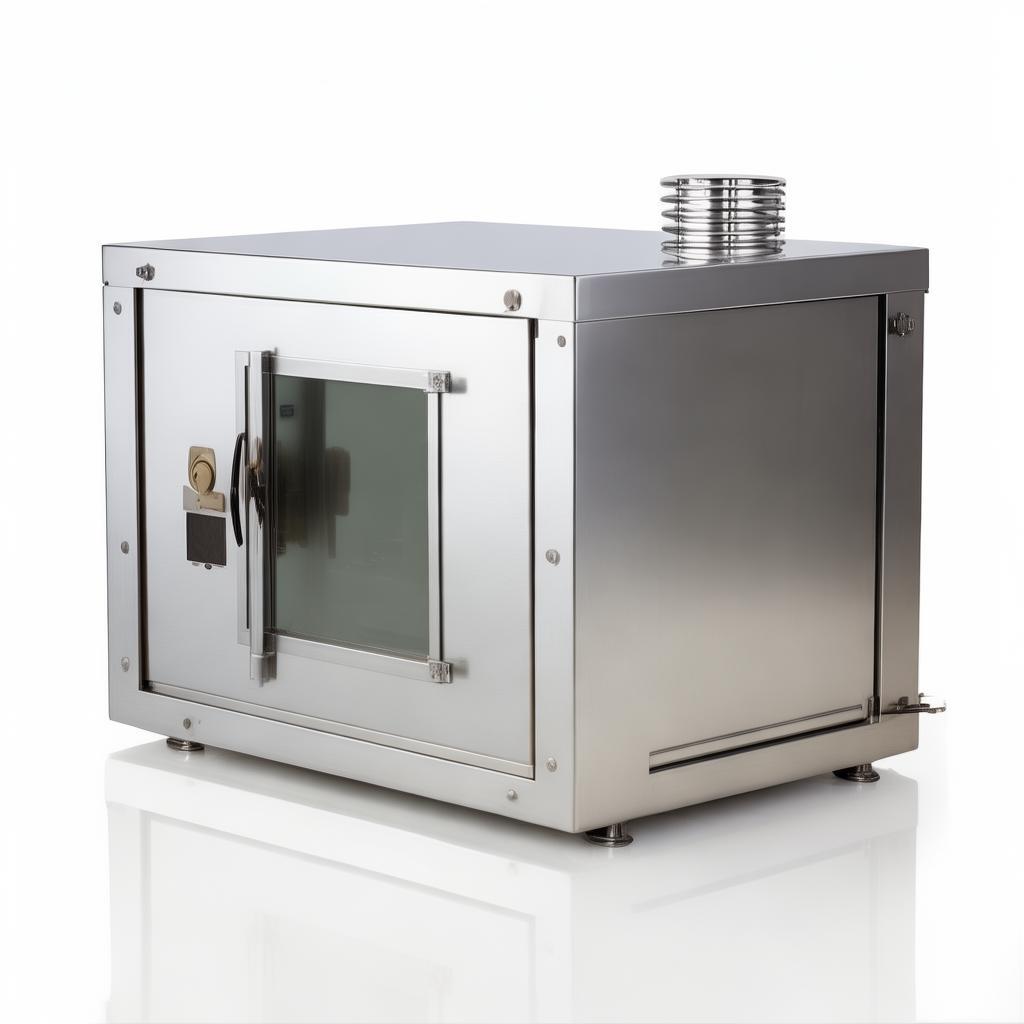
Mastering Vacuum Generation: Precision, Efficiency, and Reliability for Industrial Applications
 By: Alex Chen, Senior Industrial Engineer
Published: October 26, 2023
What is Vacuum Generation in Industrial Settings?
In the industrial world, "vacuum generation" isn't just about creating a low-pressure environment; it's about precisely controlling atmospheric conditions to facilitate a vast array of manufacturing, material handling, and processing tasks. At its core, it involves removing air or gas from a contained space to achieve a pressure lower than ambient. This fundamental principle underpins everything from delicate robotic pick-and-place operations to robust industrial drying processes. The sophistication of vacuum generation technology directly impacts operational efficiency, product quality, and overall system reliability. For manufacturers, understanding the nuances of different vacuum generation methods is paramount to optimizing production lines and achieving desired outcomes.
Consider the sheer breadth of applications. In packaging, vacuum sealing extends shelf life and ensures product integrity. In manufacturing, vacuum chucks hold intricate parts for CNC machining with absolute precision, eliminating the need for clamps that could mar surfaces. In laboratories and research facilities, vacuum ovens are essential for drying heat-sensitive materials without degradation. For food processing, vacuum tumblers are used for marinating and tenderizing, while vacuum packaging is critical for food safety and preservation. Even in more specialized fields like medical device manufacturing, sterile environments are often maintained using controlled vacuum conditions. The demand for reliable vacuum generation systems is deeply intertwined with the growth of processed meat products, which the global market is projected to reach USD 1,253.77 billion by 2034, showcasing a significant CAGR of 6.62%. This expansion directly translates to a higher demand for efficient and precise vacuum processing equipment.
The underlying technology for generating vacuum varies significantly. We often see a distinction between direct vacuum pumps (like rotary vane, piston, or diaphragm pumps) that mechanically remove air, and indirect methods such as venturi (ejector) pumps. Venturi systems, in particular, use a flow of compressed air to create a vacuum effect, offering advantages in terms of simplicity, low maintenance, and resistance to contamination. This makes them a popular choice for many B2B applications where robustness and ease of integration are key. Given the growing reliance on automation and advanced processing in the meat industry – a market segment projected to reach USD 19.11 billion by 2035 – the efficiency and reliability of vacuum generation systems become critical differentiators. The correct vacuum generation method can mean the difference between a smooth, profitable operation and one plagued by downtime and inconsistent results.
Furthermore, the specific requirements of an application dictate the type of vacuum needed. Are we talking about a high vacuum for critical research, or a moderate vacuum for general material handling? What is the required flow rate, and what is the operating environment like – is there dust, moisture, or corrosive elements? These factors influence the choice between dry pumps, oil-lubricated pumps, liquid ring pumps, or even compressed air-driven venturi generators. The global meat processing equipment market, valued at USD 11.29 billion in 2025, highlights the broad scope where these technologies are applied, particularly in filling and molding, and ripening processes. For instance, vacuum filling machines are crucial for sausages and formed products, ensuring consistent density and texture. Understanding these diverse needs is the first step towards specifying the right vacuum generation solution.
From an operational perspective, the integration of vacuum generation systems needs careful consideration. Factors such as energy consumption, noise levels, exhaust management, and the need for filtration are all part of the equation. A system that is highly efficient in generating vacuum but consumes excessive energy or creates a disruptive noise profile might not be the best long-term solution. Moreover, the total cost of ownership, including initial purchase, installation, maintenance, and energy costs, is a critical metric for procurement managers. The market for meat processing equipment, expected to reach USD 15.04 billion by 2030, emphasizes how integral these components are to large-scale production. This is why selecting a supplier with deep technical expertise and a proven track record, like Hebei Yuanchang Food Mechanism & Technology Co., Ltd., with its 40 years of experience, becomes indispensable. Their in-house machining capabilities and commitment to quality ensure that the vacuum generation components they provide are built for durability and performance.
Ultimately, vacuum generation is a critical enabler for countless industrial processes. It's a technology that requires a blend of mechanical engineering, material science, and application-specific knowledge. Whether you're involved in automated assembly lines, intricate molding processes, or large-scale food production, the performance of your vacuum system directly impacts your bottom line. The global meat processing equipment market is projected to grow to USD 19.66 billion by 2033, with Asia-Pacific leading due to industrialization. This growth narrative is powered by advancements in every component, including precise vacuum generation. Our aim at Hebei Yuanchang is to provide solutions that not only meet but exceed these evolving industry demands, ensuring our partners achieve peak operational excellence.
For those sourcing OEM/ODM solutions, the ability to customize vacuum generation components to specific machine designs is invaluable. This includes tailoring vacuum levels, flow rates, port sizes, and even material compatibility to ensure seamless integration and optimal performance. It's a collaborative process that draws on years of manufacturing experience and a deep understanding of end-user application requirements. This is where Hebei Yuanchang's extensive machining capabilities, including Japanese Mazak CNC centers, truly shine, allowing for the production of high-standard, high-precision, and non-standard components.
The journey to selecting the right vacuum generation technology involves careful analysis of operational needs, budget constraints, and long-term performance expectations. It’s not a one-size-fits-all scenario. A thorough understanding of how vacuum impacts material properties, process cycles, and energy consumption is essential. The focus must always be on achieving a reliable, efficient, and cost-effective solution that enhances overall productivity and product quality. The growing processed meat market, for example, relies heavily on precise vacuum control for texture, preservation, and appearance.
This detailed exploration into vacuum generation aims to equip you with the knowledge to make informed decisions. We will delve into the practical challenges faced by industries, the tangible benefits of advanced systems, and the critical factors to consider when choosing equipment and suppliers. Our goal is to demystify the technology and highlight how partnering with an experienced manufacturer like Hebei Yuanchang can provide a significant competitive advantage.
Common Challenges in Vacuum-Dependent Operations
Many operations rely on vacuum, but few fully anticipate the headaches that can arise from inadequate or poorly managed vacuum generation. It's not always the primary focus, but its failure can halt entire production lines.
- Inconsistent Performance: Fluctuations in vacuum pressure lead to unreliable pick-and-place, poor sealing, or uneven drying, directly impacting product quality and increasing scrap rates.
- High Energy Consumption: Older or oversized vacuum systems can be energy hogs, significantly increasing operational costs without a proportional gain in performance. This is a major concern for procurement teams focused on ROI.
- Maintenance Hassles & Downtime: Contamination (especially in food processing), wear and tear, and improper sealing can lead to frequent breakdowns. Every minute offline costs money.
- System Contamination: In applications like food or pharmaceutical processing, oil from lubricated pumps or debris can contaminate the vacuum stream, leading to product spoilage or regulatory issues. The global meat processing equipment market's emphasis on hygiene underscores this.
- Noise Pollution: Many vacuum pumps generate significant noise, creating an uncomfortable or even hazardous work environment and potentially violating workplace safety regulations.
- Over- or Under-Specification: Choosing a system that's too powerful wastes energy and capital. One that's too weak simply won't perform the task, causing delays and frustration.
- Complex Integration: Retrofitting vacuum systems into existing machinery can be a significant engineering challenge, requiring specialized knowledge of pneumatic and electrical interfaces.
These aren't minor inconveniences; they represent tangible risks to production schedules and profitability. For example, in the processed meat sector, where equipment market sizes are substantial (e.g., USD 15.44 billion by 2035), consistent vacuum in filling and molding machines is crucial for product uniformity and consumer appeal. Any hiccup can lead to batch rejection.
Key Advantages of Advanced Vacuum Generation
Moving beyond basic vacuum creation, modern systems offer sophisticated solutions that directly address operational pain points and unlock new levels of efficiency.
Precision & Consistency
Advanced vacuum generators, especially those employing intelligent controls or optimized venturi designs, maintain precise and stable vacuum levels. This is critical for delicate operations like wafer handling, precise dispensing, or ensuring consistent fill weights in food products. The meat processing equipment market's growth (projected USD 17.39 billion by 2034) hinges on achieving reproducible quality, which starts with consistent process parameters like vacuum.
Energy Efficiency
Many modern systems, particularly compact venturi ejectors and variable-speed drive pumps, are engineered for minimal compressed air or power consumption. Smart controls can throttle vacuum generation when full capacity isn't needed, leading to significant energy savings over time. This aligns perfectly with procurement goals focused on reducing operational expenditure (OPEX).
Enhanced Reliability & Reduced Maintenance
Dry running technologies, robust construction materials, and smart filtration reduce the frequency of maintenance. For example, venturi systems with no moving parts inherently offer superior reliability and are less prone to contamination, a vital factor in industries like food processing. This minimizes downtime and associated costs.
Compact and Versatile Design
Modern vacuum generators, especially ejector units, are remarkably compact. This allows for easy integration into tight machine spaces or even direct mounting on robotic end-effectors. Their adaptability means they can serve diverse roles, from simple suction cups to complex vacuum clamping setups.
Improved Operational Safety
Quieter operation reduces noise pollution, while many systems are designed to prevent system implosion or catastrophic failure, enhancing workplace safety. For food manufacturers, preventing contamination through oil-free vacuum generation is a significant safety and quality benefit.
These benefits translate directly to improved throughput, reduced operational costs, and a more robust, reliable manufacturing process.
Types of Vacuum Generation Systems
Selecting the right vacuum generation technology is crucial. Each type has its strengths and is suited for different applications and operating environments.
| Type | How it Works | Key Advantages | Typical Applications |
|---|---|---|---|
| Venturi Ejectors | Uses compressed air flowing through a venturi nozzle to create a vacuum. Often features multiple ports for increased efficiency. | Compact, lightweight, no moving parts, oil-free operation, resistant to dust/moisture, rapid response. | Robotic pick-and-place, material handling, packaging, small parts assembly, automated assembly. |
| Rotary Vane Pumps | Internal vanes rotate within a cylinder, trapping and compressing air to expel it. Can be oil-lubricated or dry. | Achieve deep vacuum levels, relatively high flow rates, widely used, cost-effective for certain ranges. | Vacuum drying, filtration, degassing, general industrial vacuum, packaging. |
| Diaphragm Pumps | A flexible diaphragm flexes to create a pumping action, suitable for corrosive gases. Typically oil-free. | Oil-free operation, good for corrosive or sensitive media, quiet, reliable. | Chemical processing, laboratory use, medical equipment, environmental monitoring. |
| Liquid Ring Pumps | A rotor spins eccentrically in a casing filled with a liquid (often water), forming a ring that traps and compresses gas. | Handle high moisture content, vapor, and particulate; robust; self-cooling. | Chemical processing, power generation, pulp and paper, oil and gas, food processing (e.g., vacuum cooking). |
| Multi-Stage Ejectors | Combines multiple venturi stages to achieve higher vacuum levels and efficiency compared to single-stage ejectors, often with integrated compressed air management. | Excellent energy efficiency for achieving medium to high vacuum, compact, reliable, minimal maintenance. | High-speed robotic handling, large-scale vacuum clamping, automated storage systems, packaging lines. |
Vacuum filler vacuum plus vacuum construction
The market trends for meat processing equipment, projected to reach USD 19.11 billion by 2035, indicate a strong demand for efficient and reliable systems. For applications like vacuum filling and molding, compact and oil-free solutions like multi-stage ejectors or advanced venturi systems are often preferred to ensure product integrity and hygiene.
Diverse Applications Across Industries
The utility of vacuum generation spans nearly every industrial sector. Its ability to manipulate atmospheric pressure makes it indispensable for tasks ranging from basic material handling to complex processing.
Manufacturing & Automation
Robotic arms use vacuum cups for precise pick-and-place of components, automotive parts, electronics, and even delicate foodstuffs. Vacuum clamping holds workpieces securely on CNC machines and assembly stations without marring surfaces, enabling high-precision machining.
Packaging
Vacuum sealing is critical for extending the shelf life of food products by removing oxygen, preventing spoilage and oxidation. It also ensures product protection during transit and creates compact packaging. This is particularly relevant in the burgeoning processed meat market, where freshness and appearance are paramount.
Food Processing
Beyond packaging, vacuum tumblers are used to marinate and tenderize meats efficiently. Vacuum mixers ensure uniform blending of ingredients. Vacuum frying reduces oil absorption in fried foods. As noted in industry reports, the meat processing equipment market is growing, and vacuum technologies are integral to many segments like filling, molding, and ripening processes.
Medical & Pharmaceutical
Vacuum ovens are essential for drying temperature-sensitive pharmaceuticals and medical components. Vacuum filtration is used in sterilization processes. Precise vacuum control is also vital in diagnostic equipment and laboratory analysis.
Woodworking & Composites
Vacuum presses are used for laminating wood veneers and creating composite structures. Vacuum bagging is a common technique in aerospace and marine industries for manufacturing strong, lightweight composite parts.
The global meat processing equipment market was valued at USD 11.29 billion in 2025 and is projected to reach USD 17.39 billion by 2034, with key segments including filling, massaging, and cutting machines. These applications often require precise vacuum control for texture, consistency, and shelf-life extension.
Critical Technical Specifications to Consider
When sourcing vacuum generation equipment, focusing on the right technical specifications ensures you get a system that performs reliably and efficiently for your specific needs. It’s about matching capability to requirement.
- Ultimate Vacuum Level: The lowest pressure the system can achieve, measured in mbar, Torr, or Pascal. This dictates how deep a vacuum is generated and is crucial for applications like vacuum drying or degassing.
- Flow Rate / Pumping Speed: The volume of air the system can remove per unit of time, typically measured in liters per minute (L/min) or cubic feet per minute (CFM). This determines how quickly a vacuum can be established or maintained, especially important for high-speed automation.
- Operating Pressure Range: The range of positive or negative pressure within which the system is designed to operate effectively.
- Compressed Air Consumption (for Ejectors): For venturi or ejector systems, this is a key operational cost. Look for figures in L/min or SCFM at a specific supply pressure. Advanced multi-stage ejectors often offer significantly lower consumption for their performance.
- Port Size & Connection Type: Ensures compatibility with your existing piping, hoses, and vacuum cups or end-effectors.
- Materials of Construction: Determines compatibility with the environment (corrosive gases, high temperatures) and product (e.g., food-grade materials for direct food contact).
- Power Requirements: Voltage, frequency, and phase for electrical pumps.
- Noise Level: Measured in decibels (dB), important for workplace comfort and compliance.
- Operating Temperature Range: Ensures reliable performance in ambient conditions.
- Duty Cycle: Whether the system is designed for continuous operation or intermittent use.
For example, in the food processing industry, where equipment is projected to grow significantly (e.g., USD 15.04 billion by 2030), specifying oil-free operation and food-grade materials for vacuum generation in filling and molding equipment is non-negotiable.
Procurement & Supplier Selection Insights
As a purchasing manager or procurement director, your primary goal is to secure reliable, cost-effective solutions that minimize risk. Selecting the right vacuum generation supplier is a critical step in this process.
What to Look For in a Supplier:
- Technical Expertise & Application Support: Can they understand your specific operational challenges and recommend the *best* solution, not just the most expensive? Look for engineers who can discuss your process in detail.
- Manufacturing Capability: A supplier with in-house manufacturing, like Hebei Yuanchang's extensive machining workshop, offers greater control over quality, lead times, and the ability to produce custom components. This includes investment in advanced machinery like Japanese Mazak CNC centers.
- Quality Certifications: ISO certifications (e.g., ISO 9001) are standard. Depending on your industry, certifications like CE, RoHS, or specific food-grade compliance may be necessary.
- Track Record & Experience: How long have they been in business? Do they have case studies or references from similar industries? With 40 years of experience since 1986, Hebei Yuanchang brings a deep well of practical knowledge.
- After-Sales Service & Support: What is their policy on warranties, spare parts availability, and technical assistance post-purchase? Traceable management systems for after-sales are a good sign.
- Customization Options (OEM/ODM): If standard solutions don't fit, can they develop bespoke vacuum generation components tailored to your machinery?
- Global Reach & Logistics: For international trade, reliable shipping, customs documentation support, and efficient logistics are vital.
Risk Mitigation Strategies:
- Total Cost of Ownership (TCO): Don't just look at the purchase price. Factor in energy consumption, maintenance costs, expected lifespan, and potential downtime.
- Pilot Testing or Samples: If feasible, arrange for trials or sample units to validate performance in your actual operating environment.
- Clear Communication: Document all specifications, expectations, and contractual terms clearly. Regular check-ins during production and shipping are essential.
- Supplier Diversification: For critical components, consider having primary and secondary suppliers, although deep partnerships with reliable manufacturers are often more beneficial.
The meat processing equipment market, for instance, is projected to grow at a CAGR of around 5% according to multiple reports. Ensuring that your vacuum generation components are sourced from reputable manufacturers like Hebei Yuanchang, who understand the nuances of food-grade applications and robust manufacturing, is key to capitalizing on this growth.
Installation & Maintenance Practicalities
Even the best vacuum generation system needs proper installation and routine maintenance to perform optimally. Ignoring these aspects is a common pitfall that leads to reduced efficiency and premature failure.
Installation Considerations
- Location: Install pumps in a well-ventilated area, away from excessive dust or moisture if possible. Ensure easy access for maintenance.
- Piping & Hoses: Use appropriately sized, leak-free piping or hoses. Minimize bends and long runs where possible to maintain vacuum efficiency. Seal connections securely.
- Electrical Connections: Follow local electrical codes and manufacturer guidelines precisely. Ensure proper grounding.
- Compressed Air Supply (for Ejectors): Ensure the compressed air is clean, dry, and at the specified pressure. Filters and regulators are essential.
- Exhaust Management: Vent pump exhaust to a safe or suitable location, especially if it contains oil or contaminants.
- System Testing: After installation, run the system and verify vacuum levels, flow rates, and check for any leaks before putting it into full production.
Routine Maintenance
Maintenance schedules vary by pump type and operating conditions, but general practices include:
- Filter Checks: Regularly inspect and clean or replace air intake and exhaust filters. This is critical for preventing internal damage.
- Leak Detection: Periodically check the entire vacuum circuit for leaks. Small leaks can significantly reduce efficiency and increase energy use.
- Oil Levels (for oil-lubricated pumps): Monitor and top up oil as needed, using the manufacturer-recommended type. Change oil at specified intervals.
- Vane/Seal Inspection: For rotary vane pumps, inspect vanes and seals for wear.
- General Cleaning: Keep the unit clean to ensure proper ventilation and prevent debris buildup.
For industries like food processing, where hygiene is paramount (consider the growth in processed meat demand), meticulous cleaning and maintenance of vacuum generation components (like those used in filling and molding) are non-negotiable to prevent contamination and ensure food safety.
Frequently Asked Questions
Q1: What is the difference between a vacuum pump and a vacuum generator (ejector)?
A vacuum pump mechanically removes air to create a low-pressure environment. A vacuum generator (ejector) uses a flow of compressed air to create a vacuum effect. Pumps generally achieve deeper vacuum levels and higher flow rates but can be more complex and require more maintenance. Ejectors are simpler, more compact, and often oil-free, making them ideal for many automation tasks.
Q2: Are venturi ejectors energy-efficient?
Single-stage venturi ejectors can be less energy-efficient than pumps for large volumes. However, modern multi-stage ejectors are engineered for significantly improved energy efficiency, often outperforming traditional pumps in terms of compressed air consumption for certain vacuum levels. They are also excellent at generating vacuum very rapidly.
Q3: How do I choose the right vacuum level for my application?
The required vacuum level depends on the task. For simple pick-and-place with suction cups, a moderate vacuum is usually sufficient. For vacuum clamping heavy parts, a deeper vacuum might be needed. For processes like vacuum drying or degassing, very high vacuum levels (deep vacuum) are essential. Consulting with a supplier like Hebei Yuanchang can help determine the optimal level based on your specific needs.
Q4: What does "OEM/ODM" mean in the context of vacuum generation components?
OEM (Original Equipment Manufacturer) means we supply vacuum generation components that are integrated into your machines and branded as your own. ODM (Original Design Manufacturer) means we can design and manufacture vacuum solutions based on your specifications or needs, which you then brand. Our extensive machining capabilities allow us to support both OEM and ODM requirements with high-precision parts.
Q5: How does vacuum generation relate to the meat processing industry's growth?
The increasing demand for processed meats (a market projected to grow significantly) relies heavily on efficient and precise processing. Vacuum generation is critical for vacuum packaging (extending shelf life, preventing oxidation), vacuum tumblers (marinating and tenderizing), and vacuum filling/molding machines (ensuring consistent texture and density in products like sausages). Reliable vacuum components are key to meeting quality and safety standards in this sector.
What Our Clients Say

★★★★★ (5/5)
"We needed a reliable OEM supplier for compact vacuum generators for our new robotic end-effectors. Hebei Yuanchang delivered. Their multi-stage ejectors are efficient, compact, and their engineering team worked closely with us to ensure perfect integration. Lead times were also very reasonable."

★★★★★ (5/5)
"Sourcing vacuum components for our meat processing lines requires strict adherence to food-grade standards and consistent performance. Hebei Yuanchang's understanding of our needs, combined with their robust manufacturing and traceability, has made them an invaluable partner. Their technical support is second to none."

★★★★★ (5/5)
"We were looking for a supplier who could provide high-precision vacuum chuck components for our CNC machines. Hebei Yuanchang's investment in Mazak CNC technology meant they could meet our tight tolerances and high-volume requirements. Their commitment to quality is evident in every part."
Building Trust Through Direct Communication
We believe in transparency and direct collaboration. See how we address client queries in real-time:



Ready to Optimize Your Vacuum Generation?
Partner with Hebei Yuanchang Food Mechanism & Technology Co., Ltd. for advanced, reliable vacuum generation solutions tailored to your industrial needs. Leverage our 40 years of expertise to enhance your production efficiency and product quality.
We offer custom OEM/ODM solutions, technical consultation, and comprehensive after-sales support. Let's discuss your project.