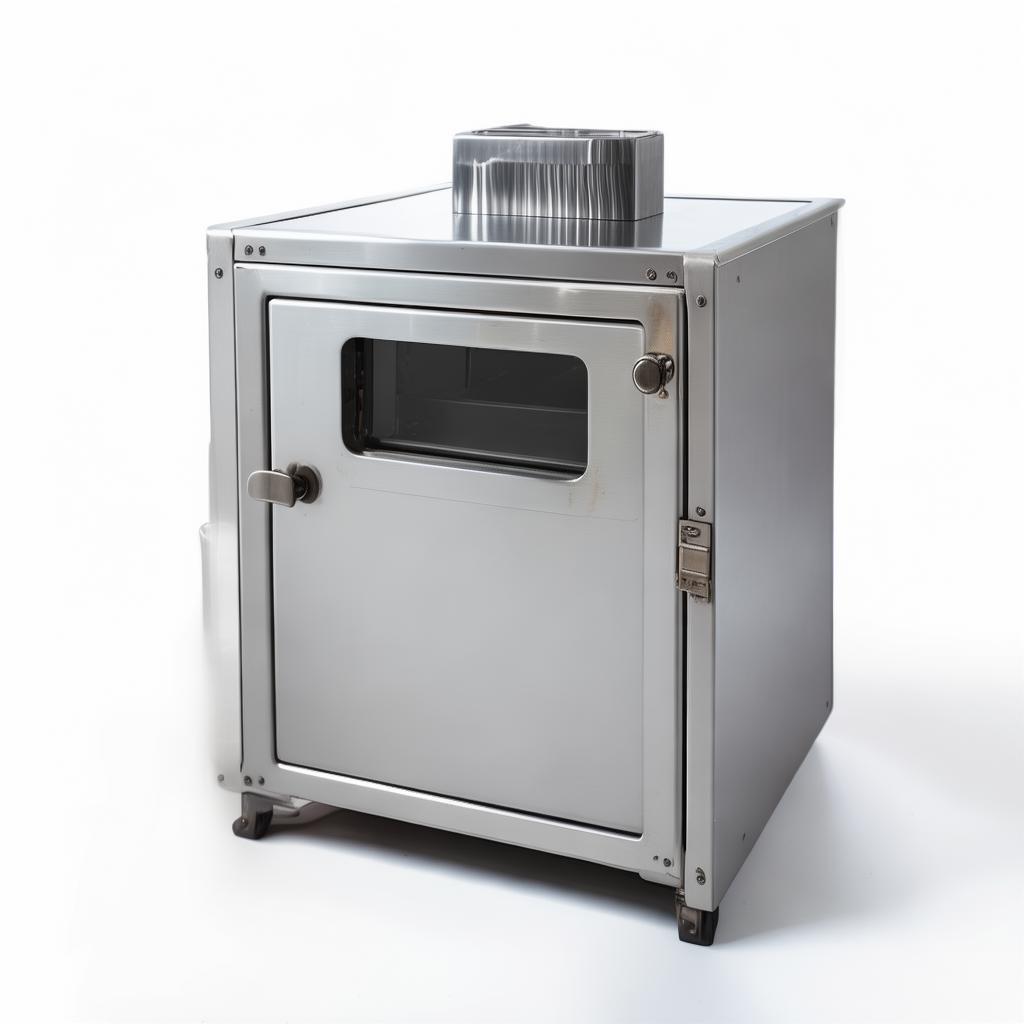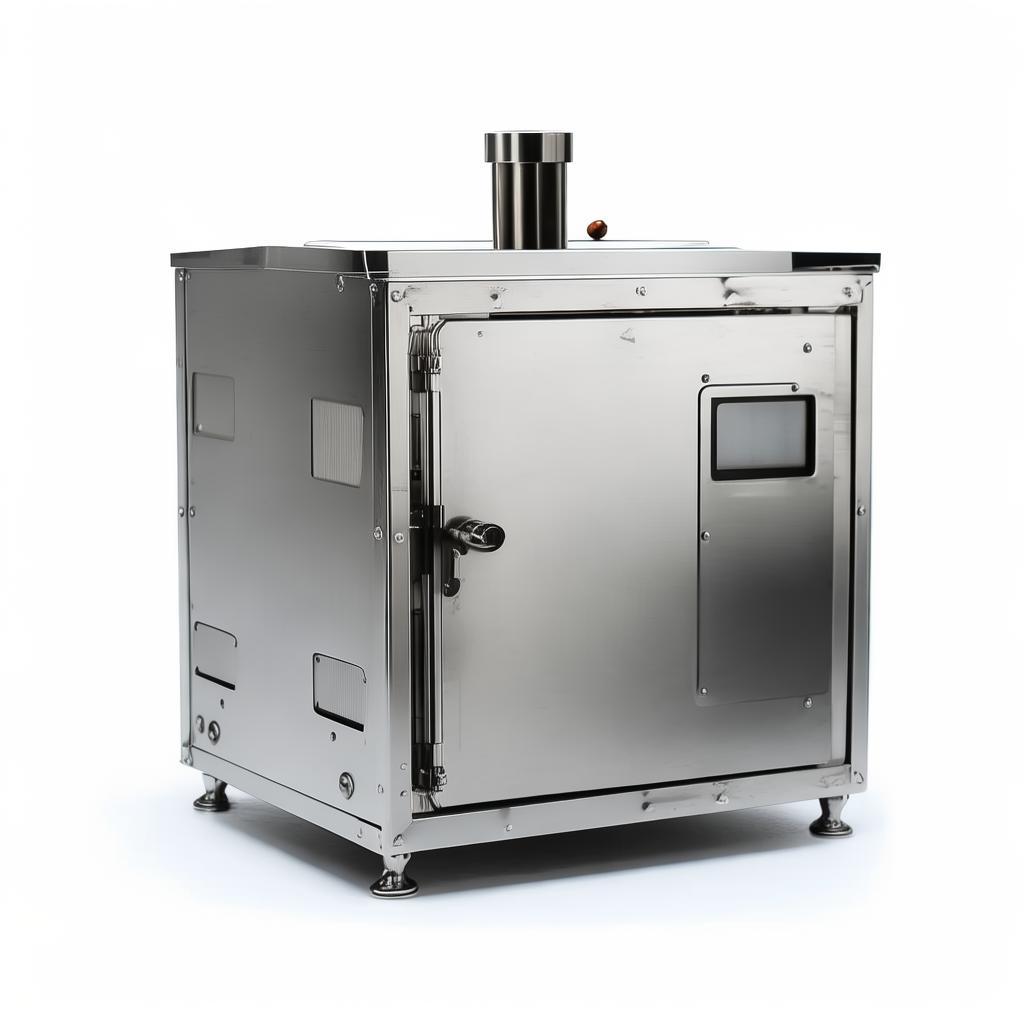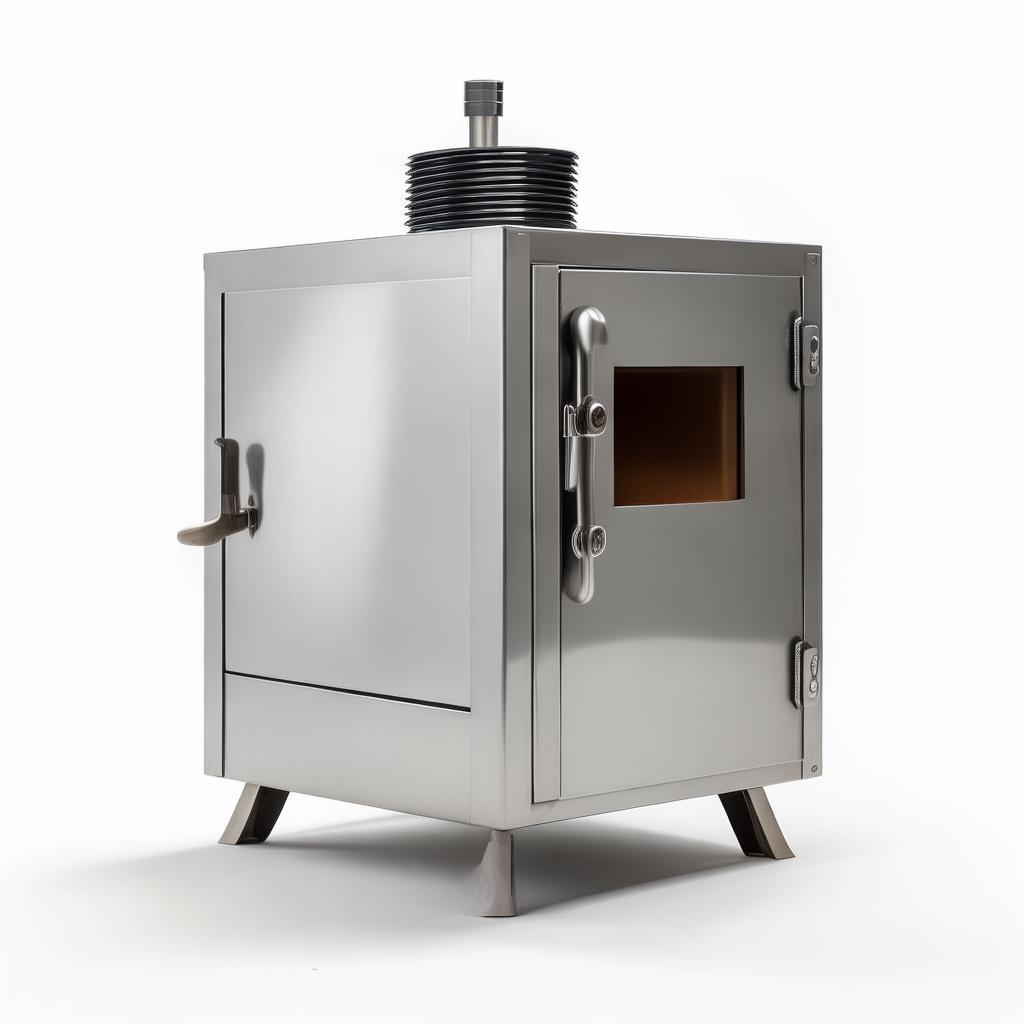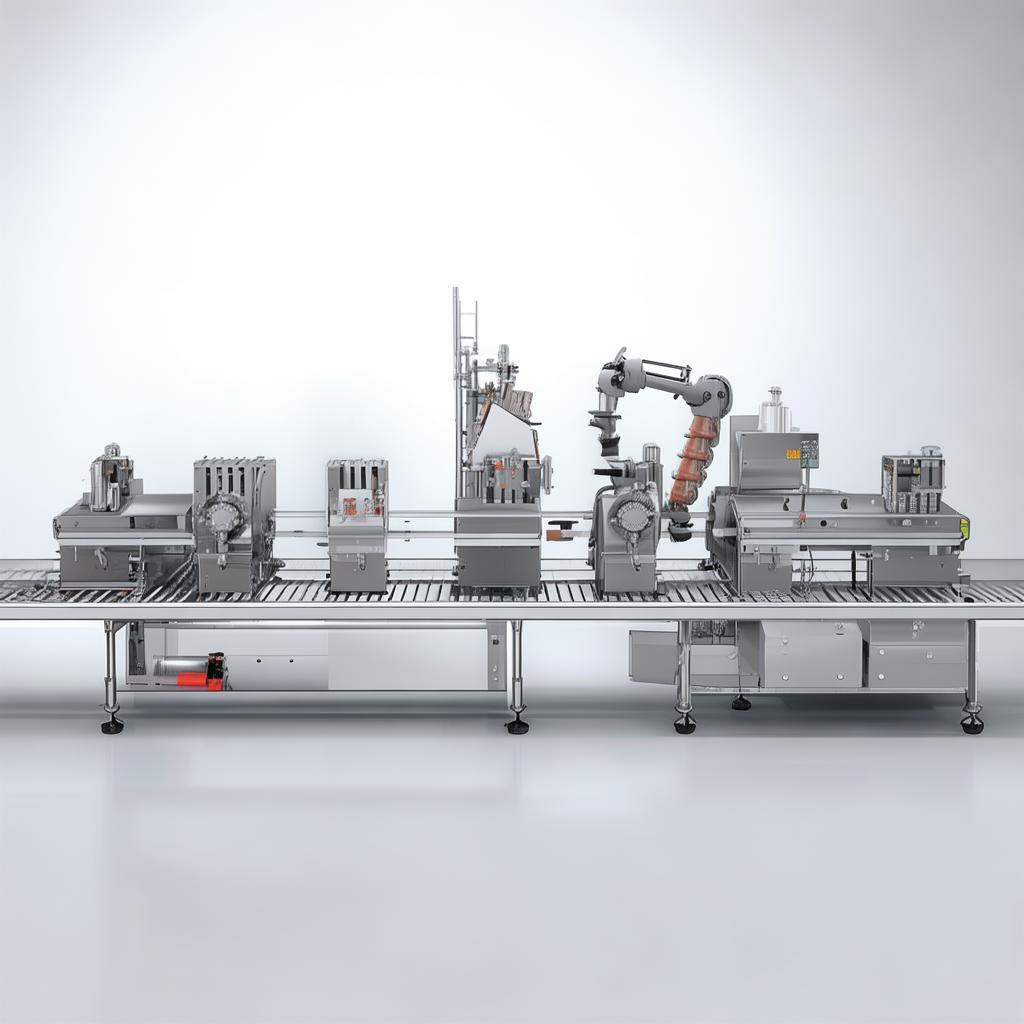
Vacuum Fill
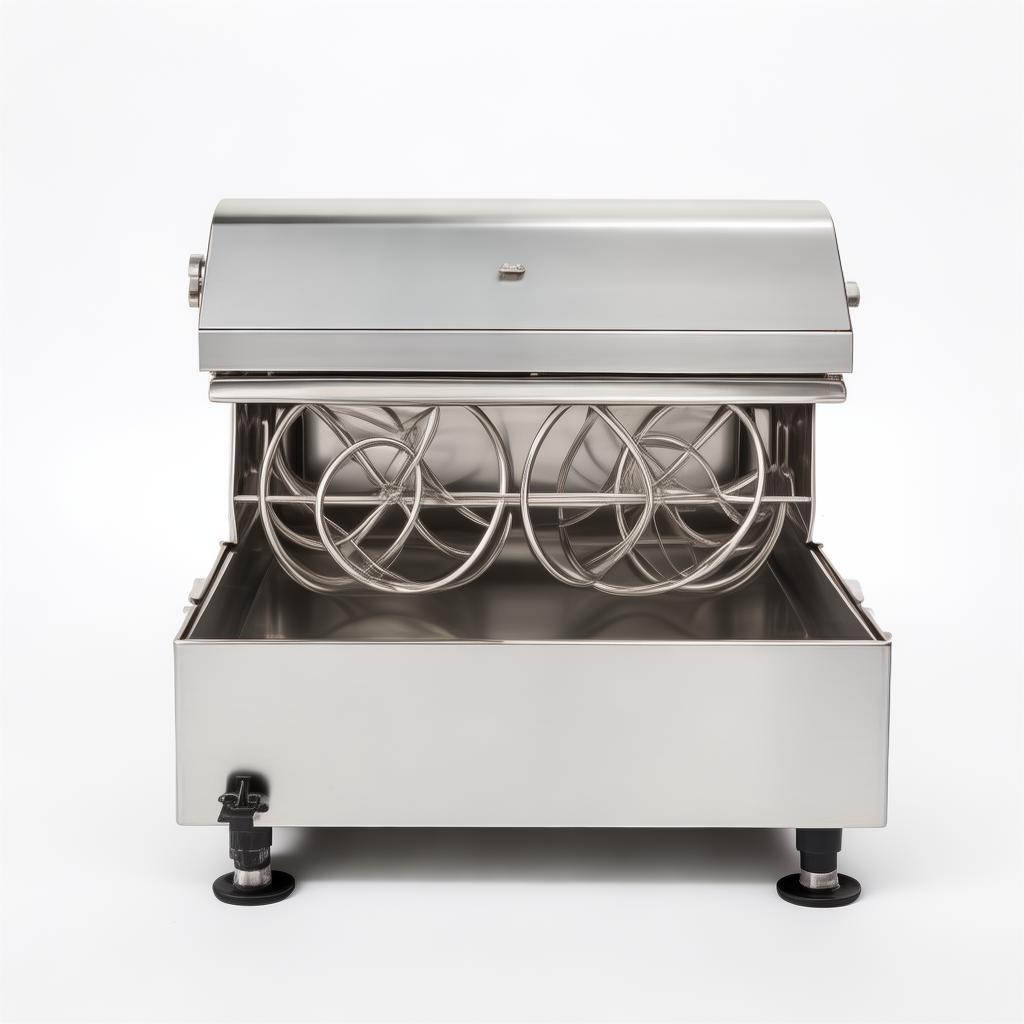
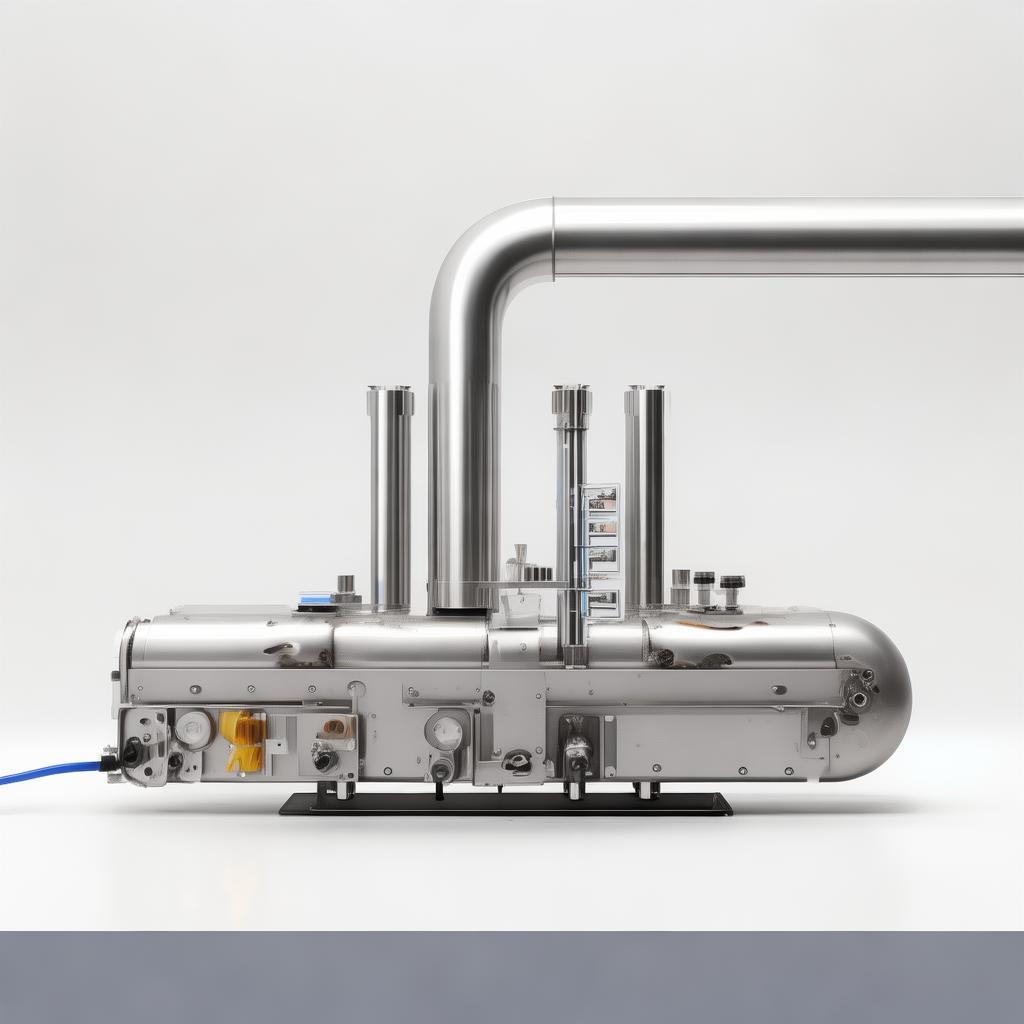

Precision Vacuum Fillers for Demanding Food Production
Enhance Consistency, Efficiency, and Product Integrity in Your Meat Processing Line.

Understanding Vacuum Fill in Modern Meat Production
In the complex world of modern food manufacturing, especially within the meat processing sector, achieving consistent product quality, optimizing production speed, and ensuring robust hygiene are paramount. For operations aiming to produce high-value items like sausages, patés, formed products, or even pet food, the filling stage is often a critical bottleneck and a significant determinant of final product appeal. This is precisely where the sophisticated technology of vacuum filling comes into play, offering a significant upgrade over traditional methods. It’s not just about dispensing product; it’s about precise control, enhanced texture, extended shelf life, and operational efficiency.
The global market for meat processing equipment is substantial and growing, driven by increasing demand for processed and convenience meats. Reports indicate the market was valued in the range of USD 11 to 18 billion in recent years and is projected to expand significantly, with some forecasts reaching over USD 30 billion by 2034. This growth underscores the industry's investment in advanced machinery. Key segments include filling & stuffing equipment, massaging & tumbling machines for ripening, and cutting/grinding systems. The consistent rise in processed meat consumption, coupled with the push for automation to address labor shortages and improve hygiene, directly fuels the demand for precise filling solutions. Furthermore, stringent food safety standards worldwide necessitate equipment that minimizes contamination risks and ensures product integrity from start to finish.
At its core, a vacuum filler operates by drawing product into a hopper under a vacuum seal. This vacuum not only helps to evacuate air from the product mix but also creates a consistent density for precise portioning. As the product is then dispensed, the vacuum mechanism ensures that minimal air is introduced, which is crucial for several reasons. Firstly, reducing air in meat emulsions prevents oxidation, a primary cause of spoilage and off-flavors, thereby extending the product's shelf life. Secondly, the absence of air bubbles contributes to a smoother, more uniform texture, enhancing both mouthfeel and visual appeal – essential for consumer satisfaction, especially in premium products.
From an operational standpoint, vacuum fillers often offer significantly higher filling speeds and accuracy compared to older volumetric or auger-based systems. The precision in portioning reduces product giveaway, directly impacting profitability. For international wholesale exporters or OEM factories producing for global markets, consistent product quality is non-negotiable. Customers in North America, Europe, and Asia-Pacific expect uniformity and reliability, batch after batch. A well-engineered vacuum filler addresses these expectations by delivering repeatable results, even with challenging product formulations like very lean mixes or those containing delicate inclusions.
Considering the procurement journey for such equipment, buyers are looking for more than just a machine; they seek a reliable partner offering robust engineering, dependable after-sales support, and a clear return on investment. Understanding the intricacies of vacuum filling – from the types of vacuum pumps used, the sealing mechanisms, the hopper design, to the casing and stuffing capabilities – is key. Factors like ease of cleaning (a critical hygiene consideration), material construction (food-grade stainless steel is standard), and integration with other line equipment (like automatic stuffers or linking machines) are all part of the decision-making process. For factories involved in OEM/ODM, the ability of a vacuum filler to handle diverse product specifications and packaging formats is a significant advantage.
This page delves into the operational mechanics, the tangible benefits, and the strategic advantages of implementing advanced vacuum filling technology. We aim to provide procurement managers, operations directors, and technical engineers with the deep insights needed to make an informed decision, ensuring your investment in vacuum filling technology translates directly into enhanced product quality, improved efficiency, and a stronger competitive position in the global market. We'll explore why this technology is a cornerstone for businesses committed to excellence in meat and pet food processing.
Addressing Key Production Challenges with Vacuum Filling
Many manufacturers grapple with inconsistent product fill weights, leading to product giveaway and reduced profitability. Traditional filling methods can be prone to air pockets, resulting in a less dense product and compromised texture. This is particularly problematic for products where a firm, consistent bite is desired.
Furthermore, manual or less advanced filling processes can be labor-intensive and increase the risk of repetitive strain injuries for operators. In today's competitive landscape, reducing labor costs while improving output is a strategic imperative. The need for enhanced hygiene and reduced product contamination is also ever-present. Any equipment that minimizes human contact with the product and facilitates thorough cleaning directly addresses these concerns.
The demand for extended shelf life in processed meats is another significant driver. Oxidation, caused by air trapped within the product matrix, accelerates spoilage. Vacuum filling actively combats this by expelling air during the filling process, leading to a fresher product for longer periods. This benefit is invaluable for exporters aiming to maintain product quality during extended transit times and for retailers seeking to reduce spoilage on their shelves.
Inconsistent Fill Weights?
Vacuum fillers provide precise volumetric control, minimizing product giveaway and ensuring each package meets exact weight specifications. This means less wasted product and happier customers.
Poor Product Texture?
By removing air, vacuum filling creates a denser, smoother product texture. This improves mouthfeel, visual appeal, and allows for better adherence to casing, reducing defects like blowouts.
Short Shelf Life?
The vacuum process drastically reduces oxidation, preserving freshness and extending the shelf life of your meat products, which is crucial for distribution and retail.
Operational Advantages of Precision Filling
Investing in a high-quality vacuum filler isn't just about upgrading machinery; it's about fundamentally improving your production line's performance and product quality. The benefits are tangible and directly impact your bottom line and market reputation.
Enhanced Product Quality & Consistency
The primary advantage of vacuum filling lies in its ability to produce highly consistent products. The vacuum environment ensures uniform density and structure. This is especially critical for emulsified products like sausages, where air voids can lead to weak spots, cooking defects, or a greasy texture. Customers expect a certain mouthfeel and appearance; vacuum fillers help deliver that reliably.
Reduced Product Spoilage & Extended Shelf Life
By removing oxygen during the filling process, oxidation is significantly minimized. This directly translates to a longer shelf life for your products. For international trade, this means greater flexibility in logistics and reduced risk of spoilage during transit. Fewer returns and less waste at the retail level are direct economic benefits.
Increased Production Efficiency
Modern vacuum fillers are designed for high throughput. Coupled with their precision, they reduce the need for manual adjustments and rework. For many operations, a vacuum filler can significantly increase the number of units produced per hour, often requiring fewer operators or allowing existing staff to focus on more value-added tasks.
- Precise Portioning: Reduces giveaway and ensures accurate weights for consumer-facing products.
- Improved Texture & Appearance: Creates a smooth, dense product free from air bubbles.
- Minimal Product Degradation: Protects against oxidation, maintaining flavor and color.
- Faster Cycle Times: Streamlines production flow and increases output.
- Reduced Operator Fatigue: Automates a labor-intensive process.
These advantages collectively contribute to a more robust and profitable production operation, crucial for staying competitive in the global food processing industry.
The Technology Behind Reliable Vacuum Filling
At Hebei Yuanchang, we engineer our vacuum fillers with a focus on robust design, operational longevity, and precision. Our systems are built for demanding industrial environments, integrating advanced components to deliver consistent performance.
Vacuum System Integration
The heart of our system is the efficient vacuum pump, designed to draw optimal vacuum levels within the filling chamber. This ensures thorough air evacuation from the meat mixture before dispensing. We utilize high-quality, reliable vacuum pumps that are integral to maintaining product integrity and shelf life. The seal integrity of the filling mechanism is just as crucial; our designs ensure minimal air ingress during the filling cycle.
Advanced Dosing & Portioning Control
Precision is achieved through sophisticated volumetric or gravimetric control systems. Operators can easily set target weights or volumes via an intuitive interface. Our servo-driven systems offer exceptional accuracy and repeatability, even with varying product viscosities. This level of control is vital for meeting strict weight regulations in different markets and for minimizing product giveaway.
Material Construction & Hygiene
Constructed primarily from food-grade stainless steel (e.g., SUS304), our machines are built for durability and ease of cleaning. Smooth surfaces, minimal crevices, and easily detachable parts are standard, adhering to strict hygiene standards like HACCP. This design philosophy is essential for preventing microbial growth and ensuring compliance with international food safety regulations.
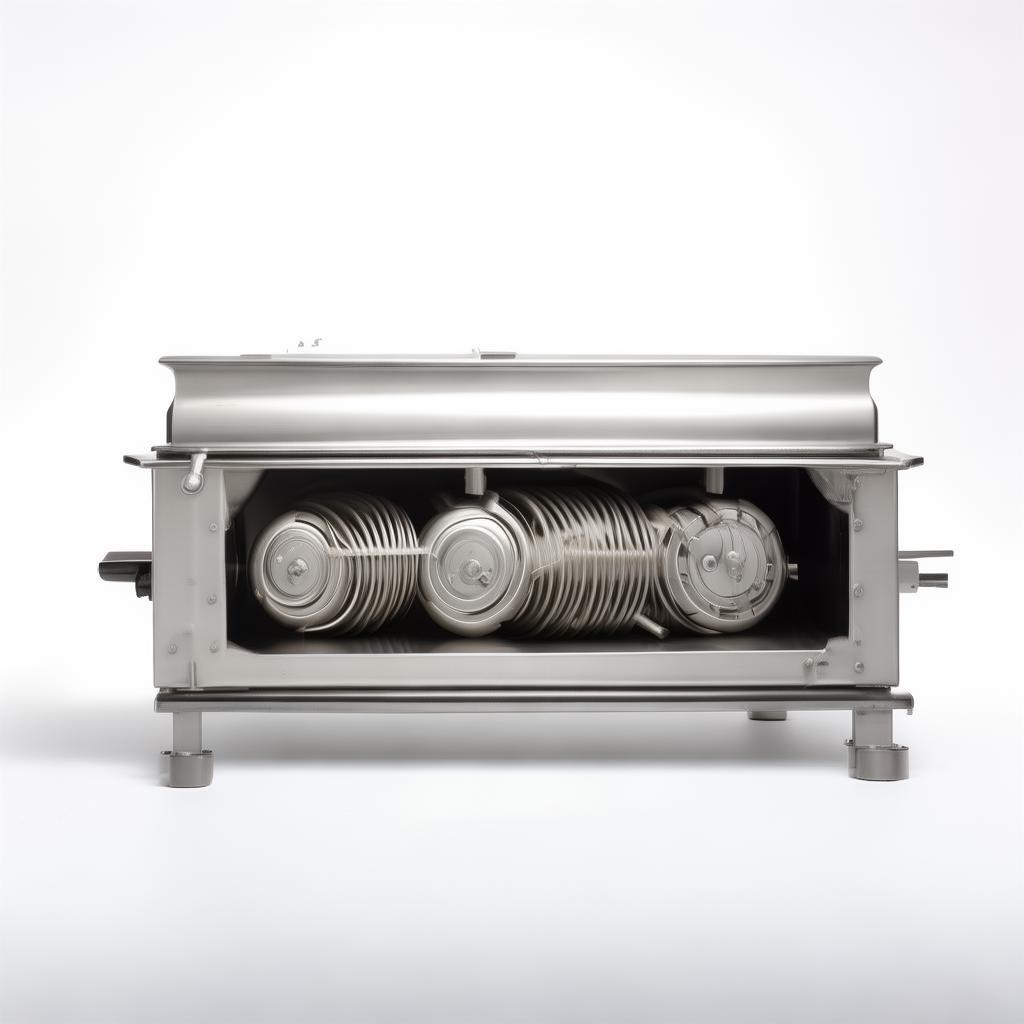
Internal view showcasing robust construction and food-grade materials.
Ergonomics & Ease of Operation
We understand that operational efficiency extends to the user experience. Our machines feature user-friendly control panels, simple loading mechanisms, and intuitive maintenance procedures. Many models are designed for seamless integration with downstream equipment like automatic stuffers, linking machines, or clipping devices, creating a fully automated production line.
Versatile Applications Across Meat Processing
Our vacuum filling technology is not limited to a single product type. Its adaptability makes it an indispensable tool for a wide array of processed meat and pet food applications. Whether you are producing finely emulsified products or handling coarser grinds, our machines are engineered to perform.
Sausages & Frankfurters
The most common application. Vacuum filling ensures dense, uniform sausages with minimal air pockets, preventing cook-out and blowouts. Perfect for fresh, smoked, or cured varieties.
Pâtés & Terrines
Achieve a smooth, luxurious texture and consistent density required for high-end pâtés and terrines. The vacuum process helps maintain the delicate structure of these products.
Formed Meat Products
For items like meat patties, nuggets, or meatballs, vacuum filling contributes to a cohesive structure that holds its shape during cooking and handling. It ensures consistent weight and density for standardized product presentation.
Pet Food
The demand for high-quality, consistent pet food is rapidly growing. Vacuum fillers are ideal for producing moist pet foods, ensuring good texture, extended shelf life, and precise portioning for nutritional control.
Specialty Meat Products
From fine meat pastes for culinary applications to other niche products requiring controlled texture and density, vacuum filling provides the precision needed for superior results.
Our machines can be equipped with various attachments and tooling to accommodate different casing types (natural, collagen, synthetic), diameters, and filling requirements, making them a versatile solution for diverse production needs.
Technical Specifications & Customization
We offer a range of vacuum filler models to suit different production scales and product types. Below is a representative specification table, but remember, customization is our strength. We work closely with clients to tailor machines to their exact needs.
| Feature | Specification | Details |
|---|---|---|
| Production Capacity | Up to 6,000 kg/hr (Model Dependent) | Varies based on product viscosity and fill settings. |
| Hopper Capacity | 60L / 100L / 150L (Standard options) | Larger capacities available upon request for continuous operations. |
| Filling Accuracy | ± 1-2% | Achieved through precise volumetric/gravimetric control. |
| Vacuum System | High-efficiency Rotary Vane Pump | Ensures optimal air evacuation for product integrity. |
| Control System | PLC with Touchscreen Interface | Intuitive operation, recipe storage, and parameter adjustment. |
| Materials | SUS304 Stainless Steel | Food-grade, corrosion-resistant, and easy to clean. |
| Power Supply | Customizable (e.g., 380V/50Hz/3Ph) | Configured to meet regional electrical standards. |
| Optional Features | Automatic Casing Twisting/Linking, Integrated Weighing, Special Hoppers | Tailored for specific product lines and automation needs. |
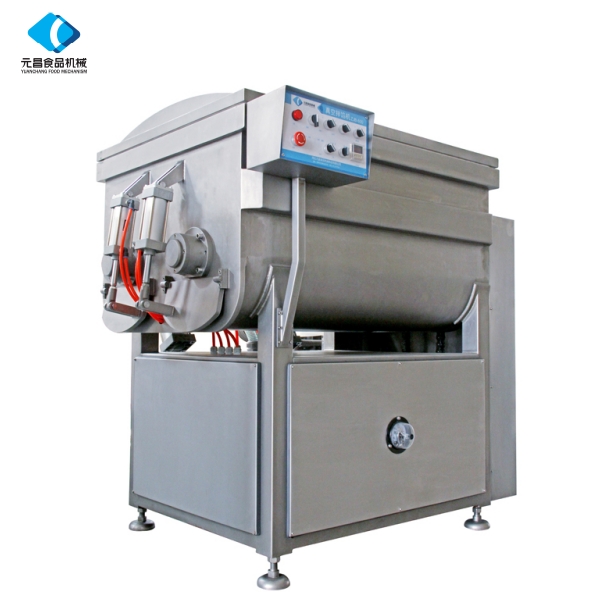
uhv vacuum Vacuum filler vacuum filled
Our engineering team is adept at modifying designs to accommodate unique product formulations, specific casing requirements, or integration challenges. If you have special material inclusions or viscosity challenges, we can explore solutions like specialized auger designs or enhanced vacuum levels. Contact us to discuss your specific requirements.
Our Manufacturing Prowess: 40 Years of Expertise

Modern machining capabilities at our Hebei facility.
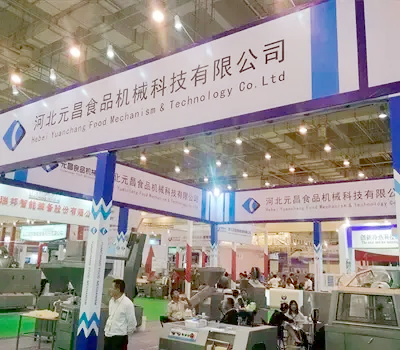
Hebei Yuanchang Food Mechanism & Technology Co., Ltd. isn't just a supplier; we are seasoned manufacturers with a legacy spanning over 40 years since 1986. Our comprehensive facility, covering approximately 14,000 square meters, houses a dedicated team of 80-100 professionals committed to excellence in R&D, production, and sales.
Our in-house machining workshop is a testament to our commitment to quality. Equipped with over 20 sets of advanced processing machinery, including lathes, milling machines, high-precision grinding machines, and wire cutting equipment, we possess the capability to produce components with exacting standards. The integration of 8 sets of Japanese Mazak CNC machining centers since 2012 significantly enhances our capacity to manufacture high-precision, non-standard, and large-volume components independently. This capability is crucial for ensuring the reliability and performance of our vacuum fillers, as well as our complete production lines for meat and pet food processing.
This vertical integration allows us to maintain absolute control over the quality of every part, ensuring that each vacuum filler leaving our facility meets stringent international benchmarks. Our traceable after-sales management system further guarantees that we can provide ongoing support and readily supply any required high-precision replacement parts, offering our clients true peace of mind.
Get Factory Direct Pricing - Request a Quote Today!
Seamless Global Logistics & Export Experience
As a company with extensive international trade experience, Hebei Yuanchang understands the complexities of global shipping and logistics. We are adept at preparing machinery for export and ensuring it reaches your doorstep efficiently and securely, anywhere in the world.
Export-Ready Packaging
Our vacuum fillers are meticulously prepared for international transit. This typically involves robust crating or specialized palletizing to protect the machinery from damage during handling and transit. We ensure all components are securely fastened and protected against moisture and vibration. For larger orders or complete lines, we can also coordinate container loading optimization to maximize space and minimize shipping costs.
Documentation & Compliance
Navigating international customs can be challenging. We provide all necessary export documentation, including commercial invoices, packing lists, certificates of origin, and any other required paperwork. Our team is experienced with export regulations and can assist in ensuring smooth customs clearance for your equipment.
Shipping Partnerships
We work with reliable international freight forwarders to offer competitive shipping solutions via sea or air freight. Whether you require FOB, CIF, or DDP terms, we can tailor the shipping arrangement to your procurement strategy. Our aim is to make the process as straightforward and cost-effective as possible for our global clients.
With our comprehensive experience, international buyers can be assured of a streamlined and reliable delivery process for their vacuum filling equipment. We handle the logistics so you can focus on integrating the machinery into your production.
Procurement Considerations for Vacuum Fillers
Selecting the right vacuum filler involves more than just looking at specifications. For procurement managers and operations directors, considering the long-term operational and financial implications is key. Here’s what to keep in mind:
Scalability and Throughput
Evaluate your current and projected production volumes. Do you need a machine for a small-batch specialty product line or a high-capacity unit for mass production? Ensure the filler's capacity aligns with your growth plans. Consider whether integrating with automatic linking or clipping systems is necessary for future scalability.
Product Versatility
If you handle diverse meat products or formulations (e.g., lean vs. fatty, fine emulsion vs. coarse grind), assess the machine's flexibility. Can it handle variations in viscosity and particle size without significant adjustments? Look for models that allow easy tooling changes and recipe storage.
Hygiene and Ease of Cleaning (HACCP Compliance)
This is non-negotiable in food processing. A machine that is difficult to clean poses a risk of bacterial contamination and increases downtime. Prioritize designs with minimal crevices, easily accessible parts, and smooth stainless-steel surfaces. Ask about cleaning protocols and compatibility with CIP (Clean-In-Place) systems if applicable.
After-Sales Support & Spare Parts
Long lead times for spare parts or a lack of local support can halt production. Investigate the supplier's track record for after-sales service, availability of critical spare parts, and technical assistance. A manufacturer with in-house component production, like Hebei Yuanchang, often offers an advantage here.
Total Cost of Ownership (TCO)
Beyond the initial purchase price, consider energy consumption, maintenance costs, labor efficiency gains, and potential savings from reduced product giveaway. A slightly higher upfront investment in a robust, efficient machine can yield significant long-term savings.
Risk Mitigation Tip:
Always request detailed documentation, including electrical schematics and spare parts lists. When possible, visit the manufacturer's facility or request video demonstrations of the specific model you are considering. Due diligence significantly reduces procurement risks.
Commitment to Quality & Compliance
At Hebei Yuanchang, quality and safety are integral to our manufacturing philosophy. Our equipment is designed and built to meet international standards, ensuring compliance for global markets.

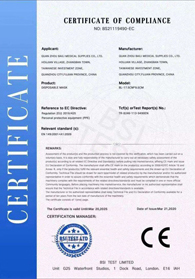


While specific certifications may vary by machine model and region, our commitment is to produce equipment that adheres to stringent safety, hygiene, and electrical compliance requirements, including considerations for CE marking and FDA regulations for food contact materials. We ensure that all machines are built using food-grade materials and designed for sanitary operation.
What Our Clients Say
Real feedback from businesses like yours, operating in demanding global markets.

David Chen, Production Manager
Global Meat Processors Inc. (USA)
"Switching to Yuanchang's vacuum filler was a game-changer for our sausage line. The consistency in weight and texture is something we struggled with previously. Our giveaway has dropped significantly, and customer complaints about appearance are virtually gone. The machine runs reliably day in and day out."

Maria Rodriguez, Operations Director
Premium Pâté Co. (Mexico)
"We needed a machine capable of handling fine emulsions for our pâté production. Yuanchang's vacuum filler delivers a smooth, air-free product that meets our high-quality standards. The ease of cleaning is also a major plus, given our strict hygiene protocols. Their support team was very helpful during installation."

Kenji Tanaka, Procurement Manager
Asia Pet Foods Ltd. (Japan)
"We chose Hebei Yuanchang for our new pet food line due to their experience and competitive pricing. The vacuum filler performs exceptionally well, ensuring consistent density for our moist food products. This directly impacts shelf stability and consumer perception. We appreciate the robust build quality and reliable operation."
Frequently Asked Questions
Q: Can your vacuum fillers handle products with solid inclusions (e.g., cheese chunks, vegetables)?
A: Yes, our machines can be configured to handle products with inclusions. Depending on the size and fragility of the inclusions, we may recommend specific auger designs or adjustments to the filling pressure to prevent damage and ensure even distribution.
Q: What is the typical lead time for a vacuum filler?
A: Lead times can vary based on the specific model and any custom modifications required. Generally, standard models can be ready for shipment within 4-8 weeks from order confirmation. For customized solutions, we will provide a detailed timeline during the quotation process.
Q: Do you provide installation and training services?
A: Yes, we offer comprehensive installation and commissioning services, along with operator training, to ensure your team can utilize the machine efficiently and safely from day one. This service is typically arranged based on client requirements and location.
Q: What kind of maintenance is required for a vacuum filler?
A: Regular maintenance involves daily cleaning, lubrication of moving parts, and periodic checks of seals and the vacuum pump. Our machines are designed for straightforward maintenance. We provide detailed manuals and are available to assist with any complex servicing needs.
Q: Can your vacuum fillers be integrated with existing production lines?
A: Absolutely. Our machines are designed with integration in mind. We can provide specifications and guidance to ensure compatibility with your existing equipment, such as conveyors, stuffers, or casing machines.
Ready to Elevate Your Production?
Discover how our precision vacuum fillers can transform your meat processing operations, enhancing quality, efficiency, and profitability.
Hebei Yuanchang Food Mechanism & Technology Co., Ltd.
Shijiazhuang, Hebei Province, China
Get Expert Advice Instantly


Connect with our specialists via live chat for immediate answers to your technical and procurement questions.