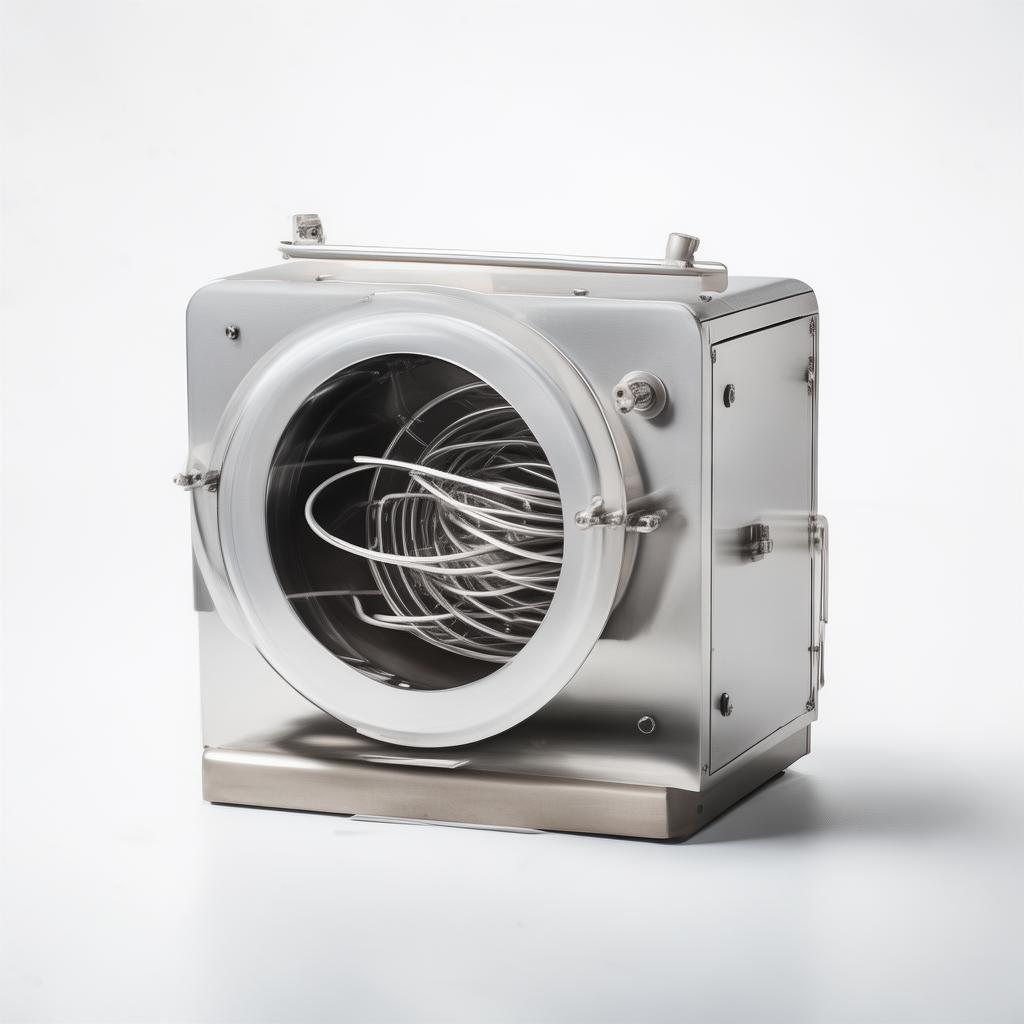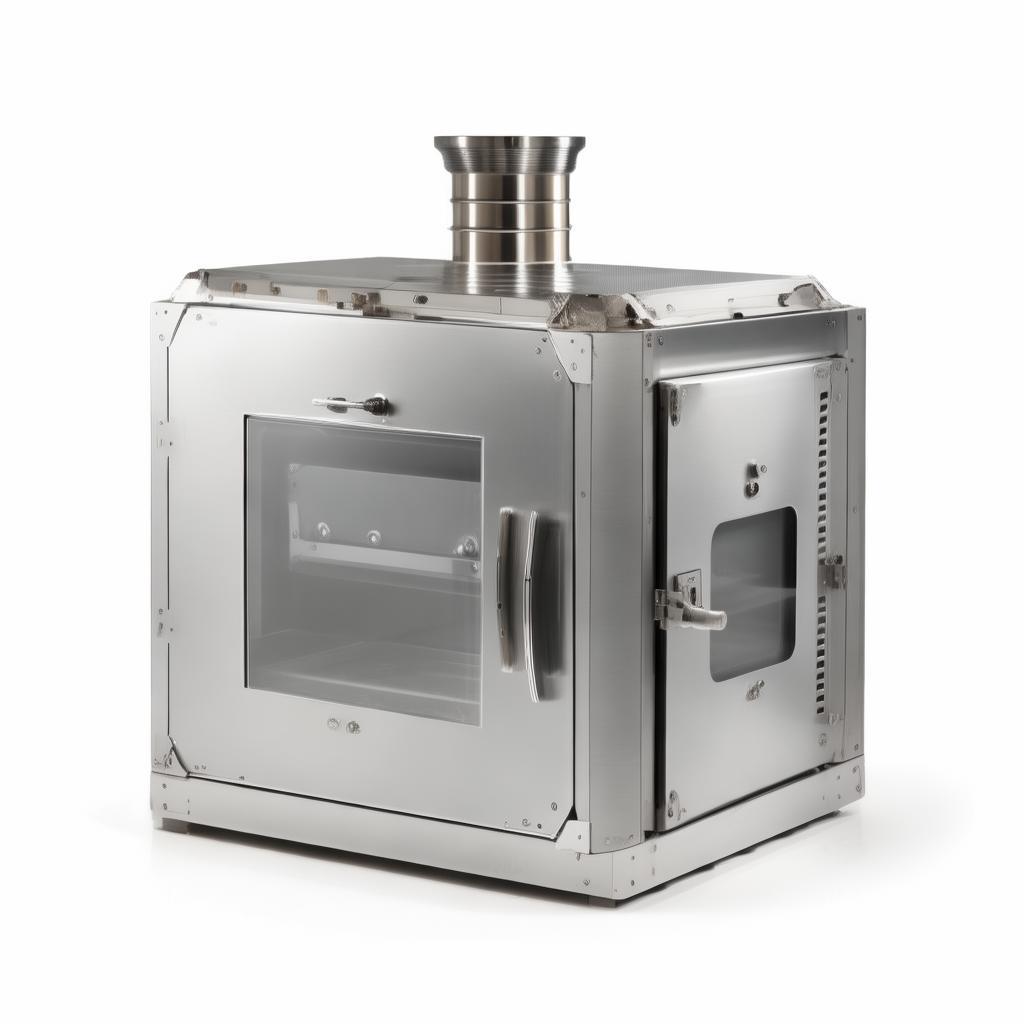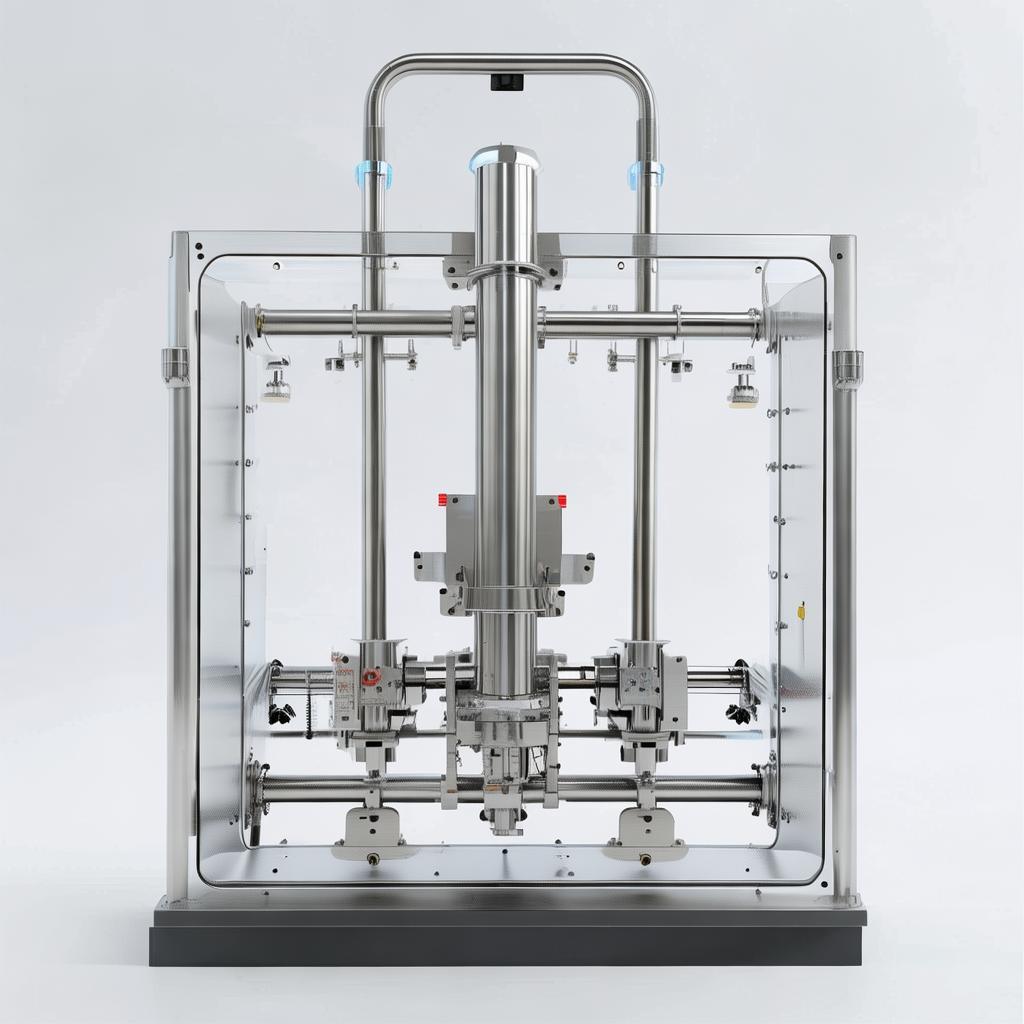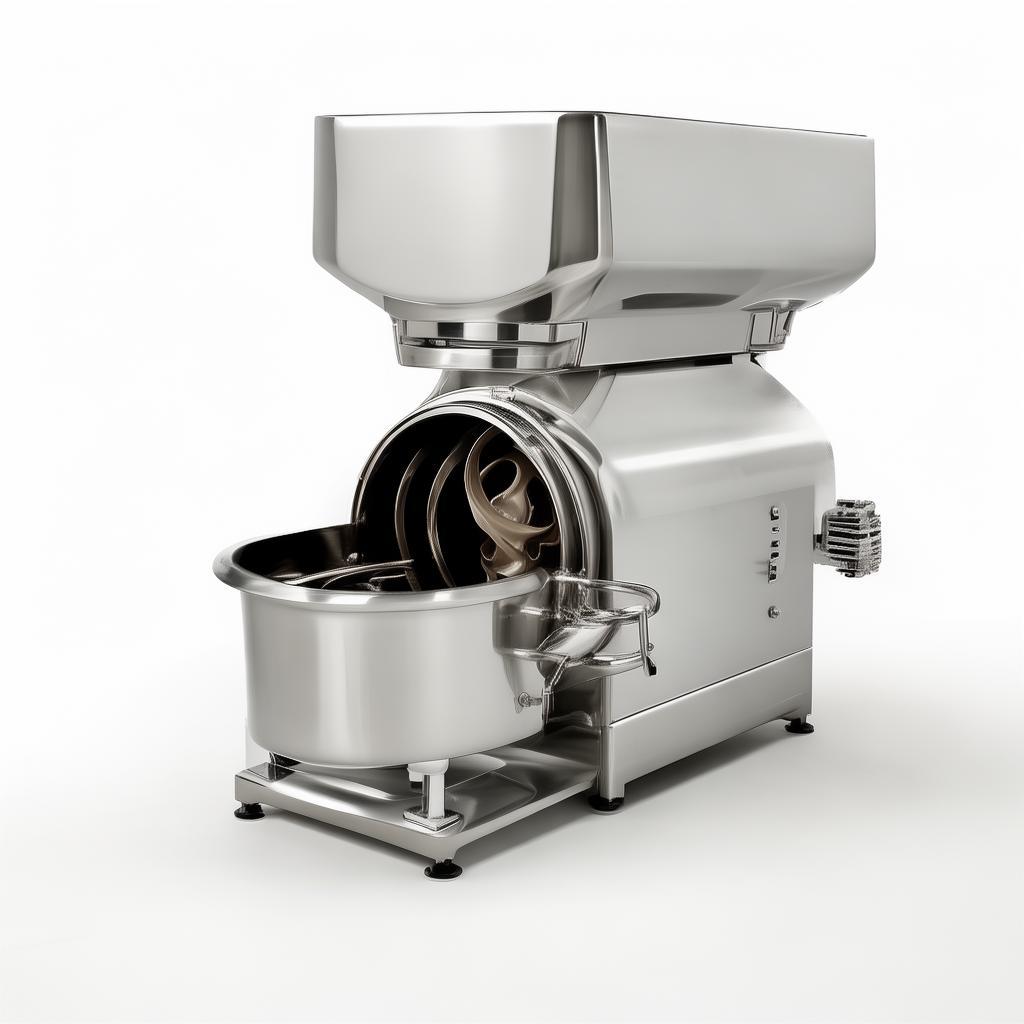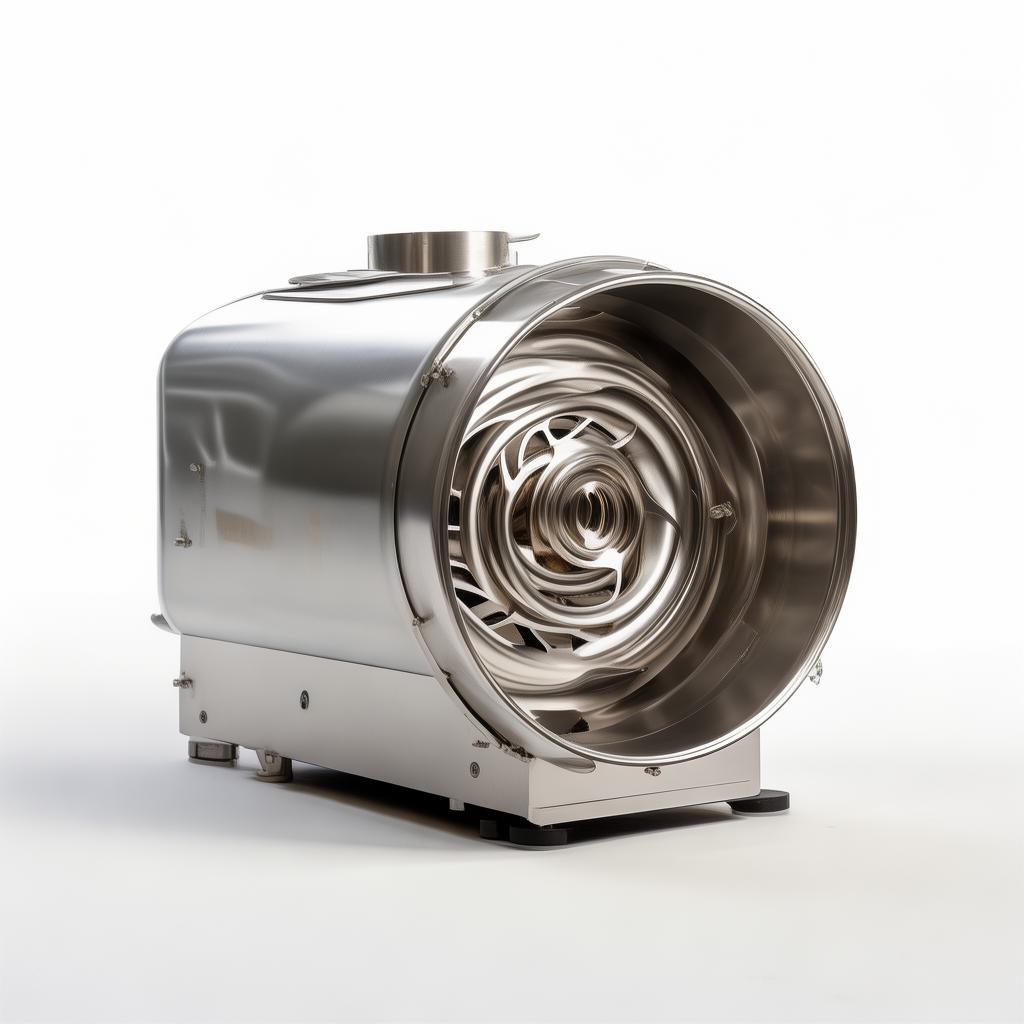
Ultimate Vacuum Pressure
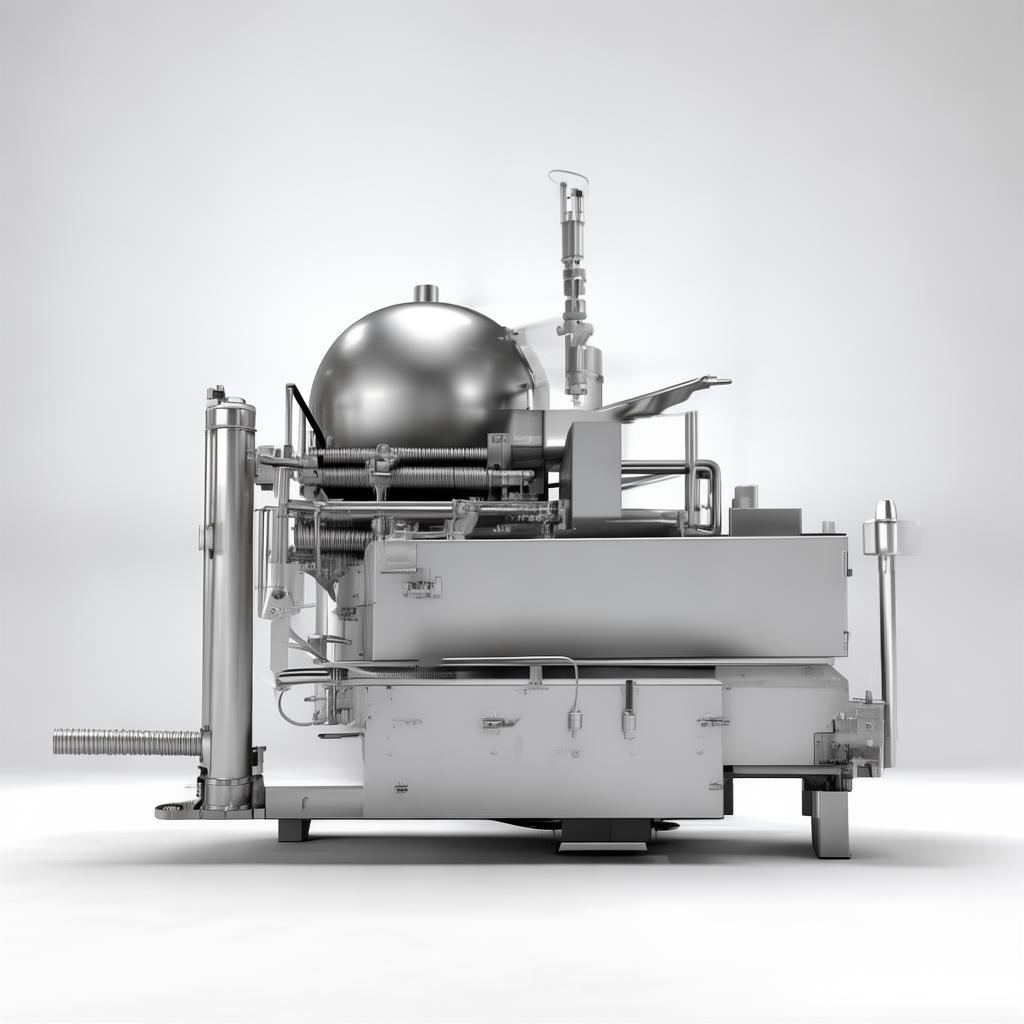
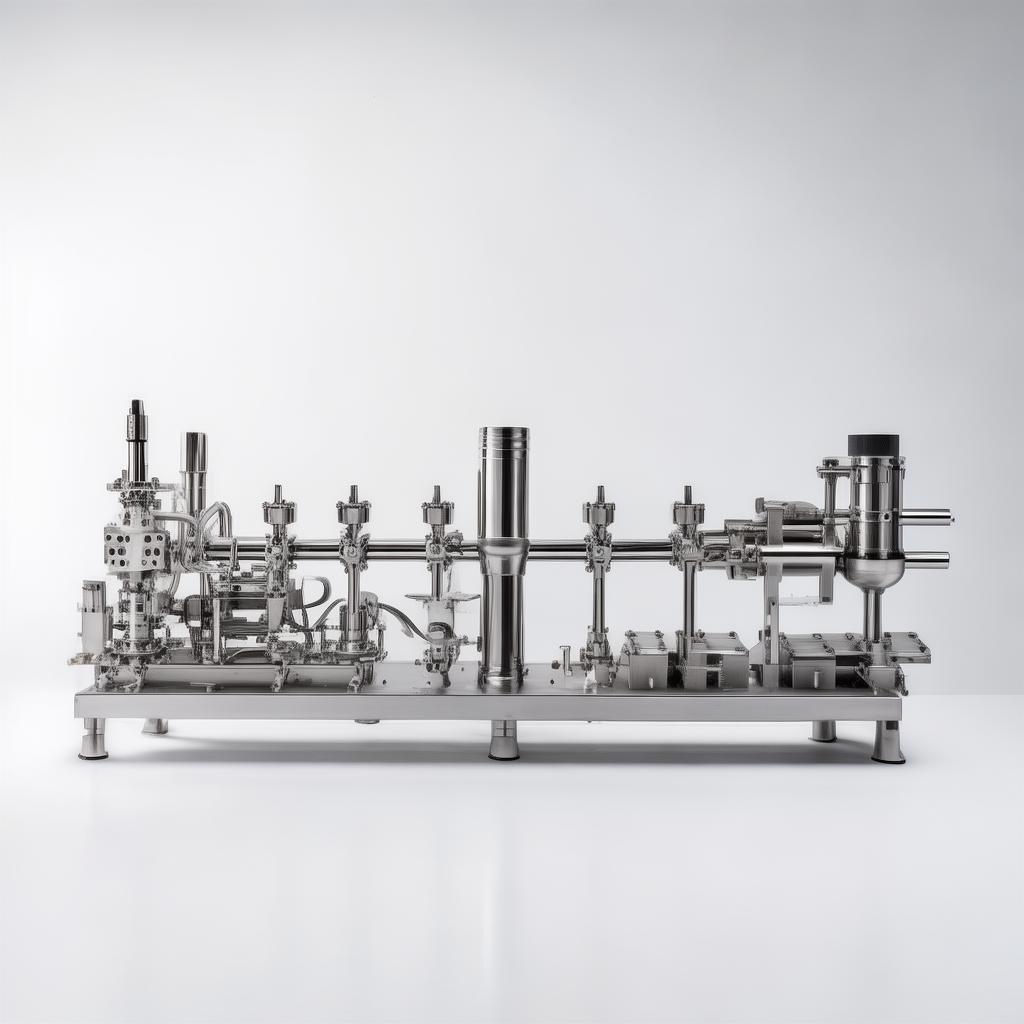
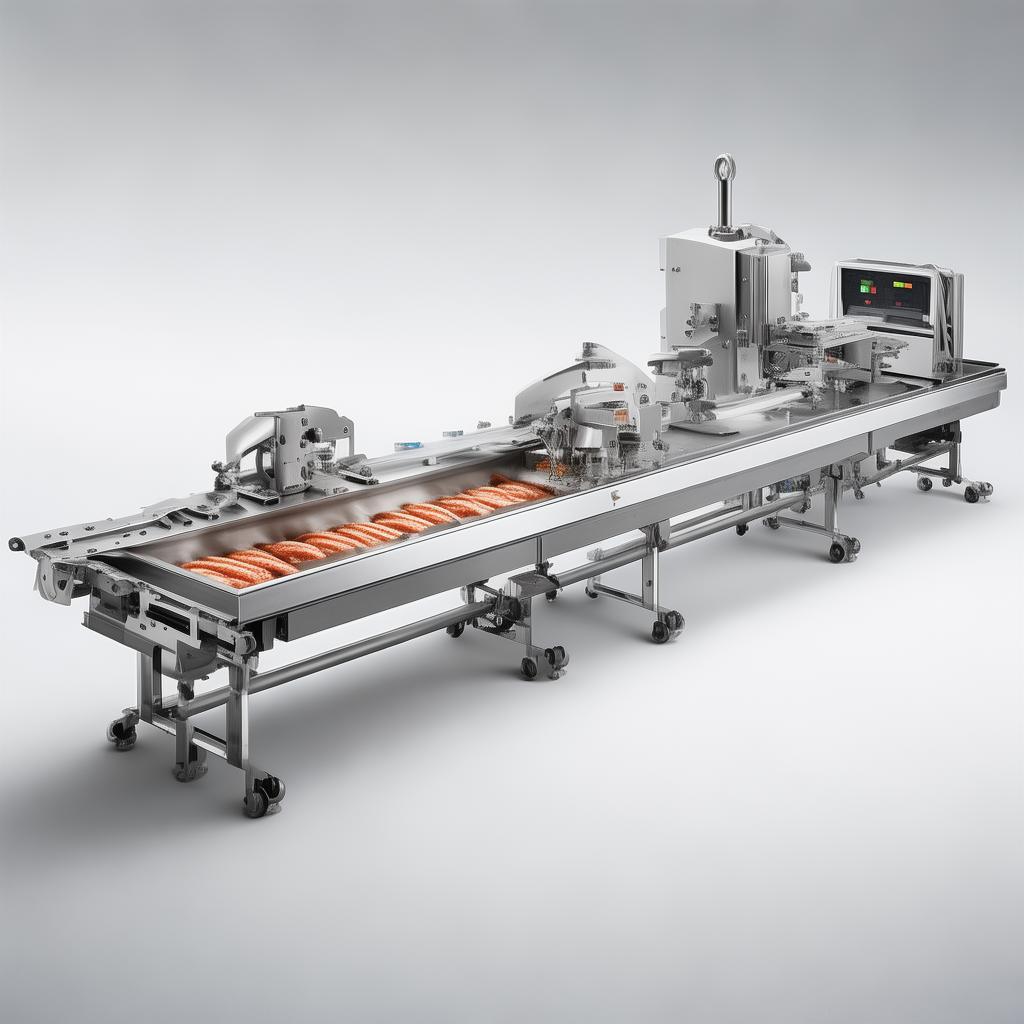
Mastering Ultimate Vacuum Pressure: Precision Engineering for Meat Processing Excellence
Empowering Your Production with 40 Years of Expertise in Meat Processing Machinery
Understanding Ultimate Vacuum Pressure in Modern Meat Processing
In the fast-paced world of industrial meat processing, achieving precise control over every stage of production isn't just a quality goal; it's a critical factor for market competitiveness and consumer trust. From enhancing product shelf-life and texture to ensuring stringent hygiene standards, the subtle yet powerful forces at play within processing machinery can make or break a batch. One such fundamental parameter, often underestimated but vital for optimal outcomes, is the ability to achieve and maintain ultimate vacuum pressure. This isn't a term thrown around lightly; it represents the pinnacle of air removal within sealed systems, directly impacting product integrity, safety, and consistency.
The demand for processed meats—spanning everything from sausages and cured meats to ready-to-eat meals and pet food formulations—continues its upward trajectory. Reports indicate the global meat processing equipment market alone was valued at over USD 11 billion in 2025 and is projected to expand significantly, reaching upwards of USD 17 billion by 2034, with key segments including filling, stuffing, massaging, and ripening equipment. [Source: Fortune Business Insights] This growth isn't just about volume; it's driven by evolving consumer preferences for convenience, quality, and safety, alongside increasing automation adoption to meet stringent food safety regulations and labor efficiencies. For manufacturers and exporters, mastering processes that deliver these qualities is paramount.
Consider the challenges faced daily: preventing oxidative spoilage that degrades flavor and color, minimizing microbial contamination which poses significant food safety risks, achieving uniform texture and density in formed products, and extending the natural shelf-life without relying solely on artificial preservatives. These are complex issues that require sophisticated engineering solutions. The effectiveness of vacuum packaging, for instance, is directly tied to the degree of vacuum achieved. A deeper vacuum removes more air, more effectively inhibiting aerobic bacterial growth and enzymatic browning. Similarly, in processes like mass aging or ripening, controlled atmospheric conditions, including near-total air removal, are crucial for developing desired flavors and textures while safeguarding against spoilage.
At Hebei Yuanchang Food Mechanism & Technology Co., Ltd., we've dedicated over 40 years, since 1986, to developing and refining the machinery that underpins these critical processes. Our expertise isn't just in building robust equipment; it's in understanding the intricate science behind meat processing. We recognize that "ultimate vacuum pressure" isn't just a technical specification; it's a promise of enhanced product quality, extended shelf stability, and improved operational efficiency. This understanding allows us to engineer solutions that meet the exacting demands of the global market, particularly for wholesale export and OEM/ODM clients who rely on consistency and reliability.
The journey to achieving superior vacuum levels involves a synergy of advanced pump technology, meticulous sealing mechanisms, precise control systems, and robust material science. It's about creating an environment where air is systematically and efficiently evacuated, leaving behind a product that retains its natural integrity and appeal. Whether you are involved in the pretreatment of meat products, filling and molding processes, or the critical ripening stages, the capability to achieve deep vacuum pressures directly correlates with the quality and marketability of your end product. Our deep-seated knowledge, accumulated through hands-on experience and continuous innovation, positions us as a trusted partner in navigating these technical complexities. We understand the procurement decision workflows of purchasing managers and the operational exigencies faced by operations directors, ensuring our solutions are not only technically superior but also commercially practical and operationally sound.
This page delves into what ultimate vacuum pressure truly signifies in industrial applications, the tangible benefits it unlocks for your processing lines, and how our precisely engineered machinery, backed by decades of manufacturing experience, delivers these crucial advantages. We will explore the technical nuances, application scenarios, and why partnering with a seasoned manufacturer like Hebei Yuanchang is a strategic decision for any business aiming for excellence in the global meat processing arena.

State-of-the-art manufacturing at Hebei Yuanchang.
Addressing the Operational Hurdles in Meat Processing
In the demanding environment of meat processing, achieving consistent product quality and safety often comes down to overcoming a series of persistent operational challenges. These aren't minor inconveniences; they are significant factors that can impact spoilage rates, production efficiency, and ultimately, your bottom line.
- Product Spoilage & Reduced Shelf-Life: The presence of oxygen is a primary driver of oxidative rancidity, which alters flavor, color, and aroma, significantly shortening a product's viable shelf life. Aerobic bacteria also thrive in oxygen-rich environments, leading to premature spoilage and posing serious food safety risks.
- Inconsistent Texture & Density: For molded products like sausages, patties, and cured items, achieving uniform texture, density, and structure is critical for consumer appeal and processing predictability. Air pockets or uneven distribution of ingredients can lead to product failure during cooking or packaging.
- Microbial Contamination Risks: From raw material handling to final packaging, maintaining a sterile or near-sterile environment is a constant battle. Introducing or allowing the proliferation of unwanted microorganisms can lead to product recalls, brand damage, and severe health implications for consumers.
- Inefficient Ripening & Aging Processes: For products requiring aging or ripening, controlling the atmospheric conditions is paramount. Insufficient air removal can lead to off-flavors, uneven development of desirable characteristics, and increased susceptibility to spoilage during these sensitive stages.
- Wastage and Material Inefficiencies: Products that spoil prematurely or fail to meet quality standards result in direct financial losses due to discarded product and wasted raw materials. Inefficient packaging also leads to higher material costs.
- Compliance with Food Safety Standards: Meeting stringent regulations such as HACCP, ISO, and local food safety laws requires robust processes that minimize contamination vectors. Failure to comply can result in penalties and market access restrictions.
These are not issues you can afford to overlook. They directly impact your operational costs, product quality, and your standing in the market. Addressing them requires not just good practices, but also the right industrial equipment capable of precise environmental control.
The Tangible Benefits of Achieving Ultimate Vacuum Pressure
When processing equipment is engineered to achieve and maintain high levels of vacuum, the operational benefits are far-reaching, directly tackling the challenges mentioned above and unlocking new levels of product quality and market potential.
Extended Shelf-Life
By effectively removing oxygen, the primary culprit behind oxidation and the growth of most spoilage-causing aerobic bacteria, a deep vacuum significantly inhibits these processes. This directly translates to a longer, more stable shelf life for your products, reducing spoilage rates and opening up broader distribution channels.
Enhanced Product Quality & Consistency
A controlled vacuum environment prevents undesirable enzymatic reactions that degrade color and flavor. For molded products, the vacuum helps compact the mass, eliminating air pockets and ensuring a uniform, appealing texture and density, batch after batch. This consistency is key for brand reputation.
Improved Food Safety
The removal of oxygen and prevention of aerobic microbial growth is a fundamental step in food safety protocols. By minimizing the conditions favorable for many harmful pathogens, high vacuum levels contribute to a safer product for consumption, reducing risks associated with contamination.
Optimized Ripening & Flavor Development
For products like aged cheeses or certain cured meats, controlled vacuum environments are essential for developing complex flavors and textures without spoilage. It allows for the selective promotion of desired anaerobic fermentation or enzymatic processes.
Reduced Ingredient Usage
With extended shelf-life and reduced spoilage, the need for high levels of artificial preservatives or antioxidants can be diminished, allowing for a cleaner label and potentially reduced ingredient costs.
Increased Production Efficiency
Consistent product quality means fewer rejects and less rework. Efficient vacuum systems also mean faster cycle times for packaging and processing steps, contributing to overall throughput.
Key Technical Specifications: Achieving Deep Vacuum
The ability to achieve ultimate vacuum pressure is a function of several critical components and design principles within our machinery. For manufacturers and procurement specialists, understanding these specifications is key to evaluating performance and reliability.
Our machines typically integrate high-performance vacuum pump systems, often utilizing rotary vane or liquid ring technologies, chosen for their robustness and efficiency in drawing down to low pressure levels. For example, a common target for high-end applications is to achieve a vacuum of -0.98 bar (or 20 mbar absolute pressure). The actual "ultimate vacuum" rating of the pump itself, often specified in millibar absolute (mbar abs) or Torr, indicates the lowest pressure it can theoretically achieve under ideal conditions. For advanced food processing, pumps capable of reaching below 1 mbar absolute are sometimes employed, though 1-10 mbar absolute is a highly effective range for most applications, ensuring removal of nearly all oxygen.
| Specification | Typical Range/Value | Impact on Performance |
|---|---|---|
| Vacuum Pump Type | Rotary Vane, Liquid Ring, Dry Screw | Efficiency, ultimate pressure, maintenance needs. |
| Ultimate Vacuum Rating | 1-50 mbar absolute (typical for effective processing) | Directly determines residual air/oxygen levels. |
| Pump Capacity (Flow Rate) | Varies by machine size (e.g., 25-600 m³/h) | Speed of achieving vacuum; crucial for high-throughput lines. |
| Sealing Mechanism Integrity | High-grade gaskets, robust chamber design | Prevents air ingress, maintaining vacuum levels. |
| Control System Precision | Programmable Logic Controllers (PLCs) | Accurate regulation and monitoring of vacuum cycles. |
wika vacuum pressure gauge pressure vacuum switches vacuum pressure transducer
For applications demanding the highest standards, our machinery incorporates advanced filtration and oil separation (for lubricated pumps) to maintain pump performance and prevent contamination of the processed product. [See our CE and ROHS certifications for compliance assurance.]
Where Ultimate Vacuum Pressure Makes a Difference
The precise control offered by high vacuum levels isn't confined to a single niche; it's a foundational element for achieving superior results across a broad spectrum of meat processing applications.
Sausage & Cured Meat Production
Vacuum filling is essential for achieving dense, uniform sausages without air pockets that can lead to spoilage or affect texture. Deep vacuum helps compact the meat emulsion, ensuring consistent shape and firmness in the final product. For cured meats, it aids in the even penetration of curing agents and flavor development.
Molded & Formed Products
Creating consistent patties, nuggets, or other formed meat items relies on the ability to pack the meat mixture tightly and uniformly. Vacuum's role here is to remove trapped air, ensuring structural integrity, preventing oxidation, and contributing to a desirable mouthfeel.
Ripening & Aging Processes
In the production of specialty meats or certain cheeses, controlled atmospheric conditions are vital. A precise vacuum can help manage the aging process by limiting oxidative spoilage while allowing desirable enzymatic and microbial actions to occur, leading to complex flavor profiles.
Vacuum Packaging
While this page focuses on in-process vacuum, the principle extends to final packaging. Achieving the deepest possible vacuum in the packaging significantly inhibits spoilage organisms and oxidation, extending the consumer-ready shelf life.
Pet Food Processing
Similar to human-grade meats, pet food products benefit from vacuum processing to enhance shelf-life, maintain nutritional integrity, and improve palatability by preventing rancidity and microbial degradation.
Procurement Insights: Selecting the Right Vacuum Solution
As a purchasing manager or procurement director, selecting industrial machinery involves balancing technical capability, long-term cost of ownership, and supplier reliability. When evaluating vacuum systems, consider these factors:
- Reliability & Uptime: The processing line is only as strong as its weakest link. Prioritize manufacturers with a proven track record for building durable equipment that minimizes downtime. Our 40 years of experience since 1986 underscore our commitment to reliability.
- Serviceability & Parts Availability: Understand the maintenance requirements of the vacuum pump and ancillary systems. Ensure readily available spare parts and accessible technical support. Our in-house machining capabilities and traceable after-sales system are designed for this.
- Energy Efficiency: Vacuum pumps can be significant energy consumers. Look for modern, efficient designs that offer optimal performance without excessive power draw. This impacts operational expenditure significantly over the machine's lifecycle.
- Achievable Vacuum Level vs. Requirement: Don't overpay for vacuum levels you don't need. However, ensure the system can reliably achieve the target vacuum for your specific product requirements to avoid compromising quality. Consult with engineers to match pump specs to application needs.
- OEM/ODM Capabilities: If you have unique product requirements or need custom integration, a supplier's OEM/ODM flexibility is crucial. We specialize in providing tailored solutions to meet specific production needs.
Choosing a supplier like Hebei Yuanchang means partnering with a company that understands these procurement challenges and has built its reputation on delivering robust, reliable, and well-supported solutions for the international market.
Our Manufacturing Prowess: Decades of Precision Engineering
At Hebei Yuanchang Food Mechanism & Technology Co., Ltd., our 40-year legacy is built on a foundation of deep manufacturing expertise and a relentless pursuit of quality. We aren't just assemblers; we are creators of precision machinery.
Operating from a 14,000 square meter facility with a dedicated team of 80-100 skilled professionals, we integrate R&D, production, and sales into a seamless operation. Our in-house machining workshop is a testament to our commitment to quality control. It houses over 20 sets of advanced processing machinery, including lathes, milling machines, high-precision grinding machines, boring machines, plate shears, bending machines, and wire cutting equipment. This comprehensive in-house capability allows us to produce critical components to exacting standards.
A significant upgrade in 2012 saw us introduce 8 sets of Japanese Mazak CNC machining centers. These state-of-the-art systems empower us to undertake the production of high-standard components that require large volumes, extreme precision, and often, non-standard specifications. This enables us to maintain tight control over the quality and performance of every part that goes into our machines, including the critical vacuum systems.
Furthermore, our traceable after-sales management system ensures that we can not only produce these high-precision parts independently but also provide unparalleled support throughout the equipment's lifecycle. This integrated approach means fewer external dependencies and greater assurance for our clients worldwide.
Our experience covers complete production lines for meat products, from pretreatment to ripening and auxiliary items. This holistic understanding allows us to design machinery where components, like vacuum systems, are perfectly integrated for optimal performance and efficiency, meeting the rigorous demands of international wholesale export.
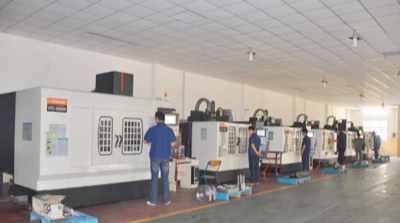
Sophisticated CNC machining ensures component accuracy.
What Our Clients Say
We pride ourselves on building strong, long-term relationships with our clients by delivering reliable machinery and exceptional service. Here’s what some of them have to say:

Procurement Manager, USA
"We needed a sausage stuffer with a reliable vacuum system to improve our patty consistency. Yuanchang delivered. The machine runs smoothly, and the vacuum level is spot on, reducing our rejects significantly. Their export process was also very straightforward."

Operations Director, Mexico
"The vacuum massager we acquired from Hebei Yuanchang has been a game-changer for our marinated meat production. It uniformly tenderizes and marinates, and the vacuum function ensures deep penetration and extends freshness. Their technical support was excellent during installation."

Factory Owner, Japan
"We were looking for a reliable OEM partner for custom meat processing components. Yuanchang's precision machining capabilities, especially with their Mazak CNC machines, allowed us to develop specialized parts that met our exact standards. Their communication was clear and professional."
Frequently Asked Questions
Q: What is considered "ultimate vacuum pressure" in practical terms for meat processing?
A: While theoretically approaching perfect vacuum, in practical meat processing, "ultimate vacuum pressure" refers to achieving a very low absolute pressure, typically in the range of 1-10 mbar absolute. This effectively removes over 99% of the air and oxygen from the system, which is crucial for extending shelf life and preventing oxidation.
Q: How does vacuum pressure affect the texture of sausages?
A: A proper vacuum during stuffing compacts the meat mixture, removing air pockets. This results in a denser, more uniform texture, better bite, and improved visual appeal. Without sufficient vacuum, sausages can be prone to 'voids' and a softer, less desirable consistency.
Q: Is a vacuum pump with a higher mbar absolute rating always better?
A: Not necessarily. The "better" rating depends on your specific application. While a lower mbar absolute rating indicates a deeper vacuum, the pump's capacity (flow rate) and its ability to maintain that vacuum under load are equally important. Over-specifying can lead to unnecessary costs and energy consumption. We help clients select the optimal pump for their needs.
Q: How often do vacuum pumps require maintenance?
A: Maintenance frequency varies by pump type, operating conditions, and the environment. For oil-lubricated rotary vane pumps, regular oil changes and filter replacements are crucial. Dry screw pumps may have longer intervals but require specialized attention. We provide detailed maintenance schedules for all our equipment. Our traceable after-sales system ensures you won't miss a critical service.
Q: Can your machines be customized for international voltage and frequency standards?
A: Yes, absolutely. As an experienced international exporter, we routinely configure our machinery to meet the electrical standards of different regions, including the USA (120V/60Hz) and other global markets.
Elevate Your Meat Processing Standards
Don't let inadequate vacuum control limit your product quality and market reach. Partner with Hebei Yuanchang, a leader with 40 years of experience, to implement solutions that deliver precision, reliability, and superior performance.